
Published: June 5, 2026 · Last updated: June 5, 2026
- Alcohol may help you fall asleep faster but it disrupts the second half of the night and suppresses restorative REM sleep (Cleveland Clinic, 2024)
- Hours after a nightcap, alcohol raises a stress hormone that speeds your heart rate and wakes you up (Harvard Health, 2024)
- Evidence for sleep supplements like melatonin is modest, and they are not recommended as a long-term fix for chronic insomnia (NCCIH, 2024)
The evening drink feels like it works. A glass of wine takes the edge off, your eyelids get heavy, and you drift off quickly. The trouble starts a few hours later, when that same drink quietly turns against you and fragments the rest of your night. Most people never connect the 3 a.m. wake-up to the nightcap that put them to sleep.
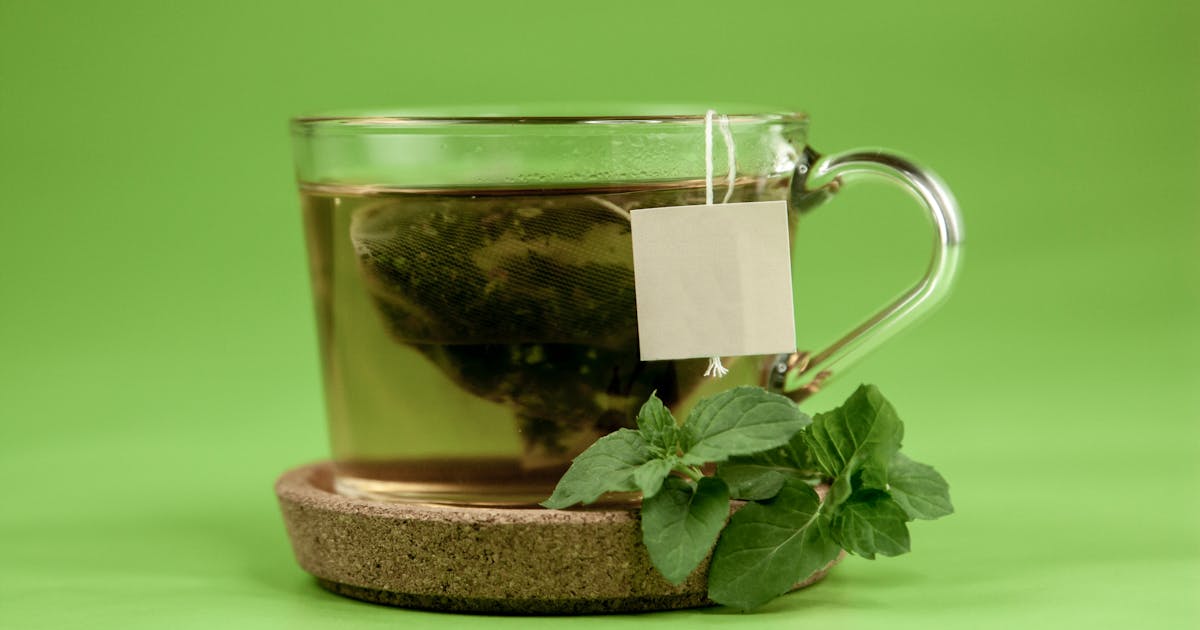
The good news is that the ritual of a warm cup before bed is genuinely soothing, and you can keep the ritual while dropping the alcohol. A simple non-alcoholic cup is a better bedtime companion, not because it is a magic sleep potion, but because it does not sabotage the second half of your night.
Why the Nightcap Backfires
Sedation Is Not Sleep: Alcohol is a sedative, so it does shorten the time it takes to fall asleep. That early effect is what fools people into thinking it helps.
The problem is what happens next. Alcohol disrupts the quality of sleep in the second half of the night and significantly suppresses REM, the restorative stage tied to memory and mood (Cleveland Clinic, 2024).
It also relaxes the muscles in your throat, which can worsen snoring and sleep apnea, and it sends you to the bathroom more often. The sleep you get is lighter and more broken even if you were unconscious quickly, and over time a regular nightcap can quietly erode the deep, restorative stages you most need. Waking unrefreshed despite a full night in bed is a classic sign.
The Stress-Hormone Rebound
A 3 a.m. Wake-Up Call: The most frustrating part of a nightcap is the rebound. As your body processes the alcohol, the early sedation wears off and flips into stimulation.
Several hours after that drink, alcohol raises your level of epinephrine, a stress hormone that increases heart rate and generally revs the body, which can jolt you awake (Harvard Health, 2024).
That is why a drink can leave you wide awake at 3 a.m. with a racing heart, then groggy and unrefreshed in the morning. The nightcap did not deepen your sleep. It borrowed from the back half of the night.
What to Sip Instead
Keep the Cup, Lose the Alcohol: The comforting part of a nightcap is the warm, deliberate pause before bed, and you can keep that with a non-alcoholic drink. A mug of caffeine-free herbal tea or warm milk gives your brain the same wind-down cue.
Tart cherry is a popular choice because it is a natural source of melatonin, and some small studies suggest it may modestly improve sleep, though the evidence is still limited and mixed. Chamomile is another gentle, traditional option.
The honest framing matters here. These drinks are not powerful sleep aids, and you should not expect a dramatic effect. Their real value is replacing a habit that hurts your sleep with one that, at worst, is neutral and calming.
Where Melatonin Fits and Does Not
Helpful for Timing, Not a Nightly Crutch: Many people reach for melatonin supplements expecting a sleeping pill. That is the wrong model for what it does.
Major sleep guidelines find there is not strong evidence to recommend melatonin for chronic insomnia, even though it can help with jet lag or shifting your sleep timing (NCCIH, 2024). It is a timing signal more than a sedative.
If you do try it, lower doses for short periods are the sensible approach, and it is worth a conversation with your doctor first. Leaning on any nightly aid, including alcohol, tends to mask a sleep problem rather than solve it.
Building a Wind-Down That Works
The Cup Is a Cue, Not a Cure: The reason a bedtime drink helps at all is that it anchors a routine, and routine is what actually trains the brain to sleep. The drink works best as one piece of a larger wind-down.
Pair the cup with a consistent bedtime, a cool and dark room, and a screen-free buffer before sleep. Keeping caffeine to the morning and earlier afternoon protects the same night the nightcap would have wrecked.
If you regularly use alcohol to fall asleep and struggle without it, that is worth raising with a clinician. Persistent insomnia responds far better to cognitive behavioral therapy than to any drink, warm or otherwise, and that therapy fixes the underlying pattern instead of masking it for one night at a time. The warm cup is a pleasant cue, but the real gains come from the routine around it.
To your health,

Ageless Coach
Age Strong. Live Long.
Trusted Sources Behind This Article
This content is for educational purposes only and is not a substitute for professional medical advice, diagnosis, or treatment. Reading this article does not create a provider-patient relationship. Always consult your physician or qualified healthcare provider before making changes to your diet, exercise, or health routine. Ageless Coach is not liable for any actions taken based on this information.
Frequently Asked Questions
Want one verified-science article like this every week?
Get Better Health, Weekly