
Published: May 26, 2026 · Last updated: May 26, 2026
- Ozempic-class drugs work in part by amplifying GLP-1, a satiety hormone your body already makes after high-fiber, high-protein meals (Harvard Health, 2024)
- U.S. adults average only 16 grams of dietary fiber per day, far below the 25 to 38 grams that strongly stimulate natural GLP-1 release (USDA, 2024)
- Combining fiber, protein, and unsaturated fat at each meal slows gastric emptying and lengthens satiety, the same physiological lever GLP-1 drugs pull (NIDDK, 2024)
Ozempic, Wegovy, and Mounjaro do not invent satiety. They amplify a hormone your gut already releases after every meal: GLP-1. The drugs flood your system with a long-acting copy of it. Certain foods, in the right combinations, push your body to release more of its own.
Below are five foods backed by Harvard Health, the USDA, and NIDDK that genuinely move the GLP-1 lever. None will match a weekly injection. Used together, they shift how full you feel from a meal, how long that fullness lasts, and where the belly fat goes.
Soluble Fiber From Oats, Beans, and Lentils
The Strongest Single Food Lever: Soluble fiber ferments in the gut to produce short-chain fatty acids that directly stimulate GLP-1 secretion. Oats, lentils, black beans, and chia seeds are the dense sources. A bowl of steel-cut oats with chia delivers more GLP-1 push than most breakfast options on the planet.
The USDA (2024) recommends 25 grams a day for women and 38 grams for men. Most Americans hit 16. Doubling fiber from the right sources is a quiet, sustainable lever that does not require a prescription.
Whole Eggs and Greek Yogurt for the Protein-First Plate
Protein at the Front of the Meal Triggers Satiety: Eating protein before carbs slows gastric emptying and elevates GLP-1 and CCK, two satiety hormones that quiet hunger for hours. Whole eggs and plain Greek yogurt deliver dense protein with minimal additives.
Two whole eggs plus a small bowl of Greek yogurt at breakfast keeps most adults full until lunch with no mid-morning crash. The same logic applies to dinner: load the plate with the chicken, fish, or beans first, then the starch.
Avocados and Nuts for the Long-Acting Fat
Monounsaturated Fat Extends the Fullness Curve: Foods rich in unsaturated fats (avocados, almonds, walnuts) signal the small intestine to release GLP-1 and slow stomach emptying. Harvard Health (2024) notes the same gut hormones drugs target are amplified by the right food matrix.
A handful of almonds or half an avocado with a meal adds about 150 to 200 calories of high-satiety fat. Used to replace refined carbohydrates, not added on top, this is one of the cleanest interventions in the satiety toolkit.
Fermented Foods That Feed the GLP-1 Producers
Your Microbiome Sets the Ceiling: Live-culture foods like sauerkraut, kimchi, kefir, and miso feed the bacteria that produce short-chain fatty acids in your colon. Those fatty acids are what stimulate GLP-1 release downstream.
You do not need supplements. A small daily serving of any traditional fermented food (a forkful of kraut, a small kefir) shifts the gut composition over weeks. The benefit compounds with fiber intake, which is the substrate those bacteria need.
Berries and Vegetables That Slow the Glucose Curve
Lower Glucose Spikes Mean Less Insulin Crash: NIDDK (2024) notes that fiber-rich, lower-glycemic foods produce gentler blood-sugar curves, which means less reactive hunger 90 minutes after a meal.
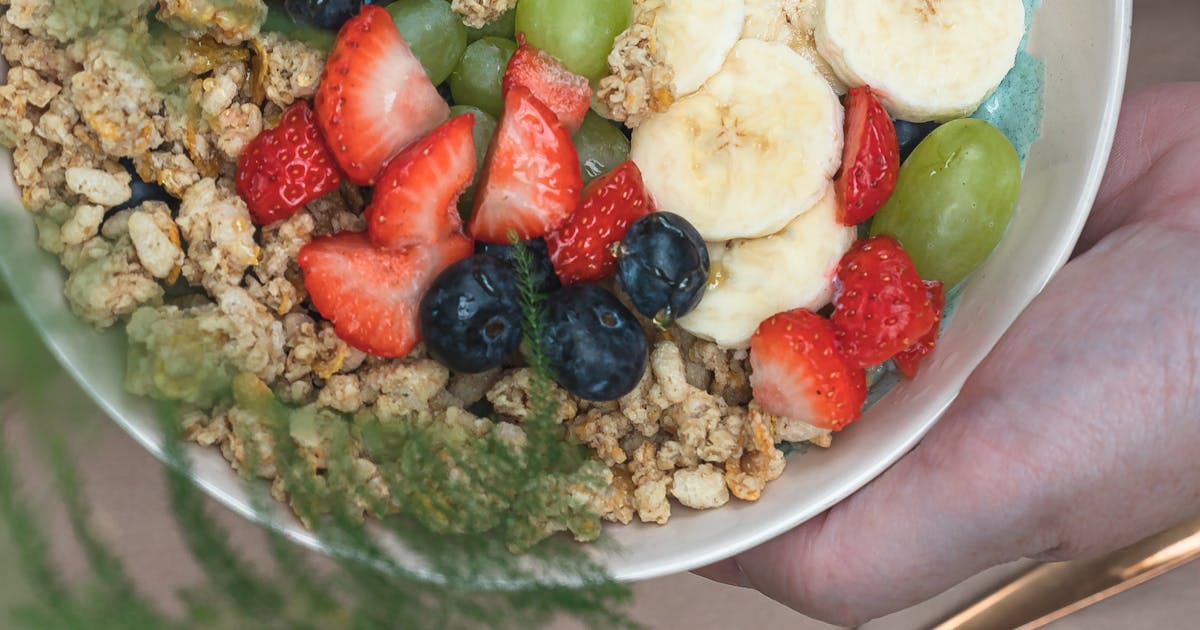
Berries, leafy greens, and crucifers deliver fiber and water with very few calories. Stacking them onto every meal is the single highest-volume, lowest-cost adjustment most people can make to their hunger and satiety pattern.
To your health,

Ageless Coach
Age Strong. Live Long.
Trusted Sources Behind This Article
This content is for educational purposes only and is not a substitute for professional medical advice, diagnosis, or treatment. Reading this article does not create a provider-patient relationship. Always consult your physician or qualified healthcare provider before making changes to your diet, exercise, or health routine. Ageless Coach is not liable for any actions taken based on this information.
Frequently Asked Questions
Want one verified-science article like this every week?
Get Better Health, Weekly