The Sitting Habit Quietly Wrecking Your Lower Back
The habit and the fix
Up to 80% of us get low back pain, and most of it is mechanical, not a scary spine problem. Prolonged sitting is a leading cause. Here is what actually eases it.
1Sitting · hours in a chair stiffen and weaken the muscles that support your spine
2Posture · a slumped desk setup piles extra stress on your lower back
3Movement · staying active, not bed rest, is what relieves most back pain
4Strength · building the core and back muscles that hold you upright protects the spine
5Red flags · a few symptoms mean you should see a doctor rather than wait it out
Low back pain is almost a rite of passage. Over a lifetime, up to 80% of people will have it, and the reassuring part is what is usually behind it. The large majority of low back pain is mechanical and nonspecific, meaning it comes from how the muscles, joints, and ligaments are being used rather than from a serious disease, and roughly 9 in 10 acute cases carry no red flags (NINDS, 2023).
Mechanical pain has an upside: habits you control tend to drive it, and habits you control tend to ease it. The one most of us repeat all day, often without noticing, is sitting. How long you stay in the chair, and how you sit in it, quietly shapes how your back feels by evening. Here is how the sitting habit works against your spine, and the movement and posture fixes that leading clinics actually recommend.
1
The good news
Why Back Pain Is So Common, and Usually Not Serious
The first thing to know is that a sore lower back is rarely a sign of something dangerous. Most low back pain cannot be traced to a specific structural diagnosis, which is exactly why doctors call it nonspecific, and the great majority of sudden flare-ups are mechanical and resolve as you keep moving (NINDS, 2023).
That matters because fear makes back pain worse. People who assume the worst tend to rest more, brace, and avoid movement, which stiffens everything further. Knowing the odds are heavily in your favor is the first step to treating your back like something sturdy that needs to move, not something fragile that needs to hide.
2
The habit
The Sitting Habit
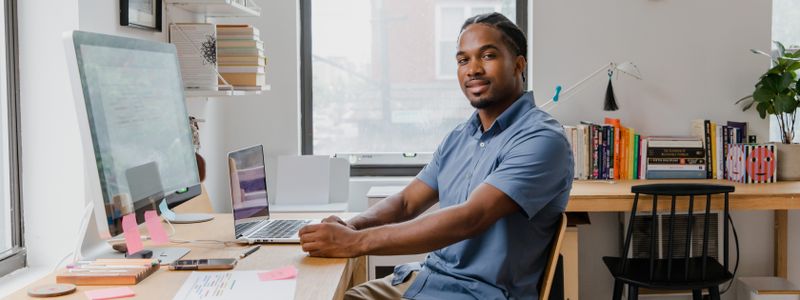
Sitting is not evil, but sitting still for hours is hard on a spine. Mayo Clinic warns that poor posture while sitting can leave muscles weak and tight and ligaments overstretched, which places extra stress on the spine (Mayo Clinic, 2024). The chair itself is not the villain; the stillness is.
Mayo is direct about the remedy in its office-ergonomics guidance: sitting in the same position for hours at a time is not good for your body, so get up and walk around as often as you can through the workday (Mayo Clinic, 2023). The muscles that support your lower back are built to move, and a full day of holding one shape is what leaves them aching.
Hours in one seated position, not the chair itself, are what stress the lower back. The fix is to break up sitting often.
3
The setup
Set Up Your Chair So It Stops Fighting Your Spine
If you have to sit to work, the setup should support your back instead of undermining it. Mayo Clinic recommends a chair that supports the natural curve of your spine, with your feet flat on the floor or a footrest, your low back kept in its natural curve, and your screen at eye level so your neck stays neutral (Mayo Clinic, 2023).
The best posture is your next posture.
Even a perfect chair cannot save you if you never move. Mayo Clinic advises getting up and walking around as often as you can, because staying in one position for hours is what stresses the back.
Mayo Clinic, 2023
4
The medicine
Movement Is the Medicine, Not Bed Rest
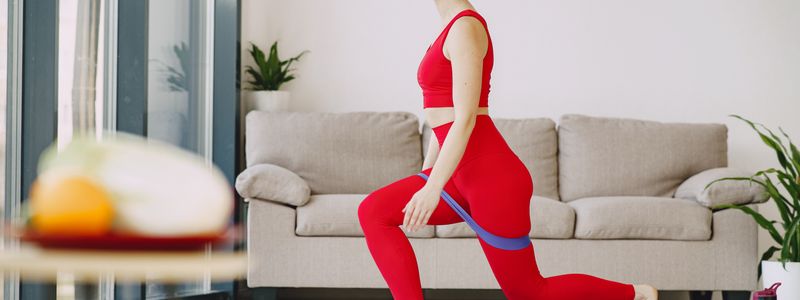
When the back hurts, the instinct is to lie down and wait. For most mechanical back pain that backfires. Mayo Clinic notes that regular exercise strengthens the muscles, joints, and bones that support the back, helps you keep a healthy weight that puts less load on the spine, and that walking, yoga, and Pilates are three activities commonly linked with back-pain improvement (Mayo Clinic, 2024).
Staying active also keeps the tissues supplied and mobile while they recover. Gentle, steady movement beats bed rest for nearly everyone with ordinary low back pain, which is why the modern advice is to keep doing your normal activities as much as the pain allows rather than shutting down.
Movement, not bed rest, is the fix. Regular activity strengthens the muscles that support the spine and eases most mechanical back pain.
5
The build
Build the Muscles That Hold You Up, and Know the Red Flags
The long game is strength. Muscles that support the trunk and back take load off the spine, so working them a few times a week, alongside the walking, yoga, or Pilates above, is how you make flare-ups rarer and shorter (Mayo Clinic, 2024).
Most back pain settles with movement and time, but a few signs mean you should stop self-treating and see a clinician: pain after a fall or heavy blow, numbness or tingling, weakness in a leg, problems controlling your bladder or bowels, fever, or unexplained weight loss (NINDS, 2023). Short of those, treat your back as strong, and keep it moving.
Take the back-care starter plan with you
Your free 2-page plan: how to break up sitting, the desk setup that protects your spine, the movement that eases most back pain, and the red flags that mean see a doctor.
One email. No spam. Unsubscribe anytime.
Free Lifestyle Assessment
How Healthy Is Your Current Lifestyle?
Answer honestly for five minutes and walk away with your personal scorecard: all six areas of your health rated, the one that needs your attention first, and a 30-day plan built from your answers. It shows up the second you finish.
Free. About 5 minutes. Your results appear instantly.
📋 Your Coach's Recommendations
1
Break Up Your Sitting Every 30 to 60 Minutes
Stand, walk, or stretch on a regular timer. Mayo Clinic says staying in one position for hours is hard on your body, and the best posture is simply your next one.
2
Fix Your Desk Setup
Use a chair that supports your spine, feet flat on the floor or a footrest, low back in its natural curve, and your screen at eye level so your neck stays neutral, per Mayo Clinic office ergonomics.
3
Move and Strengthen Most Days
Build in walking, yoga, or Pilates, the activities Mayo Clinic links with back-pain improvement, plus a couple of core and back strengthening sessions a week to protect the spine.
?
How it works. Just a quiet check-in, not an alert and not a recurring nag. The event lands as a 30-minute slot at 9am two weeks from today, with your plan in the notes and a link back to this article. Works with Apple Calendar, Google Calendar, and Outlook. Yours to move, snooze, or delete whenever.
Keep this plan
Get the one-page plan: how to break up sitting, set up your desk, move to ease pain, and spot the red flags.
One email. No spam. Unsubscribe anytime.
Where should we send it?
Your 1-page back-care plan, straight to your inbox.
We send the plan plus one short evidence brief each week. Unsubscribe anytime.
✓
It's on the way
Check your inbox in the next minute. Want it right now?
Your first Ageless Brief arrives this week: one study, translated, no hype.
To your health,
Frequently Asked Questions
Is most back pain caused by something serious?
Usually not. Most low back pain is mechanical and nonspecific, meaning it comes from how the back is used rather than a serious disease, and roughly 9 in 10 acute cases have no red flags, according to NINDS.
Can sitting too long really cause back pain?
Yes. Mayo Clinic notes that poor posture and long stretches of sitting can leave the supporting muscles weak and tight and add stress to the spine. The key fix is to get up and move often.
Should I rest in bed when my back hurts?
For ordinary mechanical back pain, usually no. Mayo Clinic points to regular exercise and staying active, since walking, yoga, and Pilates are linked with improvement, while prolonged bed rest tends to make stiffness worse.
What exercises help back pain?
Mayo Clinic highlights walking, yoga, and Pilates, plus strengthening the muscles that support the back and trunk. Building strength a few times a week takes load off the spine and can make flare-ups rarer.
When should I see a doctor?
See a clinician if back pain follows a fall or heavy blow, or comes with numbness, leg weakness, loss of bladder or bowel control, fever, or unexplained weight loss. These can signal something beyond ordinary mechanical pain.
Is this medical advice?
No. This article is educational and not a substitute for professional care. See a qualified clinician for pain that is severe, persistent, or paired with any of the red flags above.
Curious where you stand? Take the free 5-minute lifestyle assessment and your personal scorecard appears the second you finish.
By the Ageless Coach Editorial Team · Published March 22, 2026 · Last updated July 16, 2026
<style>
:root{--dark-base:#0D1B2A;--dark-mid:#1B3A4B;--teal:#0EA5A0;--teal-dark:#0C8C88;--teal-bright:#14D4CD;--fog:#D8E8E8;--deep-fog:#C8DCDC;--fog-border:#A8C4C4;--ink:#313743;--ink-soft:#49505f;--muted:#6b7280;--warm:#9A6841;--warm-light:#be7b4c;--serif:"Source Serif 4",Georgia,serif;--sans:Inter,-apple-system,BlinkMacSystemFont,"Segoe UI",sans-serif}
.w-richtext p,.w-richtext li,.w-richtext td{font-size:20.5px;line-height:1.7;color:var(--ink-soft)}
.w-richtext ul{list-style-type:disc;padding-left:24px;margin:12px 0}
.w-richtext ul li{margin-bottom:8px}
.ac-answer{background:#fff;border:1px solid #D4E4E4;border-top:5px solid var(--teal);border-radius:16px;padding:22px 24px 18px;margin:16px 0 28px;box-shadow:0 6px 22px rgba(13,27,42,.07)}
.ac-answer .aa-eyebrow{font:800 12px/1 var(--sans);letter-spacing:2.5px;text-transform:uppercase;color:var(--teal-dark);margin-bottom:8px}
.ac-answer .aa-head{font-family:var(--serif);font-size:24px;line-height:1.2;font-weight:800;color:var(--dark-base);margin:0 0 16px}
.ac-answer .aa-list{list-style:none;margin:0;padding:0}
.ac-answer .aa-list li{display:flex;gap:12px;align-items:baseline;padding:11px 0;border-bottom:1px solid #EDF3F3;font:700 16.5px/1.4 var(--sans);color:var(--ink)}
.ac-answer .aa-list li:last-child{border-bottom:none}
.ac-answer .aa-n{flex-shrink:0;width:24px;height:24px;border-radius:50%;background:var(--teal-dark);color:#fff;font:800 12px/24px var(--sans);text-align:center}
.ac-answer .aa-food{color:var(--teal-dark);font-weight:800}
.ac-answer .aa-cue{margin-top:18px;text-align:center}
.ac-answer .aa-cta{display:inline-flex;align-items:center;gap:10px;background:var(--teal-dark);color:#fff;font:800 14px/1 var(--sans);letter-spacing:.2px;padding:14px 26px;border-radius:50px;text-decoration:none;box-shadow:0 6px 16px rgba(12,140,136,.30)}
.ac-answer .aa-cta:hover{background:#0A7A76}
.ac-answer .aa-arw{display:inline-block;animation:aa-nudge 1.4s ease-in-out infinite}
@keyframes aa-nudge{0%,100%{transform:translateY(0)}50%{transform:translateY(4px)}}
@media(max-width:560px){.ac-answer{padding:20px 18px 16px}.ac-answer .aa-head{font-size:21px}.ac-answer .aa-list li{font-size:15px}}
.ac-band{margin:56px 0 24px;padding:26px 24px 12px;background:linear-gradient(180deg,#F0F7F7,#fff);border-radius:16px}
.ac-band.hype{background:linear-gradient(180deg,#FAF3EB,#fff)}
.ac-band .inner{display:flex;gap:20px;align-items:center}
.ac-band .big{font:900 72px/1 var(--sans);color:var(--deep-fog);flex-shrink:0}
.ac-band.hype .big{color:#EAD9C6}
.ac-band .q{font:700 13px/1.4 var(--sans);letter-spacing:2px;text-transform:uppercase;color:var(--teal-dark)}
.ac-band.hype .q{color:var(--warm)}
.ac-band h3{font-family:var(--serif);font-size:30px;line-height:1.2;font-weight:800;color:var(--ink);margin:0}
.ac-callout{border-left:4px solid var(--teal);background:#F4FAFA;border-radius:0 12px 12px 0;padding:18px 22px;margin:28px 0}
.ac-callout .n{font:800 20px/1.35 var(--sans);color:var(--dark-mid);margin-bottom:6px}
.ac-callout .d{font:500 15px/1.55 var(--sans);color:var(--ink-soft)}
.ac-callout .c{font:600 11.5px/1 var(--sans);letter-spacing:1.5px;text-transform:uppercase;color:var(--muted);margin-top:10px}
.ac-plan{background:linear-gradient(135deg,#F4FAFA 0%,#fff 100%);border-left:5px solid var(--teal-dark);border-radius:14px;padding:30px 26px;margin:40px 0 0;box-shadow:0 2px 12px rgba(0,0,0,.06);scroll-margin-top:100px}
.ac-plan .ptitle{font-family:var(--serif);font-size:24px;font-weight:800;color:var(--ink);margin-bottom:22px}
.ac-plan .step{display:flex;gap:16px;margin-bottom:18px;align-items:flex-start}
.ac-plan .step .n{min-width:38px;width:38px;height:38px;background:var(--teal-dark);border-radius:50%;color:#fff;font:800 17px/38px var(--sans);text-align:center;flex-shrink:0}
.ac-plan .sh{font:800 16.5px/1.4 var(--sans);color:var(--ink);margin-bottom:3px}
.ac-plan .sd{font:400 15px/1.6 var(--sans);color:var(--muted)}
.ac-plan .actions{border-top:1px solid #D8E8E8;margin-top:16px;padding-top:20px}
.ac-primary-row{display:flex;align-items:center;gap:10px;padding:0 4px}
.ac-btn-primary-wide{flex:1;background:var(--teal);color:#fff;border:1.5px solid var(--teal);border-radius:14px;padding:12px 22px;box-shadow:0 4px 14px rgba(14,165,160,.22);font-family:var(--sans);cursor:pointer;display:grid;grid-template-columns:auto 1fr;gap:14px;align-items:center;transition:all .18s ease}
.ac-btn-primary-wide:hover{background:var(--teal-dark);border-color:var(--teal-dark)}
.ac-btn-primary-wide .icon svg{width:22px;height:22px;color:#fff;display:block}
.ac-btn-primary-wide .label{text-align:left;line-height:1.25}
.ac-btn-primary-wide .label .top{display:block;font-weight:700;font-size:15.5px;color:#fff}
.ac-btn-primary-wide .label .top em{font-style:italic;font-weight:700}
.ac-cal-help{position:relative;flex-shrink:0}
.ac-cal-help summary{list-style:none;width:24px;height:24px;border-radius:50%;background:#E4F1F1;border:1px solid var(--fog-border);color:var(--dark-mid);font:700 13px/22px var(--sans);text-align:center;cursor:pointer;display:block}
.ac-cal-help summary::-webkit-details-marker{display:none}
.ac-cal-help .tip{position:absolute;right:0;top:32px;z-index:50;width:290px;background:var(--dark-base);color:var(--fog);border-radius:12px;padding:14px 16px;font:500 12.5px/1.55 var(--sans);box-shadow:0 10px 30px rgba(13,27,42,.35)}
.ac-cal-help .tip strong{color:#fff}
.ac-btn-share-wide{display:flex;width:100%;align-items:center;justify-content:center;gap:10px;background:#fff;color:var(--teal-dark);border:1.5px solid var(--teal-dark);border-radius:14px;padding:12px 22px;margin-top:10px;font:800 15px/1 var(--sans);cursor:pointer}
.ac-btn-share-wide svg{width:18px;height:18px}
.ac-midcap{background:linear-gradient(180deg,#F0F7F7,#fff);border:1.5px solid var(--fog-border);border-radius:16px;padding:24px 22px;margin:34px 0;text-align:center}
.ac-midcap h4{font-family:var(--serif);font-size:22px;font-weight:800;color:var(--ink);margin:0 0 6px}
.ac-midcap .sub{font:500 14px/1.55 var(--sans);color:var(--ink-soft);margin:0 auto 14px;max-width:400px}
.ac-midcap .mcform{display:flex;gap:8px;max-width:400px;margin:0 auto}
.ac-midcap .mcform input{flex:1;border:1.5px solid var(--fog-border);border-radius:50px;padding:12px 18px;font:500 14px/1 var(--sans);min-width:0}
.ac-midcap .mcform button{background:var(--teal-dark);color:#fff;border:none;border-radius:50px;padding:12px 20px;font:800 13.5px/1 var(--sans);cursor:pointer;white-space:nowrap}
.ac-midcap .fine{font:500 11.5px/1.5 var(--sans);color:var(--muted);margin-top:10px}
@media (max-width:520px){.ac-midcap .mcform{flex-direction:column}}
.ac-assess-promo{background:linear-gradient(135deg,#D8E8E8,#C8DCDC);border:1px solid var(--fog-border);border-radius:16px;padding:34px 30px;margin:44px 0;text-align:center}
.ac-assess-promo .eyebrow{color:var(--teal-dark);font:800 12px/1 var(--sans);letter-spacing:2.5px;text-transform:uppercase;margin:0 0 10px}
.ac-assess-promo h4{font-family:var(--serif);color:var(--dark-base);font-size:26px;font-weight:800;margin:0 0 12px}
.w-embed .ac-assess-promo p.ap-body,.ac-assess-promo p.ap-body{font-family:Georgia,serif;color:#3A5555;font-size:15.5px;font-weight:500;line-height:1.65;max-width:540px;margin:0 auto 22px}
.ac-assess-promo .ap-cta{display:inline-block;background:var(--teal-bright);color:var(--dark-base);font:800 15px/1 var(--sans);padding:15px 30px;border-radius:50px;text-decoration:none}
.ac-assess-promo .ap-fine{color:#4E6B6B;font:500 13px/1.5 var(--sans);margin:14px 0 0}
.ac-assess-line{border-top:1px solid #E2ECEC;margin-top:30px;padding:22px 10px 0;text-align:center;font:500 15.5px/1.6 var(--sans);color:#3A5555}
.w-embed .ac-assess-line a,.ac-assess-line a{color:var(--teal-dark);font-weight:700;text-decoration:underline;text-underline-offset:3px}
.ac-articlemeta{font:500 12.5px/1.6 var(--sans);color:#98a0a6;text-align:center;margin:24px 0 0}
.ac-capture{background:linear-gradient(180deg,#F0F7F7,#fff);border:1.5px solid var(--fog-border);border-radius:16px;padding:30px 28px;margin:26px 0 44px;text-align:center}
.ac-capture .cap-state{display:none}
.ac-capture[data-state="trigger"] .st-trigger{display:block}
.ac-capture[data-state="form"] .st-form{display:block}
.ac-capture[data-state="sent"] .st-sent{display:block}
.ac-capture h4{font-family:var(--serif);font-size:24px;font-weight:800;color:var(--ink);margin:0 0 8px}
.ac-capture .sub{font:500 15px/1.55 var(--sans);color:var(--ink-soft);margin:0 auto 18px;max-width:430px}
.ac-capture .bigbtn{display:inline-flex;align-items:center;gap:10px;background:var(--teal-dark);color:#fff;border:none;border-radius:50px;padding:16px 30px;font:800 16px/1 var(--sans);cursor:pointer;box-shadow:0 6px 18px rgba(12,140,136,.28)}
.ac-capture .capform{display:flex;gap:10px;max-width:430px;margin:0 auto}
.ac-capture .capform input{flex:1;border:1.5px solid var(--fog-border);border-radius:50px;padding:14px 20px;font:500 15px/1 var(--sans)}
.ac-capture .capform button{background:var(--teal-dark);color:#fff;border:none;border-radius:50px;padding:14px 24px;font:800 14px/1 var(--sans);cursor:pointer}
.ac-capture .sent-check{width:52px;height:52px;border-radius:50%;background:var(--teal);color:#fff;font:800 26px/52px var(--sans);margin:0 auto 12px}
.ac-capture .dl{display:inline-block;margin-top:6px;color:var(--teal-dark);font:700 15px/1 var(--sans);text-decoration:underline;cursor:pointer}
.ac-capture .fine{font:500 12px/1.5 var(--sans);color:var(--muted);margin-top:12px}
.ac-sig{margin-top:36px}
.ac-sig .rule{width:60px;height:2px;background:linear-gradient(90deg,var(--teal-dark),var(--teal-bright));margin-bottom:18px;border-radius:2px}
.ac-sig .toyour{font-family:var(--serif);font-size:16px;font-style:italic;color:#777;margin:0 0 10px;padding-left:2px}
.ac-faq{margin-top:40px;border-top:1px solid #e5e7eb;padding-top:30px;margin-bottom:40px}
.ac-faq h2{font-family:var(--serif);font-size:23px;font-weight:800;color:var(--ink);margin:0 0 18px}
.ac-faq details{border:1px solid #e5e7eb;border-radius:10px;margin-bottom:10px}
.ac-faq summary{padding:15px 18px;font:700 16px/1.4 var(--sans);color:var(--ink);cursor:pointer;display:flex;justify-content:space-between;align-items:center;list-style:none}
.ac-faq summary:after{content:"\25BE";color:var(--warm)}
.ac-faq .a{padding:0 18px 16px;font-size:17px;line-height:1.65;color:#555}
.article-header-section .article-container{max-width:1080px !important;margin:0 auto !important;padding:0 20px !important}
.article-header-section .article-hero-image{display:block;width:100%;max-width:660px;margin:0}
.article-header-section .article-title{display:block !important;font-family:var(--serif);font-size:32px;line-height:1.25;font-weight:700;color:#313743;margin:20px 0 12px 0;text-align:left;max-width:660px}
@media (max-width:767px){.article-header-section .article-title{font-size:26px}.article-header-section .article-hero-image{max-width:100%}}
@media (max-width:640px){.ac-band .big{font-size:52px}}
@media (max-width:520px){.ac-capture .capform{flex-direction:column}}
.ac-figure{margin:30px 0}.ac-figure img{display:block;width:100%;border-radius:14px;height:auto;aspect-ratio:800/300}.ac-figure figcaption{font:500 13px/1.5 var(--sans);color:var(--muted);margin-top:9px}</style>
<div class="ac-answer">
<div class="aa-eyebrow">The habit and the fix</div>
<h2 class="aa-head">Up to 80% of us get low back pain, and most of it is mechanical, not a scary spine problem. Prolonged sitting is a leading cause. Here is what actually eases it.</h2>
<ol class="aa-list">
<li><span class="aa-n">1</span><span><span class="aa-food">Sitting</span> · hours in a chair stiffen and weaken the muscles that support your spine</span></li>
<li><span class="aa-n">2</span><span><span class="aa-food">Posture</span> · a slumped desk setup piles extra stress on your lower back</span></li>
<li><span class="aa-n">3</span><span><span class="aa-food">Movement</span> · staying active, not bed rest, is what relieves most back pain</span></li>
<li><span class="aa-n">4</span><span><span class="aa-food">Strength</span> · building the core and back muscles that hold you upright protects the spine</span></li>
<li><span class="aa-n">5</span><span><span class="aa-food">Red flags</span> · a few symptoms mean you should see a doctor rather than wait it out</span></li>
</ol>
<div class="aa-cue"><a class="aa-cta" href="#coach-recommendations">Get Your Coach's 3-Step Plan <span class="aa-arw">↓</span></a></div>
</div>
<p>Low back pain is almost a rite of passage. Over a lifetime, up to 80% of people will have it, and the reassuring part is what is usually behind it. The large majority of low back pain is mechanical and nonspecific, meaning it comes from how the muscles, joints, and ligaments are being used rather than from a serious disease, and roughly 9 in 10 acute cases carry no red flags (<a href="https://www.ninds.nih.gov/health-information/disorders/back-pain" target="_blank" rel="noopener">NINDS, 2023</a>).</p>
<p>Mechanical pain has an upside: habits you control tend to drive it, and habits you control tend to ease it. The one most of us repeat all day, often without noticing, is sitting. How long you stay in the chair, and how you sit in it, quietly shapes how your back feels by evening. Here is how the sitting habit works against your spine, and the movement and posture fixes that leading clinics actually recommend.</p>
<div class="ac-band"><div class="inner"><div class="big">1</div><div><div class="q">The good news</div><h3>Why Back Pain Is So Common, and Usually Not Serious</h3></div></div></div>
<p>The first thing to know is that a sore lower back is rarely a sign of something dangerous. Most low back pain cannot be traced to a specific structural diagnosis, which is exactly why doctors call it nonspecific, and the great majority of sudden flare-ups are mechanical and resolve as you keep moving (<a href="https://www.ninds.nih.gov/health-information/disorders/back-pain" target="_blank" rel="noopener">NINDS, 2023</a>).</p><p>That matters because fear makes back pain worse. People who assume the worst tend to rest more, brace, and avoid movement, which stiffens everything further. Knowing the odds are heavily in your favor is the first step to treating your back like something sturdy that needs to move, not something fragile that needs to hide.</p>
<div class="ac-band hype"><div class="inner"><div class="big">2</div><div><div class="q">The habit</div><h3>The Sitting Habit</h3></div></div></div>
<p>Sitting is not evil, but sitting still for hours is hard on a spine. Mayo Clinic warns that poor posture while sitting can leave muscles weak and tight and ligaments overstretched, which places extra stress on the spine (<a href="https://newsnetwork.mayoclinic.org/discussion/expert-alert-back-and-neck-pain-treatments-cover-self-care-to-surgery-prevention-is-key/" target="_blank" rel="noopener">Mayo Clinic, 2024</a>). The chair itself is not the villain; the stillness is.</p><p>Mayo is direct about the remedy in its office-ergonomics guidance: sitting in the same position for hours at a time is not good for your body, so get up and walk around as often as you can through the workday (<a href="https://www.mayoclinic.org/healthy-lifestyle/adult-health/in-depth/office-ergonomics/art-20046169" target="_blank" rel="noopener">Mayo Clinic, 2023</a>). The muscles that support your lower back are built to move, and a full day of holding one shape is what leaves them aching.</p>
<figure class="ac-figure"><img src="https://images.pexels.com/photos/10376031/pexels-photo-10376031.jpeg?auto=compress&cs=tinysrgb&w=800&h=300&fit=crop" alt="A man sitting at a desk working at a computer in a home office" width="800" height="300" loading="lazy" decoding="async"><figcaption>Hours in one seated position, not the chair itself, are what stress the lower back. The fix is to break up sitting often.</figcaption></figure>
<div class="ac-band"><div class="inner"><div class="big">3</div><div><div class="q">The setup</div><h3>Set Up Your Chair So It Stops Fighting Your Spine</h3></div></div></div>
<p>If you have to sit to work, the setup should support your back instead of undermining it. Mayo Clinic recommends a chair that supports the natural curve of your spine, with your feet flat on the floor or a footrest, your low back kept in its natural curve, and your screen at eye level so your neck stays neutral (<a href="https://www.mayoclinic.org/healthy-lifestyle/adult-health/in-depth/office-ergonomics/art-20046169" target="_blank" rel="noopener">Mayo Clinic, 2023</a>).</p>
<div class="ac-callout"><div class="n">The best posture is your next posture.</div><div class="d">Even a perfect chair cannot save you if you never move. Mayo Clinic advises getting up and walking around as often as you can, because staying in one position for hours is what stresses the back.</div><div class="c">Mayo Clinic, 2023</div></div>
<div class="ac-band hype"><div class="inner"><div class="big">4</div><div><div class="q">The medicine</div><h3>Movement Is the Medicine, Not Bed Rest</h3></div></div></div>
<p>When the back hurts, the instinct is to lie down and wait. For most mechanical back pain that backfires. Mayo Clinic notes that regular exercise strengthens the muscles, joints, and bones that support the back, helps you keep a healthy weight that puts less load on the spine, and that walking, yoga, and Pilates are three activities commonly linked with back-pain improvement (<a href="https://newsnetwork.mayoclinic.org/discussion/expert-alert-back-and-neck-pain-treatments-cover-self-care-to-surgery-prevention-is-key/" target="_blank" rel="noopener">Mayo Clinic, 2024</a>).</p><p>Staying active also keeps the tissues supplied and mobile while they recover. Gentle, steady movement beats bed rest for nearly everyone with ordinary low back pain, which is why the modern advice is to keep doing your normal activities as much as the pain allows rather than shutting down.</p>
<figure class="ac-figure"><img src="https://images.pexels.com/photos/4148919/pexels-photo-4148919.jpeg?auto=compress&cs=tinysrgb&w=800&h=300&fit=crop" alt="A woman doing a lunge strengthening exercise in her living room" width="800" height="300" loading="lazy" decoding="async"><figcaption>Movement, not bed rest, is the fix. Regular activity strengthens the muscles that support the spine and eases most mechanical back pain.</figcaption></figure>
<div class="ac-band"><div class="inner"><div class="big">5</div><div><div class="q">The build</div><h3>Build the Muscles That Hold You Up, and Know the Red Flags</h3></div></div></div>
<p>The long game is strength. Muscles that support the trunk and back take load off the spine, so working them a few times a week, alongside the walking, yoga, or Pilates above, is how you make flare-ups rarer and shorter (<a href="https://newsnetwork.mayoclinic.org/discussion/expert-alert-back-and-neck-pain-treatments-cover-self-care-to-surgery-prevention-is-key/" target="_blank" rel="noopener">Mayo Clinic, 2024</a>).</p><p>Most back pain settles with movement and time, but a few signs mean you should stop self-treating and see a clinician: pain after a fall or heavy blow, numbness or tingling, weakness in a leg, problems controlling your bladder or bowels, fever, or unexplained weight loss (<a href="https://www.ninds.nih.gov/health-information/disorders/back-pain" target="_blank" rel="noopener">NINDS, 2023</a>). Short of those, treat your back as strong, and keep it moving.</p>
<div class="ac-midcap">
<h4>Take the back-care starter plan with you</h4>
<p class="sub">Your free 2-page plan: how to break up sitting, the desk setup that protects your spine, the movement that eases most back pain, and the red flags that mean see a doctor.</p>
<div class="mcform"><input type="email" placeholder="Your email address" aria-label="Email address"><button type="button">Send My Plan (Free)</button></div>
<div class="fine">One email. No spam. Unsubscribe anytime.</div>
</div>
<div class="ac-assess-promo">
<p class="eyebrow">Free Lifestyle Assessment</p>
<h4>How Healthy Is Your Current Lifestyle?</h4>
<p class="ap-body">Answer honestly for five minutes and walk away with your personal scorecard: all six areas of your health rated, the one that needs your attention first, and a 30-day plan built from your answers. It shows up the second you finish.</p>
<a class="ap-cta" href="/#assessment">See How the Assessment Works →</a>
<p class="ap-fine">Free. About 5 minutes. Your results appear instantly.</p>
</div>
<div class="ac-plan" id="coach-recommendations"><div class="ptitle">📋 Your Coach's Recommendations</div>
<div class="step"><div class="n">1</div><div><div class="sh">Break Up Your Sitting Every 30 to 60 Minutes</div><div class="sd">Stand, walk, or stretch on a regular timer. Mayo Clinic says staying in one position for hours is hard on your body, and the best posture is simply your next one.</div></div></div>
<div class="step"><div class="n">2</div><div><div class="sh">Fix Your Desk Setup</div><div class="sd">Use a chair that supports your spine, feet flat on the floor or a footrest, low back in its natural curve, and your screen at eye level so your neck stays neutral, per Mayo Clinic office ergonomics.</div></div></div>
<div class="step"><div class="n">3</div><div><div class="sh">Move and Strengthen Most Days</div><div class="sd">Build in walking, yoga, or Pilates, the activities Mayo Clinic links with back-pain improvement, plus a couple of core and back strengthening sessions a week to protect the spine.</div></div></div>
<div class="actions">
<div class="ac-primary-row">
<button type="button" class="ac-btn-primary-wide" data-ac-cal>
<span class="icon"><svg viewBox="0 0 24 24" fill="none" stroke="currentColor" stroke-width="2" stroke-linecap="round" stroke-linejoin="round"><rect x="3" y="4" width="18" height="18" rx="2"></rect><path d="M16 2v4M8 2v4M3 10h18"></path></svg></span>
<span class="label"><span class="top">Add <em>Your Coach's Recommendations to Your Calendar</em></span></span>
</button>
<details class="ac-cal-help">
<summary aria-label="What does this do?">?</summary>
<div class="tip"><strong>How it works.</strong> Just a quiet check-in, not an alert and not a recurring nag. The event lands as a 30-minute slot at 9am two weeks from today, with your plan in the notes and a link back to this article. Works with Apple Calendar, Google Calendar, and Outlook. Yours to move, snooze, or delete whenever.</div>
</details>
</div>
<button type="button" class="ac-btn-share-wide" data-ac-share>
<svg viewBox="0 0 24 24" fill="none" stroke="currentColor" stroke-width="2" stroke-linecap="round" stroke-linejoin="round"><path d="M4 12v8a2 2 0 002 2h12a2 2 0 002-2v-8"></path><polyline points="16 6 12 2 8 6"></polyline><line x1="12" y1="2" x2="12" y2="15"></line></svg>
Share this article
</button>
</div>
</div>
<div class="ac-capture" data-state="trigger" data-article-slug="80-of-back-pain-comes-from-one-bad-habit-here-s-the-fix" data-pdf-url="https://cdn.prod.website-files.com/69be1026a027224999b7936b/6a58e1a9dc03d422dc52004d_back-care-starter-plan.pdf" data-plan-title="The Back-Care Starter Plan" data-plan-desc="Your free 2-page plan to ease and prevent mechanical low back pain: break up sitting, fix your desk, move daily, and know the red flags. Checked against Mayo Clinic and the National Institute of Neurological Disorders and Stroke.">
<div class="st-trigger cap-state"><h4>Keep this plan</h4>
<p class="sub">Get the one-page plan: how to break up sitting, set up your desk, move to ease pain, and spot the red flags.</p>
<button class="bigbtn" type="button" data-cap="form">📩 Email Me This Plan (Free PDF)</button>
<div class="fine">One email. No spam. Unsubscribe anytime.</div></div>
<div class="st-form cap-state"><h4>Where should we send it?</h4>
<p class="sub">Your 1-page back-care plan, straight to your inbox.</p>
<form class="capform"><input type="email" name="email" required placeholder="Your email address" aria-label="Email address"><button type="submit">Send My Plan</button></form>
<div class="fine">We send the plan plus one short evidence brief each week. Unsubscribe anytime.</div></div>
<div class="st-sent cap-state"><div class="sent-check">✓</div><h4>It's on the way</h4>
<p class="sub">Check your inbox in the next minute. Want it right now?</p>
<a class="dl" href="https://cdn.prod.website-files.com/69be1026a027224999b7936b/6a58e1a9dc03d422dc52004d_back-care-starter-plan.pdf" download>⬇ Download your plan (PDF)</a>
<div class="fine">Your first Ageless Brief arrives this week: one study, translated, no hype.</div></div>
</div>
<div class="ac-sig">
<div class="rule"></div>
<p class="toyour">To your health,</p>
<svg width="320" height="72" viewBox="0 0 320 72" role="img" aria-label="Ageless Coach. Age Strong. Live Long." xmlns="http://www.w3.org/2000/svg" xmlns:xlink="http://www.w3.org/1999/xlink">
<defs><clipPath id="acSigIconClip"><rect x="0" y="6" width="60" height="60" rx="12" ry="12"/></clipPath></defs>
<image x="0" y="6" width="60" height="60" clip-path="url(#acSigIconClip)" preserveAspectRatio="xMidYMid slice" href="https://cdn.prod.website-files.com/69be1026a027224999b7936b/6a0b22c6afd5d6fd115b9c1a_ac-closing-brand-icon.webp" xlink:href="https://cdn.prod.website-files.com/69be1026a027224999b7936b/6a0b22c6afd5d6fd115b9c1a_ac-closing-brand-icon.webp"/>
<text x="76" y="42" style="font-family:Inter,system-ui,-apple-system,'Helvetica Neue',Arial,sans-serif;font-size:27px;letter-spacing:-0.3px">
<tspan style="font-weight:800;fill:#0D1B2A">Ageless</tspan><tspan style="font-weight:300;fill:rgba(13,27,42,0.6)">Coach</tspan><tspan dy="-12" style="font-size:16px;font-weight:600;fill:rgba(13,27,42,0.6)">™</tspan>
</text>
<text x="76" y="60" style="font-family:Inter,system-ui,-apple-system,'Helvetica Neue',Arial,sans-serif;font-size:10.5px;letter-spacing:2.5px;font-weight:500;fill:#0C8C88;text-transform:uppercase">AGE STRONG. LIVE LONG.</text>
</svg>
</div>
<div class="ac-faq"><h2>Frequently Asked Questions</h2>
<details><summary>Is most back pain caused by something serious?</summary><div class="a">Usually not. Most low back pain is mechanical and nonspecific, meaning it comes from how the back is used rather than a serious disease, and roughly 9 in 10 acute cases have no red flags, according to NINDS.</div></details>
<details><summary>Can sitting too long really cause back pain?</summary><div class="a">Yes. Mayo Clinic notes that poor posture and long stretches of sitting can leave the supporting muscles weak and tight and add stress to the spine. The key fix is to get up and move often.</div></details>
<details><summary>Should I rest in bed when my back hurts?</summary><div class="a">For ordinary mechanical back pain, usually no. Mayo Clinic points to regular exercise and staying active, since walking, yoga, and Pilates are linked with improvement, while prolonged bed rest tends to make stiffness worse.</div></details>
<details><summary>What exercises help back pain?</summary><div class="a">Mayo Clinic highlights walking, yoga, and Pilates, plus strengthening the muscles that support the back and trunk. Building strength a few times a week takes load off the spine and can make flare-ups rarer.</div></details>
<details><summary>When should I see a doctor?</summary><div class="a">See a clinician if back pain follows a fall or heavy blow, or comes with numbness, leg weakness, loss of bladder or bowel control, fever, or unexplained weight loss. These can signal something beyond ordinary mechanical pain.</div></details>
<details><summary>Is this medical advice?</summary><div class="a">No. This article is educational and not a substitute for professional care. See a qualified clinician for pain that is severe, persistent, or paired with any of the red flags above.</div></details>
</div>
<div class="ac-assess-line">Curious where you stand? Take the free <a href="/#assessment">5-minute lifestyle assessment</a> and your personal scorecard appears the second you finish.</div>
<p class="ac-articlemeta">By the Ageless Coach Editorial Team · Published March 22, 2026 · Last updated July 16, 2026</p>
Subscribe to the Free Newsletter
One article a week. Trusted research made simple. Start making smarter health decisions today.