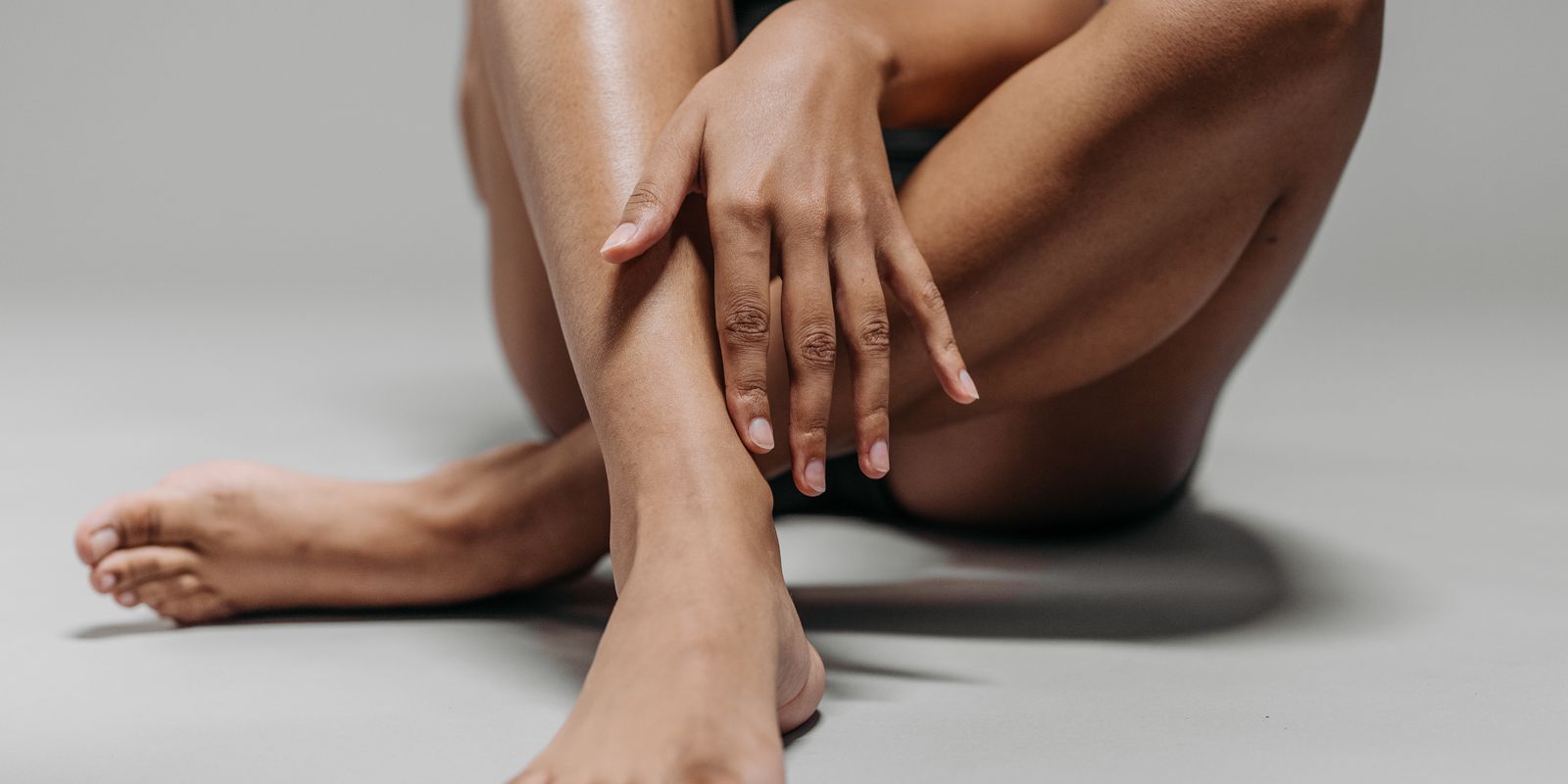
<style>:root{--dark-base:#0D1B2A;--dark-mid:#1B3A4B;--teal:#0EA5A0;--teal-dark:#0C8C88;--teal-bright:#14D4CD;--fog:#D8E8E8;--deep-fog:#C8DCDC;--fog-border:#A8C4C4;--ink:#313743;--ink-soft:#49505f;--muted:#6b7280;--warm:#9A6841;--warm-light:#be7b4c;--serif:"Source Serif 4",Georgia,serif;--sans:Inter,-apple-system,BlinkMacSystemFont,"Segoe UI",sans-serif}.acv-root .acv-dek{font:500 19px/1.55 var(--sans);color:var(--ink-soft);margin:0 0 14px}.acv-root .acv-dek b{color:var(--teal-dark)}.acv-root .acv-meta{font:600 13px/1.6 var(--sans);color:var(--muted);margin:14px 0 0;text-align:center}.acv-root .acv-meta .acv-chk{color:var(--teal-dark)}.acv-root .acv-glance{background:linear-gradient(180deg,#F0F7F7,#fff);border:1.5px solid var(--fog-border);border-radius:14px;padding:22px 24px;margin:24px 0 0}.acv-root .acv-glance .acv-gt{font:800 12px/1 var(--sans);letter-spacing:2.5px;text-transform:uppercase;color:var(--teal-dark);margin-bottom:14px}.acv-root .acv-glance .acv-item{font:500 15.5px/1.55 var(--sans);color:var(--ink-soft);padding:0 0 10px 26px;position:relative}.acv-root .acv-glance .acv-item:before{content:"";position:absolute;left:2px;top:7px;width:8px;height:8px;border-radius:50%;background:var(--teal)}.acv-root .acv-glance .acv-item b{color:var(--ink)}.acv-root .acv-glance .acv-s{color:var(--muted);font-size:12.5px}.acv-root .acv-body{margin-top:30px}.acv-root .acv-body p{font-size:20.5px;line-height:1.75;margin:0 0 24px;color:var(--ink-soft)}.acv-root .acv-body p strong{color:var(--ink)}.acv-root .acv-body a{color:var(--teal-dark);font-weight:700;text-decoration:underline;text-decoration-color:rgba(14,165,160,.4);text-underline-offset:3px}.acv-root .acv-dropcap:first-letter{font-family:var(--serif);font-size:64px;font-weight:800;color:var(--dark-mid);float:left;line-height:.9;padding:6px 10px 0 0}.acv-root mark{background:linear-gradient(180deg,transparent 55%,rgba(20,212,205,.35) 55%);color:inherit;padding:0 2px}.acv-root .acv-band{margin:56px 0 24px;padding:26px 22px 12px;background:linear-gradient(180deg,#F0F7F7,#fff);border-radius:16px}.acv-root .acv-band.acv-hype{background:linear-gradient(180deg,#FAF3EB,#fff)}.acv-root .acv-band .acv-inner{display:flex;gap:18px;align-items:center}.acv-root .acv-band .acv-big{font:900 64px/1 var(--sans);color:var(--deep-fog);flex-shrink:0}.acv-root .acv-band.acv-hype .acv-big{color:#EAD9C6}.acv-root .acv-band .acv-q{font:700 13px/1.4 var(--sans);letter-spacing:2px;text-transform:uppercase;color:var(--teal-dark);margin-bottom:6px}.acv-root .acv-band.acv-hype .acv-q{color:var(--warm)}.acv-root .acv-band h3{font-family:var(--serif);font-size:31px;line-height:1.2;font-weight:800;color:var(--ink);margin:0}.acv-root .acv-billboard{background:var(--dark-mid);border-radius:18px;color:#fff;padding:30px 28px;margin:32px 0;text-align:center}.acv-root .acv-billboard .acv-n{font:900 34px/1.2 var(--sans);color:var(--teal-bright);margin-bottom:8px}.acv-root .acv-billboard .acv-d{font:500 16px/1.55 var(--sans);color:#D4E5E5;max-width:480px;margin:0 auto}.acv-root .acv-billboard .acv-c{font:600 12px/1 var(--sans);letter-spacing:1.5px;text-transform:uppercase;color:#8FB3B3;margin-top:12px}.acv-root figure{margin:32px 0}.acv-root figure img{width:100%;border-radius:16px;display:block}.acv-root figcaption{font:600 13.5px/1.5 var(--sans);color:var(--muted);margin:10px 0 0;text-align:center}.acv-root .acv-pullquote{margin:34px 0;text-align:center;padding:0 10px}.acv-root .acv-pullquote p{font-family:var(--serif);font-size:27px;line-height:1.4;color:var(--dark-mid);font-weight:700;margin:0 0 10px}.acv-root .acv-pullquote .acv-who{font:700 12px/1 var(--sans);letter-spacing:2px;text-transform:uppercase;color:var(--warm)}.acv-root .acv-plan{background:linear-gradient(135deg,#fffcf4 0%,#fff8ed 100%);border-left:5px solid var(--teal-dark);border-radius:14px;padding:30px 26px 24px;margin:40px 0 0;box-shadow:0 2px 12px rgba(0,0,0,.06)}.acv-root .acv-plan .acv-ptitle{display:flex;align-items:center;gap:12px;font-family:var(--serif);font-size:26px;font-weight:800;color:var(--ink);margin-bottom:24px}.acv-root .acv-plan .acv-ptitle .acv-ico{font-size:24px;color:var(--teal-dark)}.acv-root .acv-plan .step{display:flex;gap:16px;margin-bottom:20px;align-items:flex-start}.acv-root .acv-plan .acv-n{min-width:38px;width:38px;height:38px;background:var(--teal-dark);border-radius:50%;color:#fff;font:800 17px/38px var(--sans);text-align:center;flex-shrink:0}.acv-root .acv-plan .sh{font:800 16.5px/1.4 var(--sans);color:var(--ink);margin-bottom:3px}.acv-root .acv-plan .sd{font:400 15px/1.6 var(--sans);color:var(--muted)}.acv-root .acv-plan .acv-pdiv{height:1px;background:#E4DECE;margin:26px 0 22px}.acv-root .acv-calbar{display:flex;align-items:center;justify-content:center;gap:12px;width:100%;background:linear-gradient(90deg,var(--teal-dark),var(--teal));color:#fff;border:none;border-radius:12px;padding:17px 20px;font:700 16px/1.3 var(--sans);cursor:pointer;position:relative;box-shadow:0 4px 14px rgba(12,140,136,.25)}.acv-root .acv-calbar i{font-family:var(--serif);font-style:italic;font-weight:600}.acv-root .acv-calbar .acv-qm{position:absolute;right:14px;top:50%;transform:translateY(-50%);width:26px;height:26px;border-radius:50%;background:rgba(255,255,255,.22);font:700 14px/26px var(--sans);text-align:center}.acv-root .acv-opsrow{display:grid;grid-template-columns:repeat(4,1fr);gap:12px;margin-top:14px}@media(max-width:640px){.acv-root .acv-opsrow{grid-template-columns:1fr 1fr}}.acv-root .acv-opsrow button{display:flex;align-items:center;justify-content:center;gap:8px;background:#fff;border:1.5px solid var(--teal);color:var(--teal-dark);border-radius:50px;padding:13px 10px;font:700 14px/1 var(--sans);cursor:pointer;transition:background .15s}.acv-root .acv-opsrow button:hover{background:#F0FAFA}.acv-root .acv-capture{background:linear-gradient(135deg,var(--dark-base),var(--dark-mid));border-radius:18px;padding:32px 30px;margin:50px 0 56px;color:#fff;position:relative;overflow:hidden;box-shadow:0 16px 40px rgba(13,27,42,.25)}.acv-root .acv-cap-grid{display:grid;grid-template-columns:1fr 200px;gap:26px;align-items:center}@media(max-width:600px){.acv-root .acv-cap-grid{grid-template-columns:1fr}.acv-root .acv-chartcard{display:none}}.acv-root .acv-capture h4{font-family:var(--serif);font-size:26px;font-weight:800;margin:0 0 8px}.acv-root .acv-capture .acv-sub{font:500 15.5px/1.55 var(--sans);color:#C9DDDD;margin:0 0 18px}.acv-root .acv-chartcard{background:#fff;border-radius:8px;padding:14px 13px 12px;box-shadow:0 12px 32px rgba(0,0,0,.38);transform:rotate(2deg)}.acv-root .acv-chartcard .acv-ch-mast{font-family:var(--serif);font-weight:800;font-size:11px;color:var(--dark-base);letter-spacing:.4px;border-bottom:3px solid var(--dark-base);padding-bottom:5px}.acv-root .acv-chartcard .acv-ch-sub{font:800 5.5px/1.4 var(--sans);color:var(--muted);letter-spacing:.8px;margin:4px 0 8px}.acv-root .acv-chartcard .acv-ch-cols{display:grid;grid-template-columns:1fr 1fr;gap:8px}.acv-root .acv-chartcard .acv-ch-h{font:900 7.5px/1 var(--sans);letter-spacing:1px;border-radius:3px;padding:4px 5px;margin-bottom:5px;color:#fff}.acv-root .acv-chartcard .acv-ch-h.acv-ok{background:#2E7D5B}.acv-root .acv-chartcard .acv-ch-h.acv-no{background:#B4533A}.acv-root .acv-chartcard .acv-ch-row{height:9px;border-radius:2px;margin:4px 0}.acv-root .acv-chartcard .acv-ch-row.acv-ok{background:#E3F0E9}.acv-root .acv-chartcard .acv-ch-row.acv-no{background:#F6E7E1}.acv-root .acv-chartcard .acv-ch-row.acv-short{width:70%}.acv-root .acv-chartcard .acv-ch-band{height:16px;border-radius:3px;background:var(--fog);margin-top:9px}.acv-root .cap-state{display:none}.acv-root .acv-capture[data-state="trigger"] .st-trigger{display:block}.acv-root .acv-capture[data-state="form"] .st-form{display:block}.acv-root .acv-capture[data-state="sent"] .st-sent{display:block}.acv-root .acv-bigbtn{display:inline-flex;align-items:center;gap:10px;background:var(--teal-bright);color:var(--dark-base);border:none;border-radius:50px;padding:16px 28px;font:800 15.5px/1 var(--sans);cursor:pointer;box-shadow:0 6px 20px rgba(20,212,205,.35)}.acv-root .acv-fine{font:500 12px/1.5 var(--sans);color:#7FA3A3;margin-top:12px}.acv-root .capform{display:flex;gap:10px;max-width:440px}@media(max-width:520px){.acv-root .capform{flex-direction:column}}.acv-root .capform input{flex:1;border:none;border-radius:50px;padding:14px 20px;font:500 15px/1 var(--sans)}.acv-root .capform button{background:var(--teal-bright);color:var(--dark-base);border:none;border-radius:50px;padding:14px 24px;font:800 14px/1 var(--sans);cursor:pointer}.acv-root .acv-sent-check{width:52px;height:52px;border-radius:50%;background:var(--teal-bright);color:var(--dark-base);font:800 26px/52px var(--sans);margin-bottom:12px}.acv-root .dl{display:inline-block;margin-top:6px;color:var(--teal-bright);font:700 15px/1 var(--sans);text-decoration:underline;text-underline-offset:3px;cursor:pointer}.acv-root .acv-sig{margin-top:36px}.acv-root .acv-sig .acv-toyour{font-family:var(--serif);font-size:17px;font-style:italic;color:#777;margin:0 0 8px;padding-left:38px}.acv-root .acv-sig .acv-row{display:flex;align-items:center;gap:10px}.acv-root .acv-sig .acv-glyph{width:30px;height:30px;flex-shrink:0}.acv-root .acv-sig .acv-name{font-family:var(--serif);font-size:24px;font-weight:700;margin:0;color:var(--ink)}.acv-root .acv-sig .acv-tag{font:700 11px/1 var(--sans);color:var(--warm-light);letter-spacing:2.5px;text-transform:uppercase;margin:6px 0 0 40px}.acv-root .acv-trust{margin-top:30px;padding-top:22px;border-top:1px solid #e5e7eb;text-align:center}.acv-root .acv-trust .acv-t{font:700 13px/1 var(--sans);color:var(--muted);letter-spacing:2px;text-transform:uppercase;margin-bottom:16px}.acv-root .acv-trust a{display:inline-block;background:#fff;border:1.5px solid var(--warm);color:var(--warm);padding:8px 20px;border-radius:20px;font:600 14px/1 var(--sans);text-decoration:none;margin:0 4px 8px}.acv-root .acv-body p.acv-disclaimer{font-family:var(--serif);font-size:16px;font-style:italic;color:#999;margin:24px 0 0;line-height:1.5;text-align:center}.acv-root .acv-faq{margin-top:40px;border-top:1px solid #e5e7eb;padding-top:30px}.acv-root .acv-faq h2{font-family:var(--serif);font-size:23px;font-weight:800;margin:0 0 18px}.acv-root .acv-faq details{border:1px solid #e5e7eb;border-radius:10px;margin-bottom:10px;overflow:hidden}.acv-root .acv-faq summary{padding:15px 18px;font:700 16px/1.4 var(--sans);cursor:pointer;list-style:none;display:flex;justify-content:space-between;gap:12px;align-items:center}.acv-root .acv-faq summary:after{content:"\25BE";color:var(--warm)}.acv-root .acv-faq .acv-a{padding:0 18px 16px;font-size:17px;line-height:1.65;color:#555}.acv-root .acv-secondary{margin-top:26px;background:#fff;border:1.5px dashed var(--fog-border);border-radius:12px;padding:18px 20px;text-align:center;font:500 15px/1.6 var(--sans);color:var(--ink-soft)}.acv-root .acv-secondary a{color:var(--teal-dark);font-weight:700}.acv-root .acv-body ol.acv-signlist{list-style:none;margin:0 0 24px;padding:0;counter-reset:sgn}.acv-root .acv-body ol.acv-signlist li{position:relative;padding:0 0 15px 48px;font-size:19px;line-height:1.6;color:var(--ink-soft);counter-increment:sgn}.acv-root .acv-body ol.acv-signlist li:before{content:counter(sgn);position:absolute;left:0;top:1px;width:32px;height:32px;border-radius:50%;background:var(--teal-dark);color:#fff;font:800 15px/32px var(--sans);text-align:center}.acv-root .acv-body ol.acv-signlist li b{color:var(--ink)}.acv-root .acv-opsrow{grid-template-columns:repeat(3,1fr)}@media(max-width:640px){.acv-root .acv-opsrow{grid-template-columns:1fr 1fr}}</style><div class="acv-root"><p class="acv-dek">A deep vein clot has four signs worth knowing. About half of the people who get one have none of them, which is why the risk list matters as much.</p><p class="acv-meta">Ageless Coach Editorial Team · September 19, 2026</p><div class="acv-glance"><div class="acv-gt">In 30 Seconds</div><div class="acv-item"><b>Half have no symptoms.</b> The CDC says about half of people with deep vein thrombosis have no symptoms at all. <span class="acv-s">CDC</span></div><div class="acv-item"><b>Four signs are the short list.</b> The CDC names swelling, pain or tenderness, warmth, and redness or discoloration in the affected leg or arm as the most common signs. <span class="acv-s">CDC</span></div><div class="acv-item"><b>A leg clot can reach the lungs.</b> Mayo Clinic calls a pulmonary embolism a life threatening complication of deep vein thrombosis and says to seek emergency medical help if its signs appear. <span class="acv-s">Mayo Clinic</span></div></div><div class="acv-body"><p class="acv-dropcap">A blood clot in a deep leg vein shows up four ways: swelling, pain or tenderness, warmth, and redness or a change in skin color.</p><p>The catch is that about half of the people who have one get no symptoms at all. That is why doctors lean on the risk list. It runs from recent surgery to long stretches of sitting to being over 60.</p><p>Below are the four signs and the risk factors that put you on that list. Then the emergency symptoms that mean call 911 rather than book a visit. That last group is the one to memorize.</p><div class="acv-band"><div class="acv-inner"><div class="acv-big">1</div><div><div class="acv-q">The short list · Signs</div><h3>Four signs of a clot in the leg, and where they turn up</h3></div></div></div><p>The signs are local. They show up in one leg, not both, and they build rather than flash.</p><p>The CDC lists four as the most common (<a href="https://www.cdc.gov/blood-clots/about/index.html" target="_blank" rel="noopener">CDC, 2026</a>). Compare one leg against the other and the difference is usually what you notice first.</p><ol class="acv-signlist"><li><b>Swelling in one leg.</b> The CDC names swelling first. Mayo Clinic says deep vein thrombosis can cause leg swelling, and that a clot usually forms in the legs rather than anywhere else.</li><li><b>Pain, cramping or soreness, often in the calf.</b> The CDC lists pain or tenderness. Mayo Clinic is more specific and says the pain, cramping or soreness often starts in the calf.</li><li><b>Warmth in the affected leg.</b> The CDC lists warmth. Mayo Clinic describes a feeling of warmth on the affected leg, which is easiest to spot by touching both legs in turn.</li><li><b>Redness or a change in skin color.</b> The CDC lists redness or discoloration. Mayo Clinic says the change on the leg can look red or purple, depending on the color of your skin.</li></ol><div class="acv-billboard"><div class="acv-n">About half</div><div class="acv-d">The share of people with deep vein thrombosis who have no symptoms at all. The risk list does the work the symptoms cannot.</div><div class="acv-c">Source: CDC</div></div><p>Any one of the four in a single leg is worth a same day call. The CDC says to see your doctor as soon as possible if you have any of them.</p><div class="acv-band"><div class="acv-inner"><div class="acv-big">2</div><div><div class="acv-q">The risk list · Who gets them</div><h3>The risk factors that matter more than the symptoms do</h3></div></div></div><p>Because half of these clots are silent, risk is the better signal.</p><p>Johns Hopkins Medicine names age over 60, surgery and a long period of not moving (<a href="https://www.hopkinsmedicine.org/health/conditions-and-diseases/deep-vein-thrombosis-dvt-thrombophlebitis" target="_blank" rel="noopener">Johns Hopkins Medicine, 2026</a>). The list also holds a previous clot, pregnancy, cancer and some cancer treatments, hormone therapy, a clotting disorder and extra weight.</p><figure><img src="https://images.pexels.com/photos/3374249/pexels-photo-3374249.jpeg?auto=compress&cs=tinysrgb&w=1400&h=560&fit=crop" alt="View of an aircraft wing and clouds through a passenger window seat"><figcaption>Long stretches of sitting are one risk factor among many. Johns Hopkins says to walk the aisles, or to stop about every hour if you are driving.</figcaption></figure><p>Two items on that list are inside your control on any given day: how long you sit still, and whether you get up.</p><p>Johns Hopkins says to walk the aisles on a plane or a bus. Stop about every hour to walk if you are driving. Move your legs, ankles and toes while seated, wear loose clothing, go easy on alcohol and drink plenty of water.</p><div class="acv-pullquote"><p>About half of people with DVT have no symptoms at all.</p><div class="acv-who">CDC</div></div><div class="acv-capture ac-capture" data-state="trigger" id="cap" data-article-slug="blood-clot-in-the-leg-4-signs-to-check-and-why-half-of-people-have-no-symptoms" data-pdf-url="https://cdn.prod.website-files.com/69be1026a027224999b7936b/6aae87094af5ed8c7264a90b_blood-clot-leg-plan.pdf" data-plan-title="The Blood Clot Plan" data-plan-desc="The four leg signs, the risk factors that matter more than the symptoms, and the emergency signs that mean call 911. Checked against the CDC, Mayo Clinic and Johns Hopkins Medicine."><div class="st-trigger cap-state"><div class="acv-cap-grid"><div><h4>Know exactly what to say at your visit</h4><p class="acv-sub">Your free one page plan turns these four signs into three steps: what to check on your own leg, what to do every hour on a long trip, and the words to use with your provider.</p><button class="acv-bigbtn" type="button" data-cap="form">📄 Print My Plan (Free PDF)</button><div class="acv-fine">Joins the free weekly Ageless Brief. Unsubscribe anytime.</div></div><div class="acv-chartcard" aria-hidden="true"><div class="acv-ch-mast">THE BLOOD CLOT PLAN</div><div class="acv-ch-sub">AGELESS COACH · CHECKED AGAINST CDC · MAYO CLINIC · JOHNS HOPKINS</div><div class="acv-ch-cols"><div class="acv-ch-col"><div class="acv-ch-h acv-ok">✓ DO THIS</div><div class="acv-ch-row acv-ok"></div><div class="acv-ch-row acv-ok acv-short"></div><div class="acv-ch-row acv-ok"></div><div class="acv-ch-row acv-ok acv-short"></div></div><div class="acv-ch-col"><div class="acv-ch-h acv-no">✗ DO NOT</div><div class="acv-ch-row acv-no"></div><div class="acv-ch-row acv-no acv-short"></div><div class="acv-ch-row acv-no"></div><div class="acv-ch-row acv-no acv-short"></div></div></div><div class="acv-ch-band"></div></div></div></div><div class="st-form cap-state"><h4>Enter your email to unlock your plan</h4><p class="acv-sub">Your 1-page blood clot plan, unlocked right here.</p><form class="capform"><input type="email" name="email" placeholder="Your email address" aria-label="Email address" required><button type="submit">Unlock My Plan (Free)</button></form><div class="acv-fine">No spam. One short evidence brief each week. Unsubscribe anytime.</div></div><div class="st-sent cap-state"><div class="acv-sent-check">✓</div><h4>Your plan is ready</h4><p class="acv-sub">Download or print it below. Save it anywhere.</p><a class="dl" href="https://cdn.prod.website-files.com/69be1026a027224999b7936b/6aae87094af5ed8c7264a90b_blood-clot-leg-plan.pdf" download>⬇ Download your plan (PDF)</a><div class="acv-fine">Your first Ageless Brief arrives this week: one study, translated, no hype.</div></div></div><div class="acv-band"><div class="acv-inner"><div class="acv-big">3</div><div><div class="acv-q">The emergency · Lungs</div><h3>The symptoms that mean call 911 and not your doctor</h3></div></div></div><p>A leg clot matters because it can move.</p><p>Mayo Clinic says a pulmonary embolism happens when a clot gets stuck in an artery in the lung. It blocks blood flow to part of the lung. Mayo calls it a life threatening complication of deep vein thrombosis (<a href="https://www.mayoclinic.org/diseases-conditions/deep-vein-thrombosis/symptoms-causes/syc-20352557" target="_blank" rel="noopener">Mayo Clinic, 2026</a>).</p><figure><img src="https://images.pexels.com/photos/19808060/pexels-photo-19808060.jpeg?auto=compress&cs=tinysrgb&w=1400&h=560&fit=crop" alt="A man in a sun hat walking away from the camera along a grassy path"><figcaption>Getting up and moving is the plainest prevention on the Johns Hopkins page, both after surgery and on any long journey.</figcaption></figure><div class="acv-billboard"><div class="acv-n">About 30%</div><div class="acv-d">The share of people who have had a clot in a leg or a lung who are at risk of another episode.</div><div class="acv-c">Source: CDC</div></div><p>Mayo Clinic lists the warning signs of a pulmonary embolism. Sudden shortness of breath. Chest pain that gets worse when you breathe deeply or cough. Feeling lightheaded or dizzy, fainting, a fast pulse, fast breathing, or coughing up blood.</p><p>It says to get immediate medical help if you have those symptoms. That is the one group on this page that does not wait for an appointment.</p><div class="acv-band acv-hype"><div class="acv-inner"><div class="acv-big">✗</div><div><div class="acv-q">What is not true</div><h3>Three things people get wrong about leg clots</h3></div></div></div><p>Three assumptions get in the way of catching these early.</p><p><strong>A clot always hurts.</strong> It often does not. The CDC says about half of people with deep vein thrombosis have no symptoms at all, which is why the risk list carries as much weight as the symptom list.</p><p><strong>Only long flights cause them.</strong> Sitting still is one risk factor among many. Johns Hopkins Medicine names surgery, age over 60, pregnancy, cancer and its treatments, a previous clot, hormone therapy and time spent immobile in hospital on the same list.</p><p><strong>Once it is treated, it is over.</strong> Not always. The CDC says about 30% of people who have had a clot in a leg or a lung are at risk of another episode, and that one third to one half develop a long term complication called post thrombotic syndrome.</p><div class="acv-plan ac-plan" id="coach-recommendations"><div class="acv-ptitle"><span class="acv-ico">📋</span>Your Coach's Recommendations</div><div class="step"><div class="acv-n">1</div><div><div class="sh">Compare one leg against the other tonight.</div><div class="sd">The CDC names swelling, pain or tenderness, warmth, and redness or discoloration as the four signs. Look at both legs together, because the difference between them is easier to see than either one alone.</div></div></div><div class="step"><div class="acv-n">2</div><div><div class="sh">Set an hourly reminder on any long trip.</div><div class="sd">Johns Hopkins Medicine says to walk up and down the aisles on a plane or bus, stop about every hour to walk if you are driving, and move your legs, ankles and toes while seated. Drink water and go easy on the alcohol.</div></div></div><div class="step"><div class="acv-n">3</div><div><div class="sh">Write your risk factors on one line before your next visit.</div><div class="sd">Johns Hopkins lists age over 60, recent surgery, long periods of not moving, a previous clot, hormone therapy, pregnancy and cancer treatment among them. Hand that line over rather than waiting to be asked.</div></div></div><div class="acv-pdiv"></div><button class="acv-calbar" type="button" data-ac-cal>📅 Add <i>Your Coach's Recommendations</i> to Your Calendar <span class="acv-qm">?</span></button><div class="acv-opsrow"><button type="button" data-ac-share>⇮ Share</button><button type="button" data-ac-savepdf>📄 Save PDF</button><button type="button" data-ac-print>🖨 Print</button></div></div><div class="acv-sig"><p class="acv-toyour">To your health,</p><div class="acv-row"><svg class="acv-glyph" viewBox="0 0 40 40" aria-hidden="true"><circle cx="20" cy="20" r="18" fill="none" stroke="#0D1B2A" stroke-width="3"/><path d="M13 28 L20 11 L27 28 M16 22 H24" fill="none" stroke="#0D1B2A" stroke-width="3" stroke-linecap="round" stroke-linejoin="round"/></svg><p class="acv-name">Ageless Coach</p></div><p class="acv-tag">Age Strong. Live Long.</p></div><div class="acv-trust"><div class="acv-t">Trusted Sources Behind This Article</div><a href="https://www.cdc.gov/blood-clots/about/index.html" target="_blank" rel="noopener">CDC</a><a href="https://www.mayoclinic.org/diseases-conditions/deep-vein-thrombosis/symptoms-causes/syc-20352557" target="_blank" rel="noopener">Mayo Clinic</a><a href="https://www.hopkinsmedicine.org/health/conditions-and-diseases/deep-vein-thrombosis-dvt-thrombophlebitis" target="_blank" rel="noopener">Johns Hopkins Medicine</a></div><p class="acv-disclaimer">This article is education, not medical advice. Mayo Clinic says to get immediate medical help if you have symptoms of a pulmonary embolism. Ageless Coach is an affiliate partner and may earn a commission on purchases made through links on this page.</p><div class="acv-faq"><h2>Frequently Asked Questions</h2><details><summary>How do I know if my leg pain is a blood clot?</summary><div class="acv-a">You cannot know for certain at home. The CDC names swelling, pain or tenderness, warmth, and redness or discoloration as the four common signs, and says to see your doctor as soon as possible if you have any of them. Mayo Clinic adds that the pain often starts in the calf.</div></details><details><summary>Can I have a clot with no symptoms at all?</summary><div class="acv-a">Yes, and it is common. The CDC says about half of people with deep vein thrombosis have no symptoms. Johns Hopkins Medicine says the same in its own words: deep vein thrombosis may happen without symptoms.</div></details><details><summary>What should I do on a long flight or drive?</summary><div class="acv-a">Johns Hopkins Medicine says to walk up and down the aisles on a plane or bus, stop about every hour to walk if you are driving, move your legs, ankles and toes while seated, wear loose clothing, limit alcohol and drink plenty of water.</div></details><details><summary>When is a blood clot an emergency?</summary><div class="acv-a">When it reaches the lungs. Mayo Clinic says to seek emergency medical help for sudden shortness of breath, chest pain that worsens on a deep breath or a cough, lightheadedness, fainting, a rapid pulse, rapid breathing or coughing up blood.</div></details><details><summary>Does age put me at higher risk?</summary><div class="acv-a">It is on the list. Johns Hopkins Medicine names age over 60 among the risk factors, alongside surgery, long periods of not moving, a previous clot, hormone therapy, pregnancy and cancer treatment.</div></details><details><summary>Can I get another clot after the first one?</summary><div class="acv-a">It happens. The CDC says about 30% of people who have had a clot in a leg or a lung are at risk of another episode, and that one third to one half go on to develop a long term complication called post thrombotic syndrome.</div></details></div><div class="acv-secondary">Wondering where you stand overall? <a href="/#assessment">Take the free 5-minute Healthspan Snapshot</a> and see your strongest and weakest of six dimensions.</div></div></div>