
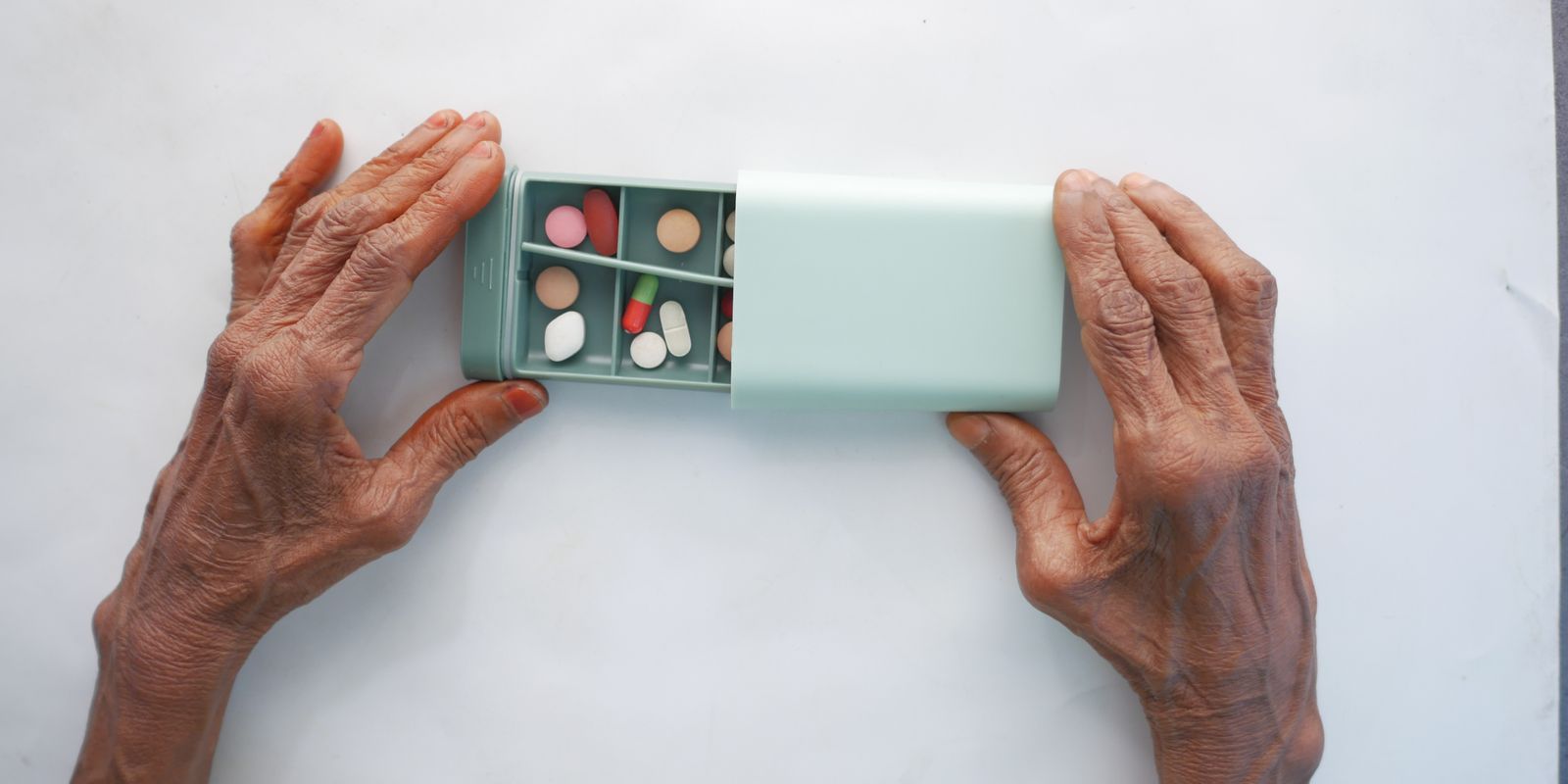
Cleveland Clinic says bleeding is the most common side effect risk with any anticoagulant, and that a fall means immediate care even when there is no cut at all.
Bleeding is the main side effect of every blood thinner, six signs are the ones worth memorising, and one of them is a fall with nothing bleeding at all.
These medicines interrupt clotting. They let the body break down clots that exist, or stop new ones forming. The action that protects you from a stroke is the one that makes a small injury bleed longer.
Below are the six signs. Then the fall rule that surprises most people. Then what to keep steady in the kitchen. None of it requires giving up anything you eat.
Six signs that mean pick up the phone today
NHLBI says blood thinners keep clots from getting larger and stop new ones forming. Conventional ones include warfarin and heparin. Newer direct oral anticoagulants exist too.
It also says side effects include bleeding, especially if you take other medicines such as aspirin. Here is what that looks like in real life.
- Bleeding that will not stop. Cleveland Clinic names bleeding from gums, nose, or cuts and scrapes that will not stop. Mayo Clinic puts a clock on it: more than 5 or 10 minutes under pressure means get help right away.
- Bruises you cannot explain. Cleveland Clinic says to call for bruising more easily, or finding bruises you cannot remember getting. Mayo Clinic lists unusual bruising among the reasons to get help right away.
- Feeling unusually dizzy, weak or tired. Cleveland Clinic names this directly, and Mayo Clinic lists dizziness or weakness, because it can be the first outward sign of bleeding you cannot see.
- Red or brown urine, or black or bloody stools. Mayo Clinic names red or brown urine and stools that are black or bloody. Cleveland Clinic describes stool that is red or looks like tar.
- Vomiting or coughing up blood. Mayo Clinic names vomiting blood or material that looks like coffee grounds, and coughing up blood. That coffee grounds description is what partly digested blood looks like.
- A sudden severe headache or stomach pain. Cleveland Clinic says to get immediate care for headache or stomach pain, especially when sudden, severe or both. Mayo Clinic names both.
Mayo Clinic adds one that is rare and specific to warfarin. It can cause the death of skin tissue within days of starting. Get immediate care for skin sores, colour or temperature changes, or severe skin pain.
Why a fall counts even when nothing is bleeding
Cleveland Clinic says people who take blood thinners are at risk for severe bleeding, especially internal bleeding, when they are injured.
Then it says the part most people have never been told, and it is the single most useful sentence here.
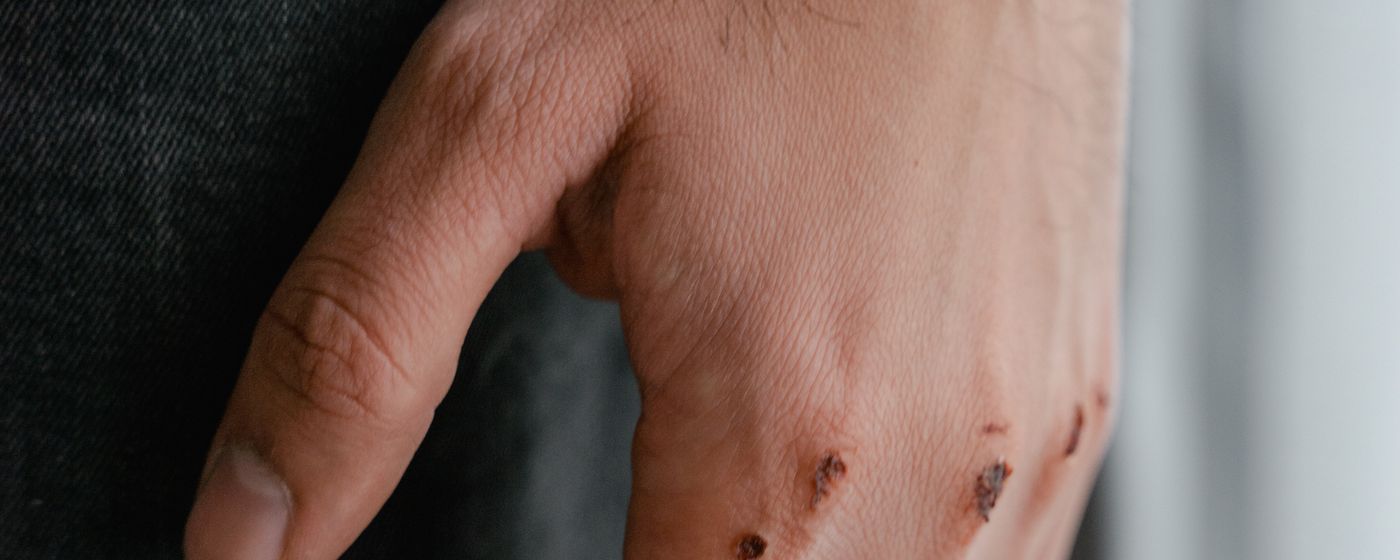
Get immediate medical care after any fall where you hit the floor or an object, even with no cut or bleeding wound. Cleveland Clinic says this is especially true if you hit your head. It counts if something strikes your head without knocking you over.
The reason is that the dangerous bleed is the one you cannot see. Cleveland Clinic says people who take anticoagulants have a high risk of internal bleeding from falls and injuries. Especially in the brain.
The same rule covers a car crash, or an object that leaves a severe bruise.
People who take anticoagulants have a high risk of internal bleeding, especially in their brain, from falls and injuries.
Take the six signs with you
One printable sheet: the six bleeding signs, the fall rule, and what changes how warfarin works. Free, unlocked right here.
Enter your email to unlock your plan
Your 1-page blood thinner plan, unlocked right here.
Your plan is ready
Download or print it below. Save it anywhere.
⬇ Download your plan (PDF)What to keep steady, and when the risk peaks
Mayo Clinic says vitamin K helps blood clot. Warfarin blocks the action of vitamin K. So eating foods rich in vitamin K can make the medicine less effective.
The instruction that follows is not the one people expect. It is not to avoid greens.
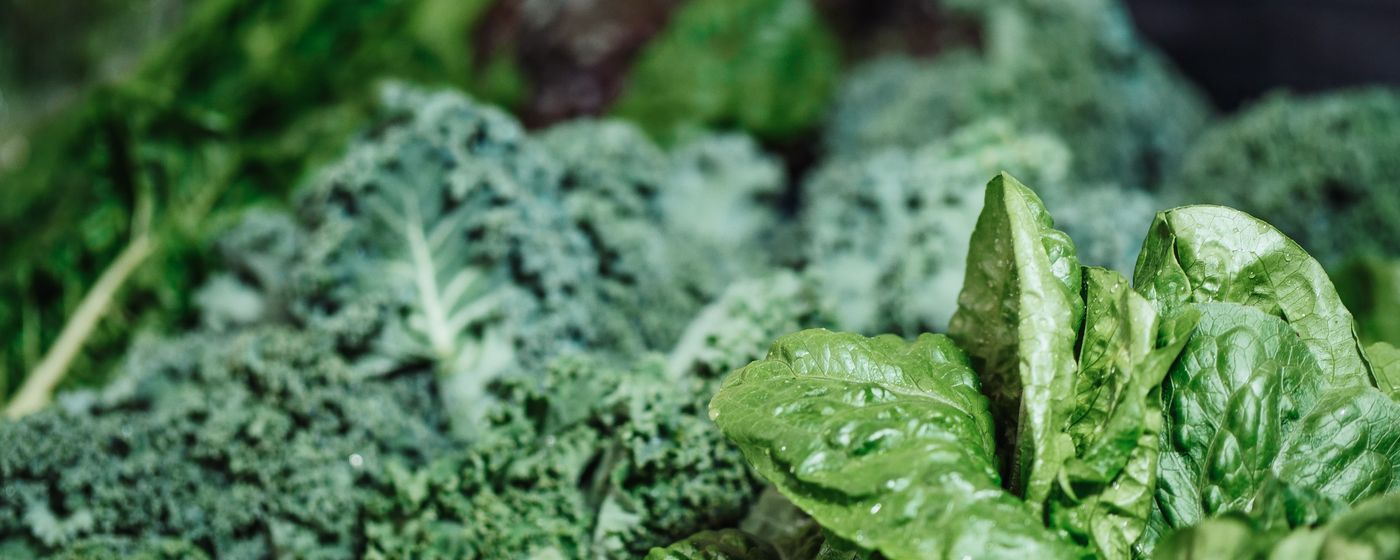
Mayo Clinic says to keep a steady amount of vitamin K in the diet. Do not change it from day to day or week to week. It names green vegetables such as lettuce, spinach and broccoli. A sudden change is what affects how much warfarin you need.
The interaction list runs past food. Mayo Clinic names aspirin, acetaminophen, many antibiotics, ibuprofen, naproxen sodium and several seizure medicines, plus herbs including garlic, ginkgo biloba, ginseng and St. John's wort, and drinks including alcohol, cranberry juice and grapefruit.
Mayo Clinic also names conditions that raise bleeding risk. A history of stroke, or cancer. Heavy drinking. Kidney or liver disease. Stomach ulcers, and uncontrolled blood pressure.
Three blood thinner beliefs that do not hold
Three ideas turn a manageable medicine into an avoidable emergency. Each one has a published answer.
They thin the blood. They do not. Cleveland Clinic says anticoagulants decrease your blood's ability to clot, by letting the body break down existing clots or preventing new ones. Nothing becomes thinner. The name is a nickname that has outlived its usefulness.
Every blood thinner needs the same food care. Mayo Clinic says foods high in vitamin K work against warfarin, and specifies warfarin rather than other blood thinners. Cleveland Clinic says direct oral anticoagulants need no regular lab testing. Ask which one you are on.
Feeling fine means you can stop. Mayo Clinic says never to stop or change warfarin without talking to your care team. NHLBI says you may need blood thinners for several months or for a lifetime.
To your health,
Ageless Coach
Age Strong. Live Long.
This article is education, not medical advice. Mayo Clinic says never to stop or change your warfarin treatment without talking to a member of your care team. Ageless Coach is an affiliate partner and may earn a commission on purchases made through links on this page.