Walk down the supplement aisle and calcium is everywhere: chews, gummies, tablets the size of a thumbnail. The research says most people should skip the shortcut. Mayo Clinic's guidance is blunt: a healthy diet is the best way to get the calcium you need, and supplements are an option only when food falls short (Mayo Clinic, 2026).
That is good news if dairy does not work for you, whether you are lactose intolerant, vegan, or simply done with milk. Adults over 50 need 1,000 to 1,200 mg of calcium a day, and women past 51 need the higher number (NIH Office of Dietary Supplements, 2023). Here are the five foods that get you there without a single glass of milk, and the fine print your pill bottle leaves out.
1
The fish
Canned Sardines and Salmon, Bones and All
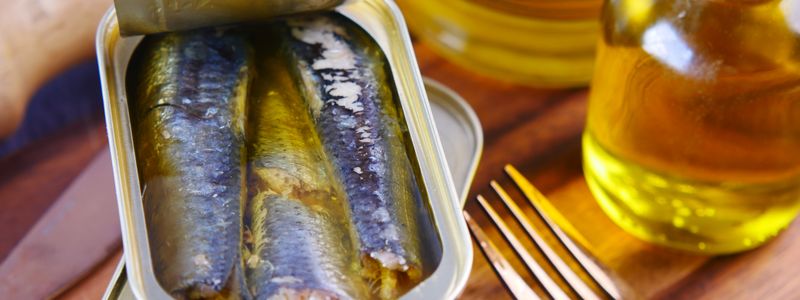
The NIH names canned sardines and canned salmon with bones among the reliable food sources of calcium (NIH ODS, 2023). The soft bones are the entire point. They are where the calcium lives, and canning makes them tender enough to mash with a fork without noticing them.
Canned salmon carries a bonus most calcium foods cannot match: it is one of the few foods that naturally contains vitamin D, the nutrient your body must have to absorb calcium at all (Mayo Clinic, 2026). One food, both halves of the equation.
Keep it practical. Sardines on whole-grain toast for lunch, or canned salmon folded into patties for dinner, puts a serious dent in the daily target before you have thought about it.
The soft bones in canned sardines are the calcium. Mash them in; you will not taste them.
The bones in canned fish are the calcium. Boneless fillets lose the benefit.
Look for "with bones" on the label. Canning softens them until they mash flat.
NIH Office of Dietary Supplements, 2023
2
The label trick
Calcium-Set Tofu Is a Bone Food in Disguise
Not all tofu is equal here. Some brands are made with added calcium, and both the NIH and Mayo Clinic list fortified tofu and soy products among the non-dairy foods that deliver it (NIH ODS, 2023).
The move takes five seconds in the store. Flip the package and check the ingredient list and the calcium line on the nutrition label. The NIH's advice is exactly that simple: to find out whether these foods have calcium added, check the product label.
Half a block in a stir-fry or crumbled into a curry carries its weight in protein too, which matters because bone is living tissue and protein is part of what keeps it strong. The National Institute on Aging puts poor intake of calcium, vitamin D, or protein on its list of osteoporosis risk factors, so a food that delivers two of the three earns a regular spot in the rotation (NIA, 2022).
3
The greens
Kale, Bok Choy, and Broccoli Beat the Salad Staples
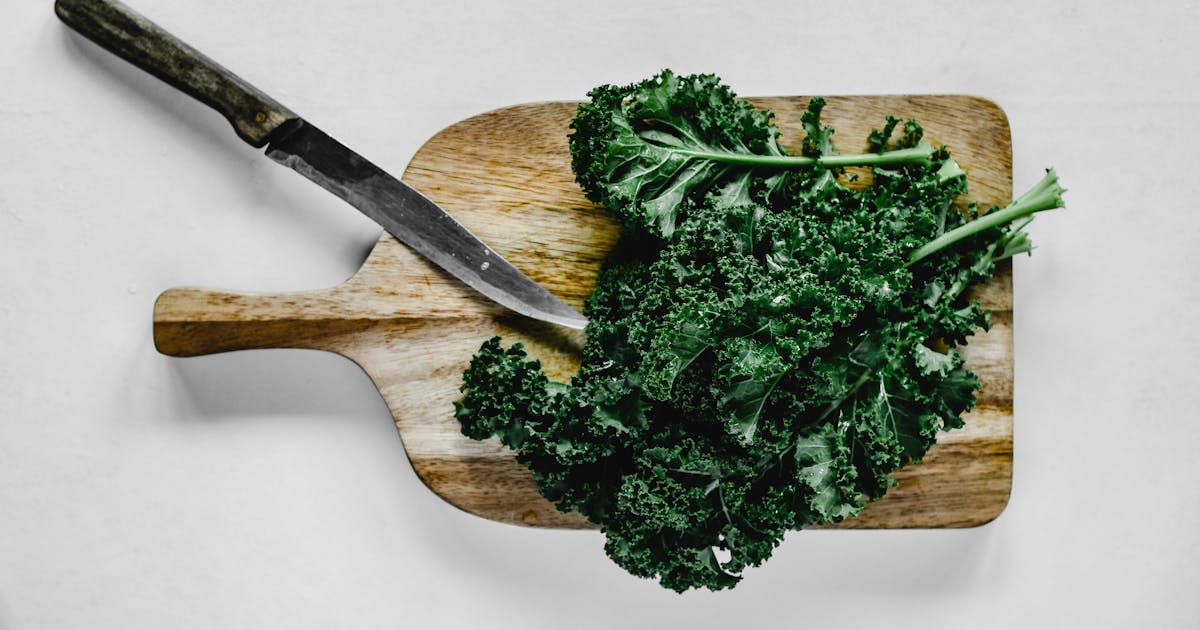
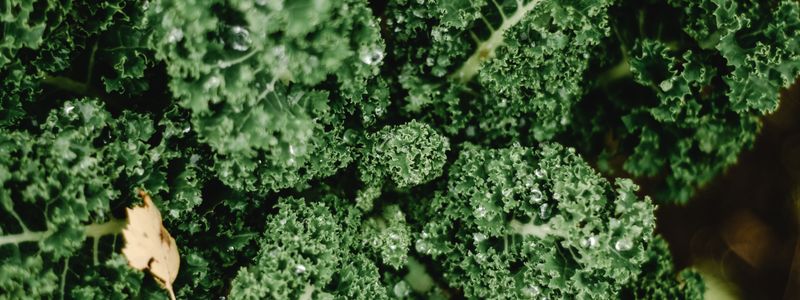
When the bone institutions name greens, they are specific. The NIH points to kale, broccoli, and Chinese cabbage, better known as bok choy (NIH ODS, 2023). Mayo Clinic adds collard and turnip greens to the list (Mayo Clinic, 2026).
Notice what is not on those lists. The everyday salad base you default to is not the calcium play. The named greens are the ones worth rotating in on purpose.
They are also the easiest food on this page to add without changing anything else: a handful of chopped kale wilted into soup, bok choy in the same pan as the salmon, broccoli next to whatever was already for dinner.
Kale, bok choy, and broccoli are the greens the bone institutions actually name.
Take the strong-bones playbook with you
Your free 2-page plan: the five foods, the daily targets by age, and the vitamin D pairing that makes calcium work.
One email. No spam. Unsubscribe anytime.
4
The easy sweep
Fortified Milks, Juices, and Cereals Do the Quiet Work
Calcium is added to many soy, almond, and oat milks, plus some fruit juices and ready-to-eat cereals (NIH ODS, 2023). A fortified plant milk in your morning coffee or smoothie is often the single easiest 300 mg you will collect all day.
Even ordinary grains pull their weight. Most breads and cereals are not calcium-rich on their own, but because people eat them daily, the NIH notes their contribution adds up.
One habit worth stealing: your body absorbs calcium best in doses of about 500 mg or less at a time, so spreading these foods across the day beats loading one giant hit at breakfast.
5
The fine print
What the Supplement Bottle Does Not Tell You
If food covers your target, more calcium is not better. For adults over 51 the safe daily ceiling from all sources is 2,000 mg, and Mayo Clinic is clear that exceeding the recommended amount adds no extra bone protection (Mayo Clinic, 2026).
The research on pills is less settled than the marketing. Some studies suggest very high calcium levels may raise the risk of kidney issues, prostate cancer, and heart disease, and the NIH reports mixed results on whether supplements actually prevent fractures (NIH ODS, 2023).
Supplements still have a real place: after menopause the body absorbs and retains less calcium, and osteoporosis affects about one in five women over 50 (National Institute on Aging, 2022). If your diet cannot close the gap, that is a conversation with your doctor, not a guess in the supplement aisle.
Free Lifestyle Assessment
How Healthy Is Your Current Lifestyle?
Answer honestly for five minutes and walk away with your personal scorecard: all six areas of your health rated, the one that needs your attention first, and a 30-day plan built from your answers. It shows up the second you finish.
Free. About 5 minutes. Your results appear instantly.
📋 Your Coach's Recommendations
1
Put a Calcium Food at Two Meals Every Day
Rotate the five: canned fish with bones, calcium-set tofu, kale or bok choy, and a fortified milk or juice. Women over 50 need 1,200 mg daily; two planned foods gets you most of the way.
2
Pair Calcium With Vitamin D and Weight-Bearing Exercise
Your body cannot absorb calcium without vitamin D, and bone only rebuilds when you load it. Walking, stairs, and strength training count. Canned salmon and fortified milks cover both nutrients at once.
3
Talk to Your Doctor Before Adding a Pill
Keep total calcium under 2,000 mg a day from all sources. If you are postmenopausal, vegan, or dairy-free and think food is not closing the gap, ask about testing before you supplement.
?
How it works. Just a quiet check-in, not an alert and not a recurring nag. The event lands as a 30-minute slot at 9am two weeks from today, with your plan in the notes and a link back to this article. Works with Apple Calendar, Google Calendar, and Outlook. Yours to move, snooze, or delete whenever.
Keep this plan
Get the one-page strong-bones plan: the five foods, the daily targets, and the pairing that makes calcium work.
One email. No spam. Unsubscribe anytime.
Where should we send it?
Your 1-page strong-bones plan, straight to your inbox.
We send the plan plus one short evidence brief each week. Unsubscribe anytime.
✓
It's on the way
Check your inbox in the next minute. Want it right now?
Your first Ageless Brief arrives this week: one study, translated, no hype.
To your health,
Frequently Asked Questions
How much calcium do I need after 50?
Adults 19 to 50 need 1,000 mg a day. Women 51 and older need 1,200 mg, men 51 to 70 need 1,000 mg, and everyone over 71 needs 1,200 mg, according to the NIH. Spread it across the day, because your body absorbs calcium best in doses of 500 mg or less.
Can I really get enough calcium without dairy?
Yes. The NIH specifically lists canned fish with bones, calcium-set tofu, kale, broccoli, bok choy, and calcium-fortified juices, plant milks, and cereals as the non-dairy path. It takes a little planning, but two calcium foods at two meals covers most of the target.
Do calcium pills work as well as food?
Food comes first. Mayo Clinic calls a healthy diet the best way to get calcium, and the NIH reports mixed evidence on whether supplements prevent fractures. Pills are for closing a proven gap your diet cannot, ideally after talking with your doctor.
Are calcium supplements risky?
Some studies suggest very high calcium levels may raise the risk of kidney issues, prostate cancer, and heart disease, though more research is needed. Keep your total from food and pills under 2,000 mg a day if you are over 51, and check with your doctor before starting one.
Why does vitamin D matter for calcium?
Your body needs vitamin D to absorb calcium at all. Most adults need about 600 IU a day. Canned salmon with bones, fortified foods, and time in the sun are the main sources, which is why salmon is a double win for bones.
What else builds bone besides calcium?
Weight-bearing exercise such as walking, stairs, strength training, and dancing signals bone to rebuild, and protein supplies the raw material. The National Institute on Aging also advises not smoking and limiting alcohol, both of which weaken bone over time.
Curious where you stand? Take the free 5-minute lifestyle assessment and your personal scorecard appears the second you finish.
By the Ageless Coach Editorial Team · Published May 12, 2026 · Last updated July 13, 2026
<style>
:root{--dark-base:#0D1B2A;--dark-mid:#1B3A4B;--teal:#0EA5A0;--teal-dark:#0C8C88;--teal-bright:#14D4CD;--fog:#D8E8E8;--deep-fog:#C8DCDC;--fog-border:#A8C4C4;--ink:#313743;--ink-soft:#49505f;--muted:#6b7280;--warm:#9A6841;--warm-light:#be7b4c;--serif:"Source Serif 4",Georgia,serif;--sans:Inter,-apple-system,BlinkMacSystemFont,"Segoe UI",sans-serif}
.w-richtext p,.w-richtext li,.w-richtext td{font-size:20.5px;line-height:1.7;color:var(--ink-soft)}
.w-richtext ul{list-style-type:disc;padding-left:24px;margin:12px 0}
.w-richtext ul li{margin-bottom:8px}
.ac-answer{background:#fff;border:1px solid #D4E4E4;border-top:5px solid var(--teal);border-radius:16px;padding:22px 24px 18px;margin:16px 0 28px;box-shadow:0 6px 22px rgba(13,27,42,.07)}
.ac-answer .aa-eyebrow{font:800 12px/1 var(--sans);letter-spacing:2.5px;text-transform:uppercase;color:var(--teal-dark);margin-bottom:8px}
.ac-answer .aa-head{font-family:var(--serif);font-size:24px;line-height:1.2;font-weight:800;color:var(--dark-base);margin:0 0 16px}
.ac-answer .aa-list{list-style:none;margin:0;padding:0}
.ac-answer .aa-list li{display:flex;gap:12px;align-items:baseline;padding:11px 0;border-bottom:1px solid #EDF3F3;font:700 16.5px/1.4 var(--sans);color:var(--ink)}
.ac-answer .aa-list li:last-child{border-bottom:none}
.ac-answer .aa-n{flex-shrink:0;width:24px;height:24px;border-radius:50%;background:var(--teal-dark);color:#fff;font:800 12px/24px var(--sans);text-align:center}
.ac-answer .aa-food{color:var(--teal-dark);font-weight:800}
.ac-answer .aa-cue{margin-top:18px;text-align:center}
.ac-answer .aa-cta{display:inline-flex;align-items:center;gap:10px;background:var(--teal-dark);color:#fff;font:800 14px/1 var(--sans);letter-spacing:.2px;padding:14px 26px;border-radius:50px;text-decoration:none;box-shadow:0 6px 16px rgba(12,140,136,.30)}
.ac-answer .aa-cta:hover{background:#0A7A76}
.ac-answer .aa-arw{display:inline-block;animation:aa-nudge 1.4s ease-in-out infinite}
@keyframes aa-nudge{0%,100%{transform:translateY(0)}50%{transform:translateY(4px)}}
@media(max-width:560px){.ac-answer{padding:20px 18px 16px}.ac-answer .aa-head{font-size:21px}.ac-answer .aa-list li{font-size:15px}}
.ac-band{margin:56px 0 24px;padding:26px 24px 12px;background:linear-gradient(180deg,#F0F7F7,#fff);border-radius:16px}
.ac-band.hype{background:linear-gradient(180deg,#FAF3EB,#fff)}
.ac-band .inner{display:flex;gap:20px;align-items:center}
.ac-band .big{font:900 72px/1 var(--sans);color:var(--deep-fog);flex-shrink:0}
.ac-band.hype .big{color:#EAD9C6}
.ac-band .q{font:700 13px/1.4 var(--sans);letter-spacing:2px;text-transform:uppercase;color:var(--teal-dark)}
.ac-band.hype .q{color:var(--warm)}
.ac-band h3{font-family:var(--serif);font-size:30px;line-height:1.2;font-weight:800;color:var(--ink);margin:0}
.ac-callout{border-left:4px solid var(--teal);background:#F4FAFA;border-radius:0 12px 12px 0;padding:18px 22px;margin:28px 0}
.ac-callout .n{font:800 20px/1.35 var(--sans);color:var(--dark-mid);margin-bottom:6px}
.ac-callout .d{font:500 15px/1.55 var(--sans);color:var(--ink-soft)}
.ac-callout .c{font:600 11.5px/1 var(--sans);letter-spacing:1.5px;text-transform:uppercase;color:var(--muted);margin-top:10px}
.ac-plan{background:linear-gradient(135deg,#F4FAFA 0%,#fff 100%);border-left:5px solid var(--teal-dark);border-radius:14px;padding:30px 26px;margin:40px 0 0;box-shadow:0 2px 12px rgba(0,0,0,.06);scroll-margin-top:100px}
.ac-plan .ptitle{font-family:var(--serif);font-size:24px;font-weight:800;color:var(--ink);margin-bottom:22px}
.ac-plan .step{display:flex;gap:16px;margin-bottom:18px;align-items:flex-start}
.ac-plan .step .n{min-width:38px;width:38px;height:38px;background:var(--teal-dark);border-radius:50%;color:#fff;font:800 17px/38px var(--sans);text-align:center;flex-shrink:0}
.ac-plan .sh{font:800 16.5px/1.4 var(--sans);color:var(--ink);margin-bottom:3px}
.ac-plan .sd{font:400 15px/1.6 var(--sans);color:var(--muted)}
.ac-plan .actions{border-top:1px solid #D8E8E8;margin-top:16px;padding-top:20px}
.ac-primary-row{display:flex;align-items:center;gap:10px;padding:0 4px}
.ac-btn-primary-wide{flex:1;background:var(--teal);color:#fff;border:1.5px solid var(--teal);border-radius:14px;padding:12px 22px;box-shadow:0 4px 14px rgba(14,165,160,.22);font-family:var(--sans);cursor:pointer;display:grid;grid-template-columns:auto 1fr;gap:14px;align-items:center;transition:all .18s ease}
.ac-btn-primary-wide:hover{background:var(--teal-dark);border-color:var(--teal-dark)}
.ac-btn-primary-wide .icon svg{width:22px;height:22px;color:#fff;display:block}
.ac-btn-primary-wide .label{text-align:left;line-height:1.25}
.ac-btn-primary-wide .label .top{display:block;font-weight:700;font-size:15.5px;color:#fff}
.ac-btn-primary-wide .label .top em{font-style:italic;font-weight:700}
.ac-cal-help{position:relative;flex-shrink:0}
.ac-cal-help summary{list-style:none;width:24px;height:24px;border-radius:50%;background:#E4F1F1;border:1px solid var(--fog-border);color:var(--dark-mid);font:700 13px/22px var(--sans);text-align:center;cursor:pointer;display:block}
.ac-cal-help summary::-webkit-details-marker{display:none}
.ac-cal-help .tip{position:absolute;right:0;top:32px;z-index:50;width:290px;background:var(--dark-base);color:var(--fog);border-radius:12px;padding:14px 16px;font:500 12.5px/1.55 var(--sans);box-shadow:0 10px 30px rgba(13,27,42,.35)}
.ac-cal-help .tip strong{color:#fff}
.ac-btn-share-wide{display:flex;width:100%;align-items:center;justify-content:center;gap:10px;background:#fff;color:var(--teal-dark);border:1.5px solid var(--teal-dark);border-radius:14px;padding:12px 22px;margin-top:10px;font:800 15px/1 var(--sans);cursor:pointer}
.ac-btn-share-wide svg{width:18px;height:18px}
.ac-midcap{background:linear-gradient(180deg,#F0F7F7,#fff);border:1.5px solid var(--fog-border);border-radius:16px;padding:24px 22px;margin:34px 0;text-align:center}
.ac-midcap h4{font-family:var(--serif);font-size:22px;font-weight:800;color:var(--ink);margin:0 0 6px}
.ac-midcap .sub{font:500 14px/1.55 var(--sans);color:var(--ink-soft);margin:0 auto 14px;max-width:400px}
.ac-midcap .mcform{display:flex;gap:8px;max-width:400px;margin:0 auto}
.ac-midcap .mcform input{flex:1;border:1.5px solid var(--fog-border);border-radius:50px;padding:12px 18px;font:500 14px/1 var(--sans);min-width:0}
.ac-midcap .mcform button{background:var(--teal-dark);color:#fff;border:none;border-radius:50px;padding:12px 20px;font:800 13.5px/1 var(--sans);cursor:pointer;white-space:nowrap}
.ac-midcap .fine{font:500 11.5px/1.5 var(--sans);color:var(--muted);margin-top:10px}
@media (max-width:520px){.ac-midcap .mcform{flex-direction:column}}
.ac-assess-promo{background:linear-gradient(135deg,#D8E8E8,#C8DCDC);border:1px solid var(--fog-border);border-radius:16px;padding:34px 30px;margin:44px 0;text-align:center}
.ac-assess-promo .eyebrow{color:var(--teal-dark);font:800 12px/1 var(--sans);letter-spacing:2.5px;text-transform:uppercase;margin:0 0 10px}
.ac-assess-promo h4{font-family:var(--serif);color:var(--dark-base);font-size:26px;font-weight:800;margin:0 0 12px}
.w-embed .ac-assess-promo p.ap-body,.ac-assess-promo p.ap-body{font-family:Georgia,serif;color:#3A5555;font-size:15.5px;font-weight:500;line-height:1.65;max-width:540px;margin:0 auto 22px}
.ac-assess-promo .ap-cta{display:inline-block;background:var(--teal-bright);color:var(--dark-base);font:800 15px/1 var(--sans);padding:15px 30px;border-radius:50px;text-decoration:none}
.ac-assess-promo .ap-fine{color:#4E6B6B;font:500 13px/1.5 var(--sans);margin:14px 0 0}
.ac-assess-line{border-top:1px solid #E2ECEC;margin-top:30px;padding:22px 10px 0;text-align:center;font:500 15.5px/1.6 var(--sans);color:#3A5555}
.w-embed .ac-assess-line a,.ac-assess-line a{color:var(--teal-dark);font-weight:700;text-decoration:underline;text-underline-offset:3px}
.ac-articlemeta{font:500 12.5px/1.6 var(--sans);color:#98a0a6;text-align:center;margin:24px 0 0}
.ac-capture{background:linear-gradient(180deg,#F0F7F7,#fff);border:1.5px solid var(--fog-border);border-radius:16px;padding:30px 28px;margin:26px 0 44px;text-align:center}
.ac-capture .cap-state{display:none}
.ac-capture[data-state="trigger"] .st-trigger{display:block}
.ac-capture[data-state="form"] .st-form{display:block}
.ac-capture[data-state="sent"] .st-sent{display:block}
.ac-capture h4{font-family:var(--serif);font-size:24px;font-weight:800;color:var(--ink);margin:0 0 8px}
.ac-capture .sub{font:500 15px/1.55 var(--sans);color:var(--ink-soft);margin:0 auto 18px;max-width:430px}
.ac-capture .bigbtn{display:inline-flex;align-items:center;gap:10px;background:var(--teal-dark);color:#fff;border:none;border-radius:50px;padding:16px 30px;font:800 16px/1 var(--sans);cursor:pointer;box-shadow:0 6px 18px rgba(12,140,136,.28)}
.ac-capture .capform{display:flex;gap:10px;max-width:430px;margin:0 auto}
.ac-capture .capform input{flex:1;border:1.5px solid var(--fog-border);border-radius:50px;padding:14px 20px;font:500 15px/1 var(--sans)}
.ac-capture .capform button{background:var(--teal-dark);color:#fff;border:none;border-radius:50px;padding:14px 24px;font:800 14px/1 var(--sans);cursor:pointer}
.ac-capture .sent-check{width:52px;height:52px;border-radius:50%;background:var(--teal);color:#fff;font:800 26px/52px var(--sans);margin:0 auto 12px}
.ac-capture .dl{display:inline-block;margin-top:6px;color:var(--teal-dark);font:700 15px/1 var(--sans);text-decoration:underline;cursor:pointer}
.ac-capture .fine{font:500 12px/1.5 var(--sans);color:var(--muted);margin-top:12px}
.ac-sig{margin-top:36px}
.ac-sig .rule{width:60px;height:2px;background:linear-gradient(90deg,var(--teal-dark),var(--teal-bright));margin-bottom:18px;border-radius:2px}
.ac-sig .toyour{font-family:var(--serif);font-size:16px;font-style:italic;color:#777;margin:0 0 10px;padding-left:2px}
.ac-faq{margin-top:40px;border-top:1px solid #e5e7eb;padding-top:30px;margin-bottom:40px}
.ac-faq h2{font-family:var(--serif);font-size:23px;font-weight:800;color:var(--ink);margin:0 0 18px}
.ac-faq details{border:1px solid #e5e7eb;border-radius:10px;margin-bottom:10px}
.ac-faq summary{padding:15px 18px;font:700 16px/1.4 var(--sans);color:var(--ink);cursor:pointer;display:flex;justify-content:space-between;align-items:center;list-style:none}
.ac-faq summary:after{content:"\25BE";color:var(--warm)}
.ac-faq .a{padding:0 18px 16px;font-size:17px;line-height:1.65;color:#555}
.article-header-section .article-container{max-width:1080px !important;margin:0 auto !important;padding:0 20px !important}
.article-header-section .article-hero-image{display:block;width:100%;max-width:660px;margin:0}
.article-header-section .article-title{display:block !important;font-family:var(--serif);font-size:32px;line-height:1.25;font-weight:700;color:#313743;margin:20px 0 12px 0;text-align:left;max-width:660px}
@media (max-width:767px){.article-header-section .article-title{font-size:26px}.article-header-section .article-hero-image{max-width:100%}}
@media (max-width:640px){.ac-band .big{font-size:52px}}
@media (max-width:520px){.ac-capture .capform{flex-direction:column}}
.ac-figure{margin:30px 0}.ac-figure img{display:block;width:100%;border-radius:14px;height:auto;aspect-ratio:800/300}.ac-figure figcaption{font:500 13px/1.5 var(--sans);color:var(--muted);margin-top:9px}</style>
<div class="ac-answer">
<div class="aa-eyebrow">Food first, pills second</div>
<h2 class="aa-head">Your bones want groceries, not gel caps. These five foods deliver the calcium, no dairy required.</h2>
<ol class="aa-list">
<li><span class="aa-n">1</span><span><span class="aa-food">Canned sardines and salmon</span> · the soft bones are the calcium, plus built-in vitamin D</span></li>
<li><span class="aa-n">2</span><span><span class="aa-food">Calcium-set tofu</span> · one label word turns tofu into a bone food</span></li>
<li><span class="aa-n">3</span><span><span class="aa-food">Kale, bok choy, and broccoli</span> · the greens the bone institutions actually name</span></li>
<li><span class="aa-n">4</span><span><span class="aa-food">Fortified milks, juices, and cereals</span> · the easiest 300 mg you will get all day</span></li>
<li><span class="aa-n">5</span><span><span class="aa-food">The pill fine print</span> · what the supplement bottle does not tell you</span></li>
</ol>
<div class="aa-cue"><a class="aa-cta" href="#coach-recommendations">Get Your Coach's 3-Step Plan <span class="aa-arw">↓</span></a></div>
</div>
<p>Walk down the supplement aisle and calcium is everywhere: chews, gummies, tablets the size of a thumbnail. The research says most people should skip the shortcut. Mayo Clinic's guidance is blunt: a healthy diet is the best way to get the calcium you need, and supplements are an option only when food falls short (<a href="https://www.mayoclinic.org/healthy-lifestyle/nutrition-and-healthy-eating/in-depth/calcium-supplements/art-20047097" target="_blank" rel="noopener">Mayo Clinic, 2026</a>).</p>
<p>That is good news if dairy does not work for you, whether you are lactose intolerant, vegan, or simply done with milk. Adults over 50 need 1,000 to 1,200 mg of calcium a day, and women past 51 need the higher number (<a href="https://ods.od.nih.gov/factsheets/Calcium-Consumer/" target="_blank" rel="noopener">NIH Office of Dietary Supplements, 2023</a>). Here are the five foods that get you there without a single glass of milk, and the fine print your pill bottle leaves out.</p>
<div class="ac-band"><div class="inner"><div class="big">1</div><div><div class="q">The fish</div><h3>Canned Sardines and Salmon, Bones and All</h3></div></div></div>
<p>The NIH names canned sardines and canned salmon with bones among the reliable food sources of calcium (<a href="https://ods.od.nih.gov/factsheets/Calcium-Consumer/" target="_blank" rel="noopener">NIH ODS, 2023</a>). The soft bones are the entire point. They are where the calcium lives, and canning makes them tender enough to mash with a fork without noticing them.</p>
<p>Canned salmon carries a bonus most calcium foods cannot match: it is one of the few foods that naturally contains vitamin D, the nutrient your body must have to absorb calcium at all (<a href="https://www.mayoclinic.org/healthy-lifestyle/nutrition-and-healthy-eating/in-depth/calcium-supplements/art-20047097" target="_blank" rel="noopener">Mayo Clinic, 2026</a>). One food, both halves of the equation.</p>
<p>Keep it practical. Sardines on whole-grain toast for lunch, or canned salmon folded into patties for dinner, puts a serious dent in the daily target before you have thought about it.</p>
<figure class="ac-figure"><img src="https://images.pexels.com/photos/9797030/pexels-photo-9797030.jpeg?auto=compress&cs=tinysrgb&w=800&h=300&fit=crop" alt="Open tin of sardines on a wooden board" width="800" height="300" loading="lazy" decoding="async"><figcaption>The soft bones in canned sardines are the calcium. Mash them in; you will not taste them.</figcaption></figure>
<div class="ac-callout"><div class="n">The bones in canned fish are the calcium. Boneless fillets lose the benefit.</div><div class="d">Look for "with bones" on the label. Canning softens them until they mash flat.</div><div class="c">NIH Office of Dietary Supplements, 2023</div></div>
<div class="ac-band"><div class="inner"><div class="big">2</div><div><div class="q">The label trick</div><h3>Calcium-Set Tofu Is a Bone Food in Disguise</h3></div></div></div>
<p>Not all tofu is equal here. Some brands are made with added calcium, and both the NIH and Mayo Clinic list fortified tofu and soy products among the non-dairy foods that deliver it (<a href="https://ods.od.nih.gov/factsheets/Calcium-Consumer/" target="_blank" rel="noopener">NIH ODS, 2023</a>).</p>
<p>The move takes five seconds in the store. Flip the package and check the ingredient list and the calcium line on the nutrition label. The NIH's advice is exactly that simple: to find out whether these foods have calcium added, check the product label.</p>
<p>Half a block in a stir-fry or crumbled into a curry carries its weight in protein too, which matters because bone is living tissue and protein is part of what keeps it strong. The National Institute on Aging puts poor intake of calcium, vitamin D, or protein on its list of osteoporosis risk factors, so a food that delivers two of the three earns a regular spot in the rotation (<a href="https://www.nia.nih.gov/health/osteoporosis/osteoporosis" target="_blank" rel="noopener">NIA, 2022</a>).</p>
<div class="ac-band"><div class="inner"><div class="big">3</div><div><div class="q">The greens</div><h3>Kale, Bok Choy, and Broccoli Beat the Salad Staples</h3></div></div></div>
<p>When the bone institutions name greens, they are specific. The NIH points to kale, broccoli, and Chinese cabbage, better known as bok choy (<a href="https://ods.od.nih.gov/factsheets/Calcium-Consumer/" target="_blank" rel="noopener">NIH ODS, 2023</a>). Mayo Clinic adds collard and turnip greens to the list (<a href="https://www.mayoclinic.org/healthy-lifestyle/nutrition-and-healthy-eating/in-depth/calcium-supplements/art-20047097" target="_blank" rel="noopener">Mayo Clinic, 2026</a>).</p>
<p>Notice what is not on those lists. The everyday salad base you default to is not the calcium play. The named greens are the ones worth rotating in on purpose.</p>
<p>They are also the easiest food on this page to add without changing anything else: a handful of chopped kale wilted into soup, bok choy in the same pan as the salmon, broccoli next to whatever was already for dinner.</p>
<figure class="ac-figure"><img src="https://images.pexels.com/photos/5758072/pexels-photo-5758072.jpeg?auto=compress&cs=tinysrgb&w=800&h=300&fit=crop" alt="Fresh curly kale leaves close up" width="800" height="300" loading="lazy" decoding="async"><figcaption>Kale, bok choy, and broccoli are the greens the bone institutions actually name.</figcaption></figure>
<div class="ac-midcap">
<h4>Take the strong-bones playbook with you</h4>
<p class="sub">Your free 2-page plan: the five foods, the daily targets by age, and the vitamin D pairing that makes calcium work.</p>
<div class="mcform"><input type="email" placeholder="Your email address" aria-label="Email address"><button type="button">Send My Plan (Free)</button></div>
<div class="fine">One email. No spam. Unsubscribe anytime.</div>
</div>
<div class="ac-band"><div class="inner"><div class="big">4</div><div><div class="q">The easy sweep</div><h3>Fortified Milks, Juices, and Cereals Do the Quiet Work</h3></div></div></div>
<p>Calcium is added to many soy, almond, and oat milks, plus some fruit juices and ready-to-eat cereals (<a href="https://ods.od.nih.gov/factsheets/Calcium-Consumer/" target="_blank" rel="noopener">NIH ODS, 2023</a>). A fortified plant milk in your morning coffee or smoothie is often the single easiest 300 mg you will collect all day.</p>
<p>Even ordinary grains pull their weight. Most breads and cereals are not calcium-rich on their own, but because people eat them daily, the NIH notes their contribution adds up.</p>
<p>One habit worth stealing: your body absorbs calcium best in doses of about 500 mg or less at a time, so spreading these foods across the day beats loading one giant hit at breakfast.</p>
<div class="ac-band"><div class="inner"><div class="big">5</div><div><div class="q">The fine print</div><h3>What the Supplement Bottle Does Not Tell You</h3></div></div></div>
<p>If food covers your target, more calcium is not better. For adults over 51 the safe daily ceiling from all sources is 2,000 mg, and Mayo Clinic is clear that exceeding the recommended amount adds no extra bone protection (<a href="https://www.mayoclinic.org/healthy-lifestyle/nutrition-and-healthy-eating/in-depth/calcium-supplements/art-20047097" target="_blank" rel="noopener">Mayo Clinic, 2026</a>).</p>
<p>The research on pills is less settled than the marketing. Some studies suggest very high calcium levels may raise the risk of kidney issues, prostate cancer, and heart disease, and the NIH reports mixed results on whether supplements actually prevent fractures (<a href="https://ods.od.nih.gov/factsheets/Calcium-Consumer/" target="_blank" rel="noopener">NIH ODS, 2023</a>).</p>
<p>Supplements still have a real place: after menopause the body absorbs and retains less calcium, and osteoporosis affects about one in five women over 50 (<a href="https://www.nia.nih.gov/health/osteoporosis/osteoporosis" target="_blank" rel="noopener">National Institute on Aging, 2022</a>). If your diet cannot close the gap, that is a conversation with your doctor, not a guess in the supplement aisle.</p>
<div class="ac-assess-promo">
<p class="eyebrow">Free Lifestyle Assessment</p>
<h4>How Healthy Is Your Current Lifestyle?</h4>
<p class="ap-body">Answer honestly for five minutes and walk away with your personal scorecard: all six areas of your health rated, the one that needs your attention first, and a 30-day plan built from your answers. It shows up the second you finish.</p>
<a class="ap-cta" href="/#assessment">See How the Assessment Works →</a>
<p class="ap-fine">Free. About 5 minutes. Your results appear instantly.</p>
</div>
<div class="ac-plan" id="coach-recommendations"><div class="ptitle">📋 Your Coach's Recommendations</div>
<div class="step"><div class="n">1</div><div><div class="sh">Put a Calcium Food at Two Meals Every Day</div><div class="sd">Rotate the five: canned fish with bones, calcium-set tofu, kale or bok choy, and a fortified milk or juice. Women over 50 need 1,200 mg daily; two planned foods gets you most of the way.</div></div></div>
<div class="step"><div class="n">2</div><div><div class="sh">Pair Calcium With Vitamin D and Weight-Bearing Exercise</div><div class="sd">Your body cannot absorb calcium without vitamin D, and bone only rebuilds when you load it. Walking, stairs, and strength training count. Canned salmon and fortified milks cover both nutrients at once.</div></div></div>
<div class="step"><div class="n">3</div><div><div class="sh">Talk to Your Doctor Before Adding a Pill</div><div class="sd">Keep total calcium under 2,000 mg a day from all sources. If you are postmenopausal, vegan, or dairy-free and think food is not closing the gap, ask about testing before you supplement.</div></div></div>
<div class="actions">
<div class="ac-primary-row">
<button type="button" class="ac-btn-primary-wide" data-ac-cal>
<span class="icon"><svg viewBox="0 0 24 24" fill="none" stroke="currentColor" stroke-width="2" stroke-linecap="round" stroke-linejoin="round"><rect x="3" y="4" width="18" height="18" rx="2"></rect><path d="M16 2v4M8 2v4M3 10h18"></path></svg></span>
<span class="label"><span class="top">Add <em>Your Coach's Recommendations to Your Calendar</em></span></span>
</button>
<details class="ac-cal-help">
<summary aria-label="What does this do?">?</summary>
<div class="tip"><strong>How it works.</strong> Just a quiet check-in, not an alert and not a recurring nag. The event lands as a 30-minute slot at 9am two weeks from today, with your plan in the notes and a link back to this article. Works with Apple Calendar, Google Calendar, and Outlook. Yours to move, snooze, or delete whenever.</div>
</details>
</div>
<button type="button" class="ac-btn-share-wide" data-ac-share>
<svg viewBox="0 0 24 24" fill="none" stroke="currentColor" stroke-width="2" stroke-linecap="round" stroke-linejoin="round"><path d="M4 12v8a2 2 0 002 2h12a2 2 0 002-2v-8"></path><polyline points="16 6 12 2 8 6"></polyline><line x1="12" y1="2" x2="12" y2="15"></line></svg>
Share this article
</button>
</div>
</div>
<div class="ac-capture" data-state="trigger" data-article-slug="calcium-without-dairy-5-foods-that-build-bone-density-after-50" data-pdf-url="https://cdn.prod.website-files.com/69be1026a027224999b7936b/6a54da1bfad0a534a69351df_calcium-without-dairy-5-foods-that-build-bone-density-after-50-plan.pdf" data-plan-title="The Strong-Bones Plan" data-plan-desc="Your free 2-page plan: the five non-dairy calcium foods, the daily targets by age, and the vitamin D and exercise pairing that makes it work. Checked against NIH, Mayo Clinic, and the National Institute on Aging.">
<div class="st-trigger cap-state"><h4>Keep this plan</h4>
<p class="sub">Get the one-page strong-bones plan: the five foods, the daily targets, and the pairing that makes calcium work.</p>
<button class="bigbtn" type="button" data-cap="form">📩 Email Me This Plan (Free PDF)</button>
<div class="fine">One email. No spam. Unsubscribe anytime.</div></div>
<div class="st-form cap-state"><h4>Where should we send it?</h4>
<p class="sub">Your 1-page strong-bones plan, straight to your inbox.</p>
<form class="capform"><input type="email" name="email" required placeholder="Your email address" aria-label="Email address"><button type="submit">Send My Plan</button></form>
<div class="fine">We send the plan plus one short evidence brief each week. Unsubscribe anytime.</div></div>
<div class="st-sent cap-state"><div class="sent-check">✓</div><h4>It's on the way</h4>
<p class="sub">Check your inbox in the next minute. Want it right now?</p>
<a class="dl" href="https://cdn.prod.website-files.com/69be1026a027224999b7936b/6a54da1bfad0a534a69351df_calcium-without-dairy-5-foods-that-build-bone-density-after-50-plan.pdf" download>⬇ Download your plan (PDF)</a>
<div class="fine">Your first Ageless Brief arrives this week: one study, translated, no hype.</div></div>
</div>
<div class="ac-sig">
<div class="rule"></div>
<p class="toyour">To your health,</p>
<svg width="320" height="72" viewBox="0 0 320 72" role="img" aria-label="Ageless Coach. Age Strong. Live Long." xmlns="http://www.w3.org/2000/svg" xmlns:xlink="http://www.w3.org/1999/xlink">
<defs><clipPath id="acSigIconClip"><rect x="0" y="6" width="60" height="60" rx="12" ry="12"/></clipPath></defs>
<image x="0" y="6" width="60" height="60" clip-path="url(#acSigIconClip)" preserveAspectRatio="xMidYMid slice" href="https://cdn.prod.website-files.com/69be1026a027224999b7936b/6a0b22c6afd5d6fd115b9c1a_ac-closing-brand-icon.webp" xlink:href="https://cdn.prod.website-files.com/69be1026a027224999b7936b/6a0b22c6afd5d6fd115b9c1a_ac-closing-brand-icon.webp"/>
<text x="76" y="42" style="font-family:Inter,system-ui,-apple-system,'Helvetica Neue',Arial,sans-serif;font-size:27px;letter-spacing:-0.3px">
<tspan style="font-weight:800;fill:#0D1B2A">Ageless</tspan><tspan style="font-weight:300;fill:rgba(13,27,42,0.6)">Coach</tspan><tspan dy="-12" style="font-size:16px;font-weight:600;fill:rgba(13,27,42,0.6)">™</tspan>
</text>
<text x="76" y="60" style="font-family:Inter,system-ui,-apple-system,'Helvetica Neue',Arial,sans-serif;font-size:10.5px;letter-spacing:2.5px;font-weight:500;fill:#0C8C88;text-transform:uppercase">AGE STRONG. LIVE LONG.</text>
</svg>
</div>
<div class="ac-faq"><h2>Frequently Asked Questions</h2>
<details><summary>How much calcium do I need after 50?</summary><div class="a">Adults 19 to 50 need 1,000 mg a day. Women 51 and older need 1,200 mg, men 51 to 70 need 1,000 mg, and everyone over 71 needs 1,200 mg, according to the NIH. Spread it across the day, because your body absorbs calcium best in doses of 500 mg or less.</div></details>
<details><summary>Can I really get enough calcium without dairy?</summary><div class="a">Yes. The NIH specifically lists canned fish with bones, calcium-set tofu, kale, broccoli, bok choy, and calcium-fortified juices, plant milks, and cereals as the non-dairy path. It takes a little planning, but two calcium foods at two meals covers most of the target.</div></details>
<details><summary>Do calcium pills work as well as food?</summary><div class="a">Food comes first. Mayo Clinic calls a healthy diet the best way to get calcium, and the NIH reports mixed evidence on whether supplements prevent fractures. Pills are for closing a proven gap your diet cannot, ideally after talking with your doctor.</div></details>
<details><summary>Are calcium supplements risky?</summary><div class="a">Some studies suggest very high calcium levels may raise the risk of kidney issues, prostate cancer, and heart disease, though more research is needed. Keep your total from food and pills under 2,000 mg a day if you are over 51, and check with your doctor before starting one.</div></details>
<details><summary>Why does vitamin D matter for calcium?</summary><div class="a">Your body needs vitamin D to absorb calcium at all. Most adults need about 600 IU a day. Canned salmon with bones, fortified foods, and time in the sun are the main sources, which is why salmon is a double win for bones.</div></details>
<details><summary>What else builds bone besides calcium?</summary><div class="a">Weight-bearing exercise such as walking, stairs, strength training, and dancing signals bone to rebuild, and protein supplies the raw material. The National Institute on Aging also advises not smoking and limiting alcohol, both of which weaken bone over time.</div></details>
</div>
<div class="ac-assess-line">Curious where you stand? Take the free <a href="/#assessment">5-minute lifestyle assessment</a> and your personal scorecard appears the second you finish.</div>
<p class="ac-articlemeta">By the Ageless Coach Editorial Team · Published May 12, 2026 · Last updated July 13, 2026</p>
Subscribe to the Free Newsletter
One article a week. Trusted research made simple. Start making smarter health decisions today.