

Johns Hopkins Medicine lists six common signs of celiac disease that have nothing to do with the stomach, and NIDDK says a gluten free diet started before testing can affect the results.
Six of the common signs of celiac disease have nothing to do with your stomach. And going gluten free before you are tested can affect the test result.
Gluten triggers an immune attack on the villi. Those are the tiny fingerlike projections that line the small intestine and take in nutrients. Flatten them and the body stops absorbing. It does not matter how much food goes in.
Below are the six signs outside the gut. Then the testing order, which has to happen in order. Then what separates celiac disease from gluten sensitivity. The order is the part people get wrong.
Six celiac signs that never reach your stomach
Johns Hopkins Medicine says celiac disease affects people in different ways. Some have diarrhea and belly pain. Others may feel moody or depressed.
Its list of common signs runs well past the gut. These six are the ones almost nobody connects to gluten.
- Unexplained anemia. Johns Hopkins Medicine names an unexplained low blood count that makes you feel tired. Harvard Health says adults are often diagnosed after anemia caused by nutrient deficiencies turns up first.
- Tingling or numbness in the legs. Johns Hopkins Medicine lists a tingling, numb feeling in the legs among the common signs. Harvard Health says celiac disease can present with symptoms affecting the nervous, endocrine and skeletal systems.
- Missed menstrual periods. Johns Hopkins Medicine names missed periods, linked to too much weight loss. Harvard Health names changes in menstrual periods among the presentations that are not digestive.
- Infertility. Johns Hopkins Medicine lists infertility among the common signs of celiac disease.
- Brittle bones or fractures early. Johns Hopkins Medicine names weak and brittle bones, osteoporosis at a young age, or bone fractures.
- Teeth losing colour or enamel. Johns Hopkins Medicine names teeth changing colour or losing their enamel. NIDDK says a dentist may notice signs of celiac disease during an exam, including defects in tooth enamel or canker sores.
Why the test has to come before the diet
NIDDK says doctors most often use two tests. A blood test, and a biopsy of the small intestine. Those are what diagnose or rule out celiac disease.
It also says the one thing that most often costs an adult their diagnosis.
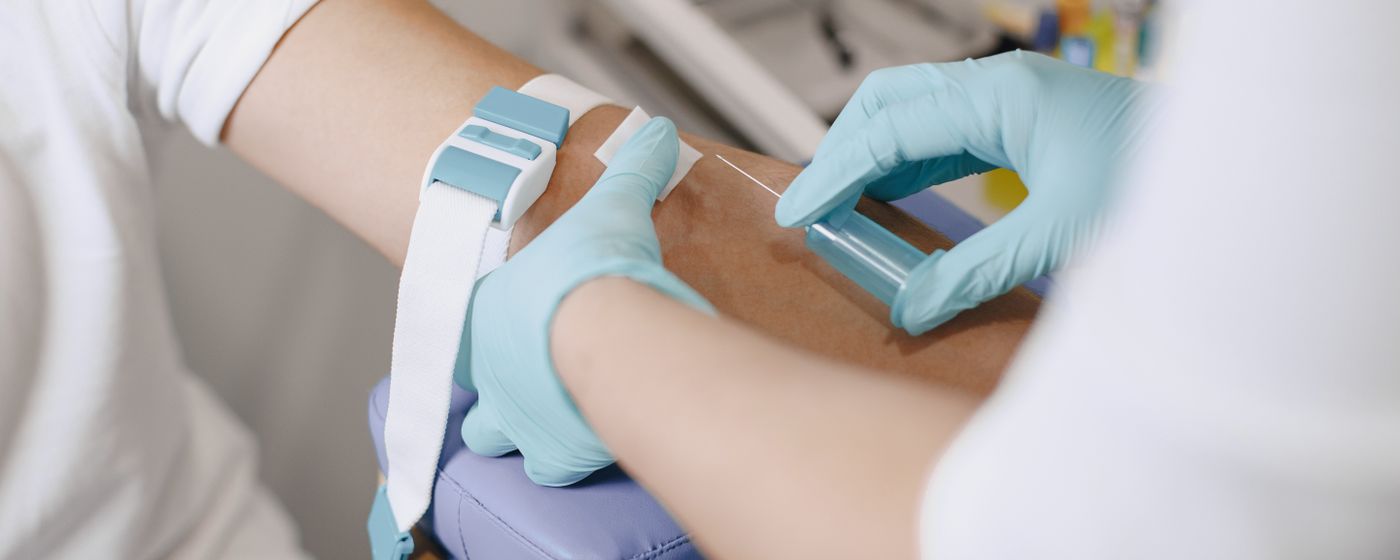
NIDDK says the blood test shows levels of certain antibodies. Those levels are often higher than normal in people who have untreated celiac disease. Untreated is the word that matters.
Then the biopsy. NIDDK says a doctor uses an endoscope, a flexible tube with a camera, to see the lining of the upper digestive tract. Small pieces of tissue are taken from the small intestine for a pathologist to examine.
Doctors do not recommend starting a gluten free diet before diagnostic testing, because a gluten free diet can affect test results.
Take the six signs with you
One printable sheet: the six signs outside the gut, the testing order, and the questions to ask before you change a single meal. Free, unlocked right here.
Enter your email to unlock your plan
Your 1-page celiac disease plan, unlocked right here.
Your plan is ready
Download or print it below. Save it anywhere.
⬇ Download your plan (PDF)Celiac disease or gluten sensitivity, and how to tell
Harvard Health says feeling sick after eating gluten does not automatically mean celiac disease.
Some people have non celiac gluten sensitivity. It is also called gluten intolerance. It can cause uncomfortable digestive symptoms after eating gluten.

The line between the two is drawn in a laboratory. Harvard Health says celiac disease is diagnosed with blood tests that look for specific antibodies. A definitive diagnosis then needs an intestinal biopsy showing the damage that marks the condition.
Non celiac gluten sensitivity does not trigger those antibodies and does not cause intestinal damage.
Johns Hopkins Medicine says celiac disease is not the same as gluten sensitivity or intolerance. It says the condition is genetic. And it says cutting out gluten is the only treatment, for the rest of your life.
Three celiac beliefs that cost a diagnosis
Three ideas keep adults undiagnosed for decades. Each one has a published answer.
Go gluten free and see if you feel better. NIDDK says doctors do not recommend starting a gluten free diet before diagnostic testing. A gluten free diet can affect test results. The blood test looks for antibodies that run high in untreated celiac disease. Test first. Change the diet second.
It is a childhood condition. Harvard Health says celiac disease can start any time after a baby first eats gluten. But it is usually found much later in life. The average age of diagnosis is between 46 and 56.
No stomach symptoms means no celiac disease. Harvard Health says many adults newly diagnosed have no belly pain, bloating or diarrhea. It says celiac disease can show up in the nervous, endocrine and skeletal systems, naming brain fog and muscle and joint pain. Johns Hopkins Medicine lists anemia, brittle bones, tingling legs and enamel loss among the common signs.
To your health,
Ageless Coach
Age Strong. Live Long.
This article is education, not medical advice. NIDDK says doctors do not recommend starting a gluten free diet before diagnostic testing. Johns Hopkins Medicine says eliminating gluten is the only treatment and must be lifelong. Talk with your own provider before you change your diet. Ageless Coach is an affiliate partner and may earn a commission on purchases made through links on this page.