
Most American diets come in under the choline target. Here are six foods that close the gap, with the milligrams for each.
Six everyday foods can cover a day of choline: beef liver, eggs, lean beef, shiitake mushrooms, roasted soybeans and cauliflower. None of them is exotic.
Choline is an essential nutrient. Your body makes a little of it in the liver, but not enough to meet daily needs, so the rest has to come off the plate.
Below are the six foods with the milligrams for each, the daily target for men and women, and the two situations where a supplement is worth a question. The numbers are the point, so read them against your own week.
Six foods that carry real choline, with the milligrams
Choline is measured in milligrams, which makes it unusually easy to shop for.
Cleveland Clinic publishes per serving figures for common foods (Cleveland Clinic, 2024). Here are six worth knowing.
- Beef liver, three ounces: about 356 mg. Cleveland Clinic puts three ounces of beef liver at around 356 mg. Chicken liver is close behind at roughly 246 mg. One serving clears the daily target on its own.
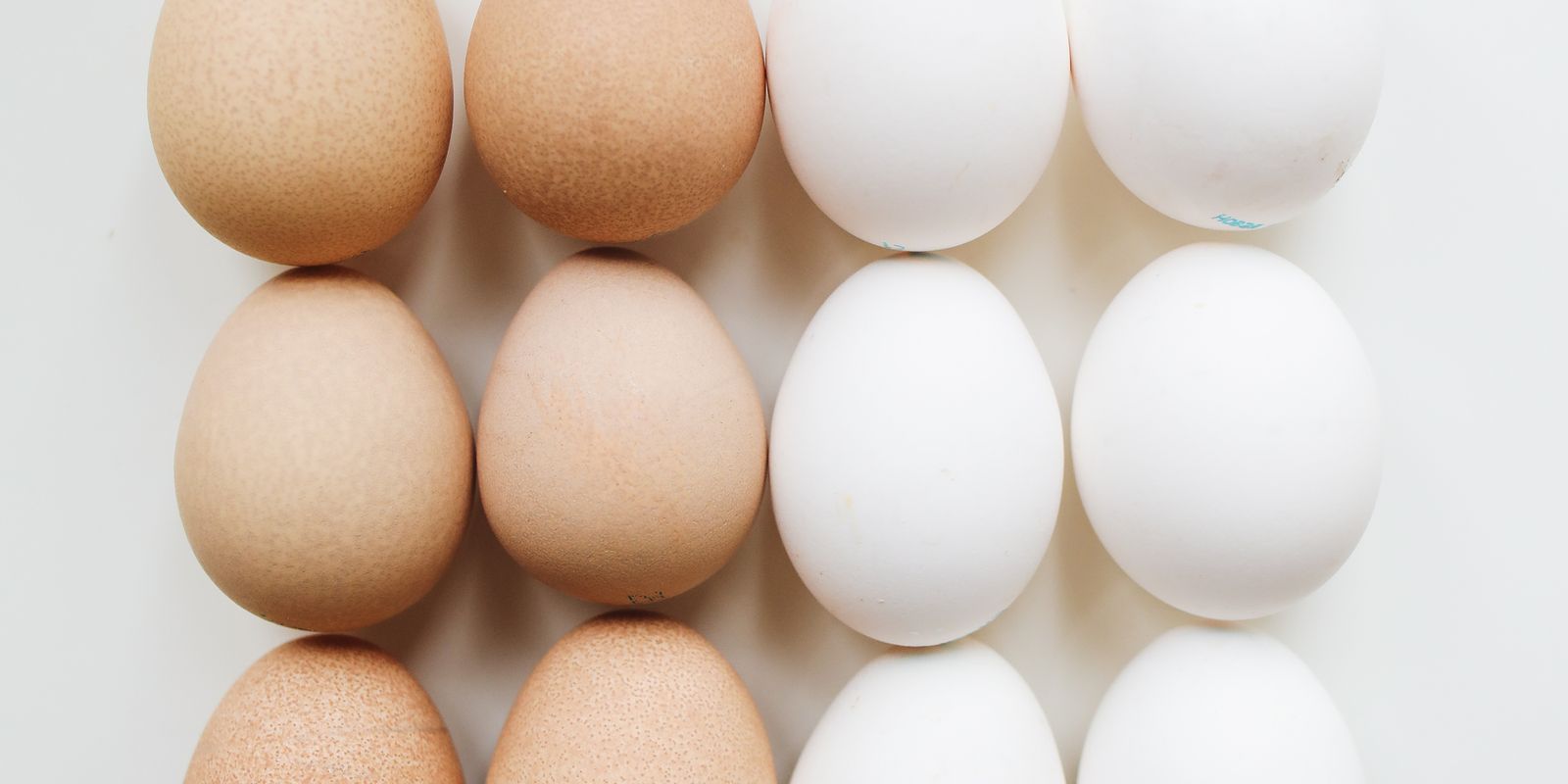
- One large hardboiled egg: 147 mg. Cleveland Clinic says eggs are second to liver, delivering 147 mg, or 27 percent of the daily value, in one large hardboiled egg. Two eggs cover more than half the target for women.
- Three ounces of braised beef top round: 117 mg. Cleveland Clinic lists this at 117 mg, or 21 percent of the daily value. Roasted chicken breast and lean ground beef each carry 72 mg for the same size serving.
- One cup of cooked shiitake mushrooms: 116 mg. Cleveland Clinic names shiitakes the best vegetable bet at 116 mg a cooked cup, or 21 percent of the daily value. That is the highest figure on the plant side of its list.
- Half a cup of roasted soybeans: about 107 mg. Cleveland Clinic puts roasted soybeans at roughly 107 mg, or 21 percent of the daily value, for half a cup. Cooked lima beans follow at 75 mg a cup.
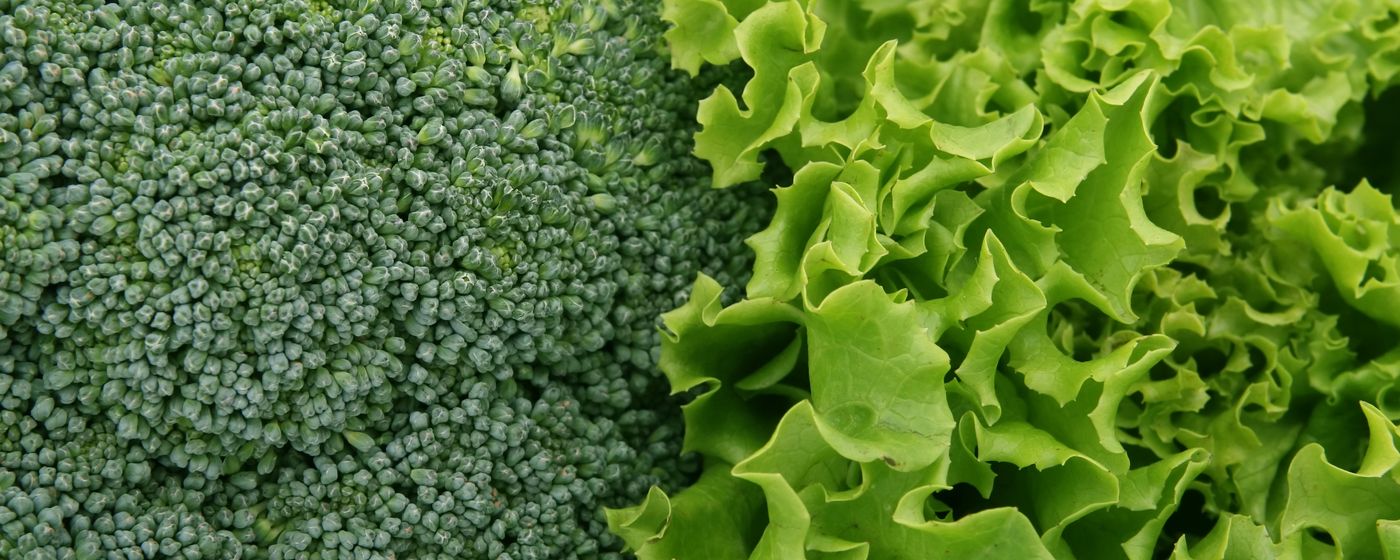
- One cup of cooked cauliflower: 72 mg. Cleveland Clinic lists cauliflower at 72 mg, or 13 percent of the daily value. Broccoli, cabbage and brussels sprouts sit lower, at 30 mg a cooked cup each.
Put two or three of those in a day and the target stops being theoretical.
Why most American diets come in under the choline target
The gap is not mysterious. It is a question of which foods are on the plate.
The NIH Office of Dietary Supplements says the diets of most people in the United States provide less than the recommended amounts of choline (NIH Office of Dietary Supplements, 2026). Its food list leans on meat, eggs, poultry, fish and dairy, plus potatoes and cruciferous vegetables such as brussels sprouts, broccoli and cauliflower.
Liver and eggs do most of the heavy lifting, and both have spent years out of fashion.
Cleveland Clinic says a choline deficiency can make you feel sluggish, restless or anxious. Those are vague symptoms, which is part of why a shortfall goes unnoticed.
The diets of most people in the United States provide less than the recommended amounts of choline.
Keep the numbers with you
Your free one page plan turns these six foods into three steps: what to put on the plate, the milligrams each one carries, and the question to ask if you are pregnant.
Enter your email to unlock your plan
Your 1-page choline plan, unlocked right here.
Your plan is ready
Download or print it below. Save it anywhere.
⬇ Download your plan (PDF)Who actually needs a choline supplement, and who does not
For most people the answer is the plate, not the pill.
Harvard T.H. Chan School of Public Health says there is not enough data to establish a Recommended Dietary Allowance for choline (Harvard T.H. Chan School of Public Health, 2026). The Food and Nutrition Board set an Adequate Intake instead, based on preventing liver damage.
That is the clearest case for asking. Pregnancy and breastfeeding raise the target at exactly the time appetite is least predictable.
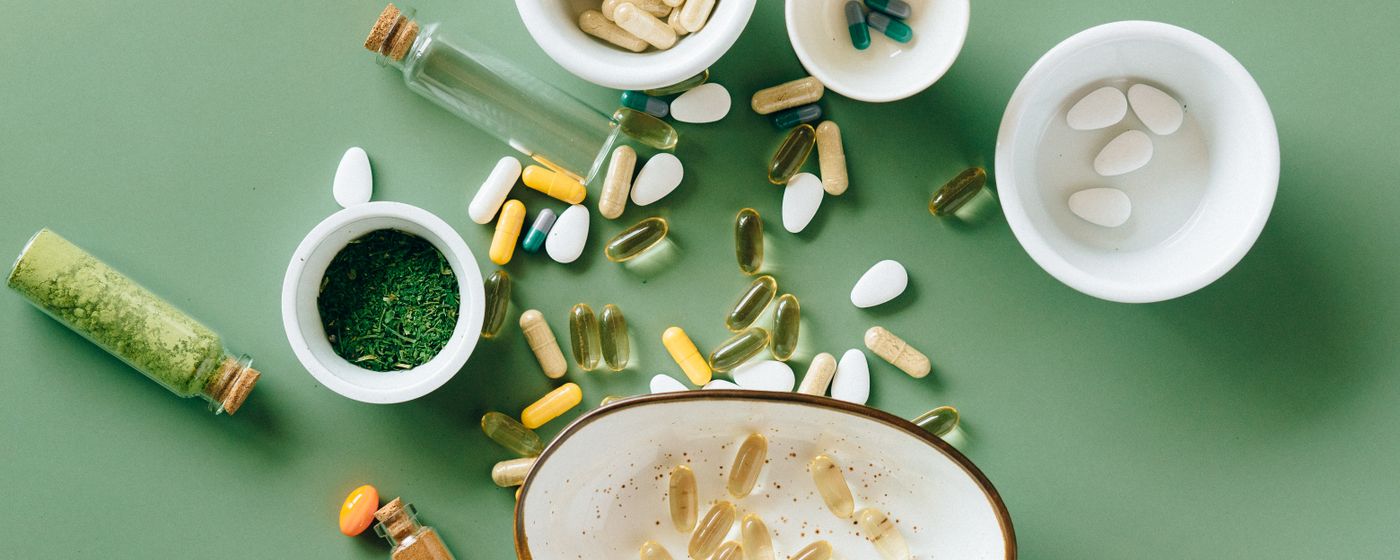
The NIH Office of Dietary Supplements says some multivitamin and mineral supplements already contain choline, often as choline bitartrate, phosphatidylcholine or lecithin. Check the bottle you own before you buy another one.
Three things people get wrong about choline
Three beliefs about this nutrient travel further than the evidence behind them.
Choline is a vitamin. Not quite. Harvard T.H. Chan School of Public Health says there is not enough data to set a Recommended Dietary Allowance, so the Food and Nutrition Board set an Adequate Intake instead. It is an essential nutrient with a thinner evidence base than the vitamin aisle suggests.
Your liver makes all you need. It does not. Harvard says the body can produce small amounts on its own in the liver, but not enough to meet daily needs.
You have to eat liver. You do not. Cleveland Clinic lists eggs, shiitake mushrooms, soybeans, cauliflower, milk, yogurt, wheat germ and quinoa among the sources. Liver is the densest option, not the only one.
To your health,
Ageless Coach
Age Strong. Live Long.
This article is education, not medical advice. The NIH Office of Dietary Supplements says to talk with your healthcare providers about the dietary supplements you take. Ageless Coach is an affiliate partner and may earn a commission on purchases made through links on this page.