<style>
.w-richtext p,.w-richtext li,.w-richtext td{font-size:18px;line-height:1.65}
.w-richtext h2{font-size:26px;line-height:1.35}
.w-richtext h3{font-size:22px;line-height:1.35}
.w-richtext ul{list-style-type:disc;padding-left:24px;margin:12px 0}
.w-richtext ul li{margin-bottom:8px;line-height:1.65}
.w-richtext .ac-action-plan{background:linear-gradient(135deg,#fffcf4 0%,#fff8ed 100%);border-left:5px solid #9a6841;border-radius:12px;padding:28px 24px;margin:32px 0;box-shadow:0 2px 12px rgba(0,0,0,0.06)}
.article-header-section .article-container{max-width:1080px !important;margin:0 auto !important;padding:0 20px !important}
.article-header-section .article-hero-image{display:block;width:100%;max-width:660px;margin:0}
.article-header-section .article-title{display:block !important;font-family:Georgia,serif;font-size:32px;line-height:1.25;font-weight:700;color:#313743;margin:20px 0 12px 0;text-align:left;max-width:660px}
@media (max-width:767px){.article-header-section .article-title{font-size:26px}.article-header-section .article-hero-image{max-width:100%}}
.ac-article-cta{margin-top:40px;text-align:center}
.ac-article-cta .ac-cta-lead{font-family:Georgia,serif;font-size:17px;color:#555;margin:0 0 16px 0;line-height:1.5}
.ac-article-cta a.ac-nav-cta{display:inline-flex;align-items:center;gap:10px;padding:10px 14px 10px 20px;background:#313743;color:#fff;border:1.5px solid #14D4CD;border-radius:82px;font-family:Inter,sans-serif;font-size:14px;font-weight:600;letter-spacing:0.3px;text-decoration:none;transition:transform 0.15s ease,box-shadow 0.15s ease}
.ac-article-cta a.ac-nav-cta:hover{transform:translateY(-1px);box-shadow:0 6px 18px rgba(20,212,205,0.25)}
.ac-article-cta .ac-nav-cta-arrow{width:28px;height:28px;background:#14D4CD;border-radius:50%;display:inline-flex;align-items:center;justify-content:center;flex-shrink:0}
.ac-article-cta .ac-nav-cta-arrow svg{width:14px;height:14px}
</style>
<p class="publish-date" style="font-size:13px; color:#999; margin-bottom:16px;">Published: June 1, 2026 · Last updated: June 1, 2026</p>
<div class="ac-glance" style="background-color: #ffffff; padding: 20px; border: 2px solid #b0bec5; border-radius: 8px; margin: 20px 0;"><strong>This week's brief at a glance:</strong><ul style="margin: 12px 0; padding-left: 24px;"><li style="margin-bottom:6px;">Decades of clinical data show creatine monohydrate at 3 to 5 grams per day causes no measurable kidney harm in healthy adults; the "creatine wrecks kidneys" claim does not survive a careful look at the trials (Harvard Health, 2024)</li><li style="margin-bottom:6px;">Creatine slightly raises blood creatinine because it is metabolized into creatinine; this can look like declining kidney function on a basic lab panel even though the actual filtration rate is unchanged (Cleveland Clinic, 2024)</li><li style="margin-bottom:6px;">People with chronic kidney disease need a personalized assessment before starting creatine, since the diet recommendations for CKD already restrict protein and potassium, and supplements affect that balance (NIH NIDDK, 2024)</li></ul></div>
<p>Creatine is the most-studied performance supplement on the market, and somehow its biggest headline still comes from a myth that will not die: that creatine damages your kidneys. The myth got started in the 1990s when a single case report on a young athlete was misinterpreted, and the internet has carried it forward ever since.</p>
<p>The longer version is more interesting. Creatine does affect a lab test you might recognize. It does not damage kidneys in healthy adults. And for older adults specifically, the upside on strength, recovery, and even cognition is one of the rare supplement profiles where the benefits are large and the downsides are small.</p>
<h3>What Creatine Is and Why It Is in the Conversation</h3>
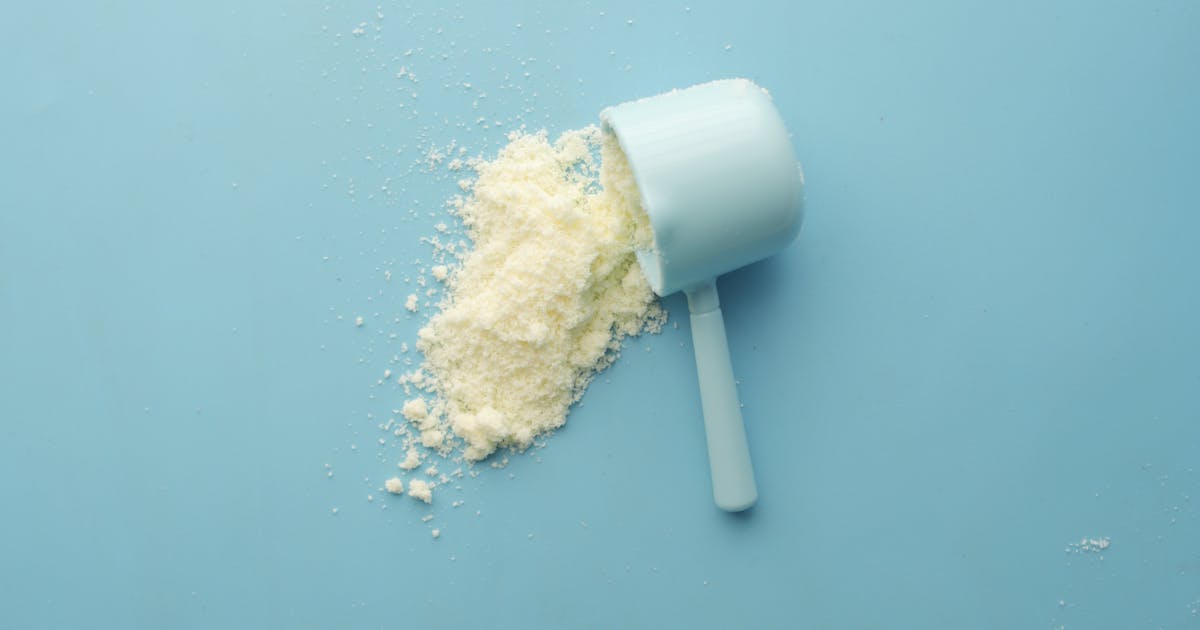
<p><strong>A Real Performance Lever:</strong> Creatine is a compound the body produces in the kidneys and liver and that you also eat in meat and fish. It is stored mostly in skeletal muscle, where it helps regenerate ATP for short, intense bursts of effort. Supplementing 3 to 5 grams a day raises muscle creatine stores by 20 to 40 percent and translates into measurable strength, power, and lean mass gains over weeks of training (<a href="https://www.health.harvard.edu/exercise-and-fitness/what-is-creatine-potential-benefits-and-risks-of-this-popular-supplement" target="_blank" rel="noopener">Harvard Health, 2024</a>).</p>
<p>The newer research is increasingly interested in creatine's brain effects: working memory, mental fatigue, and resilience to sleep deprivation. The case for older adults specifically (post-menopausal women, men over 60) is among the strongest in the literature.</p>
<h3>The Kidney Concern, Properly Framed</h3>
<p><strong>Where the Confusion Comes From:</strong> Creatine is converted to creatinine, which is the same chemical doctors measure to estimate kidney filtration on a basic metabolic panel. When you supplement creatine, blood creatinine rises slightly. A clinician unaware that you are supplementing can interpret that small rise as declining kidney function. The actual filtration rate (eGFR) calculated from creatinine then looks worse on paper even though the kidney is doing the same job (<a href="https://my.clevelandclinic.org/health/treatments/17674-creatine" target="_blank" rel="noopener">Cleveland Clinic, 2024</a>).</p>
<p>This is a lab-interpretation issue, not a kidney-damage issue. The fix is to tell your physician you take creatine. Some labs measure cystatin C as an alternative kidney filtration marker that does not get affected.</p>
<h3>What the Trials Actually Show</h3>
<p><strong>No Kidney Harm in Healthy Adults:</strong> Long-term studies of creatine monohydrate at 3 to 5 grams per day in healthy adults consistently show no kidney harm, no liver harm, and no meaningful adverse pattern over months to years of use. Even adults consuming higher-protein diets while supplementing creatine maintain stable kidney function in controlled trials.</p>
<p>The high-dose loading protocol (20 grams per day for 5 to 7 days) is the version most often pointed at as risky. The trials still show no kidney damage from loading, though gastrointestinal upset is more common. Most adults can skip loading entirely and saturate muscle creatine in 3 to 4 weeks on the standard 3 to 5 gram dose.</p>
<h3>Who Should Still Be Cautious</h3>
<p><strong>The Real Exceptions:</strong> Adults with established chronic kidney disease should have a personalized assessment before adding any supplement. CKD already requires careful management of protein, potassium, and phosphorus intake. Creatine adds a metabolic load the compromised kidney has to handle, and the right answer depends on stage of disease, lab trends, and medications (<a href="https://www.niddk.nih.gov/health-information/kidney-disease/chronic-kidney-disease-ckd/healthy-eating-adults-chronic-kidney-disease" target="_blank" rel="noopener">NIH NIDDK, 2024</a>).</p>
<p>Adults on nephrotoxic medications (some chemotherapies, certain antibiotics, NSAIDs at high chronic doses) should also discuss the addition with their physician rather than assume the safety data from healthy trials applies.</p>
<h3>What About Gut Health?</h3>
<p><strong>The Indirect Connection:</strong> Some marketing pitches creatine as a gut-healing supplement. That is not a Tier 1 supported claim. Small preliminary studies suggest creatine may have modest effects on intestinal inflammation in animal models, but the human evidence is too thin to call this a benefit you can rely on. If gut health is the goal, the evidence base for fiber, fermented foods, and not over-using antibiotics is far stronger.</p>
<p>The most common gut effect of creatine is the opposite: occasional digestive upset, especially during loading or with poor-quality products. Lowering the dose, splitting it across meals, or switching to a USP-verified monohydrate usually resolves it.</p>
<h3>How to Use Creatine if You Choose To</h3>
<p><strong>The Simple Protocol:</strong> Take 3 to 5 grams of creatine monohydrate per day, with food, every day. Skip loading; the long-term endpoint is identical. Buy USP-verified or NSF-certified to avoid contamination. Pair it with resistance training to get the strength and lean mass benefits.</p>
<p>Watch the lab. If your blood creatinine drifts up by 0.1 to 0.3 mg/dL, that is the supplement, not a kidney problem. Tell your physician; if they need a clean kidney number, stop the creatine for two weeks and recheck.</p>
<div class="ac-action-plan" style="background: linear-gradient(135deg, #fffcf4 0%, #fff8ed 100%); border-left: 5px solid #9A6841; border-radius: 12px; padding: 28px 24px; margin: 32px 0; box-shadow: 0 2px 12px rgba(0,0,0,0.06);"><div style="display: flex; align-items: center; gap: 10px; margin-bottom: 20px;"><svg width="24" height="24" viewBox="0 0 24 24" fill="none" stroke="#9A6841" stroke-width="2" stroke-linecap="round" stroke-linejoin="round"><path d="M9 5H7a2 2 0 00-2 2v12a2 2 0 002 2h10a2 2 0 002-2V7a2 2 0 00-2-2h-2"/><rect x="9" y="3" width="6" height="4" rx="1"/><path d="M9 14l2 2 4-4"/></svg><span style="font-family: Georgia, serif; font-size: 22px; font-weight: 700; color: #313743;">Your Coach's Recommendations</span></div><div style="display: flex; gap: 14px; margin-bottom: 16px; align-items: flex-start;"><div style="min-width: 36px; width: 36px; height: 36px; background: #9A6841; border-radius: 50%; display: flex; align-items: center; justify-content: center; color: #fff; font-weight: 700; font-size: 16px; flex-shrink: 0;">1</div><div><div style="font-weight: 700; color: #313743; font-size: 15px; margin-bottom: 2px;">Use 3 to 5 Grams of Plain Creatine Monohydrate Daily</div><div style="color: #6b7280; font-size: 13.5px; line-height: 1.5;">Skip loading and skip the "advanced" variants (HCl, ethyl ester, buffered). Plain monohydrate has the deepest evidence and the cleanest safety record. Daily consistency beats clever timing.</div></div></div><div style="display: flex; gap: 14px; margin-bottom: 16px; align-items: flex-start;"><div style="min-width: 36px; width: 36px; height: 36px; background: #9A6841; border-radius: 50%; display: flex; align-items: center; justify-content: center; color: #fff; font-weight: 700; font-size: 16px; flex-shrink: 0;">2</div><div><div style="font-weight: 700; color: #313743; font-size: 15px; margin-bottom: 2px;">Tell Your Doctor You Take It Before Lab Work</div><div style="color: #6b7280; font-size: 13.5px; line-height: 1.5;">Creatine slightly elevates blood creatinine, which feeds the eGFR formula. Disclose the supplement so kidney panels are interpreted correctly. Ask for cystatin C if a clean kidney measure is needed.</div></div></div><div style="display: flex; gap: 14px; margin-bottom: 20px; align-items: flex-start;"><div style="min-width: 36px; width: 36px; height: 36px; background: #9A6841; border-radius: 50%; display: flex; align-items: center; justify-content: center; color: #fff; font-weight: 700; font-size: 16px; flex-shrink: 0;">3</div><div><div style="font-weight: 700; color: #313743; font-size: 15px; margin-bottom: 2px;">If You Have CKD, Get Clearance First</div><div style="color: #6b7280; font-size: 13.5px; line-height: 1.5;">Chronic kidney disease changes the calculation. The right answer depends on stage, medications, and overall protein intake. This is a personal conversation with a nephrologist or primary care physician, not a self-experiment.</div></div></div><div style="border-top: 1px solid #e5ddd4; margin: 16px 0;"></div><div style="display: flex; justify-content: center; align-items: center; gap: 10px; flex-wrap: wrap;"><button onclick="acPrintPlan()" style="background: none; border: 1px solid #d3cabe; border-radius: 8px; padding: 10px 16px; font-size: 13px; color: #6b7280; cursor: pointer; display: flex; align-items: center; gap: 6px;"><svg width="14" height="14" viewBox="0 0 24 24" fill="none" stroke="currentColor" stroke-width="2" stroke-linecap="round" stroke-linejoin="round"><polyline points="6 9 6 2 18 2 18 9"/><path d="M6 18H4a2 2 0 01-2-2v-5a2 2 0 012-2h16a2 2 0 012 2v5a2 2 0 01-2 2h-2"/><rect x="6" y="14" width="12" height="8"/></svg>Print</button></div></div>
<div style="margin-top: 32px; padding-top: 0;">
<div style="width: 60px; height: 2px; background: linear-gradient(90deg, #9A6841, #be7b4c); border-radius: 2px; margin-bottom: 20px;"></div>
<p style="font-family: Georgia, serif; font-size: 16px; font-style: italic; color: #777; margin: 0 0 6px 0; letter-spacing: 0.3px; padding-left: 38px;">To your health,</p>
<div style="display: flex; align-items: center; gap: 4px; margin-bottom: 4px;">
<img src="https://cdn.prod.website-files.com/69be130d412f9c2c202307ef/69c539b9526b266e2cba5521_ageless-coach-logo-black.png" alt="AC" style="width: 34px; height: 34px; object-fit: contain;">
<p style="font-family: Georgia, serif; font-size: 22px; font-weight: 700; color: #313743; margin: 0; letter-spacing: 0.5px;">Ageless Coach</p>
</div>
<p style="font-family: -apple-system, BlinkMacSystemFont, Segoe UI, sans-serif; font-size: 11px; font-weight: 600; color: #be7b4c; letter-spacing: 2px; text-transform: uppercase; margin: 0 0 0 28px;">Age Strong. Live Long.</p>
</div>
<div style="margin-top: 28px; padding-top: 20px; border-top: 1px solid #e5e7eb; text-align: center;">
<p style="font-family: -apple-system, BlinkMacSystemFont, Segoe UI, sans-serif; font-size: 13px; font-weight: 700; color: #6b7280; letter-spacing: 2px; text-transform: uppercase; margin: 0 0 16px 0;">Trusted Sources Behind This Article</p>
<div style="display: flex; justify-content: center; gap: 10px; flex-wrap: wrap;">
<a href="https://www.health.harvard.edu/exercise-and-fitness/what-is-creatine-potential-benefits-and-risks-of-this-popular-supplement" target="_blank" rel="noopener" style="display: inline-block; background: #fff; border: 1.5px solid #9A6841; color: #9A6841; padding: 8px 20px; border-radius: 20px; font-size: 14px; font-weight: 600; letter-spacing: 0.3px; text-decoration: none; transition: background 0.2s ease, color 0.2s ease;">Harvard Health</a>
<a href="https://my.clevelandclinic.org/health/treatments/17674-creatine" target="_blank" rel="noopener" style="display: inline-block; background: #fff; border: 1.5px solid #9A6841; color: #9A6841; padding: 8px 20px; border-radius: 20px; font-size: 14px; font-weight: 600; letter-spacing: 0.3px; text-decoration: none; transition: background 0.2s ease, color 0.2s ease;">Cleveland Clinic</a>
<a href="https://www.niddk.nih.gov/health-information/kidney-disease/chronic-kidney-disease-ckd/healthy-eating-adults-chronic-kidney-disease" target="_blank" rel="noopener" style="display: inline-block; background: #fff; border: 1.5px solid #9A6841; color: #9A6841; padding: 8px 20px; border-radius: 20px; font-size: 14px; font-weight: 600; letter-spacing: 0.3px; text-decoration: none; transition: background 0.2s ease, color 0.2s ease;">NIH NIDDK</a>
</div>
</div>
<p style="font-size: 12px; color: #999; margin-top: 40px; line-height: 1.5;"><em>This content is for educational purposes only and is not a substitute for professional medical advice, diagnosis, or treatment. Reading this article does not create a provider-patient relationship. Always consult your physician or qualified healthcare provider before making changes to your diet, exercise, or health routine. Ageless Coach is not liable for any actions taken based on this information.</em></p>
<div class="ac-faq" style="margin-top:40px; border-top:1px solid #e5e7eb; padding-top:32px;">
<h2 style="font-family:Georgia,serif; font-size:20px; font-weight:700; color:#313743; margin:0 0 20px 0;">Frequently Asked Questions</h2>
<details style="border:1px solid #e5e7eb; border-radius:8px; margin-bottom:10px; overflow:hidden;">
<summary style="padding:14px 18px; font-weight:600; font-size:15px; color:#313743; cursor:pointer; list-style:none; display:flex; justify-content:space-between; align-items:center;">
Will creatine show up on a kidney test?
<svg width="16" height="16" viewBox="0 0 24 24" fill="none" stroke="#9A6841" stroke-width="2" stroke-linecap="round" stroke-linejoin="round" aria-hidden="true"><polyline points="6 9 12 15 18 9"/></svg>
</summary>
<div style="padding:0 18px 16px; font-size:18px; color:#555; line-height:1.65;">Yes, slightly. Blood creatinine usually rises 0.1 to 0.3 mg/dL on standard supplementation, which can lower the estimated GFR on a routine panel. That is not kidney damage; it is the supplement. Cystatin C is an alternative filtration marker that does not get affected.</div>
</details>
<details style="border:1px solid #e5e7eb; border-radius:8px; margin-bottom:10px; overflow:hidden;">
<summary style="padding:14px 18px; font-weight:600; font-size:15px; color:#313743; cursor:pointer; list-style:none; display:flex; justify-content:space-between; align-items:center;">
Can I take creatine if I have one kidney?
<svg width="16" height="16" viewBox="0 0 24 24" fill="none" stroke="#9A6841" stroke-width="2" stroke-linecap="round" stroke-linejoin="round" aria-hidden="true"><polyline points="6 9 12 15 18 9"/></svg>
</summary>
<div style="padding:0 18px 16px; font-size:18px; color:#555; line-height:1.65;">Often yes, with monitoring, but this is a personalized decision. Discuss with your nephrologist or primary care physician. A solo kidney is not an automatic disqualifier, but baseline kidney function and any other medications matter.</div>
</details>
<details style="border:1px solid #e5e7eb; border-radius:8px; margin-bottom:10px; overflow:hidden;">
<summary style="padding:14px 18px; font-weight:600; font-size:15px; color:#313743; cursor:pointer; list-style:none; display:flex; justify-content:space-between; align-items:center;">
Does loading damage kidneys?
<svg width="16" height="16" viewBox="0 0 24 24" fill="none" stroke="#9A6841" stroke-width="2" stroke-linecap="round" stroke-linejoin="round" aria-hidden="true"><polyline points="6 9 12 15 18 9"/></svg>
</summary>
<div style="padding:0 18px 16px; font-size:18px; color:#555; line-height:1.65;">Not in healthy adults, based on existing trial data. Most people experience digestive upset on the standard 20-gram loading protocol, which is its main downside. The long-term endpoint is the same on the slower 3 to 5 gram daily approach, so loading is rarely worth it.</div>
</details>
<details style="border:1px solid #e5e7eb; border-radius:8px; margin-bottom:10px; overflow:hidden;">
<summary style="padding:14px 18px; font-weight:600; font-size:15px; color:#313743; cursor:pointer; list-style:none; display:flex; justify-content:space-between; align-items:center;">
Should women take creatine?
<svg width="16" height="16" viewBox="0 0 24 24" fill="none" stroke="#9A6841" stroke-width="2" stroke-linecap="round" stroke-linejoin="round" aria-hidden="true"><polyline points="6 9 12 15 18 9"/></svg>
</summary>
<div style="padding:0 18px 16px; font-size:18px; color:#555; line-height:1.65;">Yes. Women, especially in midlife and beyond, typically have lower baseline muscle creatine stores and tend to benefit at least as much as men. Bloating fears are mostly unfounded; the water shift goes into muscle cells, not under the skin.</div>
</details>
<details style="border:1px solid #e5e7eb; border-radius:8px; margin-bottom:10px; overflow:hidden;">
<summary style="padding:14px 18px; font-weight:600; font-size:15px; color:#313743; cursor:pointer; list-style:none; display:flex; justify-content:space-between; align-items:center;">
Does creatine really help cognition?
<svg width="16" height="16" viewBox="0 0 24 24" fill="none" stroke="#9A6841" stroke-width="2" stroke-linecap="round" stroke-linejoin="round" aria-hidden="true"><polyline points="6 9 12 15 18 9"/></svg>
</summary>
<div style="padding:0 18px 16px; font-size:18px; color:#555; line-height:1.65;">The evidence is growing for working memory and resilience to sleep loss, especially at doses of 5 to 20 grams per day. The effect is modest and clearest in older adults and in stressed states (sleep deprivation, high mental load). It is not a substitute for sleep or training.</div>
</details>
<details style="border:1px solid #e5e7eb; border-radius:8px; margin-bottom:10px; overflow:hidden;">
<summary style="padding:14px 18px; font-weight:600; font-size:15px; color:#313743; cursor:pointer; list-style:none; display:flex; justify-content:space-between; align-items:center;">
What brand should I buy?
<svg width="16" height="16" viewBox="0 0 24 24" fill="none" stroke="#9A6841" stroke-width="2" stroke-linecap="round" stroke-linejoin="round" aria-hidden="true"><polyline points="6 9 12 15 18 9"/></svg>
</summary>
<div style="padding:0 18px 16px; font-size:18px; color:#555; line-height:1.65;">Any plain creatine monohydrate with USP or NSF certification. Brand premium beyond third-party verification is mostly marketing. The molecule is identical across reputable manufacturers; the certification is what protects against contamination.</div>
</details>
<details style="border:1px solid #e5e7eb; border-radius:8px; margin-bottom:10px; overflow:hidden;">
<summary style="padding:14px 18px; font-weight:600; font-size:15px; color:#313743; cursor:pointer; list-style:none; display:flex; justify-content:space-between; align-items:center;">
How long until I feel an effect?
<svg width="16" height="16" viewBox="0 0 24 24" fill="none" stroke="#9A6841" stroke-width="2" stroke-linecap="round" stroke-linejoin="round" aria-hidden="true"><polyline points="6 9 12 15 18 9"/></svg>
</summary>
<div style="padding:0 18px 16px; font-size:18px; color:#555; line-height:1.65;">Muscle stores saturate in roughly 3 to 4 weeks at 3 to 5 grams per day. Most adults notice gym performance and slight body weight change by the 3- to 6-week mark, with measurable strength gains over 8 to 12 weeks of consistent training.</div>
</details>
</div>
<div class="ac-article-cta">
<p class="ac-cta-lead">Want one verified-science article like this every week?</p>
<a href="/newsletter" class="ac-nav-cta">
Get Better Health, Weekly
<span class="ac-nav-cta-arrow">
<svg viewBox="0 0 18 18" fill="none" xmlns="http://www.w3.org/2000/svg" aria-hidden="true"><path d="M4.24 13.59L12.73 5.11" stroke="#0D1B2A" stroke-width="1.8"/><path d="M4.95 4.4H13.44V12.89" stroke="#0D1B2A" stroke-width="1.8"/></svg>
</span>
</a>
</div>