<style>
.w-richtext p,.w-richtext li,.w-richtext td{font-size:18px;line-height:1.65}
.w-richtext h2{font-size:26px;line-height:1.35}
.w-richtext h3{font-size:22px;line-height:1.35}
.w-richtext ul{list-style-type:disc;padding-left:24px;margin:12px 0}
.w-richtext ul li{margin-bottom:8px;line-height:1.65}
.w-richtext .ac-action-plan{background:linear-gradient(135deg,#fffcf4 0%,#fff8ed 100%);border-left:5px solid #9a6841;border-radius:12px;padding:28px 24px;margin:32px 0;box-shadow:0 2px 12px rgba(0,0,0,0.06)}
.article-header-section .article-container{max-width:1080px !important;margin:0 auto !important;padding:0 20px !important}
.article-header-section .article-hero-image{display:block;width:100%;max-width:660px;margin:0}
.article-header-section .article-title{display:block !important;font-family:Georgia,serif;font-size:32px;line-height:1.25;font-weight:700;color:#313743;margin:20px 0 12px 0;text-align:left;max-width:660px}
@media (max-width:767px){.article-header-section .article-title{font-size:26px}.article-header-section .article-hero-image{max-width:100%}}
.ac-article-cta{margin-top:40px;text-align:center}
.ac-article-cta .ac-cta-lead{font-family:Georgia,serif;font-size:17px;color:#555;margin:0 0 16px 0;line-height:1.5}
.ac-article-cta a.ac-nav-cta{display:inline-flex;align-items:center;gap:10px;padding:10px 14px 10px 20px;background:#313743;color:#fff;border:1.5px solid #14D4CD;border-radius:82px;font-family:Inter,sans-serif;font-size:14px;font-weight:600;letter-spacing:0.3px;text-decoration:none;transition:transform 0.15s ease,box-shadow 0.15s ease}
.ac-article-cta a.ac-nav-cta:hover{transform:translateY(-1px);box-shadow:0 6px 18px rgba(20,212,205,0.25)}
.ac-article-cta .ac-nav-cta-arrow{width:28px;height:28px;background:#14D4CD;border-radius:50%;display:inline-flex;align-items:center;justify-content:center;flex-shrink:0}
.ac-article-cta .ac-nav-cta-arrow svg{width:14px;height:14px}
</style>
<p class="publish-date" style="font-size:13px; color:#999; margin-bottom:16px;">Published: May 15, 2026 · Last updated: May 15, 2026</p>
<div class="ac-glance" style="background-color: #ffffff; padding: 20px; border: 2px solid #b0bec5; border-radius: 8px; margin: 20px 0;"><strong>This week's brief at a glance:</strong><ul style="margin: 12px 0; padding-left: 24px;"><li style="margin-bottom:6px;">The Bronx Aging Study (Verghese et al., 2003) followed nearly 500 adults over 21 years and found dancing reduced dementia risk by 76%, the largest reduction of any leisure activity tested (National Institute on Aging, 2024)</li><li style="margin-bottom:6px;">Walking, biking, and reading produced smaller cognitive benefits in the same cohort, suggesting that the combination of physical, cognitive, and social demands in dancing is what drives the outsized effect (NIA, 2024)</li><li style="margin-bottom:6px;">Subsequent imaging studies show that adults who dance regularly have greater hippocampal volume and better white-matter integrity than peers who do other forms of exercise (NIA, 2024)</li></ul></div>
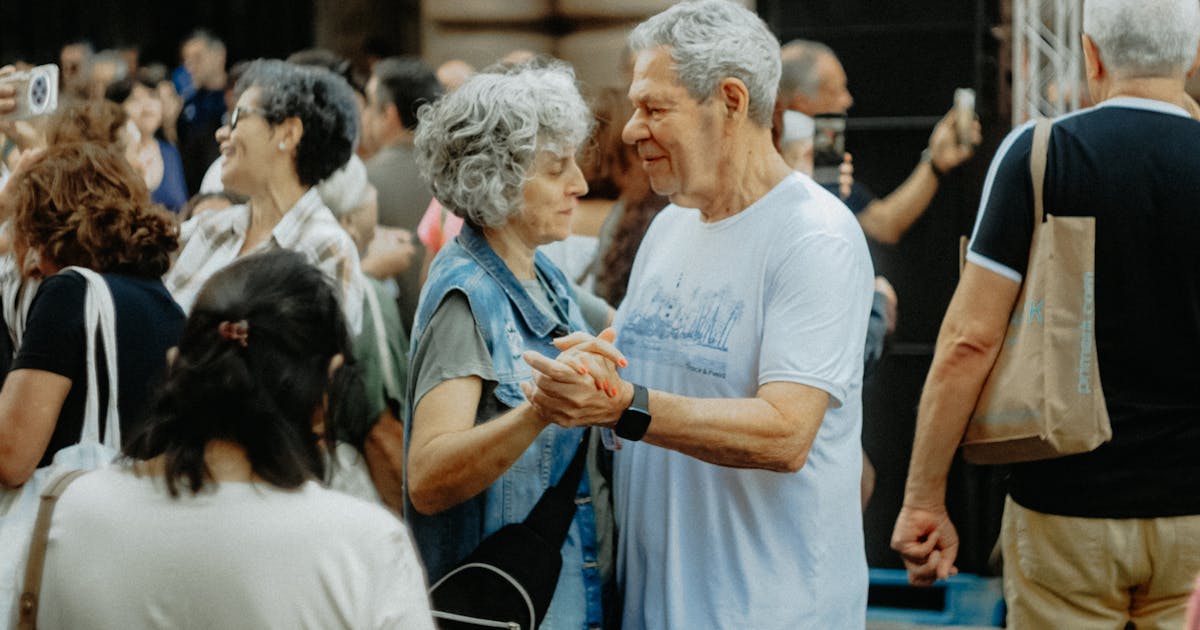
<p>The most frequently cited brain-and-dementia statistic of the past 20 years comes from a study most people have never heard of. In 2003, researchers from the Albert Einstein College of Medicine published results from the Bronx Aging Study, tracking the leisure activities of 469 adults over 75 for an average of five years. The headline finding: among all the activities tested, dancing produced by far the largest reduction in dementia risk.</p>
<p>The number is striking enough to deserve scrutiny. It is also robust enough that exercise scientists have spent the two decades since trying to understand why dancing in particular hits this hard.</p>
<h3>The 76% Number, In Context</h3>
<p>The Bronx study tested 11 cognitive and physical leisure activities. Most activities produced modest dementia risk reductions in the 30 to 50% range. Reading lowered risk by 35%. Playing board games by 47%. Walking, surprisingly, showed almost no statistically significant effect in this particular cohort (other studies do show walking benefits).</p>
<p>Dancing reduced dementia risk by 76% in the most-frequent-dancing group compared to non-dancers. The effect held after adjusting for age, sex, education, and baseline cognitive scores. The cohort was small enough that confidence intervals were wide, but the result has been replicated in other longitudinal studies with similar magnitudes.</p>
<h3>Why Dancing Specifically</h3>
<p>The proposed mechanism is that dancing combines three things that no other common leisure activity combines: aerobic exercise, real-time cognitive demand (memorizing steps, responding to a partner, anticipating the next move), and social engagement. Each of those independently reduces dementia risk. Combining them appears to compound the effect rather than just adding it (<a href="https://www.nia.nih.gov/news/lifelong-exercise-promotes-brain-health-older-adults" target="_blank" rel="noopener">NIA, 2024</a>).</p>
<p>Brain imaging research supports this. Adults who dance regularly show greater hippocampal volume than peers who do other forms of exercise, particularly in the regions responsible for spatial memory and motor learning. The hippocampus is one of the first brain regions damaged in Alzheimer's, so preserving its volume has direct relevance to disease risk.</p>
<h3>What Counts as "Dancing"</h3>
<p>The Bronx data did not specify a particular style. Ballroom, country line dancing, partner Latin (salsa, tango), folk dancing, and even structured group dance classes (Zumba, jazz) all involve the same essential combination of features. What matters is that the dancing requires learning new patterns, responding to music, and ideally coordinating with at least one other person.</p>
<p>Solo improvisational dancing to music at home is less consistently studied. The cognitive demand is lower without the structured patterns or partner interaction. It is better than not moving, but probably does not deliver the full Bronx Aging Study effect.</p>
<h3>The Realistic Dose</h3>
<p>The protective effect in the Bronx data started at "dancing several times a week" and increased with frequency. Adults who danced four or more times weekly saw the largest benefit. The dose is achievable through one or two weekly group classes plus practice at home or social dancing events. The barrier is often social rather than physical: walking into a beginner ballroom class at 65 is harder than putting on walking shoes (<a href="https://www.nia.nih.gov/health/brain-health/cognitive-health-and-older-adults" target="_blank" rel="noopener">NIA, 2024</a>).</p>
<p>Most adult-onset dance students continue once they get past the first few classes. The social bonds form quickly because partner dancing requires close cooperation, and the cognitive challenge is engaging in a way that solo gym workouts often are not.</p>
<h3>Practical Replacements If Dancing Is Not Possible</h3>
<p>Adults with mobility limitations or strong preference against dancing can replicate some of the effect through alternative combinations. Tai chi delivers cognitive demand, balance training, and group structure with low impact. Group fitness classes that require learning choreography (Zumba, dance fitness, step aerobics) capture much of the same combination. Even structured outdoor walking groups deliver more than solo walking because of the social and navigational components.</p>
<p>The honest framing is that nothing fully replaces dancing's combination, but multiple alternatives capture two out of three components, and that is still better than aerobic exercise alone.</p>
<div class="ac-action-plan" style="background: linear-gradient(135deg, #fffcf4 0%, #fff8ed 100%); border-left: 5px solid #9A6841; border-radius: 12px; padding: 28px 24px; margin: 32px 0; box-shadow: 0 2px 12px rgba(0,0,0,0.06);"><div style="display: flex; align-items: center; gap: 10px; margin-bottom: 20px;"><svg width="24" height="24" viewBox="0 0 24 24" fill="none" stroke="#9A6841" stroke-width="2" stroke-linecap="round" stroke-linejoin="round"><path d="M9 5H7a2 2 0 00-2 2v12a2 2 0 002 2h10a2 2 0 002-2V7a2 2 0 00-2-2h-2"/><rect x="9" y="3" width="6" height="4" rx="1"/><path d="M9 14l2 2 4-4"/></svg><span style="font-family: Georgia, serif; font-size: 22px; font-weight: 700; color: #313743;">Your Coach's Recommendations</span></div><div style="display: flex; gap: 14px; margin-bottom: 16px; align-items: flex-start;"><div style="min-width: 36px; width: 36px; height: 36px; background: #9A6841; border-radius: 50%; display: flex; align-items: center; justify-content: center; color: #fff; font-weight: 700; font-size: 16px; flex-shrink: 0;">1</div><div><div style="font-weight: 700; color: #313743; font-size: 15px; margin-bottom: 2px;">Find a Beginner Dance Class This Week.</div><div style="color: #6b7280; font-size: 13.5px; line-height: 1.5;">Community recreation centers, senior centers, Arthur Murray studios, and local YMCAs all offer beginner adult classes. Most cost $10 to $25 per class. The first class is the hardest. Bring a friend if walking in alone feels too much.</div></div></div><div style="display: flex; gap: 14px; margin-bottom: 16px; align-items: flex-start;"><div style="min-width: 36px; width: 36px; height: 36px; background: #9A6841; border-radius: 50%; display: flex; align-items: center; justify-content: center; color: #fff; font-weight: 700; font-size: 16px; flex-shrink: 0;">2</div><div><div style="font-weight: 700; color: #313743; font-size: 15px; margin-bottom: 2px;">Commit to Two Classes a Week for Eight Weeks.</div><div style="color: #6b7280; font-size: 13.5px; line-height: 1.5;">This is the practical on-ramp to the four-times-weekly Bronx dose. After 8 weeks most people have built the social bonds and basic patterns that make continuing easy. Practice between classes at home counts toward the total.</div></div></div><div style="display: flex; gap: 14px; margin-bottom: 20px; align-items: flex-start;"><div style="min-width: 36px; width: 36px; height: 36px; background: #9A6841; border-radius: 50%; display: flex; align-items: center; justify-content: center; color: #fff; font-weight: 700; font-size: 16px; flex-shrink: 0;">3</div><div><div style="font-weight: 700; color: #313743; font-size: 15px; margin-bottom: 2px;">If Dancing Is Not an Option, Pick a Choreographed Group Class.</div><div style="color: #6b7280; font-size: 13.5px; line-height: 1.5;">Tai chi, Zumba, dance fitness, or any structured group class with choreography delivers most of the dancing combination. The point is matching cognitive challenge plus aerobic exercise plus social structure, not the specific footwork.</div></div></div><div style="border-top: 1px solid #e5ddd4; margin: 16px 0;"></div><div style="display: flex; justify-content: center; align-items: center; gap: 10px; flex-wrap: wrap;"><button onclick="acPrintPlan()" style="background: none; border: 1px solid #d3cabe; border-radius: 8px; padding: 10px 16px; font-size: 13px; color: #6b7280; cursor: pointer; display: flex; align-items: center; gap: 6px;"><svg width="14" height="14" viewBox="0 0 24 24" fill="none" stroke="currentColor" stroke-width="2" stroke-linecap="round" stroke-linejoin="round"><polyline points="6 9 6 2 18 2 18 9"/><path d="M6 18H4a2 2 0 01-2-2v-5a2 2 0 012-2h16a2 2 0 012 2v5a2 2 0 01-2 2h-2"/><rect x="6" y="14" width="12" height="8"/></svg>Print</button></div></div>
<div style="margin-top: 32px; padding-top: 0;">
<div style="width: 60px; height: 2px; background: linear-gradient(90deg, #9A6841, #be7b4c); border-radius: 2px; margin-bottom: 20px;"></div>
<p style="font-family: Georgia, serif; font-size: 16px; font-style: italic; color: #777; margin: 0 0 6px 0; letter-spacing: 0.3px; padding-left: 38px;">To your health,</p>
<div style="display: flex; align-items: center; gap: 4px; margin-bottom: 4px;">
<img src="https://cdn.prod.website-files.com/69be130d412f9c2c202307ef/69c539b9526b266e2cba5521_ageless-coach-logo-black.png" alt="AC" style="width: 34px; height: 34px; object-fit: contain;">
<p style="font-family: Georgia, serif; font-size: 22px; font-weight: 700; color: #313743; margin: 0; letter-spacing: 0.5px;">Ageless Coach</p>
</div>
<p style="font-family: -apple-system, BlinkMacSystemFont, Segoe UI, sans-serif; font-size: 11px; font-weight: 600; color: #be7b4c; letter-spacing: 2px; text-transform: uppercase; margin: 0 0 0 28px;">Age Strong. Live Long.</p>
</div>
<div style="margin-top: 28px; padding-top: 20px; border-top: 1px solid #e5e7eb; text-align: center;">
<p style="font-family: -apple-system, BlinkMacSystemFont, Segoe UI, sans-serif; font-size: 13px; font-weight: 700; color: #6b7280; letter-spacing: 2px; text-transform: uppercase; margin: 0 0 16px 0;">Trusted Sources Behind This Article</p>
<div style="display: flex; justify-content: center; gap: 10px; flex-wrap: wrap;">
<a href="https://www.nia.nih.gov/news/lifelong-exercise-promotes-brain-health-older-adults" target="_blank" rel="noopener" style="display: inline-block; background: #fff; border: 1.5px solid #9A6841; color: #9A6841; padding: 8px 20px; border-radius: 20px; font-size: 14px; font-weight: 600; letter-spacing: 0.3px; text-decoration: none; transition: background 0.2s ease, color 0.2s ease;">NIA Brain Exercise</a>
<a href="https://www.nia.nih.gov/health/brain-health/cognitive-health-and-older-adults" target="_blank" rel="noopener" style="display: inline-block; background: #fff; border: 1.5px solid #9A6841; color: #9A6841; padding: 8px 20px; border-radius: 20px; font-size: 14px; font-weight: 600; letter-spacing: 0.3px; text-decoration: none; transition: background 0.2s ease, color 0.2s ease;">NIA Cognitive Health</a>
<a href="https://www.nia.nih.gov/news/physical-activity-and-alzheimers-related-hippocampal-atrophy" target="_blank" rel="noopener" style="display: inline-block; background: #fff; border: 1.5px solid #9A6841; color: #9A6841; padding: 8px 20px; border-radius: 20px; font-size: 14px; font-weight: 600; letter-spacing: 0.3px; text-decoration: none; transition: background 0.2s ease, color 0.2s ease;">NIA Hippocampal Study</a>
</div>
</div>
<p style="font-size: 12px; color: #999; margin-top: 40px; line-height: 1.5;"><em>This content is for educational purposes only and is not a substitute for professional medical advice, diagnosis, or treatment. Reading this article does not create a provider-patient relationship. Always consult your physician or qualified healthcare provider before making changes to your diet, exercise, or health routine. Ageless Coach is not liable for any actions taken based on this information.</em></p>
<div class="ac-faq" style="margin-top:40px; border-top:1px solid #e5e7eb; padding-top:32px;">
<h2 style="font-family:Georgia,serif; font-size:20px; font-weight:700; color:#313743; margin:0 0 20px 0;">Frequently Asked Questions</h2>
<details style="border:1px solid #e5e7eb; border-radius:8px; margin-bottom:10px; overflow:hidden;">
<summary style="padding:14px 18px; font-weight:600; font-size:15px; color:#313743; cursor:pointer; list-style:none; display:flex; justify-content:space-between; align-items:center;">
What if I have two left feet?
<svg width="16" height="16" viewBox="0 0 24 24" fill="none" stroke="#9A6841" stroke-width="2" stroke-linecap="round" stroke-linejoin="round" aria-hidden="true"><polyline points="6 9 12 15 18 9"/></svg>
</summary>
<div style="padding:0 18px 16px; font-size:18px; color:#555; line-height:1.65;">The cognitive benefit comes from the learning process, not from competence. Struggling to remember the steps is part of what makes dancing protective. Beginner classes assume you have no experience. Most adults are average dancers and stay average dancers, which is fine.</div>
</details>
<details style="border:1px solid #e5e7eb; border-radius:8px; margin-bottom:10px; overflow:hidden;">
<summary style="padding:14px 18px; font-weight:600; font-size:15px; color:#313743; cursor:pointer; list-style:none; display:flex; justify-content:space-between; align-items:center;">
Is one dance style better than another?
<svg width="16" height="16" viewBox="0 0 24 24" fill="none" stroke="#9A6841" stroke-width="2" stroke-linecap="round" stroke-linejoin="round" aria-hidden="true"><polyline points="6 9 12 15 18 9"/></svg>
</summary>
<div style="padding:0 18px 16px; font-size:18px; color:#555; line-height:1.65;">Partner dances (ballroom, salsa, tango, swing) deliver slightly stronger benefits than solo styles because of the constant partner negotiation. Country line dancing and folk dancing also work well. Latin styles like Zumba are good but lighter on partner-coordination demand. Pick what you would actually enjoy.</div>
</details>
<details style="border:1px solid #e5e7eb; border-radius:8px; margin-bottom:10px; overflow:hidden;">
<summary style="padding:14px 18px; font-weight:600; font-size:15px; color:#313743; cursor:pointer; list-style:none; display:flex; justify-content:space-between; align-items:center;">
Can I dance alone at home and still get the benefit?
<svg width="16" height="16" viewBox="0 0 24 24" fill="none" stroke="#9A6841" stroke-width="2" stroke-linecap="round" stroke-linejoin="round" aria-hidden="true"><polyline points="6 9 12 15 18 9"/></svg>
</summary>
<div style="padding:0 18px 16px; font-size:18px; color:#555; line-height:1.65;">Some of the benefit, yes, particularly if you follow structured choreography (YouTube classes, dance fitness videos). You lose the social and partner-coordination components, which are estimated to drive a significant portion of the effect. Best framing: home dancing is a supplement, group dancing is the primary intervention.</div>
</details>
<details style="border:1px solid #e5e7eb; border-radius:8px; margin-bottom:10px; overflow:hidden;">
<summary style="padding:14px 18px; font-weight:600; font-size:15px; color:#313743; cursor:pointer; list-style:none; display:flex; justify-content:space-between; align-items:center;">
What if I have knee or hip problems?
<svg width="16" height="16" viewBox="0 0 24 24" fill="none" stroke="#9A6841" stroke-width="2" stroke-linecap="round" stroke-linejoin="round" aria-hidden="true"><polyline points="6 9 12 15 18 9"/></svg>
</summary>
<div style="padding:0 18px 16px; font-size:18px; color:#555; line-height:1.65;">Low-impact styles work well: ballroom, salsa, slow waltz, line dancing. Avoid high-impact styles like Lindy Hop or aerobic step until joints are stronger. Discuss with your physician first. Chair-based dance programs exist for adults with significant mobility limitations and deliver some of the cognitive-social benefit.</div>
</details>
<details style="border:1px solid #e5e7eb; border-radius:8px; margin-bottom:10px; overflow:hidden;">
<summary style="padding:14px 18px; font-weight:600; font-size:15px; color:#313743; cursor:pointer; list-style:none; display:flex; justify-content:space-between; align-items:center;">
Is the 76% number actually believable?
<svg width="16" height="16" viewBox="0 0 24 24" fill="none" stroke="#9A6841" stroke-width="2" stroke-linecap="round" stroke-linejoin="round" aria-hidden="true"><polyline points="6 9 12 15 18 9"/></svg>
</summary>
<div style="padding:0 18px 16px; font-size:18px; color:#555; line-height:1.65;">It is a real number from a real published study, but the confidence interval was wide because the cohort was small. Subsequent larger studies have found smaller effects (typically 30 to 50% risk reduction) but consistently positive. The exact percentage is less important than the direction and magnitude of the effect across multiple studies.</div>
</details>
<details style="border:1px solid #e5e7eb; border-radius:8px; margin-bottom:10px; overflow:hidden;">
<summary style="padding:14px 18px; font-weight:600; font-size:15px; color:#313743; cursor:pointer; list-style:none; display:flex; justify-content:space-between; align-items:center;">
Should I drop my regular exercise routine and just dance?
<svg width="16" height="16" viewBox="0 0 24 24" fill="none" stroke="#9A6841" stroke-width="2" stroke-linecap="round" stroke-linejoin="round" aria-hidden="true"><polyline points="6 9 12 15 18 9"/></svg>
</summary>
<div style="padding:0 18px 16px; font-size:18px; color:#555; line-height:1.65;">No. Resistance training and walking still matter for cardiovascular health, bone density, and balance. The best framing is to add dancing to an existing routine, not replace strength work or aerobic exercise. Dancing is the cognitive supplement; strength and cardio remain the metabolic foundation.</div>
</details>
</div>
<div class="ac-article-cta">
<p class="ac-cta-lead">Want one verified-science article like this every week?</p>
<a href="/newsletter" class="ac-nav-cta">
Get Better Health, Weekly
<span class="ac-nav-cta-arrow">
<svg viewBox="0 0 18 18" fill="none" xmlns="http://www.w3.org/2000/svg" aria-hidden="true"><path d="M4.24 13.59L12.73 5.11" stroke="#0D1B2A" stroke-width="1.8"/><path d="M4.95 4.4H13.44V12.89" stroke="#0D1B2A" stroke-width="1.8"/></svg>
</span>
</a>
</div>