
Published: May 26, 2026 · Last updated: May 26, 2026
- Roughly half a cup of blueberries daily delivers anthocyanins that support insulin sensitivity and mitochondrial function (USDA ARS, 2024)
- Insulin resistance precedes type 2 diabetes by years and is closely tied to mitochondrial dysfunction in muscle and fat cells (NIDDK, 2024)
- Plant polyphenols, including those in berries, work as small-dose stressors that strengthen the cell's energy machinery over time (NCCIH, 2024)
Insulin resistance is the quiet disease that runs ahead of type 2 diabetes by 10 to 20 years. Its root, increasingly clear in the research, is mitochondrial dysfunction. Tired mitochondria handle glucose poorly. Glucose handled poorly raises insulin. Insulin chronically high accelerates the damage.
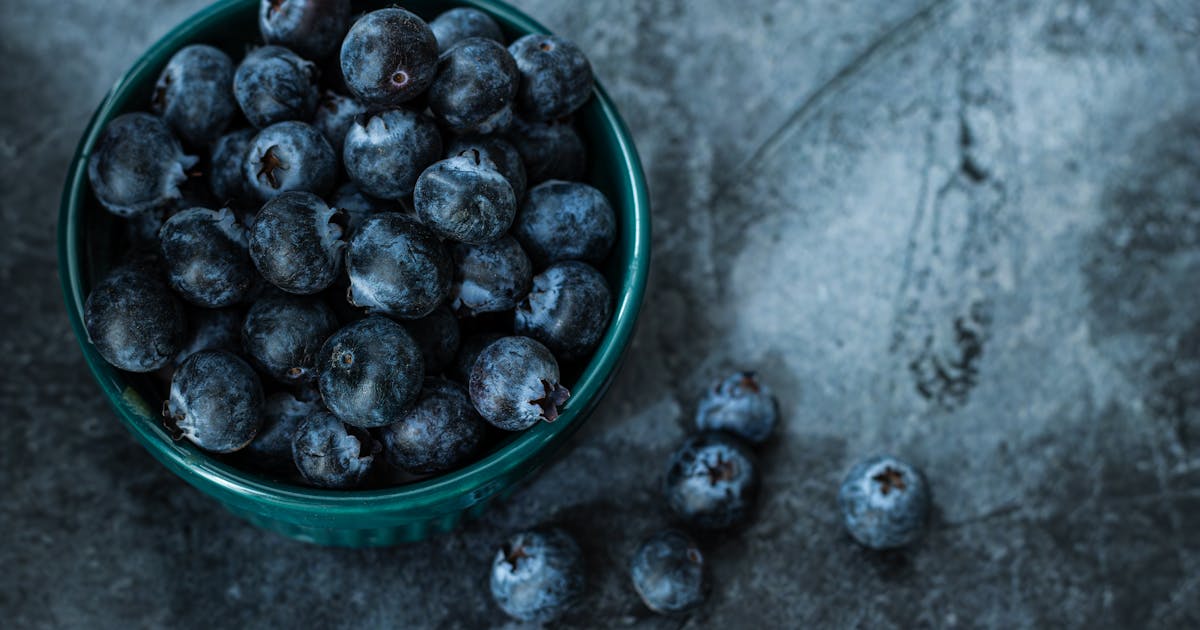
A surprising amount of evidence now points to a small, daily food fix: about half a cup of blueberries. The anthocyanins they carry support insulin sensitivity and stress the mitochondria just enough to make them stronger. It is not magic. It is a low-dose, high-signal food the science keeps confirming.
Why Mitochondria Matter for Insulin
Energy Machinery Sets the Floor: Mitochondria are the cells' power plants. When they run efficiently, muscle and fat tissue absorb glucose normally and insulin can stay low. When they get sluggish (a common feature of aging, inactivity, and high-calorie diets), glucose backs up in the bloodstream and insulin rises to push it in.
Restoring mitochondrial health is one of the highest-leverage interventions for metabolic disease. Strength training, zone-2 cardio, and certain plant compounds all do this, with overlapping mechanisms.
The Blueberry Signal
What Half a Cup Actually Contains: USDA Agricultural Research Service (2024) describes blueberries as a dense source of anthocyanins (the purple pigments), pterostilbene, and quercetin. These compounds act as mild metabolic stressors that activate the same pathways exercise does, including AMPK and SIRT1.
Habitual intake of about half a cup a day has been associated with improvements in fasting glucose, insulin sensitivity, and inflammatory markers in multiple human trials. The dose is small. The compounding across years is what matters.
Insulin Resistance Before You Have Diabetes
Catch the Trend Early: NIDDK (2024) defines insulin resistance as a state where cells respond poorly to insulin, often years before any abnormal fasting glucose shows up. Fasting insulin, HOMA-IR, and A1C trends catch it. Standard fasting glucose alone misses it.
If you have a creeping waistline, energy crashes after meals, or new fatigue between meals, that pattern is worth a fasting insulin test. Catching insulin resistance at the precursor stage is the difference between reversing it and managing diabetes.
How Polyphenols Strengthen Mitochondria
The Small-Dose-Stress Principle: NCCIH (2024) reviews the evidence on plant compounds in metabolic disease and notes that polyphenols at dietary doses activate stress-response pathways that improve mitochondrial efficiency. This is the same biological logic that makes exercise work.
Berries are not the only source. Dark chocolate, green tea, red onions, and extra virgin olive oil deliver overlapping compounds. The point is a daily, dietary dose, not a megasupplement.
Stacking Half a Cup With the Real Levers
Berries Are Not a Substitute for Exercise: The strongest mitochondrial intervention is still movement. Strength training twice a week and 150 minutes of moderate cardio (zone-2 for most of it) creates more mitochondria and makes the existing ones more efficient. No food matches it.
Where berries shine is the easy, daily, additive layer on top. Add half a cup to oatmeal, yogurt, or a small bowl as a snack. Frozen is fine; the anthocyanins survive freezing. The cost-to-benefit is hard to beat.
To your health,

Ageless Coach
Age Strong. Live Long.
Trusted Sources Behind This Article
This content is for educational purposes only and is not a substitute for professional medical advice, diagnosis, or treatment. Reading this article does not create a provider-patient relationship. Always consult your physician or qualified healthcare provider before making changes to your diet, exercise, or health routine. Ageless Coach is not liable for any actions taken based on this information.
Frequently Asked Questions
Want one verified-science article like this every week?
Get Better Health, Weekly