

Early heart failure is easy to mistake for getting older. Here are the five signs doctors group under one word, and the shelf bought medicines that make them worse.
Heart failure does not mean the heart has stopped. It means the heart cannot pump enough blood to keep up with the body, so fluid backs up in the lungs and legs.
That backup is what you feel. It shows as tiredness, breathlessness and swelling, and all three are easy to put down to age.
Below are the five early signs grouped under one word. You will also see the tests that confirm them, and the three everyday medicines that make fluid worse. None of this replaces a diagnosis.
The five early signs that spell out FACES
People tend to ignore these and blame getting older.
Harvard Health says so plainly. It points to a tool built by the Heart Failure Society of America to help doctors and patients spot the problem quickly (Harvard Health, 2026). It goes by the acronym FACES.
- Fatigue that rest does not fix. The heart cannot pump enough oxygen rich blood to meet the body's energy needs. A general feeling of tiredness sets in. It is the F in FACES, and it is the one most often blamed on age.
- Activity you used to manage easily. People with heart failure are often unable to do their normal activities. They tire quickly and become short of breath. Harvard Health calls this activity limitation.
- Congestion you can hear. Fluid building up in the lungs can cause coughing, wheezing and difficulty breathing. Cleveland Clinic lists a dry, hacking cough among the symptoms.
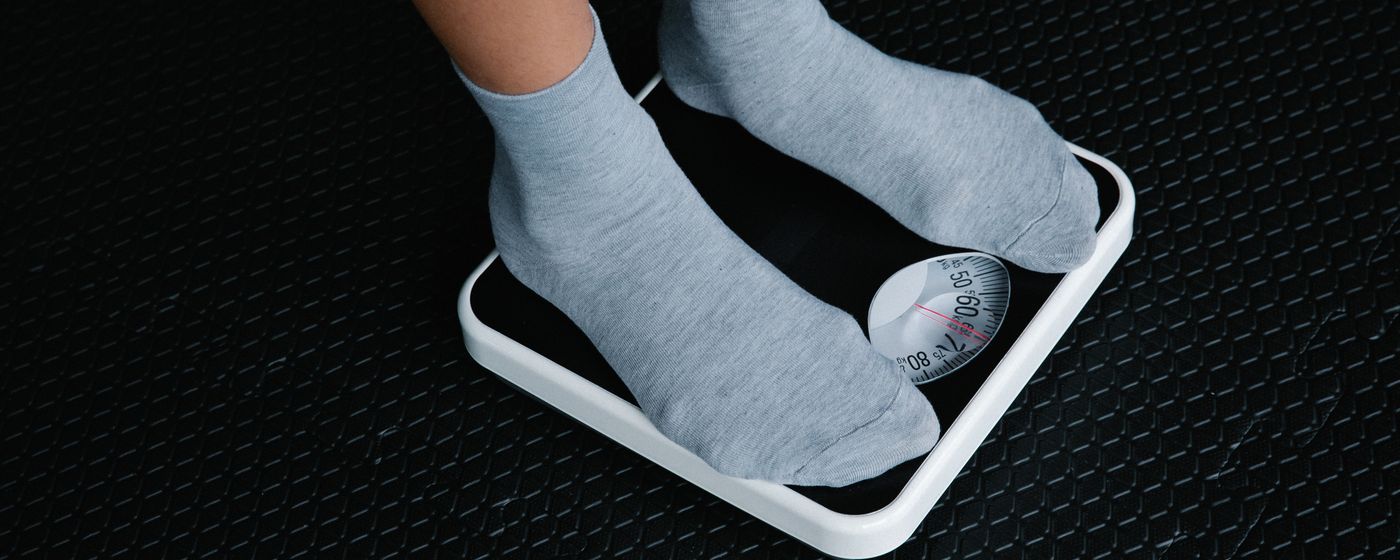
- Swelling in the ankles, legs and belly. When the heart lacks the power to push used blood back up from the legs, fluid collects. Harvard Health says the excess fluid can also cause rapid weight gain.
- Breathlessness that is worse lying down. Fluid in the lungs makes the oxygen exchange harder. It is also harder to breathe lying flat, because gravity lets fluid from below the lungs travel up the torso.
One group of people gets a different picture. The NHLBI says older adults who do not get much physical activity may not experience shortness of breath at all (NHLBI). They may feel tired and confused instead.
That matters. Tiredness and confusion in an older adult rarely get called a heart problem. The NHLBI also lists trouble sleeping lying flat, a bluish colour in the fingers and lips, and needing to pee often at night.
What the echo and the blood test actually show
Two tests carry most of the weight.
The first is an echocardiogram. Harvard Health describes it as a simple, non invasive ultrasound of the heart while it beats. If it shows a lower than normal percentage of blood leaving the heart, there is a strong possibility of heart muscle damage.
The second is a blood test. Cleveland Clinic says a substance called B type natriuretic peptide rises when the heart is working harder than usual (Cleveland Clinic, 2026). Higher than normal levels can be a sign of heart failure.
Cleveland Clinic also sorts heart failure into four stages, A through D. Stage A means risk factors but no symptoms and no structural change. Stage D means advanced symptoms that interfere with daily life.
Ask which stage you are. The answer shapes everything that follows.
People tend to ignore heart failure symptoms and attribute them to just getting older.
Keep the five signs with you
Your free one page plan turns this article into three steps: what to track each morning, which medicines to hand over, and what gets you seen today.
Enter your email to unlock your plan
Your 1-page heart failure plan, unlocked right here.
Your plan is ready
Download or print it below. Save it anywhere.
⬇ Download your plan (PDF)Three everyday medicines that make heart failure worse
People with heart failure often take several medications at once.
Harvard Health warns that several common prescription drugs, shelf bought medicines and supplements can interact dangerously and intensify heart failure symptoms. Three groups are named.
The first is anti inflammatory painkillers. Ibuprofen and naproxen are the household names. They can worsen symptoms by making the body retain sodium and fluid.
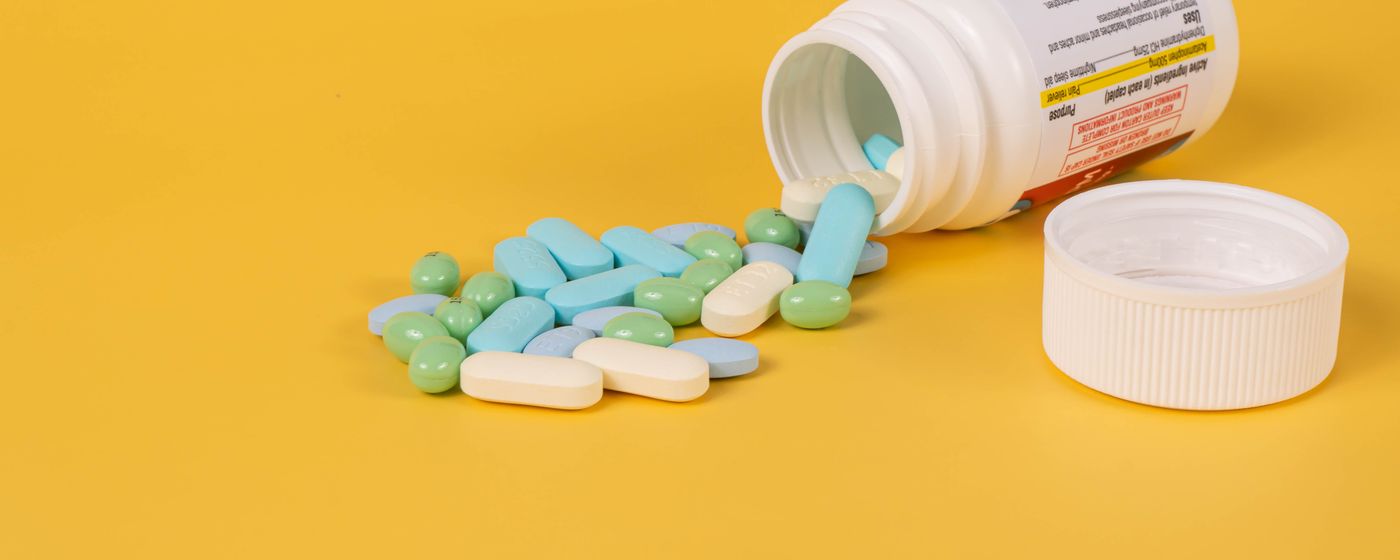
The second group is heartburn medicines and cold remedies. These shelf bought aids often contain high amounts of sodium, which can trigger fluid overload.
The third is herbal remedies. Harvard Health names ephedra, St John's wort, ginseng, hawthorn, black cohosh and green tea. All can react badly with several common heart medications.
The safe move is simple. Make sure every one of your providers has a complete list of everything you take, including the things you bought yourself.
Three things people get wrong about heart failure
Three beliefs about heart failure travel further than the evidence behind them.
The heart has stopped working. Cleveland Clinic puts it the other way round. The heart is still working. It just cannot handle the amount of blood it should, so fluid builds up elsewhere, most often in the lungs, legs and feet.
Nothing can be done about it. Cleveland Clinic says treatment can alter the course of the disease. Medications and changes to daily habits are part of every treatment plan, and the aim is to slow the progression and manage symptoms.
It only affects the left side. Heart failure usually begins in the lower left chamber, the main pumping chamber. But Cleveland Clinic says it can affect the right side too, and sometimes both sides at once.
To your health,
Ageless Coach
Age Strong. Live Long.
This article is education, not medical advice. Heart failure is diagnosed and treated by a healthcare professional. Cleveland Clinic says to call 911 or go to the emergency room if you have new chest pain, severe trouble breathing, or if your heart failure symptoms suddenly become much worse.