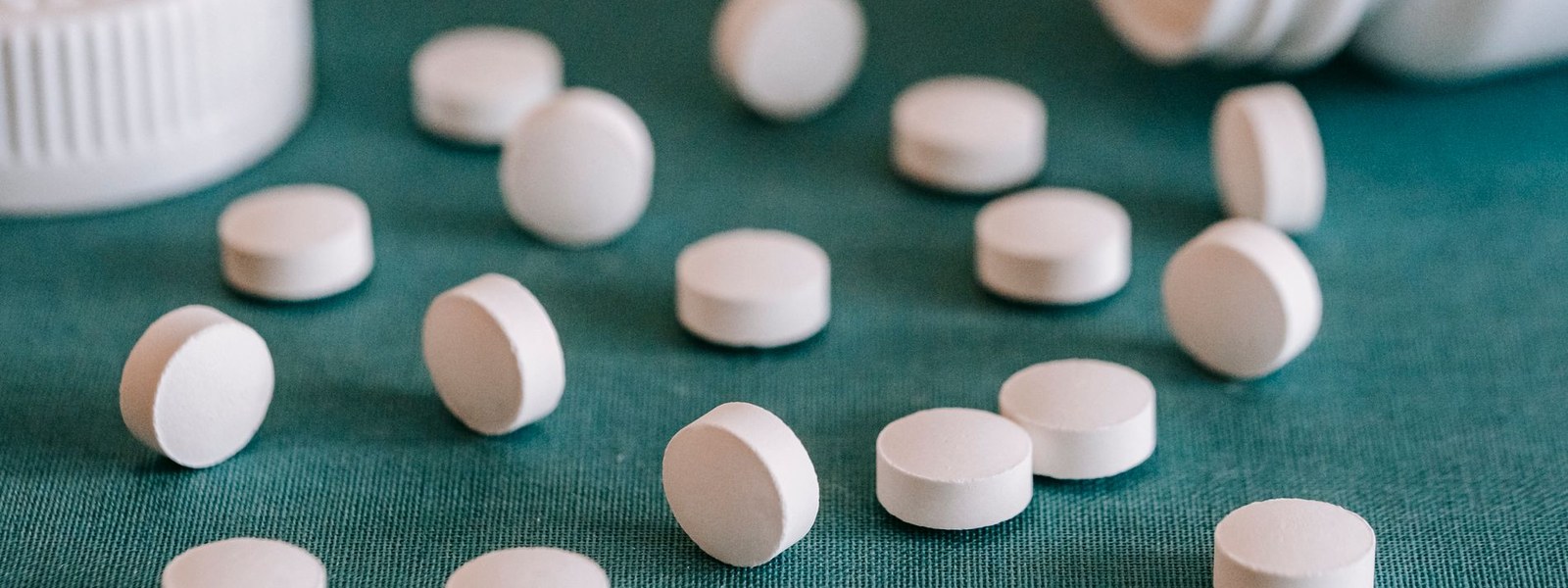
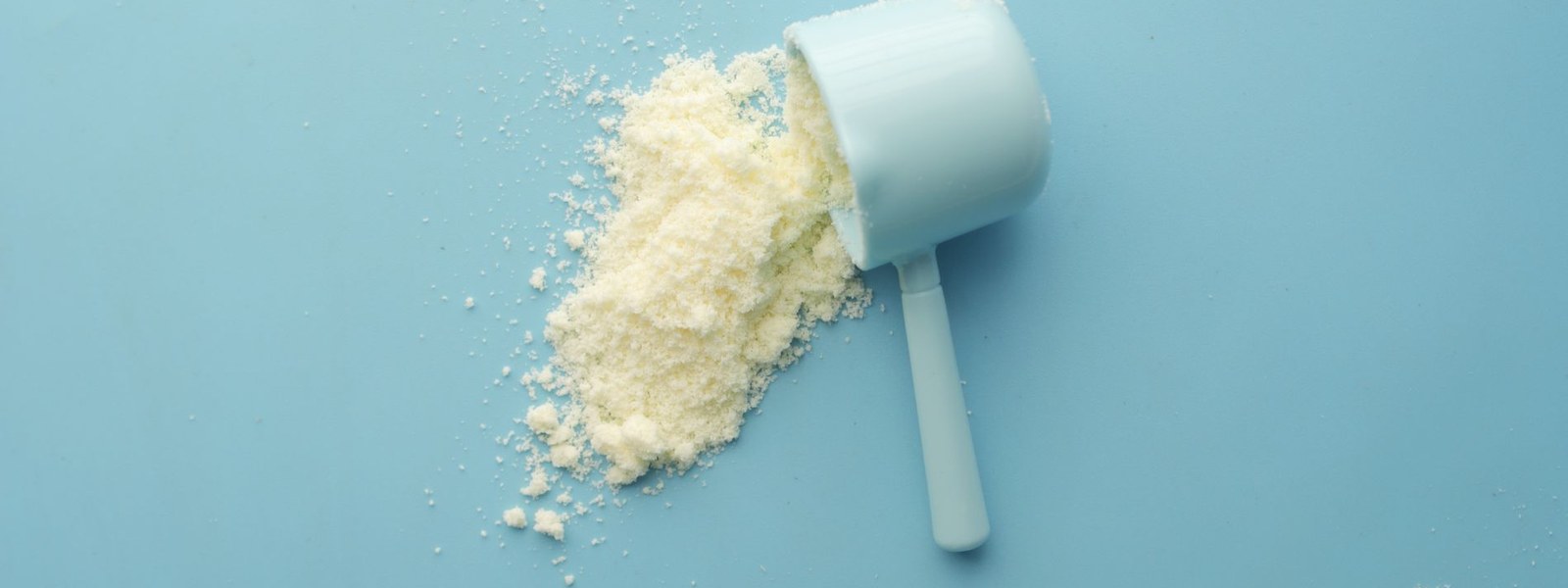
<style>
.ac-int-r{--dark-base:#0D1B2A;--dark-mid:#1B3A4B;--teal:#0EA5A0;--teal-dark:#0C8C88;--teal-bright:#14D4CD;--fog:#D8E8E8;--deep-fog:#C8DCDC;--fog-border:#A8C4C4;--ink:#313743;--ink-soft:#49505f;--muted:#6b7280;--warm:#9A6841;--serif:"Source Serif 4",Georgia,serif;--sans:Inter,-apple-system,"Segoe UI",sans-serif}
.ac-int-r *{box-sizing:border-box}
.ac-int-r .wrap{max-width:760px;margin:0 auto;padding:26px 20px 60px}
.ac-int-r p{font-size:19.5px;line-height:1.7;color:var(--ink-soft);margin:0 0 22px}
.ac-int-r p strong{color:var(--ink)}
.ac-int-r p a{color:var(--teal-dark);font-weight:700;text-decoration:underline;text-decoration-color:rgba(14,165,160,.4);text-underline-offset:3px}
.ac-int-r .ac-answer{background:#fff;border:1px solid #D4E4E4;border-top:5px solid var(--teal);border-radius:16px;padding:22px 24px 18px;margin:20px 0 30px;box-shadow:0 6px 22px rgba(13,27,42,.07)}
.ac-int-r .ac-answer .eb{font:800 12px/1 var(--sans);letter-spacing:2.5px;text-transform:uppercase;color:var(--teal-dark);margin-bottom:8px}
.ac-int-r .ac-answer h2{font-family:var(--serif);font-size:24px;line-height:1.2;font-weight:800;color:var(--dark-base);margin:0 0 14px}
.ac-int-r .ac-answer ol{list-style:none;margin:0;padding:0}
.ac-int-r .ac-answer li{display:flex;gap:12px;align-items:baseline;padding:11px 0;border-bottom:1px solid #EDF3F3;font:600 16px/1.45 var(--sans);color:var(--ink)}
.ac-int-r .ac-answer li:last-child{border-bottom:none}
.ac-int-r .ac-answer .n{flex-shrink:0;width:24px;height:24px;border-radius:50%;background:var(--teal-dark);color:#fff;font:800 12px/24px var(--sans);text-align:center}
.ac-int-r .ac-answer .k{color:var(--teal-dark);font-weight:800}
.ac-int-r .ac-answer .cue{margin-top:16px;text-align:center}
.ac-int-r .ac-answer .cta{display:inline-flex;align-items:center;gap:9px;background:var(--teal-dark);color:#fff;font:800 14px/1 var(--sans);padding:13px 24px;border-radius:50px;text-decoration:none;box-shadow:0 6px 16px rgba(12,140,136,.28)}
.ac-int-r .ac-answer .arw{animation:acnudge 1.4s ease-in-out infinite}
@keyframes acnudge{0%,100%{transform:translateY(0)}50%{transform:translateY(3px)}}
.ac-int-r .band{margin:48px 0 20px;padding:22px 24px 10px;background:linear-gradient(180deg,#F0F7F7,#fff);border-radius:16px}
.ac-int-r .band .inner{display:flex;gap:18px;align-items:center}
.ac-int-r .band .big{font:900 60px/1 var(--sans);color:#C8DCDC;flex-shrink:0}
.ac-int-r .band .q{font:700 12.5px/1.4 var(--sans);letter-spacing:2px;text-transform:uppercase;color:var(--teal-dark)}
.ac-int-r .band h3{font-family:var(--serif);font-size:27px;line-height:1.2;font-weight:800;color:var(--ink);margin:0}
.ac-int-r .callout{border-left:4px solid var(--teal);background:#F4FAFA;border-radius:0 12px 12px 0;padding:18px 22px;margin:26px 0}
.ac-int-r .callout .n{font:800 18px/1.35 var(--sans);color:var(--dark-mid);margin-bottom:6px}
.ac-int-r .callout .d{font:500 15px/1.55 var(--sans);color:var(--ink-soft)}
.ac-int-r .callout .c{font:600 11px/1 var(--sans);letter-spacing:1.5px;text-transform:uppercase;color:var(--muted);margin-top:10px}
.ac-int-r .ac-midcap{background:linear-gradient(180deg,#F0F7F7,#fff);border:1.5px solid var(--fog-border);border-radius:16px;padding:22px;margin:30px 0;text-align:center}
.ac-int-r .ac-midcap h4{font-family:var(--serif);font-size:20px;font-weight:800;color:var(--ink);margin:0 0 5px}
.ac-int-r .ac-midcap .sub{font:500 14px/1.55 var(--sans);color:var(--ink-soft);max-width:420px;margin:0 auto 14px}
.ac-int-r .ac-midcap .mcform{display:flex;gap:8px;max-width:400px;margin:0 auto}
.ac-int-r .ac-midcap .mcform input{flex:1;border:1.5px solid var(--fog-border);border-radius:50px;padding:12px 16px;font:500 14px/1 var(--sans);min-width:0}
.ac-int-r .ac-midcap .mcform button{background:var(--teal-dark);color:#fff;border:none;border-radius:50px;padding:12px 18px;font:800 13px/1 var(--sans);cursor:pointer;white-space:nowrap}
.ac-int-r .ac-midcap .fine{font:500 11.5px/1.5 var(--sans);color:var(--muted);margin-top:10px}
@media(max-width:520px){.ac-int-r .ac-midcap .mcform{flex-direction:column}}
.ac-int-r .ac-capture{background:linear-gradient(180deg,#F0F7F7,#fff);border:1.5px solid var(--fog-border);border-radius:16px;padding:30px 28px;margin:26px 0 44px;text-align:center}
.ac-int-r .ac-capture .cap-state{display:none}
.ac-int-r .ac-capture[data-state="trigger"] .st-trigger{display:block}
.ac-int-r .ac-capture[data-state="form"] .st-form{display:block}
.ac-int-r .ac-capture[data-state="sent"] .st-sent{display:block}
.ac-int-r .ac-capture h4{font-family:var(--serif);font-size:24px;font-weight:800;color:var(--ink);margin:0 0 8px}
.ac-int-r .ac-capture .sub{font:500 15px/1.55 var(--sans);color:var(--ink-soft);margin:0 auto 18px;max-width:430px}
.ac-int-r .ac-capture .bigbtn{display:inline-flex;align-items:center;gap:10px;background:var(--teal-dark);color:#fff;border:none;border-radius:50px;padding:16px 30px;font:800 16px/1 var(--sans);cursor:pointer;box-shadow:0 6px 18px rgba(12,140,136,.28)}
.ac-int-r .ac-capture .capform{display:flex;gap:10px;max-width:430px;margin:0 auto}
.ac-int-r .ac-capture .capform input{flex:1;border:1.5px solid var(--fog-border);border-radius:50px;padding:14px 20px;font:500 15px/1 var(--sans)}
.ac-int-r .ac-capture .capform button{background:var(--teal-dark);color:#fff;border:none;border-radius:50px;padding:14px 24px;font:800 14px/1 var(--sans);cursor:pointer}
.ac-int-r .ac-capture .sent-check{width:52px;height:52px;border-radius:50%;background:var(--teal);color:#fff;font:800 26px/52px var(--sans);margin:0 auto 12px}
.ac-int-r .ac-capture .dl{display:inline-block;margin-top:6px;color:var(--teal-dark);font:700 15px/1 var(--sans);text-decoration:underline;cursor:pointer}
.ac-int-r .ac-capture .fine{font:500 12px/1.5 var(--sans);color:var(--muted);margin-top:12px}
@media(max-width:520px){.ac-int-r .ac-capture .capform{flex-direction:column}}
.ac-int-r .forms{border:1.5px solid var(--fog-border);border-radius:16px;overflow:hidden;margin:26px 0 10px}
.ac-int-r .forms .h{background:var(--dark-base);color:#fff;padding:14px 20px;font:800 13px/1.3 var(--sans);letter-spacing:1.4px;text-transform:uppercase}
.ac-int-r .forms table{width:100%;border-collapse:collapse}
.ac-int-r .forms th,.ac-int-r .forms td{padding:12px 13px;font:500 13.5px/1.45 var(--sans);color:var(--ink-soft);border-bottom:1px solid #E9F1F1;text-align:left;vertical-align:top}
.ac-int-r .forms th{font-weight:800;color:var(--dark-mid);background:#F4FAFA;font-size:12.5px}
.ac-int-r .forms td.win{background:#E9F7F6;font-weight:700;color:var(--dark-mid)}
.ac-int-r .forms td.pick{font-weight:800;color:var(--dark-mid);background:#E9F7F6;padding:12px 13px}
.ac-int-r .forms .pick:before{content:"OUR PICK";display:block;width:max-content;background:var(--teal-bright);color:var(--dark-base);font:800 10px/1 var(--sans);letter-spacing:1.2px;padding:4px 9px;border-radius:20px;margin-bottom:7px}
.ac-int-r .forms tr.rec td{background:#E9F7F6}
.ac-int-r .forms tr:last-child td{border-bottom:none}
.ac-int-r .legend{font:500 12.5px/1.5 var(--sans);color:var(--muted);margin:8px 2px 0}
@media(max-width:600px){
.ac-int-r .forms table,.ac-int-r .forms tbody,.ac-int-r .forms tr,.ac-int-r .forms td{display:block;width:100%;box-sizing:border-box}
.ac-int-r .forms tr:first-child{display:none}
.ac-int-r .forms tr{padding:10px 0 13px;border-bottom:6px solid #F4FAFA}
.ac-int-r .forms tr:last-child{border-bottom:none}
.ac-int-r .forms td{border-bottom:none;padding:5px 18px;font-size:14.5px;line-height:1.5}
.ac-int-r .forms td:first-child{padding-top:13px;padding-bottom:6px}
.ac-int-r .forms td[data-l]:before{content:attr(data-l);display:block;font:800 10.5px/1.4 var(--sans);letter-spacing:.8px;text-transform:uppercase;color:var(--muted);margin-bottom:1px}
.ac-int-r .forms tr.rec{background:#E9F7F6;border-left:4px solid var(--teal-dark)}
.ac-int-r .forms td.pick{padding:13px 18px 6px}
.ac-int-r .forms td.win{background:transparent}
}
.ac-int-r .pick{position:relative;background:linear-gradient(170deg,var(--dark-base),var(--dark-mid));border-radius:20px;padding:30px 28px 24px;margin:16px 0 14px;color:#E8F0F0;box-shadow:0 16px 44px rgba(13,27,42,.30);scroll-margin-top:90px}
.ac-int-r .pick .rib{position:absolute;top:-13px;left:26px;background:var(--teal-bright);color:var(--dark-base);font:800 11.5px/1 var(--sans);letter-spacing:2px;text-transform:uppercase;padding:8px 15px;border-radius:20px}
.ac-int-r .pick .se{font:800 12px/1 var(--sans);letter-spacing:2.5px;text-transform:uppercase;color:var(--teal-bright);margin:6px 0 10px}
.ac-int-r .pick h2{font-family:var(--serif);font-size:27px;line-height:1.18;font-weight:800;color:#fff;margin:0 0 6px}
.ac-int-r .pick .why{font:600 15.5px/1.55 var(--sans);color:#CFE4E3;margin:0 0 16px}
.ac-int-r .pick ul{margin:0 0 18px;padding:0;list-style:none}
.ac-int-r .pick li{font:600 15px/1.5 var(--sans);color:#DCEBEA;padding:0 0 10px 26px;position:relative}
.ac-int-r .pick li:before{content:"\2713";position:absolute;left:0;color:var(--teal-bright);font-weight:900}
.ac-int-r .buy{display:inline-flex;align-items:center;justify-content:center;gap:9px;background:var(--teal-bright);color:var(--dark-base);font:800 16px/1 var(--sans);padding:15px 30px;border-radius:50px;text-decoration:none;box-shadow:0 8px 22px rgba(20,212,205,.32)}
.ac-int-r .buy.lite{background:var(--teal-dark);color:#fff}
.ac-int-r .pending{display:block;color:rgba(216,232,232,.55);font:500 11.5px/1.5 var(--sans);margin:8px 0 0;letter-spacing:.01em}
.ac-int-r .pending.dk{color:#4E6B6B}
.ac-int-r .pick .ftc{font:500 12px/1.6 var(--sans);color:rgba(216,232,232,.62);margin:14px 0 0}
.ac-int-r .pick .ftc a{color:rgba(216,232,232,.82)}
.ac-int-r .screen{display:grid;grid-template-columns:repeat(2,1fr);gap:12px;margin:20px 0}
.ac-int-r .screen .cell{background:linear-gradient(180deg,#F0F7F7,#fff);border:1px solid var(--fog-border);border-radius:12px;padding:15px 16px}
.ac-int-r .screen .cell .t{font:800 11px/1 var(--sans);letter-spacing:1.2px;text-transform:uppercase;color:var(--teal-dark);margin-bottom:7px;display:flex;align-items:center;gap:7px}
.ac-int-r .screen .cell .t svg{width:14px;height:14px}
.ac-int-r .screen .cell .d{font:500 13.5px/1.5 var(--sans);color:var(--ink-soft)}
.ac-int-r .rate{display:flex;align-items:center;gap:12px;background:#F4FAFA;border:1px solid var(--fog-border);border-radius:12px;padding:13px 18px;margin:14px 0 0}
.ac-int-r .rate .st{font:800 15px/1 var(--sans);color:var(--warm);letter-spacing:1px}
.ac-int-r .rate .tx{font:600 13.5px/1.45 var(--sans);color:var(--ink-soft)}
.ac-int-r .rate .tx b{color:var(--ink)}
.ac-int-r .objs{margin:14px 0 0}
.ac-int-r .objs details{border:1px solid #e5e7eb;border-radius:10px;margin-bottom:10px}
.ac-int-r .objs summary{padding:15px 18px;font:700 16px/1.4 var(--sans);color:var(--ink);cursor:pointer;display:flex;justify-content:space-between;gap:12px;list-style:none}
.ac-int-r .objs summary::-webkit-details-marker{display:none}
.ac-int-r .objs summary:after{content:"\25BE";color:var(--teal-dark)}
.ac-int-r .objs .a{padding:0 18px 16px;font-size:16px;line-height:1.62;color:#555}
.ac-int-r .plan{background:linear-gradient(135deg,#F4FAFA,#fff);border-left:5px solid var(--teal-dark);border-radius:14px;padding:28px 26px;margin:40px 0 0;box-shadow:0 2px 12px rgba(0,0,0,.06);scroll-margin-top:90px}
.ac-int-r .plan .pt{font-family:var(--serif);font-size:23px;font-weight:800;color:var(--ink);margin-bottom:20px}
.ac-int-r .plan .step{display:flex;gap:15px;margin-bottom:16px;align-items:flex-start}
.ac-int-r .plan .step .n{min-width:36px;width:36px;height:36px;background:var(--teal-dark);border-radius:50%;color:#fff;font:800 16px/36px var(--sans);text-align:center;flex-shrink:0}
.ac-int-r .plan .sh{font:800 16px/1.4 var(--sans);color:var(--ink);margin-bottom:3px}
.ac-int-r .plan .sd{font:400 15px/1.6 var(--sans);color:var(--muted)}
.ac-int-r .plan .rr{border-top:1px solid #D8E8E8;margin-top:14px;padding-top:16px;font:500 13.5px/1.6 var(--sans);color:var(--ink-soft);text-align:center}
.ac-int-r .plan .rr b{color:var(--dark-mid)}
.ac-int-r .plan .midcta{margin-top:16px;text-align:center}
.ac-int-r .capline{border-top:1px solid #E2ECEC;margin-top:40px;padding:22px 10px 0;text-align:center;font:500 15px/1.6 var(--sans);color:#3A5555}
.ac-int-r .faq{margin-top:38px;border-top:1px solid #e5e7eb;padding-top:28px}
.ac-int-r .faq h2{font-family:var(--serif);font-size:23px;font-weight:800;color:var(--ink);margin:0 0 16px}
.ac-int-r .faq details{border:1px solid #e5e7eb;border-radius:10px;margin-bottom:10px}
.ac-int-r .faq summary{padding:15px 18px;font:700 16px/1.4 var(--sans);color:var(--ink);cursor:pointer;display:flex;justify-content:space-between;gap:12px;list-style:none}
.ac-int-r .faq summary::-webkit-details-marker{display:none}
.ac-int-r .faq summary:after{content:"\25BE";color:var(--teal-dark)}
.ac-int-r .faq .a{padding:0 18px 16px;font-size:16px;line-height:1.62;color:#555}
.ac-int-r .ac-sig{margin-top:36px}
.ac-int-r .ac-sig .rule{width:60px;height:2px;background:linear-gradient(90deg,var(--teal-dark),var(--teal-bright));margin-bottom:18px;border-radius:2px}
.ac-int-r .ac-sig .toyour{font-family:var(--serif);font-size:16px;font-style:italic;color:#777;margin:0 0 10px;padding-left:2px}
.ac-int-r .meta{font:500 12.5px/1.6 var(--sans);color:#98a0a6;text-align:center;margin:22px 0 0}
.ac-int-r .sticky{position:fixed;left:0;right:0;bottom:0;z-index:950;background:rgba(13,27,42,.97);padding:11px 16px;display:flex;gap:14px;align-items:center;justify-content:center}
.ac-int-r .sticky .t{font:700 14px/1.3 var(--sans);color:#D8E8E8}
.ac-int-r .sticky .buy{padding:11px 22px;font-size:14px}
@media(max-width:560px){.ac-int-r .sticky .t{display:none}.ac-int-r .screen{grid-template-columns:1fr}.ac-int-r .band .big{font-size:46px}}
.ac-int-r .disc{max-width:760px;margin:0 auto;padding:20px 20px 30px;text-align:center;font:500 12.5px/1.6 var(--sans);color:#8a9298}
.ac-int-r .ac-proofstrip{display:flex;flex-wrap:wrap;gap:10px;margin:2px 0 26px}
.ac-int-r .ac-proofstrip .pf{display:inline-flex;align-items:center;gap:7px;background:#F4FAFA;border:1px solid var(--fog-border);border-radius:30px;padding:8px 15px;font:700 12.5px/1 var(--sans);color:var(--dark-mid)}
.ac-int-r .ac-proofstrip .pf svg{width:13px;height:13px;stroke:var(--teal-dark)}
.ac-int-r .ac-answer .cue2{margin-top:18px;display:flex;gap:12px;justify-content:center;flex-wrap:wrap}
.ac-int-r .ac-answer .cta{flex:1;min-width:230px;display:inline-flex;align-items:center;justify-content:center;gap:9px;background:var(--teal-dark);color:#fff;font:800 14px/1.25 var(--sans);padding:14px 20px;border-radius:50px;text-decoration:none;box-shadow:0 6px 16px rgba(12,140,136,.28);text-align:center}
.ac-int-r .ac-answer .cta.momentous{background:var(--teal-bright);color:var(--dark-base);box-shadow:0 6px 18px rgba(20,212,205,.32)}
.ac-int-r .ac-answer .arw{animation:acnudge 1.4s ease-in-out infinite;display:inline-block}
.ac-int-r .ac-answer .ctafine{margin-top:10px;text-align:center;font:500 11.5px/1.5 var(--sans);color:var(--muted)}
@keyframes acnudge{0%,100%{transform:translateY(0)}50%{transform:translateY(3px)}}
@media(max-width:560px){.ac-int-r .ac-answer .cue2{flex-direction:column}.ac-int-r .ac-answer .cta{min-width:0}}
.tfig{margin:26px 0}.tfig img{width:100%;height:auto;aspect-ratio:8/3;object-fit:cover;border-radius:12px;display:block}.tfig figcaption{font:500 12px/1.5 var(--sans);color:var(--muted);margin-top:8px}.perday{margin:12px 0 0;font:700 15px/1.5 var(--sans);color:#0C8C88}.perday b{font-size:19px}</style><div class="ac-int-r"><div class="wrap"><p>Glutamine is not a weak supplement. It is a supplement most people buy in the wrong unit. <a href="https://www.mayoclinic.org/drugs-supplements/glutamine-oral-route/description/drg-20064099" target="_blank" rel="noopener">Mayo Clinic</a> lists the oral dose for prescription glutamine as 30 grams a day, taken as 5 grams six times a day. A common glutamine capsule holds 500 milligrams. At that size a single 5 gram serving is ten capsules, and the label on most bottles suggests two.</p><p>That gap is the entire story. <a href="https://my.clevelandclinic.org/health/articles/glutamine" target="_blank" rel="noopener">Cleveland Clinic</a> describes glutamine as the most abundant amino acid in the body, one you already make and already eat in protein. Adding a rounding error on top of a supply that large will not move anything. Adding an amount somebody actually studied might.</p><div class="ac-proofstrip"><span class="pf">Mayo Clinic dosing guidance</span><span class="pf">Cleveland Clinic amino acid reference</span><span class="pf">Every claim linked to its source</span></div><div class="ac-answer"><div class="eb">The Short Answer</div><h2>What glutamine does, and the one number that decides whether yours does it</h2><ol><li><span class="n">1</span><span><span class="k">The unit is grams</span> · <a href="https://www.mayoclinic.org/drugs-supplements/glutamine-oral-route/description/drg-20064099" target="_blank" rel="noopener">Mayo Clinic</a> lists prescription glutamine at 30 grams a day for up to 16 weeks. Human supplement research generally starts at 5 grams. Nothing meaningful happens at 500 milligrams.</span></li><li><span class="n">2</span><span><span class="k">Your body already makes it</span> · <a href="https://my.clevelandclinic.org/health/articles/glutamine" target="_blank" rel="noopener">Cleveland Clinic</a> calls glutamine nonessential, meaning your body produces its own, and lists roles in the digestive and immune systems. That is why a token dose disappears into the background.</span></li><li><span class="n">3</span><span><span class="k">Know what the strongest evidence covers</span> · The <a href="https://www.fda.gov/news-events/press-announcements/fda-approves-new-treatment-sickle-cell-disease" target="_blank" rel="noopener">FDA</a> approved an L glutamine oral powder in 2017 after a 230 patient trial in sickle cell disease. That is a prescription medicine at a prescription dose, not a claim for a scoop in your coffee.</span></li></ol><div class="cue2"><a class="cta" href="#coach-recommendations">Get Your Coach's Dose Plan<span class="arw">↓</span></a><a class="cta momentous" href="https://www.livemomentous.com/products/l-glutamine?dc=AgelessCoach&mct=pwqwZOO1&utm_source=agelesscoach&utm_medium=intent-article&utm_content=tmpl-R-shortanswer" data-affiliate="momentous" data-template="R" data-code="AgelessCoach" rel="noopener sponsored">See What We Recommend →</a></div><div class="ctafine">We earn a commission if you buy through that link, at no extra cost to you. It never changes what we recommend.</div><div class="disc">This article is education, not medical advice. Glutamine is generally well tolerated, but anyone with liver or kidney disease, anyone in cancer treatment, and anyone pregnant or breastfeeding should speak with their own clinician before starting it. Prescription glutamine is a different product with a different purpose than a supplement scoop.</div></div><div class="band"><div class="inner"><div class="big">1</div><h3>The label serving is the whole decision</h3></div><p>Glutamine studies are written in grams because grams are what shifted anything. A published <a href="https://www.ncbi.nlm.nih.gov/pmc/articles/PMC7601811/" target="_blank" rel="noopener">tolerance study in healthy adults</a> dosed people by body weight, and even its lowest arm worked out to roughly 21 grams for a 70 kilogram adult. The powder was well tolerated at every level tested.</p><p>Set that beside a two capsule serving at 500 milligrams each. That is one gram. The capsule is not fake and the ingredient is not fake. One gram is simply not an amount anyone set out to test.</p><div class="callout"><div class="n">Free first</div><div class="d">Before you buy anything, do the arithmetic on the bottle in your hand. Milligrams per capsule, capsules per serving, grams per day. If it cannot reach 5 grams without swallowing ten capsules, the format is wrong for the job.</div><div class="c"></div></div></div><figure class="tfig"><img src="https://cdn.prod.website-files.com/69be1026a027224999b7936b/6a71593067dd06721b3aa639_ac-glutamine-capsules-fig.jpg" alt="White supplement tablets spilled across a dark green cloth beside an open bottle" width="1600" height="600" loading="lazy" decoding="async"><figcaption>Ten of these is one studied serving. Two of them is a rounding error.</figcaption></figure><div class="band"><div class="inner"><div class="big">2</div><h3>What glutamine is genuinely for</h3></div><p><a href="https://www.mskcc.org/cancer-care/integrative-medicine/herbs/glutamine" target="_blank" rel="noopener">Memorial Sloan Kettering</a> notes that glutamine sits naturally in wheat, corn, barley, peanuts, soybeans, egg whites and milk, and that supplements carry far higher amounts than food does. It is one of the twenty odd <a href="https://medlineplus.gov/ency/article/002222.htm" target="_blank" rel="noopener">amino acids</a> your body builds protein from.</p><p>The honest read is that the strongest human evidence sits in clinical settings and under real physical stress rather than in ordinary healthy life. If you eat protein at every meal and you are not training hard or recovering from something, glutamine is a nice to have and not a foundation.</p><div class="callout"><div class="n">Honest limit</div><div class="d">We would rather you fixed protein intake first. Glutamine on top of an adequate protein diet is a refinement. Glutamine instead of adequate protein is a distraction.</div><div class="c"></div></div></div><div class="band"><div class="inner"><div class="big">3</div><h3>Powder is not an upsell here, it is the only format that fits</h3></div><p>A 5 gram serving is about a level teaspoon of tasteless white powder that dissolves into water, coffee or yogurt without changing the taste. A capsule shell physically holds around 500 to 1000 milligrams. The format decides whether the dose is realistic, which is why nearly every serious glutamine product is sold as a powder.</p><p>So the label questions are short. How many grams per scoop, is the scoop included, and is there a named third party certifier on the front rather than a house promise. <a href="https://my.clevelandclinic.org/health/drugs/23708-l-glutamine-powder-for-solution" target="_blank" rel="noopener">Cleveland Clinic</a> describes the prescription version as a powder mixed into food or drink for exactly this reason.</p><div class="callout"><div class="n">What to check</div><div class="d">Grams per serving printed on the front. One ingredient rather than a blend. A named certifier. If a bottle hides the gram figure inside a proprietary blend, the answer to how much you are getting is that nobody will tell you.</div><div class="c"></div></div></div><figure class="tfig"><img src="https://cdn.prod.website-files.com/69be1026a027224999b7936b/6a7159faf320c784c4d5dfa0_ac-glutamine-scoop-fig2.jpg" alt="A measuring scoop tipped over with white powder spilling out on a blue surface" width="1600" height="600" loading="lazy" decoding="async"><figcaption>One level scoop, five grams, no taste. That is the format the research used.</figcaption></figure><div class="forms"><div class="h">The three things worth comparing on a glutamine label</div><table><tr><td class="pick"><b>What you are looking at</b></td><td class="win"><b>Dose per serving</b></td><td class="win"><b>What it costs you</b></td><td class="win"><b>Independent testing</b></td></tr><tr class="rec"><td class="pick">An unflavored single ingredient powder</td><td class="win">5 grams in one scoop, printed on the front</td><td class="win">Cheapest per gram by a wide margin</td><td class="win">Look for a named certifier on the label</td></tr><tr><td class="pick">A capsule or tablet</td><td class="win">Usually 500 to 1000 mg, so a studied serving is 5 to 10 of them</td><td class="win">Cheapest per bottle, most expensive per gram</td><td class="win">Varies widely by brand</td></tr><tr><td class="pick">Glutamine inside a recovery or gut blend</td><td class="win">Often unstated, buried in a proprietary blend</td><td class="win">You pay for a dozen things and can verify none of them</td><td class="win">Hardest to check, since glutamine is one line among many</td></tr></table><p class="legend">Why dose and not brand name: <a href="https://www.mayoclinic.org/drugs-supplements/glutamine-oral-route/description/drg-20064099" target="_blank" rel="noopener">Mayo Clinic</a> lists the studied oral amounts in grams, and <a href="https://www.mskcc.org/cancer-care/integrative-medicine/herbs/glutamine" target="_blank" rel="noopener">Memorial Sloan Kettering</a> notes supplements carry far more than food does. Everything else on a glutamine label is decoration next to the number of grams you actually swallow.</p></div><div class="pick" id="coach-recommendations"><div class="rib">★ Coach's Pick</div><div class="se">The version we would buy if the goal is reaching a real serving</div><h2>Momentous L-Glutamine</h2><div class="why">It is the boring answer, and boring is right here. Five grams of a single ingredient in one scoop, unflavored, with the amount printed rather than implied. It clears the only bar that has ever mattered for glutamine, which is whether the format can deliver a studied amount without asking you to swallow ten capsules.</div><ul><li>5 grams of L glutamine per serving, which is where human supplement research starts</li><li>One ingredient, no proprietary blend hiding the gram figure</li><li>Unflavored and neutral, so it disappears into coffee, water or yogurt</li><li>NSF Certified for Sport, a named independent certifier rather than a house claim</li></ul><p class="perday">Cost of the habit: <b>about 67 cents a day</b> on a one scoop a day serving, using the price listed on the vendor page when this article was built and the serving count printed on the retail listing. Price as of August 4, 2026.</p><a class="buy" href="https://www.livemomentous.com/products/l-glutamine?dc=AgelessCoach&mct=pwqwZOO1&utm_source=agelesscoach&utm_medium=intent-article&utm_content=tmpl-R" data-affiliate="momentous" data-template="R" data-code="AgelessCoach" rel="noopener sponsored">Check Current Price at Momentous →</a><p class="ftc">We may earn a commission if you buy through this link, at no additional cost to you. We only recommend products we would use ourselves, and a commission never changes what we recommend or what the evidence says.</p></div><div class="screen"><div class="cell"><div class="t">Grams printed</div><div class="d">5 g per scoop stated on the label</div></div><div class="cell"><div class="t">One ingredient</div><div class="d">No blend hiding the amount</div></div><div class="cell"><div class="t">Neutral taste</div><div class="d">Mixes into anything you already drink</div></div><div class="cell"><div class="t">Batch tested</div><div class="d">A named independent certifier</div></div></div><div class="plan"><div class="pt">Your Coach's Glutamine Dose Plan</div><div class="step"><div class="n">1</div><div class="sh">Read the label in grams before you read the price</div><div class="sd">Turn the bottle over, find the amount per serving, then find how many capsules or scoops make that serving. If the serving is under one gram, no realistic number of capsules gets you to five. This single check settles most glutamine purchases before money changes hands.</div></div><div class="step"><div class="n">2</div><div class="sh">Anchor five grams to something you never skip</div><div class="sd">Glutamine is an amino acid, so it behaves more like food than like a drug. Put the scoop in the same coffee, yogurt or shake every day. Consistency matters more than clock timing here, because the effects are gradual rather than acute.</div></div><div class="step"><div class="n">3</div><div class="sh">Give it a month, then judge it honestly</div><div class="sd">Digestive comfort and training recovery are what people report, and both move slowly. Pick one thing to watch, write down where you are starting from, and look again after four weeks rather than after four days.</div></div></div><div class="midcta"><a class="buy lite" href="https://www.livemomentous.com/products/l-glutamine?dc=AgelessCoach&mct=pwqwZOO1&utm_source=agelesscoach&utm_medium=intent-article&utm_content=tmpl-R" data-affiliate="momentous" data-template="R" data-code="AgelessCoach" rel="noopener sponsored">See the Glutamine We Would Buy →</a><div class="rr">Five grams a scoop, one ingredient, independently certified.</div></div><p class="capline">Want the dose arithmetic on one page you can take to the shop?</p><div class="ac-capture" data-state="trigger" data-article-slug="most-glutamine-capsules-never-reach-a-studied-dose" data-pdf-url="https://cdn.prod.website-files.com/69be1026a027224999b7936b/6a715974de63990aa8531a46_ac-glutamine-dose-plan.pdf" data-plan-title="The Glutamine Dose Plan" data-plan-desc="The gram arithmetic, the honest limits, and the three label checks before you buy."><div class="st-trigger cap-state"><h4>The Glutamine Dose Plan</h4><p class="sub">The studied amounts, the capsule maths, what glutamine is genuinely for, and the four week test, on two pages.</p><button class="bigbtn" type="button" data-cap="form">📩 Send Me the Plan (Free)</button><div class="fine">One email. No spam. Unsubscribe anytime.</div></div><div class="st-form cap-state"><h4>Where should we send it?</h4><p class="sub">Your free plan, straight to your inbox.</p><form class="capform"><input type="email" name="email" required placeholder="Your email address" aria-label="Email address"><button type="submit">Send My Plan</button></form><div class="fine">We send the plan and the newsletter. Unsubscribe anytime.</div></div><div class="st-sent cap-state"><div class="sent-check">✓</div><h4>It's on the way</h4><p class="sub">Check your inbox in the next minute. Want it right now?</p><a class="dl" href="https://cdn.prod.website-files.com/69be1026a027224999b7936b/6a715974de63990aa8531a46_ac-glutamine-dose-plan.pdf" download>⬇ Download your plan (PDF)</a><div class="fine">One email. No spam. Unsubscribe anytime.</div></div></div><div class="faq"><h2>Frequently Asked Questions</h2><details><summary>How much glutamine should I actually take?</summary><div class="a">Human supplement research generally starts at 5 grams a day. <a href="https://www.mayoclinic.org/drugs-supplements/glutamine-oral-route/description/drg-20064099" target="_blank" rel="noopener">Mayo Clinic</a> lists the prescription oral dose far higher, at 30 grams a day in divided servings, but that is a medicine for a specific condition rather than a general target. Five grams is the sensible supplemental figure.</div></details><details><summary>Is glutamine essential?</summary><div class="a">No. <a href="https://my.clevelandclinic.org/health/articles/glutamine" target="_blank" rel="noopener">Cleveland Clinic</a> classes it as a nonessential amino acid, meaning your body makes its own. It is sometimes called conditionally essential, because demand can outrun supply under serious physical stress such as major illness, burns or surgery.</div></details><details><summary>Can I just eat more protein instead?</summary><div class="a">For most people, yes, and you should. <a href="https://www.mskcc.org/cancer-care/integrative-medicine/herbs/glutamine" target="_blank" rel="noopener">Memorial Sloan Kettering</a> lists wheat, corn, barley, peanuts, soybeans, egg whites and milk as natural sources. Supplements carry far more per serving, which is the point of them, but they are not a substitute for eating enough protein.</div></details><details><summary>Is glutamine safe to take every day?</summary><div class="a">It is generally well tolerated. A published <a href="https://www.ncbi.nlm.nih.gov/pmc/articles/PMC7601811/" target="_blank" rel="noopener">tolerance study in healthy adults</a> tested single doses well above a normal scoop and reported no meaningful digestive problems. People with liver or kidney disease, people in cancer treatment, and anyone pregnant or breastfeeding should ask their own clinician first.</div></details><details><summary>Why is prescription glutamine a powder too?</summary><div class="a">Because the dose is large. <a href="https://my.clevelandclinic.org/health/drugs/23708-l-glutamine-powder-for-solution" target="_blank" rel="noopener">Cleveland Clinic</a> describes the prescription product as a powder mixed into food or a drink, and the <a href="https://www.accessdata.fda.gov/drugsatfda_docs/label/2017/208587s000lbl.pdf" target="_blank" rel="noopener">approved label</a> doses it by body weight in grams. No capsule format could carry it.</div></details><details><summary>Does timing matter?</summary><div class="a">Less than people think. Glutamine is an amino acid rather than a stimulant, so the effect is cumulative rather than acute. Pick a time you will not forget and keep it there. Consistency beats clever timing.</div></details></div><div class="sources"><h2 style="font-family:var(--serif);font-size:20px;font-weight:800;color:var(--ink);margin:24px 0 10px">Sources</h2><p class="legend" style="line-height:1.7"><a href="https://www.mayoclinic.org/drugs-supplements/glutamine-oral-route/description/drg-20064099" target="_blank" rel="noopener">Mayo Clinic, Glutamine (oral route): dosing, duration and precautions for the prescription form.</a><br><a href="https://my.clevelandclinic.org/health/articles/glutamine" target="_blank" rel="noopener">Cleveland Clinic, Glutamine: what it is, its digestive and immune roles, and why it is classed nonessential.</a><br><a href="https://my.clevelandclinic.org/health/drugs/23708-l-glutamine-powder-for-solution" target="_blank" rel="noopener">Cleveland Clinic, L glutamine powder for oral solution: how the prescription powder is taken.</a><br><a href="https://www.fda.gov/news-events/press-announcements/fda-approves-new-treatment-sickle-cell-disease" target="_blank" rel="noopener">FDA, approval of L glutamine oral powder for sickle cell disease, including the 230 patient trial result.</a><br><a href="https://www.accessdata.fda.gov/drugsatfda_docs/label/2017/208587s000lbl.pdf" target="_blank" rel="noopener">FDA approved prescribing information for L glutamine oral powder, with weight based gram dosing.</a><br><a href="https://www.mskcc.org/cancer-care/integrative-medicine/herbs/glutamine" target="_blank" rel="noopener">Memorial Sloan Kettering, Glutamine: food sources, supplement amounts and the advice to check with a clinician.</a><br><a href="https://www.ncbi.nlm.nih.gov/pmc/articles/PMC7601811/" target="_blank" rel="noopener">Gastrointestinal tolerance of low, medium and high dose acute oral L glutamine in healthy adults.</a><br><a href="https://medlineplus.gov/ency/article/002222.htm" target="_blank" rel="noopener">MedlinePlus, Amino acids: which amino acids are essential and which the body makes.</a><br><a href="https://dailymed.nlm.nih.gov/dailymed/drugInfo.cfm?setid=bb4ec712-14b7-47e3-8cb9-c71922712e55" target="_blank" rel="noopener">DailyMed, L glutamine powder for oral solution: the current US product label.</a><br><a href="https://clinicaltrials.gov/study/NCT01179217" target="_blank" rel="noopener">ClinicalTrials.gov, the phase III safety and efficacy trial of L glutamine in sickle cell disease.</a><br></p></div><div class="ac-sig"><div class="rule"></div><p class="toyour">To your health,</p><svg width="320" height="72" viewBox="0 0 320 72" role="img" aria-label="Ageless Coach. Age Strong. Live Long." xmlns="http://www.w3.org/2000/svg" xmlns:xlink="http://www.w3.org/1999/xlink"><defs><clipPath id="acSigIconClip"><rect x="0" y="6" width="60" height="60" rx="12" ry="12"/></clipPath></defs><image x="0" y="6" width="60" height="60" clip-path="url(#acSigIconClip)" preserveAspectRatio="xMidYMid slice" href="https://cdn.prod.website-files.com/69be1026a027224999b7936b/6a0b22c6afd5d6fd115b9c1a_ac-closing-brand-icon.webp" xlink:href="https://cdn.prod.website-files.com/69be1026a027224999b7936b/6a0b22c6afd5d6fd115b9c1a_ac-closing-brand-icon.webp"/><text x="76" y="42" style="font-family:Inter,system-ui,-apple-system,'Helvetica Neue',Arial,sans-serif;font-size:27px;letter-spacing:-0.3px"><tspan style="font-weight:800;fill:#0D1B2A">Ageless</tspan><tspan style="font-weight:300;fill:rgba(13,27,42,0.6)">Coach</tspan><tspan dy="-12" style="font-size:16px;font-weight:600;fill:rgba(13,27,42,0.6)">™</tspan></text><text x="76" y="60" style="font-family:Inter,system-ui,-apple-system,'Helvetica Neue',Arial,sans-serif;font-size:10.5px;letter-spacing:2.5px;font-weight:500;fill:#0C8C88;text-transform:uppercase">AGE STRONG. LIVE LONG.</text></svg></div><p class="meta">Reviewed against Mayo Clinic, Cleveland Clinic, FDA and Memorial Sloan Kettering guidance. Last reviewed August 2026.</p><p class="meta" style="margin-top:8px">Ageless Coach participates in affiliate programs and may earn a commission on purchases made through links on this page, at no additional cost to you. Commissions never influence which products we recommend or how we describe the evidence. This article is educational and is not a substitute for advice from your own clinician.</p><div class="sticky"><span class="t">The glutamine we would buy: Momentous L-Glutamine</span><a class="buy" href="https://www.livemomentous.com/products/l-glutamine?dc=AgelessCoach&mct=pwqwZOO1&utm_source=agelesscoach&utm_medium=intent-article&utm_content=tmpl-R" data-affiliate="momentous" data-template="R" data-code="AgelessCoach" rel="noopener sponsored">Check Price →</a></div></div></div>