
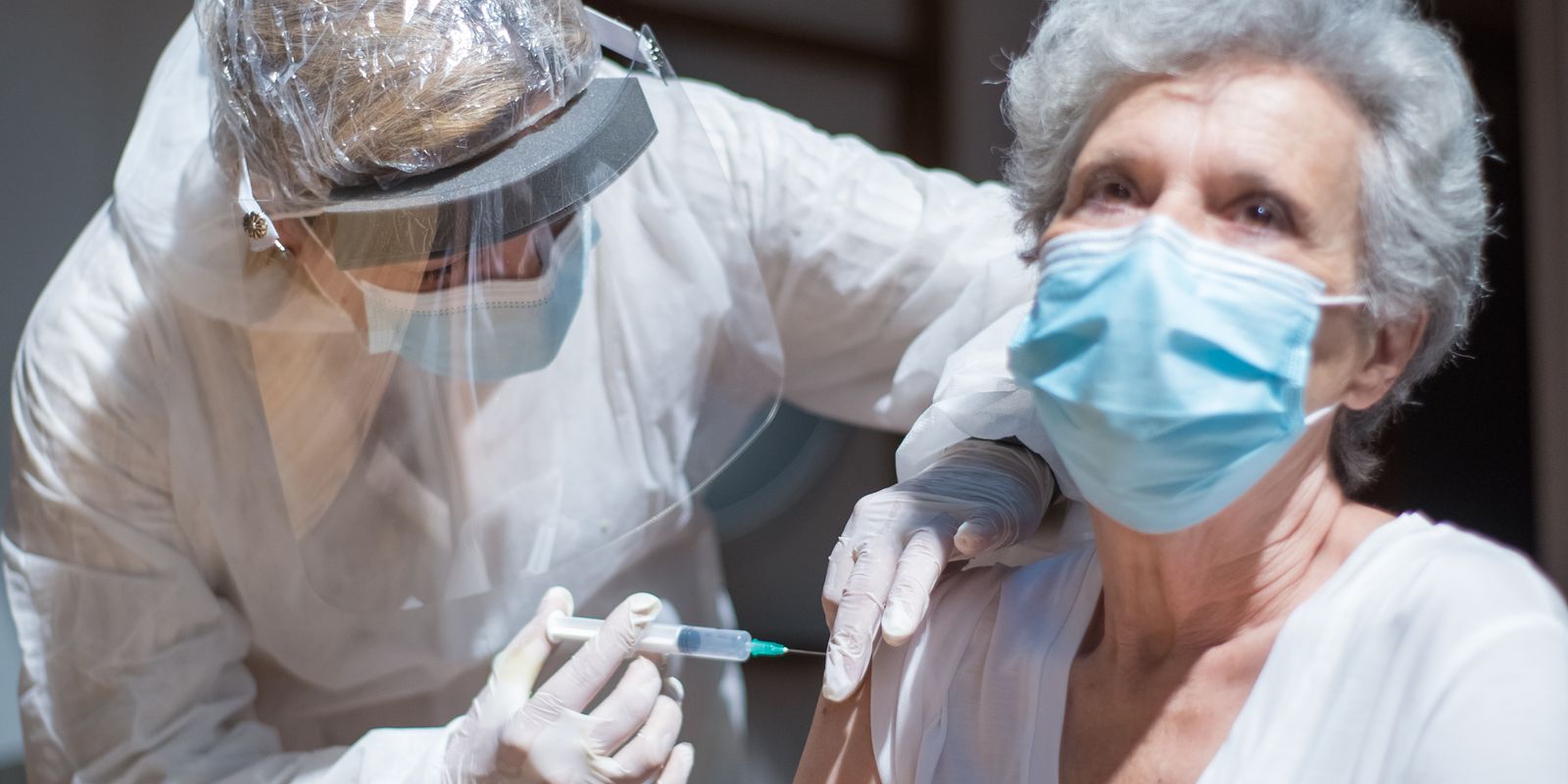
After 65 pneumonia often arrives without the fever everyone expects. Here are the six signs to check, including the one that looks like memory trouble.
Pneumonia after 65 often does not look like pneumonia. The cough and the fever that everyone expects may be mild, late or missing altogether.
It is an infection that inflames the air sacs in the lungs. Those sacs fill with fluid or pus, which is why breathing gets harder and oxygen is harder to move.
Below are the six signs worth checking after 65, including the two that only appear in this age group. You will also see the vaccine whose age moved down to 50. None of this replaces a diagnosis.
The six pneumonia signs to check after 65
Two of these six only appear on the list for older adults.
Mayo Clinic says the signs vary from mild to severe (Mayo Clinic). They depend on the germ, your age and your overall health. Mild signs often look like a cold or flu, but they last longer.
- Confusion or a change in awareness. Mayo Clinic lists this specifically for adults aged 65 and older. It is easy to read as a bad day or a memory problem. In an older adult with any chest symptom, treat it as a reason to call.
- A body temperature that is too low. Also listed only for adults older than 65, and for people with weakened immune systems. Waiting for a high fever before calling can mean waiting for something that never arrives.
- Chest pain when you breathe or cough. This is the first item on Mayo Clinic's symptom list. It is pain tied to the act of breathing, not a general ache, and it does not settle when you rest.
- A cough that brings up phlegm. Mayo Clinic notes the cough may produce phlegm. Coughing up pus is named separately as a reason to see a doctor.
- Shortness of breath. Harder or faster breathing than usual, at rest or on light activity. Mayo Clinic lists it among the reasons to see a doctor straight away.
- Fatigue, sweating and shaking chills. Mayo Clinic lists fatigue, and lists fever, sweating and shaking chills together. Nausea or vomiting can sit alongside them.
Mayo Clinic names four high risk groups who should see a doctor rather than wait. Adults older than 65 are the first of them.
It also gives a plain warning. For some older adults, and for people with heart failure or chronic lung problems, pneumonia can quickly become life threatening.
Why the pneumococcal vaccine now starts at 50
The main vaccine against pneumonia is aimed at one bacterium.
Mayo Clinic says the most common cause of bacterial pneumonia in the United States is Streptococcus pneumoniae. It can strike on its own or after a cold or the flu.
The CDC recommends a pneumococcal conjugate vaccine for adults aged 50 or older who have never had one (CDC, 2026). Three versions are named. An older fourth vaccine follows one of them.

If you had an earlier version, the answer is not automatic. The CDC says adults who received one of the two older conjugate vaccines should talk with a provider about completing the series.
The National Institute on Aging puts the same recommendation in plainer terms (National Institute on Aging). It says the CDC recommends that all adults aged 50 and older get pneumococcal vaccination, and that there are multiple forms of it.
Mayo Clinic adds one line worth keeping. The vaccination guidelines have changed over time, so review your vaccination status with your doctor even if you recall having a pneumonia vaccine before.
Confusion or changes in mental awareness, in adults age 65 and older.
Keep the six signs with you
Your free one page plan turns this into three steps: what to watch for, which shot to ask about by name, and the reading that means call today.
Enter your email to unlock your plan
Your 1-page pneumonia plan, unlocked right here.
Your plan is ready
Download or print it below. Save it anywhere.
⬇ Download your plan (PDF)The four readings that mean calling a doctor today
Mayo Clinic gives four plain triggers.
See your doctor if you have difficulty breathing or chest pain. The same goes for a persistent fever of 102 F or higher. It also goes for a persistent cough, especially one bringing up pus.
Those apply to everyone. Being over 65 puts you in the group Mayo Clinic says should see a doctor rather than wait.
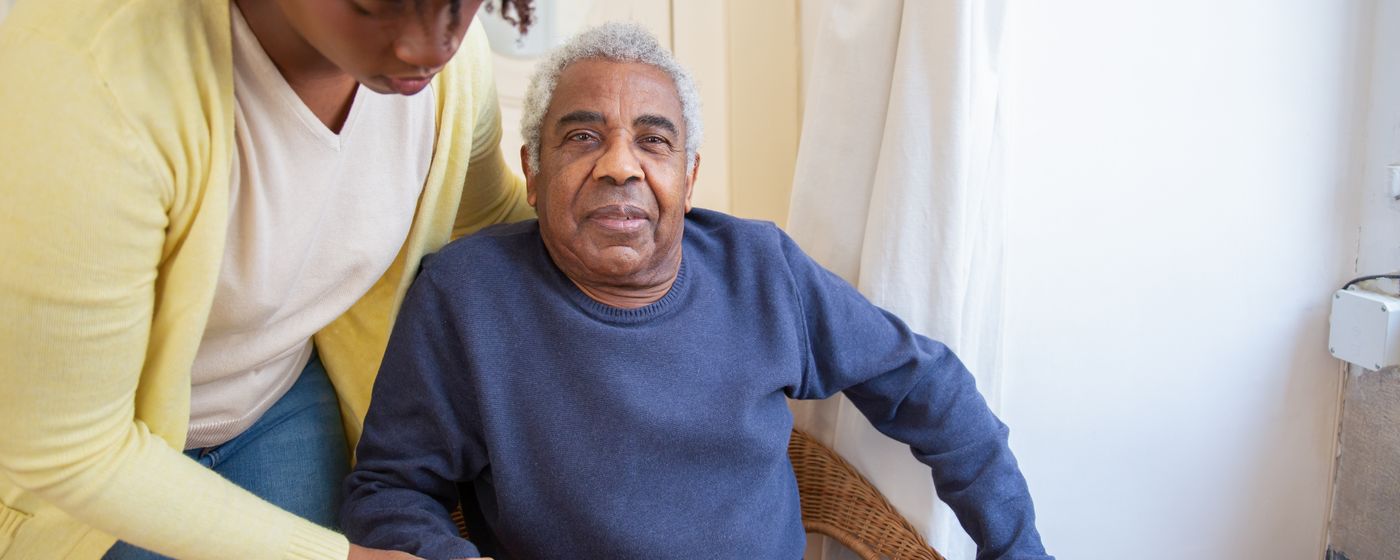
Prevention is short and unglamorous. Mayo Clinic lists getting vaccinated, washing your hands, and not smoking. It adds keeping your immune system strong with sleep, exercise and a healthy diet.
The National Institute on Aging adds the flu shot. Flu is serious when it gets into the lungs. Older adults are at higher risk of complications such as pneumonia. It suggests getting the shot by the end of October.
Three things people get wrong about pneumonia
Three beliefs about pneumonia travel further than the evidence behind them.
No fever means no pneumonia. Mayo Clinic lists a lower than normal body temperature as a sign in adults over 65 and in people with weak immune systems. A normal or low reading in that group is not reassurance.
One pneumonia shot covers you for life. The CDC sets out different paths depending on which vaccine you had and when. Mayo Clinic says the guidelines have changed over time and to review your status with your doctor even if you recall a previous shot.
It is a winter illness you catch outdoors. Mayo Clinic sorts pneumonia by where it was caught. Community acquired is the most common type, but hospital acquired, health care acquired and aspiration pneumonia are each named separately, and aspiration comes from inhaling food, drink or saliva.
To your health,
Ageless Coach
Age Strong. Live Long.
This article is education, not medical advice. Pneumonia is diagnosed and treated by a healthcare professional. Mayo Clinic says that for some older adults, and for people with heart failure or chronic lung problems, pneumonia can quickly become life threatening, so difficulty breathing or chest pain is a same day call.