
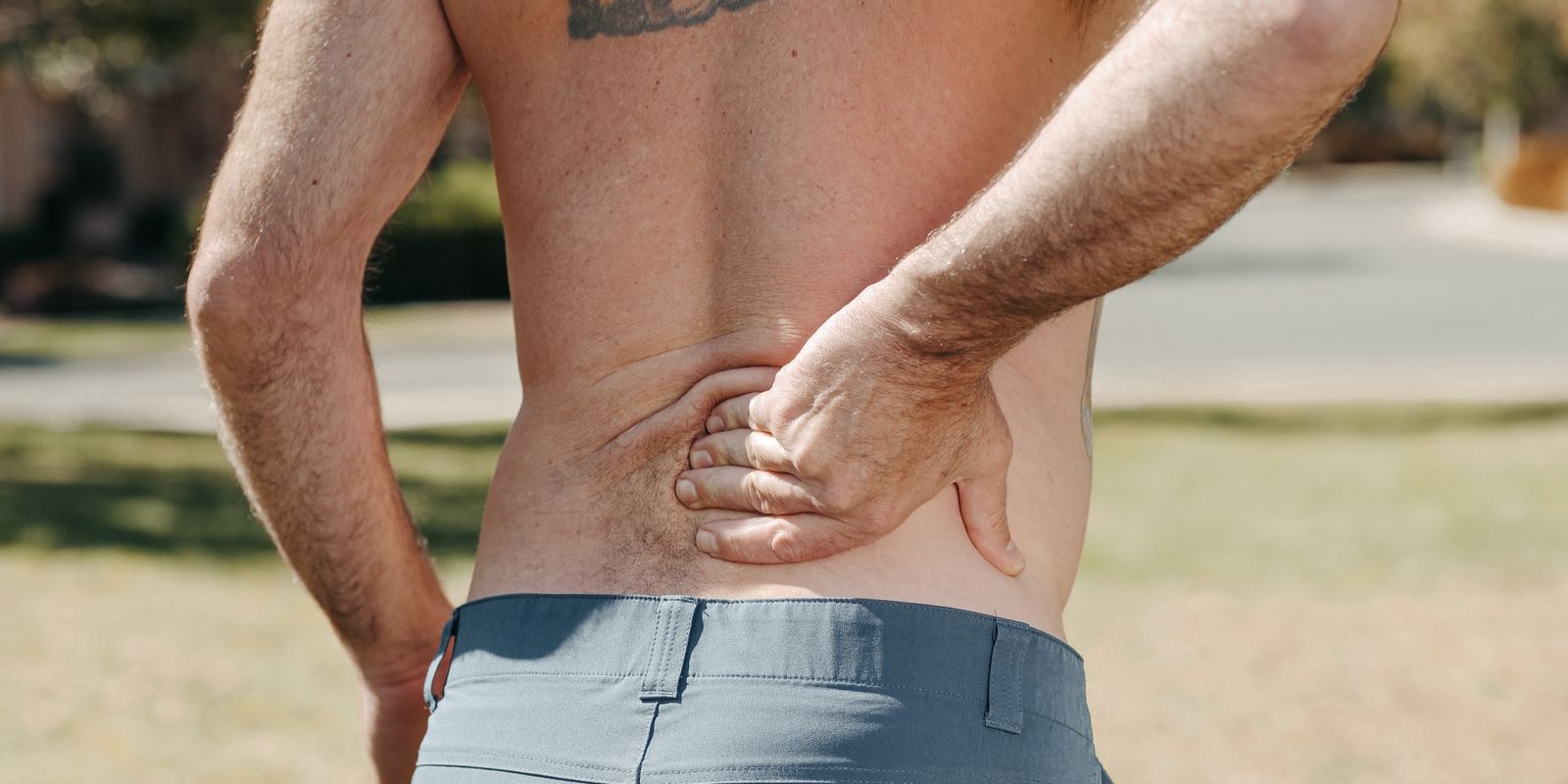
Most low back pain is not the sacroiliac joint. About a quarter of it is, and the joint gives itself away with a pattern the rest of your back does not share.
Sacroiliac joint pain has six giveaways, and the biggest one is that moving helps.
The sacroiliac joints are where the base of the spine meets the pelvis. There are two of them, one on each side. They sit low and wide. Think back pockets, not the middle of the spine.
Below are the six signs that point at those joints rather than the usual suspects. Then what to try first, and the point where this belongs in an appointment.
Six things that point at the joint, not the spine
Cleveland Clinic says sacroiliitis is painful inflammation where the spine connects to the pelvis. It causes pain in the lower back, buttock or legs. It is hard to tell apart from other causes of low back pain.
Six patterns make it easier.
- The pain sits in the buttock. Mayo Clinic says the pain most often happens in the buttocks and lower back, and can also affect the legs, groin and even the feet. Cleveland Clinic says it can spread from the low back into the buttock muscles, hips or thighs.
- Morning stiffness lasts over an hour. Cleveland Clinic says people with sacroiliitis often feel stiff first thing in the morning, and that the stiffness usually lasts for more than an hour every time you wake up. Stiffness that clears in ten minutes is a different story.
- Moving helps rather than hurts. Harvard Health says symptoms are typically worse in the morning or after inactivity and improve with activity or exercise, and that back pain from many other causes tends to worsen with exercise. That reversal is the most useful clue here.
- Turning in place sets it off. Cleveland Clinic says the pain gets worse when you turn or rotate your hips, and worse after sitting or standing in one position for a long time.
- Stairs, running and one sleeping side. Mayo Clinic names sitting, walking or standing for a long time, running, stair climbing, and sleeping on the side with the pain as the things that make it worse.
- It started with something you can name. Mayo Clinic lists a sudden hit such as a fall or a car accident, pregnancy, too little exercise and spinal fusion surgery among the causes. A start you can date is worth telling your doctor.
None of the six is a diagnosis alone. Together they are a reason to raise the joint by name.
What to try before anyone books a scan
Mayo Clinic says sacroiliitis is hard to diagnose. It looks like other causes of low back pain. Treatment might involve physical therapy and medicines.
Cleveland Clinic is more specific. It says physical therapy is the most common treatment. A physical therapist gives you stretches and exercises for the muscles around the joints. Stronger muscles take pressure off the joint and hold it steadier.

Cleveland Clinic also names over the counter anti inflammatory medicines. One limit comes attached. Do not take them for more than ten days in a row without talking to your provider.
Mayo Clinic lists not moving enough among the causes. Too little exercise leads to tight muscles and tension around the joint. Rest is not the treatment here.
The symptoms are typically worse in the morning or after periods of inactivity and improve with activity or exercise. Back pain from many other causes tends to worsen with exercise.
Take the six signs with you
One printable sheet: the six signs, what to try first, and the exact words for the appointment.
Enter your email to unlock your plan
Your 1-page SI joint plan, unlocked right here.
Your plan is ready
Download or print it below. Save it anywhere.
⬇ Download your plan (PDF)What a doctor checks, and what the scan is for
Harvard Health says ankylosing spondylitis is a form of arthritis. It causes inflammation and damage in the sacroiliac joints. The back pain usually begins there and works its way up the lower spine. Mayo Clinic and Cleveland Clinic both name that arthritis as the leading cause of sacroiliitis.
Cleveland Clinic says a provider will examine your back, hips and legs. They may ask you to move to check your range of motion. They may press on the joints themselves.
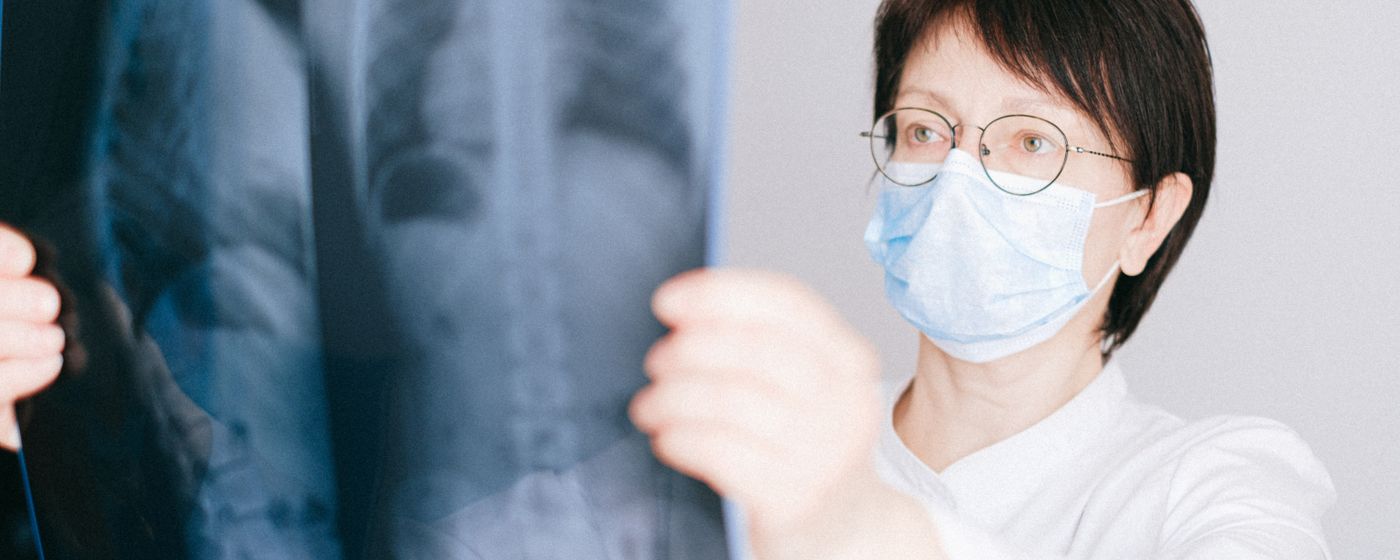
Harvard Health names two things worth a call by themselves. Back pain and stiffness that worsens gradually over weeks or months. And early morning stiffness that eases with a warm shower or light exercise.
Cleveland Clinic adds a plainer one. See a provider for pain that does not get better on its own within a week.
Three things people get wrong about the SI joint
Three beliefs send people to the wrong shelf, and each has a clear answer.
Rest is the cure. Mayo Clinic lists not moving enough among the causes. Cleveland Clinic makes physical therapy the first treatment. Harvard Health says the pain improves with activity. Three institutions, one direction.
Sacroiliac pain always means arthritis. Arthritis is the main cause. Cleveland Clinic names ankylosing spondylitis and psoriatic arthritis first. But Mayo Clinic also lists a fall, a car accident, pregnancy, too little movement and past spinal fusion surgery.
Surgery is where this ends. Cleveland Clinic says it is rare to need surgery for sacroiliitis. A surgeon would only consider fusing the joint after physical therapy and other treatments failed.
To your health,
Ageless Coach
Age Strong. Live Long.
This article is education, not medical advice. Cleveland Clinic says to see a provider for new or worsening low back pain, and for pain that does not get better on its own within a week. Mayo Clinic says a sacroiliac joint can rarely become infected.