Sea Moss Is Everywhere Right Now. The Evidence Isn't.
What the evidence actually says
Sea moss is a real sea vegetable, but the sea moss itself has barely been studied in people. Almost every benefit you have seen is borrowed from research on other seaweeds, the supplements are unregulated, and some carry more iodine or heavy metal than you want.
1Barely studied · Cleveland Clinic notes the benefits of sea moss itself have not been researched thoroughly
2Borrowed evidence · most of the claims come from research on seaweed in general, not sea moss
3Not FDA reviewed · like any supplement, there is no guarantee of what is actually in the jar
4Iodine overload · sea moss can deliver far more iodine than a thyroid wants
5Heavy metals · seaweed pulls arsenic, cadmium, lead and mercury from the water it grows in
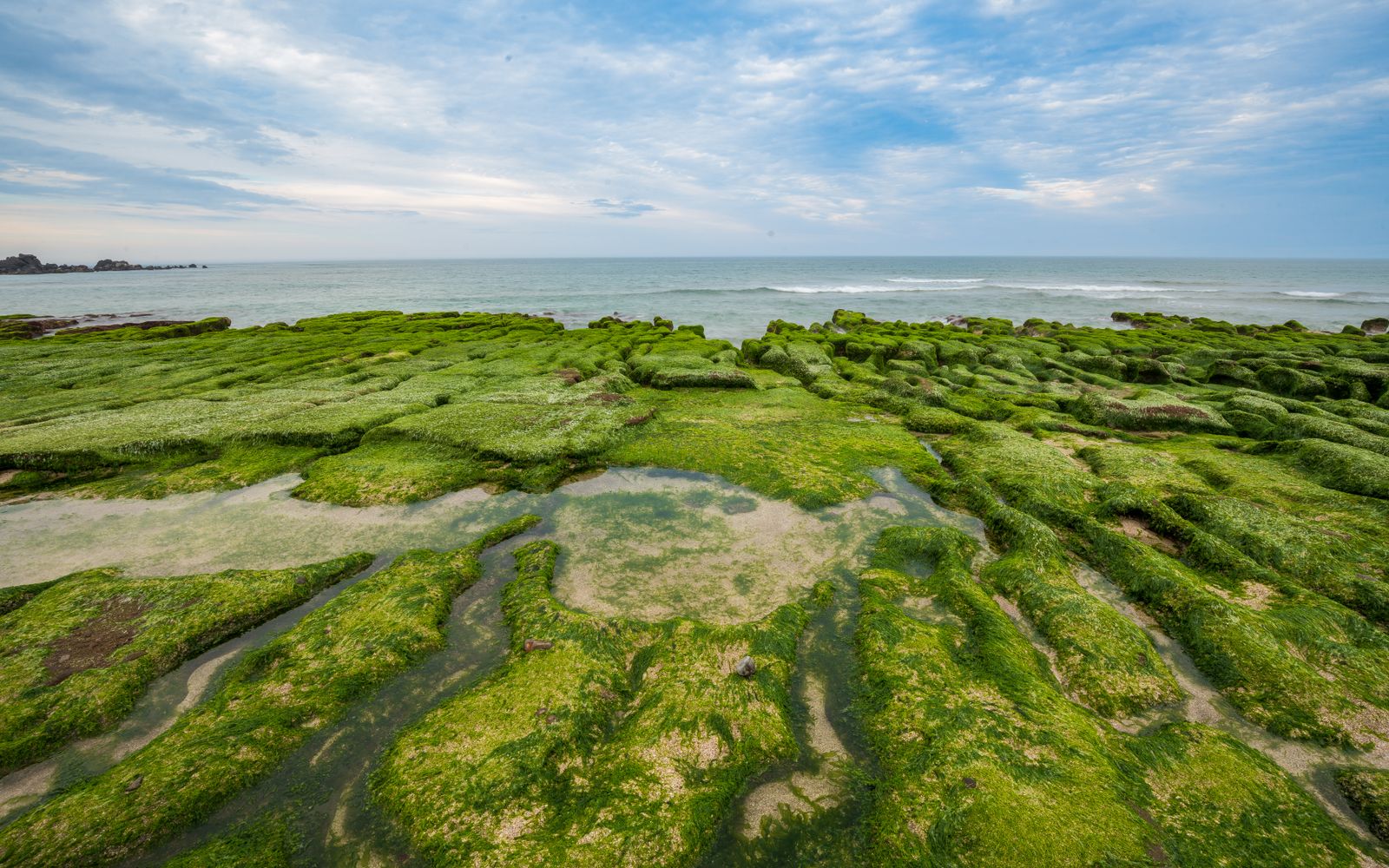
Scroll any wellness feed and sea moss is there: purple gel in a mason jar, gummies, capsules, a smoothie tinted the color of a tide pool, promising to fix your gut, your energy, your skin and your thyroid at once. The reach of the trend is real. The evidence underneath it is not.
Sea moss is a genuine sea vegetable with real nutrients. But Cleveland Clinic is blunt that the benefits of sea moss specifically have not been studied thoroughly. Nearly everything sold as a sea moss benefit is actually borrowed from research on other seaweeds, and that gap between the marketing and the science is worth seeing clearly before you spend a cent.
1
What it is
A Red Algae, Sold a Dozen Ways
Sea moss is a type of red algae also called Irish moss, or Chondrus crispus. It is harvested mainly for carrageenan, the ingredient that thickens ice cream and other processed foods. You will find it raw, and as pills, powders, gels and gummies, all sold on the same promise of whole-body wellness.
2
Where the claims start
The Benefits Belong to Seaweed, Not Sea Moss
Here is the sleight of hand. Sea moss is a cousin of seaweed, and there is a solid body of research on seaweed: it is mineral-dense, higher in fiber than most vegetables, and a source of iodine, calcium and zinc. Sea moss is assumed to be similar, but as Cleveland Clinic puts it, its own benefits are not heavily studied.
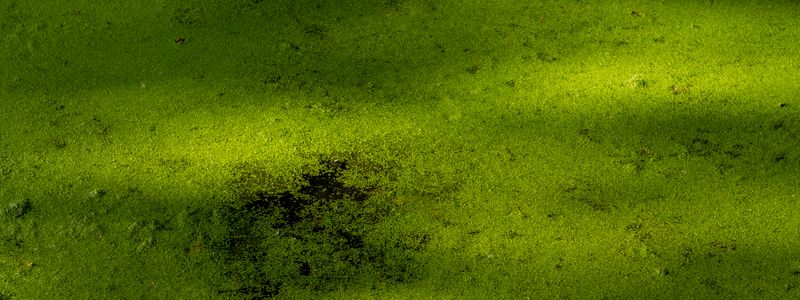
Most sea moss claims are extrapolated from research on seaweed in general, not from studies on sea moss itself.
3
The honest middle
What the Evidence Does and Does Not Show
The plausible parts trace back to fiber and minerals. Fiber can modestly help cholesterol, blood sugar and blood pressure, the iodine supports thyroid hormone, and the fiber feeds gut bacteria. Those are reasonable extrapolations from seaweed, not results from trials on sea moss, and that distinction is the whole story.
Sea moss is a product of its environment, so its nutritional value depends largely on where it is grown. There is no real way to know exactly what is in it.
One batch may be far stronger than the next, which is a problem when the active ingredients include iodine and, sometimes, heavy metals.
Cleveland Clinic
4
The part the label skips
Two Real Risks the Marketing Leaves Off
The first risk is iodine. Too much can backfire on the thyroid, and Cleveland Clinic says not to take sea moss if you have a thyroid condition unless your provider specifically tells you to. The second is heavy metals: seaweed absorbs arsenic, cadmium, lead and mercury from its water, and daily use lets them build up.
5
How to use it
Food First, Then a Careful Maybe
Start with your plate. The fiber and minerals that make seaweed worth eating are all available from a varied diet, and you cannot out-supplement a poor one. If you still want to try sea moss, one study found about 4 grams a day was generally safe, but clear it with your provider first and skip it entirely if your thyroid is involved.
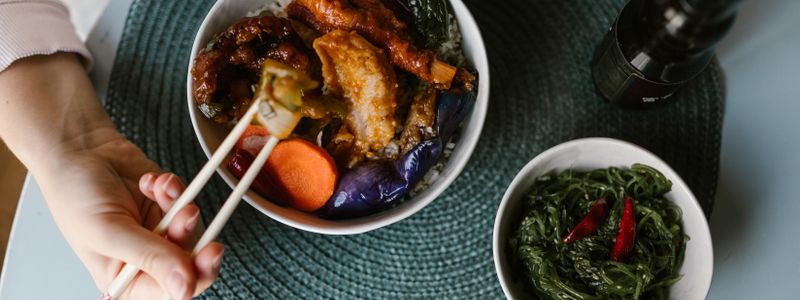
Eaten as food, seaweed is a genuinely nutritious addition. As an unregulated cure-all supplement, the case is far thinner.
Take the honest sea moss cheat sheet with you
Your free 2-page guide: what sea moss actually is, which claims hold up, and the two risks the label leaves off.
One email. No spam. Unsubscribe anytime.
Free Lifestyle Assessment
How Healthy Is Your Current Lifestyle?
Answer honestly for five minutes and walk away with your personal scorecard: all six areas of your health rated, the one that needs your attention first, and a 30-day plan built from your answers. It shows up the second you finish.
Free. About 5 minutes. Your results appear instantly.
📋 Your Coach's Recommendations
1
Start With Your Plate, Not a Jar
Sea moss's real value is fiber and minerals, and Cleveland Clinic's dietitian is blunt that you cannot out-supplement a poor diet. A varied plate of vegetables, beans and seafood covers the same ground for less.
2
If Your Thyroid Is Involved, Leave It Alone
Sea moss is rich in iodine, and too much iodine can worsen thyroid function. Cleveland Clinic advises against sea moss for anyone with hypothyroidism or hyperthyroidism unless a provider specifically recommends it.
3
If You Still Want to Try It, Go Small and Clean
One study found about 4 grams a day was generally safe. Buy from a source that tests for heavy metals, follow the label's dosing, and check with your provider first, especially if you take other medication.
?
How it works. Just a quiet check-in, not an alert and not a recurring nag. The event lands as a 30-minute slot at 9am two weeks from today, with your plan in the notes and a link back to this article. Works with Apple Calendar, Google Calendar, and Outlook. Yours to move, snooze, or delete whenever.
Keep this plan
Get the 2-page guide: what sea moss is, which claims hold up, and the two risks the label leaves off.
One email. No spam. Unsubscribe anytime.
Where should we send it?
Your honest sea moss cheat sheet, straight to your inbox.
We send the plan plus one short evidence brief each week. Unsubscribe anytime.
✓
It is on the way
Check your inbox in the next minute. Your first Ageless Brief arrives this week: one study, translated, no hype.
Sea moss is a red algae, also called Irish moss or Chondrus crispus. It is harvested for carrageenan, a thickener, and sold raw and as gels, gummies, capsules and powders.
Does sea moss really do all the things people claim?
Cleveland Clinic notes that sea moss itself has not been studied thoroughly. Most of the claimed benefits are extrapolated from research on other seaweeds and remain unproven for sea moss specifically.
Is sea moss safe?
For most people, small amounts are considered generally safe. But the supplements are unregulated, and sea moss carries two real risks: too much iodine and heavy metals absorbed from seawater.
Can sea moss cause thyroid problems?
It can. Sea moss is high in iodine, and too much iodine can disturb thyroid hormone production. Cleveland Clinic advises against sea moss for anyone with a thyroid condition unless a provider recommends it.
How much sea moss is safe?
One study cited by Cleveland Clinic found about 4 grams a day was typically safe, but you should still check with your healthcare provider before taking sea moss or any supplement.
Is this medical advice?
No. This article is educational and is not a substitute for advice from your own clinician. Check with your provider before starting any supplement, especially if you have a thyroid condition, take medication, or are pregnant.
Curious where you stand? Take the free 5-minute lifestyle assessment and your personal scorecard appears the second you finish.
By the Ageless Coach Editorial Team · Published August 1, 2026 · Last updated August 1, 2026
<style>
:root{--dark-base:#0D1B2A;--dark-mid:#1B3A4B;--teal:#0EA5A0;--teal-dark:#0C8C88;--teal-bright:#14D4CD;--fog:#D8E8E8;--deep-fog:#C8DCDC;--fog-border:#A8C4C4;--ink:#313743;--ink-soft:#49505f;--muted:#6b7280;--warm:#9A6841;--warm-light:#be7b4c;--serif:"Source Serif 4",Georgia,serif;--sans:Inter,-apple-system,BlinkMacSystemFont,"Segoe UI",sans-serif}
.w-richtext p,.w-richtext li,.w-richtext td{font-size:20.5px;line-height:1.7;color:var(--ink-soft)}
.w-richtext ul{list-style-type:disc;padding-left:24px;margin:12px 0}
.w-richtext ul li{margin-bottom:8px}
.ac-answer{background:#fff;border:1px solid #D4E4E4;border-top:5px solid var(--teal);border-radius:16px;padding:22px 24px 18px;margin:16px 0 28px;box-shadow:0 6px 22px rgba(13,27,42,.07)}
.ac-answer .aa-eyebrow{font:800 12px/1 var(--sans);letter-spacing:2.5px;text-transform:uppercase;color:var(--teal-dark);margin-bottom:8px}
.ac-answer .aa-head{font-family:var(--serif);font-size:24px;line-height:1.2;font-weight:800;color:var(--dark-base);margin:0 0 16px}
.ac-answer .aa-list{list-style:none;margin:0;padding:0}
.ac-answer .aa-list li{display:flex;gap:12px;align-items:baseline;padding:11px 0;border-bottom:1px solid #EDF3F3;font:700 16.5px/1.4 var(--sans);color:var(--ink)}
.ac-answer .aa-list li:last-child{border-bottom:none}
.ac-answer .aa-n{flex-shrink:0;width:24px;height:24px;border-radius:50%;background:var(--teal-dark);color:#fff;font:800 12px/24px var(--sans);text-align:center}
.ac-answer .aa-food{color:var(--teal-dark);font-weight:800}
.ac-answer .aa-cue{margin-top:18px;text-align:center}
.ac-answer .aa-cta{display:inline-flex;align-items:center;gap:10px;background:var(--teal-dark);color:#fff;font:800 14px/1 var(--sans);letter-spacing:.2px;padding:14px 26px;border-radius:50px;text-decoration:none;box-shadow:0 6px 16px rgba(12,140,136,.30)}
.ac-answer .aa-cta:hover{background:#0A7A76}
.ac-answer .aa-arw{display:inline-block;animation:aa-nudge 1.4s ease-in-out infinite}
@keyframes aa-nudge{0%,100%{transform:translateY(0)}50%{transform:translateY(4px)}}
@media(max-width:560px){.ac-answer{padding:20px 18px 16px}.ac-answer .aa-head{font-size:21px}.ac-answer .aa-list li{font-size:15px}}
.ac-band{margin:56px 0 24px;padding:26px 24px 12px;background:linear-gradient(180deg,#F0F7F7,#fff);border-radius:16px}
.ac-band.hype{background:linear-gradient(180deg,#FAF3EB,#fff)}
.ac-band .inner{display:flex;gap:20px;align-items:center}
.ac-band .big{font:900 72px/1 var(--sans);color:var(--deep-fog);flex-shrink:0}
.ac-band.hype .big{color:#EAD9C6}
.ac-band .q{font:700 13px/1.4 var(--sans);letter-spacing:2px;text-transform:uppercase;color:var(--teal-dark)}
.ac-band.hype .q{color:var(--warm)}
.ac-band h3{font-family:var(--serif);font-size:30px;line-height:1.2;font-weight:800;color:var(--ink);margin:0}
.ac-callout{border-left:4px solid var(--teal);background:#F4FAFA;border-radius:0 12px 12px 0;padding:18px 22px;margin:28px 0}
.ac-callout .n{font:800 20px/1.35 var(--sans);color:var(--dark-mid);margin-bottom:6px}
.ac-callout .d{font:500 15px/1.55 var(--sans);color:var(--ink-soft)}
.ac-callout .c{font:600 11.5px/1 var(--sans);letter-spacing:1.5px;text-transform:uppercase;color:var(--muted);margin-top:10px}
.ac-plan{background:linear-gradient(135deg,#F4FAFA 0%,#fff 100%);border-left:5px solid var(--teal-dark);border-radius:14px;padding:30px 26px;margin:40px 0 0;box-shadow:0 2px 12px rgba(0,0,0,.06);scroll-margin-top:100px}
.ac-plan .ptitle{font-family:var(--serif);font-size:24px;font-weight:800;color:var(--ink);margin-bottom:22px}
.ac-plan .step{display:flex;gap:16px;margin-bottom:18px;align-items:flex-start}
.ac-plan .step .n{min-width:38px;width:38px;height:38px;background:var(--teal-dark);border-radius:50%;color:#fff;font:800 17px/38px var(--sans);text-align:center;flex-shrink:0}
.ac-plan .sh{font:800 16.5px/1.4 var(--sans);color:var(--ink);margin-bottom:3px}
.ac-plan .sd{font:400 15px/1.6 var(--sans);color:var(--muted)}
.ac-plan .actions{border-top:1px solid #D8E8E8;margin-top:16px;padding-top:20px}
.ac-primary-row{display:flex;align-items:center;gap:10px;padding:0 4px}
.ac-btn-primary-wide{flex:1;background:var(--teal);color:#fff;border:1.5px solid var(--teal);border-radius:14px;padding:12px 22px;box-shadow:0 4px 14px rgba(14,165,160,.22);font-family:var(--sans);cursor:pointer;display:grid;grid-template-columns:auto 1fr;gap:14px;align-items:center;transition:all .18s ease}
.ac-btn-primary-wide:hover{background:var(--teal-dark);border-color:var(--teal-dark)}
.ac-btn-primary-wide .icon svg{width:22px;height:22px;color:#fff;display:block}
.ac-btn-primary-wide .label{text-align:left;line-height:1.25}
.ac-btn-primary-wide .label .top{display:block;font-weight:700;font-size:15.5px;color:#fff}
.ac-btn-primary-wide .label .top em{font-style:italic;font-weight:700}
.ac-cal-help{position:relative;flex-shrink:0}
.ac-cal-help summary{list-style:none;width:24px;height:24px;border-radius:50%;background:#E4F1F1;border:1px solid var(--fog-border);color:var(--dark-mid);font:700 13px/22px var(--sans);text-align:center;cursor:pointer;display:block}
.ac-cal-help summary::-webkit-details-marker{display:none}
.ac-cal-help .tip{position:absolute;right:0;top:32px;z-index:50;width:290px;background:var(--dark-base);color:var(--fog);border-radius:12px;padding:14px 16px;font:500 12.5px/1.55 var(--sans);box-shadow:0 10px 30px rgba(13,27,42,.35)}
.ac-cal-help .tip strong{color:#fff}
.ac-btn-share-wide{display:flex;width:100%;align-items:center;justify-content:center;gap:10px;background:#fff;color:var(--teal-dark);border:1.5px solid var(--teal-dark);border-radius:14px;padding:12px 22px;margin-top:10px;font:800 15px/1 var(--sans);cursor:pointer}
.ac-btn-share-wide svg{width:18px;height:18px}
.ac-midcap{background:linear-gradient(180deg,#F0F7F7,#fff);border:1.5px solid var(--fog-border);border-radius:16px;padding:24px 22px;margin:34px 0;text-align:center}
.ac-midcap h4{font-family:var(--serif);font-size:22px;font-weight:800;color:var(--ink);margin:0 0 6px}
.ac-midcap .sub{font:500 14px/1.55 var(--sans);color:var(--ink-soft);margin:0 auto 14px;max-width:400px}
.ac-midcap .mcform{display:flex;gap:8px;max-width:400px;margin:0 auto}
.ac-midcap .mcform input{flex:1;border:1.5px solid var(--fog-border);border-radius:50px;padding:12px 18px;font:500 14px/1 var(--sans);min-width:0}
.ac-midcap .mcform button{background:var(--teal-dark);color:#fff;border:none;border-radius:50px;padding:12px 20px;font:800 13.5px/1 var(--sans);cursor:pointer;white-space:nowrap}
.ac-midcap .fine{font:500 11.5px/1.5 var(--sans);color:var(--muted);margin-top:10px}
@media (max-width:520px){.ac-midcap .mcform{flex-direction:column}}
.ac-assess-promo{background:linear-gradient(135deg,#D8E8E8,#C8DCDC);border:1px solid var(--fog-border);border-radius:16px;padding:34px 30px;margin:44px 0;text-align:center}
.ac-assess-promo .eyebrow{color:var(--teal-dark);font:800 12px/1 var(--sans);letter-spacing:2.5px;text-transform:uppercase;margin:0 0 10px}
.ac-assess-promo h4{font-family:var(--serif);color:var(--dark-base);font-size:26px;font-weight:800;margin:0 0 12px}
.w-embed .ac-assess-promo p.ap-body,.ac-assess-promo p.ap-body{font-family:Georgia,serif;color:#3A5555;font-size:15.5px;font-weight:500;line-height:1.65;max-width:540px;margin:0 auto 22px}
.ac-assess-promo .ap-cta{display:inline-block;background:var(--teal-bright);color:var(--dark-base);font:800 15px/1 var(--sans);padding:15px 30px;border-radius:50px;text-decoration:none}
.ac-assess-promo .ap-fine{color:#4E6B6B;font:500 13px/1.5 var(--sans);margin:14px 0 0}
.ac-assess-line{border-top:1px solid #E2ECEC;margin-top:30px;padding:22px 10px 0;text-align:center;font:500 15.5px/1.6 var(--sans);color:#3A5555}
.w-embed .ac-assess-line a,.ac-assess-line a{color:var(--teal-dark);font-weight:700;text-decoration:underline;text-underline-offset:3px}
.ac-articlemeta{font:500 12.5px/1.6 var(--sans);color:#98a0a6;text-align:center;margin:24px 0 0}
.ac-capture{background:linear-gradient(180deg,#F0F7F7,#fff);border:1.5px solid var(--fog-border);border-radius:16px;padding:30px 28px;margin:26px 0 44px;text-align:center}
.ac-capture .cap-state{display:none}
.ac-capture[data-state="trigger"] .st-trigger{display:block}
.ac-capture[data-state="form"] .st-form{display:block}
.ac-capture[data-state="sent"] .st-sent{display:block}
.ac-capture h4{font-family:var(--serif);font-size:24px;font-weight:800;color:var(--ink);margin:0 0 8px}
.ac-capture .sub{font:500 15px/1.55 var(--sans);color:var(--ink-soft);margin:0 auto 18px;max-width:430px}
.ac-capture .bigbtn{display:inline-flex;align-items:center;gap:10px;background:var(--teal-dark);color:#fff;border:none;border-radius:50px;padding:16px 30px;font:800 16px/1 var(--sans);cursor:pointer;box-shadow:0 6px 18px rgba(12,140,136,.28)}
.ac-capture .capform{display:flex;gap:10px;max-width:430px;margin:0 auto}
.ac-capture .capform input{flex:1;border:1.5px solid var(--fog-border);border-radius:50px;padding:14px 20px;font:500 15px/1 var(--sans)}
.ac-capture .capform button{background:var(--teal-dark);color:#fff;border:none;border-radius:50px;padding:14px 24px;font:800 14px/1 var(--sans);cursor:pointer}
.ac-capture .sent-check{width:52px;height:52px;border-radius:50%;background:var(--teal);color:#fff;font:800 26px/52px var(--sans);margin:0 auto 12px}
.ac-capture .dl{display:inline-block;margin-top:6px;color:var(--teal-dark);font:700 15px/1 var(--sans);text-decoration:underline;cursor:pointer}
.ac-capture .fine{font:500 12px/1.5 var(--sans);color:var(--muted);margin-top:12px}
.ac-sig{margin-top:36px}
.ac-sig .rule{width:60px;height:2px;background:linear-gradient(90deg,var(--teal-dark),var(--teal-bright));margin-bottom:18px;border-radius:2px}
.ac-sig .toyour{font-family:var(--serif);font-size:16px;font-style:italic;color:#777;margin:0 0 10px;padding-left:2px}
.ac-faq{margin-top:40px;border-top:1px solid #e5e7eb;padding-top:30px;margin-bottom:40px}
.ac-faq h2{font-family:var(--serif);font-size:23px;font-weight:800;color:var(--ink);margin:0 0 18px}
.ac-faq details{border:1px solid #e5e7eb;border-radius:10px;margin-bottom:10px}
.ac-faq summary{padding:15px 18px;font:700 16px/1.4 var(--sans);color:var(--ink);cursor:pointer;display:flex;justify-content:space-between;align-items:center;list-style:none}
.ac-faq summary:after{content:"\25BE";color:var(--warm)}
.ac-faq .a{padding:0 18px 16px;font-size:17px;line-height:1.65;color:#555}
.article-header-section .article-container{max-width:1080px !important;margin:0 auto !important;padding:0 20px !important}
.article-header-section .article-hero-image{display:block;width:100%;max-width:660px;margin:0}
.article-header-section .article-title{display:block !important;font-family:var(--serif);font-size:32px;line-height:1.25;font-weight:700;color:#313743;margin:20px 0 12px 0;text-align:left;max-width:660px}
@media (max-width:767px){.article-header-section .article-title{font-size:26px}.article-header-section .article-hero-image{max-width:100%}}
@media (max-width:640px){.ac-band .big{font-size:52px}}
@media (max-width:520px){.ac-capture .capform{flex-direction:column}}
.ac-figure{margin:30px 0}.ac-figure img{display:block;width:100%;border-radius:14px;height:auto;aspect-ratio:800/300}.ac-figure figcaption{font:500 13px/1.5 var(--sans);color:var(--muted);margin-top:9px}</style>
<div class="ac-answer"><div class="aa-eyebrow">What the evidence actually says</div><h2 class="aa-head">Sea moss is a real sea vegetable, but the sea moss itself has barely been studied in people. Almost every benefit you have seen is borrowed from research on other seaweeds, the supplements are unregulated, and some carry more iodine or heavy metal than you want.</h2><ol class="aa-list"><li><span class="aa-n">1</span><span><span class="aa-food">Barely studied</span> · Cleveland Clinic notes the benefits of sea moss itself have not been researched thoroughly</span></li><li><span class="aa-n">2</span><span><span class="aa-food">Borrowed evidence</span> · most of the claims come from research on seaweed in general, not sea moss</span></li><li><span class="aa-n">3</span><span><span class="aa-food">Not FDA reviewed</span> · like any supplement, there is no guarantee of what is actually in the jar</span></li><li><span class="aa-n">4</span><span><span class="aa-food">Iodine overload</span> · sea moss can deliver far more iodine than a thyroid wants</span></li><li><span class="aa-n">5</span><span><span class="aa-food">Heavy metals</span> · seaweed pulls arsenic, cadmium, lead and mercury from the water it grows in</span></li></ol><div class="aa-cue"><a class="aa-cta" href="#coach-recommendations">Get Your Coach's 3-Step Plan <span class="aa-arw">↓</span></a></div></div>
<p>Scroll any wellness feed and sea moss is there: purple gel in a mason jar, gummies, capsules, a smoothie tinted the color of a tide pool, promising to fix your gut, your energy, your skin and your thyroid at once. The reach of the trend is real. The evidence underneath it is not.</p>
<p>Sea moss is a genuine sea vegetable with real nutrients. But <a href="https://health.clevelandclinic.org/sea-moss-benefits" target="_blank" rel="noopener">Cleveland Clinic</a> is blunt that the benefits of sea moss specifically have not been studied thoroughly. Nearly everything sold as a sea moss benefit is actually borrowed from research on other seaweeds, and that gap between the marketing and the science is worth seeing clearly before you spend a cent.</p>
<div class="ac-band"><div class="inner"><div class="big">1</div><div><div class="q">What it is</div><h3>A Red Algae, Sold a Dozen Ways</h3></div></div></div>
<p>Sea moss is a type of red algae also called Irish moss, or <a href="https://health.clevelandclinic.org/sea-moss-benefits" target="_blank" rel="noopener">Chondrus crispus</a>. It is harvested mainly for carrageenan, the ingredient that thickens ice cream and other processed foods. You will find it raw, and as pills, powders, gels and gummies, all sold on the same promise of whole-body wellness.</p>
<div class="ac-band"><div class="inner"><div class="big">2</div><div><div class="q">Where the claims start</div><h3>The Benefits Belong to Seaweed, Not Sea Moss</h3></div></div></div>
<p>Here is the sleight of hand. Sea moss is a cousin of seaweed, and there is a solid body of research on <a href="https://health.clevelandclinic.org/seaweed-benefits" target="_blank" rel="noopener">seaweed</a>: it is mineral-dense, higher in fiber than most vegetables, and a source of iodine, calcium and zinc. Sea moss is assumed to be similar, but as Cleveland Clinic puts it, its own benefits are not heavily studied.</p>
<figure class="ac-figure"><img src="https://images.pexels.com/photos/16778035/pexels-photo-16778035.jpeg?auto=compress&cs=tinysrgb&w=800&h=300&fit=crop" alt="Close-up of green algae growing across the surface of the water" width="800" height="300" loading="lazy" decoding="async"><figcaption>Most sea moss claims are extrapolated from research on seaweed in general, not from studies on sea moss itself.</figcaption></figure>
<div class="ac-band"><div class="inner"><div class="big">3</div><div><div class="q">The honest middle</div><h3>What the Evidence Does and Does Not Show</h3></div></div></div>
<p>The plausible parts trace back to fiber and minerals. Fiber can modestly help cholesterol, blood sugar and blood pressure, the iodine supports thyroid hormone, and the fiber feeds gut bacteria. Those are reasonable extrapolations from seaweed, not results from trials on sea moss, and that distinction is the whole story.</p>
<div class="ac-callout"><div class="n">Sea moss is a product of its environment, so its nutritional value depends largely on where it is grown. There is no real way to know exactly what is in it.</div><div class="d">One batch may be far stronger than the next, which is a problem when the active ingredients include iodine and, sometimes, heavy metals.</div><div class="c">Cleveland Clinic</div></div>
<div class="ac-band"><div class="inner"><div class="big">4</div><div><div class="q">The part the label skips</div><h3>Two Real Risks the Marketing Leaves Off</h3></div></div></div>
<p>The first risk is iodine. Too much can backfire on the thyroid, and <a href="https://health.clevelandclinic.org/sea-moss-benefits" target="_blank" rel="noopener">Cleveland Clinic</a> says not to take sea moss if you have a thyroid condition unless your provider specifically tells you to. The second is heavy metals: <a href="https://health.clevelandclinic.org/seaweed-benefits" target="_blank" rel="noopener">seaweed absorbs</a> arsenic, cadmium, lead and mercury from its water, and daily use lets them build up.</p>
<div class="ac-band"><div class="inner"><div class="big">5</div><div><div class="q">How to use it</div><h3>Food First, Then a Careful Maybe</h3></div></div></div>
<p>Start with your plate. The fiber and minerals that make seaweed worth eating are all available from a varied diet, and you cannot out-supplement a poor one. If you still want to try sea moss, one study found about 4 grams a day was generally safe, but clear it with your provider first and skip it entirely if your thyroid is involved.</p>
<figure class="ac-figure"><img src="https://images.pexels.com/photos/6645977/pexels-photo-6645977.jpeg?auto=compress&cs=tinysrgb&w=800&h=300&fit=crop" alt="A rice-and-vegetable bowl beside a small dish of green seaweed salad" width="800" height="300" loading="lazy" decoding="async"><figcaption>Eaten as food, seaweed is a genuinely nutritious addition. As an unregulated cure-all supplement, the case is far thinner.</figcaption></figure>
<div class="ac-midcap"><h4>Take the honest sea moss cheat sheet with you</h4><p class="sub">Your free 2-page guide: what sea moss actually is, which claims hold up, and the two risks the label leaves off.</p><div class="mcform"><input type="email" placeholder="Your email address" aria-label="Email address"><button type="button">Send My Plan (Free)</button></div><div class="fine">One email. No spam. Unsubscribe anytime.</div></div>
<div class="ac-assess-promo"><p class="eyebrow">Free Lifestyle Assessment</p><h4>How Healthy Is Your Current Lifestyle?</h4><p class="ap-body">Answer honestly for five minutes and walk away with your personal scorecard: all six areas of your health rated, the one that needs your attention first, and a 30-day plan built from your answers. It shows up the second you finish.</p><a class="ap-cta" href="/#assessment">See How the Assessment Works →</a><p class="ap-fine">Free. About 5 minutes. Your results appear instantly.</p></div>
<div class="ac-plan" id="coach-recommendations"><div class="ptitle">📋 Your Coach's Recommendations</div><div class="step"><div class="n">1</div><div><div class="sh">Start With Your Plate, Not a Jar</div><div class="sd">Sea moss's real value is fiber and minerals, and Cleveland Clinic's dietitian is blunt that you cannot out-supplement a poor diet. A varied plate of vegetables, beans and seafood covers the same ground for less.</div></div></div><div class="step"><div class="n">2</div><div><div class="sh">If Your Thyroid Is Involved, Leave It Alone</div><div class="sd">Sea moss is rich in iodine, and too much iodine can worsen thyroid function. Cleveland Clinic advises against sea moss for anyone with hypothyroidism or hyperthyroidism unless a provider specifically recommends it.</div></div></div><div class="step"><div class="n">3</div><div><div class="sh">If You Still Want to Try It, Go Small and Clean</div><div class="sd">One study found about 4 grams a day was generally safe. Buy from a source that tests for heavy metals, follow the label's dosing, and check with your provider first, especially if you take other medication.</div></div></div><div class="actions">
<div class="ac-primary-row">
<button type="button" class="ac-btn-primary-wide" data-ac-cal>
<span class="icon"><svg viewBox="0 0 24 24" fill="none" stroke="currentColor" stroke-width="2" stroke-linecap="round" stroke-linejoin="round"><rect x="3" y="4" width="18" height="18" rx="2"></rect><path d="M16 2v4M8 2v4M3 10h18"></path></svg></span>
<span class="label"><span class="top">Add <em>Your Coach's Recommendations to Your Calendar</em></span></span>
</button>
<details class="ac-cal-help"><summary aria-label="What does this do?">?</summary><div class="tip"><strong>How it works.</strong> Just a quiet check-in, not an alert and not a recurring nag. The event lands as a 30-minute slot at 9am two weeks from today, with your plan in the notes and a link back to this article. Works with Apple Calendar, Google Calendar, and Outlook. Yours to move, snooze, or delete whenever.</div></details>
</div>
<button type="button" class="ac-btn-share-wide" data-ac-share><svg viewBox="0 0 24 24" fill="none" stroke="currentColor" stroke-width="2" stroke-linecap="round" stroke-linejoin="round"><path d="M4 12v8a2 2 0 002 2h12a2 2 0 002-2v-8"></path><polyline points="16 6 12 2 8 6"></polyline><line x1="12" y1="2" x2="12" y2="15"></line></svg> Share this article</button>
</div>
</div>
<div class="ac-capture" data-state="trigger" data-article-slug="sea-moss-is-everywhere-the-evidence-isnt" data-pdf-url="https://cdn.prod.website-files.com/69be1026a027224999b7936b/6a6d9d6f7be4790556d9e907_ac-sea-moss-cheat-sheet.pdf" data-plan-title="The Honest Sea Moss Cheat Sheet" data-plan-desc="Your free 2-page guide: what sea moss actually is, which claims hold up, and the two risks the label leaves off."><div class="st-trigger cap-state"><h4>Keep this plan</h4><p class="sub">Get the 2-page guide: what sea moss is, which claims hold up, and the two risks the label leaves off.</p><button class="bigbtn" type="button" data-cap="form">📩 Email Me This Plan (Free PDF)</button><div class="fine">One email. No spam. Unsubscribe anytime.</div></div><div class="st-form cap-state"><h4>Where should we send it?</h4><p class="sub">Your honest sea moss cheat sheet, straight to your inbox.</p><form class="capform"><input type="email" name="email" required placeholder="Your email address" aria-label="Email address"><button type="submit">Send My Plan</button></form><div class="fine">We send the plan plus one short evidence brief each week. Unsubscribe anytime.</div></div><div class="st-sent cap-state"><div class="sent-check">✓</div><h4>It is on the way</h4><p class="sub">Check your inbox in the next minute. Your first Ageless Brief arrives this week: one study, translated, no hype.</p><a class="dl" href="https://cdn.prod.website-files.com/69be1026a027224999b7936b/6a6d9d6f7be4790556d9e907_ac-sea-moss-cheat-sheet.pdf" download>⬇ Download your plan (PDF)</a></div></div>
<style>
.ac-exlib{--ac-ex-fog:#F0F7F7;--ac-ex-border:#A8C4C4;--ac-ex-teal:#0C8C88;--ac-ex-ink-teal:#0A6F6C;--ac-ex-dark:#0D1B2A;--ac-ex-body:#49505f;--ac-ex-muted:#5F6773;--ac-ex-serif:"Source Serif 4",Georgia,serif;--ac-ex-sans:Inter,-apple-system,"Segoe UI",sans-serif;background:linear-gradient(180deg,var(--ac-ex-fog),#fff);border:1.5px solid var(--ac-ex-border);border-radius:16px;padding:24px 26px;margin:36px 0 0;box-sizing:border-box}
.ac-exlib *{box-sizing:border-box}
.ac-exlib .ac-ex-eb{font:800 11.5px/1 var(--ac-ex-sans);letter-spacing:2.4px;text-transform:uppercase;color:var(--ac-ex-ink-teal);margin:0 0 10px}
.ac-exlib .ac-ex-h{font-family:var(--ac-ex-serif);font-size:22px;line-height:1.25;font-weight:800;color:var(--ac-ex-dark);margin:0 0 10px}
.ac-exlib .ac-ex-p{font:500 16px/1.6 var(--ac-ex-sans);color:var(--ac-ex-body);margin:0 0 16px}
.ac-exlib .ac-ex-go{display:inline-flex;align-items:center;gap:8px;border:1.5px solid var(--ac-ex-teal);color:var(--ac-ex-ink-teal);background:#fff;font:800 14px/1 var(--ac-ex-sans);padding:15px 24px;border-radius:50px;text-decoration:none;min-height:44px}
.ac-exlib .ac-ex-go:hover,.ac-exlib .ac-ex-go:focus{background:var(--ac-ex-fog);color:var(--ac-ex-ink-teal)}
.ac-exlib .ac-ex-go:focus-visible{outline:2px solid var(--ac-ex-ink-teal);outline-offset:3px}
.ac-exlib .ac-ex-go svg{width:14px;height:14px;stroke:currentColor;fill:none;stroke-width:2.4;flex:none}
.ac-exlib .ac-ex-note{font:500 12px/1.6 var(--ac-ex-sans);color:var(--ac-ex-muted);margin:14px 0 0}
@media(max-width:560px){.ac-exlib{padding:20px 18px}.ac-exlib .ac-ex-h{font-size:20px}.ac-exlib .ac-ex-go{width:100%;justify-content:center}}
</style>
<aside class="ac-exlib" data-template="L-examine" aria-label="Further reading">
<p class="ac-ex-eb">Read the research yourself</p>
<h3 class="ac-ex-h">We read the studies. You can too.</h3>
<p class="ac-ex-p">Everything above is sourced and linked. If you want to go deeper than one article can go, Examine maintains independent, continuously updated research summaries on around a thousand supplements. They sell no supplements of their own. That is the reason we send people there rather than somewhere else.</p>
<a class="ac-ex-go" href="https://examine.com/refer/qed0mm2?utm_source=agelesscoach&utm_medium=article&utm_content=tmpl-L-examine" rel="noopener sponsored" target="_blank">
Read the research on Examine
<svg viewBox="0 0 24 24" aria-hidden="true"><path d="M5 12h14M13 6l6 6-6 6" stroke-linecap="round" stroke-linejoin="round"/></svg>
</a>
<p class="ac-ex-note">Ageless Coach may earn a commission if you subscribe, at no additional cost to you. We were not paid to write this and it does not affect what we recommend.</p>
</aside>
<div class="ac-sig"><div class="rule"></div><p class="toyour">To your health,</p><svg width="320" height="72" viewBox="0 0 320 72" role="img" aria-label="Ageless Coach. Age Strong. Live Long." xmlns="http://www.w3.org/2000/svg" xmlns:xlink="http://www.w3.org/1999/xlink"><defs><clipPath id="acSigIconClip"><rect x="0" y="6" width="60" height="60" rx="12" ry="12"/></clipPath></defs><image x="0" y="6" width="60" height="60" clip-path="url(#acSigIconClip)" preserveAspectRatio="xMidYMid slice" href="https://cdn.prod.website-files.com/69be1026a027224999b7936b/6a0b22c6afd5d6fd115b9c1a_ac-closing-brand-icon.webp" xlink:href="https://cdn.prod.website-files.com/69be1026a027224999b7936b/6a0b22c6afd5d6fd115b9c1a_ac-closing-brand-icon.webp"/><text x="76" y="42" style="font-family:Inter,system-ui,-apple-system,'Helvetica Neue',Arial,sans-serif;font-size:27px;letter-spacing:-0.3px"><tspan style="font-weight:800;fill:#0D1B2A">Ageless</tspan><tspan style="font-weight:300;fill:rgba(13,27,42,0.6)">Coach</tspan><tspan dy="-12" style="font-size:16px;font-weight:600;fill:rgba(13,27,42,0.6)">™</tspan></text><text x="76" y="60" style="font-family:Inter,system-ui,-apple-system,'Helvetica Neue',Arial,sans-serif;font-size:10.5px;letter-spacing:2.5px;font-weight:500;fill:#0C8C88;text-transform:uppercase">AGE STRONG. LIVE LONG.</text></svg></div>
<div class="ac-faq"><h2>Frequently Asked Questions</h2><details><summary>What is sea moss?</summary><div class="a">Sea moss is a red algae, also called Irish moss or Chondrus crispus. It is harvested for carrageenan, a thickener, and sold raw and as gels, gummies, capsules and powders.</div></details><details><summary>Does sea moss really do all the things people claim?</summary><div class="a">Cleveland Clinic notes that sea moss itself has not been studied thoroughly. Most of the claimed benefits are extrapolated from research on other seaweeds and remain unproven for sea moss specifically.</div></details><details><summary>Is sea moss safe?</summary><div class="a">For most people, small amounts are considered generally safe. But the supplements are unregulated, and sea moss carries two real risks: too much iodine and heavy metals absorbed from seawater.</div></details><details><summary>Can sea moss cause thyroid problems?</summary><div class="a">It can. Sea moss is high in iodine, and too much iodine can disturb thyroid hormone production. Cleveland Clinic advises against sea moss for anyone with a thyroid condition unless a provider recommends it.</div></details><details><summary>How much sea moss is safe?</summary><div class="a">One study cited by Cleveland Clinic found about 4 grams a day was typically safe, but you should still check with your healthcare provider before taking sea moss or any supplement.</div></details><details><summary>Is this medical advice?</summary><div class="a">No. This article is educational and is not a substitute for advice from your own clinician. Check with your provider before starting any supplement, especially if you have a thyroid condition, take medication, or are pregnant.</div></details></div>
<div class="ac-assess-line">Curious where you stand? Take the free <a href="/#assessment">5-minute lifestyle assessment</a> and your personal scorecard appears the second you finish.</div>
<p class="ac-articlemeta">By the Ageless Coach Editorial Team · Published August 1, 2026 · Last updated August 1, 2026</p>
Subscribe to the Free Newsletter
One article a week. Trusted research made simple. Start making smarter health decisions today.