Sleep Apnea Treatment: 5 Options Beyond CPAP, and How the Home Test Works
A CPAP machine is the best known treatment for sleep apnea, and it is one of six. Here are the other five, and how the home test works.
Ageless Coach Editorial Team · September 26, 2026
In 30 Seconds
Most people with it do not know. Johns Hopkins Medicine says 9 in 10 people who have obstructive sleep apnea do not know that they have it. Johns Hopkins Medicine
CPAP is one option of six. The National Heart, Lung, and Blood Institute lists six treatment groups, including oral devices, muscle exercises, medicine and surgery. NHLBI
The home test measures less. Mayo Clinic says a home test monitors a limited number of variables, while a lab study records brain, heart and lung activity. Mayo Clinic
Sleep apnea is treated in more than one way. A CPAP machine is the best known option. It is not the only one, and five other treatments sit beside it.
The airway narrows or closes during sleep and breathing stops for a moment. Each pause pulls you out of deep sleep and drops your oxygen. Every treatment works by holding that airway open.
Below are the five treatments that are not a CPAP machine. You will also see what the home test measures, what it leaves out, and which option suits which kind of apnea. None of this replaces a diagnosis.
1
The list · Beyond the machine
Five sleep apnea treatments that are not a CPAP
Treatment is a menu, not one device.
The National Heart, Lung, and Blood Institute sorts sleep apnea treatment into six groups (NHLBI, 2025). One group is positive airway pressure. The other five are below.
A different pressure machine. CPAP holds one constant pressure all night. APAP adjusts itself as your airway changes. BPAP gives one pressure when you breathe in and a different one when you breathe out. Same idea, different feel.
A fitted oral device. One kind holds the lower jaw forward. Another holds the tongue forward. Mayo Clinic puts these with mild to moderate apnea, or with severe apnea when a pressure machine cannot be tolerated.
Mouth and facial muscle exercises. The NHLBI lists orofacial therapy. These are exercises for the muscles of the mouth and face. It names them as an effective treatment for some adults and children.
A weight loss medicine. The FDA has approved an injected weight loss medicine for moderate to severe sleep apnea in people with obesity. It is used alongside activity and healthy eating, not instead of them.
Surgery, including a nerve stimulator. Options include removing tissue at the back of the mouth, moving the jaw forward, tonsil removal and weight loss surgery. One more is an implant that stimulates the nerve controlling the tongue.
9 in 10
People with obstructive sleep apnea who do not know they have it, which is why the rest of the symptom list matters as much as the snoring.
Source: Johns Hopkins Medicine
All five sit on the same base. The NHLBI puts healthy lifestyle changes first. That means regular activity, a healthy weight, less alcohol and caffeine, and quitting smoking. It also means sleeping on your side rather than flat on your back.
2
The test · What it sees
What the home test measures and what it leaves out
Two tests are in use and they are not the same test.
Mayo Clinic says a lab sleep study records a great deal (Mayo Clinic, 2025). It follows heart, lung and brain activity, breathing patterns, limb movements and oxygen levels. A home test monitors a limited number of variables instead.
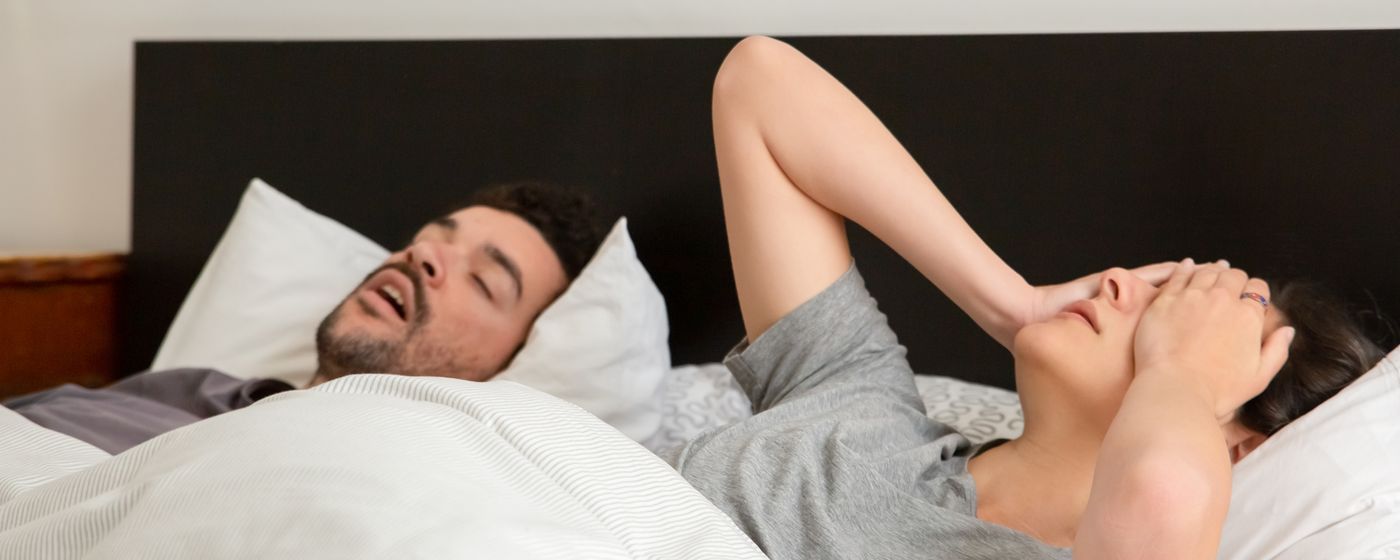
The person next to you usually notices first. Johns Hopkins Medicine lists snoring broken by quiet pauses, then a loud sound as breathing starts again.
There is a middle option. Mayo Clinic describes a split night study, where the first half of the night measures and the second half starts CPAP if apnea is confirmed.
Ask which test you are booked for and why that one. A home test that reads clear while your symptoms carry on is a conversation, not an answer.
A home sleep apnea test monitors a limited number of variables to detect breathing pauses during sleep.
Mayo Clinic
Keep the five options with you
Your free one page plan turns this article into three steps: what to write down, which test to ask about, and the five alternatives to name at the follow up.
Joins the free weekly Ageless Brief. Unsubscribe anytime.
SLEEP APNEA: BEYOND THE CPAP
AGELESS COACH · CHECKED AGAINST NHLBI · MAYO CLINIC · JOHNS HOPKINS
✓ DO THIS
✗ DO NOT
Enter your email to unlock your plan
Your 1-page sleep apnea plan, unlocked right here.
No spam. One short evidence brief each week. Unsubscribe anytime.
Your first Ageless Brief arrives this week: one study, translated, no hype.
3
The fit · Which one suits you
Which option fits which kind of sleep apnea
Severity and anatomy decide most of it.
Johns Hopkins Medicine lists the risk factors that shape the airway (Johns Hopkins Medicine). One is neck size, over 16 inches in women and over 17 inches in men. The rest are nasal congestion, extra weight, a thyroid condition, being past menopause, smoking and family history.
An oral device is fitted, not ordered. Mayo Clinic describes types that bring the lower jaw forward and types that reposition the tongue.
16 and 17 in
The neck sizes Johns Hopkins Medicine names as a risk factor, over 16 inches in women and over 17 inches in men.
Source: Johns Hopkins Medicine
Mayo Clinic places oral devices with mild to moderate apnea, or with severe apnea when a pressure machine is not tolerated. Surgery usually follows pressure and devices rather than leading.
One device is easy to misread. Mayo Clinic says an awake tongue muscle stimulator is not meant to be used in place of CPAP in moderate or severe obstructive sleep apnea.
✗
What is not true
Three things people get wrong about sleep apnea
Three beliefs about sleep apnea travel further than the evidence behind them.
It is only a snoring problem. Johns Hopkins Medicine lists far more than snoring. Untreated apnea sits beside raised blood pressure, altered insulin and glucose, heart failure, stroke and arrhythmia. It also names accidents caused by falling asleep while driving.
CPAP is the only real treatment. The NHLBI names six treatment groups. Mayo Clinic offers oral appliances for mild to moderate apnea and for people with severe apnea who cannot tolerate a pressure machine.
A home test is the same as a sleep lab. Mayo Clinic says the home test monitors a limited number of variables. The lab study records brain, heart and lung activity, breathing, limb movement and oxygen across the whole night.
📋Your Coach's Recommendations
1
Write down what your bed partner hears
Note the pauses in breathing, the loud sound when breathing restarts, and how often it happens. Johns Hopkins Medicine lists those beside morning headache, daytime sleepiness and waking to urinate several times.
2
Ask which sleep test you are being offered
A lab study and a home test measure different amounts. Ask which one you are booked for, what it records, and what the next step is if it reads clear while your symptoms carry on.
3
Bring the five alternatives to the follow up
If a pressure machine is not working, ask about the other groups by name: a different pressure mode, a fitted oral device, mouth and face exercises, a weight loss medicine, and surgery.
This article is education, not medical advice. Sleep apnea is diagnosed and treated by a healthcare professional (Mayo Clinic). Johns Hopkins Medicine names accidents caused by falling asleep while driving or operating machinery among the consequences of untreated obstructive sleep apnea, so if that is happening to you, stop driving and call your provider today.
Frequently Asked Questions
How do I know if I should be tested?
Johns Hopkins Medicine lists snoring broken by quiet pauses, snoring that restarts with a loud sound, morning headache, falling asleep during the day, waking several times to urinate, irritability and trouble remembering things. If several of those fit you, ask your provider about a sleep test.
Can I just buy a mouthguard online?
Mayo Clinic describes oral appliances as devices that hold the lower jaw forward or reposition the tongue, fitted for your mouth. Jaw position is the working part, so this is a provider and dental job rather than a shelf purchase.
Is a home sleep test good enough?
It depends what your provider is looking for. Mayo Clinic says a home test monitors a limited number of variables, while the lab study records brain, heart and lung activity, breathing, limb movement and oxygen. Ask which one you are getting and why.
What happens if I leave it alone?
Johns Hopkins Medicine lists raised blood pressure, unstable oxygen levels, changes in mood and thinking, heart failure, stroke and arrhythmia among the consequences of untreated obstructive sleep apnea, along with accident risk from falling asleep.
Does losing weight actually help?
The NHLBI lists a healthy weight among the lifestyle changes it names as treatment, and Mayo Clinic lists weight loss surgery and a weight loss medicine among the options. Mayo also names about 150 minutes of aerobic exercise a week in its self care advice.
I am past menopause. Does that matter?
Johns Hopkins Medicine lists being postmenopause among the risk factors for obstructive sleep apnea, alongside a large neck, extra weight, nasal congestion, thyroid conditions, smoking and family history.
<style>:root{--dark-base:#0D1B2A;--dark-mid:#1B3A4B;--teal:#0EA5A0;--teal-dark:#0C8C88;--teal-bright:#14D4CD;--fog:#D8E8E8;--deep-fog:#C8DCDC;--fog-border:#A8C4C4;--ink:#313743;--ink-soft:#49505f;--muted:#6b7280;--warm:#9A6841;--warm-light:#be7b4c;--serif:"Source Serif 4",Georgia,serif;--sans:Inter,-apple-system,BlinkMacSystemFont,"Segoe UI",sans-serif}.acv-root .acv-dek{font:500 19px/1.55 var(--sans);color:var(--ink-soft);margin:0 0 14px}.acv-root .acv-dek b{color:var(--teal-dark)}.acv-root .acv-meta{font:600 13px/1.6 var(--sans);color:var(--muted);margin:14px 0 0;text-align:center}.acv-root .acv-meta .acv-chk{color:var(--teal-dark)}.acv-root .acv-glance{background:linear-gradient(180deg,#F0F7F7,#fff);border:1.5px solid var(--fog-border);border-radius:14px;padding:22px 24px;margin:24px 0 0}.acv-root .acv-glance .acv-gt{font:800 12px/1 var(--sans);letter-spacing:2.5px;text-transform:uppercase;color:var(--teal-dark);margin-bottom:14px}.acv-root .acv-glance .acv-item{font:500 15.5px/1.55 var(--sans);color:var(--ink-soft);padding:0 0 10px 26px;position:relative}.acv-root .acv-glance .acv-item:before{content:"";position:absolute;left:2px;top:7px;width:8px;height:8px;border-radius:50%;background:var(--teal)}.acv-root .acv-glance .acv-item b{color:var(--ink)}.acv-root .acv-glance .acv-s{color:var(--muted);font-size:12.5px}.acv-root .acv-body{margin-top:30px}.acv-root .acv-body p{font-size:20.5px;line-height:1.75;margin:0 0 24px;color:var(--ink-soft)}.acv-root .acv-body p strong{color:var(--ink)}.acv-root .acv-body a{color:var(--teal-dark);font-weight:700;text-decoration:underline;text-decoration-color:rgba(14,165,160,.4);text-underline-offset:3px}.acv-root .acv-dropcap:first-letter{font-family:var(--serif);font-size:64px;font-weight:800;color:var(--dark-mid);float:left;line-height:.9;padding:6px 10px 0 0}.acv-root mark{background:linear-gradient(180deg,transparent 55%,rgba(20,212,205,.35) 55%);color:inherit;padding:0 2px}.acv-root .acv-band{margin:56px 0 24px;padding:26px 22px 12px;background:linear-gradient(180deg,#F0F7F7,#fff);border-radius:16px}.acv-root .acv-band.acv-hype{background:linear-gradient(180deg,#FAF3EB,#fff)}.acv-root .acv-band .acv-inner{display:flex;gap:18px;align-items:center}.acv-root .acv-band .acv-big{font:900 64px/1 var(--sans);color:var(--deep-fog);flex-shrink:0}.acv-root .acv-band.acv-hype .acv-big{color:#EAD9C6}.acv-root .acv-band .acv-q{font:700 13px/1.4 var(--sans);letter-spacing:2px;text-transform:uppercase;color:var(--teal-dark);margin-bottom:6px}.acv-root .acv-band.acv-hype .acv-q{color:var(--warm)}.acv-root .acv-band h3{font-family:var(--serif);font-size:31px;line-height:1.2;font-weight:800;color:var(--ink);margin:0}.acv-root .acv-billboard{background:var(--dark-mid);border-radius:18px;color:#fff;padding:30px 28px;margin:32px 0;text-align:center}.acv-root .acv-billboard .acv-n{font:900 34px/1.2 var(--sans);color:var(--teal-bright);margin-bottom:8px}.acv-root .acv-billboard .acv-d{font:500 16px/1.55 var(--sans);color:#D4E5E5;max-width:480px;margin:0 auto}.acv-root .acv-billboard .acv-c{font:600 12px/1 var(--sans);letter-spacing:1.5px;text-transform:uppercase;color:#8FB3B3;margin-top:12px}.acv-root figure{margin:32px 0}.acv-root figure img{width:100%;border-radius:16px;display:block}.acv-root figcaption{font:600 13.5px/1.5 var(--sans);color:var(--muted);margin:10px 0 0;text-align:center}.acv-root .acv-pullquote{margin:34px 0;text-align:center;padding:0 10px}.acv-root .acv-pullquote p{font-family:var(--serif);font-size:27px;line-height:1.4;color:var(--dark-mid);font-weight:700;margin:0 0 10px}.acv-root .acv-pullquote .acv-who{font:700 12px/1 var(--sans);letter-spacing:2px;text-transform:uppercase;color:var(--warm)}.acv-root .acv-plan{background:linear-gradient(135deg,#fffcf4 0%,#fff8ed 100%);border-left:5px solid var(--teal-dark);border-radius:14px;padding:30px 26px 24px;margin:40px 0 0;box-shadow:0 2px 12px rgba(0,0,0,.06)}.acv-root .acv-plan .acv-ptitle{display:flex;align-items:center;gap:12px;font-family:var(--serif);font-size:26px;font-weight:800;color:var(--ink);margin-bottom:24px}.acv-root .acv-plan .acv-ptitle .acv-ico{font-size:24px;color:var(--teal-dark)}.acv-root .acv-plan .step{display:flex;gap:16px;margin-bottom:20px;align-items:flex-start}.acv-root .acv-plan .acv-n{min-width:38px;width:38px;height:38px;background:var(--teal-dark);border-radius:50%;color:#fff;font:800 17px/38px var(--sans);text-align:center;flex-shrink:0}.acv-root .acv-plan .sh{font:800 16.5px/1.4 var(--sans);color:var(--ink);margin-bottom:3px}.acv-root .acv-plan .sd{font:400 15px/1.6 var(--sans);color:var(--muted)}.acv-root .acv-plan .acv-pdiv{height:1px;background:#E4DECE;margin:26px 0 22px}.acv-root .acv-calbar{display:flex;align-items:center;justify-content:center;gap:12px;width:100%;background:linear-gradient(90deg,var(--teal-dark),var(--teal));color:#fff;border:none;border-radius:12px;padding:17px 20px;font:700 16px/1.3 var(--sans);cursor:pointer;position:relative;box-shadow:0 4px 14px rgba(12,140,136,.25)}.acv-root .acv-calbar i{font-family:var(--serif);font-style:italic;font-weight:600}.acv-root .acv-calbar .acv-qm{position:absolute;right:14px;top:50%;transform:translateY(-50%);width:26px;height:26px;border-radius:50%;background:rgba(255,255,255,.22);font:700 14px/26px var(--sans);text-align:center}.acv-root .acv-opsrow{display:grid;grid-template-columns:repeat(4,1fr);gap:12px;margin-top:14px}@media(max-width:640px){.acv-root .acv-opsrow{grid-template-columns:1fr 1fr}}.acv-root .acv-opsrow button{display:flex;align-items:center;justify-content:center;gap:8px;background:#fff;border:1.5px solid var(--teal);color:var(--teal-dark);border-radius:50px;padding:13px 10px;font:700 14px/1 var(--sans);cursor:pointer;transition:background .15s}.acv-root .acv-opsrow button:hover{background:#F0FAFA}.acv-root .acv-capture{background:linear-gradient(135deg,var(--dark-base),var(--dark-mid));border-radius:18px;padding:32px 30px;margin:50px 0 56px;color:#fff;position:relative;overflow:hidden;box-shadow:0 16px 40px rgba(13,27,42,.25)}.acv-root .acv-cap-grid{display:grid;grid-template-columns:1fr 200px;gap:26px;align-items:center}@media(max-width:600px){.acv-root .acv-cap-grid{grid-template-columns:1fr}.acv-root .acv-chartcard{display:none}}.acv-root .acv-capture h4{font-family:var(--serif);font-size:26px;font-weight:800;margin:0 0 8px}.acv-root .acv-capture .acv-sub{font:500 15.5px/1.55 var(--sans);color:#C9DDDD;margin:0 0 18px}.acv-root .acv-chartcard{background:#fff;border-radius:8px;padding:14px 13px 12px;box-shadow:0 12px 32px rgba(0,0,0,.38);transform:rotate(2deg)}.acv-root .acv-chartcard .acv-ch-mast{font-family:var(--serif);font-weight:800;font-size:11px;color:var(--dark-base);letter-spacing:.4px;border-bottom:3px solid var(--dark-base);padding-bottom:5px}.acv-root .acv-chartcard .acv-ch-sub{font:800 5.5px/1.4 var(--sans);color:var(--muted);letter-spacing:.8px;margin:4px 0 8px}.acv-root .acv-chartcard .acv-ch-cols{display:grid;grid-template-columns:1fr 1fr;gap:8px}.acv-root .acv-chartcard .acv-ch-h{font:900 7.5px/1 var(--sans);letter-spacing:1px;border-radius:3px;padding:4px 5px;margin-bottom:5px;color:#fff}.acv-root .acv-chartcard .acv-ch-h.acv-ok{background:#2E7D5B}.acv-root .acv-chartcard .acv-ch-h.acv-no{background:#B4533A}.acv-root .acv-chartcard .acv-ch-row{height:9px;border-radius:2px;margin:4px 0}.acv-root .acv-chartcard .acv-ch-row.acv-ok{background:#E3F0E9}.acv-root .acv-chartcard .acv-ch-row.acv-no{background:#F6E7E1}.acv-root .acv-chartcard .acv-ch-row.acv-short{width:70%}.acv-root .acv-chartcard .acv-ch-band{height:16px;border-radius:3px;background:var(--fog);margin-top:9px}.acv-root .cap-state{display:none}.acv-root .acv-capture[data-state="trigger"] .st-trigger{display:block}.acv-root .acv-capture[data-state="form"] .st-form{display:block}.acv-root .acv-capture[data-state="sent"] .st-sent{display:block}.acv-root .acv-bigbtn{display:inline-flex;align-items:center;gap:10px;background:var(--teal-bright);color:var(--dark-base);border:none;border-radius:50px;padding:16px 28px;font:800 15.5px/1 var(--sans);cursor:pointer;box-shadow:0 6px 20px rgba(20,212,205,.35)}.acv-root .acv-fine{font:500 12px/1.5 var(--sans);color:#7FA3A3;margin-top:12px}.acv-root .capform{display:flex;gap:10px;max-width:440px}@media(max-width:520px){.acv-root .capform{flex-direction:column}}.acv-root .capform input{flex:1;border:none;border-radius:50px;padding:14px 20px;font:500 15px/1 var(--sans)}.acv-root .capform button{background:var(--teal-bright);color:var(--dark-base);border:none;border-radius:50px;padding:14px 24px;font:800 14px/1 var(--sans);cursor:pointer}.acv-root .acv-sent-check{width:52px;height:52px;border-radius:50%;background:var(--teal-bright);color:var(--dark-base);font:800 26px/52px var(--sans);margin-bottom:12px}.acv-root .dl{display:inline-block;margin-top:6px;color:var(--teal-bright);font:700 15px/1 var(--sans);text-decoration:underline;text-underline-offset:3px;cursor:pointer}.acv-root .acv-sig{margin-top:36px}.acv-root .acv-sig .acv-toyour{font-family:var(--serif);font-size:17px;font-style:italic;color:#777;margin:0 0 8px;padding-left:38px}.acv-root .acv-sig .acv-row{display:flex;align-items:center;gap:10px}.acv-root .acv-sig .acv-glyph{width:30px;height:30px;flex-shrink:0}.acv-root .acv-sig .acv-name{font-family:var(--serif);font-size:24px;font-weight:700;margin:0;color:var(--ink)}.acv-root .acv-sig .acv-tag{font:700 11px/1 var(--sans);color:var(--warm-light);letter-spacing:2.5px;text-transform:uppercase;margin:6px 0 0 40px}.acv-root .acv-trust{margin-top:30px;padding-top:22px;border-top:1px solid #e5e7eb;text-align:center}.acv-root .acv-trust .acv-t{font:700 13px/1 var(--sans);color:var(--muted);letter-spacing:2px;text-transform:uppercase;margin-bottom:16px}.acv-root .acv-trust a{display:inline-block;background:#fff;border:1.5px solid var(--warm);color:var(--warm);padding:8px 20px;border-radius:20px;font:600 14px/1 var(--sans);text-decoration:none;margin:0 4px 8px}.acv-root .acv-body p.acv-disclaimer{font-family:var(--serif);font-size:16px;font-style:italic;color:#999;margin:24px 0 0;line-height:1.5;text-align:center}.acv-root .acv-faq{margin-top:40px;border-top:1px solid #e5e7eb;padding-top:30px}.acv-root .acv-faq h2{font-family:var(--serif);font-size:23px;font-weight:800;margin:0 0 18px}.acv-root .acv-faq details{border:1px solid #e5e7eb;border-radius:10px;margin-bottom:10px;overflow:hidden}.acv-root .acv-faq summary{padding:15px 18px;font:700 16px/1.4 var(--sans);cursor:pointer;list-style:none;display:flex;justify-content:space-between;gap:12px;align-items:center}.acv-root .acv-faq summary:after{content:"\25BE";color:var(--warm)}.acv-root .acv-faq .acv-a{padding:0 18px 16px;font-size:17px;line-height:1.65;color:#555}.acv-root .acv-secondary{margin-top:26px;background:#fff;border:1.5px dashed var(--fog-border);border-radius:12px;padding:18px 20px;text-align:center;font:500 15px/1.6 var(--sans);color:var(--ink-soft)}.acv-root .acv-secondary a{color:var(--teal-dark);font-weight:700}.acv-root .acv-body ol.acv-signlist{list-style:none;margin:0 0 24px;padding:0;counter-reset:sgn}.acv-root .acv-body ol.acv-signlist li{position:relative;padding:0 0 15px 48px;font-size:19px;line-height:1.6;color:var(--ink-soft);counter-increment:sgn}.acv-root .acv-body ol.acv-signlist li:before{content:counter(sgn);position:absolute;left:0;top:1px;width:32px;height:32px;border-radius:50%;background:var(--teal-dark);color:#fff;font:800 15px/32px var(--sans);text-align:center}.acv-root .acv-body ol.acv-signlist li b{color:var(--ink)}.acv-root .acv-opsrow{grid-template-columns:repeat(3,1fr)}@media(max-width:640px){.acv-root .acv-opsrow{grid-template-columns:1fr 1fr}}</style><div class="acv-root"><p class="acv-dek">A CPAP machine is the best known treatment for sleep apnea, and it is one of six. Here are the other five, and how the home test works.</p><p class="acv-meta">Ageless Coach Editorial Team · September 26, 2026</p><div class="acv-glance"><div class="acv-gt">In 30 Seconds</div><div class="acv-item"><b>Most people with it do not know.</b> Johns Hopkins Medicine says 9 in 10 people who have obstructive sleep apnea do not know that they have it. <span class="acv-s">Johns Hopkins Medicine</span></div><div class="acv-item"><b>CPAP is one option of six.</b> The National Heart, Lung, and Blood Institute lists six treatment groups, including oral devices, muscle exercises, medicine and surgery. <span class="acv-s">NHLBI</span></div><div class="acv-item"><b>The home test measures less.</b> Mayo Clinic says a home test monitors a limited number of variables, while a lab study records brain, heart and lung activity. <span class="acv-s">Mayo Clinic</span></div></div><div class="acv-body"><p class="acv-dropcap">Sleep apnea is treated in more than one way. A CPAP machine is the best known option. It is not the only one, and five other treatments sit beside it.</p><p>The airway narrows or closes during sleep and breathing stops for a moment. Each pause pulls you out of deep sleep and drops your oxygen. Every treatment works by holding that airway open.</p><p>Below are the five treatments that are not a CPAP machine. You will also see what the home test measures, what it leaves out, and which option suits which kind of apnea. None of this replaces a diagnosis.</p><div class="acv-band"><div class="acv-inner"><div class="acv-big">1</div><div><div class="acv-q">The list · Beyond the machine</div><h3>Five sleep apnea treatments that are not a CPAP</h3></div></div></div><p>Treatment is a menu, not one device.</p><p>The National Heart, Lung, and Blood Institute sorts sleep apnea treatment into six groups (<a href="https://www.nhlbi.nih.gov/health/sleep-apnea/treatment" target="_blank" rel="noopener">NHLBI, 2025</a>). One group is positive airway pressure. The other five are below.</p><ol class="acv-signlist"><li><b>A different pressure machine.</b> CPAP holds one constant pressure all night. APAP adjusts itself as your airway changes. BPAP gives one pressure when you breathe in and a different one when you breathe out. Same idea, different feel.</li><li><b>A fitted oral device.</b> One kind holds the lower jaw forward. Another holds the tongue forward. Mayo Clinic puts these with mild to moderate apnea, or with severe apnea when a pressure machine cannot be tolerated.</li><li><b>Mouth and facial muscle exercises.</b> The NHLBI lists orofacial therapy. These are exercises for the muscles of the mouth and face. It names them as an effective treatment for some adults and children.</li><li><b>A weight loss medicine.</b> The FDA has approved an injected weight loss medicine for moderate to severe sleep apnea in people with obesity. It is used alongside activity and healthy eating, not instead of them.</li><li><b>Surgery, including a nerve stimulator.</b> Options include removing tissue at the back of the mouth, moving the jaw forward, tonsil removal and weight loss surgery. One more is an implant that stimulates the nerve controlling the tongue.</li></ol><div class="acv-billboard"><div class="acv-n">9 in 10</div><div class="acv-d">People with obstructive sleep apnea who do not know they have it, which is why the rest of the symptom list matters as much as the snoring.</div><div class="acv-c">Source: Johns Hopkins Medicine</div></div><p>All five sit on the same base. The NHLBI puts healthy lifestyle changes first. That means regular activity, a healthy weight, less alcohol and caffeine, and quitting smoking. It also means sleeping on your side rather than flat on your back.</p><div class="acv-band"><div class="acv-inner"><div class="acv-big">2</div><div><div class="acv-q">The test · What it sees</div><h3>What the home test measures and what it leaves out</h3></div></div></div><p>Two tests are in use and they are not the same test.</p><p>Mayo Clinic says a lab sleep study records a great deal (<a href="https://www.mayoclinic.org/diseases-conditions/obstructive-sleep-apnea/diagnosis-treatment/drc-20352095" target="_blank" rel="noopener">Mayo Clinic, 2025</a>). It follows heart, lung and brain activity, breathing patterns, limb movements and oxygen levels. A home test monitors a limited number of variables instead.</p><figure><img src="https://images.pexels.com/photos/7556636/pexels-photo-7556636.jpeg?auto=compress&cs=tinysrgb&w=1400&h=560&fit=crop" alt="A man asleep on his back while the woman beside him covers both ears with her hands"><figcaption>The person next to you usually notices first. Johns Hopkins Medicine lists snoring broken by quiet pauses, then a loud sound as breathing starts again.</figcaption></figure><p>There is a middle option. Mayo Clinic describes a split night study, where the first half of the night measures and the second half starts CPAP if apnea is confirmed.</p><p>Ask which test you are booked for and why that one. A home test that reads clear while your symptoms carry on is a conversation, not an answer.</p><div class="acv-pullquote"><p>A home sleep apnea test monitors a limited number of variables to detect breathing pauses during sleep.</p><div class="acv-who">Mayo Clinic</div></div><div class="acv-capture ac-capture" data-state="trigger" id="cap" data-article-slug="sleep-apnea-treatment-5-options-beyond-cpap-and-how-the-home-test-works" data-pdf-url="https://cdn.prod.website-files.com/69be1026a027224999b7936b/6ab7c12c4234702c30689bf5_sleep-apnea-plan.pdf" data-plan-title="The Sleep Apnea Plan" data-plan-desc="The five treatments that are not a CPAP machine, the question to ask about your sleep test, and what to bring to the follow up. Checked against NHLBI, Mayo Clinic and Johns Hopkins Medicine."><div class="st-trigger cap-state"><div class="acv-cap-grid"><div><h4>Keep the five options with you</h4><p class="acv-sub">Your free one page plan turns this article into three steps: what to write down, which test to ask about, and the five alternatives to name at the follow up.</p><button class="acv-bigbtn" type="button" data-cap="form">📄 Print My Plan (Free PDF)</button><div class="acv-fine">Joins the free weekly Ageless Brief. Unsubscribe anytime.</div></div><div class="acv-chartcard" aria-hidden="true"><div class="acv-ch-mast">SLEEP APNEA: BEYOND THE CPAP</div><div class="acv-ch-sub">AGELESS COACH · CHECKED AGAINST NHLBI · MAYO CLINIC · JOHNS HOPKINS</div><div class="acv-ch-cols"><div class="acv-ch-col"><div class="acv-ch-h acv-ok">✓ DO THIS</div><div class="acv-ch-row acv-ok"></div><div class="acv-ch-row acv-ok acv-short"></div><div class="acv-ch-row acv-ok"></div><div class="acv-ch-row acv-ok acv-short"></div></div><div class="acv-ch-col"><div class="acv-ch-h acv-no">✗ DO NOT</div><div class="acv-ch-row acv-no"></div><div class="acv-ch-row acv-no acv-short"></div><div class="acv-ch-row acv-no"></div><div class="acv-ch-row acv-no acv-short"></div></div></div><div class="acv-ch-band"></div></div></div></div><div class="st-form cap-state"><h4>Enter your email to unlock your plan</h4><p class="acv-sub">Your 1-page sleep apnea plan, unlocked right here.</p><form class="capform"><input type="email" name="email" placeholder="Your email address" aria-label="Email address" required><button type="submit">Unlock My Plan (Free)</button></form><div class="acv-fine">No spam. One short evidence brief each week. Unsubscribe anytime.</div></div><div class="st-sent cap-state"><div class="acv-sent-check">✓</div><h4>Your plan is ready</h4><p class="acv-sub">Download or print it below. Save it anywhere.</p><a class="dl" href="https://cdn.prod.website-files.com/69be1026a027224999b7936b/6ab7c12c4234702c30689bf5_sleep-apnea-plan.pdf" download>⬇ Download your plan (PDF)</a><div class="acv-fine">Your first Ageless Brief arrives this week: one study, translated, no hype.</div></div></div><div class="acv-band"><div class="acv-inner"><div class="acv-big">3</div><div><div class="acv-q">The fit · Which one suits you</div><h3>Which option fits which kind of sleep apnea</h3></div></div></div><p>Severity and anatomy decide most of it.</p><p>Johns Hopkins Medicine lists the risk factors that shape the airway (<a href="https://www.hopkinsmedicine.org/health/conditions-and-diseases/obstructive-sleep-apnea" target="_blank" rel="noopener">Johns Hopkins Medicine</a>). One is neck size, over 16 inches in women and over 17 inches in men. The rest are nasal congestion, extra weight, a thyroid condition, being past menopause, smoking and family history.</p><figure><img src="https://images.pexels.com/photos/10896129/pexels-photo-10896129.jpeg?auto=compress&cs=tinysrgb&w=1400&h=560&fit=crop" alt="A gloved hand holding a clear moulded dental appliance"><figcaption>An oral device is fitted, not ordered. Mayo Clinic describes types that bring the lower jaw forward and types that reposition the tongue.</figcaption></figure><div class="acv-billboard"><div class="acv-n">16 and 17 in</div><div class="acv-d">The neck sizes Johns Hopkins Medicine names as a risk factor, over 16 inches in women and over 17 inches in men.</div><div class="acv-c">Source: Johns Hopkins Medicine</div></div><p>Mayo Clinic places oral devices with mild to moderate apnea, or with severe apnea when a pressure machine is not tolerated. Surgery usually follows pressure and devices rather than leading.</p><p>One device is easy to misread. Mayo Clinic says an awake tongue muscle stimulator is not meant to be used in place of CPAP in moderate or severe obstructive sleep apnea.</p><div class="acv-band acv-hype"><div class="acv-inner"><div class="acv-big">✗</div><div><div class="acv-q">What is not true</div><h3>Three things people get wrong about sleep apnea</h3></div></div></div><p>Three beliefs about sleep apnea travel further than the evidence behind them.</p><p><strong>It is only a snoring problem.</strong> Johns Hopkins Medicine lists far more than snoring. Untreated apnea sits beside raised blood pressure, altered insulin and glucose, heart failure, stroke and arrhythmia. It also names accidents caused by falling asleep while driving.</p><p><strong>CPAP is the only real treatment.</strong> The NHLBI names six treatment groups. Mayo Clinic offers oral appliances for mild to moderate apnea and for people with severe apnea who cannot tolerate a pressure machine.</p><p><strong>A home test is the same as a sleep lab.</strong> Mayo Clinic says the home test monitors a limited number of variables. The lab study records brain, heart and lung activity, breathing, limb movement and oxygen across the whole night.</p><div class="acv-plan ac-plan" id="coach-recommendations"><div class="acv-ptitle"><span class="acv-ico">📋</span>Your Coach's Recommendations</div><div class="step"><div class="acv-n">1</div><div><div class="sh">Write down what your bed partner hears</div><div class="sd">Note the pauses in breathing, the loud sound when breathing restarts, and how often it happens. Johns Hopkins Medicine lists those beside morning headache, daytime sleepiness and waking to urinate several times.</div></div></div><div class="step"><div class="acv-n">2</div><div><div class="sh">Ask which sleep test you are being offered</div><div class="sd">A lab study and a home test measure different amounts. Ask which one you are booked for, what it records, and what the next step is if it reads clear while your symptoms carry on.</div></div></div><div class="step"><div class="acv-n">3</div><div><div class="sh">Bring the five alternatives to the follow up</div><div class="sd">If a pressure machine is not working, ask about the other groups by name: a different pressure mode, a fitted oral device, mouth and face exercises, a weight loss medicine, and surgery.</div></div></div><div class="acv-pdiv"></div><button class="acv-calbar" type="button" data-ac-cal>📅 Add <i>Your Coach's Recommendations</i> to Your Calendar <span class="acv-qm">?</span></button><div class="acv-opsrow"><button type="button" data-ac-share>⇮ Share</button><button type="button" data-ac-savepdf>📄 Save PDF</button><button type="button" data-ac-print>🖨 Print</button></div></div><div class="acv-sig"><p class="acv-toyour">To your health,</p><div class="acv-row"><svg class="acv-glyph" viewBox="0 0 40 40" aria-hidden="true"><circle cx="20" cy="20" r="18" fill="none" stroke="#0D1B2A" stroke-width="3"/><path d="M13 28 L20 11 L27 28 M16 22 H24" fill="none" stroke="#0D1B2A" stroke-width="3" stroke-linecap="round" stroke-linejoin="round"/></svg><p class="acv-name">Ageless Coach</p></div><p class="acv-tag">Age Strong. Live Long.</p></div><div class="acv-trust"><div class="acv-t">Trusted Sources Behind This Article</div><a href="https://www.nhlbi.nih.gov/health/sleep-apnea/treatment" target="_blank" rel="noopener">National Heart, Lung, and Blood Institute</a><a href="https://www.mayoclinic.org/diseases-conditions/obstructive-sleep-apnea/diagnosis-treatment/drc-20352095" target="_blank" rel="noopener">Mayo Clinic</a><a href="https://www.hopkinsmedicine.org/health/conditions-and-diseases/obstructive-sleep-apnea" target="_blank" rel="noopener">Johns Hopkins Medicine</a></div><p class="acv-disclaimer">This article is education, not medical advice. Sleep apnea is diagnosed and treated by a healthcare professional (Mayo Clinic). Johns Hopkins Medicine names accidents caused by falling asleep while driving or operating machinery among the consequences of untreated obstructive sleep apnea, so if that is happening to you, stop driving and call your provider today.</p><div class="acv-faq"><h2>Frequently Asked Questions</h2><details><summary>How do I know if I should be tested?</summary><div class="acv-a">Johns Hopkins Medicine lists snoring broken by quiet pauses, snoring that restarts with a loud sound, morning headache, falling asleep during the day, waking several times to urinate, irritability and trouble remembering things. If several of those fit you, ask your provider about a sleep test.</div></details><details><summary>Can I just buy a mouthguard online?</summary><div class="acv-a">Mayo Clinic describes oral appliances as devices that hold the lower jaw forward or reposition the tongue, fitted for your mouth. Jaw position is the working part, so this is a provider and dental job rather than a shelf purchase.</div></details><details><summary>Is a home sleep test good enough?</summary><div class="acv-a">It depends what your provider is looking for. Mayo Clinic says a home test monitors a limited number of variables, while the lab study records brain, heart and lung activity, breathing, limb movement and oxygen. Ask which one you are getting and why.</div></details><details><summary>What happens if I leave it alone?</summary><div class="acv-a">Johns Hopkins Medicine lists raised blood pressure, unstable oxygen levels, changes in mood and thinking, heart failure, stroke and arrhythmia among the consequences of untreated obstructive sleep apnea, along with accident risk from falling asleep.</div></details><details><summary>Does losing weight actually help?</summary><div class="acv-a">The NHLBI lists a healthy weight among the lifestyle changes it names as treatment, and Mayo Clinic lists weight loss surgery and a weight loss medicine among the options. Mayo also names about 150 minutes of aerobic exercise a week in its self care advice.</div></details><details><summary>I am past menopause. Does that matter?</summary><div class="acv-a">Johns Hopkins Medicine lists being postmenopause among the risk factors for obstructive sleep apnea, alongside a large neck, extra weight, nasal congestion, thyroid conditions, smoking and family history.</div></details></div><div class="acv-secondary">Wondering where you stand overall? <a href="/#assessment">Take the free 5-minute Healthspan Snapshot</a> and see your strongest and weakest of six dimensions.</div></div></div>
Subscribe to the Free Newsletter
One article a week. Trusted research made simple. Start making smarter health decisions today.