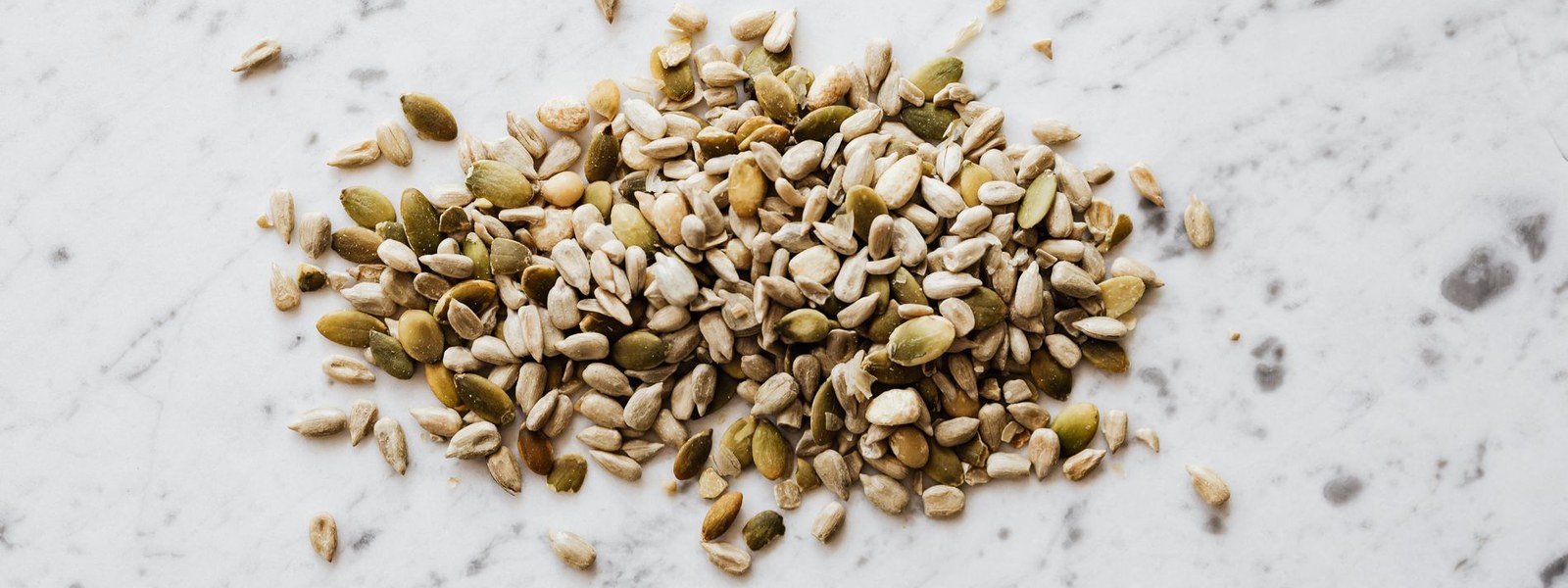
<style>
.ac-int-r{--dark-base:#0D1B2A;--dark-mid:#1B3A4B;--teal:#0EA5A0;--teal-dark:#0C8C88;--teal-bright:#14D4CD;--fog:#D8E8E8;--deep-fog:#C8DCDC;--fog-border:#A8C4C4;--ink:#313743;--ink-soft:#49505f;--muted:#6b7280;--warm:#9A6841;--serif:"Source Serif 4",Georgia,serif;--sans:Inter,-apple-system,"Segoe UI",sans-serif}
.ac-int-r *{box-sizing:border-box}
.ac-int-r .wrap{max-width:760px;margin:0 auto;padding:26px 20px 60px}
.ac-int-r p{font-size:19.5px;line-height:1.7;color:var(--ink-soft);margin:0 0 22px}
.ac-int-r p strong{color:var(--ink)}
.ac-int-r p a{color:var(--teal-dark);font-weight:700;text-decoration:underline;text-decoration-color:rgba(14,165,160,.4);text-underline-offset:3px}
.ac-int-r .ac-answer{background:#fff;border:1px solid #D4E4E4;border-top:5px solid var(--teal);border-radius:16px;padding:22px 24px 18px;margin:20px 0 30px;box-shadow:0 6px 22px rgba(13,27,42,.07)}
.ac-int-r .ac-answer .eb{font:800 12px/1 var(--sans);letter-spacing:2.5px;text-transform:uppercase;color:var(--teal-dark);margin-bottom:8px}
.ac-int-r .ac-answer h2{font-family:var(--serif);font-size:24px;line-height:1.2;font-weight:800;color:var(--dark-base);margin:0 0 14px}
.ac-int-r .ac-answer ol{list-style:none;margin:0;padding:0}
.ac-int-r .ac-answer li{display:flex;gap:12px;align-items:baseline;padding:11px 0;border-bottom:1px solid #EDF3F3;font:600 16px/1.45 var(--sans);color:var(--ink)}
.ac-int-r .ac-answer li:last-child{border-bottom:none}
.ac-int-r .ac-answer .n{flex-shrink:0;width:24px;height:24px;border-radius:50%;background:var(--teal-dark);color:#fff;font:800 12px/24px var(--sans);text-align:center}
.ac-int-r .ac-answer .k{color:var(--teal-dark);font-weight:800}
.ac-int-r .ac-answer .cue{margin-top:16px;text-align:center}
.ac-int-r .ac-answer .cta{display:inline-flex;align-items:center;gap:9px;background:var(--teal-dark);color:#fff;font:800 14px/1 var(--sans);padding:13px 24px;border-radius:50px;text-decoration:none;box-shadow:0 6px 16px rgba(12,140,136,.28)}
.ac-int-r .ac-answer .arw{animation:acnudge 1.4s ease-in-out infinite}
@keyframes acnudge{0%,100%{transform:translateY(0)}50%{transform:translateY(3px)}}
.ac-int-r .band{margin:48px 0 20px;padding:22px 24px 10px;background:linear-gradient(180deg,#F0F7F7,#fff);border-radius:16px}
.ac-int-r .band .inner{display:flex;gap:18px;align-items:center}
.ac-int-r .band .big{font:900 60px/1 var(--sans);color:#C8DCDC;flex-shrink:0}
.ac-int-r .band .q{font:700 12.5px/1.4 var(--sans);letter-spacing:2px;text-transform:uppercase;color:var(--teal-dark)}
.ac-int-r .band h3{font-family:var(--serif);font-size:27px;line-height:1.2;font-weight:800;color:var(--ink);margin:0}
.ac-int-r .callout{border-left:4px solid var(--teal);background:#F4FAFA;border-radius:0 12px 12px 0;padding:18px 22px;margin:26px 0}
.ac-int-r .callout .n{font:800 18px/1.35 var(--sans);color:var(--dark-mid);margin-bottom:6px}
.ac-int-r .callout .d{font:500 15px/1.55 var(--sans);color:var(--ink-soft)}
.ac-int-r .callout .c{font:600 11px/1 var(--sans);letter-spacing:1.5px;text-transform:uppercase;color:var(--muted);margin-top:10px}
.ac-int-r .ac-midcap{background:linear-gradient(180deg,#F0F7F7,#fff);border:1.5px solid var(--fog-border);border-radius:16px;padding:22px;margin:30px 0;text-align:center}
.ac-int-r .ac-midcap h4{font-family:var(--serif);font-size:20px;font-weight:800;color:var(--ink);margin:0 0 5px}
.ac-int-r .ac-midcap .sub{font:500 14px/1.55 var(--sans);color:var(--ink-soft);max-width:420px;margin:0 auto 14px}
.ac-int-r .ac-midcap .mcform{display:flex;gap:8px;max-width:400px;margin:0 auto}
.ac-int-r .ac-midcap .mcform input{flex:1;border:1.5px solid var(--fog-border);border-radius:50px;padding:12px 16px;font:500 14px/1 var(--sans);min-width:0}
.ac-int-r .ac-midcap .mcform button{background:var(--teal-dark);color:#fff;border:none;border-radius:50px;padding:12px 18px;font:800 13px/1 var(--sans);cursor:pointer;white-space:nowrap}
.ac-int-r .ac-midcap .fine{font:500 11.5px/1.5 var(--sans);color:var(--muted);margin-top:10px}
@media(max-width:520px){.ac-int-r .ac-midcap .mcform{flex-direction:column}}
.ac-int-r .ac-capture{background:linear-gradient(180deg,#F0F7F7,#fff);border:1.5px solid var(--fog-border);border-radius:16px;padding:30px 28px;margin:26px 0 44px;text-align:center}
.ac-int-r .ac-capture .cap-state{display:none}
.ac-int-r .ac-capture[data-state="trigger"] .st-trigger{display:block}
.ac-int-r .ac-capture[data-state="form"] .st-form{display:block}
.ac-int-r .ac-capture[data-state="sent"] .st-sent{display:block}
.ac-int-r .ac-capture h4{font-family:var(--serif);font-size:24px;font-weight:800;color:var(--ink);margin:0 0 8px}
.ac-int-r .ac-capture .sub{font:500 15px/1.55 var(--sans);color:var(--ink-soft);margin:0 auto 18px;max-width:430px}
.ac-int-r .ac-capture .bigbtn{display:inline-flex;align-items:center;gap:10px;background:var(--teal-dark);color:#fff;border:none;border-radius:50px;padding:16px 30px;font:800 16px/1 var(--sans);cursor:pointer;box-shadow:0 6px 18px rgba(12,140,136,.28)}
.ac-int-r .ac-capture .capform{display:flex;gap:10px;max-width:430px;margin:0 auto}
.ac-int-r .ac-capture .capform input{flex:1;border:1.5px solid var(--fog-border);border-radius:50px;padding:14px 20px;font:500 15px/1 var(--sans)}
.ac-int-r .ac-capture .capform button{background:var(--teal-dark);color:#fff;border:none;border-radius:50px;padding:14px 24px;font:800 14px/1 var(--sans);cursor:pointer}
.ac-int-r .ac-capture .sent-check{width:52px;height:52px;border-radius:50%;background:var(--teal);color:#fff;font:800 26px/52px var(--sans);margin:0 auto 12px}
.ac-int-r .ac-capture .dl{display:inline-block;margin-top:6px;color:var(--teal-dark);font:700 15px/1 var(--sans);text-decoration:underline;cursor:pointer}
.ac-int-r .ac-capture .fine{font:500 12px/1.5 var(--sans);color:var(--muted);margin-top:12px}
@media(max-width:520px){.ac-int-r .ac-capture .capform{flex-direction:column}}
.ac-int-r .forms{border:1.5px solid var(--fog-border);border-radius:16px;overflow:hidden;margin:26px 0 10px}
.ac-int-r .forms .h{background:var(--dark-base);color:#fff;padding:14px 20px;font:800 13px/1.3 var(--sans);letter-spacing:1.4px;text-transform:uppercase}
.ac-int-r .forms table{width:100%;border-collapse:collapse}
.ac-int-r .forms th,.ac-int-r .forms td{padding:12px 13px;font:500 13.5px/1.45 var(--sans);color:var(--ink-soft);border-bottom:1px solid #E9F1F1;text-align:left;vertical-align:top}
.ac-int-r .forms th{font-weight:800;color:var(--dark-mid);background:#F4FAFA;font-size:12.5px}
.ac-int-r .forms td.win{background:#E9F7F6;font-weight:700;color:var(--dark-mid)}
.ac-int-r .forms td.pick{font-weight:800;color:var(--dark-mid);background:#E9F7F6;padding:12px 13px}
.ac-int-r .forms .pick:before{content:"OUR PICK";display:block;width:max-content;background:var(--teal-bright);color:var(--dark-base);font:800 10px/1 var(--sans);letter-spacing:1.2px;padding:4px 9px;border-radius:20px;margin-bottom:7px}
.ac-int-r .forms tr.rec td{background:#E9F7F6}
.ac-int-r .forms tr:last-child td{border-bottom:none}
.ac-int-r .legend{font:500 12.5px/1.5 var(--sans);color:var(--muted);margin:8px 2px 0}
@media(max-width:600px){
.ac-int-r .forms table,.ac-int-r .forms tbody,.ac-int-r .forms tr,.ac-int-r .forms td{display:block;width:100%;box-sizing:border-box}
.ac-int-r .forms tr:first-child{display:none}
.ac-int-r .forms tr{padding:10px 0 13px;border-bottom:6px solid #F4FAFA}
.ac-int-r .forms tr:last-child{border-bottom:none}
.ac-int-r .forms td{border-bottom:none;padding:5px 18px;font-size:14.5px;line-height:1.5}
.ac-int-r .forms td:first-child{padding-top:13px;padding-bottom:6px}
.ac-int-r .forms td[data-l]:before{content:attr(data-l);display:block;font:800 10.5px/1.4 var(--sans);letter-spacing:.8px;text-transform:uppercase;color:var(--muted);margin-bottom:1px}
.ac-int-r .forms tr.rec{background:#E9F7F6;border-left:4px solid var(--teal-dark)}
.ac-int-r .forms td.pick{padding:13px 18px 6px}
.ac-int-r .forms td.win{background:transparent}
}
.ac-int-r .pick{position:relative;background:linear-gradient(170deg,var(--dark-base),var(--dark-mid));border-radius:20px;padding:30px 28px 24px;margin:16px 0 14px;color:#E8F0F0;box-shadow:0 16px 44px rgba(13,27,42,.30);scroll-margin-top:90px}
.ac-int-r .pick .rib{position:absolute;top:-13px;left:26px;background:var(--teal-bright);color:var(--dark-base);font:800 11.5px/1 var(--sans);letter-spacing:2px;text-transform:uppercase;padding:8px 15px;border-radius:20px}
.ac-int-r .pick .se{font:800 12px/1 var(--sans);letter-spacing:2.5px;text-transform:uppercase;color:var(--teal-bright);margin:6px 0 10px}
.ac-int-r .pick h2{font-family:var(--serif);font-size:27px;line-height:1.18;font-weight:800;color:#fff;margin:0 0 6px}
.ac-int-r .pick .why{font:600 15.5px/1.55 var(--sans);color:#CFE4E3;margin:0 0 16px}
.ac-int-r .pick ul{margin:0 0 18px;padding:0;list-style:none}
.ac-int-r .pick li{font:600 15px/1.5 var(--sans);color:#DCEBEA;padding:0 0 10px 26px;position:relative}
.ac-int-r .pick li:before{content:"\2713";position:absolute;left:0;color:var(--teal-bright);font-weight:900}
.ac-int-r .buy{display:inline-flex;align-items:center;justify-content:center;gap:9px;background:var(--teal-bright);color:var(--dark-base);font:800 16px/1 var(--sans);padding:15px 30px;border-radius:50px;text-decoration:none;box-shadow:0 8px 22px rgba(20,212,205,.32)}
.ac-int-r .buy.lite{background:var(--teal-dark);color:#fff}
.ac-int-r .pending{display:block;color:rgba(216,232,232,.55);font:500 11.5px/1.5 var(--sans);margin:8px 0 0;letter-spacing:.01em}
.ac-int-r .pending.dk{color:#4E6B6B}
.ac-int-r .pick .ftc{font:500 12px/1.6 var(--sans);color:rgba(216,232,232,.62);margin:14px 0 0}
.ac-int-r .pick .ftc a{color:rgba(216,232,232,.82)}
.ac-int-r .screen{display:grid;grid-template-columns:repeat(2,1fr);gap:12px;margin:20px 0}
.ac-int-r .screen .cell{background:linear-gradient(180deg,#F0F7F7,#fff);border:1px solid var(--fog-border);border-radius:12px;padding:15px 16px}
.ac-int-r .screen .cell .t{font:800 11px/1 var(--sans);letter-spacing:1.2px;text-transform:uppercase;color:var(--teal-dark);margin-bottom:7px;display:flex;align-items:center;gap:7px}
.ac-int-r .screen .cell .t svg{width:14px;height:14px}
.ac-int-r .screen .cell .d{font:500 13.5px/1.5 var(--sans);color:var(--ink-soft)}
.ac-int-r .rate{display:flex;align-items:center;gap:12px;background:#F4FAFA;border:1px solid var(--fog-border);border-radius:12px;padding:13px 18px;margin:14px 0 0}
.ac-int-r .rate .st{font:800 15px/1 var(--sans);color:var(--warm);letter-spacing:1px}
.ac-int-r .rate .tx{font:600 13.5px/1.45 var(--sans);color:var(--ink-soft)}
.ac-int-r .rate .tx b{color:var(--ink)}
.ac-int-r .objs{margin:14px 0 0}
.ac-int-r .objs details{border:1px solid #e5e7eb;border-radius:10px;margin-bottom:10px}
.ac-int-r .objs summary{padding:15px 18px;font:700 16px/1.4 var(--sans);color:var(--ink);cursor:pointer;display:flex;justify-content:space-between;gap:12px;list-style:none}
.ac-int-r .objs summary::-webkit-details-marker{display:none}
.ac-int-r .objs summary:after{content:"\25BE";color:var(--teal-dark)}
.ac-int-r .objs .a{padding:0 18px 16px;font-size:16px;line-height:1.62;color:#555}
.ac-int-r .plan{background:linear-gradient(135deg,#F4FAFA,#fff);border-left:5px solid var(--teal-dark);border-radius:14px;padding:28px 26px;margin:40px 0 0;box-shadow:0 2px 12px rgba(0,0,0,.06);scroll-margin-top:90px}
.ac-int-r .plan .pt{font-family:var(--serif);font-size:23px;font-weight:800;color:var(--ink);margin-bottom:20px}
.ac-int-r .plan .step{display:flex;gap:15px;margin-bottom:16px;align-items:flex-start}
.ac-int-r .plan .step .n{min-width:36px;width:36px;height:36px;background:var(--teal-dark);border-radius:50%;color:#fff;font:800 16px/36px var(--sans);text-align:center;flex-shrink:0}
.ac-int-r .plan .sh{font:800 16px/1.4 var(--sans);color:var(--ink);margin-bottom:3px}
.ac-int-r .plan .sd{font:400 15px/1.6 var(--sans);color:var(--muted)}
.ac-int-r .plan .rr{border-top:1px solid #D8E8E8;margin-top:14px;padding-top:16px;font:500 13.5px/1.6 var(--sans);color:var(--ink-soft);text-align:center}
.ac-int-r .plan .rr b{color:var(--dark-mid)}
.ac-int-r .plan .midcta{margin-top:16px;text-align:center}
.ac-int-r .capline{border-top:1px solid #E2ECEC;margin-top:40px;padding:22px 10px 0;text-align:center;font:500 15px/1.6 var(--sans);color:#3A5555}
.ac-int-r .faq{margin-top:38px;border-top:1px solid #e5e7eb;padding-top:28px}
.ac-int-r .faq h2{font-family:var(--serif);font-size:23px;font-weight:800;color:var(--ink);margin:0 0 16px}
.ac-int-r .faq details{border:1px solid #e5e7eb;border-radius:10px;margin-bottom:10px}
.ac-int-r .faq summary{padding:15px 18px;font:700 16px/1.4 var(--sans);color:var(--ink);cursor:pointer;display:flex;justify-content:space-between;gap:12px;list-style:none}
.ac-int-r .faq summary::-webkit-details-marker{display:none}
.ac-int-r .faq summary:after{content:"\25BE";color:var(--teal-dark)}
.ac-int-r .faq .a{padding:0 18px 16px;font-size:16px;line-height:1.62;color:#555}
.ac-int-r .ac-sig{margin-top:36px}
.ac-int-r .ac-sig .rule{width:60px;height:2px;background:linear-gradient(90deg,var(--teal-dark),var(--teal-bright));margin-bottom:18px;border-radius:2px}
.ac-int-r .ac-sig .toyour{font-family:var(--serif);font-size:16px;font-style:italic;color:#777;margin:0 0 10px;padding-left:2px}
.ac-int-r .meta{font:500 12.5px/1.6 var(--sans);color:#98a0a6;text-align:center;margin:22px 0 0}
.ac-int-r .sticky{position:fixed;left:0;right:0;bottom:0;z-index:950;background:rgba(13,27,42,.97);padding:11px 16px;display:flex;gap:14px;align-items:center;justify-content:center}
.ac-int-r .sticky .t{font:700 14px/1.3 var(--sans);color:#D8E8E8}
.ac-int-r .sticky .buy{padding:11px 22px;font-size:14px}
@media(max-width:560px){.ac-int-r .sticky .t{display:none}.ac-int-r .screen{grid-template-columns:1fr}.ac-int-r .band .big{font-size:46px}}
.ac-int-r .disc{max-width:760px;margin:0 auto;padding:20px 20px 30px;text-align:center;font:500 12.5px/1.6 var(--sans);color:#8a9298}
.ac-int-r .ac-proofstrip{display:flex;flex-wrap:wrap;gap:10px;margin:2px 0 26px}
.ac-int-r .ac-proofstrip .pf{display:inline-flex;align-items:center;gap:7px;background:#F4FAFA;border:1px solid var(--fog-border);border-radius:30px;padding:8px 15px;font:700 12.5px/1 var(--sans);color:var(--dark-mid)}
.ac-int-r .ac-proofstrip .pf svg{width:13px;height:13px;stroke:var(--teal-dark)}
.ac-int-r .ac-answer .cue2{margin-top:18px;display:flex;gap:12px;justify-content:center;flex-wrap:wrap}
.ac-int-r .ac-answer .cta{flex:1;min-width:230px;display:inline-flex;align-items:center;justify-content:center;gap:9px;background:var(--teal-dark);color:#fff;font:800 14px/1.25 var(--sans);padding:14px 20px;border-radius:50px;text-decoration:none;box-shadow:0 6px 16px rgba(12,140,136,.28);text-align:center}
.ac-int-r .ac-answer .cta.momentous{background:var(--teal-bright);color:var(--dark-base);box-shadow:0 6px 18px rgba(20,212,205,.32)}
.ac-int-r .ac-answer .arw{animation:acnudge 1.4s ease-in-out infinite;display:inline-block}
.ac-int-r .ac-answer .ctafine{margin-top:10px;text-align:center;font:500 11.5px/1.5 var(--sans);color:var(--muted)}
@keyframes acnudge{0%,100%{transform:translateY(0)}50%{transform:translateY(3px)}}
@media(max-width:560px){.ac-int-r .ac-answer .cue2{flex-direction:column}.ac-int-r .ac-answer .cta{min-width:0}}
.tfig{margin:26px 0}.tfig img{width:100%;height:auto;aspect-ratio:8/3;object-fit:cover;border-radius:12px;display:block}.tfig figcaption{font:500 12px/1.5 var(--sans);color:var(--muted);margin-top:8px}.perday{margin:12px 0 0;font:700 15px/1.5 var(--sans);color:#0C8C88}.perday b{font-size:19px}</style><div class="ac-int-r"><div class="wrap"><p>The cheapest magnesium on the shelf is magnesium oxide, and <a href="https://medlineplus.gov/druginfo/meds/a601074.html" target="_blank" rel="noopener">MedlinePlus</a> lists that same compound as a laxative and antacid. That is not a scandal. It is a clue. A compound that stays in the gut and pulls water in behind it is, by definition, a compound your body did not absorb.</p><p>The <a href="https://ods.od.nih.gov/factsheets/Magnesium-HealthProfessional/" target="_blank" rel="noopener">NIH Office of Dietary Supplements</a> says it plainly: forms of magnesium that dissolve well in liquid are more completely absorbed in the gut than forms that dissolve poorly, and it groups oxide and sulfate at the poorly absorbed end. So the milligram number on the front of the bottle is not the number that reaches you.</p><div class="ac-proofstrip"><span class="pf">NIH Office of Dietary Supplements absorption data</span><span class="pf">Cleveland Clinic form guidance</span><span class="pf">Every claim linked to its source</span></div><div class="ac-answer"><div class="eb">The Short Answer</div><h2>Why the second word on the label decides what you actually absorb</h2><ol><li><span class="n">1</span><span><span class="k">Solubility drives absorption</span> · <a href="https://ods.od.nih.gov/factsheets/Magnesium-HealthProfessional/" target="_blank" rel="noopener">NIH ODS</a> states that well dissolving forms are more completely absorbed, and names citrate, lactate, aspartate and chloride as better absorbed than oxide and sulfate.</span></li><li><span class="n">2</span><span><span class="k">The cheap form has a second job</span> · <a href="https://medlineplus.gov/druginfo/meds/a601074.html" target="_blank" rel="noopener">MedlinePlus</a> lists magnesium oxide as a laxative and antacid as well as a supplement. Loose stools are the usual sign that the dose went straight through.</span></li><li><span class="n">3</span><span><span class="k">There is a ceiling, and it is low</span> · <a href="https://ods.od.nih.gov/factsheets/Magnesium-Consumer/" target="_blank" rel="noopener">NIH ODS</a> puts the upper limit for magnesium from supplements at 350 mg a day for adults. Magnesium from food is not counted toward it and does not need to be.</span></li></ol><div class="cue2"><a class="cta" href="#coach-recommendations">Get Your Coach's Form Plan<span class="arw">↓</span></a><a class="cta momentous" href="https://www.livemomentous.com/products/magnesium-malate?dc=AgelessCoach&mct=pwqwZOO1&utm_source=agelesscoach&utm_medium=intent-article&utm_content=tmpl-R-shortanswer" data-affiliate="momentous" data-template="R" data-code="AgelessCoach" rel="noopener sponsored">See What We Recommend →</a></div><div class="ctafine">We earn a commission if you buy through that link, at no extra cost to you. It never changes what we recommend.</div><div class="disc">This article is education, not medical advice. Supplemental magnesium interacts with several antibiotics, with bisphosphonates and with some diuretics, and anyone with reduced kidney function should not take it without medical supervision. If you are on prescription medicine, check the timing gap with your pharmacist before you start.</div></div><div class="band"><div class="inner"><div class="big">1</div><h3>One mineral, half a dozen outfits</h3></div><p>Magnesium never arrives on its own. It is always bound to something, and that partner decides how readily the pair dissolves and crosses the gut wall. <a href="https://ods.od.nih.gov/factsheets/Magnesium-HealthProfessional/" target="_blank" rel="noopener">NIH ODS</a> divides the field neatly: the organic and chloride salts dissolve well and absorb better, while oxide and sulfate sit at the other end.</p><p>Oxide wins on one metric only. It packs more elemental magnesium per pill than any other form, so a manufacturer can print a big number cheaply. That is why it dominates the bargain shelf, and why the number on the front is the least useful thing on the bottle.</p><div class="callout"><div class="n">Free first</div><div class="d">Before buying anything, add up what you already take. Multivitamins, electrolyte powders and stress formulas all carry magnesium, and the 350 mg supplement ceiling counts them together. Plenty of people are already at the limit without knowing it.</div><div class="c"></div></div></div><div class="band"><div class="inner"><div class="big">2</div><h3>Food is not part of the ceiling</h3></div><p><a href="https://medlineplus.gov/ency/article/002423.htm" target="_blank" rel="noopener">MedlinePlus</a> lists dark leafy greens, seeds, nuts, beans, whole grains and soy as the main dietary sources, and notes magnesium is involved in more than 300 reactions in the body. Recommended intake for adults runs to about 420 mg a day, counting everything you eat.</p><p>The <a href="https://ods.od.nih.gov/factsheets/Magnesium-Consumer/" target="_blank" rel="noopener">350 mg cap applies only to supplements</a>, because pills deliver a large load to the gut in one go in a way that a handful of pumpkin seeds does not. Eat first, then supplement the gap rather than the whole requirement.</p><div class="callout"><div class="n">Honest limit</div><div class="d">Most people are not dramatically deficient, they are mildly short and inconsistent. A quarter cup of pumpkin seeds carries roughly as much magnesium as a typical capsule, and it costs less.</div><div class="c"></div></div></div><figure class="tfig"><img src="https://cdn.prod.website-files.com/69be1026a027224999b7936b/6a715931e028c32f5b07f4e4_ac-magnesium-seeds-fig.jpg" alt="A pile of pumpkin and sunflower seeds on a white marble surface" width="1600" height="600" loading="lazy" decoding="async"><figcaption>A quarter cup of these carries about as much magnesium as a typical capsule, and none of it counts toward the supplement ceiling.</figcaption></figure><div class="band"><div class="inner"><div class="big">3</div><h3>Match the form to the hour, not to the marketing</h3></div><p>The better absorbed forms are not interchangeable. <a href="https://health.clevelandclinic.org/magnesium" target="_blank" rel="noopener">Cleveland Clinic</a> points people toward glycinate for general daily and bedtime use and toward citrate when constipation is the actual goal, and <a href="https://mcpress.mayoclinic.org/nutrition-fitness/types-of-magnesium-supplements-best-use-and-benefits-for-your-health/" target="_blank" rel="noopener">Mayo Clinic Press</a> makes the same split by intended use.</p><p>Malate is the daytime member of that family. It pairs magnesium with malic acid, a compound that sits inside the pathway your cells use to make energy, which is why it is usually taken in the morning rather than at bedtime. If your only goal is sleep, buy a glycinate instead and we will not be offended.</p><div class="callout"><div class="n">What to check</div><div class="d">The second word after magnesium. The elemental milligrams per serving, not per bottle. How many capsules make a serving. And a named third party certifier on the label rather than a house promise.</div><div class="c"></div></div></div><figure class="tfig"><img src="https://cdn.prod.website-files.com/69be1026a027224999b7936b/6a7159fa5e08986900bdaae2_ac-magnesium-label-fig2.jpg" alt="Hands tipping capsules from a supplement bottle into an open palm with the supplement facts panel visible" width="1600" height="600" loading="lazy" decoding="async"><figcaption>The whole decision is one word long, and it is printed after the word magnesium.</figcaption></figure><div class="forms"><div class="h">The three things worth comparing on a magnesium label</div><table><tr><td class="pick"><b>What you are looking at</b></td><td class="win"><b>How well it dissolves</b></td><td class="win"><b>What it is best at</b></td><td class="win"><b>What it costs you</b></td></tr><tr class="rec"><td class="pick">An organic acid form such as malate or glycinate</td><td class="win">Dissolves well, which is the condition absorption depends on</td><td class="win">Malate for daytime use, glycinate for evenings</td><td class="win">More per bottle, far more per milligram absorbed</td></tr><tr><td class="pick">Magnesium citrate</td><td class="win">Dissolves well and is named by NIH as better absorbed</td><td class="win">Genuinely useful when constipation is the goal</td><td class="win">Cheap and widely available</td></tr><tr><td class="pick">Magnesium oxide</td><td class="win">Poorly soluble and grouped by NIH at the low absorption end</td><td class="win">Sold as an antacid and a laxative as well as a supplement</td><td class="win">Cheapest per printed milligram, dearest per milligram kept</td></tr></table><p class="legend">Why solubility and not the printed milligrams: <a href="https://ods.od.nih.gov/factsheets/Magnesium-HealthProfessional/" target="_blank" rel="noopener">NIH ODS</a> states that forms dissolving well in liquid are more completely absorbed, and <a href="https://my.clevelandclinic.org/health/drugs/19796-magnesium-salts-capsules-or-tablets" target="_blank" rel="noopener">Cleveland Clinic</a> sets out how magnesium salts differ in use and tolerance. The big number on the front tells you what went in your mouth, not what crossed the gut wall.</p></div><div class="pick" id="coach-recommendations"><div class="rib">★ Coach's Pick</div><div class="se">The one we would buy if the goal is daytime magnesium you actually absorb</div><h2>Momentous Magnesium Malate</h2><div class="why">It is on the right side of the solubility line and it is honest about which job it is for. Magnesium bound to malic acid, 220 mg of elemental magnesium per two capsule serving, which sits comfortably under the 350 mg supplement ceiling with room for whatever else you take. If sleep is your only goal, buy a glycinate instead.</div><ul><li>An organic acid form rather than the poorly soluble oxide NIH groups at the low end</li><li>220 mg of elemental magnesium per serving, printed rather than implied</li><li>Under the 350 mg supplement ceiling with room for a multivitamin alongside</li><li>NSF Certified for Sport, a named independent certifier rather than a house claim</li></ul><p class="perday">Cost of the habit: <b>about 60 cents a day</b> on a two capsule daily serving, using the price listed on the vendor page when this article was built and the capsule count printed on the retail listing. Price as of August 4, 2026.</p><a class="buy" href="https://www.livemomentous.com/products/magnesium-malate?dc=AgelessCoach&mct=pwqwZOO1&utm_source=agelesscoach&utm_medium=intent-article&utm_content=tmpl-R" data-affiliate="momentous" data-template="R" data-code="AgelessCoach" rel="noopener sponsored">Check Current Price at Momentous →</a><p class="ftc">We may earn a commission if you buy through this link, at no additional cost to you. We only recommend products we would use ourselves, and a commission never changes what we recommend or what the evidence says.</p></div><div class="screen"><div class="cell"><div class="t">Named form</div><div class="d">Malate, not just the word magnesium</div></div><div class="cell"><div class="t">Elemental stated</div><div class="d">220 mg per serving printed</div></div><div class="cell"><div class="t">Under the cap</div><div class="d">Leaves room below the 350 mg ceiling</div></div><div class="cell"><div class="t">Batch tested</div><div class="d">A named independent certifier</div></div></div><div class="plan"><div class="pt">Your Coach's Magnesium Form Plan</div><div class="step"><div class="n">1</div><div class="sh">Find the second word on the label</div><div class="sd">The word after magnesium is the decision. Oxide and sulfate are the cheap, poorly absorbed end. Citrate, malate, glycinate and threonate are the better absorbed end. If a bottle says only magnesium with no second word, put it back on the shelf.</div></div><div class="step"><div class="n">2</div><div class="sh">Match the form to the hour you take it</div><div class="sd">Malate is the daytime one, paired with a compound your cells use to make energy. Glycinate and threonate are the evening ones most people choose for winding down. Buying the wrong form for your goal is a more common mistake than buying too small a dose.</div></div><div class="step"><div class="n">3</div><div class="sh">Count everything, then fill only the gap</div><div class="sd">Multivitamins, electrolyte drinks and stress formulas all carry magnesium and all count toward the 350 mg supplement ceiling. Food does not. Add up the pills first, eat seeds and greens without counting them, and buy for the difference.</div></div></div><div class="midcta"><a class="buy lite" href="https://www.livemomentous.com/products/magnesium-malate?dc=AgelessCoach&mct=pwqwZOO1&utm_source=agelesscoach&utm_medium=intent-article&utm_content=tmpl-R" data-affiliate="momentous" data-template="R" data-code="AgelessCoach" rel="noopener sponsored">See the Magnesium We Would Buy →</a><div class="rr">An organic acid form, elemental dose printed, independently certified.</div></div><p class="capline">Want the form comparison on one page you can take to the shop?</p><div class="ac-capture" data-state="trigger" data-article-slug="the-cheapest-magnesium-is-sold-as-a-laxative" data-pdf-url="https://cdn.prod.website-files.com/69be1026a027224999b7936b/6a71597412e611ce50eed8e1_ac-magnesium-form-plan.pdf" data-plan-title="The Magnesium Form Plan" data-plan-desc="The absorption ranking, the 350 mg ceiling, and the three label checks before you buy."><div class="st-trigger cap-state"><h4>The Magnesium Form Plan</h4><p class="sub">Which forms absorb, which hour each one suits, the supplement ceiling explained, and the food sources that do not count, on two pages.</p><button class="bigbtn" type="button" data-cap="form">📩 Send Me the Plan (Free)</button><div class="fine">One email. No spam. Unsubscribe anytime.</div></div><div class="st-form cap-state"><h4>Where should we send it?</h4><p class="sub">Your free plan, straight to your inbox.</p><form class="capform"><input type="email" name="email" required placeholder="Your email address" aria-label="Email address"><button type="submit">Send My Plan</button></form><div class="fine">We send the plan and the newsletter. Unsubscribe anytime.</div></div><div class="st-sent cap-state"><div class="sent-check">✓</div><h4>It's on the way</h4><p class="sub">Check your inbox in the next minute. Want it right now?</p><a class="dl" href="https://cdn.prod.website-files.com/69be1026a027224999b7936b/6a71597412e611ce50eed8e1_ac-magnesium-form-plan.pdf" download>⬇ Download your plan (PDF)</a><div class="fine">One email. No spam. Unsubscribe anytime.</div></div></div><div class="faq"><h2>Frequently Asked Questions</h2><details><summary>Is magnesium oxide useless?</summary><div class="a">No, but it is misunderstood. <a href="https://medlineplus.gov/druginfo/meds/a601074.html" target="_blank" rel="noopener">MedlinePlus</a> lists it as an antacid and laxative as well as a supplement, and <a href="https://ods.od.nih.gov/factsheets/Magnesium-HealthProfessional/" target="_blank" rel="noopener">NIH ODS</a> groups it with the poorly absorbed forms. If you want the laxative effect it works. If you want to raise your magnesium status it is the least efficient way to try.</div></details><details><summary>How much magnesium is too much from a supplement?</summary><div class="a"><a href="https://ods.od.nih.gov/factsheets/Magnesium-Consumer/" target="_blank" rel="noopener">NIH ODS</a> sets the upper limit at 350 mg a day from supplements for adults, with diarrhea, nausea and cramping as the first signs of overshooting. That ceiling does not apply to magnesium from food.</div></details><details><summary>Which form is best for sleep?</summary><div class="a">Not malate. <a href="https://health.clevelandclinic.org/magnesium" target="_blank" rel="noopener">Cleveland Clinic</a> points toward glycinate for daily and bedtime use, and <a href="https://mcpress.mayoclinic.org/nutrition-fitness/types-of-magnesium-supplements-best-use-and-benefits-for-your-health/" target="_blank" rel="noopener">Mayo Clinic Press</a> splits the forms the same way. Malate is the daytime member of the family.</div></details><details><summary>Can I get enough from food?</summary><div class="a">Many people can. <a href="https://medlineplus.gov/ency/article/002423.htm" target="_blank" rel="noopener">MedlinePlus</a> names dark leafy greens, seeds, nuts, beans and whole grains as the main sources. Seeds are the densest of them, and a quarter cup carries roughly what a typical capsule does.</div></details><details><summary>Does magnesium interfere with my medicines?</summary><div class="a">It can. <a href="https://my.clevelandclinic.org/health/drugs/19796-magnesium-salts-capsules-or-tablets" target="_blank" rel="noopener">Cleveland Clinic</a> and <a href="https://healthy.kaiserpermanente.org/health-wellness/healtharticle.magnesium-supplements" target="_blank" rel="noopener">Kaiser Permanente</a> both flag interactions with certain antibiotics, bisphosphonates and diuretics, usually managed by separating the doses by a few hours. Ask your pharmacist for the gap that applies to your prescription.</div></details><details><summary>Is the 350 mg ceiling being reconsidered?</summary><div class="a">There is an active argument about it. A <a href="https://www.ncbi.nlm.nih.gov/pmc/articles/PMC10509448/" target="_blank" rel="noopener">published perspective</a> has called for the limit to be re-evaluated, noting that diarrhea rates in trials at higher intakes were not clearly different from control groups. Until the number changes, 350 mg is the figure to plan around.</div></details></div><div class="sources"><h2 style="font-family:var(--serif);font-size:20px;font-weight:800;color:var(--ink);margin:24px 0 10px">Sources</h2><p class="legend" style="line-height:1.7"><a href="https://ods.od.nih.gov/factsheets/Magnesium-HealthProfessional/" target="_blank" rel="noopener">NIH Office of Dietary Supplements, Magnesium (health professional fact sheet): absorption by form, intake reference values and interactions.</a><br><a href="https://ods.od.nih.gov/factsheets/Magnesium-Consumer/" target="_blank" rel="noopener">NIH Office of Dietary Supplements, Magnesium (consumer fact sheet): the 350 mg supplement upper limit and what it covers.</a><br><a href="https://medlineplus.gov/druginfo/meds/a601074.html" target="_blank" rel="noopener">MedlinePlus, Magnesium Oxide: the drug entry covering its use as an antacid and laxative.</a><br><a href="https://medlineplus.gov/ency/article/002423.htm" target="_blank" rel="noopener">MedlinePlus, Magnesium in diet: food sources and the mineral's role in the body.</a><br><a href="https://my.clevelandclinic.org/health/drugs/19796-magnesium-salts-capsules-or-tablets" target="_blank" rel="noopener">Cleveland Clinic, Magnesium salts capsules or tablets: dosing, tolerance and drug interactions.</a><br><a href="https://health.clevelandclinic.org/magnesium" target="_blank" rel="noopener">Cleveland Clinic, Magnesium: benefits, how much you need and which form suits which goal.</a><br><a href="https://newsroom.clevelandclinic.org/2026/02/20/from-stress-to-sleep-the-many-benefits-of-magnesium" target="_blank" rel="noopener">Cleveland Clinic newsroom, From stress to sleep: the many benefits of magnesium.</a><br><a href="https://mcpress.mayoclinic.org/nutrition-fitness/types-of-magnesium-supplements-best-use-and-benefits-for-your-health/" target="_blank" rel="noopener">Mayo Clinic Press, Types of magnesium supplements: best use and benefits.</a><br><a href="https://healthy.kaiserpermanente.org/health-wellness/healtharticle.magnesium-supplements" target="_blank" rel="noopener">Kaiser Permanente, What to know about magnesium supplements.</a><br><a href="https://www.ncbi.nlm.nih.gov/pmc/articles/PMC10509448/" target="_blank" rel="noopener">Perspective: call for re-evaluation of the tolerable upper intake level for magnesium supplementation in adults.</a><br></p></div><div class="ac-sig"><div class="rule"></div><p class="toyour">To your health,</p><svg width="320" height="72" viewBox="0 0 320 72" role="img" aria-label="Ageless Coach. Age Strong. Live Long." xmlns="http://www.w3.org/2000/svg" xmlns:xlink="http://www.w3.org/1999/xlink"><defs><clipPath id="acSigIconClip"><rect x="0" y="6" width="60" height="60" rx="12" ry="12"/></clipPath></defs><image x="0" y="6" width="60" height="60" clip-path="url(#acSigIconClip)" preserveAspectRatio="xMidYMid slice" href="https://cdn.prod.website-files.com/69be1026a027224999b7936b/6a0b22c6afd5d6fd115b9c1a_ac-closing-brand-icon.webp" xlink:href="https://cdn.prod.website-files.com/69be1026a027224999b7936b/6a0b22c6afd5d6fd115b9c1a_ac-closing-brand-icon.webp"/><text x="76" y="42" style="font-family:Inter,system-ui,-apple-system,'Helvetica Neue',Arial,sans-serif;font-size:27px;letter-spacing:-0.3px"><tspan style="font-weight:800;fill:#0D1B2A">Ageless</tspan><tspan style="font-weight:300;fill:rgba(13,27,42,0.6)">Coach</tspan><tspan dy="-12" style="font-size:16px;font-weight:600;fill:rgba(13,27,42,0.6)">™</tspan></text><text x="76" y="60" style="font-family:Inter,system-ui,-apple-system,'Helvetica Neue',Arial,sans-serif;font-size:10.5px;letter-spacing:2.5px;font-weight:500;fill:#0C8C88;text-transform:uppercase">AGE STRONG. LIVE LONG.</text></svg></div><p class="meta">Reviewed against NIH Office of Dietary Supplements, MedlinePlus, Cleveland Clinic and Mayo Clinic guidance. Last reviewed August 2026.</p><p class="meta" style="margin-top:8px">Ageless Coach participates in affiliate programs and may earn a commission on purchases made through links on this page, at no additional cost to you. Commissions never influence which products we recommend or how we describe the evidence. This article is educational and is not a substitute for advice from your own clinician.</p><div class="sticky"><span class="t">The magnesium we would buy: Momentous Magnesium Malate</span><a class="buy" href="https://www.livemomentous.com/products/magnesium-malate?dc=AgelessCoach&mct=pwqwZOO1&utm_source=agelesscoach&utm_medium=intent-article&utm_content=tmpl-R" data-affiliate="momentous" data-template="R" data-code="AgelessCoach" rel="noopener sponsored">Check Price →</a></div></div></div>