
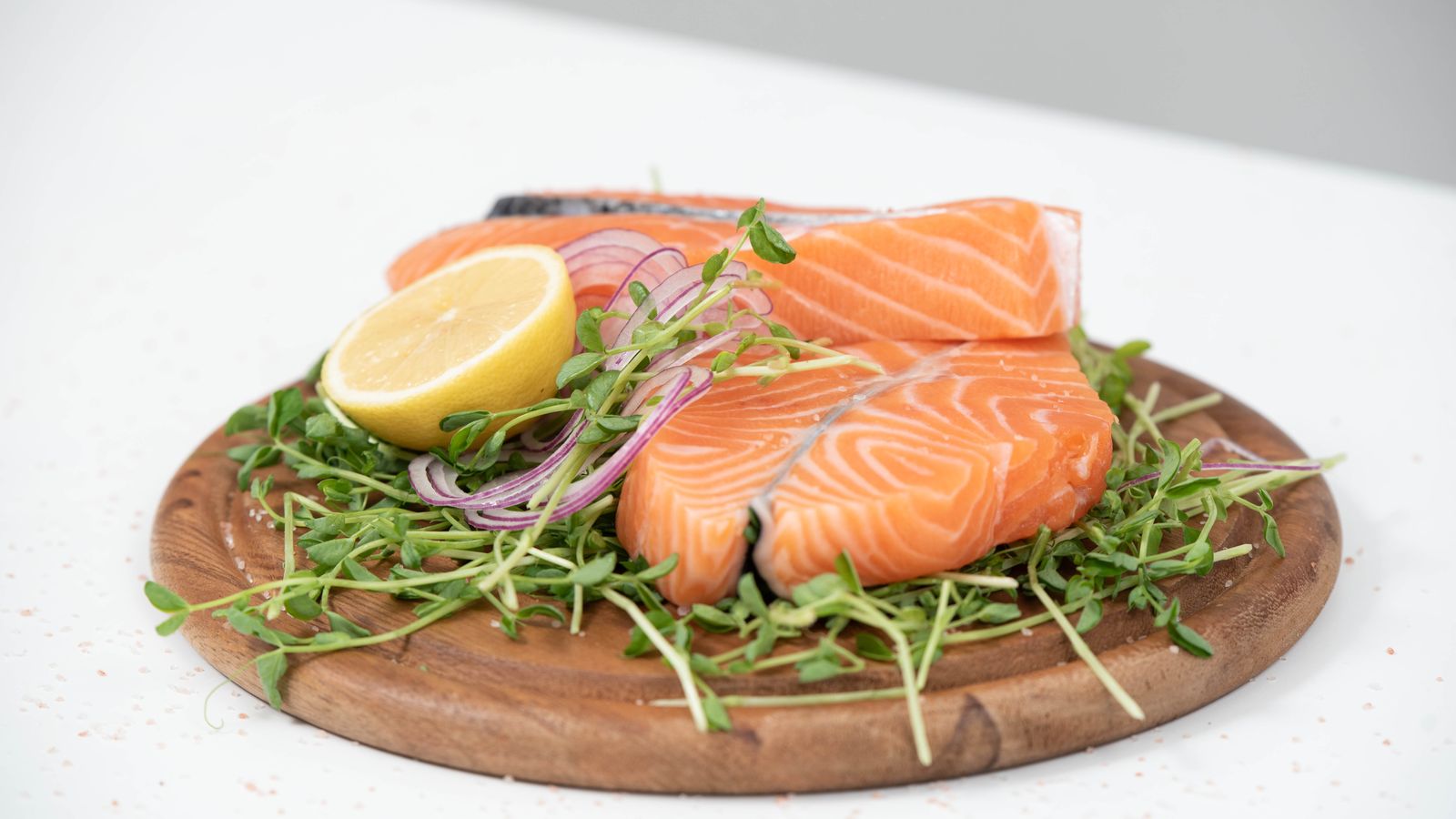
Fatty fish is one of the few foods with real, repeatable anti-inflammatory evidence behind it, thanks to the omega-3 fats it carries. What surprises most people is that eating the fish beats swallowing a fish oil capsule. For lowering inflammation, Harvard is blunt: a diet rich in omega-3s is the better bet.
- 1Omega-3 power · salmon, sardines and mackerel are packed with the EPA and DHA that calm inflammation
- 2Food beats pills · Harvard finds no convincing evidence fish oil capsules lower inflammation
- 3Your body cannot make it · omega-3s are essential fats you can only get from your diet
- 4Two meals a week · a couple of servings of fatty fish is the simple, repeatable target
- 5The whole package · fish delivers protein, vitamins and minerals a capsule leaves out
Walk down any supplement aisle and the fish oil shelf runs for feet. The pitch is simple: omega-3s fight inflammation, so swallow the concentrated version and skip the cooking entirely. It is a tidy story, and it sells a lot of softgels. It is also, for most people, quietly the wrong one.
The omega-3 fats in fish really do help calm inflammation, and chronic inflammation is worth taking seriously. Cleveland Clinic notes it plays a role in nearly every major illness, from heart disease to Alzheimer's. The catch is where those fats do the most good, and it turns out that is not inside a capsule.
A Few Oily Fish Do Most of the Work
The fish worth prioritizing are the oily ones. Salmon, sardines, mackerel, herring, tuna and anchovies carry the highest amounts of the long-chain omega-3s called EPA and DHA, the two fats your body actually uses to turn down inflammation. Leaner white fish is perfectly good food, but it carries far less of what matters here.
These are essential fats, and that is a specific term, not a marketing one. Your body cannot manufacture EPA and DHA on its own, so the only way to get them is to eat them. That single fact reframes fatty fish from a nice-to-have into one of the few genuinely non-negotiable items on an anti-inflammatory plate.
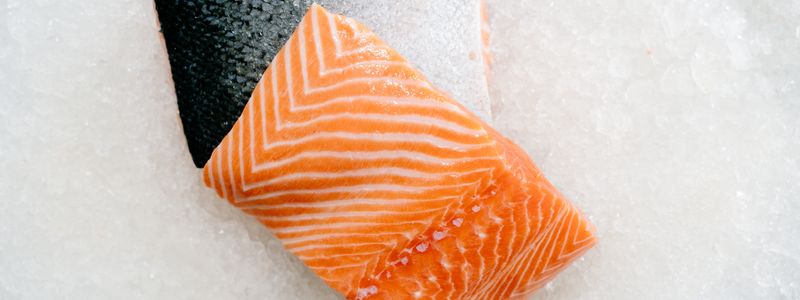
Eating the Fish Beats the Fish Oil Capsule
Here is the twist the supplement aisle would rather you missed. When researchers put fish oil capsules to the test for lowering inflammation, the results have been underwhelming. Harvard's verdict is direct. There is no convincing evidence to recommend fish oil supplements for that job, especially at the high doses the labels suggest.
Whole fish is a different story. The benefit of eating seafood seems to come not from omega-3s alone but from the entire package of fats, vitamins, minerals and supporting compounds working together, which a purified capsule strips away. Harvard's plain advice for most people is to add foods containing omega-3s rather than reach for the bottle.
None of this means fish oil is useless for everyone. People with very high triglycerides are sometimes prescribed a specific, high-dose formulation by a doctor, and that is a real, supervised medical use. For the far larger group simply hoping to calm everyday inflammation, though, dinner does the job better and more reliably than a shelf supplement.
Those Capsules May Not Even Be Intact
There is a second, quieter problem with the pills. Nonprescription fish oils are notoriously prone to spoilage, Harvard warns, because the same delicate omega-3 fats that make them valuable also oxidize easily when exposed to heat and air. An oxidized capsule can quietly lose the very benefit you paid for.
That does not make every capsule worthless, but it does make the bottle a gamble in a way a fillet never is. Fish you buy fresh, frozen or canned carries its omega-3s in a stable, whole form, delivered the way your body evolved to absorb them, alongside the protein and micronutrients that naturally come with it.
Two Servings a Week Is the Whole Target
The good news is the target is small and forgiving. Cleveland Clinic recommends putting omega-3 rich fish on your plate two to three times a week, and a single serving is only about the size of your palm. This is not a diet overhaul or a new identity. It is two dinners you were going to eat anyway. Grill it, bake it, or simply open a can, and the method barely changes the benefit.
Cost is not the barrier people assume, either. A can of sardines, a tin of mackerel or a plain fillet of farmed salmon all deliver the same EPA and DHA as the pricier choices at the counter. The cheapest fatty fish on the shelf is doing the same anti-inflammatory work as the most expensive one. A few tins kept in the pantry turn a fish dinner into a five-minute default rather than a plan.

Fish Is One Move in a Bigger Pattern
No single food carries a diet, and fish is no exception to that rule. Cleveland Clinic frames the anti-inflammatory approach as a whole pattern of eating, built on vegetables, fruit, whole grains, nuts, olive oil and fatty fish, close to the Mediterranean and DASH diets that hold the strongest track record for cooling inflammation.
So treat two fish dinners a week as an anchor, not a cure. Pair them with more plants and fewer ultra-processed foods, and you are doing the thing the research actually supports. You are eating a pattern that quiets inflammation over time, rather than buying a single ingredient sealed inside a bottle. That pattern, not any one pill, is what the strongest studies keep pointing back to.
Take the fatty-fish cheat sheet with you
Your free 2-page guide: which fish carry the most omega-3s, why the fillet beats the capsule, and the two-a-week target that does the work.
Free Lifestyle Assessment
How Healthy Is Your Current Lifestyle?
Answer honestly for five minutes and walk away with your personal scorecard: all six areas of your health rated, the one that needs your attention first, and a 30-day plan built from your answers. It shows up the second you finish.
See How the Assessment Works →Free. About 5 minutes. Your results appear instantly.
?
Keep this plan
Get the 2-page guide: which fish carry the most omega-3s, why the fillet beats the capsule, and the two-a-week target.
Where should we send it?
Your fatty-fish cheat sheet, straight to your inbox.
It is on the way
Check your inbox in the next minute. Your first Ageless Brief arrives this week: one study, translated, no hype.
⬇ Download your plan (PDF)To your health,