Heartburn shows up after dinner and you reach for the obvious reason. It was the spicy dish, or the second helping, or eating too fast. Sometimes that is right. Often the real triggers are quieter foods you would never think to blame.
Acid reflux is not random. Certain foods relax the valve that keeps stomach acid down, or slow digestion so acid has more time to escape upward. Learning which ones do this beats giving up everything you enjoy. Here are the five everyday foods most likely to be quietly setting off your heartburn.
1
Trigger 1 · Fried Foods
The Fried Foods That Keep Acid Flowing Back
At the top of your stomach sits a ring of muscle called the lower esophageal sphincter. Its job is to stay shut so acid cannot wash back up. When it relaxes at the wrong moment, heartburn follows, and it often feels worse when you lie down (Mayo Clinic, 2024).
Fried and fatty foods work against that valve two ways. They linger longer in the stomach, and they slow how fast it empties, so acid sits there with more time and pressure to push upward (Harvard Health, 2024).
This is why a greasy meal can set off heartburn even when nothing on the plate is spicy. The problem is the fat and the pace of digestion, not the heat.
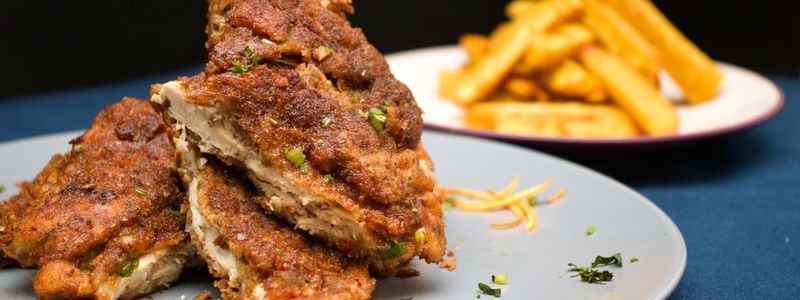
Fried, fatty foods linger in the stomach and give acid more time to travel back up.
2
Trigger 2 · Chocolate
The After-Dinner Treat That Loosens the Valve
Chocolate is the trigger that catches people off guard. It tastes like comfort, but it is one of the foods most likely to relax the lower esophageal sphincter and let acid slip through.
It carries both fat and caffeine, and it contains a compound that eases that valve open. For a lot of people, the nightly square of chocolate is a quiet, direct cause of their heartburn.
If you are over 50, this one matters more. Digestion tends to slow with age, so the same square of chocolate that never bothered you at 30 can start to burn now.
You do not have to give it up forever. Try a smaller amount earlier in the day and see whether your evenings settle down.
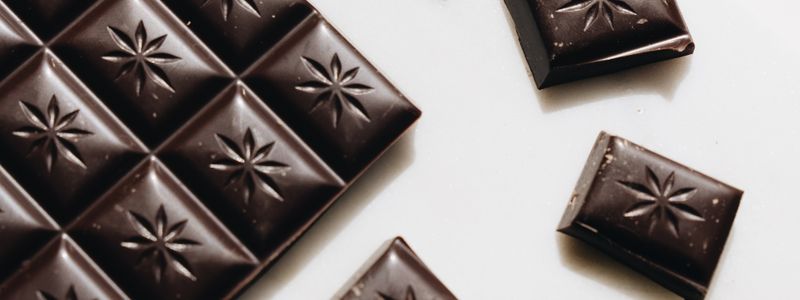
Chocolate carries fat, caffeine, and a compound that relaxes the valve at the top of the stomach.
3
Trigger 3 · Coffee
Your Morning Coffee May Be Feeding the Burn
Coffee is a hard one to hear, because so many mornings depend on it. The caffeine in coffee can relax the same valve, which is why a strong cup on an empty stomach leaves some people burning within the hour.
It is not always the culprit. For some people coffee causes no trouble at all, while for others it is the single biggest trigger they have.
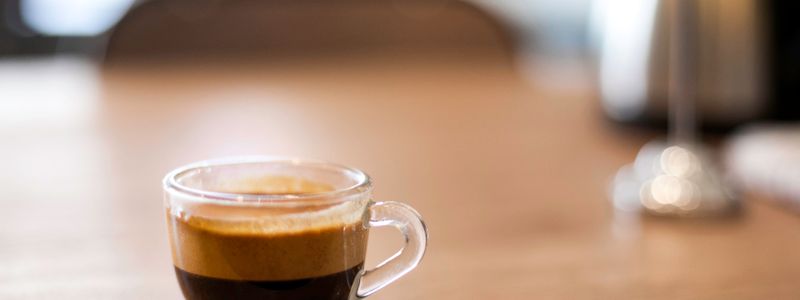
Caffeine can relax the valve that keeps stomach acid where it belongs.
If mornings are your worst time, test it. Try a smaller cup with food, or switch to a lower-acid brew for a week, and watch what happens.
Take the 5 reflux triggers with you
Your free one-page plan: the 5 quiet triggers, the foods that calm the burn, and the timing habits that help nearly everyone.
One email. No spam. Unsubscribe anytime.
4
Trigger 4 · Peppermint
The Soothing Herb That Quietly Backfires
Peppermint is the biggest surprise on the list. It is sold as a settle-your-stomach herb, so most people trust it after a heavy meal.
For reflux, it works the wrong way. Peppermint relaxes the lower esophageal sphincter, the very muscle you need to stay tight, so a peppermint tea or mint after dinner can make the burn worse rather than better.
The same goes for peppermint candies, chewing gum, and mint-flavored teas, which are easy to overlook as a source. If the burn tends to arrive after you reach for a mint, that is your clue.
If you reach for mints or mint tea to soothe an upset stomach, that habit may be feeding the problem. It is worth testing a few evenings without it.
Free Lifestyle Assessment
How Healthy Is Your Current Lifestyle?
Answer honestly for five minutes and walk away with your personal scorecard: all six areas of your health rated, the one that needs your attention first, and a 30-day plan built from your answers. It shows up the second you finish.
Free. About 5 minutes. Your results appear instantly.
5
Trigger 5 · Carbonated Drinks
The Fizzy Drinks That Push Acid Upward
Carbonated drinks cause trouble through simple pressure. All those bubbles expand inside your stomach, and that added pressure helps force acid up past the valve.
Many sodas add caffeine and acid on top of the fizz, stacking three triggers into one glass. Sparkling water is gentler, but the bubbles alone can still be enough for sensitive people.
Swapping the evening soda for still water is one of the simplest changes to test. Give it a week of dinners and see whether the nighttime burn eases.
The good news is that plenty of foods rarely cause trouble. Cleveland Clinic points to lean proteins, vegetables, whole grains, and less acidic fruits like bananas and melons as gentle, dependable choices (Cleveland Clinic, 2024).
The Evidence, At a Glance
✓ Usually safe, lean on these
Lean proteins · chicken, fish, and leaner cuts are less likely to trigger reflux (Cleveland Clinic)
Vegetables and whole grains · high-fiber, low-fat choices that help manage stomach acid (Cleveland Clinic)
Less acidic fruits · bananas, melons, and berries are gentle on the stomach (Cleveland Clinic)
✕ Common triggers, limit these
Fried and fatty foods · linger and slow the stomach, so acid backs up (Harvard Health)
Chocolate, coffee, and peppermint · relax the valve that holds acid down (Harvard Health)
Write down what you eat and when heartburn follows. Reflux triggers are highly individual, and a short diary reveals your specific culprits far better than cutting out every food on a generic list.
2
Watch the Quiet Triggers, Not Just Spice
Fried foods, chocolate, coffee, peppermint, and carbonated drinks trigger reflux by relaxing the valve or adding pressure. They cause symptoms without being spicy, so they are easy to overlook.
3
Fix Your Meal Size and Timing First
Eat smaller meals, slow down, and avoid lying down within about three hours of eating. These timing habits ease reflux for nearly everyone, whatever your food triggers turn out to be.
?
How it works. Just a quiet check-in, not an alert and not a recurring nag. The event lands as a 30-minute slot at 9am two weeks from today, with your plan in the notes and a link back to this article. Works with Apple Calendar, Google Calendar, and Outlook. Yours to move, snooze, or delete whenever.
Keep this reflux plan
Get the one-page plan: the 5 quiet triggers, the foods that calm the burn, and the timing habits that help.
One email. No spam. Unsubscribe anytime.
Where should we send it?
Your one-page reflux plan, straight to your inbox.
We send the plan plus one short evidence brief each week. Unsubscribe anytime.
✓
It's on the way
Check your inbox in the next minute. Want it right now?
Your first Ageless Brief arrives this week: one study, translated, no hype.
To your health,
Frequently Asked Questions
What foods most commonly trigger acid reflux?
Fried and fatty foods, chocolate, coffee, peppermint, and carbonated drinks are common triggers because they relax the valve at the top of the stomach or add pressure. Acidic foods like citrus and tomato can also intensify the burn once reflux starts.
Why does fatty food cause heartburn?
Fatty and fried foods linger longer in the stomach and slow how fast it empties. That leaves more acid sitting there, with more time and pressure to push back up into the esophagus.
Do I have to give up all of these foods?
Usually not. Reflux triggers are highly individual, so blanket elimination is rarely necessary. A two-week food and symptom diary helps you identify your specific triggers and limit only those.
Is peppermint good or bad for acid reflux?
Although peppermint is often thought of as soothing for digestion, it can relax the valve at the top of the stomach and worsen reflux. If you get heartburn, it is worth testing whether peppermint is one of your triggers.
What can I eat if I have acid reflux?
Lean proteins, vegetables, whole grains, and less acidic fruits such as bananas, melons, and berries are usually well tolerated. Building meals around these gives you dependable, low-trigger choices.
When should I see a doctor about acid reflux?
See a doctor if heartburn happens frequently, does not improve with diet and timing changes, or comes with trouble swallowing, unexplained weight loss, or chest pain that needs evaluation.
Curious where you stand? Take the free 5-minute lifestyle assessment and your personal scorecard appears the second you finish.
By the Ageless Coach Editorial Team · Published May 21, 2026 · Last updated July 11, 2026
<style>
:root{--dark-base:#0D1B2A;--dark-mid:#1B3A4B;--teal:#0EA5A0;--teal-dark:#0C8C88;--teal-bright:#14D4CD;--fog:#D8E8E8;--deep-fog:#C8DCDC;--fog-border:#A8C4C4;--ink:#313743;--ink-soft:#49505f;--muted:#6b7280;--warm:#9A6841;--warm-light:#be7b4c;--serif:"Source Serif 4",Georgia,serif;--sans:Inter,-apple-system,BlinkMacSystemFont,"Segoe UI",sans-serif}
.w-richtext p,.w-richtext li,.w-richtext td{font-size:20.5px;line-height:1.7;color:var(--ink-soft)}
.w-richtext ul{list-style-type:disc;padding-left:24px;margin:12px 0}
.w-richtext ul li{margin-bottom:8px}
.w-richtext mark{background:#D6F2F0;padding:0 3px;border-radius:3px}
.ac-answer{background:#fff;border:1px solid #D4E4E4;border-top:5px solid var(--teal);border-radius:16px;padding:22px 24px 18px;margin:16px 0 28px;box-shadow:0 6px 22px rgba(13,27,42,.07)}
.ac-answer .aa-eyebrow{font:800 12px/1 var(--sans);letter-spacing:2.5px;text-transform:uppercase;color:var(--teal-dark);margin-bottom:8px}
.ac-answer .aa-head{font-family:var(--serif);font-size:24px;line-height:1.2;font-weight:800;color:var(--dark-base);margin:0 0 16px}
.ac-answer .aa-list{list-style:none;margin:0;padding:0}
.ac-answer .aa-list li{display:flex;gap:12px;align-items:baseline;padding:11px 0;border-bottom:1px solid #EDF3F3;font:700 16.5px/1.4 var(--sans);color:var(--ink)}
.ac-answer .aa-list li:last-child{border-bottom:none}
.ac-answer .aa-n{flex-shrink:0;width:24px;height:24px;border-radius:50%;background:var(--teal-dark);color:#fff;font:800 12px/24px var(--sans);text-align:center}
.ac-answer .aa-food{color:var(--teal-dark);font-weight:800}
.ac-answer .aa-cue{margin-top:18px;text-align:center}
.ac-answer .aa-cta{display:inline-flex;align-items:center;gap:10px;background:var(--teal-dark);color:#fff;font:800 14px/1 var(--sans);letter-spacing:.2px;padding:14px 26px;border-radius:50px;text-decoration:none;box-shadow:0 6px 16px rgba(12,140,136,.30)}
.ac-answer .aa-cta:hover{background:#0A7A76}
.ac-answer .aa-arw{display:inline-block;animation:aa-nudge 1.4s ease-in-out infinite}
@keyframes aa-nudge{0%,100%{transform:translateY(0)}50%{transform:translateY(4px)}}
@media(max-width:560px){.ac-answer{padding:20px 18px 16px}.ac-answer .aa-head{font-size:21px}.ac-answer .aa-list li{font-size:15px}}
.ac-band{margin:56px 0 24px;padding:26px 24px 12px;background:linear-gradient(180deg,#F0F7F7,#fff);border-radius:16px}
.ac-band .inner{display:flex;gap:20px;align-items:center}
.ac-band .big{font:900 72px/1 var(--sans);color:var(--deep-fog);flex-shrink:0}
.ac-band .q{font:700 13px/1.4 var(--sans);letter-spacing:2px;text-transform:uppercase;color:var(--teal-dark)}
.ac-band h3{font-family:var(--serif);font-size:30px;line-height:1.2;font-weight:800;color:var(--ink);margin:0}
.ac-figure{margin:30px 0}
.ac-figure img{display:block;width:100%;border-radius:14px;height:auto;aspect-ratio:800/300}
.ac-figure figcaption{font:500 13px/1.5 var(--sans);color:var(--muted);margin-top:9px}
.ac-versus{border-radius:14px;overflow:hidden;margin:36px 0;border:1.5px solid var(--fog-border)}
.ac-versus .vhead{background:var(--dark-base);color:#fff;padding:16px 22px;font:800 13.5px/1 var(--sans);letter-spacing:2px;text-transform:uppercase}
.ac-versus .cols{display:grid;grid-template-columns:1fr 1fr}
.ac-versus .col{padding:18px 22px}
.ac-versus .col.works{background:#F0F8F8}
.ac-versus .col.hype{background:#FAF3EB;border-left:1.5px solid var(--fog-border)}
.ac-versus .ct{font:900 12.5px/1 var(--sans);letter-spacing:2px;text-transform:uppercase;margin-bottom:13px}
.ac-versus .works .ct{color:var(--teal-dark)}
.ac-versus .hype .ct{color:var(--warm)}
.ac-versus ul{margin:0;padding:0;list-style:none}
.ac-versus li{font:500 14.5px/1.55 var(--sans);color:var(--ink-soft);padding:0 0 10px 22px;position:relative;margin:0}
.ac-versus .works li:before{content:"\2713";position:absolute;left:0;color:var(--teal);font-weight:900}
.ac-versus .hype li:before{content:"\2715";position:absolute;left:0;color:var(--warm);font-weight:900}
.ac-plan{background:linear-gradient(135deg,#F4FAFA 0%,#fff 100%);border-left:5px solid var(--teal-dark);border-radius:14px;padding:30px 26px;margin:40px 0 0;box-shadow:0 2px 12px rgba(0,0,0,.06);scroll-margin-top:100px}
.ac-plan .ptitle{font-family:var(--serif);font-size:24px;font-weight:800;color:var(--ink);margin-bottom:22px}
.ac-plan .step{display:flex;gap:16px;margin-bottom:18px;align-items:flex-start}
.ac-plan .step .n{min-width:38px;width:38px;height:38px;background:var(--teal-dark);border-radius:50%;color:#fff;font:800 17px/38px var(--sans);text-align:center;flex-shrink:0}
.ac-plan .sh{font:800 16.5px/1.4 var(--sans);color:var(--ink);margin-bottom:3px}
.ac-plan .sd{font:400 15px/1.6 var(--sans);color:var(--muted)}
.ac-plan .actions{border-top:1px solid #D8E8E8;margin-top:16px;padding-top:20px}
.ac-primary-row{display:flex;align-items:center;gap:10px;padding:0 4px}
.ac-btn-primary-wide{flex:1;background:var(--teal);color:#fff;border:1.5px solid var(--teal);border-radius:14px;padding:12px 22px;box-shadow:0 4px 14px rgba(14,165,160,.22);font-family:var(--sans);cursor:pointer;display:grid;grid-template-columns:auto 1fr;gap:14px;align-items:center}
.ac-btn-primary-wide .icon svg{width:22px;height:22px;color:#fff;display:block}
.ac-btn-primary-wide .label{text-align:left;line-height:1.25}
.ac-btn-primary-wide .label .top{display:block;font-weight:700;font-size:15.5px;color:#fff}
.ac-btn-primary-wide .label .top em{font-style:italic;font-weight:700}
.ac-cal-help{position:relative;flex-shrink:0}
.ac-cal-help summary{list-style:none;width:24px;height:24px;border-radius:50%;background:#E4F1F1;border:1px solid var(--fog-border);color:var(--dark-mid);font:700 13px/22px var(--sans);text-align:center;cursor:pointer;display:block}
.ac-cal-help summary::-webkit-details-marker{display:none}
.ac-cal-help .tip{position:absolute;right:0;top:32px;z-index:50;width:290px;background:var(--dark-base);color:var(--fog);border-radius:12px;padding:14px 16px;font:500 12.5px/1.55 var(--sans);box-shadow:0 10px 30px rgba(13,27,42,.35)}
.ac-cal-help .tip strong{color:#fff}
.ac-btn-share-wide{display:flex;width:100%;align-items:center;justify-content:center;gap:10px;background:#fff;color:var(--teal-dark);border:1.5px solid var(--teal-dark);border-radius:14px;padding:12px 22px;margin-top:10px;font:800 15px/1 var(--sans);cursor:pointer}
.ac-btn-share-wide svg{width:18px;height:18px}
.ac-midcap{background:linear-gradient(180deg,#F0F7F7,#fff);border:1.5px solid var(--fog-border);border-radius:16px;padding:24px 22px;margin:34px 0;text-align:center}
.ac-midcap h4{font-family:var(--serif);font-size:22px;font-weight:800;color:var(--ink);margin:0 0 6px}
.ac-midcap .sub{font:500 14px/1.55 var(--sans);color:var(--ink-soft);margin:0 auto 14px;max-width:400px}
.ac-midcap .mcform{display:flex;gap:8px;max-width:400px;margin:0 auto}
.ac-midcap .mcform input{flex:1;border:1.5px solid var(--fog-border);border-radius:50px;padding:12px 18px;font:500 14px/1 var(--sans);min-width:0}
.ac-midcap .mcform button{background:var(--teal-dark);color:#fff;border:none;border-radius:50px;padding:12px 20px;font:800 13.5px/1 var(--sans);cursor:pointer;white-space:nowrap}
.ac-midcap .fine{font:500 11.5px/1.5 var(--sans);color:var(--muted);margin-top:10px}
@media (max-width:520px){.ac-midcap .mcform{flex-direction:column}}
.ac-assess-promo{background:linear-gradient(135deg,#D8E8E8,#C8DCDC);border:1px solid var(--fog-border);border-radius:16px;padding:34px 30px;margin:44px 0;text-align:center}
.ac-assess-promo .eyebrow{color:var(--teal-dark);font:800 12px/1 var(--sans);letter-spacing:2.5px;text-transform:uppercase;margin:0 0 10px}
.ac-assess-promo h4{font-family:var(--serif);color:var(--dark-base);font-size:26px;font-weight:800;margin:0 0 12px}
.w-embed .ac-assess-promo p.ap-body,.ac-assess-promo p.ap-body{font-family:Georgia,serif;color:#3A5555;font-size:15.5px;font-weight:500;line-height:1.65;max-width:540px;margin:0 auto 22px}
.ac-assess-promo .ap-cta{display:inline-block;background:var(--teal-bright);color:var(--dark-base);font:800 15px/1 var(--sans);padding:15px 30px;border-radius:50px;text-decoration:none}
.ac-assess-promo .ap-fine{color:#4E6B6B;font:500 13px/1.5 var(--sans);margin:14px 0 0}
.ac-assess-line{border-top:1px solid #E2ECEC;margin-top:30px;padding:22px 10px 0;text-align:center;font:500 15.5px/1.6 var(--sans);color:#3A5555}
.w-embed .ac-assess-line a,.ac-assess-line a{color:var(--teal-dark);font-weight:700;text-decoration:underline;text-underline-offset:3px}
.ac-articlemeta{font:500 12.5px/1.6 var(--sans);color:#98a0a6;text-align:center;margin:24px 0 0}
.ac-capture{background:linear-gradient(180deg,#F0F7F7,#fff);border:1.5px solid var(--fog-border);border-radius:16px;padding:30px 28px;margin:26px 0 44px;text-align:center}
.ac-capture .cap-state{display:none}
.ac-capture[data-state="trigger"] .st-trigger{display:block}
.ac-capture[data-state="form"] .st-form{display:block}
.ac-capture[data-state="sent"] .st-sent{display:block}
.ac-capture h4{font-family:var(--serif);font-size:24px;font-weight:800;color:var(--ink);margin:0 0 8px}
.ac-capture .sub{font:500 15px/1.55 var(--sans);color:var(--ink-soft);margin:0 auto 18px;max-width:430px}
.ac-capture .bigbtn{display:inline-flex;align-items:center;gap:10px;background:var(--teal-dark);color:#fff;border:none;border-radius:50px;padding:16px 30px;font:800 16px/1 var(--sans);cursor:pointer;box-shadow:0 6px 18px rgba(12,140,136,.28)}
.ac-capture .capform{display:flex;gap:10px;max-width:430px;margin:0 auto}
.ac-capture .capform input{flex:1;border:1.5px solid var(--fog-border);border-radius:50px;padding:14px 20px;font:500 15px/1 var(--sans)}
.ac-capture .capform button{background:var(--teal-dark);color:#fff;border:none;border-radius:50px;padding:14px 24px;font:800 14px/1 var(--sans);cursor:pointer}
.ac-capture .sent-check{width:52px;height:52px;border-radius:50%;background:var(--teal);color:#fff;font:800 26px/52px var(--sans);margin:0 auto 12px}
.ac-capture .dl{display:inline-block;margin-top:6px;color:var(--teal-dark);font:700 15px/1 var(--sans);text-decoration:underline;cursor:pointer}
.ac-capture .fine{font:500 12px/1.5 var(--sans);color:var(--muted);margin-top:12px}
.ac-sig{margin-top:36px}
.ac-sig .rule{width:60px;height:2px;background:linear-gradient(90deg,var(--teal-dark),var(--teal-bright));margin-bottom:18px;border-radius:2px}
.ac-sig .toyour{font-family:var(--serif);font-size:16px;font-style:italic;color:#777;margin:0 0 10px;padding-left:2px}
.ac-faq{margin-top:40px;border-top:1px solid #e5e7eb;padding-top:30px;margin-bottom:40px}
.ac-faq h2{font-family:var(--serif);font-size:23px;font-weight:800;color:var(--ink);margin:0 0 18px}
.ac-faq details{border:1px solid #e5e7eb;border-radius:10px;margin-bottom:10px}
.ac-faq summary{padding:15px 18px;font:700 16px/1.4 var(--sans);color:var(--ink);cursor:pointer;display:flex;justify-content:space-between;align-items:center;list-style:none}
.ac-faq summary:after{content:"\25BE";color:var(--warm)}
.ac-faq .a{padding:0 18px 16px;font-size:17px;line-height:1.65;color:#555}
.article-header-section .article-container{max-width:1080px !important;margin:0 auto !important;padding:0 20px !important}
.article-header-section .article-hero-image{display:block;width:100%;max-width:660px;margin:0}
.article-header-section .article-title{display:block !important;font-family:var(--serif);font-size:32px;line-height:1.25;font-weight:700;color:#313743;margin:20px 0 12px 0;text-align:left;max-width:660px}
@media (max-width:767px){.article-header-section .article-title{font-size:26px}.article-header-section .article-hero-image{max-width:100%}}
@media (max-width:640px){.ac-versus .cols{grid-template-columns:1fr}.ac-versus .col.hype{border-left:none;border-top:1.5px solid var(--fog-border)}.ac-band .big{font-size:52px}}
@media (max-width:520px){.ac-capture .capform{flex-direction:column}}
</style>
<div class="ac-answer">
<div class="aa-eyebrow">Avoid these 5</div>
<h2 class="aa-head">Five everyday foods. Here is why each one quietly triggers reflux.</h2>
<ol class="aa-list">
<li><span class="aa-n">1</span><span><span class="aa-food">Fried foods</span> · the greasy meal that keeps acid flowing back</span></li>
<li><span class="aa-n">2</span><span><span class="aa-food">Chocolate</span> · the after-dinner treat that loosens the valve</span></li>
<li><span class="aa-n">3</span><span><span class="aa-food">Coffee</span> · the morning cup that unlocks the seal</span></li>
<li><span class="aa-n">4</span><span><span class="aa-food">Peppermint</span> · the soothing herb that quietly backfires</span></li>
<li><span class="aa-n">5</span><span><span class="aa-food">Carbonated drinks</span> · the fizz that pushes acid upward</span></li>
</ol>
<div class="aa-cue"><a class="aa-cta" href="#coach-recommendations">Get Your Coach's 3-Step Plan <span class="aa-arw">↓</span></a></div>
</div>
<p>Heartburn shows up after dinner and you reach for the obvious reason. It was the spicy dish, or the second helping, or eating too fast. Sometimes that is right. Often the real triggers are quieter foods you would never think to blame.</p>
<p>Acid reflux is not random. Certain foods relax the valve that keeps stomach acid down, or slow digestion so acid has more time to escape upward. Learning which ones do this beats giving up everything you enjoy. Here are the five everyday foods most likely to be quietly setting off your heartburn.</p>
<div class="ac-band"><div class="inner"><div class="big">1</div><div><div class="q">Trigger 1 · Fried Foods</div><h3>The Fried Foods That Keep Acid Flowing Back</h3></div></div></div>
<p>At the top of your stomach sits a ring of muscle called the lower esophageal sphincter. Its job is to stay shut so acid cannot wash back up. When it relaxes at the wrong moment, heartburn follows, and it often feels worse when you lie down (<a href="https://www.mayoclinic.org/diseases-conditions/gerd/symptoms-causes/syc-20361940" target="_blank" rel="noopener">Mayo Clinic, 2024</a>).</p>
<p>Fried and fatty foods work against that valve two ways. They linger longer in the stomach, and they slow how fast it empties, so acid sits there with more time and pressure to push upward (<a href="https://www.health.harvard.edu/diseases-and-conditions/gerd-diet-foods-to-avoid-to-reduce-acid-reflux" target="_blank" rel="noopener">Harvard Health, 2024</a>).</p>
<p>This is why a greasy meal can set off heartburn even when nothing on the plate is spicy. The problem is the fat and the pace of digestion, not the heat.</p>
<figure class="ac-figure"><img src="https://images.pexels.com/photos/2960569/pexels-photo-2960569.jpeg?auto=compress&cs=tinysrgb&w=800&h=300&fit=crop" width="800" height="300" loading="lazy" decoding="async" alt="Plates with deep fried meat and french fries"><figcaption>Fried, fatty foods linger in the stomach and give acid more time to travel back up.</figcaption></figure>
<div class="ac-band"><div class="inner"><div class="big">2</div><div><div class="q">Trigger 2 · Chocolate</div><h3>The After-Dinner Treat That Loosens the Valve</h3></div></div></div>
<p>Chocolate is the trigger that catches people off guard. It tastes like comfort, but it is one of the foods most likely to relax the lower esophageal sphincter and let acid slip through.</p>
<p>It carries both fat and caffeine, and it contains a compound that eases that valve open. For a lot of people, the nightly square of chocolate is a quiet, direct cause of their heartburn.</p>
<p>If you are over 50, this one matters more. Digestion tends to slow with age, so the same square of chocolate that never bothered you at 30 can start to burn now.</p>
<p>You do not have to give it up forever. Try a smaller amount earlier in the day and see whether your evenings settle down.</p>
<figure class="ac-figure"><img src="https://images.pexels.com/photos/4113364/pexels-photo-4113364.jpeg?auto=compress&cs=tinysrgb&w=800&h=300&fit=crop" width="800" height="300" loading="lazy" decoding="async" alt="Close-up shot of a dark chocolate bar on a white surface"><figcaption>Chocolate carries fat, caffeine, and a compound that relaxes the valve at the top of the stomach.</figcaption></figure>
<div class="ac-band"><div class="inner"><div class="big">3</div><div><div class="q">Trigger 3 · Coffee</div><h3>Your Morning Coffee May Be Feeding the Burn</h3></div></div></div>
<p>Coffee is a hard one to hear, because so many mornings depend on it. The caffeine in coffee can relax the same valve, which is why a strong cup on an empty stomach leaves some people burning within the hour.</p>
<p>It is not always the culprit. For some people coffee causes no trouble at all, while for others it is the single biggest trigger they have.</p>
<figure class="ac-figure"><img src="https://images.pexels.com/photos/1233528/pexels-photo-1233528.jpeg?auto=compress&cs=tinysrgb&w=800&h=300&fit=crop" width="800" height="300" loading="lazy" decoding="async" alt="Selective focus photography of a cup of black coffee"><figcaption>Caffeine can relax the valve that keeps stomach acid where it belongs.</figcaption></figure>
<p>If mornings are your worst time, test it. Try a smaller cup with food, or switch to a lower-acid brew for a week, and watch what happens.</p>
<div class="ac-midcap">
<h4>Take the 5 reflux triggers with you</h4>
<p class="sub">Your free one-page plan: the 5 quiet triggers, the foods that calm the burn, and the timing habits that help nearly everyone.</p>
<div class="mcform"><input type="email" placeholder="Your email address" aria-label="Email address"><button type="button">Send My Plan (Free)</button></div>
<div class="fine">One email. No spam. Unsubscribe anytime.</div>
</div>
<div class="ac-band"><div class="inner"><div class="big">4</div><div><div class="q">Trigger 4 · Peppermint</div><h3>The Soothing Herb That Quietly Backfires</h3></div></div></div>
<p>Peppermint is the biggest surprise on the list. It is sold as a settle-your-stomach herb, so most people trust it after a heavy meal.</p>
<p>For reflux, it works the wrong way. Peppermint relaxes the lower esophageal sphincter, the very muscle you need to stay tight, so a peppermint tea or mint after dinner can make the burn worse rather than better.</p>
<p>The same goes for peppermint candies, chewing gum, and mint-flavored teas, which are easy to overlook as a source. If the burn tends to arrive after you reach for a mint, that is your clue.</p>
<p>If you reach for mints or mint tea to soothe an upset stomach, that habit may be feeding the problem. It is worth testing a few evenings without it.</p>
<div class="ac-assess-promo">
<p class="eyebrow">Free Lifestyle Assessment</p>
<h4>How Healthy Is Your Current Lifestyle?</h4>
<p class="ap-body">Answer honestly for five minutes and walk away with your personal scorecard: all six areas of your health rated, the one that needs your attention first, and a 30-day plan built from your answers. It shows up the second you finish.</p>
<a class="ap-cta" href="/#assessment">See How the Assessment Works →</a>
<p class="ap-fine">Free. About 5 minutes. Your results appear instantly.</p>
</div>
<div class="ac-band"><div class="inner"><div class="big">5</div><div><div class="q">Trigger 5 · Carbonated Drinks</div><h3>The Fizzy Drinks That Push Acid Upward</h3></div></div></div>
<p>Carbonated drinks cause trouble through simple pressure. All those bubbles expand inside your stomach, and that added pressure helps force acid up past the valve.</p>
<p>Many sodas add caffeine and acid on top of the fizz, stacking three triggers into one glass. Sparkling water is gentler, but the bubbles alone can still be enough for sensitive people.</p>
<p>Swapping the evening soda for still water is one of the simplest changes to test. Give it a week of dinners and see whether the nighttime burn eases.</p>
<p>The good news is that plenty of foods rarely cause trouble. Cleveland Clinic points to lean proteins, vegetables, whole grains, and less acidic fruits like bananas and melons as gentle, dependable choices (<a href="https://health.clevelandclinic.org/gerd-diet" target="_blank" rel="noopener">Cleveland Clinic, 2024</a>).</p>
<div class="ac-versus"><div class="vhead">The Evidence, At a Glance</div><div class="cols">
<div class="col works"><div class="ct">✓ Usually safe, lean on these</div><ul>
<li><b>Lean proteins</b> · chicken, fish, and leaner cuts are less likely to trigger reflux (Cleveland Clinic)</li>
<li><b>Vegetables and whole grains</b> · high-fiber, low-fat choices that help manage stomach acid (Cleveland Clinic)</li>
<li><b>Less acidic fruits</b> · bananas, melons, and berries are gentle on the stomach (Cleveland Clinic)</li>
</ul></div>
<div class="col hype"><div class="ct">✕ Common triggers, limit these</div><ul>
<li><b>Fried and fatty foods</b> · linger and slow the stomach, so acid backs up (Harvard Health)</li>
<li><b>Chocolate, coffee, and peppermint</b> · relax the valve that holds acid down (Harvard Health)</li>
<li><b>Carbonated drinks</b> · bubbles add pressure that pushes acid upward (Harvard Health)</li>
</ul></div>
</div></div>
<div class="ac-plan" id="coach-recommendations"><div class="ptitle">📋 Your Coach's Recommendations</div>
<div class="step"><div class="n">1</div><div><div class="sh">Keep a Two-Week Food and Symptom Diary</div><div class="sd">Write down what you eat and when heartburn follows. Reflux triggers are highly individual, and a short diary reveals your specific culprits far better than cutting out every food on a generic list.</div></div></div>
<div class="step"><div class="n">2</div><div><div class="sh">Watch the Quiet Triggers, Not Just Spice</div><div class="sd">Fried foods, chocolate, coffee, peppermint, and carbonated drinks trigger reflux by relaxing the valve or adding pressure. They cause symptoms without being spicy, so they are easy to overlook.</div></div></div>
<div class="step"><div class="n">3</div><div><div class="sh">Fix Your Meal Size and Timing First</div><div class="sd">Eat smaller meals, slow down, and avoid lying down within about three hours of eating. These timing habits ease reflux for nearly everyone, whatever your food triggers turn out to be.</div></div></div>
<div class="actions">
<div class="ac-primary-row">
<button type="button" class="ac-btn-primary-wide" data-ac-cal>
<span class="icon"><svg viewBox="0 0 24 24" fill="none" stroke="currentColor" stroke-width="2" stroke-linecap="round" stroke-linejoin="round"><rect x="3" y="4" width="18" height="18" rx="2"></rect><path d="M16 2v4M8 2v4M3 10h18"></path></svg></span>
<span class="label"><span class="top">Add <em>Your Coach's Recommendations to Your Calendar</em></span></span>
</button>
<details class="ac-cal-help">
<summary aria-label="What does this do?">?</summary>
<div class="tip"><strong>How it works.</strong> Just a quiet check-in, not an alert and not a recurring nag. The event lands as a 30-minute slot at 9am two weeks from today, with your plan in the notes and a link back to this article. Works with Apple Calendar, Google Calendar, and Outlook. Yours to move, snooze, or delete whenever.</div>
</details>
</div>
<button type="button" class="ac-btn-share-wide" data-ac-share>
<svg viewBox="0 0 24 24" fill="none" stroke="currentColor" stroke-width="2" stroke-linecap="round" stroke-linejoin="round"><path d="M4 12v8a2 2 0 002 2h12a2 2 0 002-2v-8"></path><polyline points="16 6 12 2 8 6"></polyline><line x1="12" y1="2" x2="12" y2="15"></line></svg>
Share this article
</button>
</div>
</div>
<div class="ac-capture" data-state="trigger" data-article-slug="the-foods-quietly-triggering-your-acid-reflux" data-pdf-url="https://cdn.prod.website-files.com/69be1026a027224999b7936b/6a51a341df27a080f2dac922_the-foods-quietly-triggering-your-acid-reflux-plan.pdf" data-plan-title="The Reflux Relief Plan" data-plan-desc="Your one-page plan naming the 5 everyday foods most likely to trigger acid reflux, the foods that calm the burn, and the meal-timing habits that help nearly everyone. Checked against Mayo Clinic, Harvard Health, and Cleveland Clinic.">
<div class="st-trigger cap-state"><h4>Keep this reflux plan</h4>
<p class="sub">Get the one-page plan: the 5 quiet triggers, the foods that calm the burn, and the timing habits that help.</p>
<button class="bigbtn" type="button" data-cap="form">📩 Email Me This Plan (Free PDF)</button>
<div class="fine">One email. No spam. Unsubscribe anytime.</div></div>
<div class="st-form cap-state"><h4>Where should we send it?</h4>
<p class="sub">Your one-page reflux plan, straight to your inbox.</p>
<form class="capform"><input type="email" name="email" required placeholder="Your email address" aria-label="Email address"><button type="submit">Send My Plan</button></form>
<div class="fine">We send the plan plus one short evidence brief each week. Unsubscribe anytime.</div></div>
<div class="st-sent cap-state"><div class="sent-check">✓</div><h4>It's on the way</h4>
<p class="sub">Check your inbox in the next minute. Want it right now?</p>
<a class="dl" href="https://cdn.prod.website-files.com/69be1026a027224999b7936b/6a51a341df27a080f2dac922_the-foods-quietly-triggering-your-acid-reflux-plan.pdf" download>⬇ Download your plan (PDF)</a>
<div class="fine">Your first Ageless Brief arrives this week: one study, translated, no hype.</div></div>
</div>
<div class="ac-sig">
<div class="rule"></div>
<p class="toyour">To your health,</p>
<svg width="320" height="72" viewBox="0 0 320 72" role="img" aria-label="Ageless Coach. Age Strong. Live Long." xmlns="http://www.w3.org/2000/svg" xmlns:xlink="http://www.w3.org/1999/xlink">
<defs><clipPath id="acSigIconClip"><rect x="0" y="6" width="60" height="60" rx="12" ry="12"/></clipPath></defs>
<image x="0" y="6" width="60" height="60" clip-path="url(#acSigIconClip)" preserveAspectRatio="xMidYMid slice" href="https://cdn.prod.website-files.com/69be1026a027224999b7936b/6a0b22c6afd5d6fd115b9c1a_ac-closing-brand-icon.webp" xlink:href="https://cdn.prod.website-files.com/69be1026a027224999b7936b/6a0b22c6afd5d6fd115b9c1a_ac-closing-brand-icon.webp"/>
<text x="76" y="42" style="font-family:Inter,system-ui,-apple-system,'Helvetica Neue',Arial,sans-serif;font-size:27px;letter-spacing:-0.3px">
<tspan style="font-weight:800;fill:#0D1B2A">Ageless</tspan><tspan style="font-weight:300;fill:rgba(13,27,42,0.6)">Coach</tspan><tspan dy="-12" style="font-size:16px;font-weight:600;fill:rgba(13,27,42,0.6)">™</tspan>
</text>
<text x="76" y="60" style="font-family:Inter,system-ui,-apple-system,'Helvetica Neue',Arial,sans-serif;font-size:10.5px;letter-spacing:2.5px;font-weight:500;fill:#0C8C88;text-transform:uppercase">AGE STRONG. LIVE LONG.</text>
</svg>
</div>
<div class="ac-faq"><h2>Frequently Asked Questions</h2>
<details><summary>What foods most commonly trigger acid reflux?</summary><div class="a">Fried and fatty foods, chocolate, coffee, peppermint, and carbonated drinks are common triggers because they relax the valve at the top of the stomach or add pressure. Acidic foods like citrus and tomato can also intensify the burn once reflux starts.</div></details>
<details><summary>Why does fatty food cause heartburn?</summary><div class="a">Fatty and fried foods linger longer in the stomach and slow how fast it empties. That leaves more acid sitting there, with more time and pressure to push back up into the esophagus.</div></details>
<details><summary>Do I have to give up all of these foods?</summary><div class="a">Usually not. Reflux triggers are highly individual, so blanket elimination is rarely necessary. A two-week food and symptom diary helps you identify your specific triggers and limit only those.</div></details>
<details><summary>Is peppermint good or bad for acid reflux?</summary><div class="a">Although peppermint is often thought of as soothing for digestion, it can relax the valve at the top of the stomach and worsen reflux. If you get heartburn, it is worth testing whether peppermint is one of your triggers.</div></details>
<details><summary>What can I eat if I have acid reflux?</summary><div class="a">Lean proteins, vegetables, whole grains, and less acidic fruits such as bananas, melons, and berries are usually well tolerated. Building meals around these gives you dependable, low-trigger choices.</div></details>
<details><summary>When should I see a doctor about acid reflux?</summary><div class="a">See a doctor if heartburn happens frequently, does not improve with diet and timing changes, or comes with trouble swallowing, unexplained weight loss, or chest pain that needs evaluation.</div></details>
</div>
<div class="ac-assess-line">Curious where you stand? Take the free <a href="/#assessment">5-minute lifestyle assessment</a> and your personal scorecard appears the second you finish.</div>
<p class="ac-articlemeta">By the Ageless Coach Editorial Team · Published May 21, 2026 · Last updated July 11, 2026</p>
Subscribe to the Free Newsletter
One article a week. Trusted research made simple. Start making smarter health decisions today.