The Salad Ingredient That Quietly Drops Blood Pressure
What the evidence actually says
The quiet ingredient is dietary nitrate, and leafy greens like spinach and arugula are loaded with it. Your body turns that nitrate into nitric oxide, a molecule that relaxes and widens your blood vessels, and studies show nitrate-rich vegetables can nudge blood pressure down. The effect is real but modest, and it is strongest when your pressure is already high.
1Nitrate to nitric oxide · your body converts vegetable nitrate into a molecule that relaxes and widens your blood vessels
2Leafy greens and beets · spinach, arugula, romaine and beetroot are the richest everyday sources of it
3Just a little bit · a Cleveland Clinic cardiologist says beets may lower blood pressure, but only modestly
4Not processed meat · plant nitrate is not tied to the cancer risk linked to nitrates added to bacon and deli meat
5Part of a pattern · nitrate works best inside a whole DASH-style diet, not as a single magic food
The ingredient that may quietly lower your blood pressure is not a pill or an exotic powder from a wellness shop. It is already sitting in the salad bowl. Leafy green vegetables like spinach, arugula and romaine are among the richest natural sources of dietary nitrate, and that nitrate is where the whole effect begins.
Here is the chain, and it is simpler than it sounds. Cleveland Clinic explains that your body converts the nitrate in these vegetables into nitric oxide, a molecule that relaxes and widens your blood vessels so blood moves more easily and presses less hard against the artery walls. Lower pressure follows from a wider pipe.
1
The mechanism
How a Leaf Reaches Your Arteries
Dietary nitrate is a small molecule found naturally in soil, water and plants, registered dietitian Devon Peart notes at Cleveland Clinic, and leafy greens plus root vegetables carry the most of it. Once you eat them, some of that nitrate is transformed, step by step, into nitric oxide, which is the body's own built-in blood-vessel relaxant.
That widening of the vessels, called vasodilation, is the entire point. When the pipes open even a little, your heart does not have to push as hard, and the pressure inside the system eases off. It is the same basic effect that several blood pressure medicines chase, just reached through food rather than a prescription.
2
The evidence
What the Studies Actually Show
The research backs a real but measured effect, and the honesty is worth keeping. Cleveland Clinic points to dietary nitrates in beets helping dilate blood vessels and modestly lowering pressure, though cardiologist Luke Laffin is refreshingly blunt about it: if beets help, he says, it will just be a little bit.
That caveat matters more than the headline. The largest benefit tends to show up in people whose blood pressure is already raised, and much less in those whose numbers sit in a normal range. Nitrate is a gentle nudge in the right direction, not a stand-in for a medication your doctor has actually told you to take. Think of it as a habit that helps at the margins, the kind that compounds quietly over years rather than overnight.
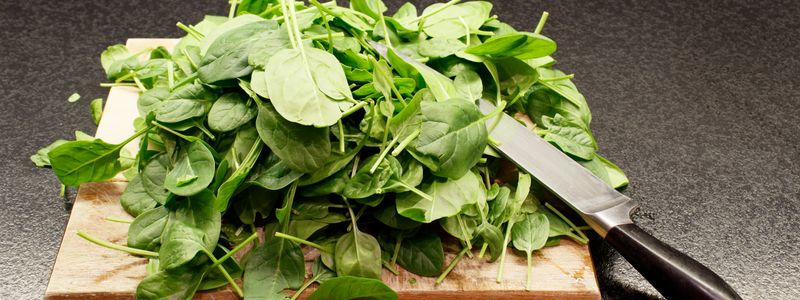
Leafy greens like spinach and arugula are the richest everyday source of the dietary nitrate your body turns into a blood-vessel relaxant.
3
The catch
Not the Nitrates You Were Warned About
If the word nitrate rings an alarm bell, that is fair, but the source changes everything. The nitrates added to bacon, hot dogs and deli meat can form carcinogenic compounds called nitrosamines when the meat is cooked at high heat, and that is the genuine reason those processed foods carry a cancer warning in the first place.
The very same molecule behaves differently inside a plant. Cleveland Clinic notes that the vitamin C packed alongside nitrate in vegetables helps block that harmful conversion, which is why eating leafy greens has not been tied to the increased cancer risk that eating a lot of processed meat carries. Context, not the molecule, is the difference.
4
How to eat it
How to Actually Get Enough
You do not need a supplement aisle for any of this. A generous daily serving of leafy greens, a beet salad, or a glass of beet juice each deliver a solid nitrate dose, and Cleveland Clinic lists spinach, arugula, romaine, beets, celery and carrots among the top everyday sources to reach for at the market. Beet juice is simply a more concentrated pour of that same nitrate, which is one reason many athletes reach for it.
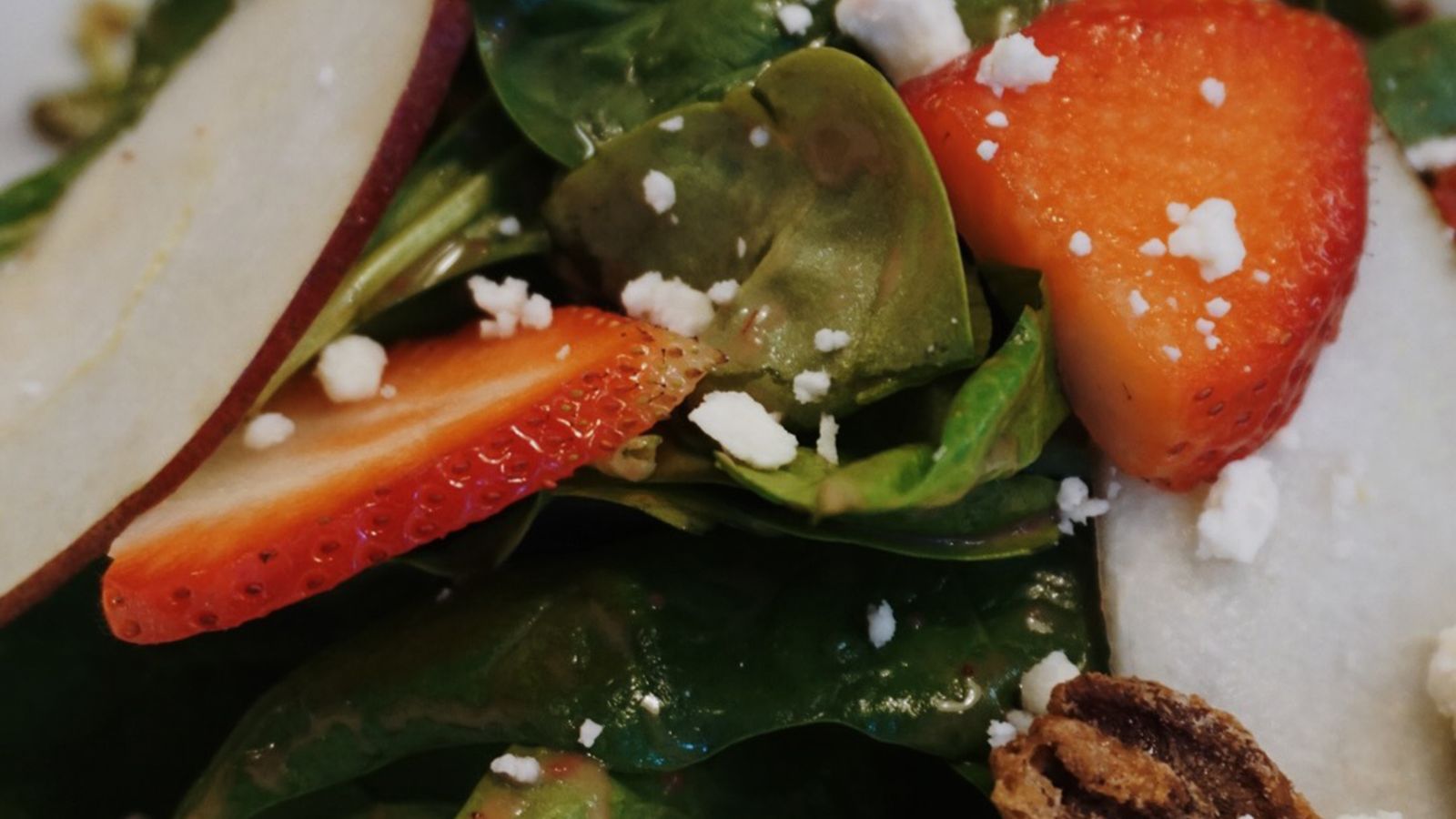
Pairing helps the cause. Because vitamin C helps your body use nitric oxide, a squeeze of citrus or a few sliced strawberries on that spinach salad is more than decoration. Potassium-rich foods bring their own small blood pressure benefit too, so a varied, genuinely colorful plate quietly does the most work of all.
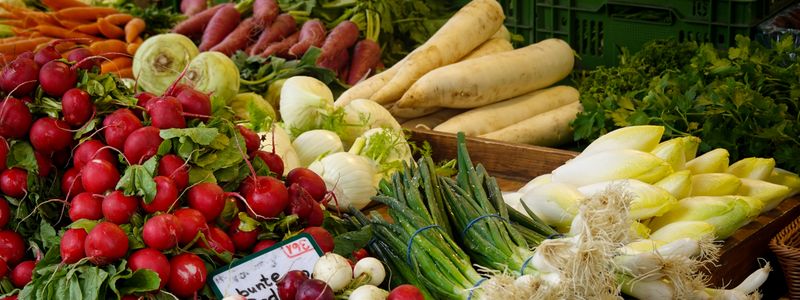
Beets, radishes, celery and leafy greens are all nitrate-rich, and a colorful mix of them does more for blood pressure than any single food alone.
Your body turns the nitrate in leafy greens and beets into nitric oxide, which relaxes blood vessels and can modestly lower blood pressure.
The effect is real but gentle, and it is strongest when your pressure is already running high.
Cleveland Clinic
So the salad ingredient is not magic, but it is quietly useful, inexpensive and safe for almost everyone to try. The trick is to treat it as one reliable habit inside a bigger pattern, rather than as a single food you expect to fix a serious number all on its own. That framing is where it earns its keep.
5
What to do
Where It Fits in a Real Plan
Fold the greens into a proven framework instead of chasing them alone. Cleveland Clinic points to the DASH eating pattern, built around vegetables, fruit and low-fat dairy, as the sensible starting point for lowering blood pressure through food, with nitrate-rich greens serving as one dependable, everyday part of that larger plate.
Then keep the basics firmly in view. Trimming sodium, moving on most days, sleeping enough and easing chronic stress each move your numbers more than any single vegetable ever could. Leafy greens are a genuine helper inside that mix, not the whole answer, and they earn a place on the plate either way.
Take the blood pressure and greens cheat sheet with you
Your free 2-page guide: how vegetable nitrate lowers blood pressure, which greens deliver the most, and how to fit them into a real eating pattern.
One email. No spam. Unsubscribe anytime.
Free Lifestyle Assessment
How Healthy Is Your Current Lifestyle?
Answer honestly for five minutes and walk away with your personal scorecard: all six areas of your health rated, the one that needs your attention first, and a 30-day plan built from your answers. It shows up the second you finish.
Free. About 5 minutes. Your results appear instantly.
📋 Your Coach's Recommendations
1
Add a Nitrate-Rich Green to One Meal a Day
Work spinach, arugula, romaine or a beet into at least one meal every day. Cleveland Clinic lists these as the richest nitrate sources, which your body turns into a blood-vessel relaxant.
2
Pair Your Greens With a Little Vitamin C
A squeeze of citrus or a few berries on your salad helps your body use nitric oxide. Cleveland Clinic notes vitamin C also blocks the harmful nitrosamine conversion seen in processed meats.
3
Build the Habit Into a DASH-Style Plate
Nitrate greens work best inside a whole pattern. Pair them with less sodium, more movement and the DASH diet that Cleveland Clinic recommends for lowering blood pressure through food.
?
How it works. Just a quiet check-in, not an alert and not a recurring nag. The event lands as a 30-minute slot at 9am two weeks from today, with your plan in the notes and a link back to this article. Works with Apple Calendar, Google Calendar, and Outlook. Yours to move, snooze, or delete whenever.
Keep this plan
Get the 2-page guide: how vegetable nitrate lowers blood pressure, which greens deliver the most, and how to fit them in.
One email. No spam. Unsubscribe anytime.
Where should we send it?
Your blood pressure and greens cheat sheet, straight to your inbox.
We send the plan plus one short evidence brief each week. Unsubscribe anytime.
✓
It is on the way
Check your inbox in the next minute. Your first Ageless Brief arrives this week: one study, translated, no hype.
Leafy greens such as spinach, arugula and romaine, plus beets, are the standouts. Cleveland Clinic notes they are the richest in dietary nitrate, which your body converts into nitric oxide to relax blood vessels.
How does dietary nitrate lower blood pressure?
Your body turns nitrate into nitric oxide, which relaxes and widens blood vessels, a process called vasodilation. When the vessels open, your heart pushes less hard and the pressure inside eases, per Cleveland Clinic.
How much does eating greens actually help?
Modestly. Cleveland Clinic cardiologist Luke Laffin says that if beets help, it will just be a little bit, and the effect is largest in people whose blood pressure is already high. It is not a replacement for medication.
Are vegetable nitrates the same as the ones in bacon?
They are the same molecule but behave differently. Cleveland Clinic explains that vitamin C in vegetables helps block the harmful nitrosamine formation seen when processed meats are cooked hot, so greens are not tied to that cancer risk.
Do I need beet juice or a supplement?
No. Whole leafy greens and beets deliver plenty of nitrate on their own. Cleveland Clinic frames these foods as part of a DASH-style eating pattern, not a stand-alone supplement you need to buy.
Is this medical advice?
No. This article is educational and is not a substitute for advice from your own clinician, who can guide your blood pressure plan, especially if you already take medication for it.
Curious where you stand? Take the free 5-minute lifestyle assessment and your personal scorecard appears the second you finish.
By the Ageless Coach Editorial Team · Published August 2, 2026 · Last updated August 2, 2026
<style>
:root{--dark-base:#0D1B2A;--dark-mid:#1B3A4B;--teal:#0EA5A0;--teal-dark:#0C8C88;--teal-bright:#14D4CD;--fog:#D8E8E8;--deep-fog:#C8DCDC;--fog-border:#A8C4C4;--ink:#313743;--ink-soft:#49505f;--muted:#6b7280;--warm:#9A6841;--warm-light:#be7b4c;--serif:"Source Serif 4",Georgia,serif;--sans:Inter,-apple-system,BlinkMacSystemFont,"Segoe UI",sans-serif}
.w-richtext p,.w-richtext li,.w-richtext td{font-size:20.5px;line-height:1.7;color:var(--ink-soft)}
.w-richtext ul{list-style-type:disc;padding-left:24px;margin:12px 0}
.w-richtext ul li{margin-bottom:8px}
.ac-answer{background:#fff;border:1px solid #D4E4E4;border-top:5px solid var(--teal);border-radius:16px;padding:22px 24px 18px;margin:16px 0 28px;box-shadow:0 6px 22px rgba(13,27,42,.07)}
.ac-answer .aa-eyebrow{font:800 12px/1 var(--sans);letter-spacing:2.5px;text-transform:uppercase;color:var(--teal-dark);margin-bottom:8px}
.ac-answer .aa-head{font-family:var(--serif);font-size:24px;line-height:1.2;font-weight:800;color:var(--dark-base);margin:0 0 16px}
.ac-answer .aa-list{list-style:none;margin:0;padding:0}
.ac-answer .aa-list li{display:flex;gap:12px;align-items:baseline;padding:11px 0;border-bottom:1px solid #EDF3F3;font:700 16.5px/1.4 var(--sans);color:var(--ink)}
.ac-answer .aa-list li:last-child{border-bottom:none}
.ac-answer .aa-n{flex-shrink:0;width:24px;height:24px;border-radius:50%;background:var(--teal-dark);color:#fff;font:800 12px/24px var(--sans);text-align:center}
.ac-answer .aa-food{color:var(--teal-dark);font-weight:800}
.ac-answer .aa-cue{margin-top:18px;text-align:center}
.ac-answer .aa-cta{display:inline-flex;align-items:center;gap:10px;background:var(--teal-dark);color:#fff;font:800 14px/1 var(--sans);letter-spacing:.2px;padding:14px 26px;border-radius:50px;text-decoration:none;box-shadow:0 6px 16px rgba(12,140,136,.30)}
.ac-answer .aa-cta:hover{background:#0A7A76}
.ac-answer .aa-arw{display:inline-block;animation:aa-nudge 1.4s ease-in-out infinite}
@keyframes aa-nudge{0%,100%{transform:translateY(0)}50%{transform:translateY(4px)}}
@media(max-width:560px){.ac-answer{padding:20px 18px 16px}.ac-answer .aa-head{font-size:21px}.ac-answer .aa-list li{font-size:15px}}
.ac-band{margin:56px 0 24px;padding:26px 24px 12px;background:linear-gradient(180deg,#F0F7F7,#fff);border-radius:16px}
.ac-band.hype{background:linear-gradient(180deg,#FAF3EB,#fff)}
.ac-band .inner{display:flex;gap:20px;align-items:center}
.ac-band .big{font:900 72px/1 var(--sans);color:var(--deep-fog);flex-shrink:0}
.ac-band.hype .big{color:#EAD9C6}
.ac-band .q{font:700 13px/1.4 var(--sans);letter-spacing:2px;text-transform:uppercase;color:var(--teal-dark)}
.ac-band.hype .q{color:var(--warm)}
.ac-band h3{font-family:var(--serif);font-size:30px;line-height:1.2;font-weight:800;color:var(--ink);margin:0}
.ac-callout{border-left:4px solid var(--teal);background:#F4FAFA;border-radius:0 12px 12px 0;padding:18px 22px;margin:28px 0}
.ac-callout .n{font:800 20px/1.35 var(--sans);color:var(--dark-mid);margin-bottom:6px}
.ac-callout .d{font:500 15px/1.55 var(--sans);color:var(--ink-soft)}
.ac-callout .c{font:600 11.5px/1 var(--sans);letter-spacing:1.5px;text-transform:uppercase;color:var(--muted);margin-top:10px}
.ac-plan{background:linear-gradient(135deg,#F4FAFA 0%,#fff 100%);border-left:5px solid var(--teal-dark);border-radius:14px;padding:30px 26px;margin:40px 0 0;box-shadow:0 2px 12px rgba(0,0,0,.06);scroll-margin-top:100px}
.ac-plan .ptitle{font-family:var(--serif);font-size:24px;font-weight:800;color:var(--ink);margin-bottom:22px}
.ac-plan .step{display:flex;gap:16px;margin-bottom:18px;align-items:flex-start}
.ac-plan .step .n{min-width:38px;width:38px;height:38px;background:var(--teal-dark);border-radius:50%;color:#fff;font:800 17px/38px var(--sans);text-align:center;flex-shrink:0}
.ac-plan .sh{font:800 16.5px/1.4 var(--sans);color:var(--ink);margin-bottom:3px}
.ac-plan .sd{font:400 15px/1.6 var(--sans);color:var(--muted)}
.ac-plan .actions{border-top:1px solid #D8E8E8;margin-top:16px;padding-top:20px}
.ac-primary-row{display:flex;align-items:center;gap:10px;padding:0 4px}
.ac-btn-primary-wide{flex:1;background:var(--teal);color:#fff;border:1.5px solid var(--teal);border-radius:14px;padding:12px 22px;box-shadow:0 4px 14px rgba(14,165,160,.22);font-family:var(--sans);cursor:pointer;display:grid;grid-template-columns:auto 1fr;gap:14px;align-items:center;transition:all .18s ease}
.ac-btn-primary-wide:hover{background:var(--teal-dark);border-color:var(--teal-dark)}
.ac-btn-primary-wide .icon svg{width:22px;height:22px;color:#fff;display:block}
.ac-btn-primary-wide .label{text-align:left;line-height:1.25}
.ac-btn-primary-wide .label .top{display:block;font-weight:700;font-size:15.5px;color:#fff}
.ac-btn-primary-wide .label .top em{font-style:italic;font-weight:700}
.ac-cal-help{position:relative;flex-shrink:0}
.ac-cal-help summary{list-style:none;width:24px;height:24px;border-radius:50%;background:#E4F1F1;border:1px solid var(--fog-border);color:var(--dark-mid);font:700 13px/22px var(--sans);text-align:center;cursor:pointer;display:block}
.ac-cal-help summary::-webkit-details-marker{display:none}
.ac-cal-help .tip{position:absolute;right:0;top:32px;z-index:50;width:290px;background:var(--dark-base);color:var(--fog);border-radius:12px;padding:14px 16px;font:500 12.5px/1.55 var(--sans);box-shadow:0 10px 30px rgba(13,27,42,.35)}
.ac-cal-help .tip strong{color:#fff}
.ac-btn-share-wide{display:flex;width:100%;align-items:center;justify-content:center;gap:10px;background:#fff;color:var(--teal-dark);border:1.5px solid var(--teal-dark);border-radius:14px;padding:12px 22px;margin-top:10px;font:800 15px/1 var(--sans);cursor:pointer}
.ac-btn-share-wide svg{width:18px;height:18px}
.ac-midcap{background:linear-gradient(180deg,#F0F7F7,#fff);border:1.5px solid var(--fog-border);border-radius:16px;padding:24px 22px;margin:34px 0;text-align:center}
.ac-midcap h4{font-family:var(--serif);font-size:22px;font-weight:800;color:var(--ink);margin:0 0 6px}
.ac-midcap .sub{font:500 14px/1.55 var(--sans);color:var(--ink-soft);margin:0 auto 14px;max-width:400px}
.ac-midcap .mcform{display:flex;gap:8px;max-width:400px;margin:0 auto}
.ac-midcap .mcform input{flex:1;border:1.5px solid var(--fog-border);border-radius:50px;padding:12px 18px;font:500 14px/1 var(--sans);min-width:0}
.ac-midcap .mcform button{background:var(--teal-dark);color:#fff;border:none;border-radius:50px;padding:12px 20px;font:800 13.5px/1 var(--sans);cursor:pointer;white-space:nowrap}
.ac-midcap .fine{font:500 11.5px/1.5 var(--sans);color:var(--muted);margin-top:10px}
@media (max-width:520px){.ac-midcap .mcform{flex-direction:column}}
.ac-assess-promo{background:linear-gradient(135deg,#D8E8E8,#C8DCDC);border:1px solid var(--fog-border);border-radius:16px;padding:34px 30px;margin:44px 0;text-align:center}
.ac-assess-promo .eyebrow{color:var(--teal-dark);font:800 12px/1 var(--sans);letter-spacing:2.5px;text-transform:uppercase;margin:0 0 10px}
.ac-assess-promo h4{font-family:var(--serif);color:var(--dark-base);font-size:26px;font-weight:800;margin:0 0 12px}
.w-embed .ac-assess-promo p.ap-body,.ac-assess-promo p.ap-body{font-family:Georgia,serif;color:#3A5555;font-size:15.5px;font-weight:500;line-height:1.65;max-width:540px;margin:0 auto 22px}
.ac-assess-promo .ap-cta{display:inline-block;background:var(--teal-bright);color:var(--dark-base);font:800 15px/1 var(--sans);padding:15px 30px;border-radius:50px;text-decoration:none}
.ac-assess-promo .ap-fine{color:#4E6B6B;font:500 13px/1.5 var(--sans);margin:14px 0 0}
.ac-assess-line{border-top:1px solid #E2ECEC;margin-top:30px;padding:22px 10px 0;text-align:center;font:500 15.5px/1.6 var(--sans);color:#3A5555}
.w-embed .ac-assess-line a,.ac-assess-line a{color:var(--teal-dark);font-weight:700;text-decoration:underline;text-underline-offset:3px}
.ac-articlemeta{font:500 12.5px/1.6 var(--sans);color:#98a0a6;text-align:center;margin:24px 0 0}
.ac-capture{background:linear-gradient(180deg,#F0F7F7,#fff);border:1.5px solid var(--fog-border);border-radius:16px;padding:30px 28px;margin:26px 0 44px;text-align:center}
.ac-capture .cap-state{display:none}
.ac-capture[data-state="trigger"] .st-trigger{display:block}
.ac-capture[data-state="form"] .st-form{display:block}
.ac-capture[data-state="sent"] .st-sent{display:block}
.ac-capture h4{font-family:var(--serif);font-size:24px;font-weight:800;color:var(--ink);margin:0 0 8px}
.ac-capture .sub{font:500 15px/1.55 var(--sans);color:var(--ink-soft);margin:0 auto 18px;max-width:430px}
.ac-capture .bigbtn{display:inline-flex;align-items:center;gap:10px;background:var(--teal-dark);color:#fff;border:none;border-radius:50px;padding:16px 30px;font:800 16px/1 var(--sans);cursor:pointer;box-shadow:0 6px 18px rgba(12,140,136,.28)}
.ac-capture .capform{display:flex;gap:10px;max-width:430px;margin:0 auto}
.ac-capture .capform input{flex:1;border:1.5px solid var(--fog-border);border-radius:50px;padding:14px 20px;font:500 15px/1 var(--sans)}
.ac-capture .capform button{background:var(--teal-dark);color:#fff;border:none;border-radius:50px;padding:14px 24px;font:800 14px/1 var(--sans);cursor:pointer}
.ac-capture .sent-check{width:52px;height:52px;border-radius:50%;background:var(--teal);color:#fff;font:800 26px/52px var(--sans);margin:0 auto 12px}
.ac-capture .dl{display:inline-block;margin-top:6px;color:var(--teal-dark);font:700 15px/1 var(--sans);text-decoration:underline;cursor:pointer}
.ac-capture .fine{font:500 12px/1.5 var(--sans);color:var(--muted);margin-top:12px}
.ac-sig{margin-top:36px}
.ac-sig .rule{width:60px;height:2px;background:linear-gradient(90deg,var(--teal-dark),var(--teal-bright));margin-bottom:18px;border-radius:2px}
.ac-sig .toyour{font-family:var(--serif);font-size:16px;font-style:italic;color:#777;margin:0 0 10px;padding-left:2px}
.ac-faq{margin-top:40px;border-top:1px solid #e5e7eb;padding-top:30px;margin-bottom:40px}
.ac-faq h2{font-family:var(--serif);font-size:23px;font-weight:800;color:var(--ink);margin:0 0 18px}
.ac-faq details{border:1px solid #e5e7eb;border-radius:10px;margin-bottom:10px}
.ac-faq summary{padding:15px 18px;font:700 16px/1.4 var(--sans);color:var(--ink);cursor:pointer;display:flex;justify-content:space-between;align-items:center;list-style:none}
.ac-faq summary:after{content:"\25BE";color:var(--warm)}
.ac-faq .a{padding:0 18px 16px;font-size:17px;line-height:1.65;color:#555}
.article-header-section .article-container{max-width:1080px !important;margin:0 auto !important;padding:0 20px !important}
.article-header-section .article-hero-image{display:block;width:100%;max-width:660px;margin:0}
.article-header-section .article-title{display:block !important;font-family:var(--serif);font-size:32px;line-height:1.25;font-weight:700;color:#313743;margin:20px 0 12px 0;text-align:left;max-width:660px}
@media (max-width:767px){.article-header-section .article-title{font-size:26px}.article-header-section .article-hero-image{max-width:100%}}
@media (max-width:640px){.ac-band .big{font-size:52px}}
@media (max-width:520px){.ac-capture .capform{flex-direction:column}}
.ac-figure{margin:30px 0}.ac-figure img{display:block;width:100%;border-radius:14px;height:auto;aspect-ratio:800/300}.ac-figure figcaption{font:500 13px/1.5 var(--sans);color:var(--muted);margin-top:9px}</style>
<div class="ac-answer">
<div class="aa-eyebrow">What the evidence actually says</div>
<h2 class="aa-head">The quiet ingredient is dietary nitrate, and leafy greens like spinach and arugula are loaded with it. Your body turns that nitrate into nitric oxide, a molecule that relaxes and widens your blood vessels, and studies show nitrate-rich vegetables can nudge blood pressure down. The effect is real but modest, and it is strongest when your pressure is already high.</h2>
<ol class="aa-list">
<li><span class="aa-n">1</span><span><span class="aa-food">Nitrate to nitric oxide</span> · your body converts vegetable nitrate into a molecule that relaxes and widens your blood vessels</span></li><li><span class="aa-n">2</span><span><span class="aa-food">Leafy greens and beets</span> · spinach, arugula, romaine and beetroot are the richest everyday sources of it</span></li><li><span class="aa-n">3</span><span><span class="aa-food">Just a little bit</span> · a Cleveland Clinic cardiologist says beets may lower blood pressure, but only modestly</span></li><li><span class="aa-n">4</span><span><span class="aa-food">Not processed meat</span> · plant nitrate is not tied to the cancer risk linked to nitrates added to bacon and deli meat</span></li><li><span class="aa-n">5</span><span><span class="aa-food">Part of a pattern</span> · nitrate works best inside a whole DASH-style diet, not as a single magic food</span></li>
</ol>
<div class="aa-cue"><a class="aa-cta" href="#coach-recommendations">Get Your Coach's 3-Step Plan <span class="aa-arw">↓</span></a></div>
</div>
<p>The ingredient that may quietly lower your blood pressure is not a pill or an exotic powder from a wellness shop. It is already sitting in the salad bowl. Leafy green vegetables like spinach, arugula and romaine are among the richest natural sources of dietary nitrate, and that nitrate is where the whole effect begins.</p>
<p>Here is the chain, and it is simpler than it sounds. Cleveland Clinic explains that your body <a href="https://health.clevelandclinic.org/what-are-nitrates" target="_blank" rel="noopener">converts the nitrate in these vegetables into nitric oxide</a>, a molecule that relaxes and widens your blood vessels so blood moves more easily and presses less hard against the artery walls. Lower pressure follows from a wider pipe.</p>
<div class="ac-band"><div class="inner"><div class="big">1</div><div><div class="q">The mechanism</div><h3>How a Leaf Reaches Your Arteries</h3></div></div></div>
<p>Dietary nitrate is a small molecule found naturally in soil, water and plants, registered dietitian Devon Peart notes at Cleveland Clinic, and leafy greens plus root vegetables carry the most of it. Once you eat them, some of that nitrate is transformed, step by step, into nitric oxide, which is the body's own built-in blood-vessel relaxant.</p>
<p>That widening of the vessels, called vasodilation, is the entire point. When the pipes open even a little, your heart does not have to push as hard, and the pressure inside the system eases off. It is the same basic effect that several blood pressure medicines chase, just reached through food rather than a prescription.</p>
<div class="ac-band"><div class="inner"><div class="big">2</div><div><div class="q">The evidence</div><h3>What the Studies Actually Show</h3></div></div></div>
<p>The research backs a real but measured effect, and the honesty is worth keeping. Cleveland Clinic points to <a href="https://health.clevelandclinic.org/drinks-to-lower-blood-pressure" target="_blank" rel="noopener">dietary nitrates in beets</a> helping dilate blood vessels and modestly lowering pressure, though cardiologist Luke Laffin is refreshingly blunt about it: if beets help, he says, it will just be a little bit.</p>
<p>That caveat matters more than the headline. The largest benefit tends to show up in people whose blood pressure is already raised, and much less in those whose numbers sit in a normal range. Nitrate is a gentle nudge in the right direction, not a stand-in for a medication your doctor has actually told you to take. Think of it as a habit that helps at the margins, the kind that compounds quietly over years rather than overnight.</p>
<figure class="ac-figure"><img src="https://cdn.prod.website-files.com/69be1026a027224999b7936b/6a6f0a0539173f94f82687d1_ac-nitrate-fig-19957370.jpg" alt="A pile of freshly chopped spinach and salad greens on a wooden cutting board with a knife" width="800" height="300" loading="lazy" decoding="async"><figcaption>Leafy greens like spinach and arugula are the richest everyday source of the dietary nitrate your body turns into a blood-vessel relaxant.</figcaption></figure>
<div class="ac-band"><div class="inner"><div class="big">3</div><div><div class="q">The catch</div><h3>Not the Nitrates You Were Warned About</h3></div></div></div>
<p>If the word nitrate rings an alarm bell, that is fair, but the source changes everything. The nitrates added to bacon, hot dogs and deli meat can form carcinogenic compounds called nitrosamines when the meat is cooked at high heat, and that is the genuine reason those processed foods carry a cancer warning in the first place.</p>
<p>The very same molecule behaves differently inside a plant. Cleveland Clinic notes that the vitamin C packed alongside nitrate in vegetables helps block that harmful conversion, which is why <a href="https://health.clevelandclinic.org/what-are-nitrates" target="_blank" rel="noopener">eating leafy greens has not been tied</a> to the increased cancer risk that eating a lot of processed meat carries. Context, not the molecule, is the difference.</p>
<div class="ac-band"><div class="inner"><div class="big">4</div><div><div class="q">How to eat it</div><h3>How to Actually Get Enough</h3></div></div></div>
<p>You do not need a supplement aisle for any of this. A generous daily serving of leafy greens, a beet salad, or a glass of beet juice each deliver a solid nitrate dose, and Cleveland Clinic lists <a href="https://health.clevelandclinic.org/foods-to-lower-blood-pressure" target="_blank" rel="noopener">spinach, arugula, romaine, beets, celery and carrots</a> among the top everyday sources to reach for at the market. Beet juice is simply a more concentrated pour of that same nitrate, which is one reason many athletes reach for it.</p>
<p>Pairing helps the cause. Because vitamin C helps your body use nitric oxide, a squeeze of citrus or a few sliced strawberries on that spinach salad is more than decoration. Potassium-rich foods bring their own small blood pressure benefit too, so a varied, genuinely colorful plate quietly does the most work of all.</p>
<figure class="ac-figure"><img src="https://cdn.prod.website-files.com/69be1026a027224999b7936b/6a6f0a06d083dc702b10aec1_ac-nitrate-fig-31930012.jpg" alt="A colorful farmers market display of radishes, root vegetables, celery and leafy greens" width="800" height="300" loading="lazy" decoding="async"><figcaption>Beets, radishes, celery and leafy greens are all nitrate-rich, and a colorful mix of them does more for blood pressure than any single food alone.</figcaption></figure>
<div class="ac-callout"><div class="n">Your body turns the nitrate in leafy greens and beets into nitric oxide, which relaxes blood vessels and can modestly lower blood pressure.</div><div class="d">The effect is real but gentle, and it is strongest when your pressure is already running high.</div><div class="c">Cleveland Clinic</div></div>
<p>So the salad ingredient is not magic, but it is quietly useful, inexpensive and safe for almost everyone to try. The trick is to treat it as one reliable habit inside a bigger pattern, rather than as a single food you expect to fix a serious number all on its own. That framing is where it earns its keep.</p>
<div class="ac-band"><div class="inner"><div class="big">5</div><div><div class="q">What to do</div><h3>Where It Fits in a Real Plan</h3></div></div></div>
<p>Fold the greens into a proven framework instead of chasing them alone. Cleveland Clinic points to the DASH eating pattern, built around vegetables, fruit and low-fat dairy, as the sensible starting point for lowering blood pressure through food, with nitrate-rich greens serving as one dependable, everyday part of that larger plate.</p>
<p>Then keep the basics firmly in view. Trimming sodium, moving on most days, sleeping enough and easing chronic stress each move your numbers more than any single vegetable ever could. Leafy greens are a genuine helper inside that mix, not the whole answer, and they earn a place on the plate either way.</p>
<div class="ac-midcap"><h4>Take the blood pressure and greens cheat sheet with you</h4><p class="sub">Your free 2-page guide: how vegetable nitrate lowers blood pressure, which greens deliver the most, and how to fit them into a real eating pattern.</p><div class="mcform"><input type="email" placeholder="Your email address" aria-label="Email address"><button type="button">Send My Plan (Free)</button></div><div class="fine">One email. No spam. Unsubscribe anytime.</div></div>
<div class="ac-assess-promo"><p class="eyebrow">Free Lifestyle Assessment</p><h4>How Healthy Is Your Current Lifestyle?</h4><p class="ap-body">Answer honestly for five minutes and walk away with your personal scorecard: all six areas of your health rated, the one that needs your attention first, and a 30-day plan built from your answers. It shows up the second you finish.</p><a class="ap-cta" href="/#assessment">See How the Assessment Works →</a><p class="ap-fine">Free. About 5 minutes. Your results appear instantly.</p></div>
<div class="ac-plan" id="coach-recommendations">
<div class="ptitle">📋 Your Coach's Recommendations</div>
<div class="step"><div class="n">1</div><div><div class="sh">Add a Nitrate-Rich Green to One Meal a Day</div><div class="sd">Work spinach, arugula, romaine or a beet into at least one meal every day. Cleveland Clinic lists these as the richest nitrate sources, which your body turns into a blood-vessel relaxant.</div></div></div><div class="step"><div class="n">2</div><div><div class="sh">Pair Your Greens With a Little Vitamin C</div><div class="sd">A squeeze of citrus or a few berries on your salad helps your body use nitric oxide. Cleveland Clinic notes vitamin C also blocks the harmful nitrosamine conversion seen in processed meats.</div></div></div><div class="step"><div class="n">3</div><div><div class="sh">Build the Habit Into a DASH-Style Plate</div><div class="sd">Nitrate greens work best inside a whole pattern. Pair them with less sodium, more movement and the DASH diet that Cleveland Clinic recommends for lowering blood pressure through food.</div></div></div>
<div class="actions">
<div class="ac-primary-row">
<button type="button" class="ac-btn-primary-wide" data-ac-cal>
<span class="icon"><svg viewBox="0 0 24 24" fill="none" stroke="currentColor" stroke-width="2" stroke-linecap="round" stroke-linejoin="round"><rect x="3" y="4" width="18" height="18" rx="2"></rect><path d="M16 2v4M8 2v4M3 10h18"></path></svg></span>
<span class="label"><span class="top">Add <em>Your Coach's Recommendations to Your Calendar</em></span></span>
</button>
<details class="ac-cal-help"><summary aria-label="What does this do?">?</summary><div class="tip"><strong>How it works.</strong> Just a quiet check-in, not an alert and not a recurring nag. The event lands as a 30-minute slot at 9am two weeks from today, with your plan in the notes and a link back to this article. Works with Apple Calendar, Google Calendar, and Outlook. Yours to move, snooze, or delete whenever.</div></details>
</div>
<button type="button" class="ac-btn-share-wide" data-ac-share><svg viewBox="0 0 24 24" fill="none" stroke="currentColor" stroke-width="2" stroke-linecap="round" stroke-linejoin="round"><path d="M4 12v8a2 2 0 002 2h12a2 2 0 002-2v-8"></path><polyline points="16 6 12 2 8 6"></polyline><line x1="12" y1="2" x2="12" y2="15"></line></svg> Share this article</button>
</div>
</div>
<div class="ac-capture" data-state="trigger" data-article-slug="the-salad-ingredient-that-quietly-drops-blood-pressure" data-pdf-url="https://cdn.prod.website-files.com/69be1026a027224999b7936b/6a6f0c41ef519f9e0b4026a5_ac-blood-pressure-greens-cheat-sheet.pdf" data-plan-title="The Blood Pressure and Greens Cheat Sheet" data-plan-desc="Your free 2-page guide to how vegetable nitrate lowers blood pressure and which greens deliver the most.">
<div class="st-trigger cap-state"><h4>Keep this plan</h4><p class="sub">Get the 2-page guide: how vegetable nitrate lowers blood pressure, which greens deliver the most, and how to fit them in.</p><button class="bigbtn" type="button" data-cap="form">📩 Email Me This Plan (Free PDF)</button><div class="fine">One email. No spam. Unsubscribe anytime.</div></div>
<div class="st-form cap-state"><h4>Where should we send it?</h4><p class="sub">Your blood pressure and greens cheat sheet, straight to your inbox.</p><form class="capform"><input type="email" name="email" required placeholder="Your email address" aria-label="Email address"><button type="submit">Send My Plan</button></form><div class="fine">We send the plan plus one short evidence brief each week. Unsubscribe anytime.</div></div>
<div class="st-sent cap-state"><div class="sent-check">✓</div><h4>It is on the way</h4><p class="sub">Check your inbox in the next minute. Your first Ageless Brief arrives this week: one study, translated, no hype.</p><a class="dl" href="https://cdn.prod.website-files.com/69be1026a027224999b7936b/6a6f0c41ef519f9e0b4026a5_ac-blood-pressure-greens-cheat-sheet.pdf" download>⬇ Download your plan (PDF)</a></div>
</div>
<style>
.ac-exlib{--ac-ex-fog:#F0F7F7;--ac-ex-border:#A8C4C4;--ac-ex-teal:#0C8C88;--ac-ex-ink-teal:#0A6F6C;--ac-ex-dark:#0D1B2A;--ac-ex-body:#49505f;--ac-ex-muted:#5F6773;--ac-ex-serif:"Source Serif 4",Georgia,serif;--ac-ex-sans:Inter,-apple-system,"Segoe UI",sans-serif;background:linear-gradient(180deg,var(--ac-ex-fog),#fff);border:1.5px solid var(--ac-ex-border);border-radius:16px;padding:24px 26px;margin:36px 0 0;box-sizing:border-box}
.ac-exlib *{box-sizing:border-box}
.ac-exlib .ac-ex-eb{font:800 11.5px/1 var(--ac-ex-sans);letter-spacing:2.4px;text-transform:uppercase;color:var(--ac-ex-ink-teal);margin:0 0 10px}
.ac-exlib .ac-ex-h{font-family:var(--ac-ex-serif);font-size:22px;line-height:1.25;font-weight:800;color:var(--ac-ex-dark);margin:0 0 10px}
.ac-exlib .ac-ex-p{font:500 16px/1.6 var(--ac-ex-sans);color:var(--ac-ex-body);margin:0 0 16px}
.ac-exlib .ac-ex-go{display:inline-flex;align-items:center;gap:8px;border:1.5px solid var(--ac-ex-teal);color:var(--ac-ex-ink-teal);background:#fff;font:800 14px/1 var(--ac-ex-sans);padding:15px 24px;border-radius:50px;text-decoration:none;min-height:44px}
.ac-exlib .ac-ex-go:hover,.ac-exlib .ac-ex-go:focus{background:var(--ac-ex-fog);color:var(--ac-ex-ink-teal)}
.ac-exlib .ac-ex-go:focus-visible{outline:2px solid var(--ac-ex-ink-teal);outline-offset:3px}
.ac-exlib .ac-ex-go svg{width:14px;height:14px;stroke:currentColor;fill:none;stroke-width:2.4;flex:none}
.ac-exlib .ac-ex-note{font:500 12px/1.6 var(--ac-ex-sans);color:var(--ac-ex-muted);margin:14px 0 0}
@media(max-width:560px){.ac-exlib{padding:20px 18px}.ac-exlib .ac-ex-h{font-size:20px}.ac-exlib .ac-ex-go{width:100%;justify-content:center}}
</style>
<aside class="ac-exlib" data-template="L-examine" aria-label="Further reading">
<p class="ac-ex-eb">Read the research yourself</p>
<h3 class="ac-ex-h">We read the studies. You can too.</h3>
<p class="ac-ex-p">Everything above is sourced and linked. If you want to go deeper than one article can go, Examine maintains independent, continuously updated research summaries on dietary nitrate and around a thousand other supplements. They sell no supplements of their own. That is the reason we send people there rather than somewhere else.</p>
<a class="ac-ex-go" href="https://examine.com/refer/qed0mm2?loc=/supplements/nitrate&utm_source=agelesscoach&utm_medium=article&utm_content=tmpl-L-examine" rel="noopener sponsored" target="_blank">
See Examine's dietary nitrate research
<svg viewBox="0 0 24 24" aria-hidden="true"><path d="M5 12h14M13 6l6 6-6 6" stroke-linecap="round" stroke-linejoin="round"/></svg>
</a>
<p class="ac-ex-note">Ageless Coach may earn a commission if you subscribe, at no additional cost to you. We were not paid to write this and it does not affect what we recommend.</p>
</aside>
<div class="ac-sig"><div class="rule"></div><p class="toyour">To your health,</p><svg width="320" height="72" viewBox="0 0 320 72" role="img" aria-label="Ageless Coach. Age Strong. Live Long." xmlns="http://www.w3.org/2000/svg" xmlns:xlink="http://www.w3.org/1999/xlink"><defs><clipPath id="acSigIconClip"><rect x="0" y="6" width="60" height="60" rx="12" ry="12"/></clipPath></defs><image x="0" y="6" width="60" height="60" clip-path="url(#acSigIconClip)" preserveAspectRatio="xMidYMid slice" href="https://cdn.prod.website-files.com/69be1026a027224999b7936b/6a0b22c6afd5d6fd115b9c1a_ac-closing-brand-icon.webp" xlink:href="https://cdn.prod.website-files.com/69be1026a027224999b7936b/6a0b22c6afd5d6fd115b9c1a_ac-closing-brand-icon.webp"/><text x="76" y="42" style="font-family:Inter,system-ui,-apple-system,'Helvetica Neue',Arial,sans-serif;font-size:27px;letter-spacing:-0.3px"><tspan style="font-weight:800;fill:#0D1B2A">Ageless</tspan><tspan style="font-weight:300;fill:rgba(13,27,42,0.6)">Coach</tspan><tspan dy="-12" style="font-size:16px;font-weight:600;fill:rgba(13,27,42,0.6)">™</tspan></text><text x="76" y="60" style="font-family:Inter,system-ui,-apple-system,'Helvetica Neue',Arial,sans-serif;font-size:10.5px;letter-spacing:2.5px;font-weight:500;fill:#0C8C88;text-transform:uppercase">AGE STRONG. LIVE LONG.</text></svg></div>
<div class="ac-faq">
<h2>Frequently Asked Questions</h2>
<details><summary>Which vegetables lower blood pressure the most?</summary><div class="a">Leafy greens such as spinach, arugula and romaine, plus beets, are the standouts. Cleveland Clinic notes they are the richest in dietary nitrate, which your body converts into nitric oxide to relax blood vessels.</div></details>
<details><summary>How does dietary nitrate lower blood pressure?</summary><div class="a">Your body turns nitrate into nitric oxide, which relaxes and widens blood vessels, a process called vasodilation. When the vessels open, your heart pushes less hard and the pressure inside eases, per Cleveland Clinic.</div></details>
<details><summary>How much does eating greens actually help?</summary><div class="a">Modestly. Cleveland Clinic cardiologist Luke Laffin says that if beets help, it will just be a little bit, and the effect is largest in people whose blood pressure is already high. It is not a replacement for medication.</div></details>
<details><summary>Are vegetable nitrates the same as the ones in bacon?</summary><div class="a">They are the same molecule but behave differently. Cleveland Clinic explains that vitamin C in vegetables helps block the harmful nitrosamine formation seen when processed meats are cooked hot, so greens are not tied to that cancer risk.</div></details>
<details><summary>Do I need beet juice or a supplement?</summary><div class="a">No. Whole leafy greens and beets deliver plenty of nitrate on their own. Cleveland Clinic frames these foods as part of a DASH-style eating pattern, not a stand-alone supplement you need to buy.</div></details>
<details><summary>Is this medical advice?</summary><div class="a">No. This article is educational and is not a substitute for advice from your own clinician, who can guide your blood pressure plan, especially if you already take medication for it.</div></details>
</div>
<div class="ac-assess-line">Curious where you stand? Take the free <a href="/#assessment">5-minute lifestyle assessment</a> and your personal scorecard appears the second you finish.</div>
<p class="ac-articlemeta">By the Ageless Coach Editorial Team · Published August 2, 2026 · Last updated August 2, 2026</p>
Subscribe to the Free Newsletter
One article a week. Trusted research made simple. Start making smarter health decisions today.