<style>
.w-richtext p,.w-richtext li,.w-richtext td{font-size:18px;line-height:1.65}
.w-richtext h2{font-size:26px;line-height:1.35}
.w-richtext h3{font-size:22px;line-height:1.35}
.w-richtext ul{list-style-type:disc;padding-left:24px;margin:12px 0}
.w-richtext ul li{margin-bottom:8px;line-height:1.65}
.w-richtext .ac-action-plan{background:linear-gradient(135deg,#fffcf4 0%,#fff8ed 100%);border-left:5px solid #9a6841;border-radius:12px;padding:28px 24px;margin:32px 0;box-shadow:0 2px 12px rgba(0,0,0,0.06)}
.article-header-section .article-container{max-width:1080px !important;margin:0 auto !important;padding:0 20px !important}
.article-header-section .article-hero-image{display:block;width:100%;max-width:660px;margin:0}
.article-header-section .article-title{display:block !important;font-family:Georgia,serif;font-size:32px;line-height:1.25;font-weight:700;color:#313743;margin:20px 0 12px 0;text-align:left;max-width:660px}
@media (max-width:767px){.article-header-section .article-title{font-size:26px}.article-header-section .article-hero-image{max-width:100%}}
.ac-article-cta{margin-top:40px;text-align:center}
.ac-article-cta .ac-cta-lead{font-family:Georgia,serif;font-size:17px;color:#555;margin:0 0 16px 0;line-height:1.5}
.ac-article-cta a.ac-nav-cta{display:inline-flex;align-items:center;gap:10px;padding:10px 14px 10px 20px;background:#313743;color:#fff;border:1.5px solid #14D4CD;border-radius:82px;font-family:Inter,sans-serif;font-size:14px;font-weight:600;letter-spacing:0.3px;text-decoration:none;transition:transform 0.15s ease,box-shadow 0.15s ease}
.ac-article-cta a.ac-nav-cta:hover{transform:translateY(-1px);box-shadow:0 6px 18px rgba(20,212,205,0.25)}
.ac-article-cta .ac-nav-cta-arrow{width:28px;height:28px;background:#14D4CD;border-radius:50%;display:inline-flex;align-items:center;justify-content:center;flex-shrink:0}
.ac-article-cta .ac-nav-cta-arrow svg{width:14px;height:14px}
</style>
<p class="publish-date" style="font-size:13px; color:#999; margin-bottom:16px;">Published: May 14, 2026 · Last updated: May 14, 2026</p>
<div class="ac-glance" style="background-color: #ffffff; padding: 20px; border: 2px solid #b0bec5; border-radius: 8px; margin: 20px 0;"><strong>This week's brief at a glance:</strong><ul style="margin: 12px 0; padding-left: 24px;"><li style="margin-bottom:6px;">The recommended dietary dose of vitamin D is 600 IU per day for adults 70 and younger and 800 IU for adults over 70 (Harvard Health, 2024)</li><li style="margin-bottom:6px;">The safe upper daily limit for adults is 4,000 IU; doses above this routinely cause hypercalcemia which can lead to kidney damage, irregular heartbeat, and confusion (Cleveland Clinic, 2024)</li><li style="margin-bottom:6px;">Vitamin D toxicity is almost always caused by long-term excessive supplementation, not by food or sun exposure (Mayo Clinic, 2024)</li></ul></div>
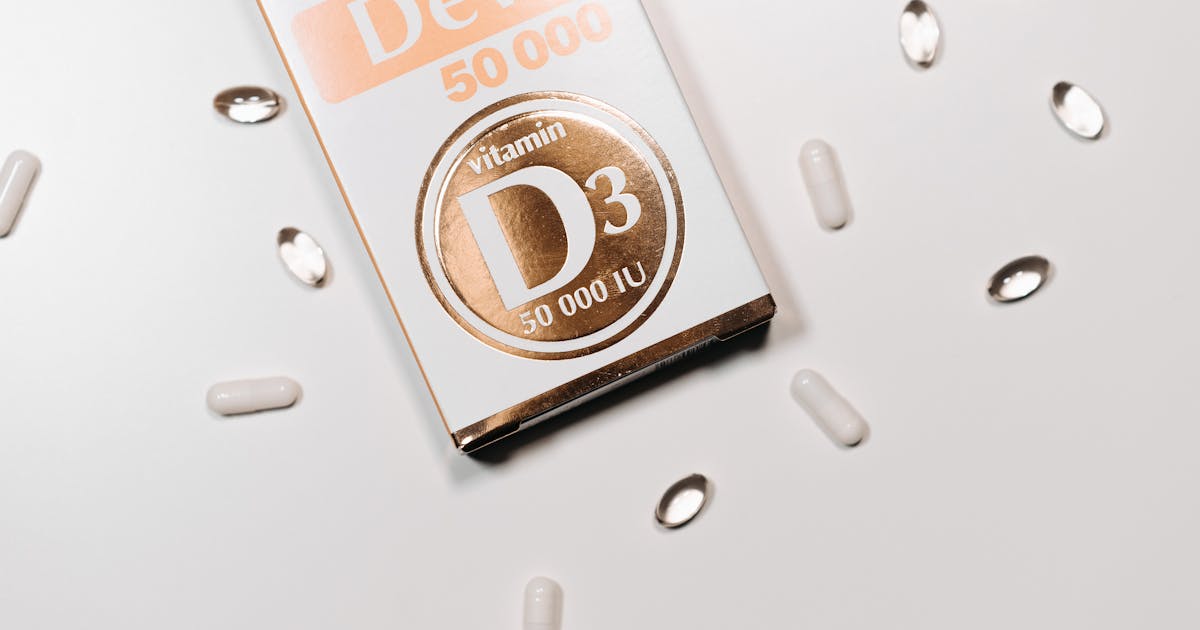
<p>Vitamin D has become the supplement nearly everyone seems to take. Bottles claim 5,000 IU, 10,000 IU, sometimes 50,000 IU per dose. Influencers in the health space tell followers that "more is better" and that the official daily limit is "decades out of date." The advice spreads. Then so do the emergency room visits.</p>
<p>Vitamin D toxicity is real, increasingly common, and almost entirely caused by people taking more than their body can clear. The safe dose is well-defined. The toxic dose is well-defined. The gap between them is not a guessing game. The trouble is that most people who take "high-dose D3" daily have no idea where they sit on that spectrum.</p>
<h3>What Vitamin D Actually Does</h3>
<p><strong>The Hormone Disguised as a Vitamin:</strong> Vitamin D regulates calcium absorption in the gut, supports bone mineralization, and influences immune function. Despite the name, it behaves like a steroid hormone in the body. Your skin produces it from cholesterol when exposed to UVB light, and you can also get small amounts from fatty fish, fortified dairy, and supplements.</p>
<p>Most adults get adequate vitamin D from a combination of sun exposure, diet, and modest supplementation. True deficiency is more common in people who live at high latitudes, have darker skin, are over 70, or spend most of their time indoors.</p>
<h3>Why "More Is Better" Caught On (And Where It Goes Wrong)</h3>
<p><strong>A Half-Truth Turned Into a Megadose:</strong> Research a decade ago suggested that population-level vitamin D deficiency was widespread and that "optimal" blood levels were higher than previously thought. The supplement industry ran with that, and dosing escalated from 1,000 IU to 5,000 IU to 10,000 IU in popular products. Some protocols recommend 50,000 IU weekly.</p>
<p>The trouble is that vitamin D is fat-soluble. Unlike vitamin C, it accumulates in the body. Take too much for too long and the level keeps rising, eventually pushing calcium absorption into a range that damages tissue (<a href="https://my.clevelandclinic.org/health/diseases/24750-vitamin-d-toxicity-hypervitaminosis-d" target="_blank" rel="noopener">Cleveland Clinic, 2024</a>).</p>
<h3>The Symptoms of Vitamin D Toxicity</h3>
<p><strong>It Starts Vague, Then Gets Specific:</strong> Early signs of vitamin D toxicity look like ordinary fatigue, nausea, or loss of appetite. As blood levels climb, the picture sharpens: increased thirst, frequent urination, constipation, confusion, and weakness. Severe cases produce kidney damage, irregular heart rhythm, and unsteady gait (<a href="https://www.mayoclinic.org/healthy-lifestyle/nutrition-and-healthy-eating/expert-answers/vitamin-d-toxicity/faq-20058108" target="_blank" rel="noopener">Mayo Clinic, 2024</a>).</p>
<p>The mechanism in nearly every case is hypercalcemia. Excess vitamin D drives the gut to absorb too much calcium, blood calcium climbs, and the kidneys cannot keep up. That is what sends people to the ER.</p>
<h3>The Doses That Are Safe</h3>
<p><strong>600 to 800 IU Covers Most Adults:</strong> The recommended dietary dose is 600 IU daily for adults up to 70 and 800 IU for adults over 70. The safe upper limit is 4,000 IU per day for adults, and doses above this should not be taken without a documented deficiency confirmed by blood test and physician supervision (<a href="https://www.health.harvard.edu/diet-and-nutrition/taking-too-much-vitamin-d-can-cloud-its-benefits-and-create-health-risks" target="_blank" rel="noopener">Harvard Health, 2024</a>).</p>
<p>If you stack a 2,000 IU standalone vitamin D supplement with a multivitamin containing 1,000 IU and a calcium supplement with another 600 IU, you can quickly hit the upper limit without realizing it. Add a high-dose weekly bolus on top of that and toxicity becomes a question of when, not if.</p>
<h3>When to Get Your Level Tested</h3>
<p><strong>Before Going High, Get a Baseline:</strong> A simple blood test (25-hydroxyvitamin D) measures your stored vitamin D level. Normal range is roughly 30 to 50 ng/mL. Below 20 ng/mL is considered deficient. Above 100 ng/mL is the toxicity zone.</p>
<p>If you are healthy, have no symptoms, and take 600 to 1,000 IU daily, you almost certainly do not need to test. If you are taking anything above 4,000 IU per day or you have unexplained symptoms after months of supplementation, a blood test is the only honest way to know where you stand.</p>
<div class="ac-action-plan" style="background: linear-gradient(135deg, #fffcf4 0%, #fff8ed 100%); border-left: 5px solid #9A6841; border-radius: 12px; padding: 28px 24px; margin: 32px 0; box-shadow: 0 2px 12px rgba(0,0,0,0.06);"><div style="display: flex; align-items: center; gap: 10px; margin-bottom: 20px;"><svg width="24" height="24" viewBox="0 0 24 24" fill="none" stroke="#9A6841" stroke-width="2" stroke-linecap="round" stroke-linejoin="round"><path d="M9 5H7a2 2 0 00-2 2v12a2 2 0 002 2h10a2 2 0 002-2V7a2 2 0 00-2-2h-2"/><rect x="9" y="3" width="6" height="4" rx="1"/><path d="M9 14l2 2 4-4"/></svg><span style="font-family: Georgia, serif; font-size: 22px; font-weight: 700; color: #313743;">Your Coach's Recommendations</span></div><div style="display: flex; gap: 14px; margin-bottom: 16px; align-items: flex-start;"><div style="min-width: 36px; width: 36px; height: 36px; background: #9A6841; border-radius: 50%; display: flex; align-items: center; justify-content: center; color: #fff; font-weight: 700; font-size: 16px; flex-shrink: 0;">1</div><div><div style="font-weight: 700; color: #313743; font-size: 15px; margin-bottom: 2px;">Check the Dose on Every Supplement You Currently Take.</div><div style="color: #6b7280; font-size: 13.5px; line-height: 1.5;">Many multivitamins already contain 1,000 to 2,000 IU; stacked with a standalone D3 it can quickly exceed safe daily limits.</div></div></div><div style="display: flex; gap: 14px; margin-bottom: 16px; align-items: flex-start;"><div style="min-width: 36px; width: 36px; height: 36px; background: #9A6841; border-radius: 50%; display: flex; align-items: center; justify-content: center; color: #fff; font-weight: 700; font-size: 16px; flex-shrink: 0;">2</div><div><div style="font-weight: 700; color: #313743; font-size: 15px; margin-bottom: 2px;">Stick to 600 to 800 IU Daily Unless Your Doctor Has Ordered Otherwise.</div><div style="color: #6b7280; font-size: 13.5px; line-height: 1.5;">The recommended dietary allowance covers nearly everyone's needs unless a 25-OH vitamin D blood test confirms true deficiency.</div></div></div><div style="display: flex; gap: 14px; margin-bottom: 20px; align-items: flex-start;"><div style="min-width: 36px; width: 36px; height: 36px; background: #9A6841; border-radius: 50%; display: flex; align-items: center; justify-content: center; color: #fff; font-weight: 700; font-size: 16px; flex-shrink: 0;">3</div><div><div style="font-weight: 700; color: #313743; font-size: 15px; margin-bottom: 2px;">Get a Blood Test Before Taking Anything Above 4,000 IU.</div><div style="color: #6b7280; font-size: 13.5px; line-height: 1.5;">Vitamin D testing is the only way to know if you actually need a higher dose, and follow-up testing confirms your levels stay in a safe range.</div></div></div><div style="border-top: 1px solid #e5ddd4; margin: 16px 0;"></div><div style="display: flex; justify-content: center; align-items: center; gap: 10px; flex-wrap: wrap;"><button onclick="acPrintPlan()" style="background: none; border: 1px solid #d3cabe; border-radius: 8px; padding: 10px 16px; font-size: 13px; color: #6b7280; cursor: pointer; display: flex; align-items: center; gap: 6px;"><svg width="14" height="14" viewBox="0 0 24 24" fill="none" stroke="currentColor" stroke-width="2" stroke-linecap="round" stroke-linejoin="round"><polyline points="6 9 6 2 18 2 18 9"/><path d="M6 18H4a2 2 0 01-2-2v-5a2 2 0 012-2h16a2 2 0 012 2v5a2 2 0 01-2 2h-2"/><rect x="6" y="14" width="12" height="8"/></svg>Print</button></div></div>
<div style="margin-top: 32px; padding-top: 0;">
<div style="width: 60px; height: 2px; background: linear-gradient(90deg, #9A6841, #be7b4c); border-radius: 2px; margin-bottom: 20px;"></div>
<p style="font-family: Georgia, serif; font-size: 16px; font-style: italic; color: #777; margin: 0 0 6px 0; letter-spacing: 0.3px; padding-left: 38px;">To your health,</p>
<div style="display: flex; align-items: center; gap: 4px; margin-bottom: 4px;">
<img src="https://cdn.prod.website-files.com/69be130d412f9c2c202307ef/69c539b9526b266e2cba5521_ageless-coach-logo-black.png" alt="AC" style="width: 34px; height: 34px; object-fit: contain;">
<p style="font-family: Georgia, serif; font-size: 22px; font-weight: 700; color: #313743; margin: 0; letter-spacing: 0.5px;">Ageless Coach</p>
</div>
<p style="font-family: -apple-system, BlinkMacSystemFont, Segoe UI, sans-serif; font-size: 11px; font-weight: 600; color: #be7b4c; letter-spacing: 2px; text-transform: uppercase; margin: 0 0 0 28px;">Age Strong. Live Long.</p>
</div>
<div style="margin-top: 28px; padding-top: 20px; border-top: 1px solid #e5e7eb; text-align: center;">
<p style="font-family: -apple-system, BlinkMacSystemFont, Segoe UI, sans-serif; font-size: 13px; font-weight: 700; color: #6b7280; letter-spacing: 2px; text-transform: uppercase; margin: 0 0 16px 0;">Trusted Sources Behind This Article</p>
<div style="display: flex; justify-content: center; gap: 10px; flex-wrap: wrap;">
<a href="https://www.mayoclinic.org/healthy-lifestyle/nutrition-and-healthy-eating/expert-answers/vitamin-d-toxicity/faq-20058108" target="_blank" rel="noopener" style="display: inline-block; background: #fff; border: 1.5px solid #9A6841; color: #9A6841; padding: 8px 20px; border-radius: 20px; font-size: 14px; font-weight: 600; letter-spacing: 0.3px; text-decoration: none; transition: background 0.2s ease, color 0.2s ease;">Mayo Clinic</a>
<a href="https://my.clevelandclinic.org/health/diseases/24750-vitamin-d-toxicity-hypervitaminosis-d" target="_blank" rel="noopener" style="display: inline-block; background: #fff; border: 1.5px solid #9A6841; color: #9A6841; padding: 8px 20px; border-radius: 20px; font-size: 14px; font-weight: 600; letter-spacing: 0.3px; text-decoration: none; transition: background 0.2s ease, color 0.2s ease;">Cleveland Clinic</a>
<a href="https://www.health.harvard.edu/diet-and-nutrition/taking-too-much-vitamin-d-can-cloud-its-benefits-and-create-health-risks" target="_blank" rel="noopener" style="display: inline-block; background: #fff; border: 1.5px solid #9A6841; color: #9A6841; padding: 8px 20px; border-radius: 20px; font-size: 14px; font-weight: 600; letter-spacing: 0.3px; text-decoration: none; transition: background 0.2s ease, color 0.2s ease;">Harvard Health</a>
</div>
</div>
<p style="font-size: 12px; color: #999; margin-top: 40px; line-height: 1.5;"><em>This content is for educational purposes only and is not a substitute for professional medical advice, diagnosis, or treatment. Reading this article does not create a provider-patient relationship. Always consult your physician or qualified healthcare provider before making changes to your diet, exercise, or health routine. Ageless Coach is not liable for any actions taken based on this information.</em></p>
<div class="ac-faq" style="margin-top:40px; border-top:1px solid #e5e7eb; padding-top:32px;">
<h2 style="font-family:Georgia,serif; font-size:20px; font-weight:700; color:#313743; margin:0 0 20px 0;">Frequently Asked Questions</h2>
<details style="border:1px solid #e5e7eb; border-radius:8px; margin-bottom:10px; overflow:hidden;"><summary style="padding:14px 18px; font-weight:600; font-size:15px; color:#313743; cursor:pointer; list-style:none; display:flex; justify-content:space-between; align-items:center;">How much vitamin D do I actually need each day?<svg width="16" height="16" viewBox="0 0 24 24" fill="none" stroke="#9A6841" stroke-width="2" stroke-linecap="round" stroke-linejoin="round" aria-hidden="true"><polyline points="6 9 12 15 18 9"/></svg></summary><div style="padding:0 18px 16px; font-size:18px; color:#555; line-height:1.65;">For most adults, 600 IU per day is sufficient, and 800 IU per day is recommended after age 70. Higher doses are reserved for documented deficiency confirmed by blood test, and should be supervised by a physician.</div></details>
<details style="border:1px solid #e5e7eb; border-radius:8px; margin-bottom:10px; overflow:hidden;"><summary style="padding:14px 18px; font-weight:600; font-size:15px; color:#313743; cursor:pointer; list-style:none; display:flex; justify-content:space-between; align-items:center;">Can I get enough vitamin D from sunlight alone?<svg width="16" height="16" viewBox="0 0 24 24" fill="none" stroke="#9A6841" stroke-width="2" stroke-linecap="round" stroke-linejoin="round" aria-hidden="true"><polyline points="6 9 12 15 18 9"/></svg></summary><div style="padding:0 18px 16px; font-size:18px; color:#555; line-height:1.65;">Possibly, but it depends on latitude, skin tone, age, and how much time you spend outdoors with bare skin. People living north of about 37 degrees latitude make almost no vitamin D from sun during winter months, which is why supplementation is common.</div></details>
<details style="border:1px solid #e5e7eb; border-radius:8px; margin-bottom:10px; overflow:hidden;"><summary style="padding:14px 18px; font-weight:600; font-size:15px; color:#313743; cursor:pointer; list-style:none; display:flex; justify-content:space-between; align-items:center;">What are the early symptoms of taking too much vitamin D?<svg width="16" height="16" viewBox="0 0 24 24" fill="none" stroke="#9A6841" stroke-width="2" stroke-linecap="round" stroke-linejoin="round" aria-hidden="true"><polyline points="6 9 12 15 18 9"/></svg></summary><div style="padding:0 18px 16px; font-size:18px; color:#555; line-height:1.65;">Early signs include fatigue, nausea, loss of appetite, increased thirst, and frequent urination. As toxicity progresses, you may notice constipation, confusion, weakness, and irregular heartbeat. If you have these symptoms after months of high-dose supplementation, stop and see your doctor.</div></details>
<details style="border:1px solid #e5e7eb; border-radius:8px; margin-bottom:10px; overflow:hidden;"><summary style="padding:14px 18px; font-weight:600; font-size:15px; color:#313743; cursor:pointer; list-style:none; display:flex; justify-content:space-between; align-items:center;">Is it safe to take 5,000 IU of vitamin D every day?<svg width="16" height="16" viewBox="0 0 24 24" fill="none" stroke="#9A6841" stroke-width="2" stroke-linecap="round" stroke-linejoin="round" aria-hidden="true"><polyline points="6 9 12 15 18 9"/></svg></summary><div style="padding:0 18px 16px; font-size:18px; color:#555; line-height:1.65;">Five thousand IU exceeds the established safe upper limit of 4,000 IU. Some people can take it for years without trouble, but others develop toxicity, especially when other supplements add to the daily total. Do not take this dose without a physician's recommendation and periodic blood testing.</div></details>
<details style="border:1px solid #e5e7eb; border-radius:8px; margin-bottom:10px; overflow:hidden;"><summary style="padding:14px 18px; font-weight:600; font-size:15px; color:#313743; cursor:pointer; list-style:none; display:flex; justify-content:space-between; align-items:center;">Should I get my vitamin D level tested before supplementing?<svg width="16" height="16" viewBox="0 0 24 24" fill="none" stroke="#9A6841" stroke-width="2" stroke-linecap="round" stroke-linejoin="round" aria-hidden="true"><polyline points="6 9 12 15 18 9"/></svg></summary><div style="padding:0 18px 16px; font-size:18px; color:#555; line-height:1.65;">If you plan to take more than 1,000 IU per day or you are over 65 with a history of falls or fractures, testing is reasonable. A baseline 25-hydroxyvitamin D blood test costs about 50 dollars and is widely available.</div></details>
<details style="border:1px solid #e5e7eb; border-radius:8px; margin-bottom:10px; overflow:hidden;"><summary style="padding:14px 18px; font-weight:600; font-size:15px; color:#313743; cursor:pointer; list-style:none; display:flex; justify-content:space-between; align-items:center;">Can vitamin D cause kidney damage?<svg width="16" height="16" viewBox="0 0 24 24" fill="none" stroke="#9A6841" stroke-width="2" stroke-linecap="round" stroke-linejoin="round" aria-hidden="true"><polyline points="6 9 12 15 18 9"/></svg></summary><div style="padding:0 18px 16px; font-size:18px; color:#555; line-height:1.65;">Yes, in toxicity. Excess vitamin D drives calcium absorption, which can deposit in kidney tissue and cause stones or scarring. Severe cases can lead to kidney failure, though most cases reverse once supplementation stops.</div></details>
</div>
<div class="ac-article-cta">
<p class="ac-cta-lead">Want one verified-science article like this every week?</p>
<a href="/newsletter" class="ac-nav-cta">
Get Better Health, Weekly
<span class="ac-nav-cta-arrow">
<svg viewBox="0 0 18 18" fill="none" xmlns="http://www.w3.org/2000/svg" aria-hidden="true"><path d="M4.24 13.59L12.73 5.11" stroke="#0D1B2A" stroke-width="1.8"/><path d="M4.95 4.4H13.44V12.89" stroke="#0D1B2A" stroke-width="1.8"/></svg>
</span>
</a>
</div>