Turmeric Is Safe. The Liver Warnings Aren't Nothing.
What the evidence actually says
Turmeric on your food is one of the safest spices there is. The concern is the concentrated capsule. The NIH says ordinary turmeric is likely safe for a few months, but warns that highly bioavailable curcumin formulas may harm the liver, and its LiverTox database has logged real, sometimes severe cases.
1Safe as a spice · turmeric in cooking has a long and reassuring safety record
2The pill is a different product · concentrated, high-absorption curcumin is what the case reports involve
3Black pepper is the twist · piperine multiplies curcumin absorption, and that is part of the risk
4Rare but real · the NIH grades the liver injury as potentially severe, and US cases are rising
5Genes may load the dice · most reported patients carry one specific immune gene variant
Turmeric is having a long moment. We have written before about how little curcumin your body actually absorbs from a standard capsule, which is the whole reason the newer high-absorption formulas exist. That same absorption problem is where this story quietly turns.
The NIH's National Center for Complementary and Integrative Health is clear that conventionally formulated turmeric is likely safe in normal amounts for two to three months. Then it adds the sentence the label leaves off: highly bioavailable curcumin formulations may harm your liver.
1
Where the worry starts
The Spice Is Safe. The Supplement Is Not the Spice.
A pinch of turmeric in a curry and a 1,000 mg curcumin capsule are not the same exposure. Food delivers a small amount of poorly absorbed curcumin. A concentrated supplement, often engineered to absorb far better, delivers many times more, and that is the version tied to the liver reports.
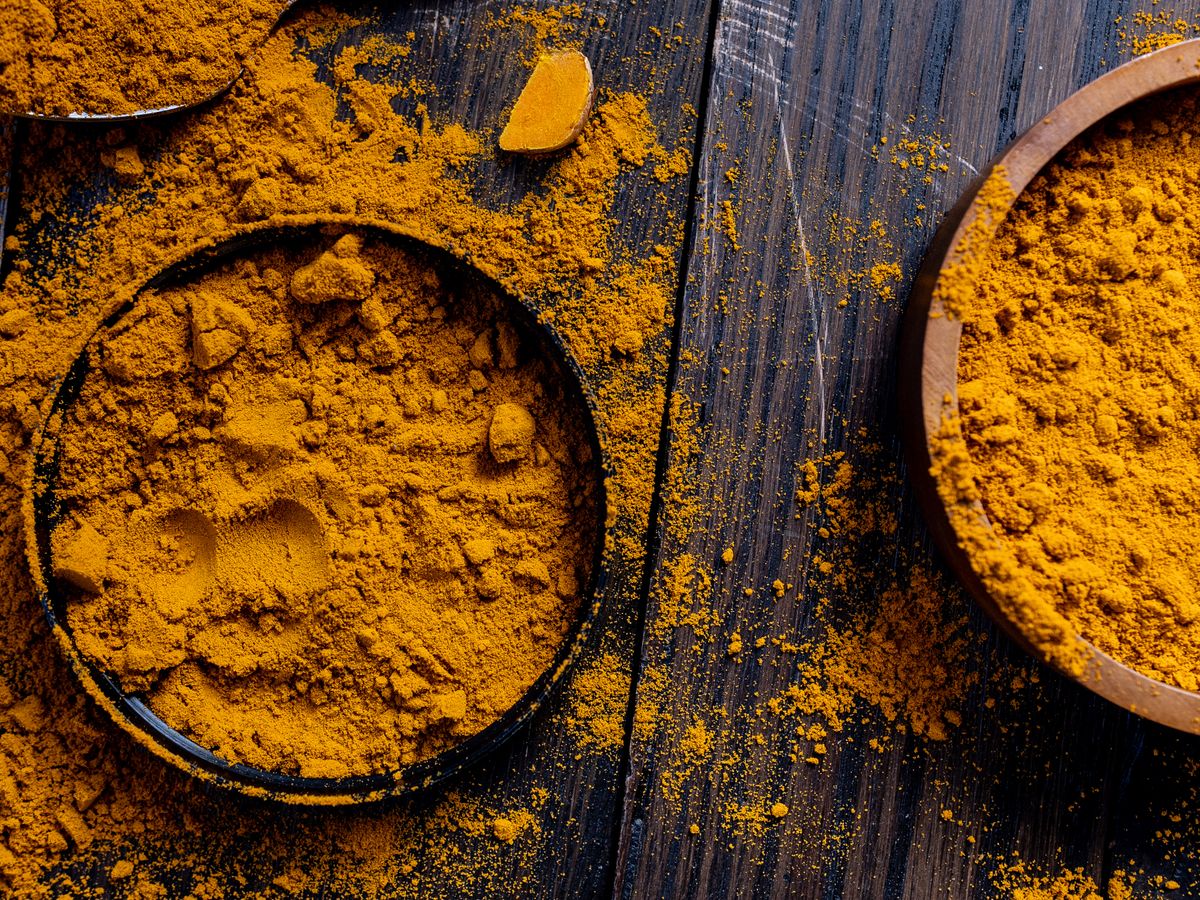
As a cooking spice, turmeric has a long, reassuring safety record. The concern lives in the concentrated capsule, not the kitchen.
2
The absorption twist
Black Pepper Is Why Some Capsules Hit Harder
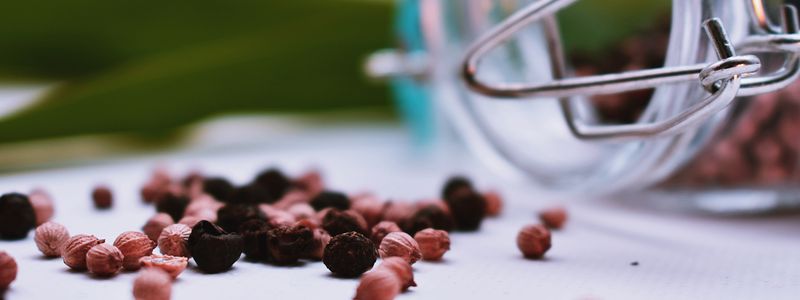
Curcumin is famously hard to absorb, so many products add piperine from black pepper. NCCIH notes this is a common way to boost bioavailability. The catch is that piperine also slows the liver's ability to clear curcumin, which can push blood levels higher than the label alone would suggest.
Piperine from black pepper multiplies how much curcumin reaches your blood. It is added to help, but it is also part of the risk.
3
What the NIH tracks
The Injury Is Rare, Potentially Severe, and Rising
NIH's LiverTox, maintained by the National Institute of Diabetes and Digestive and Kidney Diseases, describes turmeric-associated liver injury as typically hepatocellular, usually appearing one to four months after starting. A case series from the Drug-Induced Liver Injury Network reported ten patients: five were hospitalized and one died of acute liver failure.
Liver damage has been reported in some people who have consumed these bioavailable formulations.
NCCIH's advice is blunt: if you notice fatigue, nausea, poor appetite, dark urine or jaundice, stop the product and talk with your provider.
National Center for Complementary and Integrative Health, 2025
4
Why some people and not others
One Immune Gene Shows Up Again and Again
The injury behaves like an immune reaction rather than a simple overdose. In the reported cases, most patients carried the HLA-B*35:01 gene variant, which was far more common among them than in the general population. The same marker is linked to liver injury from green tea extract and a handful of other botanicals.
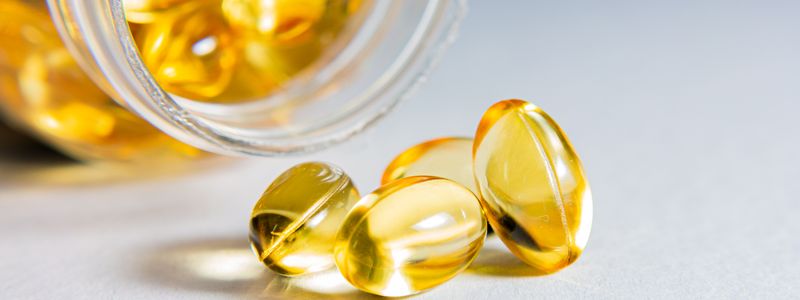
The reports involve concentrated curcumin capsules, frequently the enhanced-absorption kind, not turmeric used as a seasoning.
5
The honest bottom line
Keep the Spice. Respect the Concentrated Pill.
None of this makes turmeric dangerous or your spice rack a hazard. It means a concentrated curcumin supplement is a real product with real trade-offs, best chosen with your eyes open, especially if you already have a liver condition or take other medicines. Talk to your provider before starting one.
Take the honest turmeric safety sheet with you
Your free 2-page guide: what is safe, what the NIH case reports actually show, and the symptoms that mean stop now.
One email. No spam. Unsubscribe anytime.
Free Lifestyle Assessment
How Healthy Is Your Current Lifestyle?
Answer honestly for five minutes and walk away with your personal scorecard: all six areas of your health rated, the one that needs your attention first, and a 30-day plan built from your answers. It shows up the second you finish.
Free. About 5 minutes. Your results appear instantly.
📋 Your Coach's Recommendations
1
Separate the Spice From the Supplement
Turmeric in food is not the issue. If you are only cooking with it, there is nothing here to worry about. The caution applies to concentrated curcumin capsules, especially high-absorption formulas that pair curcumin with black pepper.
2
Know the Stop-Now Symptoms
NCCIH names the warning signs of liver trouble: unusual fatigue, nausea, poor appetite, dark urine, or a yellow tint to the skin or eyes. If any appear while taking turmeric or curcumin, stop the product and call your provider promptly.
3
Clear It First If You Are Higher Risk
People with existing liver conditions, or those taking other medications, should talk to a provider before starting a curcumin supplement. Choose a third-party tested product, since supplements are not reviewed by the FDA before sale, and keep the dose modest.
?
How it works. Just a quiet check-in, not an alert and not a recurring nag. The event lands as a 30-minute slot at 9am two weeks from today, with your plan in the notes and a link back to this article. Works with Apple Calendar, Google Calendar, and Outlook. Yours to move, snooze, or delete whenever.
Keep this plan
Get the 2-page guide: what is safe, what the NIH case reports show, and the symptoms that mean stop now.
One email. No spam. Unsubscribe anytime.
Where should we send it?
Your honest turmeric safety sheet, straight to your inbox.
We send the plan plus one short evidence brief each week. Unsubscribe anytime.
✓
It is on the way
Check your inbox in the next minute. Your first Ageless Brief arrives this week: one study, translated, no hype.
Yes. As a culinary spice, turmeric has a long safety record, and NCCIH considers ordinary turmeric likely safe for most people for a few months. The safety questions are about concentrated curcumin supplements, not food.
Can turmeric supplements hurt your liver?
Rarely, yes. NIH's LiverTox and a Drug-Induced Liver Injury Network case series document turmeric-associated liver injury, mostly with concentrated, high-absorption products. Five of ten patients in that series were hospitalized and one died.
Why does black pepper matter?
Piperine from black pepper sharply increases curcumin absorption and slows how fast the liver clears it, which can raise blood levels higher than the label implies.
What are the warning signs?
NCCIH lists fatigue, nausea, poor appetite, dark urine and jaundice. If these appear while taking turmeric or curcumin, stop the product and contact your provider.
Who should be most careful?
People with existing liver conditions or those taking other medications. Talk to a provider before starting a curcumin supplement, and choose a third-party tested product.
Is this medical advice?
No. This article is educational and is not a substitute for your clinician. Talk to your provider before starting or stopping any supplement.
Curious where you stand? Take the free 5-minute lifestyle assessment and your personal scorecard appears the second you finish.
By the Ageless Coach Editorial Team · Published August 4, 2026 · Last updated August 4, 2026
<style>
:root{--dark-base:#0D1B2A;--dark-mid:#1B3A4B;--teal:#0EA5A0;--teal-dark:#0C8C88;--teal-bright:#14D4CD;--fog:#D8E8E8;--deep-fog:#C8DCDC;--fog-border:#A8C4C4;--ink:#313743;--ink-soft:#49505f;--muted:#6b7280;--warm:#9A6841;--warm-light:#be7b4c;--serif:"Source Serif 4",Georgia,serif;--sans:Inter,-apple-system,BlinkMacSystemFont,"Segoe UI",sans-serif}
.w-richtext p,.w-richtext li,.w-richtext td{font-size:20.5px;line-height:1.7;color:var(--ink-soft)}
.w-richtext ul{list-style-type:disc;padding-left:24px;margin:12px 0}
.w-richtext ul li{margin-bottom:8px}
.ac-answer{background:#fff;border:1px solid #D4E4E4;border-top:5px solid var(--teal);border-radius:16px;padding:22px 24px 18px;margin:16px 0 28px;box-shadow:0 6px 22px rgba(13,27,42,.07)}
.ac-answer .aa-eyebrow{font:800 12px/1 var(--sans);letter-spacing:2.5px;text-transform:uppercase;color:var(--teal-dark);margin-bottom:8px}
.ac-answer .aa-head{font-family:var(--serif);font-size:24px;line-height:1.2;font-weight:800;color:var(--dark-base);margin:0 0 16px}
.ac-answer .aa-list{list-style:none;margin:0;padding:0}
.ac-answer .aa-list li{display:flex;gap:12px;align-items:baseline;padding:11px 0;border-bottom:1px solid #EDF3F3;font:700 16.5px/1.4 var(--sans);color:var(--ink)}
.ac-answer .aa-list li:last-child{border-bottom:none}
.ac-answer .aa-n{flex-shrink:0;width:24px;height:24px;border-radius:50%;background:var(--teal-dark);color:#fff;font:800 12px/24px var(--sans);text-align:center}
.ac-answer .aa-food{color:var(--teal-dark);font-weight:800}
.ac-answer .aa-cue{margin-top:18px;text-align:center}
.ac-answer .aa-cta{display:inline-flex;align-items:center;gap:10px;background:var(--teal-dark);color:#fff;font:800 14px/1 var(--sans);letter-spacing:.2px;padding:14px 26px;border-radius:50px;text-decoration:none;box-shadow:0 6px 16px rgba(12,140,136,.30)}
.ac-answer .aa-cta:hover{background:#0A7A76}
.ac-answer .aa-arw{display:inline-block;animation:aa-nudge 1.4s ease-in-out infinite}
@keyframes aa-nudge{0%,100%{transform:translateY(0)}50%{transform:translateY(4px)}}
@media(max-width:560px){.ac-answer{padding:20px 18px 16px}.ac-answer .aa-head{font-size:21px}.ac-answer .aa-list li{font-size:15px}}
.ac-band{margin:56px 0 24px;padding:26px 24px 12px;background:linear-gradient(180deg,#F0F7F7,#fff);border-radius:16px}
.ac-band.hype{background:linear-gradient(180deg,#FAF3EB,#fff)}
.ac-band .inner{display:flex;gap:20px;align-items:center}
.ac-band .big{font:900 72px/1 var(--sans);color:var(--deep-fog);flex-shrink:0}
.ac-band.hype .big{color:#EAD9C6}
.ac-band .q{font:700 13px/1.4 var(--sans);letter-spacing:2px;text-transform:uppercase;color:var(--teal-dark)}
.ac-band.hype .q{color:var(--warm)}
.ac-band h3{font-family:var(--serif);font-size:30px;line-height:1.2;font-weight:800;color:var(--ink);margin:0}
.ac-callout{border-left:4px solid var(--teal);background:#F4FAFA;border-radius:0 12px 12px 0;padding:18px 22px;margin:28px 0}
.ac-callout .n{font:800 20px/1.35 var(--sans);color:var(--dark-mid);margin-bottom:6px}
.ac-callout .d{font:500 15px/1.55 var(--sans);color:var(--ink-soft)}
.ac-callout .c{font:600 11.5px/1 var(--sans);letter-spacing:1.5px;text-transform:uppercase;color:var(--muted);margin-top:10px}
.ac-plan{background:linear-gradient(135deg,#F4FAFA 0%,#fff 100%);border-left:5px solid var(--teal-dark);border-radius:14px;padding:30px 26px;margin:40px 0 0;box-shadow:0 2px 12px rgba(0,0,0,.06);scroll-margin-top:100px}
.ac-plan .ptitle{font-family:var(--serif);font-size:24px;font-weight:800;color:var(--ink);margin-bottom:22px}
.ac-plan .step{display:flex;gap:16px;margin-bottom:18px;align-items:flex-start}
.ac-plan .step .n{min-width:38px;width:38px;height:38px;background:var(--teal-dark);border-radius:50%;color:#fff;font:800 17px/38px var(--sans);text-align:center;flex-shrink:0}
.ac-plan .sh{font:800 16.5px/1.4 var(--sans);color:var(--ink);margin-bottom:3px}
.ac-plan .sd{font:400 15px/1.6 var(--sans);color:var(--muted)}
.ac-plan .actions{border-top:1px solid #D8E8E8;margin-top:16px;padding-top:20px}
.ac-primary-row{display:flex;align-items:center;gap:10px;padding:0 4px}
.ac-btn-primary-wide{flex:1;background:var(--teal);color:#fff;border:1.5px solid var(--teal);border-radius:14px;padding:12px 22px;box-shadow:0 4px 14px rgba(14,165,160,.22);font-family:var(--sans);cursor:pointer;display:grid;grid-template-columns:auto 1fr;gap:14px;align-items:center;transition:all .18s ease}
.ac-btn-primary-wide:hover{background:var(--teal-dark);border-color:var(--teal-dark)}
.ac-btn-primary-wide .icon svg{width:22px;height:22px;color:#fff;display:block}
.ac-btn-primary-wide .label{text-align:left;line-height:1.25}
.ac-btn-primary-wide .label .top{display:block;font-weight:700;font-size:15.5px;color:#fff}
.ac-btn-primary-wide .label .top em{font-style:italic;font-weight:700}
.ac-cal-help{position:relative;flex-shrink:0}
.ac-cal-help summary{list-style:none;width:24px;height:24px;border-radius:50%;background:#E4F1F1;border:1px solid var(--fog-border);color:var(--dark-mid);font:700 13px/22px var(--sans);text-align:center;cursor:pointer;display:block}
.ac-cal-help summary::-webkit-details-marker{display:none}
.ac-cal-help .tip{position:absolute;right:0;top:32px;z-index:50;width:290px;background:var(--dark-base);color:var(--fog);border-radius:12px;padding:14px 16px;font:500 12.5px/1.55 var(--sans);box-shadow:0 10px 30px rgba(13,27,42,.35)}
.ac-cal-help .tip strong{color:#fff}
.ac-btn-share-wide{display:flex;width:100%;align-items:center;justify-content:center;gap:10px;background:#fff;color:var(--teal-dark);border:1.5px solid var(--teal-dark);border-radius:14px;padding:12px 22px;margin-top:10px;font:800 15px/1 var(--sans);cursor:pointer}
.ac-btn-share-wide svg{width:18px;height:18px}
.ac-midcap{background:linear-gradient(180deg,#F0F7F7,#fff);border:1.5px solid var(--fog-border);border-radius:16px;padding:24px 22px;margin:34px 0;text-align:center}
.ac-midcap h4{font-family:var(--serif);font-size:22px;font-weight:800;color:var(--ink);margin:0 0 6px}
.ac-midcap .sub{font:500 14px/1.55 var(--sans);color:var(--ink-soft);margin:0 auto 14px;max-width:400px}
.ac-midcap .mcform{display:flex;gap:8px;max-width:400px;margin:0 auto}
.ac-midcap .mcform input{flex:1;border:1.5px solid var(--fog-border);border-radius:50px;padding:12px 18px;font:500 14px/1 var(--sans);min-width:0}
.ac-midcap .mcform button{background:var(--teal-dark);color:#fff;border:none;border-radius:50px;padding:12px 20px;font:800 13.5px/1 var(--sans);cursor:pointer;white-space:nowrap}
.ac-midcap .fine{font:500 11.5px/1.5 var(--sans);color:var(--muted);margin-top:10px}
@media (max-width:520px){.ac-midcap .mcform{flex-direction:column}}
.ac-assess-promo{background:linear-gradient(135deg,#D8E8E8,#C8DCDC);border:1px solid var(--fog-border);border-radius:16px;padding:34px 30px;margin:44px 0;text-align:center}
.ac-assess-promo .eyebrow{color:var(--teal-dark);font:800 12px/1 var(--sans);letter-spacing:2.5px;text-transform:uppercase;margin:0 0 10px}
.ac-assess-promo h4{font-family:var(--serif);color:var(--dark-base);font-size:26px;font-weight:800;margin:0 0 12px}
.w-embed .ac-assess-promo p.ap-body,.ac-assess-promo p.ap-body{font-family:Georgia,serif;color:#3A5555;font-size:15.5px;font-weight:500;line-height:1.65;max-width:540px;margin:0 auto 22px}
.ac-assess-promo .ap-cta{display:inline-block;background:var(--teal-bright);color:var(--dark-base);font:800 15px/1 var(--sans);padding:15px 30px;border-radius:50px;text-decoration:none}
.ac-assess-promo .ap-fine{color:#4E6B6B;font:500 13px/1.5 var(--sans);margin:14px 0 0}
.ac-assess-line{border-top:1px solid #E2ECEC;margin-top:30px;padding:22px 10px 0;text-align:center;font:500 15.5px/1.6 var(--sans);color:#3A5555}
.w-embed .ac-assess-line a,.ac-assess-line a{color:var(--teal-dark);font-weight:700;text-decoration:underline;text-underline-offset:3px}
.ac-articlemeta{font:500 12.5px/1.6 var(--sans);color:#98a0a6;text-align:center;margin:24px 0 0}
.ac-capture{background:linear-gradient(180deg,#F0F7F7,#fff);border:1.5px solid var(--fog-border);border-radius:16px;padding:30px 28px;margin:26px 0 44px;text-align:center}
.ac-capture .cap-state{display:none}
.ac-capture[data-state="trigger"] .st-trigger{display:block}
.ac-capture[data-state="form"] .st-form{display:block}
.ac-capture[data-state="sent"] .st-sent{display:block}
.ac-capture h4{font-family:var(--serif);font-size:24px;font-weight:800;color:var(--ink);margin:0 0 8px}
.ac-capture .sub{font:500 15px/1.55 var(--sans);color:var(--ink-soft);margin:0 auto 18px;max-width:430px}
.ac-capture .bigbtn{display:inline-flex;align-items:center;gap:10px;background:var(--teal-dark);color:#fff;border:none;border-radius:50px;padding:16px 30px;font:800 16px/1 var(--sans);cursor:pointer;box-shadow:0 6px 18px rgba(12,140,136,.28)}
.ac-capture .capform{display:flex;gap:10px;max-width:430px;margin:0 auto}
.ac-capture .capform input{flex:1;border:1.5px solid var(--fog-border);border-radius:50px;padding:14px 20px;font:500 15px/1 var(--sans)}
.ac-capture .capform button{background:var(--teal-dark);color:#fff;border:none;border-radius:50px;padding:14px 24px;font:800 14px/1 var(--sans);cursor:pointer}
.ac-capture .sent-check{width:52px;height:52px;border-radius:50%;background:var(--teal);color:#fff;font:800 26px/52px var(--sans);margin:0 auto 12px}
.ac-capture .dl{display:inline-block;margin-top:6px;color:var(--teal-dark);font:700 15px/1 var(--sans);text-decoration:underline;cursor:pointer}
.ac-capture .fine{font:500 12px/1.5 var(--sans);color:var(--muted);margin-top:12px}
.ac-sig{margin-top:36px}
.ac-sig .rule{width:60px;height:2px;background:linear-gradient(90deg,var(--teal-dark),var(--teal-bright));margin-bottom:18px;border-radius:2px}
.ac-sig .toyour{font-family:var(--serif);font-size:16px;font-style:italic;color:#777;margin:0 0 10px;padding-left:2px}
.ac-faq{margin-top:40px;border-top:1px solid #e5e7eb;padding-top:30px;margin-bottom:40px}
.ac-faq h2{font-family:var(--serif);font-size:23px;font-weight:800;color:var(--ink);margin:0 0 18px}
.ac-faq details{border:1px solid #e5e7eb;border-radius:10px;margin-bottom:10px}
.ac-faq summary{padding:15px 18px;font:700 16px/1.4 var(--sans);color:var(--ink);cursor:pointer;display:flex;justify-content:space-between;align-items:center;list-style:none}
.ac-faq summary:after{content:"\25BE";color:var(--warm)}
.ac-faq .a{padding:0 18px 16px;font-size:17px;line-height:1.65;color:#555}
.article-header-section .article-container{max-width:1080px !important;margin:0 auto !important;padding:0 20px !important}
.article-header-section .article-hero-image{display:block;width:100%;max-width:660px;margin:0}
.article-header-section .article-title{display:block !important;font-family:var(--serif);font-size:32px;line-height:1.25;font-weight:700;color:#313743;margin:20px 0 12px 0;text-align:left;max-width:660px}
@media (max-width:767px){.article-header-section .article-title{font-size:26px}.article-header-section .article-hero-image{max-width:100%}}
@media (max-width:640px){.ac-band .big{font-size:52px}}
@media (max-width:520px){.ac-capture .capform{flex-direction:column}}
.ac-figure{margin:30px 0}.ac-figure img{display:block;width:100%;border-radius:14px;height:auto;aspect-ratio:800/300}.ac-figure figcaption{font:500 13px/1.5 var(--sans);color:var(--muted);margin-top:9px}</style>
<div class="ac-answer"><div class="aa-eyebrow">What the evidence actually says</div><h2 class="aa-head">Turmeric on your food is one of the safest spices there is. The concern is the concentrated capsule. The NIH says ordinary turmeric is likely safe for a few months, but warns that highly bioavailable curcumin formulas may harm the liver, and its LiverTox database has logged real, sometimes severe cases.</h2><ol class="aa-list"><li><span class="aa-n">1</span><span><span class="aa-food">Safe as a spice</span> · turmeric in cooking has a long and reassuring safety record</span></li><li><span class="aa-n">2</span><span><span class="aa-food">The pill is a different product</span> · concentrated, high-absorption curcumin is what the case reports involve</span></li><li><span class="aa-n">3</span><span><span class="aa-food">Black pepper is the twist</span> · piperine multiplies curcumin absorption, and that is part of the risk</span></li><li><span class="aa-n">4</span><span><span class="aa-food">Rare but real</span> · the NIH grades the liver injury as potentially severe, and US cases are rising</span></li><li><span class="aa-n">5</span><span><span class="aa-food">Genes may load the dice</span> · most reported patients carry one specific immune gene variant</span></li></ol><div class="aa-cue"><a class="aa-cta" href="#coach-recommendations">Get Your Coach's 3-Step Plan <span class="aa-arw">↓</span></a></div></div>
<p>Turmeric is having a long moment. We have written before about how little curcumin your body actually absorbs from a standard capsule, which is the whole reason the newer high-absorption formulas exist. That same absorption problem is where this story quietly turns.</p>
<p>The NIH's <a href="https://www.nccih.nih.gov/health/turmeric" target="_blank" rel="noopener">National Center for Complementary and Integrative Health</a> is clear that conventionally formulated turmeric is likely safe in normal amounts for two to three months. Then it adds the sentence the label leaves off: highly bioavailable curcumin formulations may harm your liver.</p>
<div class="ac-band"><div class="inner"><div class="big">1</div><div><div class="q">Where the worry starts</div><h3>The Spice Is Safe. The Supplement Is Not the Spice.</h3></div></div></div>
<p>A pinch of turmeric in a curry and a 1,000 mg curcumin capsule are not the same exposure. Food delivers a small amount of poorly absorbed curcumin. A concentrated supplement, often engineered to absorb far better, delivers many times more, and that is the version tied to the liver reports.</p>
<figure class="ac-figure"><img src="https://images.pexels.com/photos/6220707/pexels-photo-6220707.jpeg?auto=compress&cs=tinysrgb&w=800&h=300&fit=crop" alt="Bowls of bright golden turmeric powder on a dark wooden surface" width="800" height="300" loading="lazy" decoding="async"><figcaption>As a cooking spice, turmeric has a long, reassuring safety record. The concern lives in the concentrated capsule, not the kitchen.</figcaption></figure>
<div class="ac-band"><div class="inner"><div class="big">2</div><div><div class="q">The absorption twist</div><h3>Black Pepper Is Why Some Capsules Hit Harder</h3></div></div></div>
<p>Curcumin is famously hard to absorb, so many products add piperine from black pepper. NCCIH notes this is a common way to boost bioavailability. The catch is that piperine also slows the liver's ability to clear curcumin, which can push blood levels higher than the label alone would suggest.</p>
<figure class="ac-figure"><img src="https://images.pexels.com/photos/2294291/pexels-photo-2294291.jpeg?auto=compress&cs=tinysrgb&w=800&h=300&fit=crop" alt="A scatter of black and pink peppercorns beside a glass jar" width="800" height="300" loading="lazy" decoding="async"><figcaption>Piperine from black pepper multiplies how much curcumin reaches your blood. It is added to help, but it is also part of the risk.</figcaption></figure>
<div class="ac-band"><div class="inner"><div class="big">3</div><div><div class="q">What the NIH tracks</div><h3>The Injury Is Rare, Potentially Severe, and Rising</h3></div></div></div>
<p>NIH's <a href="https://www.ncbi.nlm.nih.gov/books/NBK548561/" target="_blank" rel="noopener">LiverTox</a>, maintained by the National Institute of Diabetes and Digestive and Kidney Diseases, describes turmeric-associated liver injury as typically hepatocellular, usually appearing one to four months after starting. A <a href="https://pubmed.ncbi.nlm.nih.gov/36252717/" target="_blank" rel="noopener">case series from the Drug-Induced Liver Injury Network</a> reported ten patients: five were hospitalized and one died of acute liver failure.</p>
<div class="ac-callout"><div class="n">Liver damage has been reported in some people who have consumed these bioavailable formulations.</div><div class="d">NCCIH's advice is blunt: if you notice fatigue, nausea, poor appetite, dark urine or jaundice, stop the product and talk with your provider.</div><div class="c">National Center for Complementary and Integrative Health, 2025</div></div>
<div class="ac-band"><div class="inner"><div class="big">4</div><div><div class="q">Why some people and not others</div><h3>One Immune Gene Shows Up Again and Again</h3></div></div></div>
<p>The injury behaves like an immune reaction rather than a simple overdose. In the reported cases, most patients carried the HLA-B*35:01 gene variant, which was far more common among them than in the general population. The same marker is linked to liver injury from green tea extract and a handful of other botanicals.</p>
<figure class="ac-figure"><img src="https://images.pexels.com/photos/13534590/pexels-photo-13534590.jpeg?auto=compress&cs=tinysrgb&w=800&h=300&fit=crop" alt="Golden softgel supplement capsules spilling from a small glass jar" width="800" height="300" loading="lazy" decoding="async"><figcaption>The reports involve concentrated curcumin capsules, frequently the enhanced-absorption kind, not turmeric used as a seasoning.</figcaption></figure>
<div class="ac-band"><div class="inner"><div class="big">5</div><div><div class="q">The honest bottom line</div><h3>Keep the Spice. Respect the Concentrated Pill.</h3></div></div></div>
<p>None of this makes turmeric dangerous or your spice rack a hazard. It means a concentrated curcumin supplement is a real product with real trade-offs, best chosen with your eyes open, especially if you already have a liver condition or take other medicines. Talk to your provider before starting one.</p>
<div class="ac-midcap"><h4>Take the honest turmeric safety sheet with you</h4><p class="sub">Your free 2-page guide: what is safe, what the NIH case reports actually show, and the symptoms that mean stop now.</p><div class="mcform"><input type="email" placeholder="Your email address" aria-label="Email address"><button type="button">Send My Plan (Free)</button></div><div class="fine">One email. No spam. Unsubscribe anytime.</div></div>
<div class="ac-assess-promo"><p class="eyebrow">Free Lifestyle Assessment</p><h4>How Healthy Is Your Current Lifestyle?</h4><p class="ap-body">Answer honestly for five minutes and walk away with your personal scorecard: all six areas of your health rated, the one that needs your attention first, and a 30-day plan built from your answers. It shows up the second you finish.</p><a class="ap-cta" href="/#assessment">See How the Assessment Works →</a><p class="ap-fine">Free. About 5 minutes. Your results appear instantly.</p></div>
<div class="ac-plan" id="coach-recommendations"><div class="ptitle">📋 Your Coach's Recommendations</div><div class="step"><div class="n">1</div><div><div class="sh">Separate the Spice From the Supplement</div><div class="sd">Turmeric in food is not the issue. If you are only cooking with it, there is nothing here to worry about. The caution applies to concentrated curcumin capsules, especially high-absorption formulas that pair curcumin with black pepper.</div></div></div><div class="step"><div class="n">2</div><div><div class="sh">Know the Stop-Now Symptoms</div><div class="sd">NCCIH names the warning signs of liver trouble: unusual fatigue, nausea, poor appetite, dark urine, or a yellow tint to the skin or eyes. If any appear while taking turmeric or curcumin, stop the product and call your provider promptly.</div></div></div><div class="step"><div class="n">3</div><div><div class="sh">Clear It First If You Are Higher Risk</div><div class="sd">People with existing liver conditions, or those taking other medications, should talk to a provider before starting a curcumin supplement. Choose a third-party tested product, since supplements are not reviewed by the FDA before sale, and keep the dose modest.</div></div></div><div class="actions">
<div class="ac-primary-row">
<button type="button" class="ac-btn-primary-wide" data-ac-cal>
<span class="icon"><svg viewBox="0 0 24 24" fill="none" stroke="currentColor" stroke-width="2" stroke-linecap="round" stroke-linejoin="round"><rect x="3" y="4" width="18" height="18" rx="2"></rect><path d="M16 2v4M8 2v4M3 10h18"></path></svg></span>
<span class="label"><span class="top">Add <em>Your Coach's Recommendations to Your Calendar</em></span></span>
</button>
<details class="ac-cal-help"><summary aria-label="What does this do?">?</summary><div class="tip"><strong>How it works.</strong> Just a quiet check-in, not an alert and not a recurring nag. The event lands as a 30-minute slot at 9am two weeks from today, with your plan in the notes and a link back to this article. Works with Apple Calendar, Google Calendar, and Outlook. Yours to move, snooze, or delete whenever.</div></details>
</div>
<button type="button" class="ac-btn-share-wide" data-ac-share><svg viewBox="0 0 24 24" fill="none" stroke="currentColor" stroke-width="2" stroke-linecap="round" stroke-linejoin="round"><path d="M4 12v8a2 2 0 002 2h12a2 2 0 002-2v-8"></path><polyline points="16 6 12 2 8 6"></polyline><line x1="12" y1="2" x2="12" y2="15"></line></svg> Share this article</button>
</div>
</div>
<div class="ac-capture" data-state="trigger" data-article-slug="turmeric-is-safe-the-liver-warnings-arent-nothing" data-pdf-url="https://cdn.prod.website-files.com/69be1026a027224999b7936b/6a7192a48f14341d97b9e566_ac-turmeric-safety-plan.pdf" data-plan-title="The Honest Turmeric Safety Sheet" data-plan-desc="What is safe, what the NIH case reports show, and the symptoms that mean stop now."><div class="st-trigger cap-state"><h4>Keep this plan</h4><p class="sub">Get the 2-page guide: what is safe, what the NIH case reports show, and the symptoms that mean stop now.</p><button class="bigbtn" type="button" data-cap="form">📩 Email Me This Plan (Free PDF)</button><div class="fine">One email. No spam. Unsubscribe anytime.</div></div><div class="st-form cap-state"><h4>Where should we send it?</h4><p class="sub">Your honest turmeric safety sheet, straight to your inbox.</p><form class="capform"><input type="email" name="email" required placeholder="Your email address" aria-label="Email address"><button type="submit">Send My Plan</button></form><div class="fine">We send the plan plus one short evidence brief each week. Unsubscribe anytime.</div></div><div class="st-sent cap-state"><div class="sent-check">✓</div><h4>It is on the way</h4><p class="sub">Check your inbox in the next minute. Your first Ageless Brief arrives this week: one study, translated, no hype.</p><a class="dl" href="https://cdn.prod.website-files.com/69be1026a027224999b7936b/6a7192a48f14341d97b9e566_ac-turmeric-safety-plan.pdf" download>⬇ Download your plan (PDF)</a></div></div>
<style>
.ac-exlib{--ac-ex-fog:#F0F7F7;--ac-ex-border:#A8C4C4;--ac-ex-teal:#0C8C88;--ac-ex-ink-teal:#0A6F6C;--ac-ex-dark:#0D1B2A;--ac-ex-body:#49505f;--ac-ex-muted:#5F6773;--ac-ex-serif:"Source Serif 4",Georgia,serif;--ac-ex-sans:Inter,-apple-system,"Segoe UI",sans-serif;background:linear-gradient(180deg,var(--ac-ex-fog),#fff);border:1.5px solid var(--ac-ex-border);border-radius:16px;padding:24px 26px;margin:36px 0 0;box-sizing:border-box}
.ac-exlib *{box-sizing:border-box}
.ac-exlib .ac-ex-eb{font:800 11.5px/1 var(--ac-ex-sans);letter-spacing:2.4px;text-transform:uppercase;color:var(--ac-ex-ink-teal);margin:0 0 10px}
.ac-exlib .ac-ex-h{font-family:var(--ac-ex-serif);font-size:22px;line-height:1.25;font-weight:800;color:var(--ac-ex-dark);margin:0 0 10px}
.ac-exlib .ac-ex-p{font:500 16px/1.6 var(--ac-ex-sans);color:var(--ac-ex-body);margin:0 0 16px}
.ac-exlib .ac-ex-go{display:inline-flex;align-items:center;gap:8px;border:1.5px solid var(--ac-ex-teal);color:var(--ac-ex-ink-teal);background:#fff;font:800 14px/1 var(--ac-ex-sans);padding:15px 24px;border-radius:50px;text-decoration:none;min-height:44px}
.ac-exlib .ac-ex-go:hover,.ac-exlib .ac-ex-go:focus{background:var(--ac-ex-fog);color:var(--ac-ex-ink-teal)}
.ac-exlib .ac-ex-go:focus-visible{outline:2px solid var(--ac-ex-ink-teal);outline-offset:3px}
.ac-exlib .ac-ex-go svg{width:14px;height:14px;stroke:currentColor;fill:none;stroke-width:2.4;flex:none}
.ac-exlib .ac-ex-note{font:500 12px/1.6 var(--ac-ex-sans);color:var(--ac-ex-muted);margin:14px 0 0}
@media(max-width:560px){.ac-exlib{padding:20px 18px}.ac-exlib .ac-ex-h{font-size:20px}.ac-exlib .ac-ex-go{width:100%;justify-content:center}}
</style>
<aside class="ac-exlib" data-template="L-examine" aria-label="Further reading">
<p class="ac-ex-eb">Read the research yourself</p>
<h3 class="ac-ex-h">We read the studies. You can too.</h3>
<p class="ac-ex-p">Everything above is sourced and linked. If you want to go deeper than one article can go, Examine maintains independent, continuously updated research summaries on turmeric and around a thousand other supplements. They sell no supplements of their own. That is the reason we send people there rather than somewhere else.</p>
<a class="ac-ex-go" href="https://examine.com/refer/qed0mm2?loc=/supplements/curcumin&utm_source=agelesscoach&utm_medium=article&utm_content=tmpl-L-examine" rel="noopener sponsored" target="_blank">
See Examine's turmeric research
<svg viewBox="0 0 24 24" aria-hidden="true"><path d="M5 12h14M13 6l6 6-6 6" stroke-linecap="round" stroke-linejoin="round"/></svg>
</a>
<p class="ac-ex-note">Ageless Coach may earn a commission if you subscribe, at no additional cost to you. We were not paid to write this and it does not affect what we recommend.</p>
</aside>
<div class="ac-sig"><div class="rule"></div><p class="toyour">To your health,</p><svg width="320" height="72" viewBox="0 0 320 72" role="img" aria-label="Ageless Coach. Age Strong. Live Long." xmlns="http://www.w3.org/2000/svg" xmlns:xlink="http://www.w3.org/1999/xlink"><defs><clipPath id="acSigIconClip"><rect x="0" y="6" width="60" height="60" rx="12" ry="12"/></clipPath></defs><image x="0" y="6" width="60" height="60" clip-path="url(#acSigIconClip)" preserveAspectRatio="xMidYMid slice" href="https://cdn.prod.website-files.com/69be1026a027224999b7936b/6a0b22c6afd5d6fd115b9c1a_ac-closing-brand-icon.webp" xlink:href="https://cdn.prod.website-files.com/69be1026a027224999b7936b/6a0b22c6afd5d6fd115b9c1a_ac-closing-brand-icon.webp"/><text x="76" y="42" style="font-family:Inter,system-ui,-apple-system,'Helvetica Neue',Arial,sans-serif;font-size:27px;letter-spacing:-0.3px"><tspan style="font-weight:800;fill:#0D1B2A">Ageless</tspan><tspan style="font-weight:300;fill:rgba(13,27,42,0.6)">Coach</tspan><tspan dy="-12" style="font-size:16px;font-weight:600;fill:rgba(13,27,42,0.6)">™</tspan></text><text x="76" y="60" style="font-family:Inter,system-ui,-apple-system,'Helvetica Neue',Arial,sans-serif;font-size:10.5px;letter-spacing:2.5px;font-weight:500;fill:#0C8C88;text-transform:uppercase">AGE STRONG. LIVE LONG.</text></svg></div>
<div class="ac-faq"><h2>Frequently Asked Questions</h2><details><summary>Is turmeric safe to eat?</summary><div class="a">Yes. As a culinary spice, turmeric has a long safety record, and NCCIH considers ordinary turmeric likely safe for most people for a few months. The safety questions are about concentrated curcumin supplements, not food.</div></details><details><summary>Can turmeric supplements hurt your liver?</summary><div class="a">Rarely, yes. NIH's LiverTox and a Drug-Induced Liver Injury Network case series document turmeric-associated liver injury, mostly with concentrated, high-absorption products. Five of ten patients in that series were hospitalized and one died.</div></details><details><summary>Why does black pepper matter?</summary><div class="a">Piperine from black pepper sharply increases curcumin absorption and slows how fast the liver clears it, which can raise blood levels higher than the label implies.</div></details><details><summary>What are the warning signs?</summary><div class="a">NCCIH lists fatigue, nausea, poor appetite, dark urine and jaundice. If these appear while taking turmeric or curcumin, stop the product and contact your provider.</div></details><details><summary>Who should be most careful?</summary><div class="a">People with existing liver conditions or those taking other medications. Talk to a provider before starting a curcumin supplement, and choose a third-party tested product.</div></details><details><summary>Is this medical advice?</summary><div class="a">No. This article is educational and is not a substitute for your clinician. Talk to your provider before starting or stopping any supplement.</div></details></div>
<div class="ac-assess-line">Curious where you stand? Take the free <a href="/#assessment">5-minute lifestyle assessment</a> and your personal scorecard appears the second you finish.</div>
<p class="ac-articlemeta">By the Ageless Coach Editorial Team · Published August 4, 2026 · Last updated August 4, 2026</p>
Subscribe to the Free Newsletter
One article a week. Trusted research made simple. Start making smarter health decisions today.