

Five everyday foods. Here is why each one helps guard your memory.
- 1Leafy greens · the daily serving tied to a brain 11 years younger
- 2Berries · the pigment linked to 40 percent less dementia
- 3Fatty fish · the fat tied to less memory-robbing brain plaque
- 4Olive oil · one spoonful, linked to 28 percent lower dementia death
- 5Walnuts · the pocket nut tied to sharper thinking
You walk into the kitchen and forget why. A name sits on the tip of your tongue and will not come. After 50, these little blips feel less like nothing and more like a warning. Most of us assume memory loss is just the price of getting older.
It is not that simple. What sits on your plate shapes how well your brain ages, and the research now points to a short list of specific foods. They come straight from the Mediterranean and MIND eating patterns, and each one is tied to slower memory loss. Here are the five worth putting on your plate this week.
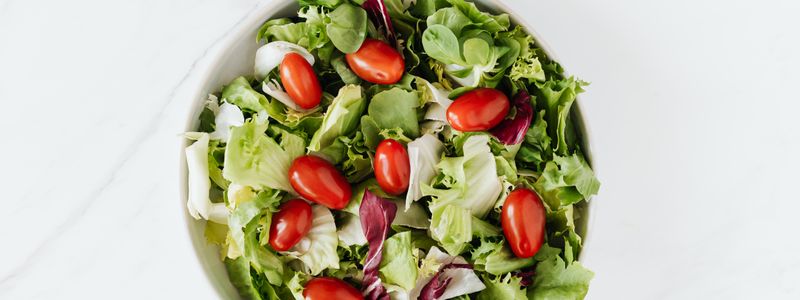
One Daily Salad Keeps Your Brain Years Younger
Start with the simplest food on the list. Spinach, kale, collards, and romaine are cheap, easy, and quietly powerful for the aging brain.
In a long study of older adults, people who ate about one serving of leafy greens a day had slower memory and thinking decline than those who ate almost none. The gap was striking. Their brains scored as if they were 11 years younger (National Institute on Aging, 2018).
The likely heroes are nutrients like folate, lutein, and vitamin K, which greens carry in abundance. One packed cup at lunch or dinner is enough to count.
If you are in your 60s or older, this is the easiest win on the whole list. Stir a handful of spinach into eggs, soup, or a pasta sauce and you have covered it without ever making a salad.
The Purple Pigment That Guards Your Memory
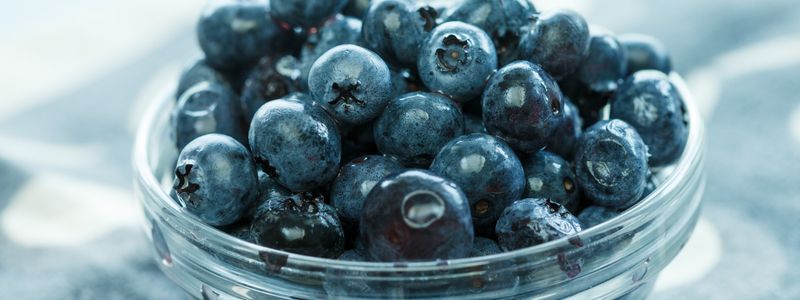
Berries earn their spot through color. The deep blue and red pigments in blueberries and strawberries are flavonoids, and flavonoids appear to protect the aging brain.
In a 20-year study, adults with the highest flavonoid intake were about 40 percent less likely to develop dementia than those with the lowest (Harvard Health, 2020).
Researchers think flavonoids calm inflammation and shield brain cells. This is association, not proof, but the signal is consistent across studies. A half cup a few mornings a week is an easy place to start.
Berries do double duty, too. They feed the gut and help steady blood sugar, and both of those quietly matter for how the brain ages.
The Fish Fat That Helps Clear Brain Plaque
Fatty fish like salmon, sardines, and mackerel are the richest food source of omega-3 fats. Your brain is built largely from these fats, and it never stops needing them.
Omega-3s have been linked to lower blood levels of beta-amyloid, the sticky protein that clumps into plaques in Alzheimer's disease. Harvard's brain experts suggest eating fish at least twice a week, choosing lower-mercury options like salmon and canned light tuna (Harvard Health).
If you are over 60, this is one of the highest-value swaps you can make. Two fish meals a week is the simple target.
Plant foods like walnuts and flax carry a different omega-3 called ALA, and the body turns only a small share of it into the forms the brain uses. Fish hands your brain the ready-made versions, DHA and EPA, with no conversion needed.
Take the 5 memory foods with you
Your free one-page plan: the 5 foods, how much of each, and the exact science behind why they protect memory.
One Daily Spoonful Your Brain Will Thank You For
Olive oil is the backbone of the Mediterranean plate, and it does more than make vegetables taste good. It may help your brain live longer.
In a study of more than 92,000 adults followed for 28 years, those who consumed over half a tablespoon of olive oil a day had a 28 percent lower risk of dying from dementia than those who rarely used it (National Institute on Aging, 2024).
Use it where it counts. Drizzle it cold over salads, soups, and roasted vegetables instead of butter or refined oils. One to two tablespoons a day fits the pattern in the research.
Free Lifestyle Assessment
How Healthy Is Your Current Lifestyle?
Answer honestly for five minutes and walk away with your personal scorecard: all six areas of your health rated, the one that needs your attention first, and a 30-day plan built from your answers. It shows up the second you finish.
See How the Assessment Works →Free. About 5 minutes. Your results appear instantly.
The Pocket-Sized Nut That Sharpens Recall
Nuts round out the list, and walnuts lead the pack for the brain. They are the one nut rich in ALA, a plant form of the same omega-3 fats found in fish.
Research from UCLA has linked higher walnut intake to better performance on memory and thinking tests, and walnuts are a core part of the MIND diet built to slow cognitive decline (Harvard Health). A small daily handful is plenty.
The MIND diet, a blend of the Mediterranean and DASH patterns, was built specifically to protect the aging brain, and nuts are one of its ten brain-healthy food groups. Walnuts are the standout.
Keep a bag in the pantry and a jar at your desk. They travel well, need no cooking, and turn a mid-afternoon slump into a brain-friendly snack.
- Leafy greens · one daily serving tracked with decline equal to 11 years younger (NIA)
- Berries · highest flavonoid intake tied to 40 percent lower dementia risk (Harvard Health)
- Olive oil · over half a tablespoon daily tied to 28 percent lower dementia death (NIA)
- Fatty fish and walnuts · omega-3s linked to lower brain beta-amyloid and better recall (Harvard Health)
- Brain-supplement pills · no solid proof they protect memory (Harvard Health)
- Ginkgo biloba · a large trial found no lower dementia rate (Harvard Health)
- Fish-oil pills · have not matched the benefit of eating fish (Harvard Health)
?
Keep this brain-food plan
Get the one-page memory-foods plan: the 5 foods, the amounts, and the science behind each pick.
Where should we send it?
Your one-page memory-foods plan, straight to your inbox.
It's on the way
Check your inbox in the next minute. Want it right now?
⬇ Download your plan (PDF)To your health,