

A narrowing aortic valve rarely announces itself with chest pain. It starts with tiredness, and the tiredness gets blamed on age. Here are the six symptoms in the order they arrive, and the test that settles it in one appointment.
The first sign of a narrowing heart valve is usually tiredness, not chest pain. That is why so many people put it down to age.
Calcium builds on the valve over decades. The valve stiffens, the opening shrinks, and the heart has to push harder. The first thing to give way is your energy for ordinary days.
Here are the six symptoms in the order they tend to arrive. Then the test that settles it, and why the window for treatment closes so quietly.
Six Symptoms, Listed From Mildest to Most Serious
The Cleveland Clinic lists these symptoms in a set order, from less severe to more severe. That order is the useful part. The mild end is where a diagnosis is still early.
The National Heart, Lung, and Blood Institute is blunter about the starting point. Extreme tiredness, it says, is often the first symptom of heart valve disease.
- Fatigue that disrupts your normal activities. Not ordinary tiredness. AHA describes it as a drop in activity level, or in what you can do in a normal day, and asks people close to you to speak up if you do not.
- Heart palpitations. Cleveland Clinic describes this as being unpleasantly aware of your own heartbeat. AHA lists a rapid, fluttering heartbeat among the symptoms.
- Swelling in the feet, ankles or lower legs. Fluid backs up when the left side of the heart cannot keep pace. A provider examining you for valve disease looks for exactly this.
- Chest pain, or angina. Cleveland Clinic says it can feel like squeezing, pressure or discomfort, and can extend into your neck, jaw, arm or abdomen.
- Shortness of breath. Usually noticed first on exertion, on stairs or a hill or carrying groceries. AHA also lists difficulty walking short distances.
- Dizziness, lightheadedness or fainting. This is the far end of the list. Cleveland Clinic says to go to the emergency room if you faint or pass out for any reason.
Many people have none of these for years. The American Heart Association says plainly that many do not notice anything until blood flow is more limited.
That silence is not the same as safety. Cleveland Clinic notes that many people learn they have it only when symptoms start, or when a test picks it up.
What an Echocardiogram Sees That a Stethoscope Cannot
The murmur is the doorway. Cleveland Clinic says a provider can often hear a heart murmur through a stethoscope, and calls it a key sign.
A murmur only says something is there. To size it you need an echocardiogram. AHA says that test is what checks the valve and guides the decision. It uses sound waves, not radiation.
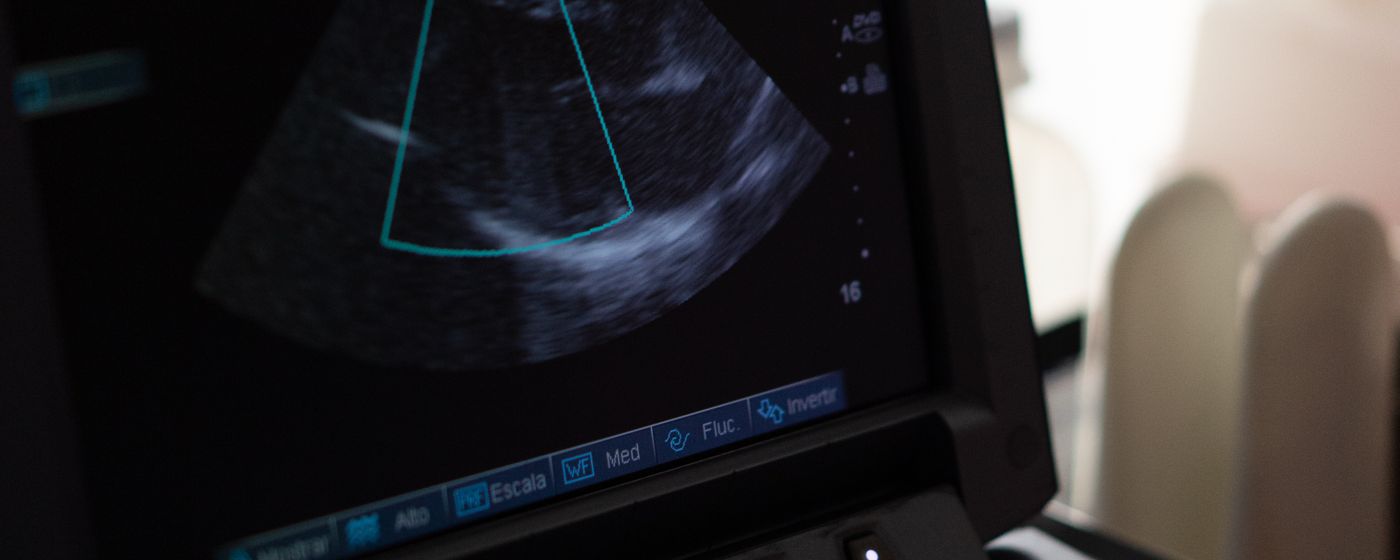
Other tests may follow. Cleveland Clinic lists an ECG, a chest X-ray or CT scan, a stress test, cardiac catheterization and heart MRI. The echo measures the narrowing.
AHA also gives you the words for it. There are four stages. A means at risk. B means the valve is narrowing. C means severe narrowing with no symptoms. D means severe narrowing with symptoms.
Extreme tiredness (fatigue) is often the first symptom.
Take the valve sheet with you
The whole picture on one printable sheet: the 6 symptoms in order, what stages A through D mean on your report, and the questions to ask before a wait and watch plan. Free, unlocked right here.
Enter your email to unlock your plan
Your 1-page aortic stenosis plan, unlocked right here.
Your plan is ready
Download or print it below. Save it anywhere.
⬇ Download your plan (PDF)Why Waiting Is the Decision That Costs the Most
No symptoms often means no procedure yet. Cleveland Clinic says a provider may simply watch it, with follow-up visits and tests. AHA says the same.
Watching is not the same as treating. Cleveland Clinic is blunt. Medicines help with symptoms, but they cannot stop the valve getting worse.

Timing matters because heart damage does not undo itself. Cleveland Clinic says a late start gives a mixed outlook. Once there is permanent damage, a full recovery is unlikely.
A new valve no longer always means open surgery. Cleveland Clinic describes a catheter method called TAVR. Some people go home the same day or the next.
Three Valve Beliefs That Delay the Appointment
Three corrections worth carrying into the appointment.
Slowing down at my age is just aging. It may be the first symptom instead. NHLBI says extreme tiredness is often the first symptom of valve disease. AHA asks you to raise it when your day gets smaller.
No chest pain means no valve problem. Chest pain sits fourth on Cleveland Clinic's list, not first. AHA says many people notice nothing until blood flow is limited. That is why severe narrowing with no symptoms has a stage of its own.
Medication can hold it off. It cannot. Cleveland Clinic says medicines help with symptoms but cannot stop the stenosis getting worse. A new valve is the treatment.
To your health,
Ageless Coach
Age Strong. Live Long.
This article is education, not medical advice. Fainting, chest pain or sudden breathlessness needs emergency care, not a search engine.