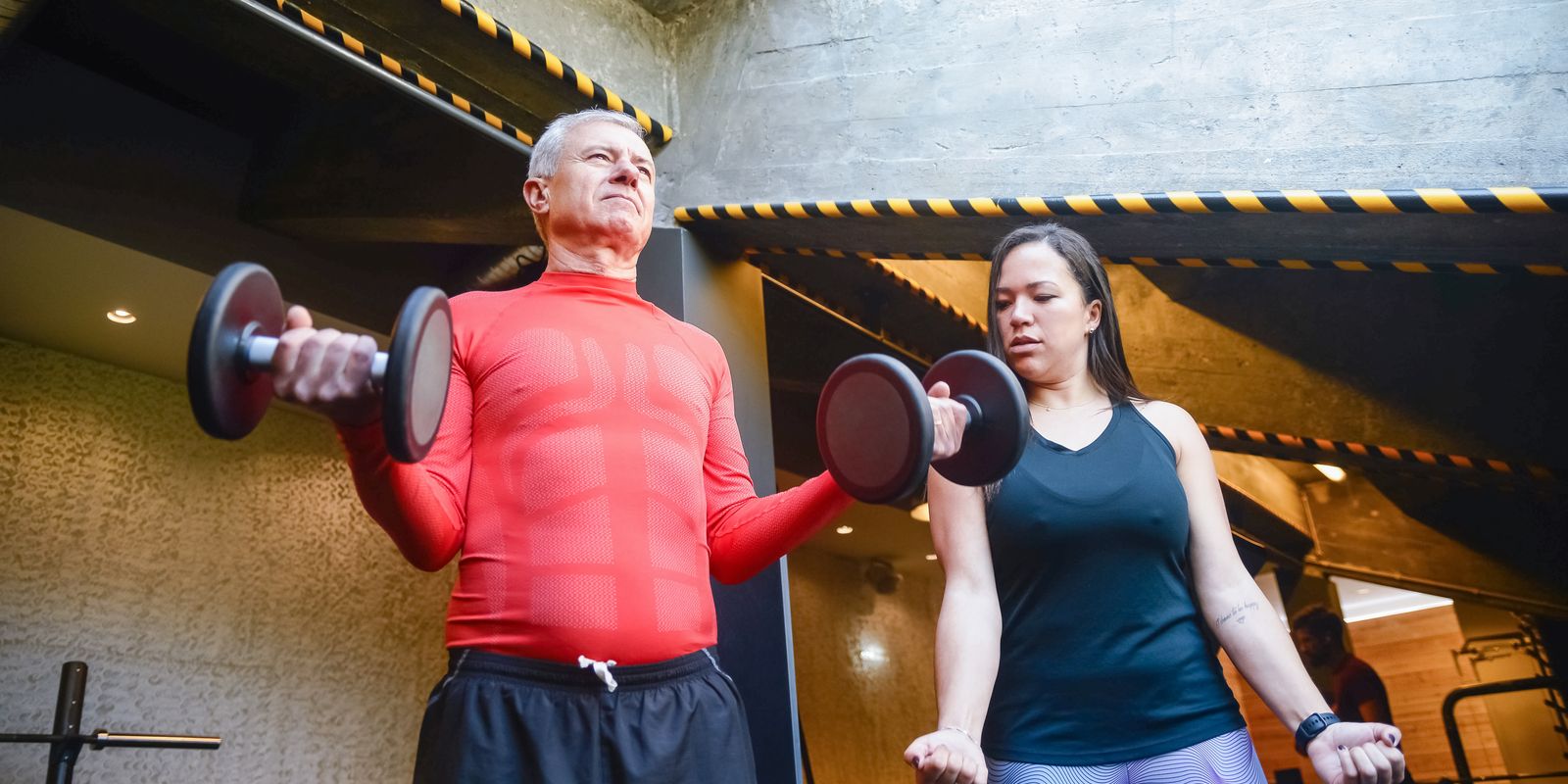
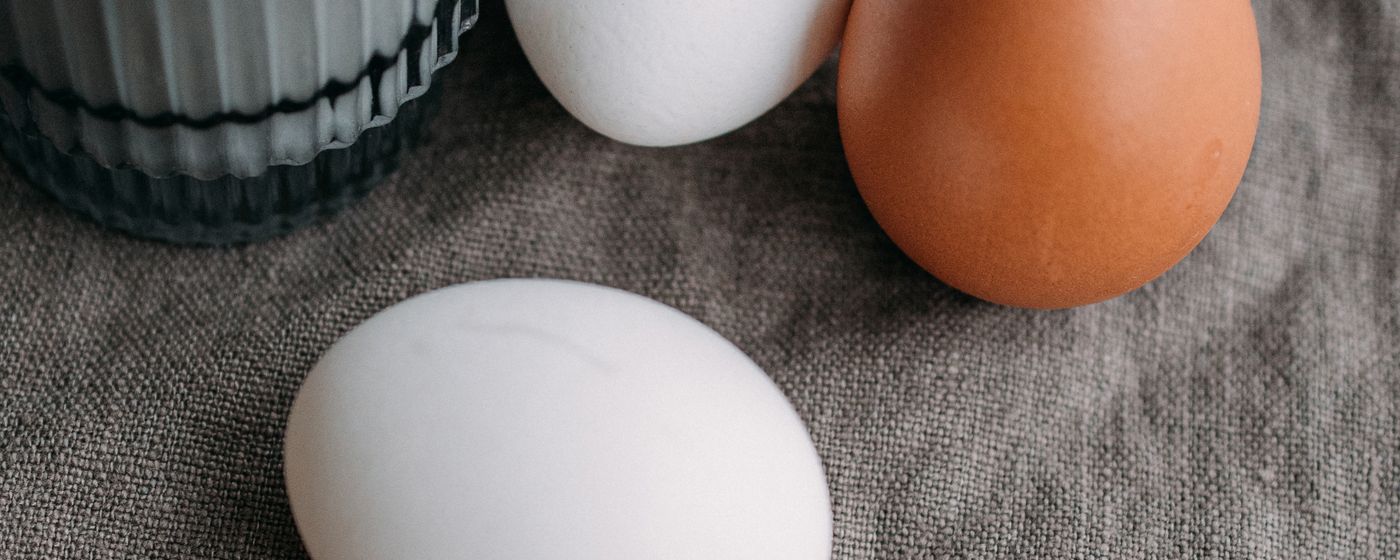
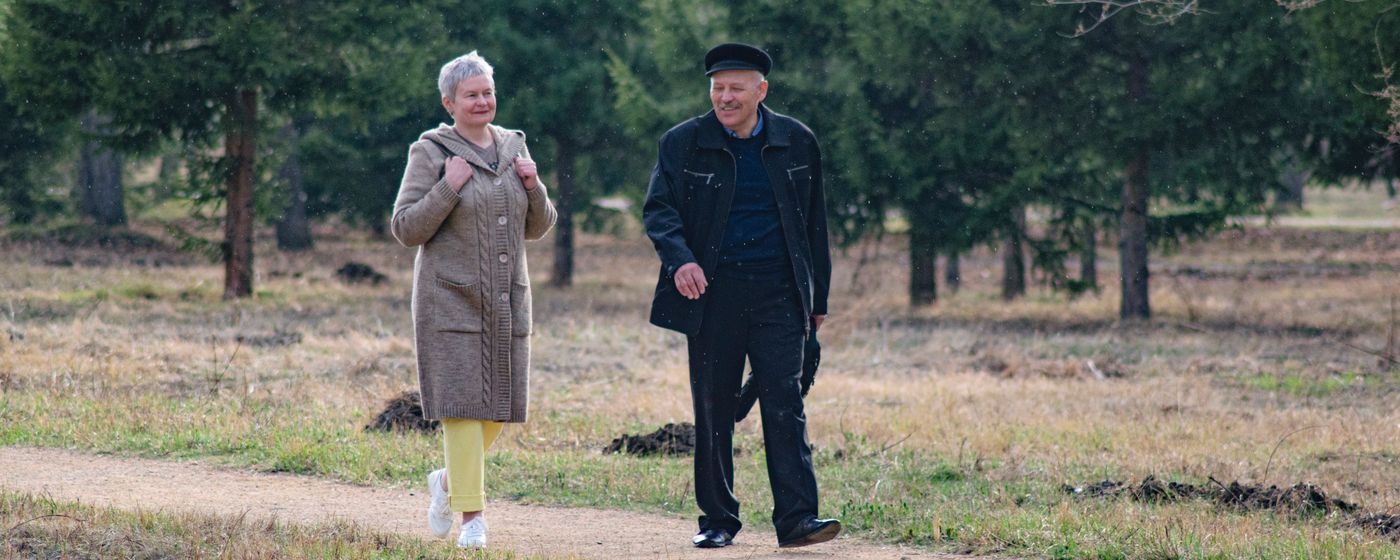
<style>:root{--dark-base:#0D1B2A;--dark-mid:#1B3A4B;--teal:#0EA5A0;--teal-dark:#0C8C88;--teal-bright:#14D4CD;--fog:#D8E8E8;--deep-fog:#C8DCDC;--fog-border:#A8C4C4;--ink:#313743;--ink-soft:#49505f;--muted:#6b7280;--warm:#9A6841;--warm-light:#be7b4c;--serif:"Source Serif 4",Georgia,serif;--sans:Inter,-apple-system,BlinkMacSystemFont,"Segoe UI",sans-serif}.acv-root .acv-dek{font:500 19px/1.55 var(--sans);color:var(--ink-soft);margin:0 0 14px}.acv-root .acv-dek b{color:var(--teal-dark)}.acv-root .acv-meta{font:600 13px/1.6 var(--sans);color:var(--muted);margin:14px 0 0;text-align:center}.acv-root .acv-meta .acv-chk{color:var(--teal-dark)}.acv-root .acv-glance{background:linear-gradient(180deg,#F0F7F7,#fff);border:1.5px solid var(--fog-border);border-radius:14px;padding:22px 24px;margin:24px 0 0}.acv-root .acv-glance .acv-gt{font:800 12px/1 var(--sans);letter-spacing:2.5px;text-transform:uppercase;color:var(--teal-dark);margin-bottom:14px}.acv-root .acv-glance .acv-item{font:500 15.5px/1.55 var(--sans);color:var(--ink-soft);padding:0 0 10px 26px;position:relative}.acv-root .acv-glance .acv-item:before{content:"";position:absolute;left:2px;top:7px;width:8px;height:8px;border-radius:50%;background:var(--teal)}.acv-root .acv-glance .acv-item b{color:var(--ink)}.acv-root .acv-glance .acv-s{color:var(--muted);font-size:12.5px}.acv-root .acv-body{margin-top:30px}.acv-root .acv-body p{font-size:20.5px;line-height:1.75;margin:0 0 24px;color:var(--ink-soft)}.acv-root .acv-body p strong{color:var(--ink)}.acv-root .acv-body a{color:var(--teal-dark);font-weight:700;text-decoration:underline;text-decoration-color:rgba(14,165,160,.4);text-underline-offset:3px}.acv-root .acv-dropcap:first-letter{font-family:var(--serif);font-size:64px;font-weight:800;color:var(--dark-mid);float:left;line-height:.9;padding:6px 10px 0 0}.acv-root mark{background:linear-gradient(180deg,transparent 55%,rgba(20,212,205,.35) 55%);color:inherit;padding:0 2px}.acv-root .acv-band{margin:56px 0 24px;padding:26px 22px 12px;background:linear-gradient(180deg,#F0F7F7,#fff);border-radius:16px}.acv-root .acv-band.acv-hype{background:linear-gradient(180deg,#FAF3EB,#fff)}.acv-root .acv-band .acv-inner{display:flex;gap:18px;align-items:center}.acv-root .acv-band .acv-big{font:900 64px/1 var(--sans);color:var(--deep-fog);flex-shrink:0}.acv-root .acv-band.acv-hype .acv-big{color:#EAD9C6}.acv-root .acv-band .acv-q{font:700 13px/1.4 var(--sans);letter-spacing:2px;text-transform:uppercase;color:var(--teal-dark);margin-bottom:6px}.acv-root .acv-band.acv-hype .acv-q{color:var(--warm)}.acv-root .acv-band h3{font-family:var(--serif);font-size:31px;line-height:1.2;font-weight:800;color:var(--ink);margin:0}.acv-root .acv-billboard{background:var(--dark-mid);border-radius:18px;color:#fff;padding:30px 28px;margin:32px 0;text-align:center}.acv-root .acv-billboard .acv-n{font:900 34px/1.2 var(--sans);color:var(--teal-bright);margin-bottom:8px}.acv-root .acv-billboard .acv-d{font:500 16px/1.55 var(--sans);color:#D4E5E5;max-width:480px;margin:0 auto}.acv-root .acv-billboard .acv-c{font:600 12px/1 var(--sans);letter-spacing:1.5px;text-transform:uppercase;color:#8FB3B3;margin-top:12px}.acv-root figure{margin:32px 0}.acv-root figure img{width:100%;border-radius:16px;display:block}.acv-root figcaption{font:600 13.5px/1.5 var(--sans);color:var(--muted);margin:10px 0 0;text-align:center}.acv-root .acv-pullquote{margin:34px 0;text-align:center;padding:0 10px}.acv-root .acv-pullquote p{font-family:var(--serif);font-size:27px;line-height:1.4;color:var(--dark-mid);font-weight:700;margin:0 0 10px}.acv-root .acv-pullquote .acv-who{font:700 12px/1 var(--sans);letter-spacing:2px;text-transform:uppercase;color:var(--warm)}.acv-root .acv-plan{background:linear-gradient(135deg,#fffcf4 0%,#fff8ed 100%);border-left:5px solid var(--teal-dark);border-radius:14px;padding:30px 26px 24px;margin:40px 0 0;box-shadow:0 2px 12px rgba(0,0,0,.06)}.acv-root .acv-plan .acv-ptitle{display:flex;align-items:center;gap:12px;font-family:var(--serif);font-size:26px;font-weight:800;color:var(--ink);margin-bottom:24px}.acv-root .acv-plan .acv-ptitle .acv-ico{font-size:24px;color:var(--teal-dark)}.acv-root .acv-plan .step{display:flex;gap:16px;margin-bottom:20px;align-items:flex-start}.acv-root .acv-plan .acv-n{min-width:38px;width:38px;height:38px;background:var(--teal-dark);border-radius:50%;color:#fff;font:800 17px/38px var(--sans);text-align:center;flex-shrink:0}.acv-root .acv-plan .sh{font:800 16.5px/1.4 var(--sans);color:var(--ink);margin-bottom:3px}.acv-root .acv-plan .sd{font:400 15px/1.6 var(--sans);color:var(--muted)}.acv-root .acv-plan .acv-pdiv{height:1px;background:#E4DECE;margin:26px 0 22px}.acv-root .acv-calbar{display:flex;align-items:center;justify-content:center;gap:12px;width:100%;background:linear-gradient(90deg,var(--teal-dark),var(--teal));color:#fff;border:none;border-radius:12px;padding:17px 20px;font:700 16px/1.3 var(--sans);cursor:pointer;position:relative;box-shadow:0 4px 14px rgba(12,140,136,.25)}.acv-root .acv-calbar i{font-family:var(--serif);font-style:italic;font-weight:600}.acv-root .acv-calbar .acv-qm{position:absolute;right:14px;top:50%;transform:translateY(-50%);width:26px;height:26px;border-radius:50%;background:rgba(255,255,255,.22);font:700 14px/26px var(--sans);text-align:center}.acv-root .acv-opsrow{display:grid;grid-template-columns:repeat(4,1fr);gap:12px;margin-top:14px}@media(max-width:640px){.acv-root .acv-opsrow{grid-template-columns:1fr 1fr}}.acv-root .acv-opsrow button{display:flex;align-items:center;justify-content:center;gap:8px;background:#fff;border:1.5px solid var(--teal);color:var(--teal-dark);border-radius:50px;padding:13px 10px;font:700 14px/1 var(--sans);cursor:pointer;transition:background .15s}.acv-root .acv-opsrow button:hover{background:#F0FAFA}.acv-root .acv-capture{background:linear-gradient(135deg,var(--dark-base),var(--dark-mid));border-radius:18px;padding:32px 30px;margin:50px 0 56px;color:#fff;position:relative;overflow:hidden;box-shadow:0 16px 40px rgba(13,27,42,.25)}.acv-root .acv-cap-grid{display:grid;grid-template-columns:1fr 200px;gap:26px;align-items:center}@media(max-width:600px){.acv-root .acv-cap-grid{grid-template-columns:1fr}.acv-root .acv-chartcard{display:none}}.acv-root .acv-capture h4{font-family:var(--serif);font-size:26px;font-weight:800;margin:0 0 8px}.acv-root .acv-capture .acv-sub{font:500 15.5px/1.55 var(--sans);color:#C9DDDD;margin:0 0 18px}.acv-root .acv-chartcard{background:#fff;border-radius:8px;padding:14px 13px 12px;box-shadow:0 12px 32px rgba(0,0,0,.38);transform:rotate(2deg)}.acv-root .acv-chartcard .acv-ch-mast{font-family:var(--serif);font-weight:800;font-size:11px;color:var(--dark-base);letter-spacing:.4px;border-bottom:3px solid var(--dark-base);padding-bottom:5px}.acv-root .acv-chartcard .acv-ch-sub{font:800 5.5px/1.4 var(--sans);color:var(--muted);letter-spacing:.8px;margin:4px 0 8px}.acv-root .acv-chartcard .acv-ch-cols{display:grid;grid-template-columns:1fr 1fr;gap:8px}.acv-root .acv-chartcard .acv-ch-h{font:900 7.5px/1 var(--sans);letter-spacing:1px;border-radius:3px;padding:4px 5px;margin-bottom:5px;color:#fff}.acv-root .acv-chartcard .acv-ch-h.acv-ok{background:#2E7D5B}.acv-root .acv-chartcard .acv-ch-h.acv-no{background:#B4533A}.acv-root .acv-chartcard .acv-ch-row{height:9px;border-radius:2px;margin:4px 0}.acv-root .acv-chartcard .acv-ch-row.acv-ok{background:#E3F0E9}.acv-root .acv-chartcard .acv-ch-row.acv-no{background:#F6E7E1}.acv-root .acv-chartcard .acv-ch-row.acv-short{width:70%}.acv-root .acv-chartcard .acv-ch-band{height:16px;border-radius:3px;background:var(--fog);margin-top:9px}.acv-root .cap-state{display:none}.acv-root .acv-capture[data-state="trigger"] .st-trigger{display:block}.acv-root .acv-capture[data-state="form"] .st-form{display:block}.acv-root .acv-capture[data-state="sent"] .st-sent{display:block}.acv-root .acv-bigbtn{display:inline-flex;align-items:center;gap:10px;background:var(--teal-bright);color:var(--dark-base);border:none;border-radius:50px;padding:16px 28px;font:800 15.5px/1 var(--sans);cursor:pointer;box-shadow:0 6px 20px rgba(20,212,205,.35)}.acv-root .acv-fine{font:500 12px/1.5 var(--sans);color:#7FA3A3;margin-top:12px}.acv-root .capform{display:flex;gap:10px;max-width:440px}@media(max-width:520px){.acv-root .capform{flex-direction:column}}.acv-root .capform input{flex:1;border:none;border-radius:50px;padding:14px 20px;font:500 15px/1 var(--sans)}.acv-root .capform button{background:var(--teal-bright);color:var(--dark-base);border:none;border-radius:50px;padding:14px 24px;font:800 14px/1 var(--sans);cursor:pointer}.acv-root .acv-sent-check{width:52px;height:52px;border-radius:50%;background:var(--teal-bright);color:var(--dark-base);font:800 26px/52px var(--sans);margin-bottom:12px}.acv-root .dl{display:inline-block;margin-top:6px;color:var(--teal-bright);font:700 15px/1 var(--sans);text-decoration:underline;text-underline-offset:3px;cursor:pointer}.acv-root .acv-sig{margin-top:36px}.acv-root .acv-sig .acv-toyour{font-family:var(--serif);font-size:17px;font-style:italic;color:#777;margin:0 0 8px;padding-left:38px}.acv-root .acv-sig .acv-row{display:flex;align-items:center;gap:10px}.acv-root .acv-sig .acv-glyph{width:30px;height:30px;flex-shrink:0}.acv-root .acv-sig .acv-name{font-family:var(--serif);font-size:24px;font-weight:700;margin:0;color:var(--ink)}.acv-root .acv-sig .acv-tag{font:700 11px/1 var(--sans);color:var(--warm-light);letter-spacing:2.5px;text-transform:uppercase;margin:6px 0 0 40px}.acv-root .acv-trust{margin-top:30px;padding-top:22px;border-top:1px solid #e5e7eb;text-align:center}.acv-root .acv-trust .acv-t{font:700 13px/1 var(--sans);color:var(--muted);letter-spacing:2px;text-transform:uppercase;margin-bottom:16px}.acv-root .acv-trust a{display:inline-block;background:#fff;border:1.5px solid var(--warm);color:var(--warm);padding:8px 20px;border-radius:20px;font:600 14px/1 var(--sans);text-decoration:none;margin:0 4px 8px}.acv-root .acv-body p.acv-disclaimer{font-family:var(--serif);font-size:16px;font-style:italic;color:#999;margin:24px 0 0;line-height:1.5;text-align:center}.acv-root .acv-faq{margin-top:40px;border-top:1px solid #e5e7eb;padding-top:30px}.acv-root .acv-faq h2{font-family:var(--serif);font-size:23px;font-weight:800;margin:0 0 18px}.acv-root .acv-faq details{border:1px solid #e5e7eb;border-radius:10px;margin-bottom:10px;overflow:hidden}.acv-root .acv-faq summary{padding:15px 18px;font:700 16px/1.4 var(--sans);cursor:pointer;list-style:none;display:flex;justify-content:space-between;gap:12px;align-items:center}.acv-root .acv-faq summary:after{content:"\25BE";color:var(--warm)}.acv-root .acv-faq .acv-a{padding:0 18px 16px;font-size:17px;line-height:1.65;color:#555}.acv-root .acv-secondary{margin-top:26px;background:#fff;border:1.5px dashed var(--fog-border);border-radius:12px;padding:18px 20px;text-align:center;font:500 15px/1.6 var(--sans);color:var(--ink-soft)}.acv-root .acv-secondary a{color:var(--teal-dark);font-weight:700}.acv-root .acv-body ol.acv-signlist{list-style:none;margin:0 0 24px;padding:0;counter-reset:sgn}.acv-root .acv-body ol.acv-signlist li{position:relative;padding:0 0 15px 48px;font-size:19px;line-height:1.6;color:var(--ink-soft);counter-increment:sgn}.acv-root .acv-body ol.acv-signlist li:before{content:counter(sgn);position:absolute;left:0;top:1px;width:32px;height:32px;border-radius:50%;background:var(--teal-dark);color:#fff;font:800 15px/32px var(--sans);text-align:center}.acv-root .acv-body ol.acv-signlist li b{color:var(--ink)}.acv-root .acv-opsrow{grid-template-columns:repeat(3,1fr)}@media(max-width:640px){.acv-root .acv-opsrow{grid-template-columns:1fr 1fr}}</style><div class="acv-root"><p class="acv-dek">Muscle starts slipping away around age 30, at <b>3 to 5 percent per decade</b>. Three rules slow it down: lift twice a week, eat enough protein, and keep walking.</p><p class="acv-meta">Ageless Coach Editorial Team · August 21, 2026</p><div class="acv-glance"><div class="acv-gt">In 30 Seconds</div><div class="acv-item"><b>The decline is real.</b> Most people lose about 3 to 5 percent of their muscle mass per decade starting at age 30, and the slide speeds up later in life. <span class="acv-s">Harvard Health</span></div><div class="acv-item"><b>Skipping strength training costs</b> 4 to 6 pounds of muscle per decade, and that muscle is often replaced by fat. <span class="acv-s">Harvard Health</span></div><div class="acv-item"><b>The three rules:</b> resistance training 2 days a week, about 1 to 1.2 grams of protein per kilogram of body weight, and keep walking. <span class="acv-s">CDC, Harvard, NIA</span></div></div><div class="acv-body"><p class="acv-dropcap">Three rules do most of the work of keeping muscle after 40, and none of them requires a gym membership or a bench press. Lift something two days a week. Eat protein like it matters. Keep walking.</p><p>Here is the part most men skip past. <mark>The muscle you do not defend is quietly replaced by fat.</mark></p><p>The decline is not your imagination, and it is not laziness. It is biology, and it responds to training at any age. <strong>Here is what changes, and the three rules that push back.</strong></p><div class="acv-band"><div class="acv-inner"><div class="acv-big">1</div><div><div class="acv-q">Rule One</div><h3>Lift Something Two Days a Week, Every Week</h3></div></div></div><p>The <a href="https://www.cdc.gov/physical-activity-basics/guidelines/adults.html" target="_blank" rel="noopener">CDC</a> recommendation is plain: adults need muscle-strengthening activity at least 2 days each week, working all the major muscle groups. Here is what counts.</p><ol class="acv-signlist"><li><b>Weights or machines.</b> Dumbbells at home count just as much as the gym.</li><li><b>Resistance bands.</b> Cheap, portable, and legitimate resistance.</li><li><b>Your own body weight.</b> Pushups, squats and certain yoga postures all qualify.</li><li><b>8 to 12 repetitions per set.</b> Work to the point where one more rep would be hard without help.</li><li><b>1 to 3 sets.</b> One set counts. Two or three bring more benefit.</li></ol><div class="acv-billboard"><div class="acv-n">3% to 5% per decade</div><div class="acv-d">That is how much muscle mass most people lose each decade, starting at age 30. Without strength training, the loss runs 4 to 6 pounds of muscle per decade.</div><div class="acv-c">Source: Harvard Health</div></div><p>Why lifting beats everything else: as you age, muscle fibers shrink in number and size, and the body makes fewer of the proteins muscle needs to grow. Resistance is the signal that tells it to keep building anyway.</p><div class="acv-band"><div class="acv-inner"><div class="acv-big">2</div><div><div class="acv-q">Rule Two</div><h3>Eat Protein Like It Is Part of the Program</h3></div></div></div><p><a href="https://www.health.harvard.edu/healthy-aging-and-longevity/a-guide-to-combatting-sarcopenia-and-preserving-muscle-mass-as-you-get-older" target="_blank" rel="noopener">Harvard Health</a> puts the baseline at 0.8 grams of protein per kilogram of body weight per day. Building or defending muscle after 40 argues for more: research supports 1 to 1.2 grams per kilogram.</p><p>The reason is mechanical. Strength training creates small tears in muscle fiber, and protein is the repair material. Train without it and the repair crew shows up short-handed.</p><figure><img src="https://images.pexels.com/photos/7118899/pexels-photo-7118899.jpeg?auto=compress&cs=tinysrgb&w=1400&h=560&fit=crop" alt="Brown and white eggs beside a glass of milk on a linen cloth"><figcaption>Eggs, yogurt, milk and lean chicken all count toward the daily number.</figcaption></figure><div class="acv-pullquote"><p>People who do not do strength training as they age can expect to lose four to six pounds of muscle per decade.</p><div class="acv-who">Harvard Health</div></div><p>No exotic powders required. Lean chicken, eggs, milk and Greek yogurt carry most people to the number, and carbohydrates and healthy fats supply the energy the training runs on.</p><div class="acv-capture ac-capture" data-state="trigger" id="cap" data-article-slug="building-muscle-after-40-why-it-gets-harder-and-the-3-rules-that-still-work" data-pdf-url="https://cdn.prod.website-files.com/69be1026a027224999b7936b/6a884e244472f839ec955d45_ac-muscle-after-40-3-rule-sheet.pdf" data-plan-title="The Muscle After 40 Plan" data-plan-desc="The three rules on one sheet: the lifting minimums, the protein number, and the mistakes that quietly cost muscle."><div class="st-trigger cap-state"><div class="acv-cap-grid"><div><h4>Take the 3 rules with you</h4><p class="acv-sub">The whole plan on one printable sheet: the lifting minimums, the protein math, and what not to skip. Free, unlocked right here.</p><button class="acv-bigbtn" type="button" data-cap="form">📄 Print My Plan (Free PDF)</button><div class="acv-fine">Joins the free weekly Ageless Brief. Unsubscribe anytime.</div></div><div class="acv-chartcard" aria-hidden="true"><div class="acv-ch-mast">MUSCLE AFTER 40: THE 3-RULE SHEET</div><div class="acv-ch-sub">AGELESS COACH · CHECKED AGAINST HARVARD · NIA · CDC</div><div class="acv-ch-cols"><div class="acv-ch-col"><div class="acv-ch-h acv-ok">✓ DO THIS</div><div class="acv-ch-row acv-ok"></div><div class="acv-ch-row acv-ok acv-short"></div><div class="acv-ch-row acv-ok"></div><div class="acv-ch-row acv-ok acv-short"></div></div><div class="acv-ch-col"><div class="acv-ch-h acv-no">✗ DO NOT</div><div class="acv-ch-row acv-no"></div><div class="acv-ch-row acv-no acv-short"></div><div class="acv-ch-row acv-no"></div><div class="acv-ch-row acv-no acv-short"></div></div></div><div class="acv-ch-band"></div></div></div></div><div class="st-form cap-state"><h4>Enter your email to unlock your plan</h4><p class="acv-sub">Your 1-page muscle after 40 plan, unlocked right here.</p><form class="capform"><input type="email" name="email" placeholder="Your email address" aria-label="Email address" required><button type="submit">Unlock My Plan (Free)</button></form><div class="acv-fine">No spam. One short evidence brief each week. Unsubscribe anytime.</div></div><div class="st-sent cap-state"><div class="acv-sent-check">✓</div><h4>Your plan is ready</h4><p class="acv-sub">Download or print it below. Save it anywhere.</p><a class="dl" href="https://cdn.prod.website-files.com/69be1026a027224999b7936b/6a884e244472f839ec955d45_ac-muscle-after-40-3-rule-sheet.pdf" download>⬇ Download your plan (PDF)</a><div class="acv-fine">Your first Ageless Brief arrives this week: one study, translated, no hype.</div></div></div><div class="acv-band"><div class="acv-inner"><div class="acv-big">3</div><div><div class="acv-q">Rule Three</div><h3>Keep Walking, Because Lifting Alone Is Not Enough</h3></div></div></div><p>Researchers supported by the <a href="https://www.nia.nih.gov/news/how-can-strength-training-build-healthier-bodies-we-age" target="_blank" rel="noopener">National Institute on Aging</a> found the best recipe for improving physical function and avoiding disability is a combination of walking and resistance training. Not one or the other. Both.</p><p>The aerobic target is about 150 minutes a week of moderate activity, and a brisk walk qualifies. Benefits show up even below that number, so a short walk is never wasted.</p><figure><img src="https://images.pexels.com/photos/12013184/pexels-photo-12013184.jpeg?auto=compress&cs=tinysrgb&w=1400&h=560&fit=crop" alt="A senior couple walking together along a park path"><figcaption>The best-tested recipe is not lifting or walking. It is both.</figcaption></figure><div class="acv-billboard"><div class="acv-n">40% to 70% lower risk</div><div class="acv-d">In one study, middle-aged adults who did just one to three strength workouts a week were that much less likely to have a heart attack or stroke.</div><div class="acv-c">Source: Harvard Health</div></div><p>Muscle pays dividends far beyond the mirror: better blood sugar control, better cholesterol, stronger bones, steadier balance, and a body that stays independent longer.</p><div class="acv-band acv-hype"><div class="acv-inner"><div class="acv-big">✗</div><div><div class="acv-q">The Debunk</div><h3>The Four Excuses That Keep Muscle Shrinking</h3></div></div></div><p>Each one sounds sensible. Each one costs muscle you will want later.</p><p><strong>I am too old to build muscle.</strong> You are never too old to benefit from strength and power training, and many older adults can measurably increase strength with exercise.</p><p><strong>My cardio covers it.</strong> Strength training is a different thing than running, cycling or walking, and the best-tested recipe requires both kinds.</p><p><strong>I would need a gym and heavy iron.</strong> Body weight, resistance bands and light dumbbells all count, and even a low-intensity strength and walking program has substantial benefits. <strong>I will just diet the weight off.</strong> Weight loss without resistance training can cost lean muscle and bone density along with the fat, which is the worst trade on the menu.</p><div class="acv-plan ac-plan" id="coach-recommendations"><div class="acv-ptitle"><span class="acv-ico">📋</span>Your Coach's Recommendations</div><div class="step"><div class="acv-n">1</div><div><div class="sh">Put two lifting days on the calendar this week.</div><div class="sd">Weights, bands or body weight, all major muscle groups, 8 to 12 reps to the point where one more would be hard. One set counts, two or three are better. Print the sheet and pin it up.</div></div></div><div class="step"><div class="acv-n">2</div><div><div class="sh">Do the protein math once, then hit the number daily.</div><div class="sd">Multiply your weight in kilograms by 1 to 1.2 grams. Eggs, milk, Greek yogurt and lean chicken get most people there without supplements.</div></div></div><div class="step"><div class="acv-n">3</div><div><div class="sh">Walk most days and protect the streak.</div><div class="sd">Aim toward 150 minutes a week of brisk walking alongside the lifting. The combination, not either half alone, is what best protects function and independence.</div></div></div><div class="acv-pdiv"></div><button class="acv-calbar" type="button" data-ac-cal>📅 Add <i>Your Coach's Recommendations</i> to Your Calendar <span class="acv-qm">?</span></button><div class="acv-opsrow"><button type="button" data-ac-share>⇮ Share</button><button type="button" data-ac-savepdf>📄 Save PDF</button><button type="button" data-ac-print>🖨 Print</button></div></div><div class="acv-sig"><p class="acv-toyour">To your health,</p><div class="acv-row"><svg class="acv-glyph" viewBox="0 0 40 40" aria-hidden="true"><circle cx="20" cy="20" r="18" fill="none" stroke="#0D1B2A" stroke-width="3"/><path d="M13 28 L20 11 L27 28 M16 22 H24" fill="none" stroke="#0D1B2A" stroke-width="3" stroke-linecap="round" stroke-linejoin="round"/></svg><p class="acv-name">Ageless Coach</p></div><p class="acv-tag">Age Strong. Live Long.</p></div><div class="acv-trust"><div class="acv-t">Trusted Sources Behind This Article</div><a href="https://www.health.harvard.edu/healthy-aging-and-longevity/a-guide-to-combatting-sarcopenia-and-preserving-muscle-mass-as-you-get-older" target="_blank" rel="noopener">Harvard Health</a><a href="https://www.nia.nih.gov/news/how-can-strength-training-build-healthier-bodies-we-age" target="_blank" rel="noopener">National Institute on Aging</a><a href="https://www.cdc.gov/physical-activity-basics/guidelines/adults.html" target="_blank" rel="noopener">CDC</a></div><p class="acv-disclaimer">This article is education, not medical advice. Talk with your doctor before starting a new exercise program, especially with a chronic condition.</p><div class="acv-faq"><h2>Frequently Asked Questions</h2><details><summary>Can I really build muscle after 40, or just slow the loss?</summary><div class="acv-a">You can build. Harvard Health is direct that you are never too old to benefit from strength and power training, and NIA-supported research shows many older adults can increase muscle strength with exercise. The response blunts with age, but it never disappears.</div></details><details><summary>How much protein do I actually need?</summary><div class="acv-a">The baseline RDA is 0.8 grams per kilogram of body weight per day. If you are strength training and trying to defend or build muscle, research supports 1 to 1.2 grams per kilogram. For a 90 kilogram man, that is roughly 90 to 108 grams a day.</div></details><details><summary>Do pushups and squats count, or do I need weights?</summary><div class="acv-a">They count. Body-weight exercises like pushups and squats, resistance bands, medicine balls, machines and free weights are all legitimate resistance training. What matters is working the major muscle groups to the point where another repetition would be hard.</div></details><details><summary>What is sarcopenia, and should I worry about it?</summary><div class="acv-a">Sarcopenia is the age-related decline in muscle mass, strength and function. It affects about 5 to 13 percent of people ages 60 to 70 and up to half of people over 80, and it raises the risk of falls and fractures. Strength training and adequate protein are the main defenses. If you feel general weakness, mention it to your doctor.</div></details><details><summary>Is walking enough exercise on its own?</summary><div class="acv-a">Walking is essential but not sufficient. NIA-supported researchers found the best recipe for protecting physical function is walking plus resistance training together. Keep the walks, and add two lifting days.</div></details><details><summary>How fast will I see results?</summary><div class="acv-a">Strength gains from a consistent 2-day-a-week program build over weeks to months. The molecular signals from each session linger for hours and build a cumulative effect, and even a low-intensity strength and walking program has substantial benefits.</div></details></div><div class="acv-secondary">Wondering where you stand overall? <a href="/#assessment">Take the free 5-minute Healthspan Snapshot</a> and see your strongest and weakest of six dimensions.</div></div></div>