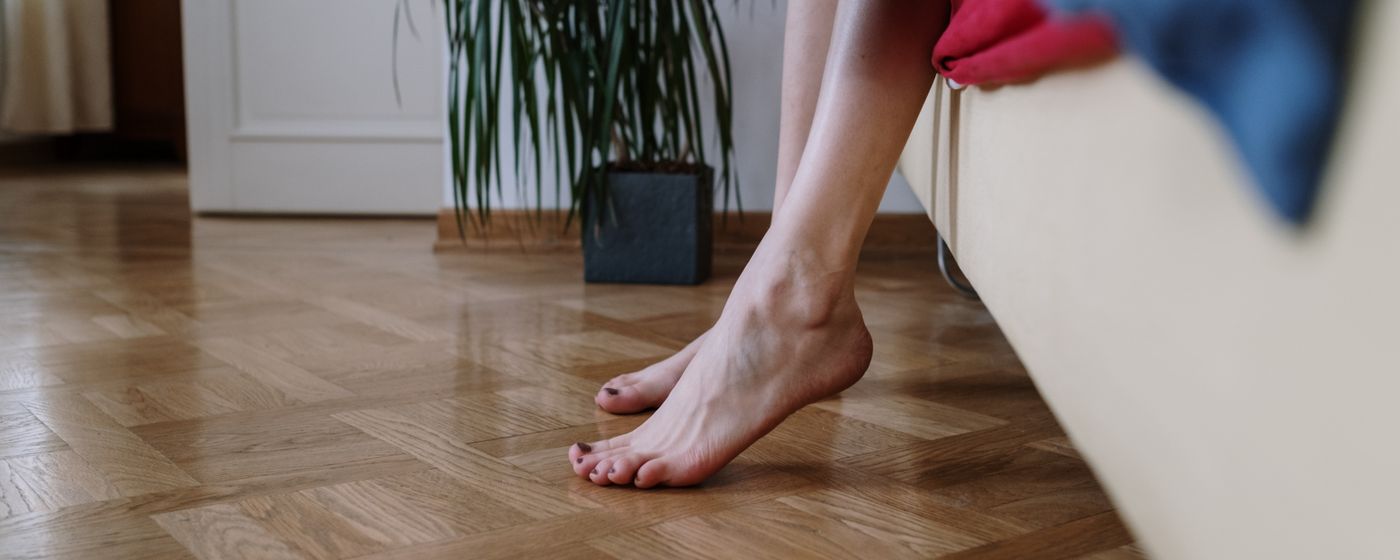
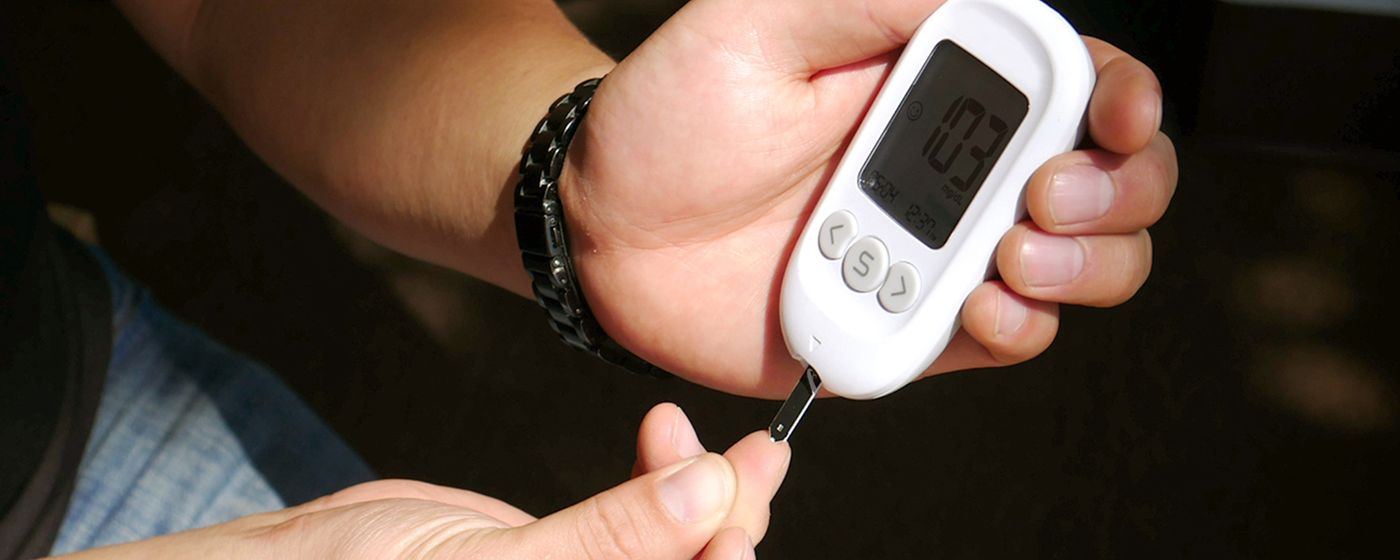
<style>:root{--dark-base:#0D1B2A;--dark-mid:#1B3A4B;--teal:#0EA5A0;--teal-dark:#0C8C88;--teal-bright:#14D4CD;--fog:#D8E8E8;--deep-fog:#C8DCDC;--fog-border:#A8C4C4;--ink:#313743;--ink-soft:#49505f;--muted:#6b7280;--warm:#9A6841;--warm-light:#be7b4c;--serif:"Source Serif 4",Georgia,serif;--sans:Inter,-apple-system,BlinkMacSystemFont,"Segoe UI",sans-serif}.acv-root .acv-dek{font:500 19px/1.55 var(--sans);color:var(--ink-soft);margin:0 0 14px}.acv-root .acv-dek b{color:var(--teal-dark)}.acv-root .acv-meta{font:600 13px/1.6 var(--sans);color:var(--muted);margin:14px 0 0;text-align:center}.acv-root .acv-meta .acv-chk{color:var(--teal-dark)}.acv-root .acv-glance{background:linear-gradient(180deg,#F0F7F7,#fff);border:1.5px solid var(--fog-border);border-radius:14px;padding:22px 24px;margin:24px 0 0}.acv-root .acv-glance .acv-gt{font:800 12px/1 var(--sans);letter-spacing:2.5px;text-transform:uppercase;color:var(--teal-dark);margin-bottom:14px}.acv-root .acv-glance .acv-item{font:500 15.5px/1.55 var(--sans);color:var(--ink-soft);padding:0 0 10px 26px;position:relative}.acv-root .acv-glance .acv-item:before{content:"";position:absolute;left:2px;top:7px;width:8px;height:8px;border-radius:50%;background:var(--teal)}.acv-root .acv-glance .acv-item b{color:var(--ink)}.acv-root .acv-glance .acv-s{color:var(--muted);font-size:12.5px}.acv-root .acv-body{margin-top:30px}.acv-root .acv-body p{font-size:20.5px;line-height:1.75;margin:0 0 24px;color:var(--ink-soft)}.acv-root .acv-body p strong{color:var(--ink)}.acv-root .acv-body a{color:var(--teal-dark);font-weight:700;text-decoration:underline;text-decoration-color:rgba(14,165,160,.4);text-underline-offset:3px}.acv-root .acv-dropcap:first-letter{font-family:var(--serif);font-size:64px;font-weight:800;color:var(--dark-mid);float:left;line-height:.9;padding:6px 10px 0 0}.acv-root mark{background:linear-gradient(180deg,transparent 55%,rgba(20,212,205,.35) 55%);color:inherit;padding:0 2px}.acv-root .acv-band{margin:56px 0 24px;padding:26px 22px 12px;background:linear-gradient(180deg,#F0F7F7,#fff);border-radius:16px}.acv-root .acv-band.acv-hype{background:linear-gradient(180deg,#FAF3EB,#fff)}.acv-root .acv-band .acv-inner{display:flex;gap:18px;align-items:center}.acv-root .acv-band .acv-big{font:900 64px/1 var(--sans);color:var(--deep-fog);flex-shrink:0}.acv-root .acv-band.acv-hype .acv-big{color:#EAD9C6}.acv-root .acv-band .acv-q{font:700 13px/1.4 var(--sans);letter-spacing:2px;text-transform:uppercase;color:var(--teal-dark);margin-bottom:6px}.acv-root .acv-band.acv-hype .acv-q{color:var(--warm)}.acv-root .acv-band h3{font-family:var(--serif);font-size:31px;line-height:1.2;font-weight:800;color:var(--ink);margin:0}.acv-root .acv-billboard{background:var(--dark-mid);border-radius:18px;color:#fff;padding:30px 28px;margin:32px 0;text-align:center}.acv-root .acv-billboard .acv-n{font:900 34px/1.2 var(--sans);color:var(--teal-bright);margin-bottom:8px}.acv-root .acv-billboard .acv-d{font:500 16px/1.55 var(--sans);color:#D4E5E5;max-width:480px;margin:0 auto}.acv-root .acv-billboard .acv-c{font:600 12px/1 var(--sans);letter-spacing:1.5px;text-transform:uppercase;color:#8FB3B3;margin-top:12px}.acv-root figure{margin:32px 0}.acv-root figure img{width:100%;border-radius:16px;display:block}.acv-root figcaption{font:600 13.5px/1.5 var(--sans);color:var(--muted);margin:10px 0 0;text-align:center}.acv-root .acv-pullquote{margin:34px 0;text-align:center;padding:0 10px}.acv-root .acv-pullquote p{font-family:var(--serif);font-size:27px;line-height:1.4;color:var(--dark-mid);font-weight:700;margin:0 0 10px}.acv-root .acv-pullquote .acv-who{font:700 12px/1 var(--sans);letter-spacing:2px;text-transform:uppercase;color:var(--warm)}.acv-root .acv-plan{background:linear-gradient(135deg,#fffcf4 0%,#fff8ed 100%);border-left:5px solid var(--teal-dark);border-radius:14px;padding:30px 26px 24px;margin:40px 0 0;box-shadow:0 2px 12px rgba(0,0,0,.06)}.acv-root .acv-plan .acv-ptitle{display:flex;align-items:center;gap:12px;font-family:var(--serif);font-size:26px;font-weight:800;color:var(--ink);margin-bottom:24px}.acv-root .acv-plan .acv-ptitle .acv-ico{font-size:24px;color:var(--teal-dark)}.acv-root .acv-plan .step{display:flex;gap:16px;margin-bottom:20px;align-items:flex-start}.acv-root .acv-plan .acv-n{min-width:38px;width:38px;height:38px;background:var(--teal-dark);border-radius:50%;color:#fff;font:800 17px/38px var(--sans);text-align:center;flex-shrink:0}.acv-root .acv-plan .sh{font:800 16.5px/1.4 var(--sans);color:var(--ink);margin-bottom:3px}.acv-root .acv-plan .sd{font:400 15px/1.6 var(--sans);color:var(--muted)}.acv-root .acv-plan .acv-pdiv{height:1px;background:#E4DECE;margin:26px 0 22px}.acv-root .acv-calbar{display:flex;align-items:center;justify-content:center;gap:12px;width:100%;background:linear-gradient(90deg,var(--teal-dark),var(--teal));color:#fff;border:none;border-radius:12px;padding:17px 20px;font:700 16px/1.3 var(--sans);cursor:pointer;position:relative;box-shadow:0 4px 14px rgba(12,140,136,.25)}.acv-root .acv-calbar i{font-family:var(--serif);font-style:italic;font-weight:600}.acv-root .acv-calbar .acv-qm{position:absolute;right:14px;top:50%;transform:translateY(-50%);width:26px;height:26px;border-radius:50%;background:rgba(255,255,255,.22);font:700 14px/26px var(--sans);text-align:center}.acv-root .acv-opsrow{display:grid;grid-template-columns:repeat(4,1fr);gap:12px;margin-top:14px}@media(max-width:640px){.acv-root .acv-opsrow{grid-template-columns:1fr 1fr}}.acv-root .acv-opsrow button{display:flex;align-items:center;justify-content:center;gap:8px;background:#fff;border:1.5px solid var(--teal);color:var(--teal-dark);border-radius:50px;padding:13px 10px;font:700 14px/1 var(--sans);cursor:pointer;transition:background .15s}.acv-root .acv-opsrow button:hover{background:#F0FAFA}.acv-root .acv-capture{background:linear-gradient(135deg,var(--dark-base),var(--dark-mid));border-radius:18px;padding:32px 30px;margin:50px 0 56px;color:#fff;position:relative;overflow:hidden;box-shadow:0 16px 40px rgba(13,27,42,.25)}.acv-root .acv-cap-grid{display:grid;grid-template-columns:1fr 200px;gap:26px;align-items:center}@media(max-width:600px){.acv-root .acv-cap-grid{grid-template-columns:1fr}.acv-root .acv-chartcard{display:none}}.acv-root .acv-capture h4{font-family:var(--serif);font-size:26px;font-weight:800;margin:0 0 8px}.acv-root .acv-capture .acv-sub{font:500 15.5px/1.55 var(--sans);color:#C9DDDD;margin:0 0 18px}.acv-root .acv-chartcard{background:#fff;border-radius:8px;padding:14px 13px 12px;box-shadow:0 12px 32px rgba(0,0,0,.38);transform:rotate(2deg)}.acv-root .acv-chartcard .acv-ch-mast{font-family:var(--serif);font-weight:800;font-size:11px;color:var(--dark-base);letter-spacing:.4px;border-bottom:3px solid var(--dark-base);padding-bottom:5px}.acv-root .acv-chartcard .acv-ch-sub{font:800 5.5px/1.4 var(--sans);color:var(--muted);letter-spacing:.8px;margin:4px 0 8px}.acv-root .acv-chartcard .acv-ch-cols{display:grid;grid-template-columns:1fr 1fr;gap:8px}.acv-root .acv-chartcard .acv-ch-h{font:900 7.5px/1 var(--sans);letter-spacing:1px;border-radius:3px;padding:4px 5px;margin-bottom:5px;color:#fff}.acv-root .acv-chartcard .acv-ch-h.acv-ok{background:#2E7D5B}.acv-root .acv-chartcard .acv-ch-h.acv-no{background:#B4533A}.acv-root .acv-chartcard .acv-ch-row{height:9px;border-radius:2px;margin:4px 0}.acv-root .acv-chartcard .acv-ch-row.acv-ok{background:#E3F0E9}.acv-root .acv-chartcard .acv-ch-row.acv-no{background:#F6E7E1}.acv-root .acv-chartcard .acv-ch-row.acv-short{width:70%}.acv-root .acv-chartcard .acv-ch-band{height:16px;border-radius:3px;background:var(--fog);margin-top:9px}.acv-root .cap-state{display:none}.acv-root .acv-capture[data-state="trigger"] .st-trigger{display:block}.acv-root .acv-capture[data-state="form"] .st-form{display:block}.acv-root .acv-capture[data-state="sent"] .st-sent{display:block}.acv-root .acv-bigbtn{display:inline-flex;align-items:center;gap:10px;background:var(--teal-bright);color:var(--dark-base);border:none;border-radius:50px;padding:16px 28px;font:800 15.5px/1 var(--sans);cursor:pointer;box-shadow:0 6px 20px rgba(20,212,205,.35)}.acv-root .acv-fine{font:500 12px/1.5 var(--sans);color:#7FA3A3;margin-top:12px}.acv-root .capform{display:flex;gap:10px;max-width:440px}@media(max-width:520px){.acv-root .capform{flex-direction:column}}.acv-root .capform input{flex:1;border:none;border-radius:50px;padding:14px 20px;font:500 15px/1 var(--sans)}.acv-root .capform button{background:var(--teal-bright);color:var(--dark-base);border:none;border-radius:50px;padding:14px 24px;font:800 14px/1 var(--sans);cursor:pointer}.acv-root .acv-sent-check{width:52px;height:52px;border-radius:50%;background:var(--teal-bright);color:var(--dark-base);font:800 26px/52px var(--sans);margin-bottom:12px}.acv-root .dl{display:inline-block;margin-top:6px;color:var(--teal-bright);font:700 15px/1 var(--sans);text-decoration:underline;text-underline-offset:3px;cursor:pointer}.acv-root .acv-sig{margin-top:36px}.acv-root .acv-sig .acv-toyour{font-family:var(--serif);font-size:17px;font-style:italic;color:#777;margin:0 0 8px;padding-left:38px}.acv-root .acv-sig .acv-row{display:flex;align-items:center;gap:10px}.acv-root .acv-sig .acv-glyph{width:30px;height:30px;flex-shrink:0}.acv-root .acv-sig .acv-name{font-family:var(--serif);font-size:24px;font-weight:700;margin:0;color:var(--ink)}.acv-root .acv-sig .acv-tag{font:700 11px/1 var(--sans);color:var(--warm-light);letter-spacing:2.5px;text-transform:uppercase;margin:6px 0 0 40px}.acv-root .acv-trust{margin-top:30px;padding-top:22px;border-top:1px solid #e5e7eb;text-align:center}.acv-root .acv-trust .acv-t{font:700 13px/1 var(--sans);color:var(--muted);letter-spacing:2px;text-transform:uppercase;margin-bottom:16px}.acv-root .acv-trust a{display:inline-block;background:#fff;border:1.5px solid var(--warm);color:var(--warm);padding:8px 20px;border-radius:20px;font:600 14px/1 var(--sans);text-decoration:none;margin:0 4px 8px}.acv-root .acv-body p.acv-disclaimer{font-family:var(--serif);font-size:16px;font-style:italic;color:#999;margin:24px 0 0;line-height:1.5;text-align:center}.acv-root .acv-faq{margin-top:40px;border-top:1px solid #e5e7eb;padding-top:30px}.acv-root .acv-faq h2{font-family:var(--serif);font-size:23px;font-weight:800;margin:0 0 18px}.acv-root .acv-faq details{border:1px solid #e5e7eb;border-radius:10px;margin-bottom:10px;overflow:hidden}.acv-root .acv-faq summary{padding:15px 18px;font:700 16px/1.4 var(--sans);cursor:pointer;list-style:none;display:flex;justify-content:space-between;gap:12px;align-items:center}.acv-root .acv-faq summary:after{content:"\25BE";color:var(--warm)}.acv-root .acv-faq .acv-a{padding:0 18px 16px;font-size:17px;line-height:1.65;color:#555}.acv-root .acv-secondary{margin-top:26px;background:#fff;border:1.5px dashed var(--fog-border);border-radius:12px;padding:18px 20px;text-align:center;font:500 15px/1.6 var(--sans);color:var(--ink-soft)}.acv-root .acv-secondary a{color:var(--teal-dark);font-weight:700}.acv-root .acv-body ol.acv-signlist{list-style:none;margin:0 0 24px;padding:0;counter-reset:sgn}.acv-root .acv-body ol.acv-signlist li{position:relative;padding:0 0 15px 48px;font-size:19px;line-height:1.6;color:var(--ink-soft);counter-increment:sgn}.acv-root .acv-body ol.acv-signlist li:before{content:counter(sgn);position:absolute;left:0;top:1px;width:32px;height:32px;border-radius:50%;background:var(--teal-dark);color:#fff;font:800 15px/32px var(--sans);text-align:center}.acv-root .acv-body ol.acv-signlist li b{color:var(--ink)}.acv-root .acv-opsrow{grid-template-columns:repeat(3,1fr)}@media(max-width:640px){.acv-root .acv-opsrow{grid-template-columns:1fr 1fr}}</style><div class="acv-root"><p class="acv-dek">Burning, tingling or numb feet that get louder at night are usually nerve signals, not circulation and not tired feet. There are many possible causes. One of them is far more common than the rest, and it is <b>a blood test away</b>.</p><p class="acv-meta">Ageless Coach Editorial Team · August 26, 2026</p><div class="acv-glance"><div class="acv-gt">In 30 Seconds</div><div class="acv-item"><b>The nerves are sending the wrong signal.</b> Peripheral neuropathy is damage to the nerves that carry information between the spinal cord and the rest of the body. It typically hits the feet and legs first. <span class="acv-s">NIDDK and Johns Hopkins</span></div><div class="acv-item"><b>Night is when it gets loud.</b> Mayo describes sharp, jabbing pain that can be worse at night, and touch sensitivity so extreme that the weight of a bedsheet can hurt. <span class="acv-s">Mayo Clinic</span></div><div class="acv-item"><b>Diabetes is the first thing to rule out.</b> It is one of the most common causes in the United States, and up to one-half of people with diabetes have peripheral neuropathy. <span class="acv-s">Johns Hopkins and NIDDK</span></div></div><div class="acv-body"><p class="acv-dropcap">The house is quiet, you are finally still, and your feet start burning.</p><p>It is not poor circulation and it is not the shoes. <mark>The nerves running to your feet are damaged and firing wrong.</mark></p><p>That is peripheral neuropathy. <strong>Here are the five causes to work through, why the pain peaks at night, and the one test that should come first.</strong></p><div class="acv-band"><div class="acv-inner"><div class="acv-big">1</div><div><div class="acv-q">The Causes</div><h3>Five Causes of Neuropathy, and Which One Comes First</h3></div></div></div><p>There is no single cause to find. <a href="https://www.hopkinsmedicine.org/health/conditions-and-diseases/peripheral-neuropathy" target="_blank" rel="noopener">Johns Hopkins Medicine</a> describes a long list, and the useful move is to work it in order of likelihood.</p><ol class="acv-signlist"><li><b>Diabetes.</b> Hopkins calls it one of the most common causes in the United States. Diabetic neuropathy is the most common type, and it damages nerve fibers in the legs and feet.</li><li><b>An injury or pressure on a nerve.</b> Hopkins notes some people develop neuropathy after an injury. A nerve that has been compressed or damaged does not always report accurately afterward.</li><li><b>An inherited disorder.</b> Some people inherit the condition from a parent. Family history is a real question at the appointment, not small talk.</li><li><b>A kidney condition.</b> Hopkins names kidney problems among the conditions that lead to peripheral neuropathy. This is one reason bloodwork comes early.</li><li><b>A hormone imbalance.</b> Also on the Hopkins list. Thyroid function is checkable, which puts it in the same category as blood sugar: worth ruling out before guessing.</li></ol><div class="acv-billboard"><div class="acv-n">Up to 1 in 2</div><div class="acv-d">Up to one-half of people with diabetes have peripheral neuropathy, per NIDDK. High blood glucose and high blood fats damage both the nerves and the small vessels that feed them.</div><div class="acv-c">Source: NIDDK</div></div><p>That is why blood sugar is the first thing to check. It is cheap, it is fast, and it is the single most likely answer on the list.</p><div class="acv-band"><div class="acv-inner"><div class="acv-big">2</div><div><div class="acv-q">The Night Shift</div><h3>Why the Burning Gets Louder After the Lights Go Out</h3></div></div></div><p>The nighttime pattern is documented, not imagined. The <a href="https://www.mayoclinic.org/diseases-conditions/peripheral-neuropathy/symptoms-causes/syc-20352061" target="_blank" rel="noopener">Mayo Clinic</a> describes sharp, jabbing pain that may be worse at night.</p><p>Mayo also describes touch sensitivity that sounds absurd until it happens to you. For some people, the weight of a bedsheet is painful.</p><figure><img src="https://images.pexels.com/photos/6555452/pexels-photo-6555452.jpeg?auto=compress&cs=tinysrgb&w=1400&h=560&fit=crop" alt="Bare feet stepping onto a wooden floor beside the edge of a bed"><figcaption>Night pain and the first steps of the morning are when most people finally notice the pattern.</figcaption></figure><p>NIDDK lists the vocabulary people actually use: burning, tingling like pins and needles, numb, painful, weak. Bring those exact words to the appointment.</p><div class="acv-pullquote"><p>For some people, even the weight of a bedsheet can be painful.</p><div class="acv-who">Mayo Clinic</div></div><div class="acv-capture ac-capture" data-state="trigger" id="cap" data-article-slug="burning-feet-at-night-5-causes-of-neuropathy-and-the-1-to-rule-out-first" data-pdf-url="https://cdn.prod.website-files.com/69be1026a027224999b7936b/6a8ee36063fb875556cf8087_ac-neuropathy-causes-workup-sheet.pdf" data-plan-title="The Neuropathy Plan" data-plan-desc="The neuropathy sheet: the 5 causes in order of likelihood, why night is worse, what the exam checks, and the exact words to bring to the visit."><div class="st-trigger cap-state"><div class="acv-cap-grid"><div><h4>Take the neuropathy sheet with you</h4><p class="acv-sub">The whole workup on one printable sheet: the 5 causes, the symptom words that matter, and the tests to ask about. Free, unlocked right here.</p><button class="acv-bigbtn" type="button" data-cap="form">📄 Print My Plan (Free PDF)</button><div class="acv-fine">Joins the free weekly Ageless Brief. Unsubscribe anytime.</div></div><div class="acv-chartcard" aria-hidden="true"><div class="acv-ch-mast">NEUROPATHY: CAUSES AND CHECKS</div><div class="acv-ch-sub">AGELESS COACH · CHECKED AGAINST MAYO · NIDDK · JOHNS HOPKINS</div><div class="acv-ch-cols"><div class="acv-ch-col"><div class="acv-ch-h acv-ok">✓ DO THIS</div><div class="acv-ch-row acv-ok"></div><div class="acv-ch-row acv-ok acv-short"></div><div class="acv-ch-row acv-ok"></div><div class="acv-ch-row acv-ok acv-short"></div></div><div class="acv-ch-col"><div class="acv-ch-h acv-no">✗ DO NOT</div><div class="acv-ch-row acv-no"></div><div class="acv-ch-row acv-no acv-short"></div><div class="acv-ch-row acv-no"></div><div class="acv-ch-row acv-no acv-short"></div></div></div><div class="acv-ch-band"></div></div></div></div><div class="st-form cap-state"><h4>Enter your email to unlock your plan</h4><p class="acv-sub">Your 1-page neuropathy plan, unlocked right here.</p><form class="capform"><input type="email" name="email" placeholder="Your email address" aria-label="Email address" required><button type="submit">Unlock My Plan (Free)</button></form><div class="acv-fine">No spam. One short evidence brief each week. Unsubscribe anytime.</div></div><div class="st-sent cap-state"><div class="acv-sent-check">✓</div><h4>Your plan is ready</h4><p class="acv-sub">Download or print it below. Save it anywhere.</p><a class="dl" href="https://cdn.prod.website-files.com/69be1026a027224999b7936b/6a8ee36063fb875556cf8087_ac-neuropathy-causes-workup-sheet.pdf" download>⬇ Download your plan (PDF)</a><div class="acv-fine">Your first Ageless Brief arrives this week: one study, translated, no hype.</div></div></div><div class="acv-band"><div class="acv-inner"><div class="acv-big">3</div><div><div class="acv-q">The Workup</div><h3>What a Real Neuropathy Exam Actually Checks</h3></div></div></div><p>The exam is more hands-on than people expect. <a href="https://www.niddk.nih.gov/health-information/diabetes/overview/preventing-problems/nerve-damage-diabetic-neuropathies/peripheral-neuropathy" target="_blank" rel="noopener">NIDDK</a> ties the damage to high blood glucose and high blood fats, so the numbers come first.</p><p>Mayo describes the physical side: muscle strength and tone, reflexes, and how well you sense touch, pain, temperature and vibration. Then filament testing, sensory testing and nerve conduction testing if needed.</p><figure><img src="https://images.pexels.com/photos/16984200/pexels-photo-16984200.jpeg?auto=compress&cs=tinysrgb&w=1400&h=560&fit=crop" alt="A person holding a handheld blood glucose meter and a lancing device"><figcaption>Blood sugar is the first thing on the list because it is the most common answer and the easiest to check.</figcaption></figure><div class="acv-billboard"><div class="acv-n">More than 100</div><div class="acv-d">That is how many types of peripheral neuropathy Johns Hopkins counts, grouped as motor, sensory and autonomic. Naming your type is what makes a treatment plan specific.</div><div class="acv-c">Source: Johns Hopkins</div></div><p>Mayo is blunt about timing. Seek care when you notice tingling, weakness or pain in the hands or feet, because early diagnosis is what protects the nerves you still have.</p><div class="acv-band acv-hype"><div class="acv-inner"><div class="acv-big">✗</div><div><div class="acv-q">The Debunk</div><h3>Three Beliefs About Numb Feet That Cost People Nerves</h3></div></div></div><p>Numb feet collect bad explanations. Three worth correcting.</p><p><strong>It is just poor circulation.</strong> Different system. Peripheral neuropathy is nerve damage, and Hopkins describes it as a problem with the network of nerves running from the brain and spinal cord out to the body.</p><p><strong>Numbness is the mild version, so it can wait.</strong> Numbness is the dangerous version. Mayo lists foot ulcers, infections, changes in foot shape and bone and joint damage among the complications, and they start with not feeling an injury.</p><p><strong>There is nothing to be done anyway.</strong> NIDDK ties prevention of worsening to managing blood glucose, blood pressure and cholesterol toward your goal numbers. That is an action list, not a shrug.</p><div class="acv-plan ac-plan" id="coach-recommendations"><div class="acv-ptitle"><span class="acv-ico">📋</span>Your Coach's Recommendations</div><div class="step"><div class="acv-n">1</div><div><div class="sh">Ask for the blood sugar workup first.</div><div class="sd">Diabetes is one of the most common causes in the United States, and up to half of people with diabetes have neuropathy. Start where the odds are, not where the guessing is.</div></div></div><div class="step"><div class="acv-n">2</div><div><div class="sh">Bring the exact words, not just sore feet.</div><div class="sd">Burning, tingling like pins and needles, numb, painful, weak. Add when it happens and whether a bedsheet hurts. Those details steer the exam.</div></div></div><div class="step"><div class="acv-n">3</div><div><div class="sh">Check your feet every day if sensation is reduced.</div><div class="sd">If you cannot feel a blister, you will not know it is there. Mayo lists ulcers, infections and joint damage among the complications, and daily looking is the cheapest defense there is.</div></div></div><div class="acv-pdiv"></div><button class="acv-calbar" type="button" data-ac-cal>📅 Add <i>Your Coach's Recommendations</i> to Your Calendar <span class="acv-qm">?</span></button><div class="acv-opsrow"><button type="button" data-ac-share>⇮ Share</button><button type="button" data-ac-savepdf>📄 Save PDF</button><button type="button" data-ac-print>🖨 Print</button></div></div><div class="acv-sig"><p class="acv-toyour">To your health,</p><div class="acv-row"><svg class="acv-glyph" viewBox="0 0 40 40" aria-hidden="true"><circle cx="20" cy="20" r="18" fill="none" stroke="#0D1B2A" stroke-width="3"/><path d="M13 28 L20 11 L27 28 M16 22 H24" fill="none" stroke="#0D1B2A" stroke-width="3" stroke-linecap="round" stroke-linejoin="round"/></svg><p class="acv-name">Ageless Coach</p></div><p class="acv-tag">Age Strong. Live Long.</p></div><div class="acv-trust"><div class="acv-t">Trusted Sources Behind This Article</div><a href="https://www.mayoclinic.org/diseases-conditions/peripheral-neuropathy/symptoms-causes/syc-20352061" target="_blank" rel="noopener">Mayo Clinic</a><a href="https://www.niddk.nih.gov/health-information/diabetes/overview/preventing-problems/nerve-damage-diabetic-neuropathies/peripheral-neuropathy" target="_blank" rel="noopener">NIDDK</a><a href="https://www.hopkinsmedicine.org/health/conditions-and-diseases/peripheral-neuropathy" target="_blank" rel="noopener">Johns Hopkins</a></div><p class="acv-disclaimer">This article is education, not medical advice. New numbness, weakness or burning in the hands or feet is worth a prompt appointment, and a sore on a numb foot is worth a same-week call.</p><div class="acv-faq"><h2>Frequently Asked Questions</h2><details><summary>Why do my feet burn more at night?</summary><div class="acv-a">Mayo describes sharp, jabbing pain from peripheral neuropathy that may be worse at night, along with touch sensitivity so extreme that a bedsheet can hurt. Fewer distractions at night makes the signal easier to notice too.</div></details><details><summary>Do I need diabetes to get neuropathy?</summary><div class="acv-a">No. Johns Hopkins lists injuries, inherited disorders, kidney conditions and hormone imbalances among the causes, and counts more than 100 types. Diabetes is simply the most common one in the United States.</div></details><details><summary>Is numbness better or worse than pain?</summary><div class="acv-a">Numbness carries the bigger risk. Mayo lists foot ulcers, infections, changes in foot shape and bone and joint damage among the complications, and those start when an injury goes unfelt.</div></details><details><summary>What tests should I expect?</summary><div class="acv-a">Mayo describes a physical exam covering strength, reflexes and your sensitivity to touch, pain, temperature and vibration, plus filament testing, sensory testing and nerve conduction testing where needed.</div></details><details><summary>Can nerve damage be reversed?</summary><div class="acv-a">Focus on stopping the progression. NIDDK frames it as managing blood glucose, blood pressure and cholesterol toward your goal numbers to keep nerve damage from getting worse.</div></details><details><summary>When should I stop waiting and call?</summary><div class="acv-a">Mayo says to seek care when you notice tingling, weakness or pain in your hands or feet, because early diagnosis and treatment give the best chance of preventing further damage.</div></details></div><div class="acv-secondary">Wondering where you stand overall? <a href="/#assessment">Take the free 5-minute Healthspan Snapshot</a> and see your strongest and weakest of six dimensions.</div></div></div>