
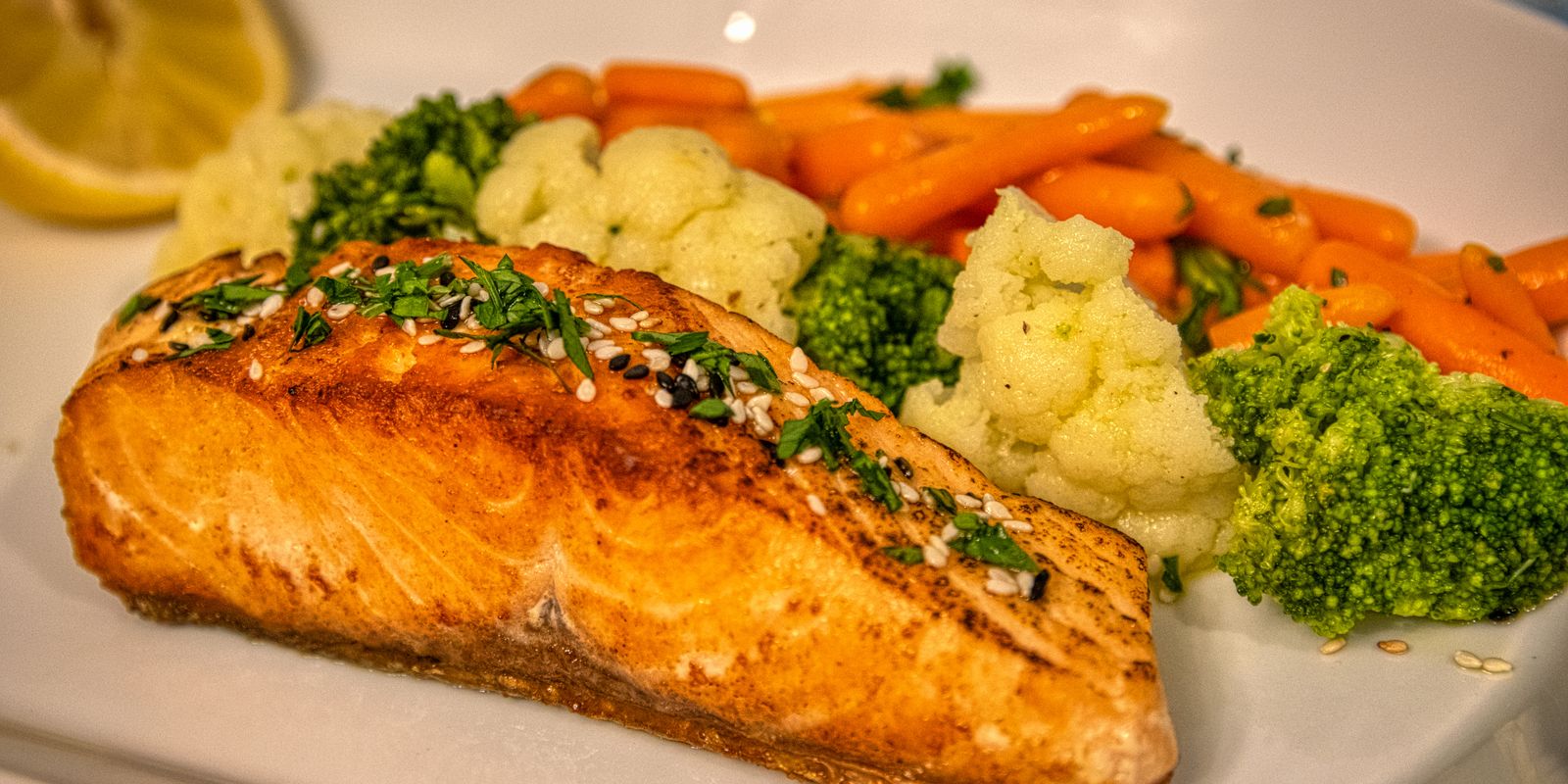
Harvard Health says lowering chronic inflammation comes back to four basics. It also says no specific diet has been shown to prevent it.
Four ordinary habits lower chronic inflammation. Harvard Health names all four in one sentence.
Acute inflammation is how the body heals a cut or fights a virus. Chronic inflammation is that same system left switched on. Run too long, it lets white blood cells damage healthy tissue.
Below are the four habits. Then what a CRP test really shows, and why no one food closes the case.
Four habits, and none of them is a supplement
Harvard Health puts the whole answer in one sentence. It comes from Dr. Robert Shmerling.
It goes back to the basics, he says: maintaining a healthy weight, choosing a good diet, getting plenty of sleep, and exercising regularly.
- Maintain a healthy weight. Harvard explains the mechanism. Extra visceral fat, the deep fat around your organs, can be treated by the immune system as a threat. The longer you carry it, the longer the body can stay in an inflammatory state.
- Choose a good diet. Harvard says the evidence for any one diet is not clear, but that certain foods are associated with promoting or inhibiting inflammation. Direction, not prescription.
- Get plenty of sleep. Listed alongside the other three rather than as an afterthought. Harvard notes diet and exercise also help sleep, which is part of why they carry weight.
- Exercise regularly. Harvard says diet and exercise have an especially strong effect because they also help control weight and improve sleep. Three of the four basics move together.
Nothing on that list is bought. That is the finding, not an omission.
Cleveland Clinic makes the same point from the other side. It says chronic inflammation is harder to spot than the acute kind.
What a CRP result can and cannot tell you
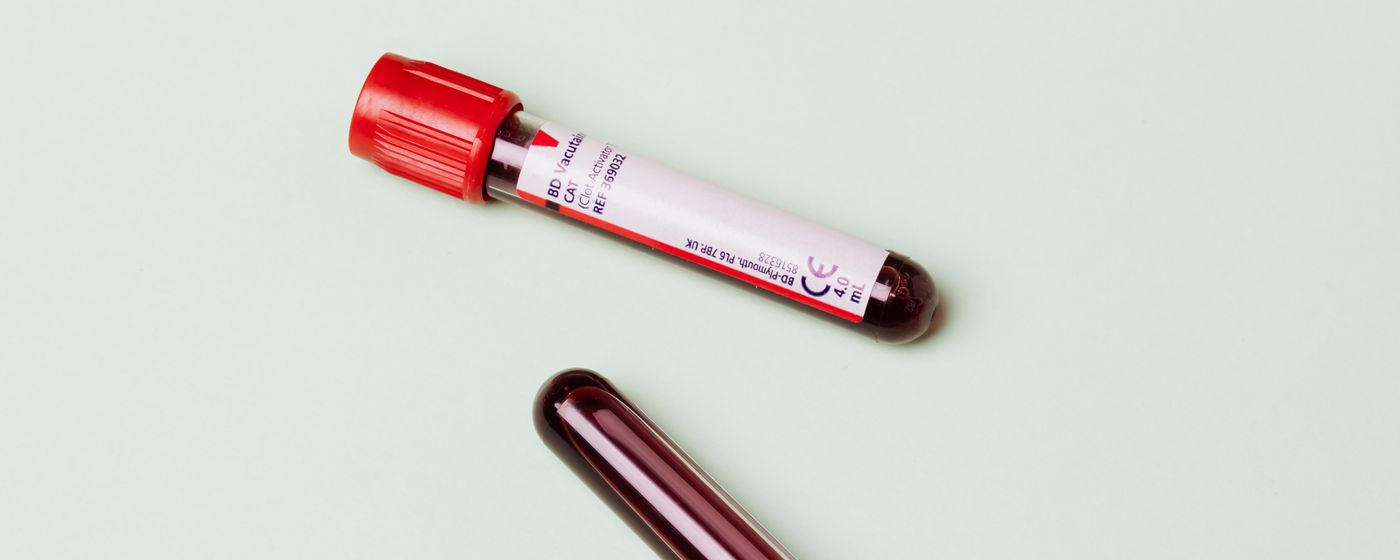
There is a blood test. Harvard Health says it measures C-reactive protein. The liver makes it, and the level rises when there is inflammation.
A CRP level between 1 and 3 milligrams per liter often signals a low but chronic level of inflammation.

The other blood test Harvard names is the sedimentation rate. It is used mainly for people who already have an inflammatory condition, such as rheumatoid arthritis.
Neither test names a cause. Cleveland Clinic lists many conditions that involve chronic inflammation, from autoimmune disease to heart disease to some cancers.
Harvard is honest about the limits. Chronic inflammation runs for a long time, so its exact impact is hard to pin down. Whether it raises risk or is a byproduct is not always clear.
The evidence is not clear that a specific type of diet can prevent chronic inflammation.
Take the four basics with you
One printable sheet: the four basics, the CRP numbers, the food lists on both sides, and the symptoms that need a provider. Free, unlocked right here.
Enter your email to unlock your plan
Your 1-page chronic inflammation plan, unlocked right here.
Your plan is ready
Download or print it below. Save it anywhere.
⬇ Download your plan (PDF)Food moves the needle, but no one food is the fix
Johns Hopkins Medicine says it plainly. There is no one anti inflammatory diet. Experts point to overall healthy eating patterns instead.
It still names foods on both sides. That is more useful than one hero ingredient.
On the avoid side Hopkins lists red meat and processed meat. It also lists commercial baked goods, white flour bread and pasta, deep fried food, added sugar and sugar sweetened drinks.
On the helpful side it names omega-3 fats. Oily fish, nuts and seeds are the sources it gives, along with foods rich in vitamin C.
Hopkins also names causes that have nothing to do with food. Environmental toxins, a lingering virus, aging and chronic stress are on that list.
So diet is one of four levers. The label on the jar is not the lever.
Three inflammation beliefs that do not hold
Three ideas sell a lot of product. Each one has a published answer.
All inflammation is bad. Cleveland Clinic says inflammation is a normal and important process. It is how the body heals. Harvard Health says acute inflammation protects you. The chronic kind is the problem.
One anti inflammatory diet has been proven. Johns Hopkins says there is no one anti inflammatory diet. Harvard says the evidence is not clear that any diet prevents chronic inflammation.
A CRP test tells you what is wrong. It measures a protein that rises with inflammation. Harvard says the direction of cause is not always clear. Cleveland lists many conditions that involve chronic inflammation.
To your health,
Ageless Coach
Age Strong. Live Long.
This article is education, not medical advice. Cleveland Clinic says to contact a health care provider about persistent symptoms such as joint pain or stiffness, unexplained fever, fatigue, mouth sores, rash, ongoing digestive trouble or frequent infections. Ageless Coach is an affiliate partner and may earn a commission on purchases made through links on this page.