Cutting salt lowers blood pressure, but potassium does the other half of the job, and most people fall short of it. The American Heart Association says potassium blunts the effect of sodium: the more you eat, the more sodium your kidneys flush out, and it also relaxes the walls of your blood vessels. You get it from food, not from a shaker.
1Sodium is half the story · potassium does the other half by helping your kidneys push sodium out
2It relaxes vessels · potassium eases tension in your blood vessel walls, which lowers pressure
3Most people fall short · surveys show Americans eat too much sodium and too little potassium
4Aim high, from food · the AHA suggests 3,500 to 5,000 mg a day, mostly from fruits and vegetables
5One real caveat · kidney disease and some pressure drugs make extra potassium risky, so ask first
You already know the salt rule. Eat less sodium, and your blood pressure has a better chance of coming down. It is good advice, and it is only half of the advice.
The other half is a mineral most people barely think about. Potassium works against sodium inside your body, and the American Heart Association says it can blunt sodium's effect on your blood pressure. Cut one and raise the other, and the two changes pull in the same direction.
1
How it works
Potassium Pushes Sodium Back Out
The AHA explains the mechanism plainly: the more potassium you eat, the more sodium you lose through your urine. Cleveland Clinic puts it the same way, noting potassium helps the kidneys excrete excess sodium instead of holding on to it. Less retained sodium means less pressure in your arteries.
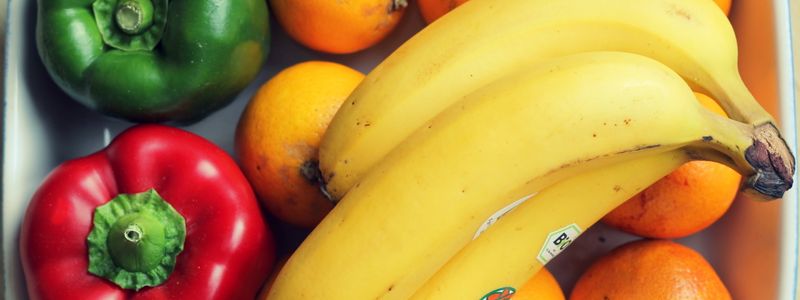
Bananas and oranges are classic potassium sources, yet one banana holds only about 450 milligrams of the daily target.
2
The second effect
It Also Relaxes Your Blood Vessels
Sodium is not the whole job. Potassium also eases tension in the walls of your blood vessels, the AHA notes, and that relaxation lowers pressure on its own. Cleveland Clinic adds that because potassium supports the vessels feeding your brain, kidneys and heart, it is linked to a lower risk of stroke and heart disease.
3
The gap
Most People Get Too Little
Here is the catch. Cleveland Clinic notes that surveys repeatedly show Americans eat too much sodium and not enough potassium, and the NIH Office of Dietary Supplements confirms most people fall short of the recommended amount. The AHA suggests aiming for 3,500 to 5,000 milligrams a day, ideally from food. A medium banana carries only about 450 milligrams, so swapping the shaker alone will not get you there.
Potassium can reduce the effects of sodium. The more potassium you eat, the more sodium you lose through urine.
That is why the two changes belong together. Cutting salt without adding potassium leaves half the benefit on the table.
American Heart Association, 2025
4
Where to find it
The Foods That Carry It
You do not need a supplement to hit the target. The AHA's potassium list runs through everyday foods: potatoes, spinach, beans, yogurt, oranges and fish among them. The DASH eating plan, built to lower blood pressure, is essentially a potassium-rich pattern of fruits, vegetables, whole grains and low-fat dairy.
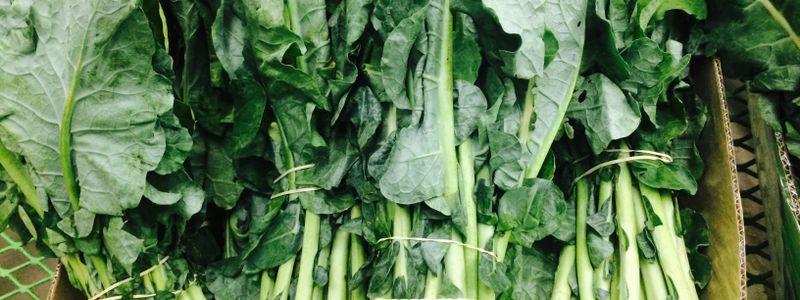
Leafy greens, beans, potatoes and yogurt build the potassium-rich, blood pressure lowering DASH pattern.
5
The safety line
More Is Not Always Better
There is one real caution. Cleveland Clinic warns that some common blood pressure drugs, including ACE inhibitors and ARBs, already make your body hold on to potassium, and people with kidney disease cannot clear the excess. For them, more potassium can be dangerous. Check with your provider before using supplements or salt substitutes.
Take the potassium food plan with you
Your free one-page guide: how potassium fights sodium, the foods richest in it, and who needs to be careful.
One email. No spam. Unsubscribe anytime.
Free Lifestyle Assessment
How Healthy Is Your Current Lifestyle?
Answer honestly for five minutes and walk away with your personal scorecard: all six areas of your health rated, the one that needs your attention first, and a 30-day plan built from your answers. It shows up the second you finish.
Free. About 5 minutes. Your results appear instantly.
📋 Your Coach's Recommendations
1
Add Potassium Every Time You Cut Salt
Treat the two as one move. When you reach for less salt, add a potassium-rich food to the plate: a side of spinach, a scoop of beans, a baked potato or plain yogurt. The AHA says food is the best source.
2
Build Meals on the DASH Pattern
Lean your plate toward fruits, vegetables, whole grains and low-fat dairy. That pattern, designed to lower blood pressure, naturally lands you near the 3,500 to 5,000 milligram target without counting anything.
3
Clear It With Your Provider First
If you have kidney disease or take an ACE inhibitor, ARB or other blood pressure medicine, ask before loading up on potassium or using a salt substitute. Those combinations can push your levels too high.
?
How it works. Just a quiet check-in, not an alert and not a recurring nag. The event lands as a 30-minute slot at 9am two weeks from today, with your plan in the notes and a link back to this article. Works with Apple Calendar, Google Calendar, and Outlook. Yours to move, snooze, or delete whenever.
Keep this plan
Get the one-page guide: how potassium fights sodium, the foods richest in it, and who needs to be careful.
One email. No spam. Unsubscribe anytime.
Where should we send it?
Your potassium food plan, straight to your inbox.
We send the plan plus one short evidence brief each week. Unsubscribe anytime.
✓
It is on the way
Check your inbox in the next minute. Your first Ageless Brief arrives this week: one study, translated, no hype.
Yes. Both the AHA and Cleveland Clinic explain that potassium helps your kidneys flush out excess sodium and relaxes your blood vessel walls, and both effects lower blood pressure.
Is cutting salt not enough?
Cutting sodium helps, but the AHA frames potassium as the partner move. The more potassium you eat, the more sodium you lose, so raising one while lowering the other works better than either alone.
How much potassium should I aim for?
The AHA suggests 3,500 to 5,000 milligrams a day, ideally from food. Most Americans fall short, according to Cleveland Clinic.
What foods are highest in potassium?
The AHA lists potatoes, spinach, beans, yogurt, oranges, bananas and fish among many others. The DASH eating pattern is built around these foods.
Can you get too much potassium?
Yes. Cleveland Clinic warns that people with kidney disease, and those on ACE inhibitors or ARBs, can build up dangerous levels. Check with your provider before supplements or salt substitutes.
Is this medical advice?
No. This article is educational and is not a substitute for your clinician. Talk to your provider before making big diet changes, especially if you take blood pressure medicine.
Curious where you stand? Take the free 5-minute lifestyle assessment and your personal scorecard appears the second you finish.
By the Ageless Coach Editorial Team · Published August 11, 2026 · Last updated August 11, 2026
<style>
:root{--dark-base:#0D1B2A;--dark-mid:#1B3A4B;--teal:#0EA5A0;--teal-dark:#0C8C88;--teal-bright:#14D4CD;--fog:#D8E8E8;--deep-fog:#C8DCDC;--fog-border:#A8C4C4;--ink:#313743;--ink-soft:#49505f;--muted:#6b7280;--warm:#9A6841;--warm-light:#be7b4c;--serif:"Source Serif 4",Georgia,serif;--sans:Inter,-apple-system,BlinkMacSystemFont,"Segoe UI",sans-serif}
.w-richtext p,.w-richtext li,.w-richtext td{font-size:20.5px;line-height:1.7;color:var(--ink-soft)}
.w-richtext ul{list-style-type:disc;padding-left:24px;margin:12px 0}
.w-richtext ul li{margin-bottom:8px}
.ac-answer{background:#fff;border:1px solid #D4E4E4;border-top:5px solid var(--teal);border-radius:16px;padding:22px 24px 18px;margin:16px 0 28px;box-shadow:0 6px 22px rgba(13,27,42,.07)}
.ac-answer .aa-eyebrow{font:800 12px/1 var(--sans);letter-spacing:2.5px;text-transform:uppercase;color:var(--teal-dark);margin-bottom:8px}
.ac-answer .aa-head{font-family:var(--serif);font-size:24px;line-height:1.2;font-weight:800;color:var(--dark-base);margin:0 0 16px}
.ac-answer .aa-list{list-style:none;margin:0;padding:0}
.ac-answer .aa-list li{display:flex;gap:12px;align-items:baseline;padding:11px 0;border-bottom:1px solid #EDF3F3;font:700 16.5px/1.4 var(--sans);color:var(--ink)}
.ac-answer .aa-list li:last-child{border-bottom:none}
.ac-answer .aa-n{flex-shrink:0;width:24px;height:24px;border-radius:50%;background:var(--teal-dark);color:#fff;font:800 12px/24px var(--sans);text-align:center}
.ac-answer .aa-food{color:var(--teal-dark);font-weight:800}
.ac-answer .aa-cue{margin-top:18px;text-align:center}
.ac-answer .aa-cta{display:inline-flex;align-items:center;gap:10px;background:var(--teal-dark);color:#fff;font:800 14px/1 var(--sans);letter-spacing:.2px;padding:14px 26px;border-radius:50px;text-decoration:none;box-shadow:0 6px 16px rgba(12,140,136,.30)}
.ac-answer .aa-cta:hover{background:#0A7A76}
.ac-answer .aa-arw{display:inline-block;animation:aa-nudge 1.4s ease-in-out infinite}
@keyframes aa-nudge{0%,100%{transform:translateY(0)}50%{transform:translateY(4px)}}
@media(max-width:560px){.ac-answer{padding:20px 18px 16px}.ac-answer .aa-head{font-size:21px}.ac-answer .aa-list li{font-size:15px}}
.ac-band{margin:56px 0 24px;padding:26px 24px 12px;background:linear-gradient(180deg,#F0F7F7,#fff);border-radius:16px}
.ac-band.hype{background:linear-gradient(180deg,#FAF3EB,#fff)}
.ac-band .inner{display:flex;gap:20px;align-items:center}
.ac-band .big{font:900 72px/1 var(--sans);color:var(--deep-fog);flex-shrink:0}
.ac-band.hype .big{color:#EAD9C6}
.ac-band .q{font:700 13px/1.4 var(--sans);letter-spacing:2px;text-transform:uppercase;color:var(--teal-dark)}
.ac-band.hype .q{color:var(--warm)}
.ac-band h3{font-family:var(--serif);font-size:30px;line-height:1.2;font-weight:800;color:var(--ink);margin:0}
.ac-callout{border-left:4px solid var(--teal);background:#F4FAFA;border-radius:0 12px 12px 0;padding:18px 22px;margin:28px 0}
.ac-callout .n{font:800 20px/1.35 var(--sans);color:var(--dark-mid);margin-bottom:6px}
.ac-callout .d{font:500 15px/1.55 var(--sans);color:var(--ink-soft)}
.ac-callout .c{font:600 11.5px/1 var(--sans);letter-spacing:1.5px;text-transform:uppercase;color:var(--muted);margin-top:10px}
.ac-plan{background:linear-gradient(135deg,#F4FAFA 0%,#fff 100%);border-left:5px solid var(--teal-dark);border-radius:14px;padding:30px 26px;margin:40px 0 0;box-shadow:0 2px 12px rgba(0,0,0,.06);scroll-margin-top:100px}
.ac-plan .ptitle{font-family:var(--serif);font-size:24px;font-weight:800;color:var(--ink);margin-bottom:22px}
.ac-plan .step{display:flex;gap:16px;margin-bottom:18px;align-items:flex-start}
.ac-plan .step .n{min-width:38px;width:38px;height:38px;background:var(--teal-dark);border-radius:50%;color:#fff;font:800 17px/38px var(--sans);text-align:center;flex-shrink:0}
.ac-plan .sh{font:800 16.5px/1.4 var(--sans);color:var(--ink);margin-bottom:3px}
.ac-plan .sd{font:400 15px/1.6 var(--sans);color:var(--muted)}
.ac-plan .actions{border-top:1px solid #D8E8E8;margin-top:16px;padding-top:20px}
.ac-primary-row{display:flex;align-items:center;gap:10px;padding:0 4px}
.ac-btn-primary-wide{flex:1;background:var(--teal);color:#fff;border:1.5px solid var(--teal);border-radius:14px;padding:12px 22px;box-shadow:0 4px 14px rgba(14,165,160,.22);font-family:var(--sans);cursor:pointer;display:grid;grid-template-columns:auto 1fr;gap:14px;align-items:center;transition:all .18s ease}
.ac-btn-primary-wide:hover{background:var(--teal-dark);border-color:var(--teal-dark)}
.ac-btn-primary-wide .icon svg{width:22px;height:22px;color:#fff;display:block}
.ac-btn-primary-wide .label{text-align:left;line-height:1.25}
.ac-btn-primary-wide .label .top{display:block;font-weight:700;font-size:15.5px;color:#fff}
.ac-btn-primary-wide .label .top em{font-style:italic;font-weight:700}
.ac-cal-help{position:relative;flex-shrink:0}
.ac-cal-help summary{list-style:none;width:24px;height:24px;border-radius:50%;background:#E4F1F1;border:1px solid var(--fog-border);color:var(--dark-mid);font:700 13px/22px var(--sans);text-align:center;cursor:pointer;display:block}
.ac-cal-help summary::-webkit-details-marker{display:none}
.ac-cal-help .tip{position:absolute;right:0;top:32px;z-index:50;width:290px;background:var(--dark-base);color:var(--fog);border-radius:12px;padding:14px 16px;font:500 12.5px/1.55 var(--sans);box-shadow:0 10px 30px rgba(13,27,42,.35)}
.ac-cal-help .tip strong{color:#fff}
.ac-btn-share-wide{display:flex;width:100%;align-items:center;justify-content:center;gap:10px;background:#fff;color:var(--teal-dark);border:1.5px solid var(--teal-dark);border-radius:14px;padding:12px 22px;margin-top:10px;font:800 15px/1 var(--sans);cursor:pointer}
.ac-btn-share-wide svg{width:18px;height:18px}
.ac-midcap{background:linear-gradient(180deg,#F0F7F7,#fff);border:1.5px solid var(--fog-border);border-radius:16px;padding:24px 22px;margin:34px 0;text-align:center}
.ac-midcap h4{font-family:var(--serif);font-size:22px;font-weight:800;color:var(--ink);margin:0 0 6px}
.ac-midcap .sub{font:500 14px/1.55 var(--sans);color:var(--ink-soft);margin:0 auto 14px;max-width:400px}
.ac-midcap .mcform{display:flex;gap:8px;max-width:400px;margin:0 auto}
.ac-midcap .mcform input{flex:1;border:1.5px solid var(--fog-border);border-radius:50px;padding:12px 18px;font:500 14px/1 var(--sans);min-width:0}
.ac-midcap .mcform button{background:var(--teal-dark);color:#fff;border:none;border-radius:50px;padding:12px 20px;font:800 13.5px/1 var(--sans);cursor:pointer;white-space:nowrap}
.ac-midcap .fine{font:500 11.5px/1.5 var(--sans);color:var(--muted);margin-top:10px}
@media (max-width:520px){.ac-midcap .mcform{flex-direction:column}}
.ac-assess-promo{background:linear-gradient(135deg,#D8E8E8,#C8DCDC);border:1px solid var(--fog-border);border-radius:16px;padding:34px 30px;margin:44px 0;text-align:center}
.ac-assess-promo .eyebrow{color:var(--teal-dark);font:800 12px/1 var(--sans);letter-spacing:2.5px;text-transform:uppercase;margin:0 0 10px}
.ac-assess-promo h4{font-family:var(--serif);color:var(--dark-base);font-size:26px;font-weight:800;margin:0 0 12px}
.w-embed .ac-assess-promo p.ap-body,.ac-assess-promo p.ap-body{font-family:Georgia,serif;color:#3A5555;font-size:15.5px;font-weight:500;line-height:1.65;max-width:540px;margin:0 auto 22px}
.ac-assess-promo .ap-cta{display:inline-block;background:var(--teal-bright);color:var(--dark-base);font:800 15px/1 var(--sans);padding:15px 30px;border-radius:50px;text-decoration:none}
.ac-assess-promo .ap-fine{color:#4E6B6B;font:500 13px/1.5 var(--sans);margin:14px 0 0}
.ac-assess-line{border-top:1px solid #E2ECEC;margin-top:30px;padding:22px 10px 0;text-align:center;font:500 15.5px/1.6 var(--sans);color:#3A5555}
.w-embed .ac-assess-line a,.ac-assess-line a{color:var(--teal-dark);font-weight:700;text-decoration:underline;text-underline-offset:3px}
.ac-articlemeta{font:500 12.5px/1.6 var(--sans);color:#98a0a6;text-align:center;margin:24px 0 0}
.ac-capture{background:linear-gradient(180deg,#F0F7F7,#fff);border:1.5px solid var(--fog-border);border-radius:16px;padding:30px 28px;margin:26px 0 44px;text-align:center}
.ac-capture .cap-state{display:none}
.ac-capture[data-state="trigger"] .st-trigger{display:block}
.ac-capture[data-state="form"] .st-form{display:block}
.ac-capture[data-state="sent"] .st-sent{display:block}
.ac-capture h4{font-family:var(--serif);font-size:24px;font-weight:800;color:var(--ink);margin:0 0 8px}
.ac-capture .sub{font:500 15px/1.55 var(--sans);color:var(--ink-soft);margin:0 auto 18px;max-width:430px}
.ac-capture .bigbtn{display:inline-flex;align-items:center;gap:10px;background:var(--teal-dark);color:#fff;border:none;border-radius:50px;padding:16px 30px;font:800 16px/1 var(--sans);cursor:pointer;box-shadow:0 6px 18px rgba(12,140,136,.28)}
.ac-capture .capform{display:flex;gap:10px;max-width:430px;margin:0 auto}
.ac-capture .capform input{flex:1;border:1.5px solid var(--fog-border);border-radius:50px;padding:14px 20px;font:500 15px/1 var(--sans)}
.ac-capture .capform button{background:var(--teal-dark);color:#fff;border:none;border-radius:50px;padding:14px 24px;font:800 14px/1 var(--sans);cursor:pointer}
.ac-capture .sent-check{width:52px;height:52px;border-radius:50%;background:var(--teal);color:#fff;font:800 26px/52px var(--sans);margin:0 auto 12px}
.ac-capture .dl{display:inline-block;margin-top:6px;color:var(--teal-dark);font:700 15px/1 var(--sans);text-decoration:underline;cursor:pointer}
.ac-capture .fine{font:500 12px/1.5 var(--sans);color:var(--muted);margin-top:12px}
.ac-sig{margin-top:36px}
.ac-sig .rule{width:60px;height:2px;background:linear-gradient(90deg,var(--teal-dark),var(--teal-bright));margin-bottom:18px;border-radius:2px}
.ac-sig .toyour{font-family:var(--serif);font-size:16px;font-style:italic;color:#777;margin:0 0 10px;padding-left:2px}
.ac-faq{margin-top:40px;border-top:1px solid #e5e7eb;padding-top:30px;margin-bottom:40px}
.ac-faq h2{font-family:var(--serif);font-size:23px;font-weight:800;color:var(--ink);margin:0 0 18px}
.ac-faq details{border:1px solid #e5e7eb;border-radius:10px;margin-bottom:10px}
.ac-faq summary{padding:15px 18px;font:700 16px/1.4 var(--sans);color:var(--ink);cursor:pointer;display:flex;justify-content:space-between;align-items:center;list-style:none}
.ac-faq summary:after{content:"\25BE";color:var(--warm)}
.ac-faq .a{padding:0 18px 16px;font-size:17px;line-height:1.65;color:#555}
.article-header-section .article-container{max-width:1080px !important;margin:0 auto !important;padding:0 20px !important}
.article-header-section .article-hero-image{display:block;width:100%;max-width:660px;margin:0}
.article-header-section .article-title{display:block !important;font-family:var(--serif);font-size:32px;line-height:1.25;font-weight:700;color:#313743;margin:20px 0 12px 0;text-align:left;max-width:660px}
@media (max-width:767px){.article-header-section .article-title{font-size:26px}.article-header-section .article-hero-image{max-width:100%}}
@media (max-width:640px){.ac-band .big{font-size:52px}}
@media (max-width:520px){.ac-capture .capform{flex-direction:column}}
.ac-figure{margin:30px 0}.ac-figure img{display:block;width:100%;border-radius:14px;height:auto;aspect-ratio:800/300}.ac-figure figcaption{font:500 13px/1.5 var(--sans);color:var(--muted);margin-top:9px}</style>
<div class="ac-answer"><div class="aa-eyebrow">What the evidence actually says</div><h2 class="aa-head">Cutting salt lowers blood pressure, but potassium does the other half of the job, and most people fall short of it. The American Heart Association says potassium blunts the effect of sodium: the more you eat, the more sodium your kidneys flush out, and it also relaxes the walls of your blood vessels. You get it from food, not from a shaker.</h2><ol class="aa-list"><li><span class="aa-n">1</span><span><span class="aa-food">Sodium is half the story</span> · potassium does the other half by helping your kidneys push sodium out</span></li><li><span class="aa-n">2</span><span><span class="aa-food">It relaxes vessels</span> · potassium eases tension in your blood vessel walls, which lowers pressure</span></li><li><span class="aa-n">3</span><span><span class="aa-food">Most people fall short</span> · surveys show Americans eat too much sodium and too little potassium</span></li><li><span class="aa-n">4</span><span><span class="aa-food">Aim high, from food</span> · the AHA suggests 3,500 to 5,000 mg a day, mostly from fruits and vegetables</span></li><li><span class="aa-n">5</span><span><span class="aa-food">One real caveat</span> · kidney disease and some pressure drugs make extra potassium risky, so ask first</span></li></ol><div class="aa-cue"><a class="aa-cta" href="#coach-recommendations">Get Your Coach's 3-Step Plan <span class="aa-arw">↓</span></a></div></div>
<p>You already know the salt rule. Eat less sodium, and your blood pressure has a better chance of coming down. It is good advice, and it is only half of the advice.</p>
<p>The other half is a mineral most people barely think about. Potassium works against sodium inside your body, and the American Heart Association says it can blunt sodium's effect on your blood pressure. Cut one and raise the other, and the two changes pull in the same direction.</p>
<div class="ac-band"><div class="inner"><div class="big">1</div><div><div class="q">How it works</div><h3>Potassium Pushes Sodium Back Out</h3></div></div></div>
<p>The <a href="https://www.heart.org/en/health-topics/high-blood-pressure/changes-you-can-make-to-manage-high-blood-pressure/how-potassium-can-help-control-high-blood-pressure" target="_blank" rel="noopener">AHA</a> explains the mechanism plainly: the more potassium you eat, the more sodium you lose through your urine. <a href="https://health.clevelandclinic.org/potassium-lower-blood-pressure" target="_blank" rel="noopener">Cleveland Clinic</a> puts it the same way, noting potassium helps the kidneys excrete excess sodium instead of holding on to it. Less retained sodium means less pressure in your arteries.</p>
<figure class="ac-figure"><img src="https://images.pexels.com/photos/57556/pexels-photo-57556.jpeg?auto=compress&cs=tinysrgb&w=800&h=300&fit=crop" alt="Bananas and oranges in a bin alongside bell peppers" width="800" height="300" loading="lazy" decoding="async"><figcaption>Bananas and oranges are classic potassium sources, yet one banana holds only about 450 milligrams of the daily target.</figcaption></figure>
<div class="ac-band"><div class="inner"><div class="big">2</div><div><div class="q">The second effect</div><h3>It Also Relaxes Your Blood Vessels</h3></div></div></div>
<p>Sodium is not the whole job. Potassium also eases tension in the walls of your blood vessels, the AHA notes, and that relaxation lowers pressure on its own. Cleveland Clinic adds that because potassium supports the vessels feeding your brain, kidneys and heart, it is linked to a lower risk of stroke and heart disease.</p>
<div class="ac-band"><div class="inner"><div class="big">3</div><div><div class="q">The gap</div><h3>Most People Get Too Little</h3></div></div></div>
<p>Here is the catch. Cleveland Clinic notes that surveys repeatedly show Americans eat too much sodium and not enough potassium, and the <a href="https://ods.od.nih.gov/factsheets/Potassium-Consumer/" target="_blank" rel="noopener">NIH Office of Dietary Supplements</a> confirms most people fall short of the recommended amount. The AHA suggests aiming for 3,500 to 5,000 milligrams a day, ideally from food. A medium banana carries only about 450 milligrams, so swapping the shaker alone will not get you there.</p>
<div class="ac-callout"><div class="n">Potassium can reduce the effects of sodium. The more potassium you eat, the more sodium you lose through urine.</div><div class="d">That is why the two changes belong together. Cutting salt without adding potassium leaves half the benefit on the table.</div><div class="c">American Heart Association, 2025</div></div>
<div class="ac-band hype"><div class="inner"><div class="big">4</div><div><div class="q">Where to find it</div><h3>The Foods That Carry It</h3></div></div></div>
<p>You do not need a supplement to hit the target. The AHA's potassium list runs through everyday foods: potatoes, spinach, beans, yogurt, oranges and fish among them. The <a href="https://www.heart.org/en/health-topics/high-blood-pressure/changes-you-can-make-to-manage-high-blood-pressure/managing-blood-pressure-with-a-heart-healthy-diet" target="_blank" rel="noopener">DASH eating plan</a>, built to lower blood pressure, is essentially a potassium-rich pattern of fruits, vegetables, whole grains and low-fat dairy.</p>
<figure class="ac-figure"><img src="https://images.pexels.com/photos/2095569/pexels-photo-2095569.jpeg?auto=compress&cs=tinysrgb&w=800&h=300&fit=crop" alt="Bunches of fresh leafy greens" width="800" height="300" loading="lazy" decoding="async"><figcaption>Leafy greens, beans, potatoes and yogurt build the potassium-rich, blood pressure lowering DASH pattern.</figcaption></figure>
<div class="ac-band"><div class="inner"><div class="big">5</div><div><div class="q">The safety line</div><h3>More Is Not Always Better</h3></div></div></div>
<p>There is one real caution. Cleveland Clinic warns that some common blood pressure drugs, including ACE inhibitors and ARBs, already make your body hold on to potassium, and people with kidney disease cannot clear the excess. For them, more potassium can be dangerous. Check with your provider before using supplements or salt substitutes.</p>
<div class="ac-midcap"><h4>Take the potassium food plan with you</h4><p class="sub">Your free one-page guide: how potassium fights sodium, the foods richest in it, and who needs to be careful.</p><div class="mcform"><input type="email" placeholder="Your email address" aria-label="Email address"><button type="button">Send My Plan (Free)</button></div><div class="fine">One email. No spam. Unsubscribe anytime.</div></div>
<div class="ac-assess-promo"><p class="eyebrow">Free Lifestyle Assessment</p><h4>How Healthy Is Your Current Lifestyle?</h4><p class="ap-body">Answer honestly for five minutes and walk away with your personal scorecard: all six areas of your health rated, the one that needs your attention first, and a 30-day plan built from your answers. It shows up the second you finish.</p><a class="ap-cta" href="/#assessment">See How the Assessment Works →</a><p class="ap-fine">Free. About 5 minutes. Your results appear instantly.</p></div>
<div class="ac-plan" id="coach-recommendations"><div class="ptitle">📋 Your Coach's Recommendations</div><div class="step"><div class="n">1</div><div><div class="sh">Add Potassium Every Time You Cut Salt</div><div class="sd">Treat the two as one move. When you reach for less salt, add a potassium-rich food to the plate: a side of spinach, a scoop of beans, a baked potato or plain yogurt. The AHA says food is the best source.</div></div></div><div class="step"><div class="n">2</div><div><div class="sh">Build Meals on the DASH Pattern</div><div class="sd">Lean your plate toward fruits, vegetables, whole grains and low-fat dairy. That pattern, designed to lower blood pressure, naturally lands you near the 3,500 to 5,000 milligram target without counting anything.</div></div></div><div class="step"><div class="n">3</div><div><div class="sh">Clear It With Your Provider First</div><div class="sd">If you have kidney disease or take an ACE inhibitor, ARB or other blood pressure medicine, ask before loading up on potassium or using a salt substitute. Those combinations can push your levels too high.</div></div></div><div class="actions">
<div class="ac-primary-row">
<button type="button" class="ac-btn-primary-wide" data-ac-cal>
<span class="icon"><svg viewBox="0 0 24 24" fill="none" stroke="currentColor" stroke-width="2" stroke-linecap="round" stroke-linejoin="round"><rect x="3" y="4" width="18" height="18" rx="2"></rect><path d="M16 2v4M8 2v4M3 10h18"></path></svg></span>
<span class="label"><span class="top">Add <em>Your Coach's Recommendations to Your Calendar</em></span></span>
</button>
<details class="ac-cal-help"><summary aria-label="What does this do?">?</summary><div class="tip"><strong>How it works.</strong> Just a quiet check-in, not an alert and not a recurring nag. The event lands as a 30-minute slot at 9am two weeks from today, with your plan in the notes and a link back to this article. Works with Apple Calendar, Google Calendar, and Outlook. Yours to move, snooze, or delete whenever.</div></details>
</div>
<button type="button" class="ac-btn-share-wide" data-ac-share><svg viewBox="0 0 24 24" fill="none" stroke="currentColor" stroke-width="2" stroke-linecap="round" stroke-linejoin="round"><path d="M4 12v8a2 2 0 002 2h12a2 2 0 002-2v-8"></path><polyline points="16 6 12 2 8 6"></polyline><line x1="12" y1="2" x2="12" y2="15"></line></svg> Share this article</button>
</div></div>
<div class="ac-capture" data-state="trigger" data-article-slug="cutting-salt-is-only-half-the-blood-pressure-fix" data-pdf-url="https://cdn.prod.website-files.com/69be1026a027224999b7936b/6a7ae94f209a70dece3fd621_ac-potassium-food-plan.pdf" data-plan-title="The Potassium Food Plan" data-plan-desc="Your free one-page guide: how potassium fights sodium, the foods richest in it, and who needs to be careful."><div class="st-trigger cap-state"><h4>Keep this plan</h4><p class="sub">Get the one-page guide: how potassium fights sodium, the foods richest in it, and who needs to be careful.</p><button class="bigbtn" type="button" data-cap="form">📩 Email Me This Plan (Free PDF)</button><div class="fine">One email. No spam. Unsubscribe anytime.</div></div><div class="st-form cap-state"><h4>Where should we send it?</h4><p class="sub">Your potassium food plan, straight to your inbox.</p><form class="capform"><input type="email" name="email" required placeholder="Your email address" aria-label="Email address"><button type="submit">Send My Plan</button></form><div class="fine">We send the plan plus one short evidence brief each week. Unsubscribe anytime.</div></div><div class="st-sent cap-state"><div class="sent-check">✓</div><h4>It is on the way</h4><p class="sub">Check your inbox in the next minute. Your first Ageless Brief arrives this week: one study, translated, no hype.</p><a class="dl" href="https://cdn.prod.website-files.com/69be1026a027224999b7936b/6a7ae94f209a70dece3fd621_ac-potassium-food-plan.pdf" download>⬇ Download your plan (PDF)</a></div></div>
<div class="ac-sig"><div class="rule"></div><p class="toyour">To your health,</p><svg width="320" height="72" viewBox="0 0 320 72" role="img" aria-label="Ageless Coach. Age Strong. Live Long." xmlns="http://www.w3.org/2000/svg" xmlns:xlink="http://www.w3.org/1999/xlink"><defs><clipPath id="acSigIconClip"><rect x="0" y="6" width="60" height="60" rx="12" ry="12"/></clipPath></defs><image x="0" y="6" width="60" height="60" clip-path="url(#acSigIconClip)" preserveAspectRatio="xMidYMid slice" href="https://cdn.prod.website-files.com/69be1026a027224999b7936b/6a0b22c6afd5d6fd115b9c1a_ac-closing-brand-icon.webp" xlink:href="https://cdn.prod.website-files.com/69be1026a027224999b7936b/6a0b22c6afd5d6fd115b9c1a_ac-closing-brand-icon.webp"/><text x="76" y="42" style="font-family:Inter,system-ui,-apple-system,'Helvetica Neue',Arial,sans-serif;font-size:27px;letter-spacing:-0.3px"><tspan style="font-weight:800;fill:#0D1B2A">Ageless</tspan><tspan style="font-weight:300;fill:rgba(13,27,42,0.6)">Coach</tspan><tspan dy="-12" style="font-size:16px;font-weight:600;fill:rgba(13,27,42,0.6)">™</tspan></text><text x="76" y="60" style="font-family:Inter,system-ui,-apple-system,'Helvetica Neue',Arial,sans-serif;font-size:10.5px;letter-spacing:2.5px;font-weight:500;fill:#0C8C88;text-transform:uppercase">AGE STRONG. LIVE LONG.</text></svg></div>
<div class="ac-faq"><h2>Frequently Asked Questions</h2><details><summary>Does potassium really lower blood pressure?</summary><div class="a">Yes. Both the AHA and Cleveland Clinic explain that potassium helps your kidneys flush out excess sodium and relaxes your blood vessel walls, and both effects lower blood pressure.</div></details><details><summary>Is cutting salt not enough?</summary><div class="a">Cutting sodium helps, but the AHA frames potassium as the partner move. The more potassium you eat, the more sodium you lose, so raising one while lowering the other works better than either alone.</div></details><details><summary>How much potassium should I aim for?</summary><div class="a">The AHA suggests 3,500 to 5,000 milligrams a day, ideally from food. Most Americans fall short, according to Cleveland Clinic.</div></details><details><summary>What foods are highest in potassium?</summary><div class="a">The AHA lists potatoes, spinach, beans, yogurt, oranges, bananas and fish among many others. The DASH eating pattern is built around these foods.</div></details><details><summary>Can you get too much potassium?</summary><div class="a">Yes. Cleveland Clinic warns that people with kidney disease, and those on ACE inhibitors or ARBs, can build up dangerous levels. Check with your provider before supplements or salt substitutes.</div></details><details><summary>Is this medical advice?</summary><div class="a">No. This article is educational and is not a substitute for your clinician. Talk to your provider before making big diet changes, especially if you take blood pressure medicine.</div></details></div>
<div class="ac-assess-line">Curious where you stand? Take the free <a href="/#assessment">5-minute lifestyle assessment</a> and your personal scorecard appears the second you finish.</div>
<p class="ac-articlemeta">By the Ageless Coach Editorial Team · Published August 11, 2026 · Last updated August 11, 2026</p>
Subscribe to the Free Newsletter
One article a week. Trusted research made simple. Start making smarter health decisions today.