Enlarged Prostate: 5 Signs of BPH After 50, and 4 That Mean Call the Doctor Now
An enlarged prostate, called BPH, is the most common prostate problem in men over 50, and it is not cancer. Five signs point to it, four mean call the doctor now, and simple habits calm the symptoms.
Ageless Coach Editorial Team · August 23, 2026
In 30 Seconds
It is not cancer. BPH means the prostate grows larger with age and squeezes the urethra. Having it is not thought to raise prostate cancer risk. Mayo Clinic
It is nearly universal. About half of men show some signs by 60, and about 90 percent by 85. Treatments run from habits to medicine to procedures. Cleveland Clinic
Four signs mean call now: not being able to urinate at all, pain with fever and chills, blood in your urine, or serious lower-belly pain. NIDDK
The second trip to the bathroom before a movie. The 3am wake-up that became routine. The stream that takes its time getting started. Most men chalk this up to age and say nothing, often because a quieter fear sits underneath it.
Here is the answer to that fear. An enlarged prostate is benign. It is not cancer, and it does not raise your cancer risk.
It is also very treatable. Here are the five signs that point to BPH, the four that mean call the doctor now, and what actually helps.
1
The Sign Check
Five Signs That Point to an Enlarged Prostate
The prostate sits just below the bladder and wraps around the urethra, the pipe that carries urine out. When it grows, it squeezes that pipe. The NIDDK, part of the NIH, lists the symptoms that follow.
Trouble getting started. You stand and wait. The stream takes longer to arrive than it used to.
A weak or interrupted stream. The flow is softer, stops and starts, or dribbles at the end.
Night trips. Waking more than once to urinate, night after night. Doctors call it nocturia.
Sudden urgency. The need arrives with little warning and does not like waiting.
Never quite empty. You finish and still feel like your bladder is not done.
50% by 60
About half of men show some signs of BPH by age 60, and about 90 percent by age 85. It is the most common prostate problem in men over 50.
Source: Cleveland Clinic
One surprise from the research: size is not destiny. A slightly enlarged prostate can cause major symptoms, and a very enlarged one can cause almost none. Symptoms, not size, drive treatment.
2
The Red Flags
Four Signs That Mean Call the Doctor Now
BPH itself moves slowly. Four situations do not. NIDDK says to tell a health care professional right away for any of these.
You cannot urinate at all. Full retention is an emergency. The bladder needs to be drained before pressure damages it or the kidneys.
Painful, urgent urination with fever and chills. That combination points to infection, and it needs treatment now.
Blood in your urine. Never a wait-and-see symptom, whatever the cause turns out to be.
Serious pain in your lower belly or urinary tract. Real discomfort down there has earned same-day attention.
Describe the pattern honestly. A symptom history and a simple exam do most of the diagnostic work.
Having an enlarged prostate is not thought to raise the risk of getting prostate cancer.
Mayo Clinic
The Mayo Clinic adds one more reason to speak up even about mild symptoms: other conditions can mimic BPH, including urinary tract infections, an inflamed prostate, bladder stones, and occasionally prostate or bladder cancer. The visit sorts out which one you have.
Take the answer sheet with you
The whole decoder on one printable sheet: the 5 signs, the 4 call-now flags, and the evening habits that cut night trips. Free, unlocked right here.
Joins the free weekly Ageless Brief. Unsubscribe anytime.
ENLARGED PROSTATE: BPH ANSWERS
AGELESS COACH · CHECKED AGAINST NIDDK · MAYO · CLEVELAND
✓ DO THIS
✗ DO NOT
Enter your email to unlock your plan
Your 1-page BPH plan, unlocked right here.
No spam. One short evidence brief each week. Unsubscribe anytime.
Your first Ageless Brief arrives this week: one study, translated, no hype.
3
The Fix Menu
What Actually Helps, From Habits to Surgery
Treatment is a ladder, and the Cleveland Clinic and NIDDK lay out every rung. Mild symptoms often need only watchful waiting plus habit changes: drink less in the evening, limit alcohol and caffeine, stay physically active, empty fully, and do not hold it for long stretches.
Check your medicine cabinet too. Over-the-counter cold medicines with decongestants or antihistamines can make BPH symptoms worse, and so can some tranquilizers, antidepressants and diuretics. Tell your doctor everything you take.
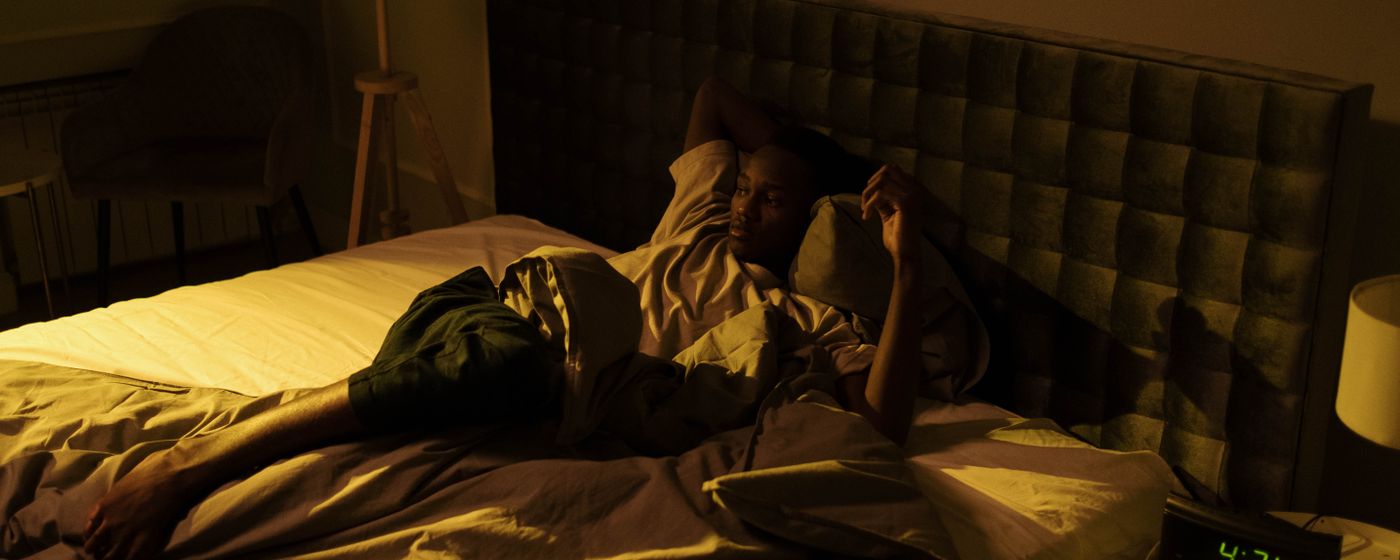
Fewer 4am trips is usually the first win from treatment, and often from habits alone.
2 beats 1
Research shows an alpha blocker plus a 5-alpha reductase inhibitor can work better than either medicine alone. One relaxes the muscle, the other shrinks the gland.
Source: NIDDK
When medicine is not enough, minimally invasive options use steam to shrink prostate tissue or tiny implants to lift it off the urethra. Surgery to remove part of the prostate remains the fallback for severe cases and complications.
✗
The Debunk
The Cancer Fear That Keeps Men Silent
BPH gathers myths, and each one costs someone a good night's sleep.
An enlarged prostate becomes cancer. It does not. BPH is benign growth, and having it is not thought to raise prostate cancer risk. The two can exist at the same time, which is one more reason to get symptoms checked rather than assumed.
A bigger prostate means worse symptoms. Size and suffering do not track. Small glands can cause big symptoms and the reverse. Treatment decisions follow how much your life is disrupted.
It is just aging, so nothing can be done. Aging raises the odds, but the symptom list is one of the most treatable in men's health, from evening habits to three families of medicine to quick procedures.
📋Your Coach's Recommendations
1
Count your night wake-ups for two weeks.
Keep a simple log: night trips, slow starts, urgency moments, and what you drank in the evening. The log does half the diagnostic work for your doctor.
2
Make the evening swap tonight.
Less fluid in the last two hours before bed, less evening alcohol and caffeine, and check cold-medicine labels for decongestants and antihistamines. Stay active during the day.
3
Book the talk, even for mild symptoms.
Mention urinary changes at your next visit either way. Call now for the four flags: cannot urinate, pain with fever and chills, blood in urine, or serious lower-belly pain.
This article is education, not medical advice. Talk with your doctor about any urinary changes, and get same-day care for the four red flags above.
Frequently Asked Questions
Is an enlarged prostate the same as prostate cancer?
No. BPH is benign growth of the prostate and is not thought to raise prostate cancer risk. But both conditions can exist at the same time, and some symptoms overlap, so new urinary symptoms deserve a proper exam rather than a guess.
How do I know it is BPH and not something else?
You do not have to decide alone. UTIs, prostatitis, bladder stones and other conditions can cause similar symptoms. A symptom history, a physical exam, and simple tests like urinalysis or a PSA blood test sort it out quickly.
Can I improve BPH symptoms without medication?
Often, yes. Drinking less before bed, limiting alcohol and caffeine, staying active, emptying your bladder fully and not holding urine for long stretches all reduce symptoms. Doctors call this watchful waiting, and it is a real treatment tier.
What medicines make an enlarged prostate worse?
Common ones. Over-the-counter cold and cough medicines with decongestants or antihistamines can worsen symptoms, and so can some tranquilizers, antidepressants and diuretics. Bring your full medicine list, including supplements, to your visit.
When is surgery actually needed for BPH?
When medicines do not help, symptoms are severe, or complications develop, such as retention, repeat infections or bladder stones. Before full surgery there are minimally invasive options that use steam or small implants to open the urethra.
Will BPH go away on its own?
The gland does not shrink back on its own, and symptoms tend to build slowly, though they sometimes hold steady or even improve. The practical goal is symptom control, and between habits, medicines and procedures, most men get there.
<style>:root{--dark-base:#0D1B2A;--dark-mid:#1B3A4B;--teal:#0EA5A0;--teal-dark:#0C8C88;--teal-bright:#14D4CD;--fog:#D8E8E8;--deep-fog:#C8DCDC;--fog-border:#A8C4C4;--ink:#313743;--ink-soft:#49505f;--muted:#6b7280;--warm:#9A6841;--warm-light:#be7b4c;--serif:"Source Serif 4",Georgia,serif;--sans:Inter,-apple-system,BlinkMacSystemFont,"Segoe UI",sans-serif}.acv-root .acv-dek{font:500 19px/1.55 var(--sans);color:var(--ink-soft);margin:0 0 14px}.acv-root .acv-dek b{color:var(--teal-dark)}.acv-root .acv-meta{font:600 13px/1.6 var(--sans);color:var(--muted);margin:14px 0 0;text-align:center}.acv-root .acv-meta .acv-chk{color:var(--teal-dark)}.acv-root .acv-glance{background:linear-gradient(180deg,#F0F7F7,#fff);border:1.5px solid var(--fog-border);border-radius:14px;padding:22px 24px;margin:24px 0 0}.acv-root .acv-glance .acv-gt{font:800 12px/1 var(--sans);letter-spacing:2.5px;text-transform:uppercase;color:var(--teal-dark);margin-bottom:14px}.acv-root .acv-glance .acv-item{font:500 15.5px/1.55 var(--sans);color:var(--ink-soft);padding:0 0 10px 26px;position:relative}.acv-root .acv-glance .acv-item:before{content:"";position:absolute;left:2px;top:7px;width:8px;height:8px;border-radius:50%;background:var(--teal)}.acv-root .acv-glance .acv-item b{color:var(--ink)}.acv-root .acv-glance .acv-s{color:var(--muted);font-size:12.5px}.acv-root .acv-body{margin-top:30px}.acv-root .acv-body p{font-size:20.5px;line-height:1.75;margin:0 0 24px;color:var(--ink-soft)}.acv-root .acv-body p strong{color:var(--ink)}.acv-root .acv-body a{color:var(--teal-dark);font-weight:700;text-decoration:underline;text-decoration-color:rgba(14,165,160,.4);text-underline-offset:3px}.acv-root .acv-dropcap:first-letter{font-family:var(--serif);font-size:64px;font-weight:800;color:var(--dark-mid);float:left;line-height:.9;padding:6px 10px 0 0}.acv-root mark{background:linear-gradient(180deg,transparent 55%,rgba(20,212,205,.35) 55%);color:inherit;padding:0 2px}.acv-root .acv-band{margin:56px 0 24px;padding:26px 22px 12px;background:linear-gradient(180deg,#F0F7F7,#fff);border-radius:16px}.acv-root .acv-band.acv-hype{background:linear-gradient(180deg,#FAF3EB,#fff)}.acv-root .acv-band .acv-inner{display:flex;gap:18px;align-items:center}.acv-root .acv-band .acv-big{font:900 64px/1 var(--sans);color:var(--deep-fog);flex-shrink:0}.acv-root .acv-band.acv-hype .acv-big{color:#EAD9C6}.acv-root .acv-band .acv-q{font:700 13px/1.4 var(--sans);letter-spacing:2px;text-transform:uppercase;color:var(--teal-dark);margin-bottom:6px}.acv-root .acv-band.acv-hype .acv-q{color:var(--warm)}.acv-root .acv-band h3{font-family:var(--serif);font-size:31px;line-height:1.2;font-weight:800;color:var(--ink);margin:0}.acv-root .acv-billboard{background:var(--dark-mid);border-radius:18px;color:#fff;padding:30px 28px;margin:32px 0;text-align:center}.acv-root .acv-billboard .acv-n{font:900 34px/1.2 var(--sans);color:var(--teal-bright);margin-bottom:8px}.acv-root .acv-billboard .acv-d{font:500 16px/1.55 var(--sans);color:#D4E5E5;max-width:480px;margin:0 auto}.acv-root .acv-billboard .acv-c{font:600 12px/1 var(--sans);letter-spacing:1.5px;text-transform:uppercase;color:#8FB3B3;margin-top:12px}.acv-root figure{margin:32px 0}.acv-root figure img{width:100%;border-radius:16px;display:block}.acv-root figcaption{font:600 13.5px/1.5 var(--sans);color:var(--muted);margin:10px 0 0;text-align:center}.acv-root .acv-pullquote{margin:34px 0;text-align:center;padding:0 10px}.acv-root .acv-pullquote p{font-family:var(--serif);font-size:27px;line-height:1.4;color:var(--dark-mid);font-weight:700;margin:0 0 10px}.acv-root .acv-pullquote .acv-who{font:700 12px/1 var(--sans);letter-spacing:2px;text-transform:uppercase;color:var(--warm)}.acv-root .acv-plan{background:linear-gradient(135deg,#fffcf4 0%,#fff8ed 100%);border-left:5px solid var(--teal-dark);border-radius:14px;padding:30px 26px 24px;margin:40px 0 0;box-shadow:0 2px 12px rgba(0,0,0,.06)}.acv-root .acv-plan .acv-ptitle{display:flex;align-items:center;gap:12px;font-family:var(--serif);font-size:26px;font-weight:800;color:var(--ink);margin-bottom:24px}.acv-root .acv-plan .acv-ptitle .acv-ico{font-size:24px;color:var(--teal-dark)}.acv-root .acv-plan .step{display:flex;gap:16px;margin-bottom:20px;align-items:flex-start}.acv-root .acv-plan .acv-n{min-width:38px;width:38px;height:38px;background:var(--teal-dark);border-radius:50%;color:#fff;font:800 17px/38px var(--sans);text-align:center;flex-shrink:0}.acv-root .acv-plan .sh{font:800 16.5px/1.4 var(--sans);color:var(--ink);margin-bottom:3px}.acv-root .acv-plan .sd{font:400 15px/1.6 var(--sans);color:var(--muted)}.acv-root .acv-plan .acv-pdiv{height:1px;background:#E4DECE;margin:26px 0 22px}.acv-root .acv-calbar{display:flex;align-items:center;justify-content:center;gap:12px;width:100%;background:linear-gradient(90deg,var(--teal-dark),var(--teal));color:#fff;border:none;border-radius:12px;padding:17px 20px;font:700 16px/1.3 var(--sans);cursor:pointer;position:relative;box-shadow:0 4px 14px rgba(12,140,136,.25)}.acv-root .acv-calbar i{font-family:var(--serif);font-style:italic;font-weight:600}.acv-root .acv-calbar .acv-qm{position:absolute;right:14px;top:50%;transform:translateY(-50%);width:26px;height:26px;border-radius:50%;background:rgba(255,255,255,.22);font:700 14px/26px var(--sans);text-align:center}.acv-root .acv-opsrow{display:grid;grid-template-columns:repeat(4,1fr);gap:12px;margin-top:14px}@media(max-width:640px){.acv-root .acv-opsrow{grid-template-columns:1fr 1fr}}.acv-root .acv-opsrow button{display:flex;align-items:center;justify-content:center;gap:8px;background:#fff;border:1.5px solid var(--teal);color:var(--teal-dark);border-radius:50px;padding:13px 10px;font:700 14px/1 var(--sans);cursor:pointer;transition:background .15s}.acv-root .acv-opsrow button:hover{background:#F0FAFA}.acv-root .acv-capture{background:linear-gradient(135deg,var(--dark-base),var(--dark-mid));border-radius:18px;padding:32px 30px;margin:50px 0 56px;color:#fff;position:relative;overflow:hidden;box-shadow:0 16px 40px rgba(13,27,42,.25)}.acv-root .acv-cap-grid{display:grid;grid-template-columns:1fr 200px;gap:26px;align-items:center}@media(max-width:600px){.acv-root .acv-cap-grid{grid-template-columns:1fr}.acv-root .acv-chartcard{display:none}}.acv-root .acv-capture h4{font-family:var(--serif);font-size:26px;font-weight:800;margin:0 0 8px}.acv-root .acv-capture .acv-sub{font:500 15.5px/1.55 var(--sans);color:#C9DDDD;margin:0 0 18px}.acv-root .acv-chartcard{background:#fff;border-radius:8px;padding:14px 13px 12px;box-shadow:0 12px 32px rgba(0,0,0,.38);transform:rotate(2deg)}.acv-root .acv-chartcard .acv-ch-mast{font-family:var(--serif);font-weight:800;font-size:11px;color:var(--dark-base);letter-spacing:.4px;border-bottom:3px solid var(--dark-base);padding-bottom:5px}.acv-root .acv-chartcard .acv-ch-sub{font:800 5.5px/1.4 var(--sans);color:var(--muted);letter-spacing:.8px;margin:4px 0 8px}.acv-root .acv-chartcard .acv-ch-cols{display:grid;grid-template-columns:1fr 1fr;gap:8px}.acv-root .acv-chartcard .acv-ch-h{font:900 7.5px/1 var(--sans);letter-spacing:1px;border-radius:3px;padding:4px 5px;margin-bottom:5px;color:#fff}.acv-root .acv-chartcard .acv-ch-h.acv-ok{background:#2E7D5B}.acv-root .acv-chartcard .acv-ch-h.acv-no{background:#B4533A}.acv-root .acv-chartcard .acv-ch-row{height:9px;border-radius:2px;margin:4px 0}.acv-root .acv-chartcard .acv-ch-row.acv-ok{background:#E3F0E9}.acv-root .acv-chartcard .acv-ch-row.acv-no{background:#F6E7E1}.acv-root .acv-chartcard .acv-ch-row.acv-short{width:70%}.acv-root .acv-chartcard .acv-ch-band{height:16px;border-radius:3px;background:var(--fog);margin-top:9px}.acv-root .cap-state{display:none}.acv-root .acv-capture[data-state="trigger"] .st-trigger{display:block}.acv-root .acv-capture[data-state="form"] .st-form{display:block}.acv-root .acv-capture[data-state="sent"] .st-sent{display:block}.acv-root .acv-bigbtn{display:inline-flex;align-items:center;gap:10px;background:var(--teal-bright);color:var(--dark-base);border:none;border-radius:50px;padding:16px 28px;font:800 15.5px/1 var(--sans);cursor:pointer;box-shadow:0 6px 20px rgba(20,212,205,.35)}.acv-root .acv-fine{font:500 12px/1.5 var(--sans);color:#7FA3A3;margin-top:12px}.acv-root .capform{display:flex;gap:10px;max-width:440px}@media(max-width:520px){.acv-root .capform{flex-direction:column}}.acv-root .capform input{flex:1;border:none;border-radius:50px;padding:14px 20px;font:500 15px/1 var(--sans)}.acv-root .capform button{background:var(--teal-bright);color:var(--dark-base);border:none;border-radius:50px;padding:14px 24px;font:800 14px/1 var(--sans);cursor:pointer}.acv-root .acv-sent-check{width:52px;height:52px;border-radius:50%;background:var(--teal-bright);color:var(--dark-base);font:800 26px/52px var(--sans);margin-bottom:12px}.acv-root .dl{display:inline-block;margin-top:6px;color:var(--teal-bright);font:700 15px/1 var(--sans);text-decoration:underline;text-underline-offset:3px;cursor:pointer}.acv-root .acv-sig{margin-top:36px}.acv-root .acv-sig .acv-toyour{font-family:var(--serif);font-size:17px;font-style:italic;color:#777;margin:0 0 8px;padding-left:38px}.acv-root .acv-sig .acv-row{display:flex;align-items:center;gap:10px}.acv-root .acv-sig .acv-glyph{width:30px;height:30px;flex-shrink:0}.acv-root .acv-sig .acv-name{font-family:var(--serif);font-size:24px;font-weight:700;margin:0;color:var(--ink)}.acv-root .acv-sig .acv-tag{font:700 11px/1 var(--sans);color:var(--warm-light);letter-spacing:2.5px;text-transform:uppercase;margin:6px 0 0 40px}.acv-root .acv-trust{margin-top:30px;padding-top:22px;border-top:1px solid #e5e7eb;text-align:center}.acv-root .acv-trust .acv-t{font:700 13px/1 var(--sans);color:var(--muted);letter-spacing:2px;text-transform:uppercase;margin-bottom:16px}.acv-root .acv-trust a{display:inline-block;background:#fff;border:1.5px solid var(--warm);color:var(--warm);padding:8px 20px;border-radius:20px;font:600 14px/1 var(--sans);text-decoration:none;margin:0 4px 8px}.acv-root .acv-body p.acv-disclaimer{font-family:var(--serif);font-size:16px;font-style:italic;color:#999;margin:24px 0 0;line-height:1.5;text-align:center}.acv-root .acv-faq{margin-top:40px;border-top:1px solid #e5e7eb;padding-top:30px}.acv-root .acv-faq h2{font-family:var(--serif);font-size:23px;font-weight:800;margin:0 0 18px}.acv-root .acv-faq details{border:1px solid #e5e7eb;border-radius:10px;margin-bottom:10px;overflow:hidden}.acv-root .acv-faq summary{padding:15px 18px;font:700 16px/1.4 var(--sans);cursor:pointer;list-style:none;display:flex;justify-content:space-between;gap:12px;align-items:center}.acv-root .acv-faq summary:after{content:"\25BE";color:var(--warm)}.acv-root .acv-faq .acv-a{padding:0 18px 16px;font-size:17px;line-height:1.65;color:#555}.acv-root .acv-secondary{margin-top:26px;background:#fff;border:1.5px dashed var(--fog-border);border-radius:12px;padding:18px 20px;text-align:center;font:500 15px/1.6 var(--sans);color:var(--ink-soft)}.acv-root .acv-secondary a{color:var(--teal-dark);font-weight:700}.acv-root .acv-body ol.acv-signlist{list-style:none;margin:0 0 24px;padding:0;counter-reset:sgn}.acv-root .acv-body ol.acv-signlist li{position:relative;padding:0 0 15px 48px;font-size:19px;line-height:1.6;color:var(--ink-soft);counter-increment:sgn}.acv-root .acv-body ol.acv-signlist li:before{content:counter(sgn);position:absolute;left:0;top:1px;width:32px;height:32px;border-radius:50%;background:var(--teal-dark);color:#fff;font:800 15px/32px var(--sans);text-align:center}.acv-root .acv-body ol.acv-signlist li b{color:var(--ink)}.acv-root .acv-opsrow{grid-template-columns:repeat(3,1fr)}@media(max-width:640px){.acv-root .acv-opsrow{grid-template-columns:1fr 1fr}}</style><div class="acv-root"><p class="acv-dek">An enlarged prostate, called BPH, is the most common prostate problem in men over 50, and <b>it is not cancer</b>. Five signs point to it, four mean call the doctor now, and simple habits calm the symptoms.</p><p class="acv-meta">Ageless Coach Editorial Team · August 23, 2026</p><div class="acv-glance"><div class="acv-gt">In 30 Seconds</div><div class="acv-item"><b>It is not cancer.</b> BPH means the prostate grows larger with age and squeezes the urethra. Having it is not thought to raise prostate cancer risk. <span class="acv-s">Mayo Clinic</span></div><div class="acv-item"><b>It is nearly universal.</b> About half of men show some signs by 60, and about 90 percent by 85. Treatments run from habits to medicine to procedures. <span class="acv-s">Cleveland Clinic</span></div><div class="acv-item"><b>Four signs mean call now:</b> not being able to urinate at all, pain with fever and chills, blood in your urine, or serious lower-belly pain. <span class="acv-s">NIDDK</span></div></div><div class="acv-body"><p class="acv-dropcap">The second trip to the bathroom before a movie. The 3am wake-up that became routine. The stream that takes its time getting started. Most men chalk this up to age and say nothing, often because a quieter fear sits underneath it.</p><p>Here is the answer to that fear. <mark>An enlarged prostate is benign. It is not cancer, and it does not raise your cancer risk.</mark></p><p>It is also very treatable. <strong>Here are the five signs that point to BPH, the four that mean call the doctor now, and what actually helps.</strong></p><div class="acv-band"><div class="acv-inner"><div class="acv-big">1</div><div><div class="acv-q">The Sign Check</div><h3>Five Signs That Point to an Enlarged Prostate</h3></div></div></div><p>The prostate sits just below the bladder and wraps around the urethra, the pipe that carries urine out. When it grows, it squeezes that pipe. The <a href="https://www.niddk.nih.gov/health-information/urologic-diseases/prostate-problems/enlarged-prostate-benign-prostatic-hyperplasia" target="_blank" rel="noopener">NIDDK</a>, part of the NIH, lists the symptoms that follow.</p><ol class="acv-signlist"><li><b>Trouble getting started.</b> You stand and wait. The stream takes longer to arrive than it used to.</li><li><b>A weak or interrupted stream.</b> The flow is softer, stops and starts, or dribbles at the end.</li><li><b>Night trips.</b> Waking more than once to urinate, night after night. Doctors call it nocturia.</li><li><b>Sudden urgency.</b> The need arrives with little warning and does not like waiting.</li><li><b>Never quite empty.</b> You finish and still feel like your bladder is not done.</li></ol><div class="acv-billboard"><div class="acv-n">50% by 60</div><div class="acv-d">About half of men show some signs of BPH by age 60, and about 90 percent by age 85. It is the most common prostate problem in men over 50.</div><div class="acv-c">Source: Cleveland Clinic</div></div><p>One surprise from the research: size is not destiny. A slightly enlarged prostate can cause major symptoms, and a very enlarged one can cause almost none. Symptoms, not size, drive treatment.</p><div class="acv-band"><div class="acv-inner"><div class="acv-big">2</div><div><div class="acv-q">The Red Flags</div><h3>Four Signs That Mean Call the Doctor Now</h3></div></div></div><p>BPH itself moves slowly. Four situations do not. NIDDK says to tell a health care professional right away for any of these.</p><p><strong>You cannot urinate at all.</strong> Full retention is an emergency. The bladder needs to be drained before pressure damages it or the kidneys.</p><p><strong>Painful, urgent urination with fever and chills.</strong> That combination points to infection, and it needs treatment now.</p><p><strong>Blood in your urine.</strong> Never a wait-and-see symptom, whatever the cause turns out to be.</p><p><strong>Serious pain in your lower belly or urinary tract.</strong> Real discomfort down there has earned same-day attention.</p><figure><img src="https://images.pexels.com/photos/7345465/pexels-photo-7345465.jpeg?auto=compress&cs=tinysrgb&w=1400&h=560&fit=crop" alt="A nurse uses a stethoscope during a home check-up with a senior man on a couch"><figcaption>Describe the pattern honestly. A symptom history and a simple exam do most of the diagnostic work.</figcaption></figure><div class="acv-pullquote"><p>Having an enlarged prostate is not thought to raise the risk of getting prostate cancer.</p><div class="acv-who">Mayo Clinic</div></div><p>The <a href="https://www.mayoclinic.org/diseases-conditions/benign-prostatic-hyperplasia/symptoms-causes/syc-20370087" target="_blank" rel="noopener">Mayo Clinic</a> adds one more reason to speak up even about mild symptoms: other conditions can mimic BPH, including urinary tract infections, an inflamed prostate, bladder stones, and occasionally prostate or bladder cancer. The visit sorts out which one you have.</p><div class="acv-capture ac-capture" data-state="trigger" id="cap" data-article-slug="enlarged-prostate-5-signs-of-bph-after-50-and-4-that-mean-call-the-doctor-now" data-pdf-url="https://cdn.prod.website-files.com/69be1026a027224999b7936b/6a8aeec795d92ada4eea1992_ac-enlarged-prostate-bph-answer-sheet.pdf" data-plan-title="The Prostate Plan" data-plan-desc="The BPH answer sheet: the 5 signs, the 4 call-now flags, and the habits that calm symptoms before you try medicine."><div class="st-trigger cap-state"><div class="acv-cap-grid"><div><h4>Take the answer sheet with you</h4><p class="acv-sub">The whole decoder on one printable sheet: the 5 signs, the 4 call-now flags, and the evening habits that cut night trips. Free, unlocked right here.</p><button class="acv-bigbtn" type="button" data-cap="form">📄 Print My Plan (Free PDF)</button><div class="acv-fine">Joins the free weekly Ageless Brief. Unsubscribe anytime.</div></div><div class="acv-chartcard" aria-hidden="true"><div class="acv-ch-mast">ENLARGED PROSTATE: BPH ANSWERS</div><div class="acv-ch-sub">AGELESS COACH · CHECKED AGAINST NIDDK · MAYO · CLEVELAND</div><div class="acv-ch-cols"><div class="acv-ch-col"><div class="acv-ch-h acv-ok">✓ DO THIS</div><div class="acv-ch-row acv-ok"></div><div class="acv-ch-row acv-ok acv-short"></div><div class="acv-ch-row acv-ok"></div><div class="acv-ch-row acv-ok acv-short"></div></div><div class="acv-ch-col"><div class="acv-ch-h acv-no">✗ DO NOT</div><div class="acv-ch-row acv-no"></div><div class="acv-ch-row acv-no acv-short"></div><div class="acv-ch-row acv-no"></div><div class="acv-ch-row acv-no acv-short"></div></div></div><div class="acv-ch-band"></div></div></div></div><div class="st-form cap-state"><h4>Enter your email to unlock your plan</h4><p class="acv-sub">Your 1-page BPH plan, unlocked right here.</p><form class="capform"><input type="email" name="email" placeholder="Your email address" aria-label="Email address" required><button type="submit">Unlock My Plan (Free)</button></form><div class="acv-fine">No spam. One short evidence brief each week. Unsubscribe anytime.</div></div><div class="st-sent cap-state"><div class="acv-sent-check">✓</div><h4>Your plan is ready</h4><p class="acv-sub">Download or print it below. Save it anywhere.</p><a class="dl" href="https://cdn.prod.website-files.com/69be1026a027224999b7936b/6a8aeec795d92ada4eea1992_ac-enlarged-prostate-bph-answer-sheet.pdf" download>⬇ Download your plan (PDF)</a><div class="acv-fine">Your first Ageless Brief arrives this week: one study, translated, no hype.</div></div></div><div class="acv-band"><div class="acv-inner"><div class="acv-big">3</div><div><div class="acv-q">The Fix Menu</div><h3>What Actually Helps, From Habits to Surgery</h3></div></div></div><p>Treatment is a ladder, and the <a href="https://my.clevelandclinic.org/health/diseases/9100-benign-prostatic-hyperplasia" target="_blank" rel="noopener">Cleveland Clinic</a> and NIDDK lay out every rung. Mild symptoms often need only watchful waiting plus habit changes: drink less in the evening, limit alcohol and caffeine, stay physically active, empty fully, and do not hold it for long stretches.</p><p>Check your medicine cabinet too. Over-the-counter cold medicines with decongestants or antihistamines can make BPH symptoms worse, and so can some tranquilizers, antidepressants and diuretics. Tell your doctor everything you take.</p><figure><img src="https://images.pexels.com/photos/6944002/pexels-photo-6944002.jpeg?auto=compress&cs=tinysrgb&w=1400&h=560&fit=crop" alt="A man lies awake in a dim bedroom at night with a glowing alarm clock nearby"><figcaption>Fewer 4am trips is usually the first win from treatment, and often from habits alone.</figcaption></figure><div class="acv-billboard"><div class="acv-n">2 beats 1</div><div class="acv-d">Research shows an alpha blocker plus a 5-alpha reductase inhibitor can work better than either medicine alone. One relaxes the muscle, the other shrinks the gland.</div><div class="acv-c">Source: NIDDK</div></div><p>When medicine is not enough, minimally invasive options use steam to shrink prostate tissue or tiny implants to lift it off the urethra. Surgery to remove part of the prostate remains the fallback for severe cases and complications.</p><div class="acv-band acv-hype"><div class="acv-inner"><div class="acv-big">✗</div><div><div class="acv-q">The Debunk</div><h3>The Cancer Fear That Keeps Men Silent</h3></div></div></div><p>BPH gathers myths, and each one costs someone a good night's sleep.</p><p><strong>An enlarged prostate becomes cancer.</strong> It does not. BPH is benign growth, and having it is not thought to raise prostate cancer risk. The two can exist at the same time, which is one more reason to get symptoms checked rather than assumed.</p><p><strong>A bigger prostate means worse symptoms.</strong> Size and suffering do not track. Small glands can cause big symptoms and the reverse. Treatment decisions follow how much your life is disrupted.</p><p><strong>It is just aging, so nothing can be done.</strong> Aging raises the odds, but the symptom list is one of the most treatable in men's health, from evening habits to three families of medicine to quick procedures.</p><div class="acv-plan ac-plan" id="coach-recommendations"><div class="acv-ptitle"><span class="acv-ico">📋</span>Your Coach's Recommendations</div><div class="step"><div class="acv-n">1</div><div><div class="sh">Count your night wake-ups for two weeks.</div><div class="sd">Keep a simple log: night trips, slow starts, urgency moments, and what you drank in the evening. The log does half the diagnostic work for your doctor.</div></div></div><div class="step"><div class="acv-n">2</div><div><div class="sh">Make the evening swap tonight.</div><div class="sd">Less fluid in the last two hours before bed, less evening alcohol and caffeine, and check cold-medicine labels for decongestants and antihistamines. Stay active during the day.</div></div></div><div class="step"><div class="acv-n">3</div><div><div class="sh">Book the talk, even for mild symptoms.</div><div class="sd">Mention urinary changes at your next visit either way. Call now for the four flags: cannot urinate, pain with fever and chills, blood in urine, or serious lower-belly pain.</div></div></div><div class="acv-pdiv"></div><button class="acv-calbar" type="button" data-ac-cal>📅 Add <i>Your Coach's Recommendations</i> to Your Calendar <span class="acv-qm">?</span></button><div class="acv-opsrow"><button type="button" data-ac-share>⇮ Share</button><button type="button" data-ac-savepdf>📄 Save PDF</button><button type="button" data-ac-print>🖨 Print</button></div></div><div class="acv-sig"><p class="acv-toyour">To your health,</p><div class="acv-row"><svg class="acv-glyph" viewBox="0 0 40 40" aria-hidden="true"><circle cx="20" cy="20" r="18" fill="none" stroke="#0D1B2A" stroke-width="3"/><path d="M13 28 L20 11 L27 28 M16 22 H24" fill="none" stroke="#0D1B2A" stroke-width="3" stroke-linecap="round" stroke-linejoin="round"/></svg><p class="acv-name">Ageless Coach</p></div><p class="acv-tag">Age Strong. Live Long.</p></div><div class="acv-trust"><div class="acv-t">Trusted Sources Behind This Article</div><a href="https://www.niddk.nih.gov/health-information/urologic-diseases/prostate-problems/enlarged-prostate-benign-prostatic-hyperplasia" target="_blank" rel="noopener">NIDDK</a><a href="https://www.mayoclinic.org/diseases-conditions/benign-prostatic-hyperplasia/symptoms-causes/syc-20370087" target="_blank" rel="noopener">Mayo Clinic</a><a href="https://my.clevelandclinic.org/health/diseases/9100-benign-prostatic-hyperplasia" target="_blank" rel="noopener">Cleveland Clinic</a></div><p class="acv-disclaimer">This article is education, not medical advice. Talk with your doctor about any urinary changes, and get same-day care for the four red flags above.</p><div class="acv-faq"><h2>Frequently Asked Questions</h2><details><summary>Is an enlarged prostate the same as prostate cancer?</summary><div class="acv-a">No. BPH is benign growth of the prostate and is not thought to raise prostate cancer risk. But both conditions can exist at the same time, and some symptoms overlap, so new urinary symptoms deserve a proper exam rather than a guess.</div></details><details><summary>How do I know it is BPH and not something else?</summary><div class="acv-a">You do not have to decide alone. UTIs, prostatitis, bladder stones and other conditions can cause similar symptoms. A symptom history, a physical exam, and simple tests like urinalysis or a PSA blood test sort it out quickly.</div></details><details><summary>Can I improve BPH symptoms without medication?</summary><div class="acv-a">Often, yes. Drinking less before bed, limiting alcohol and caffeine, staying active, emptying your bladder fully and not holding urine for long stretches all reduce symptoms. Doctors call this watchful waiting, and it is a real treatment tier.</div></details><details><summary>What medicines make an enlarged prostate worse?</summary><div class="acv-a">Common ones. Over-the-counter cold and cough medicines with decongestants or antihistamines can worsen symptoms, and so can some tranquilizers, antidepressants and diuretics. Bring your full medicine list, including supplements, to your visit.</div></details><details><summary>When is surgery actually needed for BPH?</summary><div class="acv-a">When medicines do not help, symptoms are severe, or complications develop, such as retention, repeat infections or bladder stones. Before full surgery there are minimally invasive options that use steam or small implants to open the urethra.</div></details><details><summary>Will BPH go away on its own?</summary><div class="acv-a">The gland does not shrink back on its own, and symptoms tend to build slowly, though they sometimes hold steady or even improve. The practical goal is symptom control, and between habits, medicines and procedures, most men get there.</div></details></div><div class="acv-secondary">Wondering where you stand overall? <a href="/#assessment">Take the free 5-minute Healthspan Snapshot</a> and see your strongest and weakest of six dimensions.</div></div>
Subscribe to the Free Newsletter
One article a week. Trusted research made simple. Start making smarter health decisions today.