
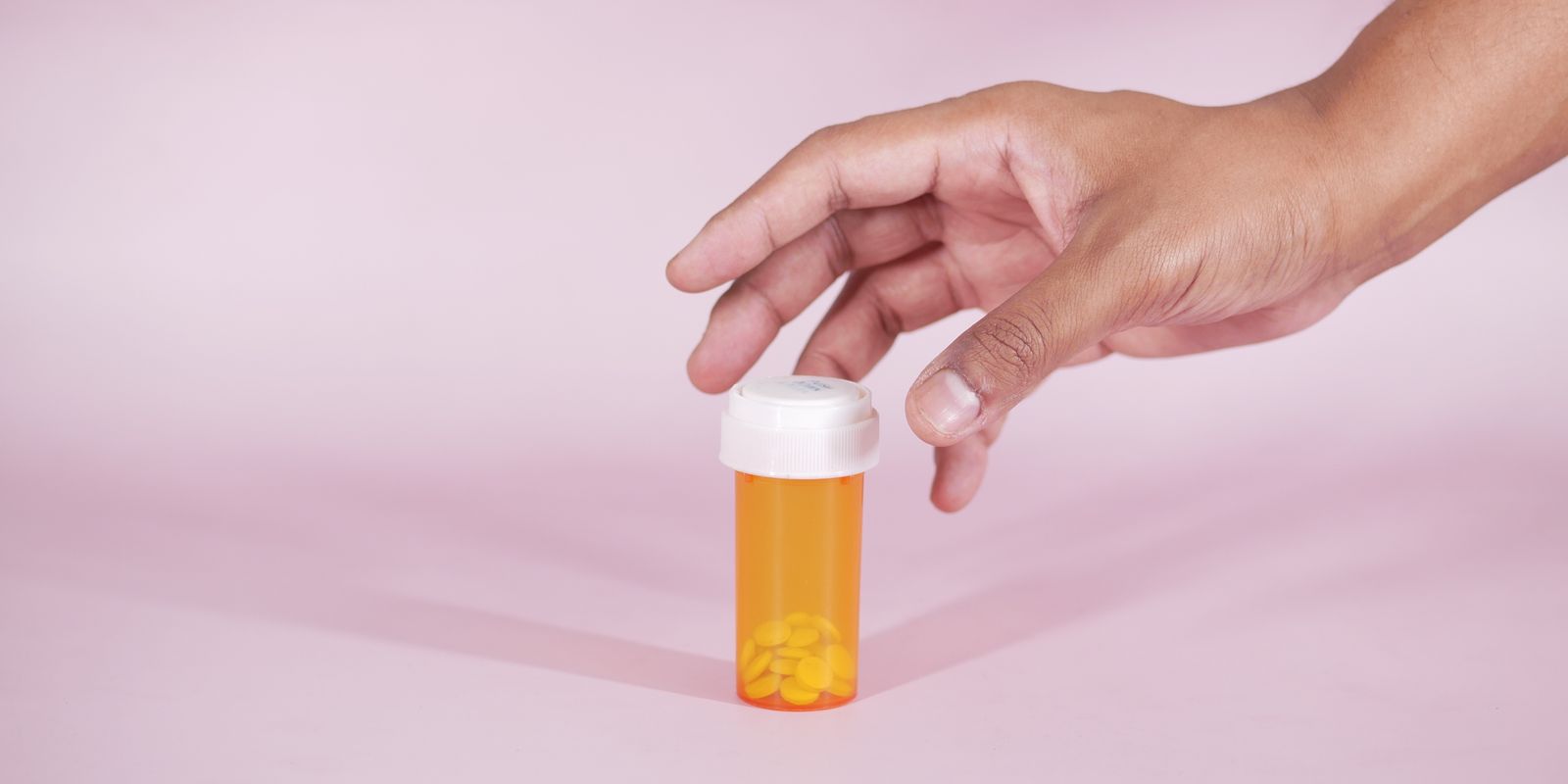
A generic has to match the brand on seven things before it reaches a shelf. It is allowed to differ on color, shape and fillers. The FDA says a single generic competitor drops the price about 30 percent, and five drop it nearly 85.
A generic drug has to match the brand on seven things, and price is not one of them.
The generic maker does not repeat the brand's clinical trials. It proves bioequivalence instead. The FDA defines that as the same amount of active ingredient, at the same rate, to the same extent.
Here are the seven that must match, the short list that is allowed to differ, and the two price figures worth quoting at the counter.
Seven things a generic has to match before approval
Cleveland Clinic lists what a manufacturer has to prove before a generic reaches a pharmacy. Seven items, and every one of them is about how the medicine behaves rather than how it looks.
The U.S. Food and Drug Administration frames the same rule its own way. A generic must match the brand in dosage, safety, effectiveness, strength, stability and quality. It must also match the way it is taken.
- The active ingredients. The part of the medicine that does the work has to be the same. This is the non negotiable item, and everything below is built on it.
- Strength or potency. Same milligrams, or the same percentage of drug in the medication. A 20 mg generic is a 20 mg drug.
- Dosage form. A tablet stays a tablet, a capsule stays a capsule. The form the medicine takes has to match.
- What it is used for. The approved use has to be the same, which is why the label information also has to match, with certain exceptions.
- How it is taken or applied. Same route into the body. Oral stays oral, topical stays topical, injectable stays injectable.
- How it is absorbed in the body. This is bioequivalence. The FDA says the generic must deliver the same amount of active ingredient at the same rate and to the same extent as the brand.
- How long it lasts on the shelf. Stability is on the list too, which is why a generic carries a real expiration date rather than an inherited one.
None of those seven is cosmetic. That is the whole design of the rule.
The FDA says generic medicines are made under the same strict standards as brand name medicines. It inspects the plants to check.
The short list a generic is allowed to change
A generic can look different from the brand. Cleveland Clinic says a tablet can be a different color or shape. It says generics may also contain different fillers and flavorings.
The FDA allows minor differences in how a pill looks, such as color. It says those differences do not change how the medicine works.
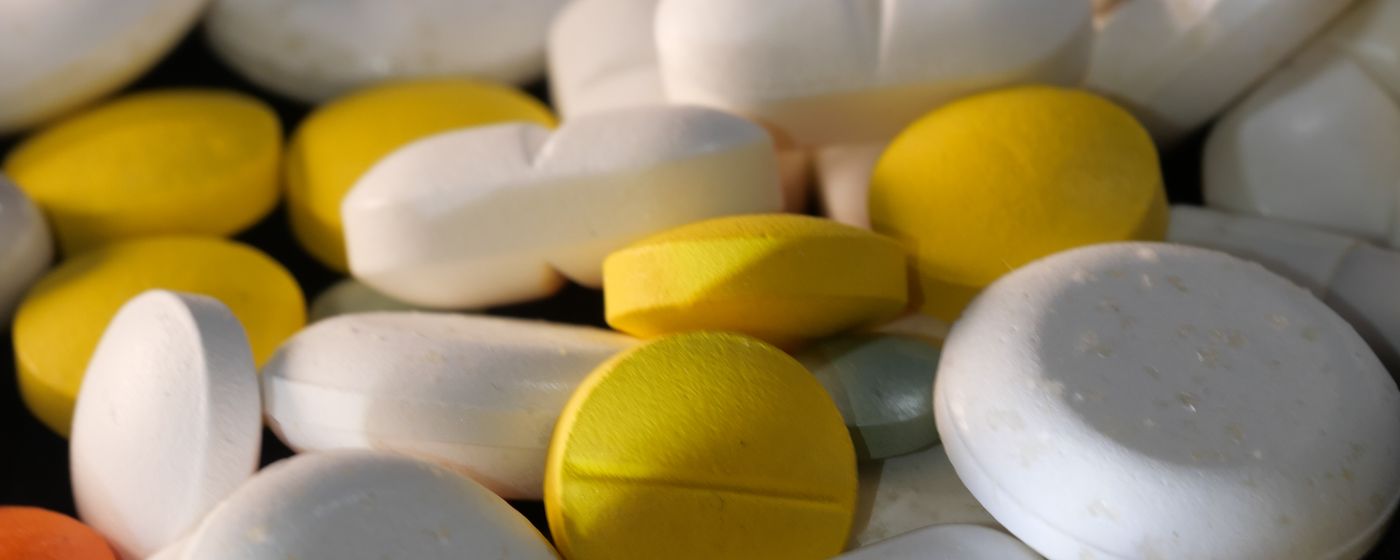
There is one honest caveat, and the FDA prints it. Small allowed differences between makers, such as certain inactive ingredients, can sometimes feel noticeable.
Its instruction is the same for both kinds of drug. If you experience a side effect, brand or generic, take it to your provider or pharmacist rather than stopping on your own.
These minor differences do not affect how the medicine works.
Take the seven checks with you
One printable sheet: the seven things that must match, what is allowed to differ, the two price figures worth quoting, and the questions to ask your pharmacist. Free, unlocked right here.
Enter your email to unlock your plan
Your 1-page generic drug plan, unlocked right here.
Your plan is ready
Download or print it below. Save it anywhere.
⬇ Download your plan (PDF)Why the price falls when the medicine does not
Two things drive the gap. The FDA says generic makers do not repeat the animal and human studies the brand already ran. That removes most of the upfront cost.
Then competition does the rest. Several generics are often approved for the same product. That competition pushes prices down.
Those two figures are worth carrying to the counter. They explain why the same medicine can cost wildly different amounts.
Not every brand drug has a generic yet. The FDA says to look your drug up in its Orange Book, and a pharmacist can do that for you in seconds.
Three worries about generics that do not hold up
Three worries come up at every pharmacy counter, and the FDA has answered all three in writing.
Cheaper must mean weaker. The FDA says generic medicines must meet the same scientific standards for quality as brand drugs, and that they work in the same way and provide the same clinical benefit and risks. The price reflects development cost and competition, not potency.
The testing was skipped. It was not skipped, it was not repeated. The brand's clinical studies already established that the drug is safe and effective. The generic maker proves bioequivalence instead, which the FDA calls a key requirement before approval.
A different looking pill is a different drug. The FDA generally allows minor appearance differences such as color, and says they do not affect how the medicine works. Check that the drug name and strength on the label match. That is the part that counts.
To your health,
Ageless Coach
Age Strong. Live Long.
This article is education, not medical advice. Never stop or change a prescription on your own. The FDA says any side effect from a drug, brand or generic, belongs in front of your healthcare provider or pharmacist.