
Published: May 14, 2026 · Last updated: May 14, 2026
- Glaucoma is the second leading cause of blindness worldwide, and roughly half of the people who have it do not know they do (Mayo Clinic, 2024)
- Open-angle glaucoma, the most common type, causes slow vision loss with no pain, no blurriness, and no warning signs until peripheral vision is already gone (Cleveland Clinic, 2024)
- A dilated eye exam every two years for adults over 60 catches glaucoma early enough to preserve sight in nearly every case (CDC, 2024)
Glaucoma does not hurt. It does not blur your vision. It does not give you headaches, eye pain, or any of the warning signs you might expect from a disease that quietly destroys the optic nerve. By the time most people notice symptoms, they have already lost a significant portion of their peripheral vision, and that loss is permanent.
An estimated 3 million Americans have glaucoma, and roughly half are walking around undiagnosed. The disease is highly treatable when caught early, but treatment only stops further damage. It does not restore vision you have already lost. The only path to keeping your sight is screening before symptoms ever appear.
What Glaucoma Actually Is
Pressure Damages the Optic Nerve: Glaucoma is a group of eye diseases that damage the optic nerve, usually because fluid called aqueous humor cannot drain properly and pressure inside the eye climbs above normal. The nerve fibers die slowly from the outside in, which is why peripheral vision goes first and central vision goes last (Mayo Clinic, 2024).
There are two main types. Open-angle glaucoma is by far the most common and the most insidious because it has zero symptoms until vision loss is advanced. Angle-closure glaucoma is rarer, comes on quickly, and presents with severe eye pain, nausea, and blurred vision (a true ophthalmologic emergency).
Why You Won't Notice Until It's Too Late
The Brain Fills in the Gaps: The optic nerve loses fibers gradually, and your brain compensates by filling in the missing peripheral information from the other eye and from memory. Most people do not notice anything is wrong until 40 percent or more of the nerve fibers in one eye are already gone (Cleveland Clinic, 2024).
When symptoms finally appear, they show up as gradually narrowing tunnel vision, difficulty driving at night, or repeated stubbed toes and bumped shoulders. By that stage, the damage is irreversible. The good news is that detection is simple, painless, and built into routine eye exams if your provider knows to look.
The Screening That Catches It
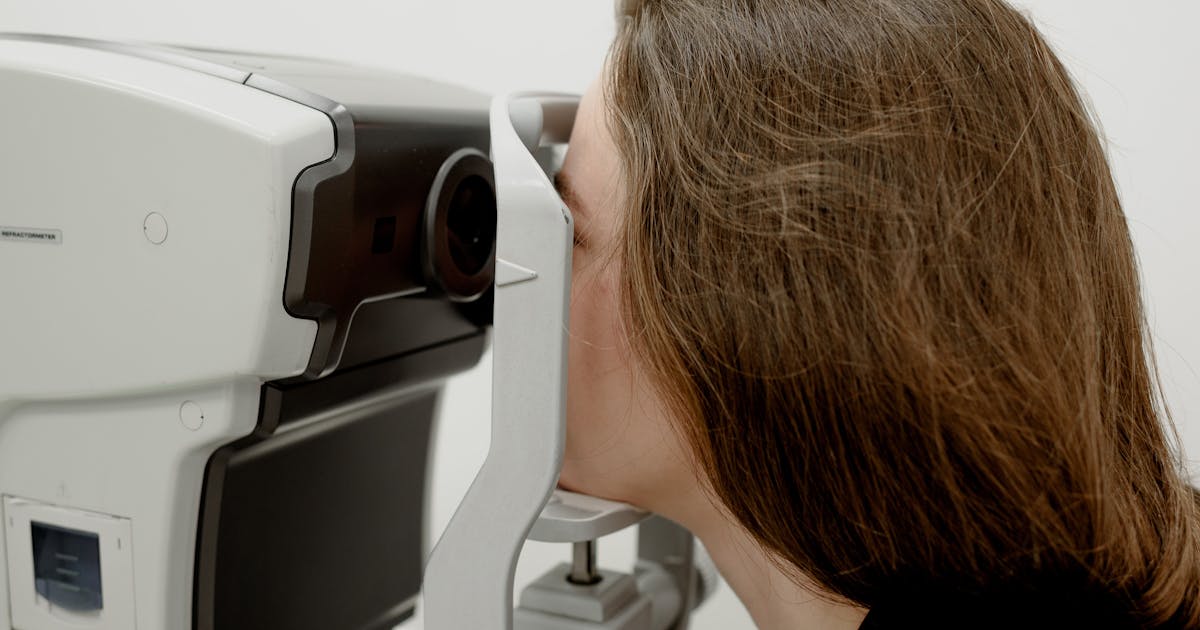
A Routine Dilated Eye Exam Is the Tool: Glaucoma is detected through a combination of three quick painless tests during a comprehensive eye exam: measurement of intraocular pressure (tonometry), examination of the optic nerve through dilated pupils, and a peripheral visual field test. The whole exam takes about 30 minutes and is covered by Medicare for high-risk adults (CDC, 2024).
Adults at high risk (over 60, Black or Hispanic ancestry, family history of glaucoma, history of diabetes, history of severe eye injury) should have a dilated exam every one to two years. Average-risk adults should have one every two to four years starting at age 40.
The Treatments That Work
Drops Are the First Line, Laser the Second: When glaucoma is caught early, daily eye drops that lower intraocular pressure are the standard treatment and they preserve vision in most patients. The drops have to be used consistently and for life. Stopping the drops restarts the damage.
When drops are insufficient or compliance is difficult, selective laser trabeculoplasty (SLT) is a brief in-office laser procedure that lowers eye pressure for several years. Recent guidelines now support SLT as first-line therapy alongside drops. Surgical options exist for advanced cases, including trabeculectomy and minimally invasive glaucoma surgery (MIGS).
What You Cannot Do About It
Lifestyle Plays a Small Role: Unlike heart disease or diabetes, lifestyle changes do not strongly affect glaucoma risk. Regular aerobic exercise modestly lowers intraocular pressure. Avoiding tobacco helps. Some evidence supports leafy green vegetable intake. None of these substitute for medical treatment once glaucoma is diagnosed.
If you are over 60 and you cannot remember your last dilated eye exam, schedule one this month. If you have a parent or sibling with glaucoma, that recommendation applies regardless of age. The exam is the single highest-value preventive medicine action you can take for your vision after 60.
To your health,

Ageless Coach
Age Strong. Live Long.
Trusted Sources Behind This Article
This content is for educational purposes only and is not a substitute for professional medical advice, diagnosis, or treatment. Reading this article does not create a provider-patient relationship. Always consult your physician or qualified healthcare provider before making changes to your diet, exercise, or health routine. Ageless Coach is not liable for any actions taken based on this information.
Frequently Asked Questions
Want one verified-science article like this every week?
Get Better Health, Weekly