
Mayo Clinic separates gynecomastia, which is gland tissue, from pseudogynecomastia, which is fat. The medicine cabinet explains a large share of the first one.
Gynecomastia is an increase in breast gland tissue, and the version that is only fat has a different name and a different fix.
Gland tissue grows when testosterone drops relative to estrogen. Fat grows for the reasons fat grows. That is why one answers to the gym and the other does not.
Below is how the two feel different under your own hand. Then the medicines worth a second look, and the five changes that mean book an appointment.
The difference you can feel through a shirt
Cleveland Clinic says gynecomastia is very common. It affects over 50% of males at some point. It shows up most in the newborn period, in puberty and in later life.
The tell is texture, not size. Gland tissue is firmer than fat. It also sits in one place.
- Gland tissue. Cleveland Clinic says gynecomastia typically looks and feels like a button sized growth underneath the nipple. You may see it as a lump or feel it when you press.
- Fat. Mayo Clinic says pseudogynecomastia is an increase in fat but not gland tissue. There is no firm disc under the nipple to find.
- Where it sits. Cleveland Clinic says the lump may move easily within the breast tissue. It is centred under the nipple, not spread across the chest.
- How it feels. Cleveland Clinic says the lump may be tender to touch. Mayo Clinic says people with gynecomastia sometimes have pain in their breasts.
- One side or both. Mayo Clinic says gynecomastia can affect one or both breasts, sometimes unevenly. Johns Hopkins Medicine says the same.
The line matters, because the two do not answer to the same thing. Losing fat changes fat.
Gland tissue is a hormone story. Mayo Clinic says it happens when testosterone drops compared with estrogen.
The medicine cabinet is the first place to look
Mayo Clinic lists more than a dozen drug classes that can cause it. Several are everyday prescriptions.
Anti androgens for an enlarged prostate are on the list. So are finasteride, spironolactone, anabolic steroids and androgens.
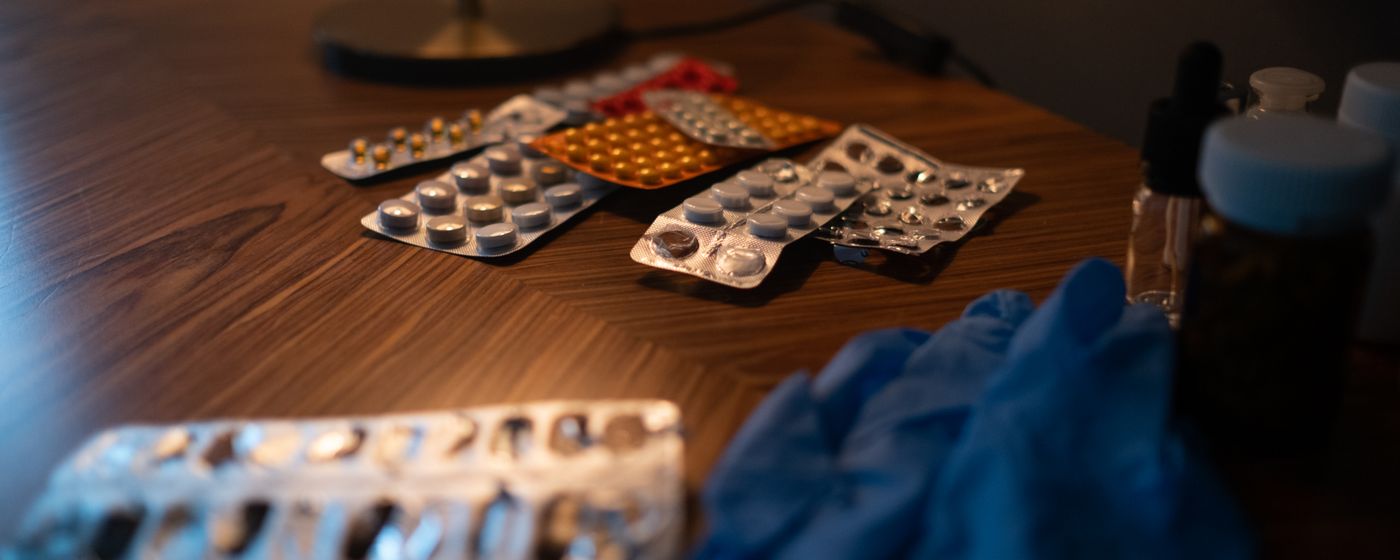
Two on the list are sold over the counter. Mayo names the ulcer drugs cimetidine and omeprazole.
The rest of the list is long. Some HIV drugs. ADHD drugs with amphetamines. Diazepam. Tricyclic antidepressants. Some antibiotics. Opioids. Chemotherapy. Digoxin. Calcium channel blockers. Metoclopramide. Alcohol is on it too.
None of that means stop taking anything on your own.
Pseudogynecomastia is an increase in fat but not gland tissue in male breasts.
Take the tell and the list with you
One printable sheet: gland tissue versus fat, the medicine classes to review, the five changes that mean call, and the questions to ask. Free, unlocked right here.
Enter your email to unlock your plan
Your 1-page gynecomastia plan, unlocked right here.
Your plan is ready
Download or print it below. Save it anywhere.
⬇ Download your plan (PDF)What time fixes, and what the gym cannot reach
Johns Hopkins Medicine says most cases start in puberty. Most of those get better on their own. It can take 6 months to 2 or 3 years.
Adult onset is a different talk. Johns Hopkins says it can also start later in life. In many cases the cause is never found.

Johns Hopkins names causes beyond hormones and drugs. Liver disease. Kidney disease. Thyroid disorders. Testicular and lung cancer. Tumours of the adrenal or pituitary gland. Injury. Obesity.
That list is why a provider looks past the chest. Johns Hopkins says tests may include blood work, urine tests, a mammogram and sometimes a small tissue sample. In some cases no tests are needed at all.
Three gynecomastia beliefs that do not hold
Three ideas keep men training the wrong tissue, or fearing the wrong disease.
It is always just fat. Mayo Clinic draws the line. Gynecomastia is more breast gland tissue. Pseudogynecomastia is more fat and no gland tissue. Cleveland Clinic says the gland version feels like a button sized growth under the nipple.
It means breast cancer. Johns Hopkins Medicine says gynecomastia is not linked to breast cancer. It also says breast cancer is rare in people with a penis. A provider may still run tests to rule it out. That is a precaution, not a suspicion.
Nothing can be done about it. Mayo Clinic says it may go away on its own. When it does not, medicine or surgery may help. Johns Hopkins says that if a drug is the cause, you may need to change that drug. The review is the cheapest step there is.
To your health,
Ageless Coach
Age Strong. Live Long.
This article is education, not medical advice. Mayo Clinic says to see a member of your health care team for swelling, pain or tenderness, nipple discharge, a firm or hard lump, or dimpled skin on the breast. Never stop or change a prescribed medicine without talking to the prescriber. Ageless Coach is an affiliate partner and may earn a commission on purchases made through links on this page.