
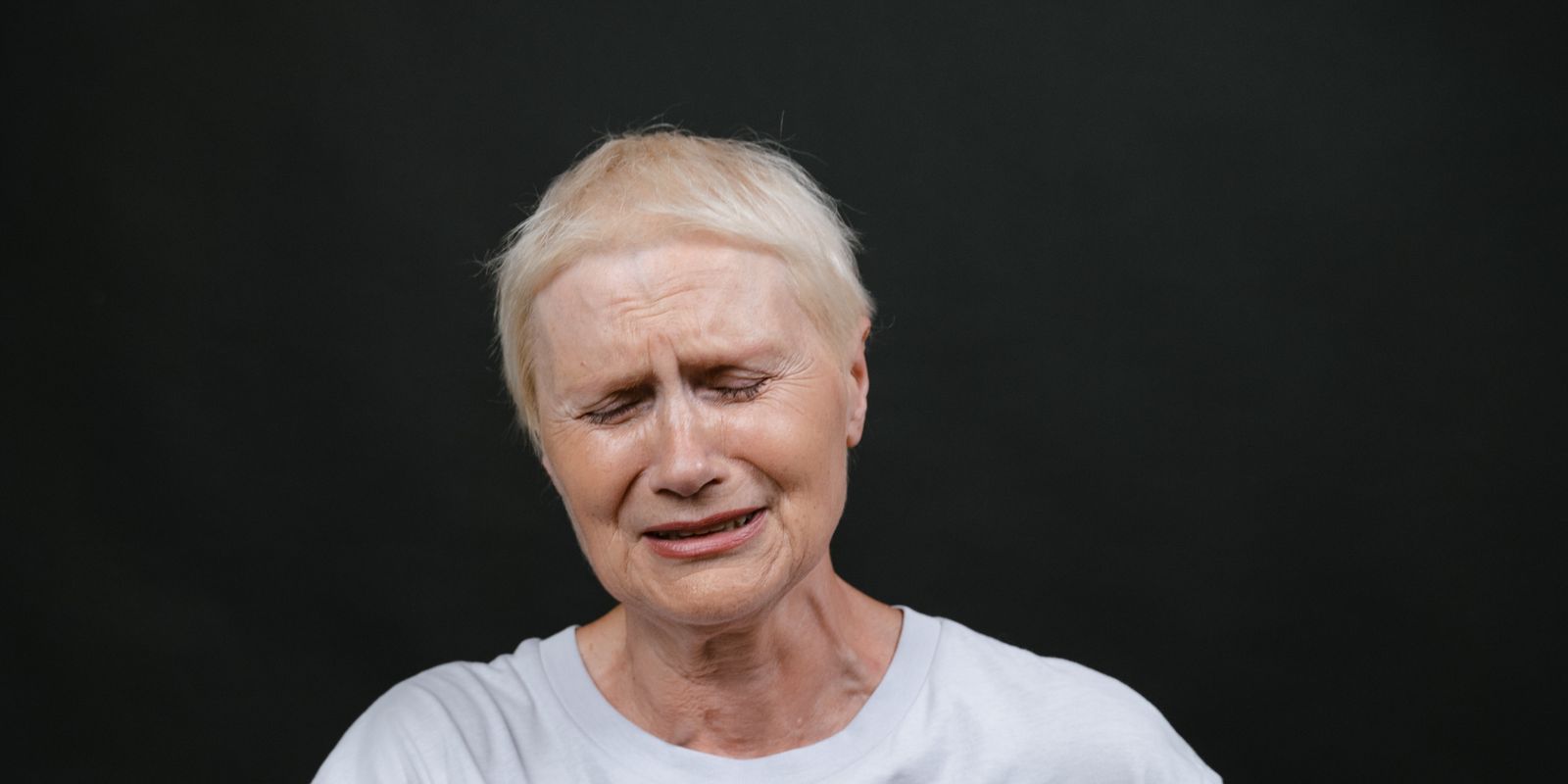
Chest pain is still the most common sign. But women are more likely than men to get eight others, and those are the ones written off as heartburn, stress or a bad night's sleep.
Eight of the symptoms women are most likely to feel during a heart attack have nothing to do with the chest. They turn up above the waist but away from the heart, in the jaw, the back, the arms and the stomach, which is exactly why they get mistaken for something ordinary.
Here is the part that costs lives. The signs are often subtle, and the outcome still is not.
Chest pain remains the most common symptom, in women and in men. It is just not always the loudest one. Here are the eight that are not chest pain.
The Eight Signs That Are Not Chest Pain
These come straight from the list Mayo Clinic publishes of symptoms women are more likely to have than men. Read them once now, not for the first time at two in the morning.
- Neck, jaw, shoulder, upper back or upper stomach pain. Pain above the waist but away from the heart.
- Shortness of breath. It counts on its own, with or without any chest discomfort.
- Pain in one or both arms. Not only the left one.
- Nausea or vomiting. A stomach that turns for no reason connected to food.
- Sweating. A cold sweat with no exertion and no heat behind it.
- Lightheadedness or dizziness. The room moving, or the sense you are about to go down.
- Unusual fatigue. Tiredness out of all proportion to the day you have had.
- Heartburn, also called indigestion. The one most likely to send a woman to the medicine cabinet instead of the phone.
These symptoms can be vague. They can also be more noticeable than the chest pain itself, and that combination is what makes them dangerous.
Notice how ordinary the list looks written down. A sore jaw, an upset stomach, feeling winded on the stairs. Every one has a dozen harmless explanations on an ordinary Tuesday.
What matters is the pattern. Several arriving together, or one arriving suddenly and feeling unlike anything you usually get, is the version worth acting on.
They Often Arrive While You Are Sitting Still
Compared with men, women tend to have symptoms while resting, or even while asleep. Emotional stress can help trigger them too. So the test most people run in their head, whether it started during exertion, quietly points the wrong way.
The American Heart Association names the second problem plainly. Women chalk these symptoms up to acid reflux, the flu, or normal aging. The signs may be subtle. The outcome can still be deadly.
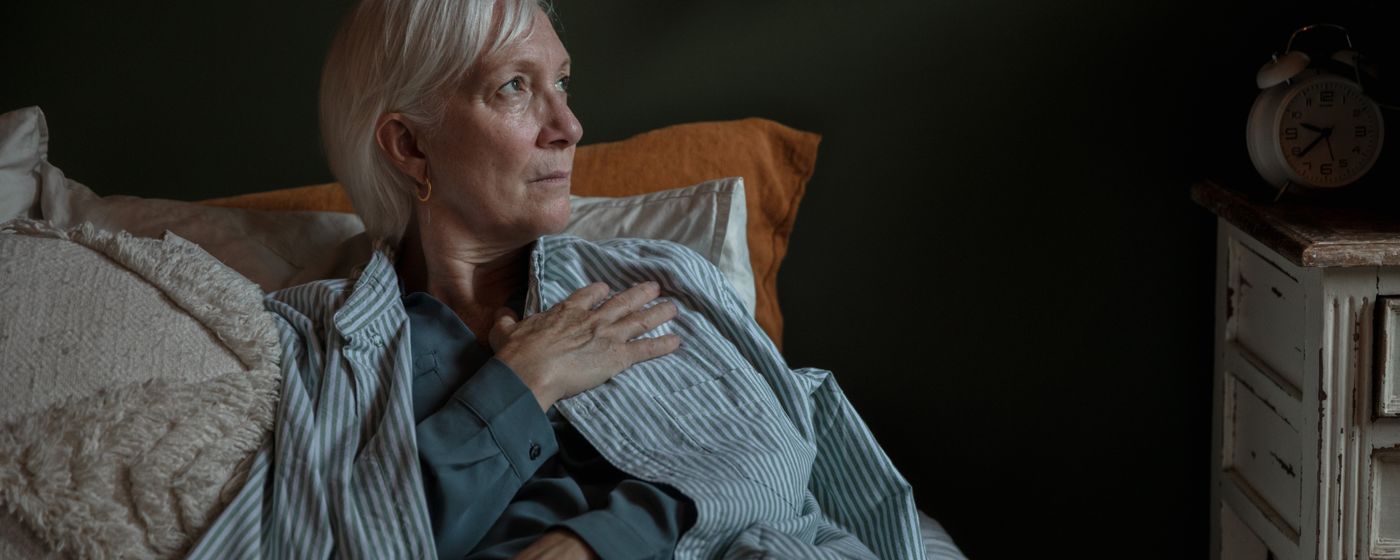
Some women describe upper back pressure that feels like squeezing, or like a rope being tied around them.
There is a third reason, and it is anatomical. Women are more likely than men to have a heart attack with no severe blockage in a major artery.
They also tend to have disease in the smaller vessels feeding the heart. A clean result on an earlier test is not a lifetime pass.
Take the 8 signs with you
All eight signs on one printable sheet: what to call 911 for, what not to do, and the numbers worth knowing. Free, unlocked right here.
Enter your email to unlock your plan
Your 1-page heart attack warning sheet, unlocked right here.
Your plan is ready
Download or print it below. Save it anywhere.
⬇ Download your plan (PDF)What to Do in the First Sixty Seconds
Call 911. Do not wait to see whether it passes, and do not spend twenty minutes deciding whether you are overreacting. The CDC puts it in three words: do not delay.
Use the word heart when you call, and again at the desk. It decides which team meets you and how fast the clock starts.
Do not drive yourself unless you have no other way to get there. An ambulance is not just a ride. Treatment starts inside it, and if your heart stops on the way, the people around you can do something about it.
The Four Assumptions That Cost Women Time
Every one of these sounds reasonable in the moment. That is exactly what makes them expensive.
It is probably reflux. Reflux, the flu and normal aging are the three explanations women reach for most. Heartburn is itself on the symptom list.
There is no chest pain, so it is not my heart. A heart attack can happen without chest pain at all, and some women have no symptoms whatsoever.
I was resting, so it cannot be my heart. Women have symptoms at rest, or asleep, more often than men do. My arteries were clear. Women more often have heart attacks without a severe blockage, and small vessel disease does not show up the same way.
To your health,
Ageless Coach
Age Strong. Live Long.
This article is education, not medical advice. If you think you are having a heart attack, call 911 right away.