Heart Palpitations: 5 Everyday Triggers, and 4 Signs That Mean Get Help Now
Heart palpitations are that fluttering, pounding, skipped-beat feeling, and they are usually harmless. Five everyday triggers explain most of them, four signs mean get help now, and one irregular rhythm called AFib is worth ruling out.
Ageless Coach Editorial Team · August 23, 2026
In 30 Seconds
Usually harmless. Palpitations are feelings of a fast-beating, fluttering or pounding heart. Stress, exercise or medication triggers most of them. Rarely, they signal an arrhythmia. Mayo Clinic
Five everyday triggers cover most cases: strong emotion, stimulants like caffeine and nicotine, hard exercise, hormone shifts, and thyroid problems. Mayo Clinic
Four signs mean emergency care now: chest discomfort or pain, fainting, severe shortness of breath, or severe dizziness. Mayo Clinic
A heart you can suddenly feel is unsettling. It flutters in your chest, or pounds in your throat, and your first thought is rarely a calm one. Here is the perspective those moments need: palpitations are one of the most common reasons people see a doctor, and they are usually harmless.
Most of the time the cause is ordinary. The flutter is real, but the danger usually is not.
The job is to know which is which. Here are the five everyday triggers, the four signs that mean get help now, and the one rhythm worth ruling out.
1
The Trigger Check
Five Everyday Triggers Behind Most Palpitations
The Mayo Clinic lists the common causes, and most of them are already in your day. Check your last flutter against these five.
Strong emotion. Stress, anxiety and panic attacks are the classic drivers. A panic attack can feel exactly like a heart problem.
Stimulants. Caffeine, nicotine, and cold or cough medicines that contain pseudoephedrine all push the heart to race.
Hard exercise. Strenuous effort can leave the heart pounding or throwing extra beats.
Hormone shifts. Menstruation, pregnancy and menopause all change the rhythm picture.
Thyroid trouble. Too much or too little thyroid hormone can set off palpitations, along with fever.
16%
In one study, 16 percent of people saw their primary care provider because of palpitations. It is also one of the most common reasons people visit a cardiologist.
Source: Cleveland Clinic
Night flutters deserve one extra note. They are usually the same as daytime ones. You just notice them more in bed, because nothing else is competing for your attention.
2
The Red Flags
Four Signs That Mean Get Help Now
Most palpitations pass in seconds or minutes and need nothing. Four companions change that. Mayo Clinic says to seek emergency care when palpitations come with any of these.
Chest discomfort or pain. A flutter plus pressure, tightness or pain in the chest is not a wait-and-see moment.
Fainting. Passing out means blood pressure dropped. That needs to be checked now.
Severe shortness of breath. Struggling for air alongside a racing heart is an emergency sign.
Severe dizziness. Feeling like the room is going dark or spinning hard belongs on the same list.
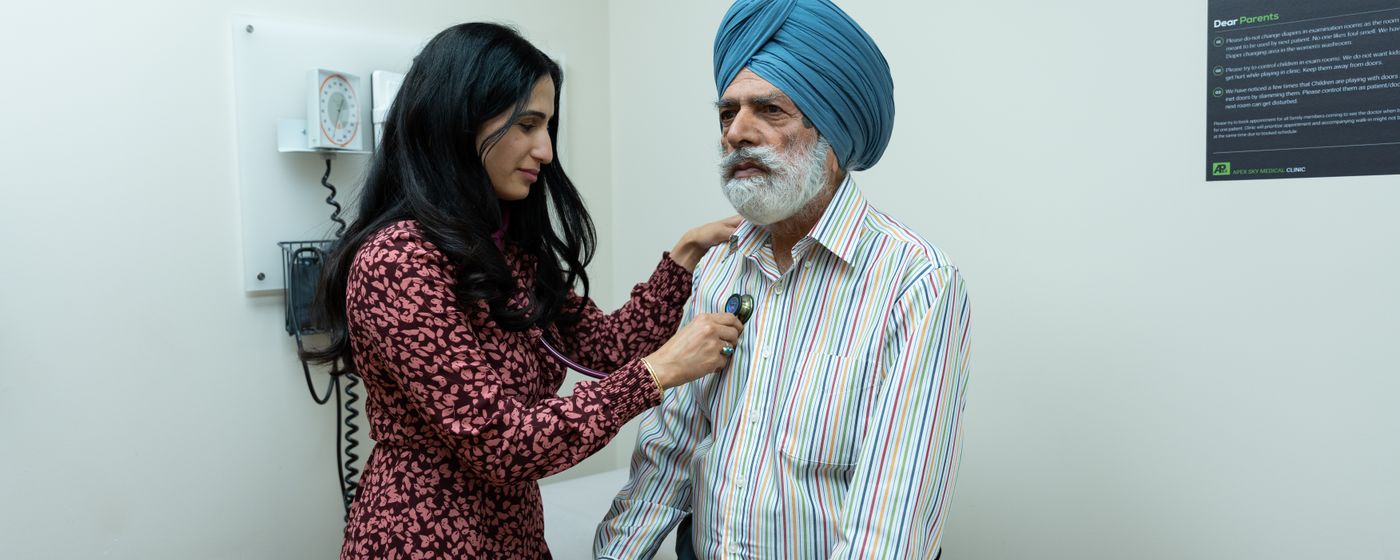
A short exam, and sometimes a simple ECG, answers most palpitation questions.
Palpitations that are infrequent and last only a few seconds usually do not need to be evaluated.
Mayo Clinic
The Cleveland Clinic adds a practical middle tier: palpitations that run all day, get worse, or suddenly come more often earn a call to your doctor, even without the four signs above.
Take the calm check with you
The whole decoder on one printable sheet: the 5 triggers, the 4 emergency signs, and the week-long log your doctor will thank you for. Free, unlocked right here.
Joins the free weekly Ageless Brief. Unsubscribe anytime.
HEART PALPITATIONS: CALM CHECK
AGELESS COACH · CHECKED AGAINST MAYO · CLEVELAND · AHA
✓ DO THIS
✗ DO NOT
Enter your email to unlock your plan
Your 1-page palpitations plan, unlocked right here.
No spam. One short evidence brief each week. Unsubscribe anytime.
Your first Ageless Brief arrives this week: one study, translated, no hype.
3
The AFib Question
When a Flutter Is Actually Atrial Fibrillation
One rhythm problem deserves its own paragraph. The American Heart Association calls atrial fibrillation, or AFib, the most common irregular heart rhythm. About five million Americans live with it.
In AFib, the heart's upper chambers quiver instead of beating properly. Blood can pool there and form clots, and a clot that travels to the brain causes a stroke.
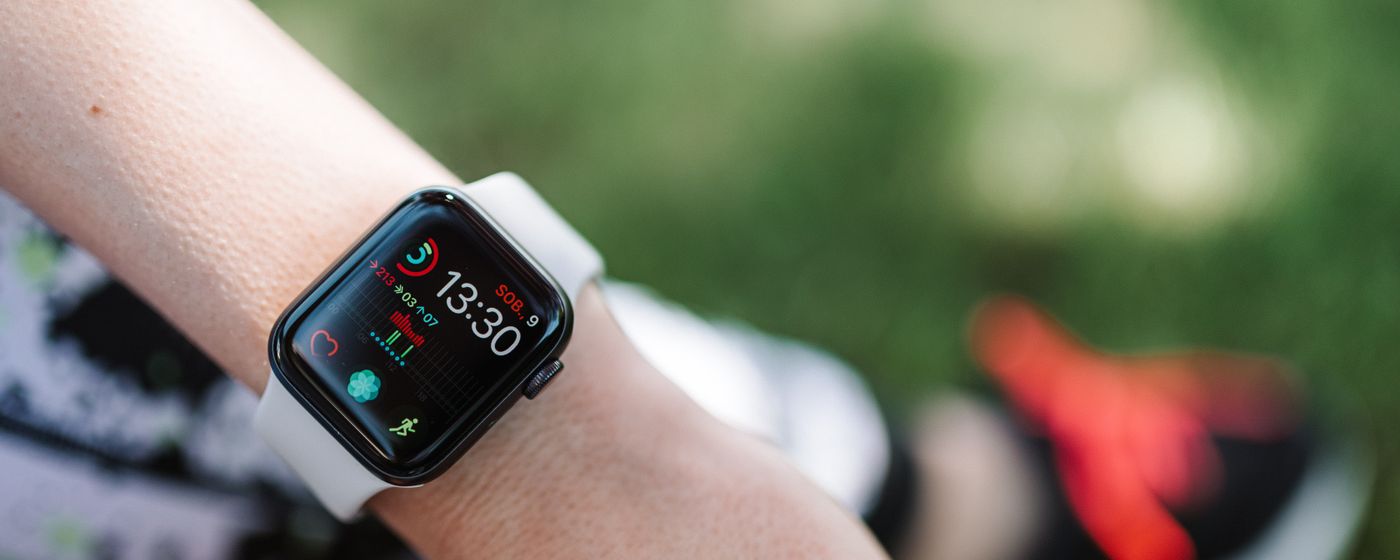
A wearable or a Holter monitor can catch an irregular rhythm your doctor visit misses.
5x
AFib is linked with about a fivefold increase in stroke risk, and some people who have it feel no symptoms at all. Many cases are found at a routine checkup.
Source: American Heart Association
This is why the pattern matters. If your palpitations are frequent, worsening, or you have a history of heart disease, Mayo Clinic recommends talking to your provider about heart-monitoring tests. An ECG or a wearable monitor settles the question.
✗
The Debunk
The Panic Spiral That Makes Flutters Worse
Palpitations invite bad instincts. Each one feels reasonable in the moment.
Assuming the worst. Anxiety is the most common cause of palpitations, and panicking about a flutter feeds the same loop that caused it. Slow breathing, meditation or yoga calms the anxious kind.
Ignoring them entirely. The opposite mistake. Brief and rare needs nothing, but frequent, worsening or all-day palpitations deserve a check, because silent AFib is real.
Stacking stimulants anyway. Energy drinks, decongestants, nicotine and some supplements pile onto the same racing heart. Cutting the stack is often the whole treatment.
📋Your Coach's Recommendations
1
Log the pattern for one week.
Write down when palpitations start and stop, what you were doing, and how the beat felt. Your doctor may ask you to tap out the rhythm, so pay attention to it.
2
Cut the stimulant stack and steady the basics.
Less caffeine and alcohol, no nicotine, and check cold-medicine labels for pseudoephedrine. Stay hydrated and do not skip meals.
3
Book a check if they repeat. Get help now on the 4 signs.
Frequent or worsening flutters earn a doctor visit and maybe an ECG. Chest pain, fainting, severe breathlessness or severe dizziness mean emergency care now.
This article is education, not medical advice. Talk with your doctor about palpitations that repeat or worsen, and get emergency care for any of the four signs above.
Frequently Asked Questions
Are heart palpitations dangerous?
Usually not. They are common, usually brief, and most often triggered by stress, stimulants or exercise. They matter when they come with chest pain, fainting, severe breathlessness or severe dizziness, or when they become frequent and worsening. Those earn medical care.
Why does my heart flutter at night?
Night palpitations are usually the same as daytime ones. You notice them more because you are lying quietly with no distractions. Sleeping on your side can also increase pressure in a way some people feel. Log them and mention them at your next visit.
Can anxiety really cause palpitations?
Yes, and it is the most common cause. Stress hormones speed the heart and make every beat easier to feel. Calming practices like slow breathing, meditation and yoga reduce them. If anxiety and palpitations keep pairing up, tell your doctor.
How much coffee is too much for my heart?
There is no single number. Caffeine is a stimulant, and it is a common palpitation trigger, so the practical test is your own pattern. If flutters follow your coffee, energy drink or pre-workout, cutting back is the first fix to try.
What tests will the doctor run for palpitations?
Usually simple ones. Expect a listen with the stethoscope, blood tests, and often an electrocardiogram. If nothing shows up in the office, a Holter monitor or another wearable records your rhythm over a day or longer to catch the moment.
What happens if it turns out to be AFib?
AFib is treatable. Options include medicines that control the rhythm or rate, procedures, and treating the conditions that feed it. Managing it matters because untreated AFib raises stroke risk about fivefold, which is why finding it early is a win.
<style>:root{--dark-base:#0D1B2A;--dark-mid:#1B3A4B;--teal:#0EA5A0;--teal-dark:#0C8C88;--teal-bright:#14D4CD;--fog:#D8E8E8;--deep-fog:#C8DCDC;--fog-border:#A8C4C4;--ink:#313743;--ink-soft:#49505f;--muted:#6b7280;--warm:#9A6841;--warm-light:#be7b4c;--serif:"Source Serif 4",Georgia,serif;--sans:Inter,-apple-system,BlinkMacSystemFont,"Segoe UI",sans-serif}.acv-root .acv-dek{font:500 19px/1.55 var(--sans);color:var(--ink-soft);margin:0 0 14px}.acv-root .acv-dek b{color:var(--teal-dark)}.acv-root .acv-meta{font:600 13px/1.6 var(--sans);color:var(--muted);margin:14px 0 0;text-align:center}.acv-root .acv-meta .acv-chk{color:var(--teal-dark)}.acv-root .acv-glance{background:linear-gradient(180deg,#F0F7F7,#fff);border:1.5px solid var(--fog-border);border-radius:14px;padding:22px 24px;margin:24px 0 0}.acv-root .acv-glance .acv-gt{font:800 12px/1 var(--sans);letter-spacing:2.5px;text-transform:uppercase;color:var(--teal-dark);margin-bottom:14px}.acv-root .acv-glance .acv-item{font:500 15.5px/1.55 var(--sans);color:var(--ink-soft);padding:0 0 10px 26px;position:relative}.acv-root .acv-glance .acv-item:before{content:"";position:absolute;left:2px;top:7px;width:8px;height:8px;border-radius:50%;background:var(--teal)}.acv-root .acv-glance .acv-item b{color:var(--ink)}.acv-root .acv-glance .acv-s{color:var(--muted);font-size:12.5px}.acv-root .acv-body{margin-top:30px}.acv-root .acv-body p{font-size:20.5px;line-height:1.75;margin:0 0 24px;color:var(--ink-soft)}.acv-root .acv-body p strong{color:var(--ink)}.acv-root .acv-body a{color:var(--teal-dark);font-weight:700;text-decoration:underline;text-decoration-color:rgba(14,165,160,.4);text-underline-offset:3px}.acv-root .acv-dropcap:first-letter{font-family:var(--serif);font-size:64px;font-weight:800;color:var(--dark-mid);float:left;line-height:.9;padding:6px 10px 0 0}.acv-root mark{background:linear-gradient(180deg,transparent 55%,rgba(20,212,205,.35) 55%);color:inherit;padding:0 2px}.acv-root .acv-band{margin:56px 0 24px;padding:26px 22px 12px;background:linear-gradient(180deg,#F0F7F7,#fff);border-radius:16px}.acv-root .acv-band.acv-hype{background:linear-gradient(180deg,#FAF3EB,#fff)}.acv-root .acv-band .acv-inner{display:flex;gap:18px;align-items:center}.acv-root .acv-band .acv-big{font:900 64px/1 var(--sans);color:var(--deep-fog);flex-shrink:0}.acv-root .acv-band.acv-hype .acv-big{color:#EAD9C6}.acv-root .acv-band .acv-q{font:700 13px/1.4 var(--sans);letter-spacing:2px;text-transform:uppercase;color:var(--teal-dark);margin-bottom:6px}.acv-root .acv-band.acv-hype .acv-q{color:var(--warm)}.acv-root .acv-band h3{font-family:var(--serif);font-size:31px;line-height:1.2;font-weight:800;color:var(--ink);margin:0}.acv-root .acv-billboard{background:var(--dark-mid);border-radius:18px;color:#fff;padding:30px 28px;margin:32px 0;text-align:center}.acv-root .acv-billboard .acv-n{font:900 34px/1.2 var(--sans);color:var(--teal-bright);margin-bottom:8px}.acv-root .acv-billboard .acv-d{font:500 16px/1.55 var(--sans);color:#D4E5E5;max-width:480px;margin:0 auto}.acv-root .acv-billboard .acv-c{font:600 12px/1 var(--sans);letter-spacing:1.5px;text-transform:uppercase;color:#8FB3B3;margin-top:12px}.acv-root figure{margin:32px 0}.acv-root figure img{width:100%;border-radius:16px;display:block}.acv-root figcaption{font:600 13.5px/1.5 var(--sans);color:var(--muted);margin:10px 0 0;text-align:center}.acv-root .acv-pullquote{margin:34px 0;text-align:center;padding:0 10px}.acv-root .acv-pullquote p{font-family:var(--serif);font-size:27px;line-height:1.4;color:var(--dark-mid);font-weight:700;margin:0 0 10px}.acv-root .acv-pullquote .acv-who{font:700 12px/1 var(--sans);letter-spacing:2px;text-transform:uppercase;color:var(--warm)}.acv-root .acv-plan{background:linear-gradient(135deg,#fffcf4 0%,#fff8ed 100%);border-left:5px solid var(--teal-dark);border-radius:14px;padding:30px 26px 24px;margin:40px 0 0;box-shadow:0 2px 12px rgba(0,0,0,.06)}.acv-root .acv-plan .acv-ptitle{display:flex;align-items:center;gap:12px;font-family:var(--serif);font-size:26px;font-weight:800;color:var(--ink);margin-bottom:24px}.acv-root .acv-plan .acv-ptitle .acv-ico{font-size:24px;color:var(--teal-dark)}.acv-root .acv-plan .step{display:flex;gap:16px;margin-bottom:20px;align-items:flex-start}.acv-root .acv-plan .acv-n{min-width:38px;width:38px;height:38px;background:var(--teal-dark);border-radius:50%;color:#fff;font:800 17px/38px var(--sans);text-align:center;flex-shrink:0}.acv-root .acv-plan .sh{font:800 16.5px/1.4 var(--sans);color:var(--ink);margin-bottom:3px}.acv-root .acv-plan .sd{font:400 15px/1.6 var(--sans);color:var(--muted)}.acv-root .acv-plan .acv-pdiv{height:1px;background:#E4DECE;margin:26px 0 22px}.acv-root .acv-calbar{display:flex;align-items:center;justify-content:center;gap:12px;width:100%;background:linear-gradient(90deg,var(--teal-dark),var(--teal));color:#fff;border:none;border-radius:12px;padding:17px 20px;font:700 16px/1.3 var(--sans);cursor:pointer;position:relative;box-shadow:0 4px 14px rgba(12,140,136,.25)}.acv-root .acv-calbar i{font-family:var(--serif);font-style:italic;font-weight:600}.acv-root .acv-calbar .acv-qm{position:absolute;right:14px;top:50%;transform:translateY(-50%);width:26px;height:26px;border-radius:50%;background:rgba(255,255,255,.22);font:700 14px/26px var(--sans);text-align:center}.acv-root .acv-opsrow{display:grid;grid-template-columns:repeat(4,1fr);gap:12px;margin-top:14px}@media(max-width:640px){.acv-root .acv-opsrow{grid-template-columns:1fr 1fr}}.acv-root .acv-opsrow button{display:flex;align-items:center;justify-content:center;gap:8px;background:#fff;border:1.5px solid var(--teal);color:var(--teal-dark);border-radius:50px;padding:13px 10px;font:700 14px/1 var(--sans);cursor:pointer;transition:background .15s}.acv-root .acv-opsrow button:hover{background:#F0FAFA}.acv-root .acv-capture{background:linear-gradient(135deg,var(--dark-base),var(--dark-mid));border-radius:18px;padding:32px 30px;margin:50px 0 56px;color:#fff;position:relative;overflow:hidden;box-shadow:0 16px 40px rgba(13,27,42,.25)}.acv-root .acv-cap-grid{display:grid;grid-template-columns:1fr 200px;gap:26px;align-items:center}@media(max-width:600px){.acv-root .acv-cap-grid{grid-template-columns:1fr}.acv-root .acv-chartcard{display:none}}.acv-root .acv-capture h4{font-family:var(--serif);font-size:26px;font-weight:800;margin:0 0 8px}.acv-root .acv-capture .acv-sub{font:500 15.5px/1.55 var(--sans);color:#C9DDDD;margin:0 0 18px}.acv-root .acv-chartcard{background:#fff;border-radius:8px;padding:14px 13px 12px;box-shadow:0 12px 32px rgba(0,0,0,.38);transform:rotate(2deg)}.acv-root .acv-chartcard .acv-ch-mast{font-family:var(--serif);font-weight:800;font-size:11px;color:var(--dark-base);letter-spacing:.4px;border-bottom:3px solid var(--dark-base);padding-bottom:5px}.acv-root .acv-chartcard .acv-ch-sub{font:800 5.5px/1.4 var(--sans);color:var(--muted);letter-spacing:.8px;margin:4px 0 8px}.acv-root .acv-chartcard .acv-ch-cols{display:grid;grid-template-columns:1fr 1fr;gap:8px}.acv-root .acv-chartcard .acv-ch-h{font:900 7.5px/1 var(--sans);letter-spacing:1px;border-radius:3px;padding:4px 5px;margin-bottom:5px;color:#fff}.acv-root .acv-chartcard .acv-ch-h.acv-ok{background:#2E7D5B}.acv-root .acv-chartcard .acv-ch-h.acv-no{background:#B4533A}.acv-root .acv-chartcard .acv-ch-row{height:9px;border-radius:2px;margin:4px 0}.acv-root .acv-chartcard .acv-ch-row.acv-ok{background:#E3F0E9}.acv-root .acv-chartcard .acv-ch-row.acv-no{background:#F6E7E1}.acv-root .acv-chartcard .acv-ch-row.acv-short{width:70%}.acv-root .acv-chartcard .acv-ch-band{height:16px;border-radius:3px;background:var(--fog);margin-top:9px}.acv-root .cap-state{display:none}.acv-root .acv-capture[data-state="trigger"] .st-trigger{display:block}.acv-root .acv-capture[data-state="form"] .st-form{display:block}.acv-root .acv-capture[data-state="sent"] .st-sent{display:block}.acv-root .acv-bigbtn{display:inline-flex;align-items:center;gap:10px;background:var(--teal-bright);color:var(--dark-base);border:none;border-radius:50px;padding:16px 28px;font:800 15.5px/1 var(--sans);cursor:pointer;box-shadow:0 6px 20px rgba(20,212,205,.35)}.acv-root .acv-fine{font:500 12px/1.5 var(--sans);color:#7FA3A3;margin-top:12px}.acv-root .capform{display:flex;gap:10px;max-width:440px}@media(max-width:520px){.acv-root .capform{flex-direction:column}}.acv-root .capform input{flex:1;border:none;border-radius:50px;padding:14px 20px;font:500 15px/1 var(--sans)}.acv-root .capform button{background:var(--teal-bright);color:var(--dark-base);border:none;border-radius:50px;padding:14px 24px;font:800 14px/1 var(--sans);cursor:pointer}.acv-root .acv-sent-check{width:52px;height:52px;border-radius:50%;background:var(--teal-bright);color:var(--dark-base);font:800 26px/52px var(--sans);margin-bottom:12px}.acv-root .dl{display:inline-block;margin-top:6px;color:var(--teal-bright);font:700 15px/1 var(--sans);text-decoration:underline;text-underline-offset:3px;cursor:pointer}.acv-root .acv-sig{margin-top:36px}.acv-root .acv-sig .acv-toyour{font-family:var(--serif);font-size:17px;font-style:italic;color:#777;margin:0 0 8px;padding-left:38px}.acv-root .acv-sig .acv-row{display:flex;align-items:center;gap:10px}.acv-root .acv-sig .acv-glyph{width:30px;height:30px;flex-shrink:0}.acv-root .acv-sig .acv-name{font-family:var(--serif);font-size:24px;font-weight:700;margin:0;color:var(--ink)}.acv-root .acv-sig .acv-tag{font:700 11px/1 var(--sans);color:var(--warm-light);letter-spacing:2.5px;text-transform:uppercase;margin:6px 0 0 40px}.acv-root .acv-trust{margin-top:30px;padding-top:22px;border-top:1px solid #e5e7eb;text-align:center}.acv-root .acv-trust .acv-t{font:700 13px/1 var(--sans);color:var(--muted);letter-spacing:2px;text-transform:uppercase;margin-bottom:16px}.acv-root .acv-trust a{display:inline-block;background:#fff;border:1.5px solid var(--warm);color:var(--warm);padding:8px 20px;border-radius:20px;font:600 14px/1 var(--sans);text-decoration:none;margin:0 4px 8px}.acv-root .acv-body p.acv-disclaimer{font-family:var(--serif);font-size:16px;font-style:italic;color:#999;margin:24px 0 0;line-height:1.5;text-align:center}.acv-root .acv-faq{margin-top:40px;border-top:1px solid #e5e7eb;padding-top:30px}.acv-root .acv-faq h2{font-family:var(--serif);font-size:23px;font-weight:800;margin:0 0 18px}.acv-root .acv-faq details{border:1px solid #e5e7eb;border-radius:10px;margin-bottom:10px;overflow:hidden}.acv-root .acv-faq summary{padding:15px 18px;font:700 16px/1.4 var(--sans);cursor:pointer;list-style:none;display:flex;justify-content:space-between;gap:12px;align-items:center}.acv-root .acv-faq summary:after{content:"\25BE";color:var(--warm)}.acv-root .acv-faq .acv-a{padding:0 18px 16px;font-size:17px;line-height:1.65;color:#555}.acv-root .acv-secondary{margin-top:26px;background:#fff;border:1.5px dashed var(--fog-border);border-radius:12px;padding:18px 20px;text-align:center;font:500 15px/1.6 var(--sans);color:var(--ink-soft)}.acv-root .acv-secondary a{color:var(--teal-dark);font-weight:700}.acv-root .acv-body ol.acv-signlist{list-style:none;margin:0 0 24px;padding:0;counter-reset:sgn}.acv-root .acv-body ol.acv-signlist li{position:relative;padding:0 0 15px 48px;font-size:19px;line-height:1.6;color:var(--ink-soft);counter-increment:sgn}.acv-root .acv-body ol.acv-signlist li:before{content:counter(sgn);position:absolute;left:0;top:1px;width:32px;height:32px;border-radius:50%;background:var(--teal-dark);color:#fff;font:800 15px/32px var(--sans);text-align:center}.acv-root .acv-body ol.acv-signlist li b{color:var(--ink)}.acv-root .acv-opsrow{grid-template-columns:repeat(3,1fr)}@media(max-width:640px){.acv-root .acv-opsrow{grid-template-columns:1fr 1fr}}</style><div class="acv-root"><p class="acv-dek">Heart palpitations are that fluttering, pounding, skipped-beat feeling, and they are usually harmless. Five everyday triggers explain most of them, <b>four signs mean get help now</b>, and one irregular rhythm called AFib is worth ruling out.</p><p class="acv-meta">Ageless Coach Editorial Team · August 23, 2026</p><div class="acv-glance"><div class="acv-gt">In 30 Seconds</div><div class="acv-item"><b>Usually harmless.</b> Palpitations are feelings of a fast-beating, fluttering or pounding heart. Stress, exercise or medication triggers most of them. Rarely, they signal an arrhythmia. <span class="acv-s">Mayo Clinic</span></div><div class="acv-item"><b>Five everyday triggers</b> cover most cases: strong emotion, stimulants like caffeine and nicotine, hard exercise, hormone shifts, and thyroid problems. <span class="acv-s">Mayo Clinic</span></div><div class="acv-item"><b>Four signs mean emergency care now:</b> chest discomfort or pain, fainting, severe shortness of breath, or severe dizziness. <span class="acv-s">Mayo Clinic</span></div></div><div class="acv-body"><p class="acv-dropcap">A heart you can suddenly feel is unsettling. It flutters in your chest, or pounds in your throat, and your first thought is rarely a calm one. Here is the perspective those moments need: palpitations are one of the most common reasons people see a doctor, and they are usually harmless.</p><p>Most of the time the cause is ordinary. <mark>The flutter is real, but the danger usually is not.</mark></p><p>The job is to know which is which. <strong>Here are the five everyday triggers, the four signs that mean get help now, and the one rhythm worth ruling out.</strong></p><div class="acv-band"><div class="acv-inner"><div class="acv-big">1</div><div><div class="acv-q">The Trigger Check</div><h3>Five Everyday Triggers Behind Most Palpitations</h3></div></div></div><p>The <a href="https://www.mayoclinic.org/diseases-conditions/heart-palpitations/symptoms-causes/syc-20373196" target="_blank" rel="noopener">Mayo Clinic</a> lists the common causes, and most of them are already in your day. Check your last flutter against these five.</p><ol class="acv-signlist"><li><b>Strong emotion.</b> Stress, anxiety and panic attacks are the classic drivers. A panic attack can feel exactly like a heart problem.</li><li><b>Stimulants.</b> Caffeine, nicotine, and cold or cough medicines that contain pseudoephedrine all push the heart to race.</li><li><b>Hard exercise.</b> Strenuous effort can leave the heart pounding or throwing extra beats.</li><li><b>Hormone shifts.</b> Menstruation, pregnancy and menopause all change the rhythm picture.</li><li><b>Thyroid trouble.</b> Too much or too little thyroid hormone can set off palpitations, along with fever.</li></ol><div class="acv-billboard"><div class="acv-n">16%</div><div class="acv-d">In one study, 16 percent of people saw their primary care provider because of palpitations. It is also one of the most common reasons people visit a cardiologist.</div><div class="acv-c">Source: Cleveland Clinic</div></div><p>Night flutters deserve one extra note. They are usually the same as daytime ones. You just notice them more in bed, because nothing else is competing for your attention.</p><div class="acv-band"><div class="acv-inner"><div class="acv-big">2</div><div><div class="acv-q">The Red Flags</div><h3>Four Signs That Mean Get Help Now</h3></div></div></div><p>Most palpitations pass in seconds or minutes and need nothing. Four companions change that. Mayo Clinic says to seek emergency care when palpitations come with any of these.</p><p><strong>Chest discomfort or pain.</strong> A flutter plus pressure, tightness or pain in the chest is not a wait-and-see moment.</p><p><strong>Fainting.</strong> Passing out means blood pressure dropped. That needs to be checked now.</p><p><strong>Severe shortness of breath.</strong> Struggling for air alongside a racing heart is an emergency sign.</p><p><strong>Severe dizziness.</strong> Feeling like the room is going dark or spinning hard belongs on the same list.</p><figure><img src="https://images.pexels.com/photos/18870282/pexels-photo-18870282.jpeg?auto=compress&cs=tinysrgb&w=1400&h=560&fit=crop" alt="A doctor uses a stethoscope to examine a senior man in an exam room"><figcaption>A short exam, and sometimes a simple ECG, answers most palpitation questions.</figcaption></figure><div class="acv-pullquote"><p>Palpitations that are infrequent and last only a few seconds usually do not need to be evaluated.</p><div class="acv-who">Mayo Clinic</div></div><p>The <a href="https://my.clevelandclinic.org/health/diseases/17084-heart-palpitations" target="_blank" rel="noopener">Cleveland Clinic</a> adds a practical middle tier: palpitations that run all day, get worse, or suddenly come more often earn a call to your doctor, even without the four signs above.</p><div class="acv-capture ac-capture" data-state="trigger" id="cap" data-article-slug="heart-palpitations-5-everyday-triggers-and-4-signs-that-mean-get-help-now" data-pdf-url="https://cdn.prod.website-files.com/69be1026a027224999b7936b/6a8aeec7acef99c64dba32c7_ac-heart-palpitations-calm-check-sheet.pdf" data-plan-title="The Palpitations Plan" data-plan-desc="The calm check on one sheet: the 5 everyday triggers, the 4 get-help-now signs, and what to track for your doctor."><div class="st-trigger cap-state"><div class="acv-cap-grid"><div><h4>Take the calm check with you</h4><p class="acv-sub">The whole decoder on one printable sheet: the 5 triggers, the 4 emergency signs, and the week-long log your doctor will thank you for. Free, unlocked right here.</p><button class="acv-bigbtn" type="button" data-cap="form">📄 Print My Plan (Free PDF)</button><div class="acv-fine">Joins the free weekly Ageless Brief. Unsubscribe anytime.</div></div><div class="acv-chartcard" aria-hidden="true"><div class="acv-ch-mast">HEART PALPITATIONS: CALM CHECK</div><div class="acv-ch-sub">AGELESS COACH · CHECKED AGAINST MAYO · CLEVELAND · AHA</div><div class="acv-ch-cols"><div class="acv-ch-col"><div class="acv-ch-h acv-ok">✓ DO THIS</div><div class="acv-ch-row acv-ok"></div><div class="acv-ch-row acv-ok acv-short"></div><div class="acv-ch-row acv-ok"></div><div class="acv-ch-row acv-ok acv-short"></div></div><div class="acv-ch-col"><div class="acv-ch-h acv-no">✗ DO NOT</div><div class="acv-ch-row acv-no"></div><div class="acv-ch-row acv-no acv-short"></div><div class="acv-ch-row acv-no"></div><div class="acv-ch-row acv-no acv-short"></div></div></div><div class="acv-ch-band"></div></div></div></div><div class="st-form cap-state"><h4>Enter your email to unlock your plan</h4><p class="acv-sub">Your 1-page palpitations plan, unlocked right here.</p><form class="capform"><input type="email" name="email" placeholder="Your email address" aria-label="Email address" required><button type="submit">Unlock My Plan (Free)</button></form><div class="acv-fine">No spam. One short evidence brief each week. Unsubscribe anytime.</div></div><div class="st-sent cap-state"><div class="acv-sent-check">✓</div><h4>Your plan is ready</h4><p class="acv-sub">Download or print it below. Save it anywhere.</p><a class="dl" href="https://cdn.prod.website-files.com/69be1026a027224999b7936b/6a8aeec7acef99c64dba32c7_ac-heart-palpitations-calm-check-sheet.pdf" download>⬇ Download your plan (PDF)</a><div class="acv-fine">Your first Ageless Brief arrives this week: one study, translated, no hype.</div></div></div><div class="acv-band"><div class="acv-inner"><div class="acv-big">3</div><div><div class="acv-q">The AFib Question</div><h3>When a Flutter Is Actually Atrial Fibrillation</h3></div></div></div><p>One rhythm problem deserves its own paragraph. The <a href="https://www.heart.org/en/health-topics/atrial-fibrillation/what-is-atrial-fibrillation-afib-or-af" target="_blank" rel="noopener">American Heart Association</a> calls atrial fibrillation, or AFib, the most common irregular heart rhythm. About five million Americans live with it.</p><p>In AFib, the heart's upper chambers quiver instead of beating properly. Blood can pool there and form clots, and a clot that travels to the brain causes a stroke.</p><figure><img src="https://images.pexels.com/photos/4379289/pexels-photo-4379289.jpeg?auto=compress&cs=tinysrgb&w=1400&h=560&fit=crop" alt="A smartwatch on a wrist showing health and heart metrics outdoors"><figcaption>A wearable or a Holter monitor can catch an irregular rhythm your doctor visit misses.</figcaption></figure><div class="acv-billboard"><div class="acv-n">5x</div><div class="acv-d">AFib is linked with about a fivefold increase in stroke risk, and some people who have it feel no symptoms at all. Many cases are found at a routine checkup.</div><div class="acv-c">Source: American Heart Association</div></div><p>This is why the pattern matters. If your palpitations are frequent, worsening, or you have a history of heart disease, Mayo Clinic recommends talking to your provider about heart-monitoring tests. An ECG or a wearable monitor settles the question.</p><div class="acv-band acv-hype"><div class="acv-inner"><div class="acv-big">✗</div><div><div class="acv-q">The Debunk</div><h3>The Panic Spiral That Makes Flutters Worse</h3></div></div></div><p>Palpitations invite bad instincts. Each one feels reasonable in the moment.</p><p><strong>Assuming the worst.</strong> Anxiety is the most common cause of palpitations, and panicking about a flutter feeds the same loop that caused it. Slow breathing, meditation or yoga calms the anxious kind.</p><p><strong>Ignoring them entirely.</strong> The opposite mistake. Brief and rare needs nothing, but frequent, worsening or all-day palpitations deserve a check, because silent AFib is real.</p><p><strong>Stacking stimulants anyway.</strong> Energy drinks, decongestants, nicotine and some supplements pile onto the same racing heart. Cutting the stack is often the whole treatment.</p><div class="acv-plan ac-plan" id="coach-recommendations"><div class="acv-ptitle"><span class="acv-ico">📋</span>Your Coach's Recommendations</div><div class="step"><div class="acv-n">1</div><div><div class="sh">Log the pattern for one week.</div><div class="sd">Write down when palpitations start and stop, what you were doing, and how the beat felt. Your doctor may ask you to tap out the rhythm, so pay attention to it.</div></div></div><div class="step"><div class="acv-n">2</div><div><div class="sh">Cut the stimulant stack and steady the basics.</div><div class="sd">Less caffeine and alcohol, no nicotine, and check cold-medicine labels for pseudoephedrine. Stay hydrated and do not skip meals.</div></div></div><div class="step"><div class="acv-n">3</div><div><div class="sh">Book a check if they repeat. Get help now on the 4 signs.</div><div class="sd">Frequent or worsening flutters earn a doctor visit and maybe an ECG. Chest pain, fainting, severe breathlessness or severe dizziness mean emergency care now.</div></div></div><div class="acv-pdiv"></div><button class="acv-calbar" type="button" data-ac-cal>📅 Add <i>Your Coach's Recommendations</i> to Your Calendar <span class="acv-qm">?</span></button><div class="acv-opsrow"><button type="button" data-ac-share>⇮ Share</button><button type="button" data-ac-savepdf>📄 Save PDF</button><button type="button" data-ac-print>🖨 Print</button></div></div><div class="acv-sig"><p class="acv-toyour">To your health,</p><div class="acv-row"><svg class="acv-glyph" viewBox="0 0 40 40" aria-hidden="true"><circle cx="20" cy="20" r="18" fill="none" stroke="#0D1B2A" stroke-width="3"/><path d="M13 28 L20 11 L27 28 M16 22 H24" fill="none" stroke="#0D1B2A" stroke-width="3" stroke-linecap="round" stroke-linejoin="round"/></svg><p class="acv-name">Ageless Coach</p></div><p class="acv-tag">Age Strong. Live Long.</p></div><div class="acv-trust"><div class="acv-t">Trusted Sources Behind This Article</div><a href="https://www.mayoclinic.org/diseases-conditions/heart-palpitations/symptoms-causes/syc-20373196" target="_blank" rel="noopener">Mayo Clinic</a><a href="https://my.clevelandclinic.org/health/diseases/17084-heart-palpitations" target="_blank" rel="noopener">Cleveland Clinic</a><a href="https://www.heart.org/en/health-topics/atrial-fibrillation/what-is-atrial-fibrillation-afib-or-af" target="_blank" rel="noopener">American Heart Association</a></div><p class="acv-disclaimer">This article is education, not medical advice. Talk with your doctor about palpitations that repeat or worsen, and get emergency care for any of the four signs above.</p><div class="acv-faq"><h2>Frequently Asked Questions</h2><details><summary>Are heart palpitations dangerous?</summary><div class="acv-a">Usually not. They are common, usually brief, and most often triggered by stress, stimulants or exercise. They matter when they come with chest pain, fainting, severe breathlessness or severe dizziness, or when they become frequent and worsening. Those earn medical care.</div></details><details><summary>Why does my heart flutter at night?</summary><div class="acv-a">Night palpitations are usually the same as daytime ones. You notice them more because you are lying quietly with no distractions. Sleeping on your side can also increase pressure in a way some people feel. Log them and mention them at your next visit.</div></details><details><summary>Can anxiety really cause palpitations?</summary><div class="acv-a">Yes, and it is the most common cause. Stress hormones speed the heart and make every beat easier to feel. Calming practices like slow breathing, meditation and yoga reduce them. If anxiety and palpitations keep pairing up, tell your doctor.</div></details><details><summary>How much coffee is too much for my heart?</summary><div class="acv-a">There is no single number. Caffeine is a stimulant, and it is a common palpitation trigger, so the practical test is your own pattern. If flutters follow your coffee, energy drink or pre-workout, cutting back is the first fix to try.</div></details><details><summary>What tests will the doctor run for palpitations?</summary><div class="acv-a">Usually simple ones. Expect a listen with the stethoscope, blood tests, and often an electrocardiogram. If nothing shows up in the office, a Holter monitor or another wearable records your rhythm over a day or longer to catch the moment.</div></details><details><summary>What happens if it turns out to be AFib?</summary><div class="acv-a">AFib is treatable. Options include medicines that control the rhythm or rate, procedures, and treating the conditions that feed it. Managing it matters because untreated AFib raises stroke risk about fivefold, which is why finding it early is a win.</div></details></div><div class="acv-secondary">Wondering where you stand overall? <a href="/#assessment">Take the free 5-minute Healthspan Snapshot</a> and see your strongest and weakest of six dimensions.</div></div>
Subscribe to the Free Newsletter
One article a week. Trusted research made simple. Start making smarter health decisions today.