<style>
.ac-int-r{--dark-base:#0D1B2A;--dark-mid:#1B3A4B;--teal:#0EA5A0;--teal-dark:#0C8C88;--teal-bright:#14D4CD;--fog:#D8E8E8;--deep-fog:#C8DCDC;--fog-border:#A8C4C4;--ink:#313743;--ink-soft:#49505f;--muted:#6b7280;--warm:#9A6841;--serif:"Source Serif 4",Georgia,serif;--sans:Inter,-apple-system,"Segoe UI",sans-serif}
.ac-int-r *{box-sizing:border-box}.ac-int-r html{scroll-behavior:smooth}
.ac-int-r body{margin:0;background:#fff;color:var(--ink);font-family:var(--sans);-webkit-font-smoothing:antialiased;padding-bottom:74px}
.ac-int-r .nv{position:sticky;top:0;z-index:900;background:var(--dark-base);padding:13px 0}
.ac-int-r .wrap{max-width:760px;margin:0 auto;padding:26px 20px 60px}
.ac-int-r .trust{display:flex;flex-wrap:wrap;gap:8px 18px;align-items:center;background:linear-gradient(180deg,#F0F7F7,#fff);border:1px solid var(--fog-border);border-radius:12px;padding:11px 16px;margin:0 0 22px}
.ac-int-r .trust .it{display:flex;align-items:center;gap:7px;font:700 12.5px/1.3 var(--sans);color:var(--dark-mid)}
.ac-int-r .trust .it svg{width:15px;height:15px;color:var(--teal-dark);flex-shrink:0}
.ac-int-r .trust .dis{font:500 12px/1.4 var(--sans);color:var(--muted);margin-left:auto}
.ac-int-r .trust .dis a{color:var(--teal-dark);font-weight:700}
.ac-int-r .kicker{display:inline-block;background:#fff;border:1.5px solid var(--fog-border);color:var(--dark-mid);font:700 11px/1 var(--sans);letter-spacing:1.5px;padding:7px 13px;border-radius:20px;text-transform:uppercase;margin-bottom:14px}
.ac-int-r h1{font-family:var(--serif);font-size:41px;line-height:1.14;font-weight:800;color:var(--ink);margin:0 0 16px}
.ac-int-r p{font-size:19.5px;line-height:1.7;color:var(--ink-soft);margin:0 0 22px}
.ac-int-r p strong{color:var(--ink)}
.ac-int-r p a{color:var(--teal-dark);font-weight:700;text-decoration:underline;text-decoration-color:rgba(14,165,160,.4);text-underline-offset:3px}
.ac-int-r .ac-answer{background:#fff;border:1px solid #D4E4E4;border-top:5px solid var(--teal);border-radius:16px;padding:22px 24px 18px;margin:20px 0 30px;box-shadow:0 6px 22px rgba(13,27,42,.07)}
.ac-int-r .ac-answer .eb{font:800 12px/1 var(--sans);letter-spacing:2.5px;text-transform:uppercase;color:var(--teal-dark);margin-bottom:8px}
.ac-int-r .ac-answer h2{font-family:var(--serif);font-size:24px;line-height:1.2;font-weight:800;color:var(--dark-base);margin:0 0 14px}
.ac-int-r .ac-answer ol{list-style:none;margin:0;padding:0}
.ac-int-r .ac-answer li{display:flex;gap:12px;align-items:baseline;padding:11px 0;border-bottom:1px solid #EDF3F3;font:600 16px/1.45 var(--sans);color:var(--ink)}
.ac-int-r .ac-answer li:last-child{border-bottom:none}
.ac-int-r .ac-answer .n{flex-shrink:0;width:24px;height:24px;border-radius:50%;background:var(--teal-dark);color:#fff;font:800 12px/24px var(--sans);text-align:center}
.ac-int-r .ac-answer .k{color:var(--teal-dark);font-weight:800}
.ac-int-r .ac-answer .cue{margin-top:16px;text-align:center}
.ac-int-r .ac-answer .cta{display:inline-flex;align-items:center;gap:9px;background:var(--teal-dark);color:#fff;font:800 14px/1 var(--sans);padding:13px 24px;border-radius:50px;text-decoration:none;box-shadow:0 6px 16px rgba(12,140,136,.28)}
.ac-int-r .ac-answer .arw{animation:nudge 1.4s ease-in-out infinite}
@keyframes nudge{0%,100%{transform:translateY(0)}50%{transform:translateY(3px)}}
.ac-int-r .band{margin:48px 0 20px;padding:22px 24px 10px;background:linear-gradient(180deg,#F0F7F7,#fff);border-radius:16px}
.ac-int-r .band .inner{display:flex;gap:18px;align-items:center}
.ac-int-r .band .big{font:900 60px/1 var(--sans);color:#C8DCDC;flex-shrink:0}
.ac-int-r .band .q{font:700 12.5px/1.4 var(--sans);letter-spacing:2px;text-transform:uppercase;color:var(--teal-dark)}
.ac-int-r .band h3{font-family:var(--serif);font-size:27px;line-height:1.2;font-weight:800;color:var(--ink);margin:0}
.ac-int-r .callout{border-left:4px solid var(--teal);background:#F4FAFA;border-radius:0 12px 12px 0;padding:18px 22px;margin:26px 0}
.ac-int-r .callout .n{font:800 18px/1.35 var(--sans);color:var(--dark-mid);margin-bottom:6px}
.ac-int-r .callout .d{font:500 15px/1.55 var(--sans);color:var(--ink-soft)}
.ac-int-r .callout .c{font:600 11px/1 var(--sans);letter-spacing:1.5px;text-transform:uppercase;color:var(--muted);margin-top:10px}
.ac-int-r .fig{aspect-ratio:800/300;border-radius:14px;background:linear-gradient(135deg,#D8E8E8,#C8DCDC);display:flex;align-items:center;justify-content:center;text-align:center;color:#3A5555;font:600 12.5px/1.5 var(--sans);padding:0 24px;margin:26px 0 8px}
.ac-int-r figcaption{font:500 13px/1.5 var(--sans);color:var(--muted);margin:9px 2px 0}
.ac-int-r .ac-midcap{background:linear-gradient(180deg,#F0F7F7,#fff);border:1.5px solid var(--fog-border);border-radius:16px;padding:22px;margin:30px 0;text-align:center}
.ac-int-r .ac-midcap h4{font-family:var(--serif);font-size:20px;font-weight:800;color:var(--ink);margin:0 0 5px}
.ac-int-r .ac-midcap .sub{font:500 14px/1.55 var(--sans);color:var(--ink-soft);max-width:420px;margin:0 auto 14px}
.ac-int-r .ac-midcap .mcform{display:flex;gap:8px;max-width:400px;margin:0 auto}
.ac-int-r .ac-midcap .mcform input{flex:1;border:1.5px solid var(--fog-border);border-radius:50px;padding:12px 16px;font:500 14px/1 var(--sans);min-width:0}
.ac-int-r .ac-midcap .mcform button{background:var(--teal-dark);color:#fff;border:none;border-radius:50px;padding:12px 18px;font:800 13px/1 var(--sans);cursor:pointer;white-space:nowrap}
.ac-int-r .forms{border:1.5px solid var(--fog-border);border-radius:16px;overflow:hidden;margin:26px 0 10px}
.ac-int-r .forms .h{background:var(--dark-base);color:#fff;padding:14px 20px;font:800 13px/1.3 var(--sans);letter-spacing:1.4px;text-transform:uppercase}
.ac-int-r .forms table{width:100%;border-collapse:collapse}
.ac-int-r .forms th,.ac-int-r .forms td{padding:12px 13px;font:500 13.5px/1.45 var(--sans);color:var(--ink-soft);border-bottom:1px solid #E9F1F1;text-align:left;vertical-align:top}
.ac-int-r .forms th{font-weight:800;color:var(--dark-mid);background:#F4FAFA;font-size:12.5px}
.ac-int-r .forms td.win{background:#E9F7F6;font-weight:700;color:var(--dark-mid)}
.ac-int-r .forms td.pick{font-weight:800;color:var(--dark-mid);background:#E9F7F6;border:none;border-radius:0;box-shadow:none;padding:12px 13px;margin:0;position:static}
.ac-int-r .forms .pick:before{content:"OUR PICK";display:block;width:max-content;background:var(--teal-bright);color:var(--dark-base);font:800 10px/1 var(--sans);letter-spacing:1.2px;padding:4px 9px;border-radius:20px;margin-bottom:7px}
.ac-int-r .forms tr.rec td{background:#E9F7F6}
.ac-int-r .forms tr:last-child td{border-bottom:none}
.ac-int-r .legend{font:500 12.5px/1.5 var(--sans);color:var(--muted);margin:8px 2px 0}
.ac-int-r .pick{position:relative;background:linear-gradient(170deg,var(--dark-base),var(--dark-mid));border-radius:20px;padding:30px 28px 24px;margin:16px 0 14px;color:#E8F0F0;box-shadow:0 16px 44px rgba(13,27,42,.30);scroll-margin-top:90px}
.ac-int-r .pick .rib{position:absolute;top:-13px;left:26px;background:var(--teal-bright);color:var(--dark-base);font:800 11.5px/1 var(--sans);letter-spacing:2px;text-transform:uppercase;padding:8px 15px;border-radius:20px}
.ac-int-r .pick .se{font:800 12px/1 var(--sans);letter-spacing:2.5px;text-transform:uppercase;color:var(--teal-bright);margin:6px 0 10px}
.ac-int-r .pick h2{font-family:var(--serif);font-size:27px;line-height:1.18;font-weight:800;color:#fff;margin:0 0 6px}
.ac-int-r .pick .why{font:600 15.5px/1.55 var(--sans);color:#CFE4E3;margin:0 0 16px}
.ac-int-r .pick .row{display:flex;gap:22px;align-items:flex-start}
.ac-int-r .pick .pimg{width:132px;height:158px;flex-shrink:0;border-radius:12px;background:linear-gradient(135deg,#22475C,#16374A);border:1px solid rgba(20,212,205,.35);display:flex;align-items:center;justify-content:center;text-align:center;color:#9FC4C2;font:600 10px/1.4 var(--sans);padding:8px}
.ac-int-r .pick ul{margin:0 0 18px;padding:0;list-style:none}
.ac-int-r .pick li{font:600 15px/1.5 var(--sans);color:#DCEBEA;padding:0 0 10px 26px;position:relative}
.ac-int-r .pick li:before{content:"\2713";position:absolute;left:0;color:var(--teal-bright);font-weight:900}
.ac-int-r .buy{display:inline-flex;align-items:center;justify-content:center;gap:9px;background:var(--teal-bright);color:var(--dark-base);font:800 16px/1 var(--sans);padding:15px 30px;border-radius:50px;text-decoration:none;box-shadow:0 8px 22px rgba(20,212,205,.32)}
.ac-int-r .buy.lite{background:var(--teal-dark);color:#fff}
.ac-int-r .pending{display:block;color:rgba(216,232,232,.55);font:500 11.5px/1.5 var(--sans);margin:8px 0 0;letter-spacing:.01em}
.ac-int-r .pending.dk{color:#4E6B6B}
.ac-int-r .pick .ftc{font:500 12px/1.6 var(--sans);color:rgba(216,232,232,.62);margin:14px 0 0}
.ac-int-r .pick .ftc a{color:rgba(216,232,232,.82)}
.ac-int-r .screen{display:grid;grid-template-columns:repeat(2,1fr);gap:12px;margin:20px 0}
.ac-int-r .screen .cell{background:linear-gradient(180deg,#F0F7F7,#fff);border:1px solid var(--fog-border);border-radius:12px;padding:15px 16px}
.ac-int-r .screen .cell .t{font:800 11px/1 var(--sans);letter-spacing:1.2px;text-transform:uppercase;color:var(--teal-dark);margin-bottom:7px;display:flex;align-items:center;gap:7px}
.ac-int-r .screen .cell .t svg{width:14px;height:14px}
.ac-int-r .screen .cell .d{font:500 13.5px/1.5 var(--sans);color:var(--ink-soft)}
.ac-int-r .rate{display:flex;align-items:center;gap:12px;background:#F4FAFA;border:1px solid var(--fog-border);border-radius:12px;padding:13px 18px;margin:14px 0 0}
.ac-int-r .rate .st{font:800 15px/1 var(--sans);color:var(--warm);letter-spacing:1px}
.ac-int-r .rate .tx{font:600 13.5px/1.45 var(--sans);color:var(--ink-soft)}
.ac-int-r .rate .tx b{color:var(--ink)}
.ac-int-r .objs{margin:14px 0 0}
.ac-int-r .objs details{border:1px solid #e5e7eb;border-radius:10px;margin-bottom:10px}
.ac-int-r .objs summary{padding:15px 18px;font:700 16px/1.4 var(--sans);color:var(--ink);cursor:pointer;display:flex;justify-content:space-between;gap:12px;list-style:none}
.ac-int-r .objs summary::-webkit-details-marker{display:none}
.ac-int-r .objs summary:after{content:"\25BE";color:var(--teal-dark)}
.ac-int-r .objs .a{padding:0 18px 16px;font-size:16px;line-height:1.62;color:#555}
.ac-int-r .plan{background:linear-gradient(135deg,#F4FAFA,#fff);border-left:5px solid var(--teal-dark);border-radius:14px;padding:28px 26px;margin:40px 0 0;box-shadow:0 2px 12px rgba(0,0,0,.06);scroll-margin-top:90px}
.ac-int-r .plan .pt{font-family:var(--serif);font-size:23px;font-weight:800;color:var(--ink);margin-bottom:20px}
.ac-int-r .plan .step{display:flex;gap:15px;margin-bottom:16px;align-items:flex-start}
.ac-int-r .plan .step .n{min-width:36px;width:36px;height:36px;background:var(--teal-dark);border-radius:50%;color:#fff;font:800 16px/36px var(--sans);text-align:center;flex-shrink:0}
.ac-int-r .plan .sh{font:800 16px/1.4 var(--sans);color:var(--ink);margin-bottom:3px}
.ac-int-r .plan .sd{font:400 15px/1.6 var(--sans);color:var(--muted)}
.ac-int-r .plan .rr{border-top:1px solid #D8E8E8;margin-top:14px;padding-top:16px;font:500 13.5px/1.6 var(--sans);color:var(--ink-soft);text-align:center}
.ac-int-r .plan .rr b{color:var(--dark-mid)}
.ac-int-r .plan .midcta{margin-top:16px;text-align:center}
.ac-int-r .capline{border-top:1px solid #E2ECEC;margin-top:40px;padding:22px 10px 0;text-align:center;font:500 15px/1.6 var(--sans);color:#3A5555}
.ac-int-r .capline a{color:var(--teal-dark);font-weight:700}
.ac-int-r .faq{margin-top:38px;border-top:1px solid #e5e7eb;padding-top:28px}
.ac-int-r .faq h2{font-family:var(--serif);font-size:23px;font-weight:800;color:var(--ink);margin:0 0 16px}
.ac-int-r .faq details{border:1px solid #e5e7eb;border-radius:10px;margin-bottom:10px}
.ac-int-r .faq summary{padding:15px 18px;font:700 16px/1.4 var(--sans);color:var(--ink);cursor:pointer;display:flex;justify-content:space-between;gap:12px;list-style:none}
.ac-int-r .faq summary::-webkit-details-marker{display:none}
.ac-int-r .faq summary:after{content:"\25BE";color:var(--teal-dark)}
.ac-int-r .faq .a{padding:0 18px 16px;font-size:16px;line-height:1.62;color:#555}
.ac-int-r .sig{margin-top:34px}
.ac-int-r .sig .rule{width:60px;height:2px;background:linear-gradient(90deg,var(--teal-dark),var(--teal-bright));margin-bottom:16px;border-radius:2px}
.ac-int-r .sig .ty{font-family:var(--serif);font-size:16px;font-style:italic;color:#777;margin:0 0 8px}
.ac-int-r .meta{font:500 12.5px/1.6 var(--sans);color:#98a0a6;text-align:center;margin:22px 0 0}
.ac-int-r .sticky{position:fixed;left:0;right:0;bottom:0;z-index:950;background:rgba(13,27,42,.97);padding:11px 16px;display:flex;gap:14px;align-items:center;justify-content:center}
.ac-int-r .sticky .t{font:700 14px/1.3 var(--sans);color:#D8E8E8}
.ac-int-r .sticky .buy{padding:11px 22px;font-size:14px}
@media(max-width:560px){.ac-int-r .sticky .t{display:none}.ac-int-r .pick .row{flex-direction:column}.ac-int-r .pick .pimg{width:100%;height:120px}.ac-int-r .screen{grid-template-columns:1fr}.ac-int-r h1{font-size:31px}.ac-int-r .band .big{font-size:46px}}
.ac-int-r .disc{max-width:760px;margin:0 auto;padding:20px 20px 30px;text-align:center;font:500 12.5px/1.6 var(--sans);color:#8a9298}
@media(max-width:600px){
.ac-int-r .forms table,.ac-int-r .forms tbody,.ac-int-r .forms tr,.ac-int-r .forms td{display:block;width:100%;box-sizing:border-box}
.ac-int-r .forms tr:first-child{display:none}
.ac-int-r .forms tr{padding:10px 0 13px;border-bottom:6px solid #F4FAFA}
.ac-int-r .forms tr:last-child{border-bottom:none}
.ac-int-r .forms td{border-bottom:none;padding:5px 18px;font-size:14.5px;line-height:1.5}
.ac-int-r .forms td:first-child{padding-top:13px;padding-bottom:6px}
.ac-int-r .forms td[data-l]:before{content:attr(data-l);display:block;font:800 10.5px/1.4 var(--sans);letter-spacing:.8px;text-transform:uppercase;color:var(--muted);margin-bottom:1px}
.ac-int-r .forms tr.rec{background:#E9F7F6;border-left:4px solid var(--teal-dark)}
.ac-int-r .forms td.pick{padding:13px 18px 6px}
.ac-int-r .forms td.win{background:transparent}
}
.ac-int-r{padding-bottom:74px}
.ac-int-r .ac-midcap .fine{font:500 11.5px/1.5 var(--sans);color:var(--muted);margin-top:10px}
@media(max-width:520px){.ac-int-r .ac-midcap .mcform{flex-direction:column}}
.ac-int-r .ac-capture{background:linear-gradient(180deg,#F0F7F7,#fff);border:1.5px solid var(--fog-border);border-radius:16px;padding:30px 28px;margin:26px 0 44px;text-align:center}
.ac-int-r .ac-capture .cap-state{display:none}
.ac-int-r .ac-capture[data-state="trigger"] .st-trigger{display:block}
.ac-int-r .ac-capture[data-state="form"] .st-form{display:block}
.ac-int-r .ac-capture[data-state="sent"] .st-sent{display:block}
.ac-int-r .ac-capture h4{font-family:var(--serif);font-size:24px;font-weight:800;color:var(--ink);margin:0 0 8px}
.ac-int-r .ac-capture .sub{font:500 15px/1.55 var(--sans);color:var(--ink-soft);margin:0 auto 18px;max-width:430px}
.ac-int-r .ac-capture .bigbtn{display:inline-flex;align-items:center;gap:10px;background:var(--teal-dark);color:#fff;border:none;border-radius:50px;padding:16px 30px;font:800 16px/1 var(--sans);cursor:pointer;box-shadow:0 6px 18px rgba(12,140,136,.28)}
.ac-int-r .ac-capture .capform{display:flex;gap:10px;max-width:430px;margin:0 auto}
.ac-int-r .ac-capture .capform input{flex:1;border:1.5px solid var(--fog-border);border-radius:50px;padding:14px 20px;font:500 15px/1 var(--sans)}
.ac-int-r .ac-capture .capform button{background:var(--teal-dark);color:#fff;border:none;border-radius:50px;padding:14px 24px;font:800 14px/1 var(--sans);cursor:pointer}
.ac-int-r .ac-capture .sent-check{width:52px;height:52px;border-radius:50%;background:var(--teal);color:#fff;font:800 26px/52px var(--sans);margin:0 auto 12px}
.ac-int-r .ac-capture .dl{display:inline-block;margin-top:6px;color:var(--teal-dark);font:700 15px/1 var(--sans);text-decoration:underline;cursor:pointer}
.ac-int-r .ac-capture .fine{font:500 12px/1.5 var(--sans);color:var(--muted);margin-top:12px}
@media(max-width:520px){.ac-int-r .ac-capture .capform{flex-direction:column}}
</style>
<div class="ac-int-r">
<div class="wrap">
<p><strong>Every article about protein ends with the same unspoken instruction: so cook more.</strong> More chicken to grill, more eggs to scramble, more meals to prep on a Sunday you do not have. It is the reason a lot of people read the advice, agree with it, and change nothing.</p>
<p>Here is the version that actually fits a real day. Most of your protein can come from food that needs no stove, spread across meals you already eat, with one clean powder to close whatever gap is left. No cooking marathon, no endless plain chicken.</p>
<div class="ac-answer">
<div class="eb">The Short Answer</div>
<h2>Hit your protein target with no-cook food at each meal, and use a clean powder only for the gap.</h2>
<ol>
<li><span class="n">1</span><span><span class="k">Know your number</span> · most adults do well around 0.8 to 1.0 grams per kilogram, and many older adults fall short</span></li>
<li><span class="n">2</span><span><span class="k">Spread it, do not stack it</span> · a good protein source at each meal beats one big protein dinner</span></li>
<li><span class="n">3</span><span><span class="k">Lean on no-cook staples</span> · eggs, Greek yogurt, cottage cheese, milk, canned fish, and one whey shake for the gap</span></li>
</ol>
<div class="cue"><a class="cta" href="#coach-recommendations">Get Your Coach's Protein Plan <span class="arw">↓</span></a></div>
</div>
<div class="band"><div class="inner"><div class="big">1</div><div><div class="q">Part 1 · Why It Matters</div><h3>The Protein Gap Is Real, and Common</h3></div></div></div>
<p>Muscle does not hold itself. Harvard Health notes that adults who do not strength train <a href="https://www.health.harvard.edu/healthy-aging-and-longevity/muscle-loss-and-protein-needs-in-older-adults" target="_blank" rel="noopener">lose a meaningful amount of muscle each decade</a>, and that building or keeping it takes both training and enough protein. The catch is that a lot of people are not getting enough. Harvard cites a study of nearly 12,000 adults aged 51 and older in which <a href="https://www.health.harvard.edu/healthy-aging-and-longevity/muscle-loss-and-protein-needs-in-older-adults" target="_blank" rel="noopener">about 46 percent did not meet the daily protein recommendation</a>. That is the gap this article is about, and it is not exotic. It is most of a room.</p>
<p>Protein quality matters too, especially with age. Harvard reports that of the common powders, <a href="https://www.health.harvard.edu/healthy-aging-and-longevity/muscle-loss-and-protein-needs-in-older-adults" target="_blank" rel="noopener">whey appears particularly effective for building muscle in older adults</a>, more so than plant or casein. And the biggest results come from pairing protein with movement: Harvard notes that <a href="https://www.health.harvard.edu/healthy-aging-and-longevity/muscle-loss-and-protein-needs-in-older-adults" target="_blank" rel="noopener">protein plus heavy resistance exercise leads to the most improvement in muscle mass and strength</a>. Food does the fueling; the lifting does the building.</p>
<div class="band"><div class="inner"><div class="big">2</div><div><div class="q">Part 2 · Start Here, No Stove</div><h3>The No-Cook Protein Moves</h3></div></div></div>
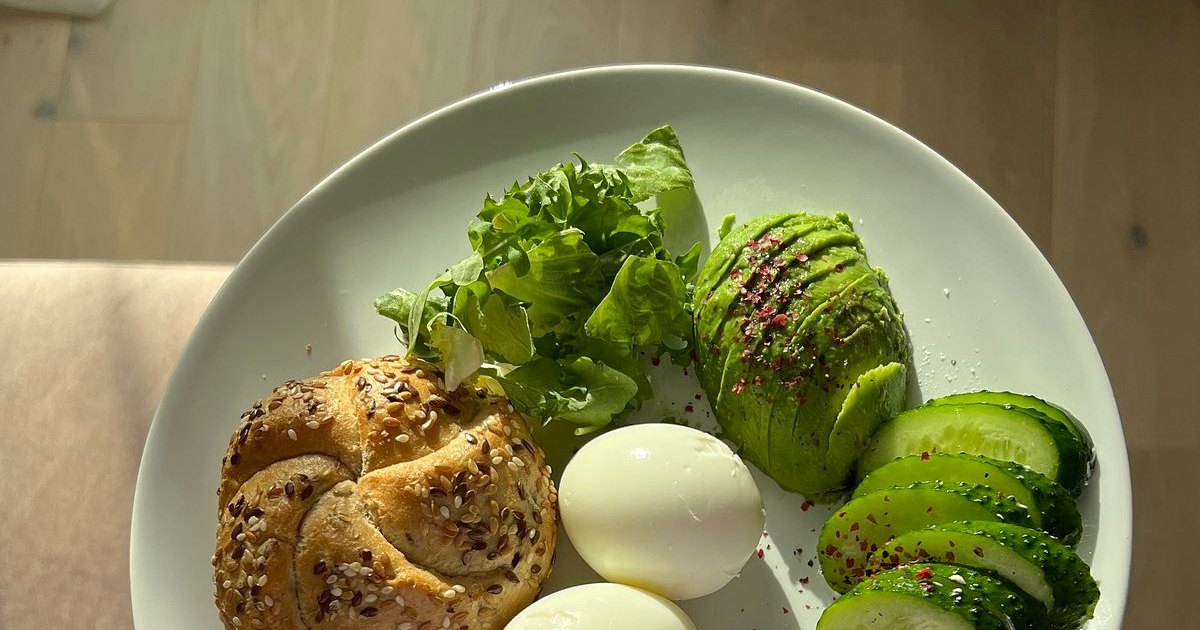
<p><strong>Boil a batch of eggs once.</strong> Ten minutes on Sunday gives you a week of grab-and-go protein. Cleveland Clinic lists eggs among the <a href="https://health.clevelandclinic.org/7-tips-to-power-up-with-protein" target="_blank" rel="noopener">complete proteins that carry all nine essential amino acids</a>.</p>
<p><strong>Keep dairy on rotation.</strong> Greek yogurt, cottage cheese, and milk are high-protein, need zero prep, and stack easily into breakfast or a snack. Cleveland Clinic notes your body <a href="https://health.clevelandclinic.org/7-tips-to-power-up-with-protein" target="_blank" rel="noopener">prefers a consistent amount of protein across the day rather than one big load</a>.</p>
<p><strong>Open a can.</strong> Tuna, salmon, and sardines are shelf-stable, complete protein with no cooking. So are pouches you can eat at a desk.</p>
<p><strong>Reach for plants that travel.</strong> Cleveland Clinic points to <a href="https://health.clevelandclinic.org/7-tips-to-power-up-with-protein" target="_blank" rel="noopener">legumes, edamame, nuts, seeds, and soy foods like tofu</a> as easy additions. Most need no cooking at all.</p>
<div class="callout"><div class="n">Food first. The powder is for the gap, not the meal.</div><div class="d">If your no-cook staples get you most of the way there, a shake only has to close the last stretch. A powder earns its place when a real day leaves you short, not as a replacement for eating.</div><div class="c">Source: Cleveland Clinic and Harvard Health, fetched live</div></div>
<div class="ac-midcap">
<h4>Take the protein plan with you</h4>
<p class="sub">Your free plan (PDF): your daily target, the no-cook protein staples for each meal, and how to size a shake to your gap. Checked against Harvard Health and Cleveland Clinic.</p>
<div class="mcform"><input type="email" placeholder="Your email address" aria-label="Email address"><button type="button">Send My Plan (Free)</button></div>
<div class="fine">One email. No spam. Unsubscribe anytime.</div>
</div>
<div class="band"><div class="inner"><div class="big">3</div><div><div class="q">Part 3 · Where a Shake Fits</div><h3>The Gap-Closer, Chosen Honestly</h3></div></div></div>
<p>Some days the food does not add up, and that is exactly what a powder is for. Harvard notes that <a href="https://www.health.harvard.edu/healthy-aging-and-longevity/muscle-loss-and-protein-needs-in-older-adults" target="_blank" rel="noopener">some older adults who cannot get enough protein from food alone may benefit from supplementation</a>, and that powders are popular for one honest reason: <a href="https://www.health.harvard.edu/healthy-aging-and-longevity/muscle-loss-and-protein-needs-in-older-adults" target="_blank" rel="noopener">they are convenient, mixing into oatmeal, a smoothie, or a glass of water</a>. No stove, no cleanup, protein in a minute.</p>
<p>The catch is quality control. Harvard is blunt that powders are <a href="https://www.health.harvard.edu/healthy-aging-and-longevity/muscle-loss-and-protein-needs-in-older-adults" target="_blank" rel="noopener">not regulated as strictly as food or medicine</a>, and that sugar content varies widely, in some cases as high as 23 grams a scoop. So the powder you choose matters as much as the fact that you use one. That points to a short list of criteria.</p>
<div class="forms">
<div class="h">Choosing a Protein Powder, Honestly</div>
<table>
<tr><th>Type</th><th>Muscle evidence in older adults</th><th>Best for</th><th>Watch for</th></tr>
<tr class="rec"><td class="pick">Whey isolate</td><td data-l="Muscle evidence" class="win">Strongest, per Harvard</td><td data-l="Best for" class="win">Closing the daily gap, post-training</td><td data-l="Watch for" class="win">Added sugar, missing third-party seal</td></tr>
<tr><td>Casein</td><td data-l="Muscle evidence">Good, slower digesting</td><td data-l="Best for">A longer feeling of fullness</td><td data-l="Watch for">Dairy sensitivity, sugar</td></tr>
<tr><td>Plant (pea, rice)</td><td data-l="Muscle evidence">Lower amino profile than whey</td><td data-l="Best for">Dairy-free diets</td><td data-l="Watch for">Blend a source to complete it</td></tr>
</table>
</div>
<p class="legend">Comparison verified against Harvard Health and Cleveland Clinic, fetched live. Plant powders are a fine choice if you avoid dairy; Harvard notes they tend to have a lower amino acid profile and bioavailability than whey.</p>
<p>One low-key caution: more protein is not always better. Harvard notes that very high intakes can <a href="https://www.health.harvard.edu/healthy-aging-and-longevity/muscle-loss-and-protein-needs-in-older-adults" target="_blank" rel="noopener">aggravate kidney problems for people with a pre-existing kidney condition</a>. If that is you, set your target with your doctor.</p>
<div class="pick">
<div class="rib">★ Coach's Pick</div>
<div class="se">The gap-closer we would buy</div>
<h2>Momentous Grass-Fed Whey Protein Isolate</h2>
<div class="why">A single-source whey isolate, the powder type with the strongest muscle evidence for older adults, NSF Certified for Sport so an independent lab verifies the label. It mixes into water in a minute, which is the whole point on a day with no time to cook.</div>
<ul>
<li>Grass-fed whey isolate, a complete protein with all nine essential amino acids</li>
<li>NSF Certified for Sport, every batch, with third-party results published via Light Labs</li>
<li>Mixes into water, oatmeal, or a smoothie in under a minute, no stove</li>
<li>Use it to close the gap, not to replace meals</li>
</ul>
<a class="buy" href="https://www.livemomentous.com/products/essential-whey-protein?dc=AgelessCoach&mct=pwqwZOO1&utm_source=agelesscoach&utm_medium=intent-article&utm_content=tmpl-R" data-affiliate="momentous" data-template="R" data-code="AgelessCoach" rel="noopener sponsored">Check Current Price at Momentous →</a><span class="pending">Partner link · discount applied automatically at checkout</span>
<p class="ftc">Ageless Coach may earn a commission if you buy through this link, at no extra cost to you. Our pick was made independently and set before any partnership. <a href="/partners" style="color:#0C8C88;font-weight:700">How we choose partners</a>.</p>
</div>
<div class="screen">
<div class="cell"><div class="t">Complete protein</div><div class="d">Whey carries all nine essential amino acids, the same reason Harvard rates it highest for muscle in older adults.</div></div>
<div class="cell"><div class="t">Verified label</div><div class="d">NSF Certified for Sport means an independent lab confirms what is in the scoop, in a category that is loosely regulated.</div></div>
<div class="cell"><div class="t">Single ingredient</div><div class="d">Grass-fed whey isolate, not a sugar-heavy blend. Harvard notes some powders hide up to 23 grams of sugar a scoop.</div></div>
<div class="cell"><div class="t">No cooking</div><div class="d">Mixes into water in a minute, which is the entire case for a powder on a busy day.</div></div>
</div>
<div class="rate"><div class="st">★★★★★</div><div class="tx"><b>Highly rated</b> across verified Momentous reviews, most citing clean mixing and no chalky aftertaste.</div></div>
<div class="band"><div class="inner"><div class="big">4</div><div><div class="q">Before You Buy</div><h3>The Questions Worth Asking</h3></div></div></div>
<div class="objs">
<details><summary>How much protein do I actually need?</summary><div class="a">Cleveland Clinic puts the average adult around 0.8 to 1.0 grams per kilogram of body weight, and suggests spreading it across the day rather than loading one meal. Active people building muscle need more. If you want a precise number, your doctor or a dietitian can set it.</div></details>
<details><summary>Is too much protein bad for my kidneys?</summary><div class="a">For healthy kidneys, moderate high-protein eating is fine. Harvard notes the concern is real mainly for people who already have a kidney condition, in whom very high intakes can aggravate the problem. Aim for your target, not far beyond it.</div></details>
<details><summary>Powder or food, which is better?</summary><div class="a">Food, as a rule. Harvard is clear the best source is whole food, and that a powder is a convenient way to fill a gap food did not close that day. Use it on its own as a quick option, not piled on top of a full meal.</div></details>
<details><summary>Is whey really better than a plant powder?</summary><div class="a">For building muscle in older adults, Harvard reports whey appears particularly effective, more than plant or casein. Plant powders are a good choice if you avoid dairy; they tend to have a lower amino acid profile, which a pea and rice blend helps close.</div></details>
<details><summary>Can I use whey if I am sensitive to lactose?</summary><div class="a">A whey isolate is lower in lactose than a concentrate, so many people tolerate it well. If dairy still bothers you, a blended plant powder is the sensible alternative.</div></details>
</div>
<div class="plan" id="coach-recommendations"><div class="pt">📋 Your Coach's Recommendations</div>
<div class="step"><div class="n">1</div><div><div class="sh">Set your target and spread it.</div><div class="sd">Around 0.8 to 1.0 grams per kilogram for most adults, a good protein source at each meal rather than one big dinner.</div></div></div>
<div class="step"><div class="n">2</div><div><div class="sh">Build no-cook proteins into each meal.</div><div class="sd">Boiled eggs, Greek yogurt, cottage cheese, milk, canned fish, edamame. Most of a day's protein needs no stove.</div></div></div>
<div class="step"><div class="n">3</div><div><div class="sh">Close the gap with one clean shake.</div><div class="sd">A whey isolate, third-party tested and low in sugar, mixed into water. Use it for the gap, not as a meal replacement.</div></div></div>
<div class="midcta"><a class="buy lite" href="https://www.livemomentous.com/products/essential-whey-protein?dc=AgelessCoach&mct=pwqwZOO1&utm_source=agelesscoach&utm_medium=intent-article&utm_content=tmpl-R" data-affiliate="momentous" data-template="R" data-code="AgelessCoach" rel="noopener sponsored">Check Current Price at Momentous →</a><span class="pending dk">Partner link · discount applied automatically at checkout</span></div>
<div class="rr"><b>Low-risk way to test it:</b> Momentous ships from the maker with subscribe-and-save and cancel-anytime, so trying one tub is not a commitment. Rather do it with food alone? That is a fine call, and the plan below is free.</div>
</div>
<div class="capline">Not ready to buy? Fair. Get the free No-Cook Protein Plan, your target plus the no-cook staples, sent to your inbox using the box below.</div>
<div class="ac-capture" data-state="trigger" data-article-slug="high-protein-eating-without-cooking-all-day" data-pdf-url="https://cdn.prod.website-files.com/69be1026a027224999b7936b/6a615a79d7e698f2e61264d6_ageless-coach-no-cook-protein-plan.pdf" data-plan-title="The No-Cook Protein Plan" data-plan-desc="Your free 2-page plan: your daily target, the no-cook protein staples for each meal, how to size a shake to your gap, and the label checks for a clean powder. Checked against Harvard Health and Cleveland Clinic.">
<div class="st-trigger cap-state"><h4>Take the No-Cook Protein Plan with you</h4>
<p class="sub">Your free plan turns this into action: your daily target, the no-cook staples for each meal, and how to size a shake to your gap.</p>
<button class="bigbtn" type="button" data-cap="form">📩 Send Me the Plan (Free)</button>
<div class="fine">One email. No spam. Unsubscribe anytime.</div></div>
<div class="st-form cap-state"><h4>Where should we send it?</h4>
<p class="sub">Your free plan, straight to your inbox.</p>
<form class="capform"><input type="email" name="email" required placeholder="Your email address" aria-label="Email address"><button type="submit">Send My Plan</button></form>
<div class="fine">We send the plan plus one short evidence brief each week. Unsubscribe anytime.</div></div>
<div class="st-sent cap-state"><div class="sent-check">✓</div><h4>It's on the way</h4>
<p class="sub">Check your inbox in the next minute. Want it right now?</p>
<a class="dl" href="https://cdn.prod.website-files.com/69be1026a027224999b7936b/6a615a79d7e698f2e61264d6_ageless-coach-no-cook-protein-plan.pdf" download>⬇ Download your plan (PDF)</a>
<div class="fine">Your first Ageless Brief arrives this week: one study, translated, no hype.</div></div>
</div>
<div class="faq"><h2>Frequently Asked Questions</h2>
<details><summary>What are the easiest no-cook protein foods?</summary><div class="a">Boiled eggs made in a batch, Greek yogurt, cottage cheese, milk, canned tuna or salmon, edamame, cheese, and a whey shake. Cleveland Clinic also points to legumes, nuts, seeds, and soy foods as easy additions.</div></details>
<details><summary>Do I need protein at every meal?</summary><div class="a">Spreading it helps. Cleveland Clinic notes your body prefers a consistent amount of protein across the day rather than one large serving, so a good source at each meal is the goal.</div></details>
<details><summary>Is a shake as good as real food?</summary><div class="a">Whole food is the better default, and Harvard says so. A quality whey shake is a convenient way to close a gap on a busy day, and whey rates well for muscle in older adults, but it works best alongside real meals, not instead of them.</div></details>
<details><summary>Will more protein help me build muscle on its own?</summary><div class="a">No. Harvard is clear the biggest gains come from protein plus resistance training together. The protein is the material; the training is the signal to build.</div></details>
<details><summary>How do I judge a good powder?</summary><div class="a">Look for a single protein source, an independent seal such as NSF Certified for Sport, and low added sugar, since Harvard notes powders are loosely regulated and some carry a lot of sugar per scoop.</div></details>
</div>
<div class="faq" style="margin-top:34px"><h2>Sources</h2>
<p style="font-size:15px;line-height:1.7">Every claim on this page was verified against these Tier-1 sources, fetched live at build:</p>
<p style="font-size:15px;line-height:1.8"><a href="https://www.health.harvard.edu/healthy-aging-and-longevity/muscle-loss-and-protein-needs-in-older-adults" target="_blank" rel="noopener">Harvard Health Publishing · Muscle loss and protein needs in older adults</a><br>
<a href="https://health.clevelandclinic.org/7-tips-to-power-up-with-protein" target="_blank" rel="noopener">Cleveland Clinic · 6 Tips to Get More Protein in Your Diet</a><br>
<a href="https://www.livemomentous.com/products/essential-whey-protein" target="_blank" rel="noopener">Momentous · Grass-Fed Whey Protein Isolate product page</a><br>
<a href="https://www.livemomentous.com/pages/coa-page" target="_blank" rel="noopener">Momentous · Certificates of Analysis</a></p>
</div>
<div class="sig">
<div class="rule"></div>
<p class="ty">To your health,</p>
<svg width="300" height="66" viewBox="0 0 300 66" role="img" aria-label="Ageless Coach. Age Strong. Live Long." xmlns="http://www.w3.org/2000/svg">
<text x="0" y="38" style="font-family:Inter,system-ui,sans-serif;font-size:25px;letter-spacing:-0.3px"><tspan style="font-weight:800;fill:#0D1B2A">Ageless</tspan><tspan style="font-weight:300;fill:rgba(13,27,42,0.6)">Coach</tspan></text>
<text x="0" y="56" style="font-family:Inter,system-ui,sans-serif;font-size:10px;letter-spacing:2.5px;font-weight:500;fill:#0C8C88">AGE STRONG. LIVE LONG.</text>
</svg>
</div>
<p class="meta">By the Ageless Coach Editorial Team · July 2026 · Reviewed against Harvard Health Publishing and Cleveland Clinic</p>
</div>
<div class="sticky">
<span class="t">The gap-closer we would buy: Momentous Whey Protein Isolate</span>
<a class="buy" href="https://www.livemomentous.com/products/essential-whey-protein?dc=AgelessCoach&mct=pwqwZOO1&utm_source=agelesscoach&utm_medium=intent-article&utm_content=tmpl-R" data-affiliate="momentous" data-template="R" data-code="AgelessCoach" rel="noopener sponsored">Check Price →</a>
</div>
<div class="disc">This content is educational and is not a substitute for professional medical advice, diagnosis, or treatment. These statements have not been evaluated by the Food and Drug Administration. This product is not intended to diagnose, treat, cure, or prevent any disease. Always consult your physician before making changes to your health routine.</div>
</div>