
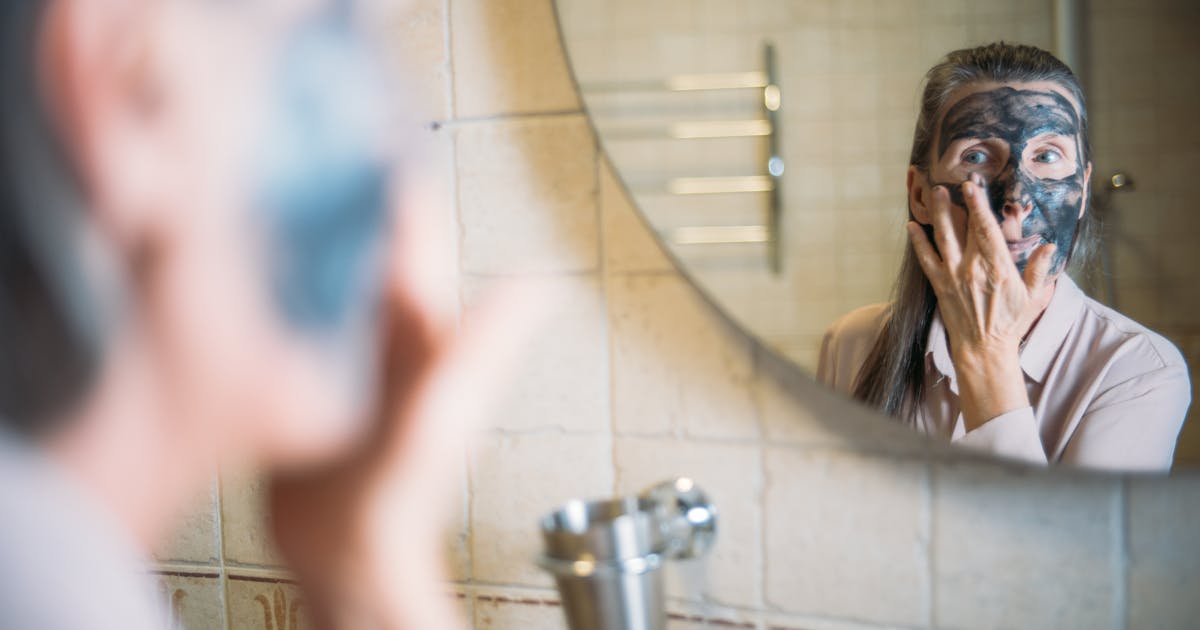
Dark spots after 50 fade with four treatment levels used in order: sun protection, over-the-counter fade ingredients, prescription creams, and in-office procedures. Sort the cause first, because one kind of spot needs a biopsy, not a cream.
This is for anyone over 50 who has flat brown spots on the face, the backs of the hands, the chest or the forearms, and wants them gone. You may have tried a brightening cream already and seen nothing change. This page answers three questions. What kind of spot is it? Which treatment level fits that spot? And how long should you give a treatment before you move up a level?
The short answer: sort the cause first, then treat in order. Cleveland Clinic lists sun damage, hormone changes, skin injury, medications and several medical conditions among the causes, and the cause decides the treatment. Harvard Health says sun exposure is the most common cause of all.
The conclusion is patient but hopeful. Cleveland Clinic says treatments can clear some dark spots and lessen others, and that they might take a few months or a year to work. Below: the five causes to sort first, the four treatment levels in order, the numbers that set your expectations, and an over-50 plan with the words to use at your visit.
Five kinds of dark spot, and what each one needs
Cleveland Clinic says hyperpigmentation happens when damaged or unhealthy skin cells make too much melanin, the pigment that colors skin. It says the spots can look brown, black, gray, red or pink. The causes it lists include sun damage, hormone changes, skin injury and medications. Thyroid disorders and low vitamin B12 or folic acid are on the list too.
Find the line that fits your spots. Each one ends in a next step.
- Flat tan-to-brown spots on the face, hands, chest or forearms, larger than freckles. Harvard Health calls these age spots, or solar lentigines. It says they develop in adults from sun exposure or past sunburns. This is the common over-50 pattern. Start at treatment level 1 and 2 below.
- Symmetrical patches on the cheeks, upper lip or forehead that darken with sun or hormones. Harvard Health calls this melasma. It names sun exposure, pregnancy and birth control pills as triggers. Cleveland Clinic lists melasma as its own cause. Sun protection matters most here. If pregnancy applies, Harvard Health says to ask your doctor about pregnancy-safe options.
- A dark mark left where a pimple, cut, burn or rash healed. This is post-inflammatory hyperpigmentation. The AAD says you must treat the skin condition first. Most of these spots then fade on their own, though it may take a long time.
- Spots that started after a new medication. Cleveland Clinic names birth control pills and drugs that cause light sensitivity. The AAD says not to stop a medication on your own. That could make you very sick. Ask the prescriber whether discolored skin is a side effect, and whether you could switch.
- A spot with more than one color, a spot that does not respond to treatment, or skin that is red, hot, itchy, painful or leaking. Harvard Health says a spot with more than one color, or one that does not respond, needs a dermatologist and possibly a biopsy. Cleveland Clinic says red, hot, itchy, painful or leaking skin needs a provider. Skip the creams. Book the visit.
Cleveland Clinic says a provider may also look at the skin under a Wood lamp. Blood tests for vitamins, hormones, iron and thyroid function are possible too, or a small skin sample. Dark, velvety patches in the skin folds are a different problem. Harvard Health says that pattern, acanthosis nigricans, is most often linked to insulin resistance, and it is worth its own visit.
Four treatment levels, in the order dermatologists use them
Harvard Health says creams and lotions are the most common treatment. It says combination therapy, using more than one topical together, is usually most effective. Work up the levels in order. Do not buy everything at once.
Level 1: sun protection, every day. Cleveland Clinic says to apply a broad-spectrum sunscreen with an SPF of 30 or higher every day. It says to use physical blockers such as titanium dioxide or zinc oxide, and to wear protective clothing and hats. The AAD adds two details for dark spots. Choose a tinted sunscreen with iron oxide, because it blocks visible light. Reapply every two hours and after swimming or sweating.

Level 2: an over-the-counter fade ingredient. The AAD says to use a product that contains azelaic acid, glycolic acid, kojic acid, a retinoid such as retinol or adapalene gel, or vitamin C. Mayo Clinic says nonprescription fade creams with hydroquinone, glycolic acid or kojic acid may improve age spots. It says you might need to use one for several weeks or months before you notice results.
Level 3: a prescription cream. Harvard Health lists prescription creams containing hydroquinone, tranexamic acid, tretinoin, topical steroids, or a combination. Mayo Clinic says prescription hydroquinone, alone or with tretinoin and a mild steroid, might gradually fade age spots over several months. It warns of temporary itching, redness, burning or dryness.
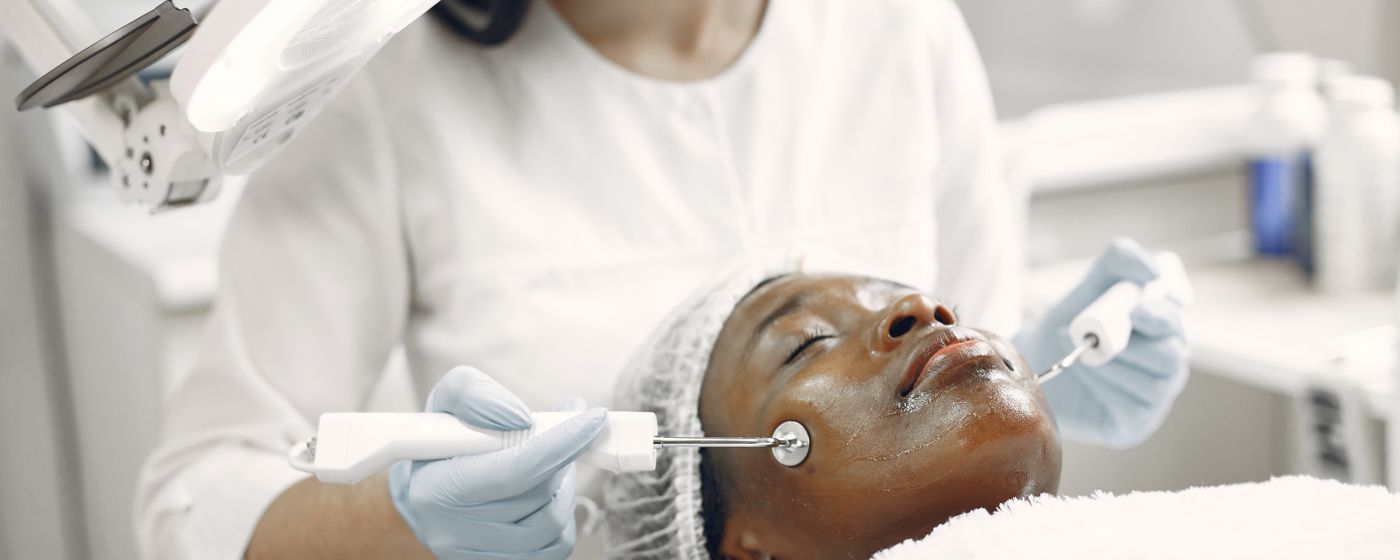
Level 4: an in-office procedure. Cleveland Clinic lists chemical peels, cryotherapy, laser skin resurfacing and pigmented lesion lasers. Harvard Health adds microneedling. Mayo Clinic says these are considered cosmetic and typically are not covered by insurance. It says your dermatologist should be trained and experienced in the exact technique you are considering.
The most common cause of hyperpigmentation is sun exposure.
Take the four treatment levels with you
One sheet: the five causes to sort, the four treatment levels in order, the fade timelines, and what to say at the visit.
Enter your email to unlock your plan
Your 1-page hyperpigmentation plan, unlocked right here.
Your plan is ready
Download or print it below. Save it anywhere.
⬇ Download your plan (PDF)Six numbers that set honest expectations before you spend
Mayo Clinic puts figures on the procedures. The figures matter because they tell you what a fair trial looks like. Laser and intense pulsed light therapies typically require two to three sessions. Cryotherapy applies liquid nitrogen for five seconds or less. It carries a slight risk of permanent scarring or discoloration. A chemical peel can leave redness for up to several weeks. Microdermabrasion needs a series of procedures over months, for modest and temporary results.
The creams have numbers too. The AAD says a spot a few shades darker than your skin usually fades within 6 to 12 months once the cause is stopped. Mayo Clinic says a fade cream might need several weeks or months of regular use before you notice results. It says prescription creams work over several months. Cleveland Clinic says the whole process might take a few months or a year.
Two time-of-day numbers protect the result. The AAD says to reapply sunscreen every two hours. It also says to avoid being outdoors between 10 a.m. and 2 p.m., when the sun is strongest. That is why spots that keep coming back are usually a sun problem, not a cream problem. The reasons new dark spots keep appearing are covered on their own page.
One more expectation. Cleveland Clinic calls hyperpigmentation a lifelong condition. It says other spots can appear over time, especially without sun protection. The AAD says the same. You can clear spots, but new ones can form, so prevention continues after treatment. The same daily habits slow the other skin aging you can prevent.
Three mistakes that waste money or harm skin
Each of these either delays the visit that would help or damages the skin you are trying to clear.
Buying an imported miracle cream. The AAD says researchers have found steroids and mercury in skin care products imported from other countries, and neither was on the label. Long use of hidden steroids can leave skin thin, fragile or permanently discolored. Buy a product made in the United States or one your dermatologist recommends.
Using liquid bleach on skin. The AAD says liquid bleach is harmful and should never be applied to the skin. Cleveland Clinic lists skin bleach only as a topical a provider may recommend. That is a different thing from household bleach.
Stopping sunscreen once a spot fades. Mayo Clinic says that after any age spot treatment you need a broad-spectrum SPF 30 or higher sunscreen outdoors. Cleveland Clinic says new spots appear over time without sun protection. The treatment fades the spot; the sunscreen keeps it gone.
To your health,
Ageless Coach
Age Strong. Live Long.
This article is education, not medical advice. Harvard Health says to contact your doctor before beginning any new medication or treatment, and Cleveland Clinic says to see a provider if a spot is red, hot, itchy, painful or leaking. Ageless Coach is an affiliate partner and may earn a commission on purchases made through links on this page.