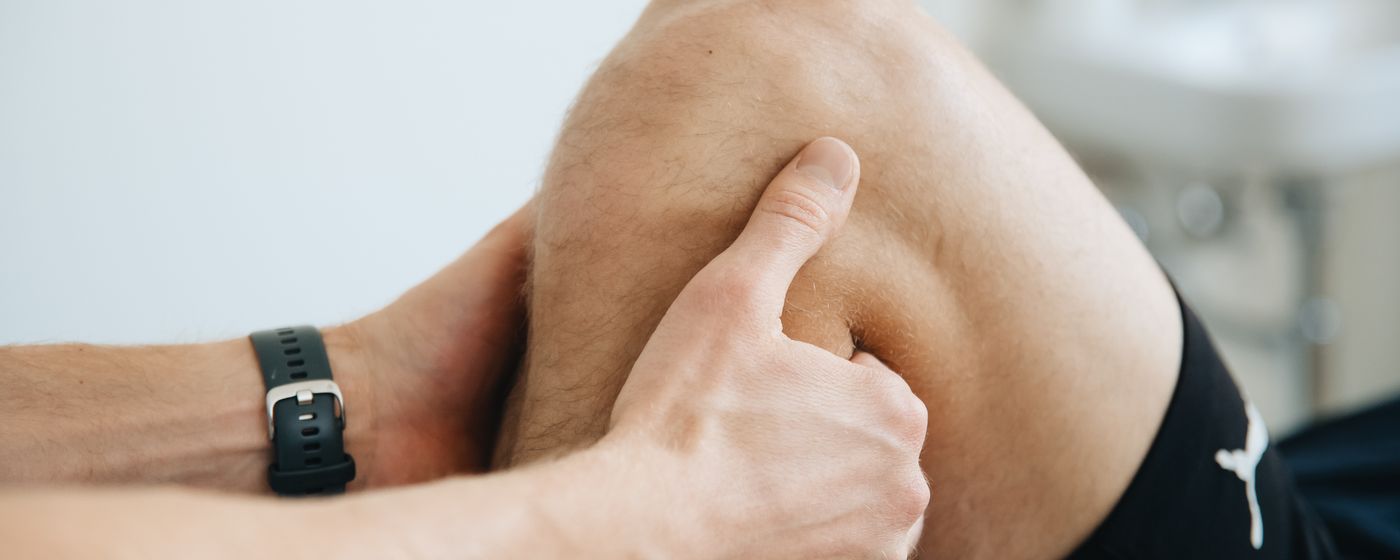
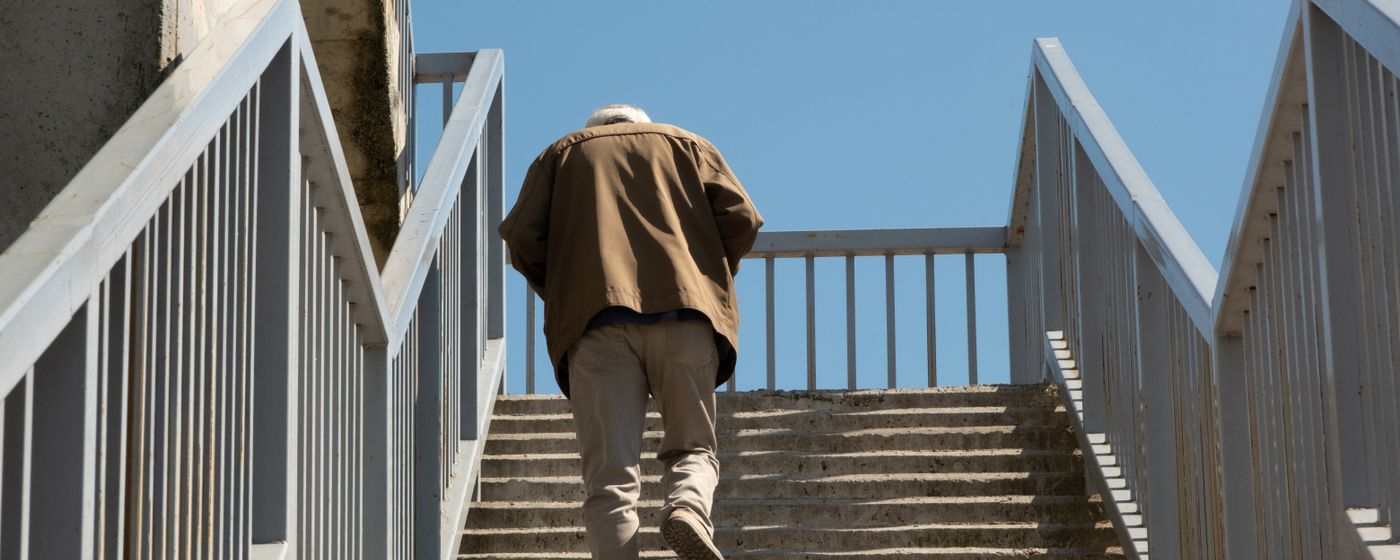
<style>:root{--dark-base:#0D1B2A;--dark-mid:#1B3A4B;--teal:#0EA5A0;--teal-dark:#0C8C88;--teal-bright:#14D4CD;--fog:#D8E8E8;--deep-fog:#C8DCDC;--fog-border:#A8C4C4;--ink:#313743;--ink-soft:#49505f;--muted:#6b7280;--warm:#9A6841;--warm-light:#be7b4c;--serif:"Source Serif 4",Georgia,serif;--sans:Inter,-apple-system,BlinkMacSystemFont,"Segoe UI",sans-serif}.acv-root .acv-dek{font:500 19px/1.55 var(--sans);color:var(--ink-soft);margin:0 0 14px}.acv-root .acv-dek b{color:var(--teal-dark)}.acv-root .acv-meta{font:600 13px/1.6 var(--sans);color:var(--muted);margin:14px 0 0;text-align:center}.acv-root .acv-meta .acv-chk{color:var(--teal-dark)}.acv-root .acv-glance{background:linear-gradient(180deg,#F0F7F7,#fff);border:1.5px solid var(--fog-border);border-radius:14px;padding:22px 24px;margin:24px 0 0}.acv-root .acv-glance .acv-gt{font:800 12px/1 var(--sans);letter-spacing:2.5px;text-transform:uppercase;color:var(--teal-dark);margin-bottom:14px}.acv-root .acv-glance .acv-item{font:500 15.5px/1.55 var(--sans);color:var(--ink-soft);padding:0 0 10px 26px;position:relative}.acv-root .acv-glance .acv-item:before{content:"";position:absolute;left:2px;top:7px;width:8px;height:8px;border-radius:50%;background:var(--teal)}.acv-root .acv-glance .acv-item b{color:var(--ink)}.acv-root .acv-glance .acv-s{color:var(--muted);font-size:12.5px}.acv-root .acv-body{margin-top:30px}.acv-root .acv-body p{font-size:20.5px;line-height:1.75;margin:0 0 24px;color:var(--ink-soft)}.acv-root .acv-body p strong{color:var(--ink)}.acv-root .acv-body a{color:var(--teal-dark);font-weight:700;text-decoration:underline;text-decoration-color:rgba(14,165,160,.4);text-underline-offset:3px}.acv-root .acv-dropcap:first-letter{font-family:var(--serif);font-size:64px;font-weight:800;color:var(--dark-mid);float:left;line-height:.9;padding:6px 10px 0 0}.acv-root mark{background:linear-gradient(180deg,transparent 55%,rgba(20,212,205,.35) 55%);color:inherit;padding:0 2px}.acv-root .acv-band{margin:56px 0 24px;padding:26px 22px 12px;background:linear-gradient(180deg,#F0F7F7,#fff);border-radius:16px}.acv-root .acv-band.acv-hype{background:linear-gradient(180deg,#FAF3EB,#fff)}.acv-root .acv-band .acv-inner{display:flex;gap:18px;align-items:center}.acv-root .acv-band .acv-big{font:900 64px/1 var(--sans);color:var(--deep-fog);flex-shrink:0}.acv-root .acv-band.acv-hype .acv-big{color:#EAD9C6}.acv-root .acv-band .acv-q{font:700 13px/1.4 var(--sans);letter-spacing:2px;text-transform:uppercase;color:var(--teal-dark);margin-bottom:6px}.acv-root .acv-band.acv-hype .acv-q{color:var(--warm)}.acv-root .acv-band h3{font-family:var(--serif);font-size:31px;line-height:1.2;font-weight:800;color:var(--ink);margin:0}.acv-root .acv-billboard{background:var(--dark-mid);border-radius:18px;color:#fff;padding:30px 28px;margin:32px 0;text-align:center}.acv-root .acv-billboard .acv-n{font:900 34px/1.2 var(--sans);color:var(--teal-bright);margin-bottom:8px}.acv-root .acv-billboard .acv-d{font:500 16px/1.55 var(--sans);color:#D4E5E5;max-width:480px;margin:0 auto}.acv-root .acv-billboard .acv-c{font:600 12px/1 var(--sans);letter-spacing:1.5px;text-transform:uppercase;color:#8FB3B3;margin-top:12px}.acv-root figure{margin:32px 0}.acv-root figure img{width:100%;border-radius:16px;display:block}.acv-root figcaption{font:600 13.5px/1.5 var(--sans);color:var(--muted);margin:10px 0 0;text-align:center}.acv-root .acv-pullquote{margin:34px 0;text-align:center;padding:0 10px}.acv-root .acv-pullquote p{font-family:var(--serif);font-size:27px;line-height:1.4;color:var(--dark-mid);font-weight:700;margin:0 0 10px}.acv-root .acv-pullquote .acv-who{font:700 12px/1 var(--sans);letter-spacing:2px;text-transform:uppercase;color:var(--warm)}.acv-root .acv-plan{background:linear-gradient(135deg,#fffcf4 0%,#fff8ed 100%);border-left:5px solid var(--teal-dark);border-radius:14px;padding:30px 26px 24px;margin:40px 0 0;box-shadow:0 2px 12px rgba(0,0,0,.06)}.acv-root .acv-plan .acv-ptitle{display:flex;align-items:center;gap:12px;font-family:var(--serif);font-size:26px;font-weight:800;color:var(--ink);margin-bottom:24px}.acv-root .acv-plan .acv-ptitle .acv-ico{font-size:24px;color:var(--teal-dark)}.acv-root .acv-plan .step{display:flex;gap:16px;margin-bottom:20px;align-items:flex-start}.acv-root .acv-plan .acv-n{min-width:38px;width:38px;height:38px;background:var(--teal-dark);border-radius:50%;color:#fff;font:800 17px/38px var(--sans);text-align:center;flex-shrink:0}.acv-root .acv-plan .sh{font:800 16.5px/1.4 var(--sans);color:var(--ink);margin-bottom:3px}.acv-root .acv-plan .sd{font:400 15px/1.6 var(--sans);color:var(--muted)}.acv-root .acv-plan .acv-pdiv{height:1px;background:#E4DECE;margin:26px 0 22px}.acv-root .acv-calbar{display:flex;align-items:center;justify-content:center;gap:12px;width:100%;background:linear-gradient(90deg,var(--teal-dark),var(--teal));color:#fff;border:none;border-radius:12px;padding:17px 20px;font:700 16px/1.3 var(--sans);cursor:pointer;position:relative;box-shadow:0 4px 14px rgba(12,140,136,.25)}.acv-root .acv-calbar i{font-family:var(--serif);font-style:italic;font-weight:600}.acv-root .acv-calbar .acv-qm{position:absolute;right:14px;top:50%;transform:translateY(-50%);width:26px;height:26px;border-radius:50%;background:rgba(255,255,255,.22);font:700 14px/26px var(--sans);text-align:center}.acv-root .acv-opsrow{display:grid;grid-template-columns:repeat(4,1fr);gap:12px;margin-top:14px}@media(max-width:640px){.acv-root .acv-opsrow{grid-template-columns:1fr 1fr}}.acv-root .acv-opsrow button{display:flex;align-items:center;justify-content:center;gap:8px;background:#fff;border:1.5px solid var(--teal);color:var(--teal-dark);border-radius:50px;padding:13px 10px;font:700 14px/1 var(--sans);cursor:pointer;transition:background .15s}.acv-root .acv-opsrow button:hover{background:#F0FAFA}.acv-root .acv-capture{background:linear-gradient(135deg,var(--dark-base),var(--dark-mid));border-radius:18px;padding:32px 30px;margin:50px 0 56px;color:#fff;position:relative;overflow:hidden;box-shadow:0 16px 40px rgba(13,27,42,.25)}.acv-root .acv-cap-grid{display:grid;grid-template-columns:1fr 200px;gap:26px;align-items:center}@media(max-width:600px){.acv-root .acv-cap-grid{grid-template-columns:1fr}.acv-root .acv-chartcard{display:none}}.acv-root .acv-capture h4{font-family:var(--serif);font-size:26px;font-weight:800;margin:0 0 8px}.acv-root .acv-capture .acv-sub{font:500 15.5px/1.55 var(--sans);color:#C9DDDD;margin:0 0 18px}.acv-root .acv-chartcard{background:#fff;border-radius:8px;padding:14px 13px 12px;box-shadow:0 12px 32px rgba(0,0,0,.38);transform:rotate(2deg)}.acv-root .acv-chartcard .acv-ch-mast{font-family:var(--serif);font-weight:800;font-size:11px;color:var(--dark-base);letter-spacing:.4px;border-bottom:3px solid var(--dark-base);padding-bottom:5px}.acv-root .acv-chartcard .acv-ch-sub{font:800 5.5px/1.4 var(--sans);color:var(--muted);letter-spacing:.8px;margin:4px 0 8px}.acv-root .acv-chartcard .acv-ch-cols{display:grid;grid-template-columns:1fr 1fr;gap:8px}.acv-root .acv-chartcard .acv-ch-h{font:900 7.5px/1 var(--sans);letter-spacing:1px;border-radius:3px;padding:4px 5px;margin-bottom:5px;color:#fff}.acv-root .acv-chartcard .acv-ch-h.acv-ok{background:#2E7D5B}.acv-root .acv-chartcard .acv-ch-h.acv-no{background:#B4533A}.acv-root .acv-chartcard .acv-ch-row{height:9px;border-radius:2px;margin:4px 0}.acv-root .acv-chartcard .acv-ch-row.acv-ok{background:#E3F0E9}.acv-root .acv-chartcard .acv-ch-row.acv-no{background:#F6E7E1}.acv-root .acv-chartcard .acv-ch-row.acv-short{width:70%}.acv-root .acv-chartcard .acv-ch-band{height:16px;border-radius:3px;background:var(--fog);margin-top:9px}.acv-root .cap-state{display:none}.acv-root .acv-capture[data-state="trigger"] .st-trigger{display:block}.acv-root .acv-capture[data-state="form"] .st-form{display:block}.acv-root .acv-capture[data-state="sent"] .st-sent{display:block}.acv-root .acv-bigbtn{display:inline-flex;align-items:center;gap:10px;background:var(--teal-bright);color:var(--dark-base);border:none;border-radius:50px;padding:16px 28px;font:800 15.5px/1 var(--sans);cursor:pointer;box-shadow:0 6px 20px rgba(20,212,205,.35)}.acv-root .acv-fine{font:500 12px/1.5 var(--sans);color:#7FA3A3;margin-top:12px}.acv-root .capform{display:flex;gap:10px;max-width:440px}@media(max-width:520px){.acv-root .capform{flex-direction:column}}.acv-root .capform input{flex:1;border:none;border-radius:50px;padding:14px 20px;font:500 15px/1 var(--sans)}.acv-root .capform button{background:var(--teal-bright);color:var(--dark-base);border:none;border-radius:50px;padding:14px 24px;font:800 14px/1 var(--sans);cursor:pointer}.acv-root .acv-sent-check{width:52px;height:52px;border-radius:50%;background:var(--teal-bright);color:var(--dark-base);font:800 26px/52px var(--sans);margin-bottom:12px}.acv-root .dl{display:inline-block;margin-top:6px;color:var(--teal-bright);font:700 15px/1 var(--sans);text-decoration:underline;text-underline-offset:3px;cursor:pointer}.acv-root .acv-sig{margin-top:36px}.acv-root .acv-sig .acv-toyour{font-family:var(--serif);font-size:17px;font-style:italic;color:#777;margin:0 0 8px;padding-left:38px}.acv-root .acv-sig .acv-row{display:flex;align-items:center;gap:10px}.acv-root .acv-sig .acv-glyph{width:30px;height:30px;flex-shrink:0}.acv-root .acv-sig .acv-name{font-family:var(--serif);font-size:24px;font-weight:700;margin:0;color:var(--ink)}.acv-root .acv-sig .acv-tag{font:700 11px/1 var(--sans);color:var(--warm-light);letter-spacing:2.5px;text-transform:uppercase;margin:6px 0 0 40px}.acv-root .acv-trust{margin-top:30px;padding-top:22px;border-top:1px solid #e5e7eb;text-align:center}.acv-root .acv-trust .acv-t{font:700 13px/1 var(--sans);color:var(--muted);letter-spacing:2px;text-transform:uppercase;margin-bottom:16px}.acv-root .acv-trust a{display:inline-block;background:#fff;border:1.5px solid var(--warm);color:var(--warm);padding:8px 20px;border-radius:20px;font:600 14px/1 var(--sans);text-decoration:none;margin:0 4px 8px}.acv-root .acv-body p.acv-disclaimer{font-family:var(--serif);font-size:16px;font-style:italic;color:#999;margin:24px 0 0;line-height:1.5;text-align:center}.acv-root .acv-faq{margin-top:40px;border-top:1px solid #e5e7eb;padding-top:30px}.acv-root .acv-faq h2{font-family:var(--serif);font-size:23px;font-weight:800;margin:0 0 18px}.acv-root .acv-faq details{border:1px solid #e5e7eb;border-radius:10px;margin-bottom:10px;overflow:hidden}.acv-root .acv-faq summary{padding:15px 18px;font:700 16px/1.4 var(--sans);cursor:pointer;list-style:none;display:flex;justify-content:space-between;gap:12px;align-items:center}.acv-root .acv-faq summary:after{content:"\25BE";color:var(--warm)}.acv-root .acv-faq .acv-a{padding:0 18px 16px;font-size:17px;line-height:1.65;color:#555}.acv-root .acv-secondary{margin-top:26px;background:#fff;border:1.5px dashed var(--fog-border);border-radius:12px;padding:18px 20px;text-align:center;font:500 15px/1.6 var(--sans);color:var(--ink-soft)}.acv-root .acv-secondary a{color:var(--teal-dark);font-weight:700}.acv-root .acv-body ol.acv-signlist{list-style:none;margin:0 0 24px;padding:0;counter-reset:sgn}.acv-root .acv-body ol.acv-signlist li{position:relative;padding:0 0 15px 48px;font-size:19px;line-height:1.6;color:var(--ink-soft);counter-increment:sgn}.acv-root .acv-body ol.acv-signlist li:before{content:counter(sgn);position:absolute;left:0;top:1px;width:32px;height:32px;border-radius:50%;background:var(--teal-dark);color:#fff;font:800 15px/32px var(--sans);text-align:center}.acv-root .acv-body ol.acv-signlist li b{color:var(--ink)}.acv-root .acv-opsrow{grid-template-columns:repeat(3,1fr)}@media(max-width:640px){.acv-root .acv-opsrow{grid-template-columns:1fr 1fr}}</style><div class="acv-root"><p class="acv-dek">There is no lab test that says replace the knee. There are <b>five signs</b> surgeons actually look for, and two honest reasons the right answer today might be not yet.</p><p class="acv-meta">Ageless Coach Editorial Team · August 20, 2026</p><div class="acv-glance"><div class="acv-gt">In 30 Seconds</div><div class="acv-item"><b>Surgery is for pain that limits life.</b> Knee replacement fits when pain limits your activities and other treatments have stopped working. <span class="acv-s">Mayo Clinic</span></div><div class="acv-item"><b>Arthritis is the usual cause.</b> Knee arthritis is the most common reason people need a knee replacement. <span class="acv-s">Cleveland Clinic</span></div><div class="acv-item"><b>Recovery is real work.</b> Most activities come back in about six weeks. Full recovery takes around a year. <span class="acv-s">Cleveland Clinic</span></div></div><div class="acv-body"><p class="acv-dropcap">Knee replacement is one of the most successful operations in medicine, and surgeons are still in no hurry to do yours. The operation is for a specific situation, and timing changes the result.</p><p><mark>The decision turns less on the X-ray and more on what your knee no longer lets you do.</mark></p><p>Here is how surgeons actually weigh it. <strong>Five signs point toward surgery. Two point toward waiting.</strong></p><div class="acv-band"><div class="acv-inner"><div class="acv-big">1</div><div><div class="acv-q">The Signs</div><h3>The Five Signs Surgeons Take Seriously</h3></div></div></div><p>The picture comes from <a href="https://www.mayoclinic.org/tests-procedures/knee-replacement/about/pac-20385276" target="_blank" rel="noopener">Mayo Clinic</a>: knee replacement is most appropriate when pain limits activities and quality of life, and nonoperative treatment has stopped working. In practice, it looks like this list.</p><ol class="acv-signlist"><li><b>Other treatments no longer help.</b> Medicine, exercise, physical therapy, weight loss. You have tried them, and the relief is gone.</li><li><b>Walking has become the hard part.</b> Trouble walking, climbing stairs, and getting up out of chairs is the classic pattern.</li><li><b>Pain sets the day's limits.</b> The activities that make up your quality of life keep shrinking around the knee.</li><li><b>Stiffness and swelling keep returning.</b> Symptoms that do not improve after other treatments point at the joint itself.</li><li><b>Arthritis is doing the damage.</b> Knee arthritis is the most common reason for replacement, including arthritis that follows an old knee fracture.</li></ol><div class="acv-billboard"><div class="acv-n">More than 9 in 10</div><div class="acv-d">people have noticeably less pain after they recover from a knee replacement. It is one of the most successful surgeries.</div><div class="acv-c">Source: Cleveland Clinic</div></div><p>Notice that the list is about function, not about how bad a scan looks. That is why the evaluation matters.</p><p>An orthopedic surgeon's exam is what turns these signs into a decision. Nonoperative care works for the majority of people with knee arthritis, and the evaluation sorts out which group you are in.</p><p>If the list does not describe you yet, that is useful information too. It means the easier road is still open.</p><div class="acv-band"><div class="acv-inner"><div class="acv-big">2</div><div><div class="acv-q">The Operation</div><h3>What Actually Gets Replaced In There</h3></div></div></div><p>A knee replacement swaps damaged cartilage and bone for metal and plastic implants. <a href="https://my.clevelandclinic.org/health/treatments/8512-knee-replacement" target="_blank" rel="noopener">Cleveland Clinic</a> describes both versions: total, covering all three parts of the joint, and partial, when only one or two areas are damaged.</p><p>The surgery itself usually takes an hour or two, and some people go home the same day.</p><figure><img src="https://images.pexels.com/photos/20860603/pexels-photo-20860603.jpeg?auto=compress&cs=tinysrgb&w=1400&h=560&fit=crop" alt="A physical therapist's hands examining a patient's knee"><figcaption>Before and after surgery, most of the knee work happens in physical therapy.</figcaption></figure><div class="acv-pullquote"><p>Recovering from a knee replacement is hard work and can take months, but it's worth it.</p><div class="acv-who">Cleveland Clinic</div></div><p>Recovery is the part nobody should sugarcoat. Most people are back to most usual activities in about six weeks. Full recovery takes around a year, with physical therapy doing the heavy lifting for the first few months.</p><p>Smart preparation starts at home before the surgery: a shower chair, grab bars, secure handrails, and no loose rugs to trip on.</p><div class="acv-capture ac-capture" data-state="trigger" id="cap" data-article-slug="knee-replacement-5-signs-it-is-time-and-2-reasons-to-wait" data-pdf-url="https://cdn.prod.website-files.com/69be1026a027224999b7936b/6a8704f379a5e0b791f3f58c_ac-knee-replacement-decision-chart.pdf" data-plan-title="The Knee Decision Sheet" data-plan-desc="The five signs it may be time, the two reasons to wait, and the questions to bring to a surgeon's evaluation."><div class="st-trigger cap-state"><div class="acv-cap-grid"><div><h4>Take the decision sheet with you</h4><p class="acv-sub">One printable sheet: the five signs, the two wait signals, and what to ask the surgeon. Free, unlocked right here.</p><button class="acv-bigbtn" type="button" data-cap="form">📄 Print My Plan (Free PDF)</button><div class="acv-fine">Joins the free weekly Ageless Brief. Unsubscribe anytime.</div></div><div class="acv-chartcard" aria-hidden="true"><div class="acv-ch-mast">KNEE REPLACEMENT: IS IT TIME?</div><div class="acv-ch-sub">AGELESS COACH · CHECKED AGAINST MAYO · CLEVELAND · HOPKINS</div><div class="acv-ch-cols"><div class="acv-ch-col"><div class="acv-ch-h acv-ok">✓ IT MAY BE TIME</div><div class="acv-ch-row acv-ok"></div><div class="acv-ch-row acv-ok acv-short"></div><div class="acv-ch-row acv-ok"></div><div class="acv-ch-row acv-ok acv-short"></div></div><div class="acv-ch-col"><div class="acv-ch-h acv-no">✗ REASONS TO WAIT</div><div class="acv-ch-row acv-no"></div><div class="acv-ch-row acv-no acv-short"></div><div class="acv-ch-row acv-no"></div><div class="acv-ch-row acv-no acv-short"></div></div></div><div class="acv-ch-band"></div></div></div></div><div class="st-form cap-state"><h4>Enter your email to unlock your plan</h4><p class="acv-sub">Your 1-page knee decision sheet, unlocked right here.</p><form class="capform"><input type="email" name="email" placeholder="Your email address" aria-label="Email address" required><button type="submit">Unlock My Plan (Free)</button></form><div class="acv-fine">No spam. One short evidence brief each week. Unsubscribe anytime.</div></div><div class="st-sent cap-state"><div class="acv-sent-check">✓</div><h4>Your plan is ready</h4><p class="acv-sub">Download or print it below. Save it anywhere.</p><a class="dl" href="https://cdn.prod.website-files.com/69be1026a027224999b7936b/6a8704f379a5e0b791f3f58c_ac-knee-replacement-decision-chart.pdf" download>⬇ Download your plan (PDF)</a><div class="acv-fine">Your first Ageless Brief arrives this week: one study, translated, no hype.</div></div></div><div class="acv-band"><div class="acv-inner"><div class="acv-big">3</div><div><div class="acv-q">The Timing</div><h3>The Two Honest Reasons to Wait</h3></div></div></div><p><strong>Reason one: the easier road is not used up.</strong> Nonoperative care, from physical therapy to weight loss to medication, is effective for the majority of people with knee arthritis. Surgery is reserved for when that road ends.</p><p><strong>Reason two: implants have a lifespan.</strong> Almost everyone gets at least 10 to 15 years of improved knee function from a replacement, and many keep the same implant for life. <a href="https://www.hopkinsmedicine.org/health/treatment-tests-and-therapies/knee-replacement-surgery-procedure" target="_blank" rel="noopener">Johns Hopkins Medicine</a> describes the operation as resurfacing a knee damaged by arthritis. When you resurface it is part of how long the result serves you.</p><figure><img src="https://images.pexels.com/photos/39040862/pexels-photo-39040862.jpeg?auto=compress&cs=tinysrgb&w=1400&h=560&fit=crop" alt="An older man climbing outdoor concrete stairs, seen from behind"><figcaption>Stairs are one of the classic places a failing knee announces itself, and one of the first questions a surgeon asks about.</figcaption></figure><div class="acv-billboard"><div class="acv-n">About 6 weeks</div><div class="acv-d">Most people are back to most of their usual activities about six weeks after knee replacement surgery. Full recovery takes around a year.</div><div class="acv-c">Source: Cleveland Clinic</div></div><p>That is the honest shape of it: a hard six weeks, a steady year, and then a decade or more of a knee that works.</p><div class="acv-band acv-hype"><div class="acv-inner"><div class="acv-big">✗</div><div><div class="acv-q">The Debunk</div><h3>The Four Knee Surgery Myths to Retire</h3></div></div></div><p><strong>Surgery is the only fix.</strong> The majority of people with knee arthritis do well with nonoperative care. Surgery is the last step, not the first.</p><p><strong>A new knee works instantly.</strong> Some people go home the same day, but most activities take about six weeks to return, and full recovery takes around a year.</p><p><strong>Implants last forever.</strong> Plan on at least 10 to 15 years of improved function. Many people do keep the same implant for the rest of their life, but timing still matters.</p><p><strong>Complications are common.</strong> They are rare, but real: blood clots, infection, stiffness. Know the red flags, like a fever over 101 degrees or new calf pain, and call your surgeon fast.</p><div class="acv-plan ac-plan" id="coach-recommendations"><div class="acv-ptitle"><span class="acv-ico">📋</span>Your Coach's Recommendations</div><div class="step"><div class="acv-n">1</div><div><div class="sh">Keep a two-week knee diary.</div><div class="sd">Note what the knee stopped you from doing each day: stairs, chairs, walks, sleep. The pattern over weeks, not one bad day, is what a surgeon wants to see.</div></div></div><div class="step"><div class="acv-n">2</div><div><div class="sh">Use the nonsurgical road on purpose.</div><div class="sd">Ask your doctor for a real plan: physical therapy, activity changes, weight loss if it applies, and medication. Most knees improve without surgery.</div></div></div><div class="step"><div class="acv-n">3</div><div><div class="sh">Book the evaluation when the list matches.</div><div class="sd">If the five signs describe you and the plan has stopped working, see an orthopedic surgeon. Bring the diary and your treatment history.</div></div></div><div class="acv-pdiv"></div><button class="acv-calbar" type="button" data-ac-cal>📅 Add <i>Your Coach's Recommendations</i> to Your Calendar <span class="acv-qm">?</span></button><div class="acv-opsrow"><button type="button" data-ac-share>⇮ Share</button><button type="button" data-ac-savepdf>📄 Save PDF</button><button type="button" data-ac-print>🖨 Print</button></div></div><div class="acv-sig"><p class="acv-toyour">To your health,</p><div class="acv-row"><svg class="acv-glyph" viewBox="0 0 40 40" aria-hidden="true"><circle cx="20" cy="20" r="18" fill="none" stroke="#0D1B2A" stroke-width="3"/><path d="M13 28 L20 11 L27 28 M16 22 H24" fill="none" stroke="#0D1B2A" stroke-width="3" stroke-linecap="round" stroke-linejoin="round"/></svg><p class="acv-name">Ageless Coach</p></div><p class="acv-tag">Age Strong. Live Long.</p></div><div class="acv-trust"><div class="acv-t">Trusted Sources Behind This Article</div><a href="https://www.mayoclinic.org/tests-procedures/knee-replacement/about/pac-20385276" target="_blank" rel="noopener">Mayo Clinic</a><a href="https://my.clevelandclinic.org/health/treatments/8512-knee-replacement" target="_blank" rel="noopener">Cleveland Clinic</a><a href="https://www.hopkinsmedicine.org/health/treatment-tests-and-therapies/knee-replacement-surgery-procedure" target="_blank" rel="noopener">Johns Hopkins Medicine</a></div><p class="acv-disclaimer">This article is education, not medical advice. A decision about knee surgery belongs with you and an orthopedic surgeon.</p><div class="acv-faq"><h2>Frequently Asked Questions</h2><details><summary>How do I know if I need a knee replacement?</summary><div class="acv-a">The strongest signal is knee pain that limits your daily activities and quality of life after other treatments, like physical therapy, medication, exercise, and weight loss, have stopped helping. An evaluation by an orthopedic surgeon is what settles it.</div></details><details><summary>How long does knee replacement recovery take?</summary><div class="acv-a">Most people are back to most of their usual activities in about six weeks, and full recovery takes around a year. Expect physical therapy for up to a few months, home exercises, icing, and steady work.</div></details><details><summary>How long does a knee replacement last?</summary><div class="acv-a">A long time. Almost everyone who has a knee replacement has improved knee function for at least 10 to 15 years, and you may live with the same implant for the rest of your life.</div></details><details><summary>Am I too young or too old for a knee replacement?</summary><div class="acv-a">There is no single age cutoff. Partial replacements are more common in younger adults after injury, and recovery time depends on your age, health, and activity level. The evaluation weighs your whole situation, not a birthday.</div></details><details><summary>What actually happens during the surgery?</summary><div class="acv-a">The surgeon removes damaged cartilage and bone, inserts metal and plastic implants, and adds a plastic spacer that recreates the smooth cushion of cartilage. The operation usually takes an hour or two.</div></details><details><summary>When should I call the doctor after a knee replacement?</summary><div class="acv-a">Right away for a fever over 101 degrees Fahrenheit, new or worsening pain in your calf, ankle or foot, signs of infection at the incision, severe pain that medication does not touch, chest pain, or shortness of breath.</div></details></div><div class="acv-secondary">Wondering where you stand overall? <a href="/#assessment">Take the free 5-minute Healthspan Snapshot</a> and see your strongest and weakest of six dimensions.</div></div></div>