
Leftovers are safe for three to four days in the refrigerator, and freezing them inside that window buys unlimited time. The danger zone is 40 to 140 degrees. Nothing about how the food looks or smells tells you which side of the line you are on.
Leftovers keep for three to four days in the refrigerator, and the fourth day is the last one.
The bacteria that cause food poisoning multiply fastest between 40 and 140 degrees Fahrenheit, which is why two hours on the counter matters more than a week in the fridge.
Here are the six numbers that decide whether a container is safe, what to throw out after a power cut, and why the smell test is the least reliable tool in your kitchen.
Six Numbers That Decide If It Is Safe
Food safety is not a judgment call. The U.S. Department of Agriculture, the FDA and the CDC all run on the same six figures.
Learn these and you never have to guess at the fridge door again.
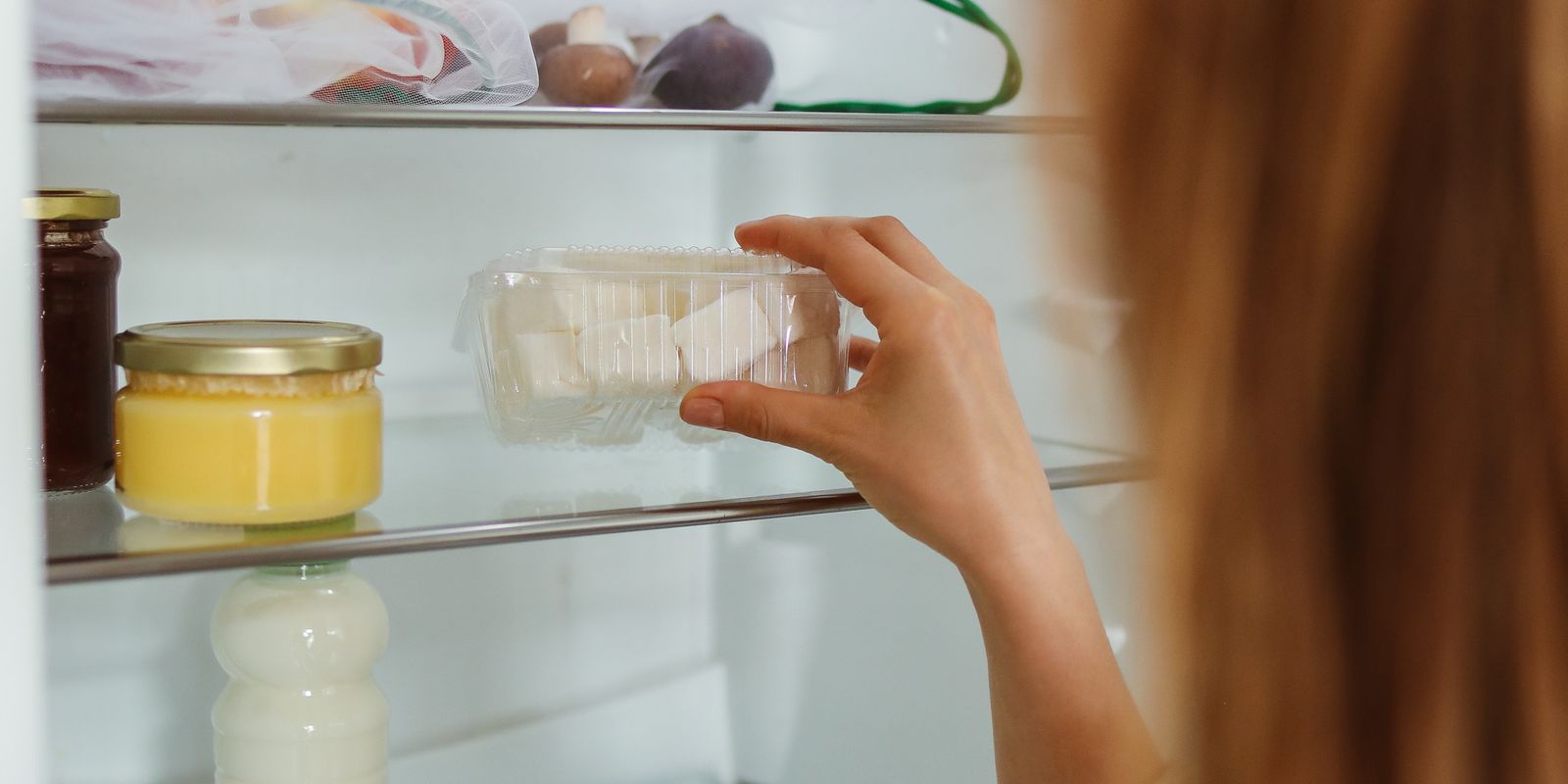
- 40 degrees Fahrenheit. The refrigerator. Keep the fridge at or below 40 degrees and the freezer at or below 0. The FDA recommends an appliance thermometer in each, checked at least once a week, because most people never check.
- 140 degrees Fahrenheit. The top of the danger zone. Between 40 and 140, bacteria multiply quickly. Every other number on this list exists to keep food out of that range.
- 2 hours. The counter limit. Refrigerate perishable food within two hours of it leaving the oven or the refrigerator. After two hours in the danger zone, the CDC and the USDA both say to throw it out.
- 1 hour. The hot day version. If the food has been above 90 degrees, at a picnic or in a hot car, the two hour rule becomes one hour.
- 4 days. The refrigerator limit. The USDA calls the fourth day the last day you can safely eat leftovers. Freeze them inside that window and the clock stops. Frozen food stays safe indefinitely.
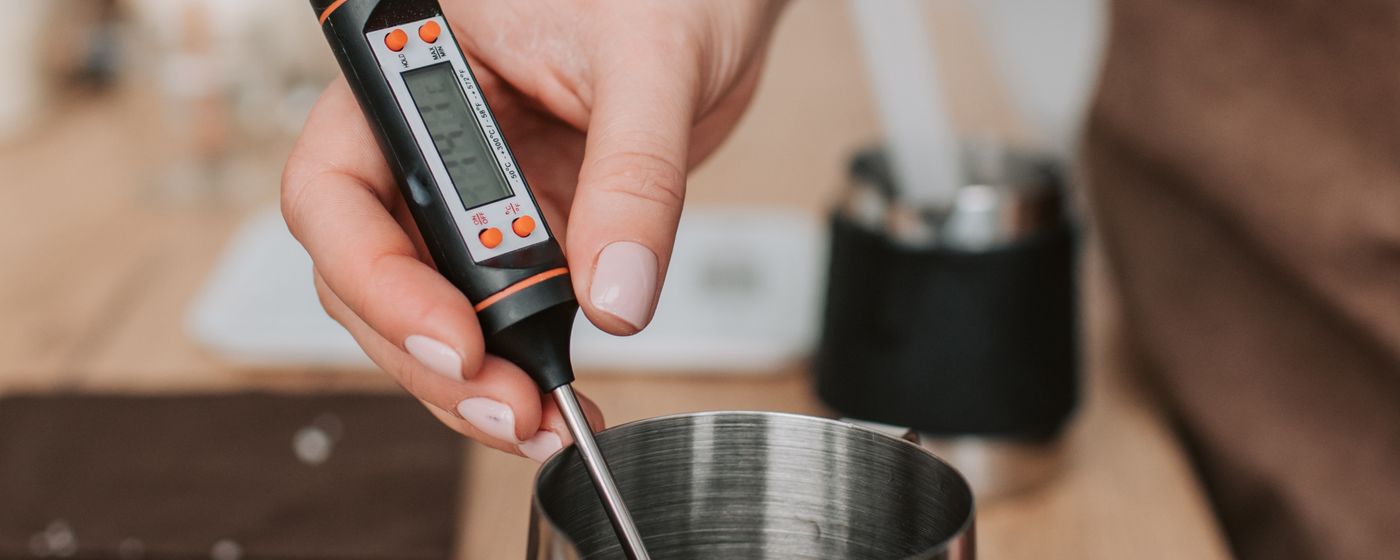
- 165 degrees Fahrenheit. The reheat. Leftovers and casseroles are safely reheated at 165 degrees, measured with a food thermometer in several places rather than judged by steam.
Every one of those numbers is a temperature or a clock. None of them is a smell.
That is the whole point of the system. It works without you tasting anything.
Two Hours Is Shorter Than a Long Sunday Lunch
The two hour rule starts the moment food leaves the oven or the refrigerator, not the moment you finish eating.
A meal that sits out through dessert and conversation has usually spent longer in the danger zone than the person clearing the table realizes.
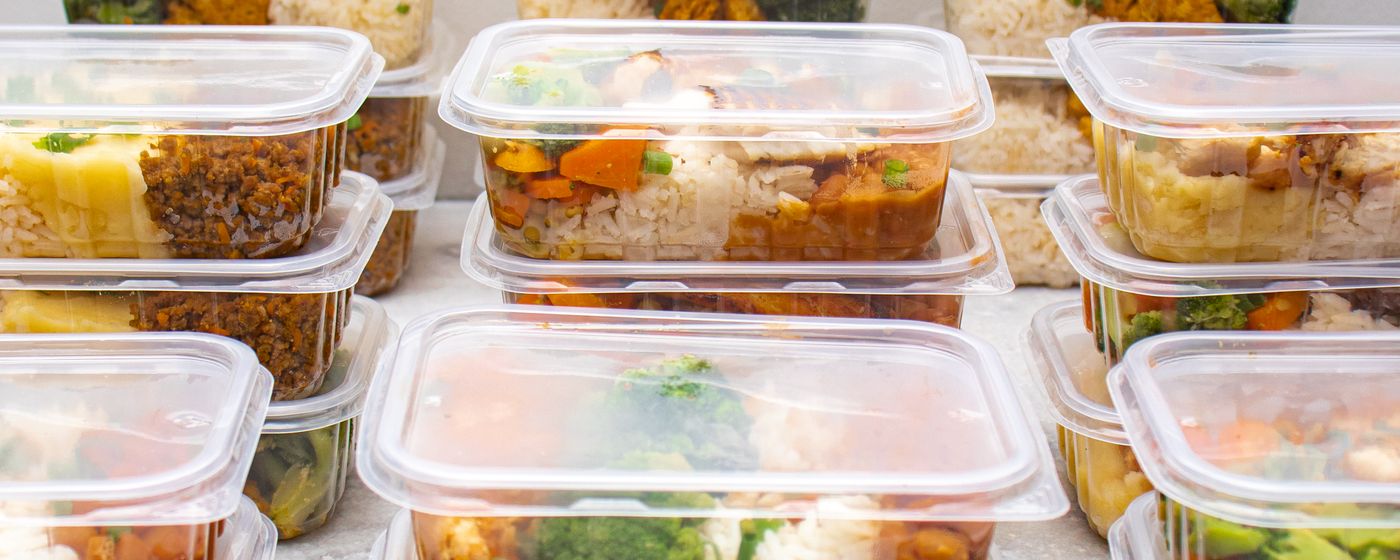
The USDA is specific about the container. Store leftovers in small, shallow containers, because shallow ones cool faster than large ones.
The Centers for Disease Control and Prevention adds that it is fine to put small portions of hot food straight into the refrigerator. Waiting for food to cool on the counter is the mistake, not the fix.
After two hours, perishable food enters the Danger Zone (between 40 to 140 degrees Fahrenheit) where bacteria can multiply quickly and cause the food to become unsafe.
Take the six numbers with you
One printable sheet for the fridge door: the temperatures, the clock, the four day limit and the reheat number. Free, unlocked right here.
Enter your email to unlock your plan
Your 1-page leftovers plan, unlocked right here.
Your plan is ready
Download or print it below. Save it anywhere.
⬇ Download your plan (PDF)What to Throw Out After the Power Goes Off
The U.S. Food and Drug Administration gives two numbers for an outage. An unopened refrigerator holds food cold for about four hours. A full freezer holds an adequate temperature for about 48 hours if the door stays shut.
When the power returns, the thermometer decides. Appearance and odor do not.
Frozen food that still has ice crystals, or reads 40 degrees or below, is safe to refreeze or cook. Refrigerated perishables that sat above 40 degrees for four hours or more get thrown away.
Reheating has its own number. The CDC puts leftovers and casseroles at 165 degrees, checked with a thermometer in several places after resting, because microwaves leave cold spots.
Three Kitchen Beliefs That Get People Sick
Three corrections worth carrying to the refrigerator door.
If it smells fine, it is fine. The FDA says directly that food can make you very sick even when it does not look, smell or taste spoiled. The bacteria that cause illness are not the ones that cause spoilage, and the dangerous ones leave no signal. Mold is a spoilage sign and moldy food should be discarded, but no mold proves nothing.
The use by date is a safety date. It is not. The FDA describes a use by date as the manufacturer's recommendation for best flavor or quality, and says a product may be safe long after it. Infant formula is the one exception, and it must be used by the printed date.
Rinsing raw chicken makes it safer. It does the opposite. The CDC says raw chicken is ready to cook and does not need washing, because washing spreads germs to other foods, the sink and the counter. Cook it to 165 instead.
To your health,
Ageless Coach
Age Strong. Live Long.
This article is education, not medical advice. Food poisoning with a high fever, blood in the stool, vomiting that will not stop or signs of dehydration is a reason to call a doctor rather than wait it out.