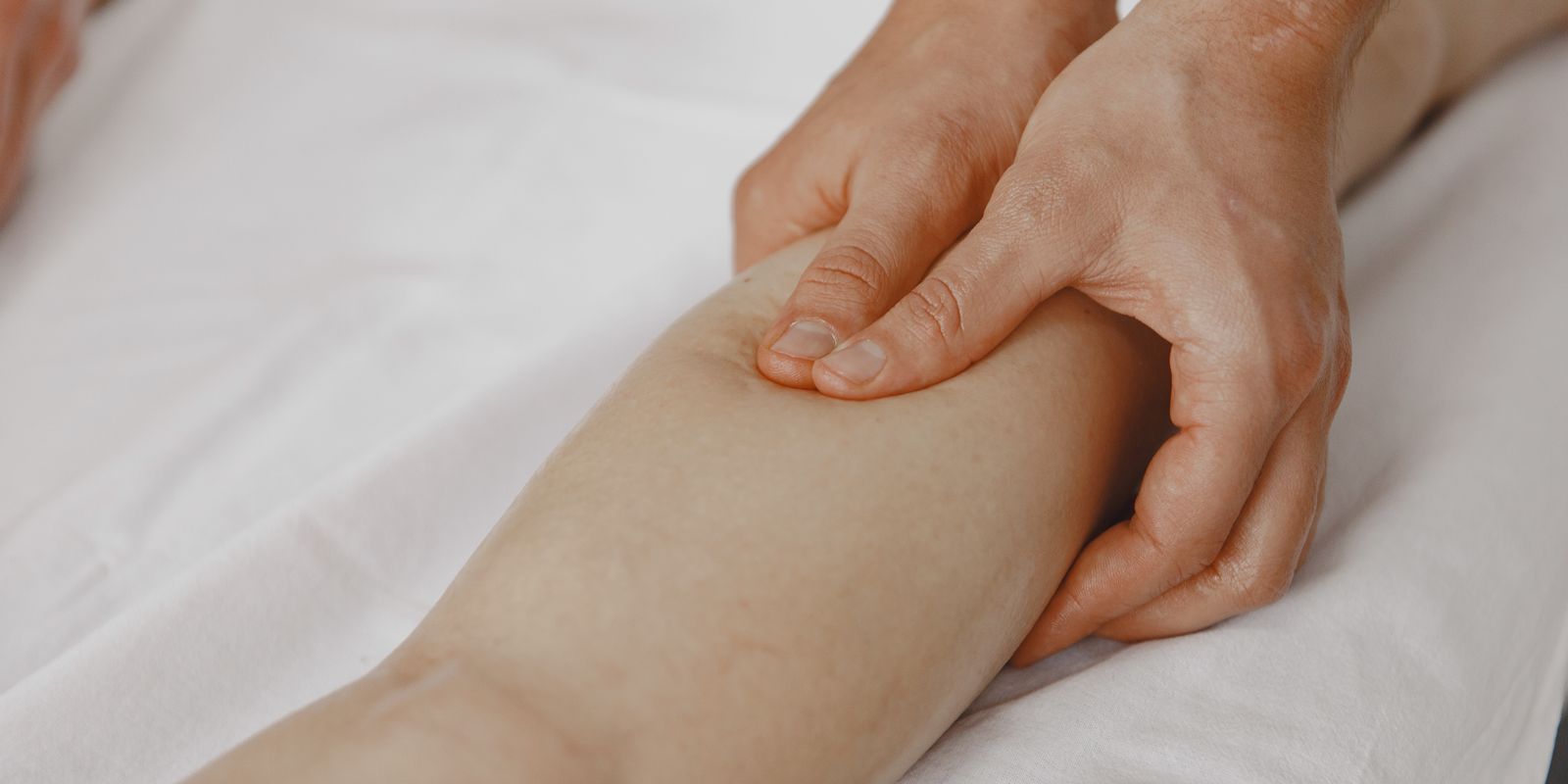
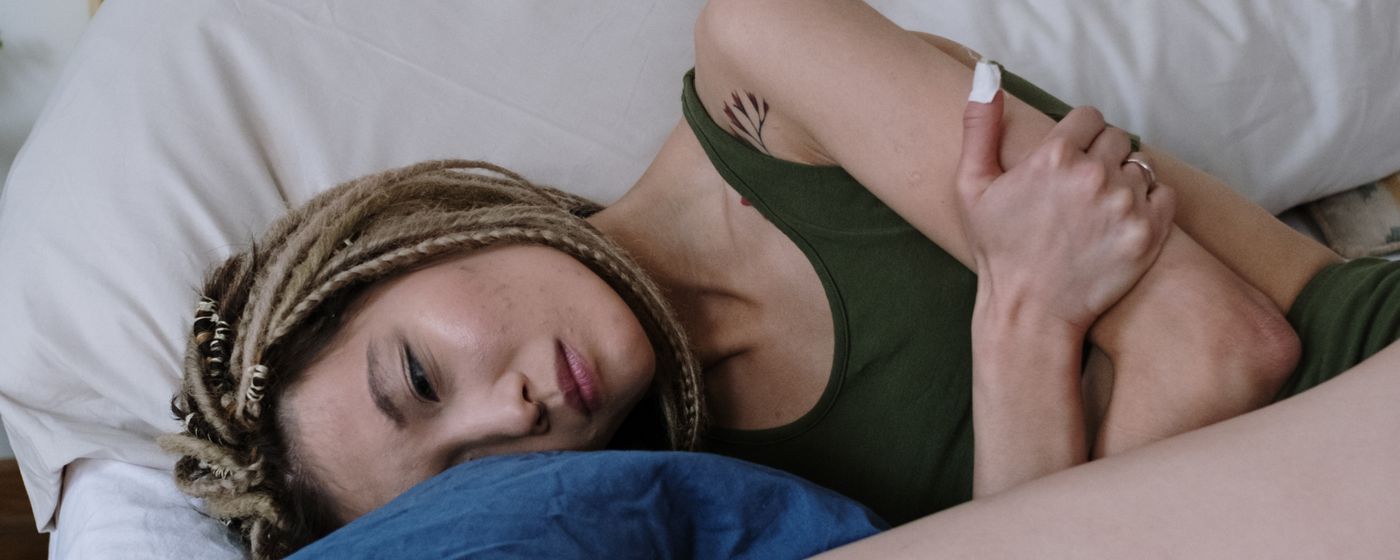
<style>:root{--dark-base:#0D1B2A;--dark-mid:#1B3A4B;--teal:#0EA5A0;--teal-dark:#0C8C88;--teal-bright:#14D4CD;--fog:#D8E8E8;--deep-fog:#C8DCDC;--fog-border:#A8C4C4;--ink:#313743;--ink-soft:#49505f;--muted:#6b7280;--warm:#9A6841;--warm-light:#be7b4c;--serif:"Source Serif 4",Georgia,serif;--sans:Inter,-apple-system,BlinkMacSystemFont,"Segoe UI",sans-serif}.acv-root .acv-dek{font:500 19px/1.55 var(--sans);color:var(--ink-soft);margin:0 0 14px}.acv-root .acv-dek b{color:var(--teal-dark)}.acv-root .acv-meta{font:600 13px/1.6 var(--sans);color:var(--muted);margin:14px 0 0;text-align:center}.acv-root .acv-meta .acv-chk{color:var(--teal-dark)}.acv-root .acv-glance{background:linear-gradient(180deg,#F0F7F7,#fff);border:1.5px solid var(--fog-border);border-radius:14px;padding:22px 24px;margin:24px 0 0}.acv-root .acv-glance .acv-gt{font:800 12px/1 var(--sans);letter-spacing:2.5px;text-transform:uppercase;color:var(--teal-dark);margin-bottom:14px}.acv-root .acv-glance .acv-item{font:500 15.5px/1.55 var(--sans);color:var(--ink-soft);padding:0 0 10px 26px;position:relative}.acv-root .acv-glance .acv-item:before{content:"";position:absolute;left:2px;top:7px;width:8px;height:8px;border-radius:50%;background:var(--teal)}.acv-root .acv-glance .acv-item b{color:var(--ink)}.acv-root .acv-glance .acv-s{color:var(--muted);font-size:12.5px}.acv-root .acv-body{margin-top:30px}.acv-root .acv-body p{font-size:20.5px;line-height:1.75;margin:0 0 24px;color:var(--ink-soft)}.acv-root .acv-body p strong{color:var(--ink)}.acv-root .acv-body a{color:var(--teal-dark);font-weight:700;text-decoration:underline;text-decoration-color:rgba(14,165,160,.4);text-underline-offset:3px}.acv-root .acv-dropcap:first-letter{font-family:var(--serif);font-size:64px;font-weight:800;color:var(--dark-mid);float:left;line-height:.9;padding:6px 10px 0 0}.acv-root mark{background:linear-gradient(180deg,transparent 55%,rgba(20,212,205,.35) 55%);color:inherit;padding:0 2px}.acv-root .acv-band{margin:56px 0 24px;padding:26px 22px 12px;background:linear-gradient(180deg,#F0F7F7,#fff);border-radius:16px}.acv-root .acv-band.acv-hype{background:linear-gradient(180deg,#FAF3EB,#fff)}.acv-root .acv-band .acv-inner{display:flex;gap:18px;align-items:center}.acv-root .acv-band .acv-big{font:900 64px/1 var(--sans);color:var(--deep-fog);flex-shrink:0}.acv-root .acv-band.acv-hype .acv-big{color:#EAD9C6}.acv-root .acv-band .acv-q{font:700 13px/1.4 var(--sans);letter-spacing:2px;text-transform:uppercase;color:var(--teal-dark);margin-bottom:6px}.acv-root .acv-band.acv-hype .acv-q{color:var(--warm)}.acv-root .acv-band h3{font-family:var(--serif);font-size:31px;line-height:1.2;font-weight:800;color:var(--ink);margin:0}.acv-root .acv-billboard{background:var(--dark-mid);border-radius:18px;color:#fff;padding:30px 28px;margin:32px 0;text-align:center}.acv-root .acv-billboard .acv-n{font:900 34px/1.2 var(--sans);color:var(--teal-bright);margin-bottom:8px}.acv-root .acv-billboard .acv-d{font:500 16px/1.55 var(--sans);color:#D4E5E5;max-width:480px;margin:0 auto}.acv-root .acv-billboard .acv-c{font:600 12px/1 var(--sans);letter-spacing:1.5px;text-transform:uppercase;color:#8FB3B3;margin-top:12px}.acv-root figure{margin:32px 0}.acv-root figure img{width:100%;border-radius:16px;display:block}.acv-root figcaption{font:600 13.5px/1.5 var(--sans);color:var(--muted);margin:10px 0 0;text-align:center}.acv-root .acv-pullquote{margin:34px 0;text-align:center;padding:0 10px}.acv-root .acv-pullquote p{font-family:var(--serif);font-size:27px;line-height:1.4;color:var(--dark-mid);font-weight:700;margin:0 0 10px}.acv-root .acv-pullquote .acv-who{font:700 12px/1 var(--sans);letter-spacing:2px;text-transform:uppercase;color:var(--warm)}.acv-root .acv-plan{background:linear-gradient(135deg,#fffcf4 0%,#fff8ed 100%);border-left:5px solid var(--teal-dark);border-radius:14px;padding:30px 26px 24px;margin:40px 0 0;box-shadow:0 2px 12px rgba(0,0,0,.06)}.acv-root .acv-plan .acv-ptitle{display:flex;align-items:center;gap:12px;font-family:var(--serif);font-size:26px;font-weight:800;color:var(--ink);margin-bottom:24px}.acv-root .acv-plan .acv-ptitle .acv-ico{font-size:24px;color:var(--teal-dark)}.acv-root .acv-plan .step{display:flex;gap:16px;margin-bottom:20px;align-items:flex-start}.acv-root .acv-plan .acv-n{min-width:38px;width:38px;height:38px;background:var(--teal-dark);border-radius:50%;color:#fff;font:800 17px/38px var(--sans);text-align:center;flex-shrink:0}.acv-root .acv-plan .sh{font:800 16.5px/1.4 var(--sans);color:var(--ink);margin-bottom:3px}.acv-root .acv-plan .sd{font:400 15px/1.6 var(--sans);color:var(--muted)}.acv-root .acv-plan .acv-pdiv{height:1px;background:#E4DECE;margin:26px 0 22px}.acv-root .acv-calbar{display:flex;align-items:center;justify-content:center;gap:12px;width:100%;background:linear-gradient(90deg,var(--teal-dark),var(--teal));color:#fff;border:none;border-radius:12px;padding:17px 20px;font:700 16px/1.3 var(--sans);cursor:pointer;position:relative;box-shadow:0 4px 14px rgba(12,140,136,.25)}.acv-root .acv-calbar i{font-family:var(--serif);font-style:italic;font-weight:600}.acv-root .acv-calbar .acv-qm{position:absolute;right:14px;top:50%;transform:translateY(-50%);width:26px;height:26px;border-radius:50%;background:rgba(255,255,255,.22);font:700 14px/26px var(--sans);text-align:center}.acv-root .acv-opsrow{display:grid;grid-template-columns:repeat(4,1fr);gap:12px;margin-top:14px}@media(max-width:640px){.acv-root .acv-opsrow{grid-template-columns:1fr 1fr}}.acv-root .acv-opsrow button{display:flex;align-items:center;justify-content:center;gap:8px;background:#fff;border:1.5px solid var(--teal);color:var(--teal-dark);border-radius:50px;padding:13px 10px;font:700 14px/1 var(--sans);cursor:pointer;transition:background .15s}.acv-root .acv-opsrow button:hover{background:#F0FAFA}.acv-root .acv-capture{background:linear-gradient(135deg,var(--dark-base),var(--dark-mid));border-radius:18px;padding:32px 30px;margin:50px 0 56px;color:#fff;position:relative;overflow:hidden;box-shadow:0 16px 40px rgba(13,27,42,.25)}.acv-root .acv-cap-grid{display:grid;grid-template-columns:1fr 200px;gap:26px;align-items:center}@media(max-width:600px){.acv-root .acv-cap-grid{grid-template-columns:1fr}.acv-root .acv-chartcard{display:none}}.acv-root .acv-capture h4{font-family:var(--serif);font-size:26px;font-weight:800;margin:0 0 8px}.acv-root .acv-capture .acv-sub{font:500 15.5px/1.55 var(--sans);color:#C9DDDD;margin:0 0 18px}.acv-root .acv-chartcard{background:#fff;border-radius:8px;padding:14px 13px 12px;box-shadow:0 12px 32px rgba(0,0,0,.38);transform:rotate(2deg)}.acv-root .acv-chartcard .acv-ch-mast{font-family:var(--serif);font-weight:800;font-size:11px;color:var(--dark-base);letter-spacing:.4px;border-bottom:3px solid var(--dark-base);padding-bottom:5px}.acv-root .acv-chartcard .acv-ch-sub{font:800 5.5px/1.4 var(--sans);color:var(--muted);letter-spacing:.8px;margin:4px 0 8px}.acv-root .acv-chartcard .acv-ch-cols{display:grid;grid-template-columns:1fr 1fr;gap:8px}.acv-root .acv-chartcard .acv-ch-h{font:900 7.5px/1 var(--sans);letter-spacing:1px;border-radius:3px;padding:4px 5px;margin-bottom:5px;color:#fff}.acv-root .acv-chartcard .acv-ch-h.acv-ok{background:#2E7D5B}.acv-root .acv-chartcard .acv-ch-h.acv-no{background:#B4533A}.acv-root .acv-chartcard .acv-ch-row{height:9px;border-radius:2px;margin:4px 0}.acv-root .acv-chartcard .acv-ch-row.acv-ok{background:#E3F0E9}.acv-root .acv-chartcard .acv-ch-row.acv-no{background:#F6E7E1}.acv-root .acv-chartcard .acv-ch-row.acv-short{width:70%}.acv-root .acv-chartcard .acv-ch-band{height:16px;border-radius:3px;background:var(--fog);margin-top:9px}.acv-root .cap-state{display:none}.acv-root .acv-capture[data-state="trigger"] .st-trigger{display:block}.acv-root .acv-capture[data-state="form"] .st-form{display:block}.acv-root .acv-capture[data-state="sent"] .st-sent{display:block}.acv-root .acv-bigbtn{display:inline-flex;align-items:center;gap:10px;background:var(--teal-bright);color:var(--dark-base);border:none;border-radius:50px;padding:16px 28px;font:800 15.5px/1 var(--sans);cursor:pointer;box-shadow:0 6px 20px rgba(20,212,205,.35)}.acv-root .acv-fine{font:500 12px/1.5 var(--sans);color:#7FA3A3;margin-top:12px}.acv-root .capform{display:flex;gap:10px;max-width:440px}@media(max-width:520px){.acv-root .capform{flex-direction:column}}.acv-root .capform input{flex:1;border:none;border-radius:50px;padding:14px 20px;font:500 15px/1 var(--sans)}.acv-root .capform button{background:var(--teal-bright);color:var(--dark-base);border:none;border-radius:50px;padding:14px 24px;font:800 14px/1 var(--sans);cursor:pointer}.acv-root .acv-sent-check{width:52px;height:52px;border-radius:50%;background:var(--teal-bright);color:var(--dark-base);font:800 26px/52px var(--sans);margin-bottom:12px}.acv-root .dl{display:inline-block;margin-top:6px;color:var(--teal-bright);font:700 15px/1 var(--sans);text-decoration:underline;text-underline-offset:3px;cursor:pointer}.acv-root .acv-sig{margin-top:36px}.acv-root .acv-sig .acv-toyour{font-family:var(--serif);font-size:17px;font-style:italic;color:#777;margin:0 0 8px;padding-left:38px}.acv-root .acv-sig .acv-row{display:flex;align-items:center;gap:10px}.acv-root .acv-sig .acv-glyph{width:30px;height:30px;flex-shrink:0}.acv-root .acv-sig .acv-name{font-family:var(--serif);font-size:24px;font-weight:700;margin:0;color:var(--ink)}.acv-root .acv-sig .acv-tag{font:700 11px/1 var(--sans);color:var(--warm-light);letter-spacing:2.5px;text-transform:uppercase;margin:6px 0 0 40px}.acv-root .acv-trust{margin-top:30px;padding-top:22px;border-top:1px solid #e5e7eb;text-align:center}.acv-root .acv-trust .acv-t{font:700 13px/1 var(--sans);color:var(--muted);letter-spacing:2px;text-transform:uppercase;margin-bottom:16px}.acv-root .acv-trust a{display:inline-block;background:#fff;border:1.5px solid var(--warm);color:var(--warm);padding:8px 20px;border-radius:20px;font:600 14px/1 var(--sans);text-decoration:none;margin:0 4px 8px}.acv-root .acv-body p.acv-disclaimer{font-family:var(--serif);font-size:16px;font-style:italic;color:#999;margin:24px 0 0;line-height:1.5;text-align:center}.acv-root .acv-faq{margin-top:40px;border-top:1px solid #e5e7eb;padding-top:30px}.acv-root .acv-faq h2{font-family:var(--serif);font-size:23px;font-weight:800;margin:0 0 18px}.acv-root .acv-faq details{border:1px solid #e5e7eb;border-radius:10px;margin-bottom:10px;overflow:hidden}.acv-root .acv-faq summary{padding:15px 18px;font:700 16px/1.4 var(--sans);cursor:pointer;list-style:none;display:flex;justify-content:space-between;gap:12px;align-items:center}.acv-root .acv-faq summary:after{content:"\25BE";color:var(--warm)}.acv-root .acv-faq .acv-a{padding:0 18px 16px;font-size:17px;line-height:1.65;color:#555}.acv-root .acv-secondary{margin-top:26px;background:#fff;border:1.5px dashed var(--fog-border);border-radius:12px;padding:18px 20px;text-align:center;font:500 15px/1.6 var(--sans);color:var(--ink-soft)}.acv-root .acv-secondary a{color:var(--teal-dark);font-weight:700}.acv-root .acv-body ol.acv-signlist{list-style:none;margin:0 0 24px;padding:0;counter-reset:sgn}.acv-root .acv-body ol.acv-signlist li{position:relative;padding:0 0 15px 48px;font-size:19px;line-height:1.6;color:var(--ink-soft);counter-increment:sgn}.acv-root .acv-body ol.acv-signlist li:before{content:counter(sgn);position:absolute;left:0;top:1px;width:32px;height:32px;border-radius:50%;background:var(--teal-dark);color:#fff;font:800 15px/32px var(--sans);text-align:center}.acv-root .acv-body ol.acv-signlist li b{color:var(--ink)}.acv-root .acv-opsrow{grid-template-columns:repeat(3,1fr)}@media(max-width:640px){.acv-root .acv-opsrow{grid-template-columns:1fr 1fr}}</style><div class="acv-root"><p class="acv-dek">Up to 60 percent of adults get leg cramps at night, and about three out of four reported cramps happen after dark. Stretching the muscle is the fastest thing that works. The old remedy in the cupboard carries a boxed warning.</p><p class="acv-meta">Ageless Coach Editorial Team · August 31, 2026</p><div class="acv-glance"><div class="acv-gt">In 30 Seconds</div><div class="acv-item"><b>Up to 60 percent of adults get them.</b> Cleveland Clinic reports that up to 60 percent of adults get leg cramps at night, and up to 40 percent of children and teenagers. <span class="acv-s">Cleveland Clinic</span></div><div class="acv-item"><b>About 3 in 4 cramps happen at night.</b> About three out of four reported cases happen at night, and the odds climb with age because tendons naturally shorten. <span class="acv-s">Cleveland Clinic</span></div><div class="acv-item"><b>The FDA logged 93 deaths tied to quinine.</b> Between 1969 and 2006 the FDA received 665 adverse event reports, including 93 deaths, linked to quinine sulfate, much of it sold off label for cramps. <span class="acv-s">U.S. Food and Drug Administration</span></div></div><div class="acv-body"><p class="acv-dropcap">The fastest way to stop a leg cramp is to straighten the leg and pull your toes toward your shin.</p><p>A cramp is an involuntary muscle contraction. It lasts seconds to minutes, usually in the calf, and the muscle stays sore for hours after it lets go.</p><p>Here are the eight things to do the moment one strikes, the stretch that prevents the next one, and the one old remedy that never belonged on the list.</p><div class="acv-band"><div class="acv-inner"><div class="acv-big">1</div><div><div class="acv-q">The Fix</div><h3>Eight Things to Do the Moment It Strikes</h3></div></div></div><p><a href="https://my.clevelandclinic.org/health/diseases/14170-leg-cramps" target="_blank" rel="noopener">Cleveland Clinic</a> lists eight steps for getting rid of a leg cramp while it is happening.</p><p>There is no injection and no instant cure. These are the moves that shorten it.</p><ol class="acv-signlist"><li><b>Stretch the muscle first.</b> Straighten your leg and flex it, pulling your toes toward your shin. For a thigh cramp, pull that foot toward your buttock and hold a chair.</li><li><b>Massage the area.</b> Use your hands or a roller on the cramped muscle. Cleveland Clinic pairs this with the stretch rather than offering it as an alternative.</li><li><b>Stand up.</b> Get out of bed and press both feet flat against the floor. Your own weight does part of the stretching for you.</li><li><b>Walk it off.</b> Wiggle the leg while you walk around the room. Movement helps the muscle let go.</li><li><b>Apply heat.</b> A heating pad or a warm bath relaxes the muscle. Keep the pad within reach of the bed so you are not hunting for it at 2am.</li><li><b>Apply cold.</b> Wrap a bag of ice in a towel and hold it against the area. Mayo Clinic suggests massaging the muscle with ice, which does both at once.</li><li><b>Take a pain reliever if it is still sore.</b> Ibuprofen or acetaminophen helps with the ache that lingers after the contraction ends. It does nothing for the cramp.</li><li><b>Elevate the leg.</b> Prop it up once the cramp starts to ease. This is the last step on the list, not the first one.</li></ol><div class="acv-billboard"><div class="acv-n">3 out of 4</div><div class="acv-d">About three out of four reported cases of leg cramps happen at night, and up to 60 percent of adults get them.</div><div class="acv-c">Source: Cleveland Clinic</div></div><p>Notice what is not on that list. No pill stops a cramp that is already happening.</p><p>Every step is mechanical. Lengthen the muscle, warm or cool it, move it, then rest it.</p><div class="acv-band"><div class="acv-inner"><div class="acv-big">2</div><div><div class="acv-q">The Night</div><h3>Why the Calf Seizes When You Are Lying Still</h3></div></div></div><p>Most night cramps have no known cause. <a href="https://www.mayoclinic.org/symptoms/night-leg-cramps/basics/causes/sym-20050813" target="_blank" rel="noopener">Mayo Clinic</a> says they are likely the result of tired muscles and nerve issues, and that the risk rises with age.</p><p>Cleveland Clinic adds the mechanical reason age matters. Tendons naturally shorten over the years, which leaves less slack in the calf.</p><figure><img src="https://images.pexels.com/photos/6542696/pexels-photo-6542696.jpeg?auto=compress&cs=tinysrgb&w=1400&h=560&fit=crop" alt="A woman lying awake in bed at night with her eyes closed and her arms folded"><figcaption>About three out of four reported leg cramps happen at night, and the muscle stays sore for the rest of it.</figcaption></figure><p>The everyday triggers are ordinary. Long sitting, standing on concrete floors, overusing the muscle, and poor posture during the day.</p><p>There is also a list worth knowing. Kidney failure, diabetic nerve damage, thyroid disease and peripheral artery disease can all cause night cramps, and statins, diuretics, gabapentin and naproxen carry cramps as a side effect.</p><div class="acv-pullquote"><p>Most of the time, there's no known cause for night leg cramps. In general, they're likely the result of tired muscles and nerve issues.</p><div class="acv-who">Mayo Clinic</div></div><div class="acv-capture ac-capture" data-state="trigger" id="cap" data-article-slug="leg-cramps-at-night-8-ways-to-stop-one-and-why-quinine-is-not-on-the-list" data-pdf-url="https://cdn.prod.website-files.com/69be1026a027224999b7936b/6a957974c89cfcc4b3995c30_leg-cramps-at-night-8-ways-to-stop-one-and-why-quinine-is-not-on-the-list-plan.pdf" data-plan-title="The Leg Cramp Plan" data-plan-desc="The eight steps that stop a cramp while it is happening, the five minute wall stretch that prevents the next one, and the medicines worth asking about. Checked against Cleveland Clinic, Mayo Clinic and the FDA."><div class="st-trigger cap-state"><div class="acv-cap-grid"><div><h4>Take the eight steps with you</h4><p class="acv-sub">One printable sheet: what to do the moment a cramp strikes, the prevention stretch, and the questions for your provider. Free, unlocked right here.</p><button class="acv-bigbtn" type="button" data-cap="form">📄 Print My Plan (Free PDF)</button><div class="acv-fine">Joins the free weekly Ageless Brief. Unsubscribe anytime.</div></div><div class="acv-chartcard" aria-hidden="true"><div class="acv-ch-mast">LEG CRAMPS AT NIGHT: STOP ONE, PREVENT THE NEXT</div><div class="acv-ch-sub">AGELESS COACH · CHECKED AGAINST CLEVELAND · MAYO · FDA</div><div class="acv-ch-cols"><div class="acv-ch-col"><div class="acv-ch-h acv-ok">✓ DO THIS</div><div class="acv-ch-row acv-ok"></div><div class="acv-ch-row acv-ok acv-short"></div><div class="acv-ch-row acv-ok"></div><div class="acv-ch-row acv-ok acv-short"></div></div><div class="acv-ch-col"><div class="acv-ch-h acv-no">✗ DO NOT</div><div class="acv-ch-row acv-no"></div><div class="acv-ch-row acv-no acv-short"></div><div class="acv-ch-row acv-no"></div><div class="acv-ch-row acv-no acv-short"></div></div></div><div class="acv-ch-band"></div></div></div></div><div class="st-form cap-state"><h4>Enter your email to unlock your plan</h4><p class="acv-sub">Your 1-page leg cramp plan, unlocked right here.</p><form class="capform"><input type="email" name="email" placeholder="Your email address" aria-label="Email address" required><button type="submit">Unlock My Plan (Free)</button></form><div class="acv-fine">No spam. One short evidence brief each week. Unsubscribe anytime.</div></div><div class="st-sent cap-state"><div class="acv-sent-check">✓</div><h4>Your plan is ready</h4><p class="acv-sub">Download or print it below. Save it anywhere.</p><a class="dl" href="https://cdn.prod.website-files.com/69be1026a027224999b7936b/6a957974c89cfcc4b3995c30_leg-cramps-at-night-8-ways-to-stop-one-and-why-quinine-is-not-on-the-list-plan.pdf" download>⬇ Download your plan (PDF)</a><div class="acv-fine">Your first Ageless Brief arrives this week: one study, translated, no hype.</div></div></div><div class="acv-band"><div class="acv-inner"><div class="acv-big">3</div><div><div class="acv-q">The Prevention</div><h3>The Wall Stretch That Works While You Sleep</h3></div></div></div><p>Cleveland Clinic gives a specific calf stretch for prevention, and the instructions are worth following exactly.</p><p>Stand about three feet from a wall. Lean forward and touch it with your arms outstretched, keeping your feet flat. Count to five, then repeat for at least five minutes, three times a day.</p><figure><img src="https://images.pexels.com/photos/5310884/pexels-photo-5310884.jpeg?auto=compress&cs=tinysrgb&w=1400&h=560&fit=crop" alt="A person in blue leggings stretching a raised leg against a metal rail outdoors"><figcaption>Cleveland Clinic recommends stretching the calves before and after exercise, and again before sleep.</figcaption></figure><div class="acv-billboard"><div class="acv-n">5 minutes</div><div class="acv-d">Cleveland Clinic's prevention stretch runs at least five minutes a session, three times a day, about three feet from a wall.</div><div class="acv-c">Source: Cleveland Clinic</div></div><p>The rest of the prevention list is dull and it works. Mild walking or biking before bed, eight glasses of water a day, less alcohol and caffeine, and supportive shoes.</p><p>Mayo Clinic adds one detail nobody thinks of. Loosen the sheets and blankets at the foot of the bed so they are not holding your toes pointed all night.</p><div class="acv-band acv-hype"><div class="acv-inner"><div class="acv-big">✗</div><div><div class="acv-q">The Debunk</div><h3>Three Leg Cramp Beliefs Worth Dropping Tonight</h3></div></div></div><p>Three corrections worth carrying to the medicine cabinet.</p><p><strong>Quinine is the classic cure.</strong> It carries a boxed warning for exactly this use. The <a href="https://www.fda.gov/drugs/enforcement-activities-fda/unapproved-drugs-and-patient-harm" target="_blank" rel="noopener">U.S. Food and Drug Administration</a> received 665 adverse event reports between 1969 and 2006, including 93 deaths, tied to quinine sulfate, much of it marketed off label to relieve leg cramps. The approved drug today is for malaria only, and its boxed warning is about using it for nocturnal leg cramps.</p><p><strong>There is a pill that prevents them.</strong> Cleveland Clinic is blunt. There are no recommended medications that prevent leg cramps 100 percent of the time. A few show a little evidence, including magnesium and a vitamin B complex, and each belongs in a conversation with your provider rather than a shopping cart.</p><p><strong>A cramp and restless legs are the same thing.</strong> They are not, and the difference is the pain. Restless legs is a crawling urge to move that eases when you move. A cramp is a clenched muscle that hurts, lasts seconds to minutes, and leaves the leg sore for hours.</p><div class="acv-plan ac-plan" id="coach-recommendations"><div class="acv-ptitle"><span class="acv-ico">📋</span>Your Coach's Recommendations</div><div class="step"><div class="acv-n">1</div><div><div class="sh">Stretch your calves for five minutes before bed.</div><div class="sd">Stand about three feet from a wall, lean in with arms outstretched and feet flat, and count to five. Cleveland Clinic recommends at least five minutes per session and three sessions a day, one of them right before sleep.</div></div></div><div class="step"><div class="acv-n">2</div><div><div class="sh">Keep a heating pad and a roller beside the bed.</div><div class="sd">Cleveland Clinic lists preparing your bed space as a prevention step, because 2am is not the moment to go looking. Loosen the sheets at the foot of the bed while you are there.</div></div></div><div class="step"><div class="acv-n">3</div><div><div class="sh">Take your medication list to your next appointment.</div><div class="sd">Statins, diuretics, gabapentin and naproxen carry leg cramps as a side effect. Cleveland Clinic says to weigh the medication against the side effect with your provider rather than stopping anything yourself.</div></div></div><div class="acv-pdiv"></div><button class="acv-calbar" type="button" data-ac-cal>📅 Add <i>Your Coach's Recommendations</i> to Your Calendar <span class="acv-qm">?</span></button><div class="acv-opsrow"><button type="button" data-ac-share>⇮ Share</button><button type="button" data-ac-savepdf>📄 Save PDF</button><button type="button" data-ac-print>🖨 Print</button></div></div><div class="acv-sig"><p class="acv-toyour">To your health,</p><div class="acv-row"><svg class="acv-glyph" viewBox="0 0 40 40" aria-hidden="true"><circle cx="20" cy="20" r="18" fill="none" stroke="#0D1B2A" stroke-width="3"/><path d="M13 28 L20 11 L27 28 M16 22 H24" fill="none" stroke="#0D1B2A" stroke-width="3" stroke-linecap="round" stroke-linejoin="round"/></svg><p class="acv-name">Ageless Coach</p></div><p class="acv-tag">Age Strong. Live Long.</p></div><div class="acv-trust"><div class="acv-t">Trusted Sources Behind This Article</div><a href="https://my.clevelandclinic.org/health/diseases/14170-leg-cramps" target="_blank" rel="noopener">Cleveland Clinic</a><a href="https://www.mayoclinic.org/symptoms/night-leg-cramps/basics/causes/sym-20050813" target="_blank" rel="noopener">Mayo Clinic</a><a href="https://www.fda.gov/drugs/enforcement-activities-fda/unapproved-drugs-and-patient-harm" target="_blank" rel="noopener">U.S. Food and Drug Administration</a></div><p class="acv-disclaimer">This article is education, not medical advice. A cramp lasting longer than 10 minutes, or one with swelling, numbness or skin changes on the leg, needs medical attention rather than another stretch.</p><div class="acv-faq"><h2>Frequently Asked Questions</h2><details><summary>How do I stop a leg cramp fast in the middle of the night?</summary><div class="acv-a">Straighten the leg and pull your toes toward your shin. Cleveland Clinic puts stretching first on its list of eight, followed by massage, standing with your feet flat on the floor, and walking. Heat, cold, a pain reliever and elevating the leg come after.</div></details><details><summary>Why do my legs cramp at night and not during the day?</summary><div class="acv-a">About three out of four reported leg cramps happen at night, when you are least active. Mayo Clinic says most have no known cause and are likely the result of tired muscles and nerve issues. Cleveland Clinic adds that tendons shorten with age, which is why the odds rise.</div></details><details><summary>Is it safe to take quinine for leg cramps?</summary><div class="acv-a">No, and the FDA has said so with a boxed warning. Between 1969 and 2006 the agency logged 665 adverse event reports including 93 deaths tied to quinine sulfate, much of it sold off label for cramps. The approved product today is for malaria.</div></details><details><summary>Does magnesium actually help with leg cramps?</summary><div class="acv-a">Cleveland Clinic lists magnesium and a vitamin B complex among the things some experts recommend, while stating plainly that no vitamin is likely to help 100 percent of the time. Ask your provider rather than assume.</div></details><details><summary>When should I worry about leg cramps?</summary><div class="acv-a">See a provider if cramps are unbearably painful, frequent or long lasting, or if they keep waking you, and especially alongside swelling, numbness, skin changes or cramps elsewhere. Cleveland Clinic says to go to the emergency room if a cramp lasts longer than 10 minutes.</div></details><details><summary>Can my medication be causing my leg cramps?</summary><div class="acv-a">It can. Cleveland Clinic names statins, diuretics, gabapentin, pregabalin, naproxen, celecoxib, zolpidem and two common antidepressants among the drugs that list leg cramps as a side effect. Work through the trade off with your provider rather than stopping a prescription yourself.</div></details></div><div class="acv-secondary">Wondering where you stand overall? <a href="/#assessment">Take the free 5-minute Healthspan Snapshot</a> and see your strongest and weakest of six dimensions.</div></div></div>