<style>
.ac-int-b{--dark-base:#0D1B2A;--dark-mid:#1B3A4B;--teal:#0EA5A0;--teal-dark:#0C8C88;--teal-bright:#14D4CD;--fog:#D8E8E8;--deep-fog:#C8DCDC;--fog-border:#A8C4C4;--ink:#313743;--ink-soft:#49505f;--muted:#6b7280;--warm:#9A6841;--serif:"Source Serif 4",Georgia,serif;--sans:Inter,-apple-system,"Segoe UI",sans-serif}
.ac-int-b *{box-sizing:border-box}.ac-int-b html{scroll-behavior:smooth}
.ac-int-b body{margin:0;background:#fff;color:var(--ink);font-family:var(--sans);-webkit-font-smoothing:antialiased}
.ac-int-b .nv{position:sticky;top:0;z-index:900;background:var(--dark-base);padding:13px 0}
.ac-int-b .wrap{max-width:820px;margin:0 auto;padding:26px 20px 60px}
.ac-int-b .trust{display:flex;flex-wrap:wrap;gap:8px 18px;align-items:center;background:linear-gradient(180deg,#F0F7F7,#fff);border:1px solid var(--fog-border);border-radius:12px;padding:11px 16px;margin:0 0 22px}
.ac-int-b .trust .it{display:flex;align-items:center;gap:7px;font:700 12.5px/1.3 var(--sans);color:var(--dark-mid)}
.ac-int-b .trust .it svg{width:15px;height:15px;color:var(--teal-dark);flex-shrink:0}
.ac-int-b .trust .dis{font:500 12px/1.4 var(--sans);color:var(--muted);margin-left:auto}
.ac-int-b .trust .dis a{color:var(--teal-dark);font-weight:700}
.ac-int-b .kicker{display:inline-block;background:#fff;border:1.5px solid var(--fog-border);color:var(--dark-mid);font:700 11px/1 var(--sans);letter-spacing:1.5px;padding:7px 13px;border-radius:20px;text-transform:uppercase;margin-bottom:14px}
.ac-int-b h1{font-family:var(--serif);font-size:40px;line-height:1.15;font-weight:800;color:var(--ink);margin:0 0 14px}
.ac-int-b .lead{font-size:18px;color:var(--muted);margin:0 0 26px;line-height:1.6}
.ac-int-b p{font-size:18.5px;line-height:1.7;color:var(--ink-soft);margin:0 0 20px}
.ac-int-b p strong{color:var(--ink)}
.ac-int-b p a{color:var(--teal-dark);font-weight:700;text-decoration:underline;text-decoration-color:rgba(14,165,160,.4);text-underline-offset:3px}
.ac-int-b .pick{position:relative;border:2px solid var(--teal);border-radius:16px;box-shadow:0 10px 30px rgba(13,27,42,.10);padding:22px 24px 18px;margin:8px 0 12px;background:linear-gradient(180deg,#F0F7F7,#fff)}
.ac-int-b .pick .rib{position:absolute;top:-13px;left:22px;background:var(--teal-dark);color:#fff;font:800 11.5px/1 var(--sans);letter-spacing:2px;text-transform:uppercase;padding:8px 15px;border-radius:20px}
.ac-int-b .pick .row{display:flex;gap:20px;align-items:center}
.ac-int-b .pick .pimg{width:130px;height:100px;flex-shrink:0;border-radius:10px;background:linear-gradient(135deg,var(--fog),var(--deep-fog));display:flex;align-items:center;justify-content:center;text-align:center;color:#3A5555;font:600 9.5px/1.35 var(--sans);padding:7px}
.ac-int-b .pick h2{font-family:var(--serif);font-size:24px;line-height:1.15;font-weight:800;color:var(--dark-base);margin:0 0 6px}
.ac-int-b .pick .why{font:600 14.5px/1.5 var(--sans);color:var(--ink);margin:0 0 12px}
.ac-int-b .pick .cta{display:inline-flex;align-items:center;gap:8px;background:var(--teal-dark);color:#fff;font:800 15px/1 var(--sans);padding:14px 26px;border-radius:50px;text-decoration:none;box-shadow:0 8px 20px rgba(12,140,136,.28)}
.ac-int-b .pending{display:block;color:#4E6B6B;font:500 11.5px/1.5 var(--sans);margin:8px 0 0;letter-spacing:.01em}
.ac-int-b .pick .ftc{font:500 12px/1.6 var(--sans);color:var(--muted);margin:12px 0 0}
.ac-int-b .pick .ftc a{color:var(--teal-dark);font-weight:600}
.ac-int-b .cmp{border:1.5px solid var(--fog-border);border-radius:16px;overflow:hidden;margin:30px 0 8px;box-shadow:0 8px 26px rgba(13,27,42,.08)}
.ac-int-b .cmp .chead{background:var(--dark-base);color:#fff;padding:16px 22px;font:800 14px/1.3 var(--sans);letter-spacing:1.5px;text-transform:uppercase}
.ac-int-b .cmp table{width:100%;border-collapse:collapse}
.ac-int-b .cmp th,.ac-int-b .cmp td{padding:13px 13px;font:500 14px/1.5 var(--sans);color:var(--ink-soft);border-bottom:1px solid #E9F1F1;text-align:left;vertical-align:top}
.ac-int-b .cmp th{font-weight:800;color:var(--dark-mid);background:#F4FAFA;font-size:12.5px;letter-spacing:.3px}
.ac-int-b .cmp td.name{font-weight:800;color:var(--dark-mid);white-space:nowrap}
.ac-int-b .cmp td.name.pick{color:var(--dark-mid);background:#E9F7F6;border:none;border-radius:0;box-shadow:none;padding:13px 13px;margin:0;position:static}
.ac-int-b .cmp td.name.pick:before{content:"OUR PICK";display:block;width:max-content;background:var(--teal-bright);color:var(--dark-base);font:800 10px/1 var(--sans);letter-spacing:1.2px;padding:4px 9px;border-radius:20px;margin-bottom:7px}
.ac-int-b .cmp tr.rec td{background:#E9F7F6}
.ac-int-b .cmp td.win{font-weight:700;color:var(--dark-mid)}
.ac-int-b .cmp tr:last-child td{border-bottom:none}
.ac-int-b .legend{font:500 12.5px/1.5 var(--sans);color:var(--muted);margin:8px 2px 0}
.ac-int-b h3.sec{font-family:var(--serif);font-size:25px;font-weight:800;color:var(--ink);margin:40px 0 12px}
.ac-int-b .crit{display:grid;grid-template-columns:1fr 1fr;gap:12px;margin:16px 0}
.ac-int-b .crit .c{background:linear-gradient(180deg,#F0F7F7,#fff);border:1px solid var(--fog-border);border-radius:12px;padding:15px 17px}
.ac-int-b .crit .c .t{font:800 13.5px/1.3 var(--sans);color:var(--dark-mid);margin-bottom:5px}
.ac-int-b .crit .c .d{font:500 13.5px/1.5 var(--sans);color:var(--ink-soft)}
.ac-int-b .callout{border-left:4px solid var(--teal);background:#F4FAFA;border-radius:0 12px 12px 0;padding:18px 22px;margin:24px 0}
.ac-int-b .callout .n{font:800 17px/1.35 var(--sans);color:var(--dark-mid);margin-bottom:6px}
.ac-int-b .callout .d{font:500 15px/1.55 var(--sans);color:var(--ink-soft)}
.ac-int-b .objs{margin:14px 0 0}
.ac-int-b .objs details{border:1px solid #e5e7eb;border-radius:10px;margin-bottom:10px}
.ac-int-b .objs summary{padding:15px 18px;font:700 15.5px/1.4 var(--sans);color:var(--ink);cursor:pointer;display:flex;justify-content:space-between;gap:12px;list-style:none}
.ac-int-b .objs summary::-webkit-details-marker{display:none}
.ac-int-b .objs summary:after{content:"\25BE";color:var(--teal-dark)}
.ac-int-b .objs .a{padding:0 18px 16px;font-size:15.5px;line-height:1.6;color:#555}
.ac-int-b .plan{background:linear-gradient(135deg,#F4FAFA,#fff);border-left:5px solid var(--teal-dark);border-radius:14px;padding:26px;margin:38px 0 0;box-shadow:0 2px 12px rgba(0,0,0,.06)}
.ac-int-b .plan .pt{font-family:var(--serif);font-size:22px;font-weight:800;color:var(--ink);margin-bottom:18px}
.ac-int-b .plan .step{display:flex;gap:14px;margin-bottom:15px;align-items:flex-start}
.ac-int-b .plan .step .n{min-width:34px;width:34px;height:34px;background:var(--teal-dark);border-radius:50%;color:#fff;font:800 15px/34px var(--sans);text-align:center;flex-shrink:0}
.ac-int-b .plan .sh{font:800 15.5px/1.4 var(--sans);color:var(--ink);margin-bottom:3px}
.ac-int-b .plan .sd{font:400 14.5px/1.55 var(--sans);color:var(--muted)}
.ac-int-b .plan .midcta{border-top:1px solid #D8E8E8;margin-top:14px;padding-top:16px;text-align:center}
.ac-int-b .buy{display:inline-flex;align-items:center;gap:8px;background:var(--teal-dark);color:#fff;font:800 15px/1 var(--sans);padding:14px 26px;border-radius:50px;text-decoration:none}
.ac-int-b .capline{border-top:1px solid #E2ECEC;margin-top:34px;padding:22px 10px 0;text-align:center;font:500 15px/1.6 var(--sans);color:#3A5555}
.ac-int-b .capline a{color:var(--teal-dark);font-weight:700}
.ac-int-b .meta{font:500 12.5px/1.6 var(--sans);color:#98a0a6;text-align:center;margin:26px 0 0}
@media(max-width:600px){.ac-int-b .pick .row{flex-direction:column;align-items:flex-start}.ac-int-b .crit{grid-template-columns:1fr}.ac-int-b h1{font-size:31px}.ac-int-b .cmp th,.ac-int-b .cmp td{padding:10px 9px;font-size:12.5px}}
.ac-int-b .disc{max-width:820px;margin:0 auto;padding:20px 20px 30px;text-align:center;font:500 12.5px/1.6 var(--sans);color:#8a9298}
@media(max-width:600px){
.ac-int-b .cmp table,.ac-int-b .cmp tbody,.ac-int-b .cmp tr,.ac-int-b .cmp td{display:block;width:100%;box-sizing:border-box}
.ac-int-b .cmp tr:first-child{display:none}
.ac-int-b .cmp tr{padding:0 0 13px;border-bottom:6px solid #F4FAFA}
.ac-int-b .cmp tr:last-child{border-bottom:none}
.ac-int-b .cmp td{border-bottom:none;padding:5px 18px;font-size:14.5px;line-height:1.5}
.ac-int-b .cmp td.name{white-space:normal;padding-top:13px;padding-bottom:6px;font-size:15.5px}
.ac-int-b .cmp td[data-l]:before{content:attr(data-l);display:block;font:800 10.5px/1.4 var(--sans);letter-spacing:.8px;text-transform:uppercase;color:var(--muted);margin-bottom:1px}
.ac-int-b .cmp tr.rec{border-left:4px solid var(--teal-dark)}
.ac-int-b .cmp td.name.pick{padding:13px 18px 6px}
}
.ac-int-b .ac-midcap{background:linear-gradient(180deg,#F0F7F7,#fff);border:1.5px solid var(--fog-border);border-radius:16px;padding:22px;margin:30px 0;text-align:center}
.ac-int-b .ac-midcap h4{font-family:var(--serif);font-size:20px;font-weight:800;color:var(--ink);margin:0 0 5px}
.ac-int-b .ac-midcap .sub{font:500 14px/1.55 var(--sans);color:var(--ink-soft);max-width:420px;margin:0 auto 14px}
.ac-int-b .ac-midcap .mcform{display:flex;gap:8px;max-width:400px;margin:0 auto}
.ac-int-b .ac-midcap .mcform input{flex:1;border:1.5px solid var(--fog-border);border-radius:50px;padding:12px 16px;font:500 14px/1 var(--sans);min-width:0}
.ac-int-b .ac-midcap .mcform button{background:var(--teal-dark);color:#fff;border:none;border-radius:50px;padding:12px 18px;font:800 13px/1 var(--sans);cursor:pointer;white-space:nowrap}
.ac-int-b .ac-midcap .fine{font:500 11.5px/1.5 var(--sans);color:var(--muted);margin-top:10px}
@media(max-width:520px){.ac-int-b .ac-midcap .mcform{flex-direction:column}}
.ac-int-b .ac-capture{background:linear-gradient(180deg,#F0F7F7,#fff);border:1.5px solid var(--fog-border);border-radius:16px;padding:30px 28px;margin:26px 0 44px;text-align:center}
.ac-int-b .ac-capture .cap-state{display:none}
.ac-int-b .ac-capture[data-state="trigger"] .st-trigger{display:block}
.ac-int-b .ac-capture[data-state="form"] .st-form{display:block}
.ac-int-b .ac-capture[data-state="sent"] .st-sent{display:block}
.ac-int-b .ac-capture h4{font-family:var(--serif);font-size:24px;font-weight:800;color:var(--ink);margin:0 0 8px}
.ac-int-b .ac-capture .sub{font:500 15px/1.55 var(--sans);color:var(--ink-soft);margin:0 auto 18px;max-width:430px}
.ac-int-b .ac-capture .bigbtn{display:inline-flex;align-items:center;gap:10px;background:var(--teal-dark);color:#fff;border:none;border-radius:50px;padding:16px 30px;font:800 16px/1 var(--sans);cursor:pointer;box-shadow:0 6px 18px rgba(12,140,136,.28)}
.ac-int-b .ac-capture .capform{display:flex;gap:10px;max-width:430px;margin:0 auto}
.ac-int-b .ac-capture .capform input{flex:1;border:1.5px solid var(--fog-border);border-radius:50px;padding:14px 20px;font:500 15px/1 var(--sans)}
.ac-int-b .ac-capture .capform button{background:var(--teal-dark);color:#fff;border:none;border-radius:50px;padding:14px 24px;font:800 14px/1 var(--sans);cursor:pointer}
.ac-int-b .ac-capture .sent-check{width:52px;height:52px;border-radius:50%;background:var(--teal);color:#fff;font:800 26px/52px var(--sans);margin:0 auto 12px}
.ac-int-b .ac-capture .dl{display:inline-block;margin-top:6px;color:var(--teal-dark);font:700 15px/1 var(--sans);text-decoration:underline;cursor:pointer}
.ac-int-b .ac-capture .fine{font:500 12px/1.5 var(--sans);color:var(--muted);margin-top:12px}
@media(max-width:520px){.ac-int-b .ac-capture .capform{flex-direction:column}}
</style>
<div class="ac-int-b">
<div class="wrap">
<p class="lead">Muscle does not leave in a dramatic moment. It leaves in the version of you that takes the lift instead of the stairs, that asks someone else to open the jar, that notices the groceries got heavier without the groceries changing. The decline is real and it is measurable, and there are exactly two things with strong evidence behind slowing it down. Almost everything else sold to you for this is noise. We screened the supplement side of that short list.</p>
<div class="pick">
<div class="rib">★ Our Pick</div>
<h2>Momentous Creatine Monohydrate</h2>
<div class="why">Creatine monohydrate is the only form with the evidence behind it, and this one is a single ingredient at a stated dose, NSF Certified for Sport on every batch, with no loading phase and nothing else in the tub. It supports muscle strength and power when paired with resistance training, which is the pairing that actually matters.</div>
<a class="cta" href="https://www.livemomentous.com/products/creatine-monohydrate?dc=AgelessCoach&mct=pwqwZOO1&utm_source=agelesscoach&utm_medium=intent-article&utm_content=tmpl-B" data-affiliate="momentous" data-template="B" data-code="AgelessCoach" rel="noopener sponsored">Check Current Price at Momentous →</a><span class="pending">Partner link · discount applied automatically at checkout</span>
<p class="ftc">Ageless Coach may earn a commission if you buy through this link, at no extra cost to you. Our pick was set before any partnership. <a href="/partners">How we choose partners</a>.</p>
</div>
<div class="cmp">
<div class="chead">What Actually Slows Muscle Loss, Honestly Compared</div>
<table>
<tr><th>Approach</th><th>What the evidence shows</th><th>Effort</th><th>Cost</th><th>Verdict</th></tr>
<tr class="rec"><td class="name pick">Resistance training</td><td data-l="What the evidence shows" class="win">The single strongest lever. Harvard: without strength training you can expect to lose four to six pounds of muscle per decade</td><td data-l="Effort" class="win">Two sessions a week</td><td data-l="Cost" class="win">Free to low</td><td data-l="Verdict" class="win">Do this first. Nothing replaces it</td></tr>
<tr><td class="name">Enough daily protein</td><td data-l="What the evidence shows">Harvard: 1.0 to 1.2 g per kg is linked to better muscle repair; protein plus heavy resistance exercise produces the most improvement</td><td data-l="Effort">Meal planning</td><td data-l="Cost">Free to moderate</td><td data-l="Verdict">The necessary second half of the pair</td></tr>
<tr><td class="name">Creatine monohydrate</td><td data-l="What the evidence shows">Mayo: older adults who take creatine and do resistance exercise can improve strength. Cleveland Clinic notes research is thinner above 65</td><td data-l="Effort">One scoop daily</td><td data-l="Cost">Low</td><td data-l="Verdict">A real but supporting role, only alongside training</td></tr>
<tr><td class="name">Other creatine forms</td><td data-l="What the evidence shows">Cleveland Clinic: other forms do not appear to have these benefits</td><td data-l="Effort">Same</td><td data-l="Cost">Usually higher</td><td data-l="Verdict">No reason to pay more</td></tr>
<tr><td class="name">Walking alone</td><td data-l="What the evidence shows">Valuable for heart and general health, but it is not resistance and does not carry the muscle evidence</td><td data-l="Effort">Low</td><td data-l="Cost">Free</td><td data-l="Verdict">Keep it, but it is not the muscle answer</td></tr>
</table>
</div>
<p class="legend">Criteria locked at build and verified against <a href="https://www.health.harvard.edu/healthy-aging-and-longevity/a-guide-to-combatting-sarcopenia-and-preserving-muscle-mass-as-you-get-older" target="_blank" rel="noopener">Harvard Health</a>, <a href="https://www.health.harvard.edu/healthy-aging-and-longevity/muscle-loss-and-protein-needs-in-older-adults" target="_blank" rel="noopener">Harvard Health</a>, <a href="https://my.clevelandclinic.org/health/treatments/17674-creatine" target="_blank" rel="noopener">Cleveland Clinic</a>, <a href="https://www.mayoclinic.org/drugs-supplements-creatine/art-20347591" target="_blank" rel="noopener">Mayo Clinic</a>, and manufacturer specification pages fetched live.</p>
<h3 class="sec">What is actually happening</h3>
<p>The clinical name is sarcopenia. <a href="https://www.health.harvard.edu/healthy-aging-and-longevity/a-guide-to-combatting-sarcopenia-and-preserving-muscle-mass-as-you-get-older" target="_blank" rel="noopener">Harvard Health</a> describes it as the progressive loss of muscle mass and function that comes with aging, affecting about 5% to 13% of people ages 60 to 70 and up to 50% of those 80 or older. For most people the decline runs about 3% to 5% per decade starting at age 30, which is slow enough to be invisible until it is not.</p>
<p>Underneath, two things happen at once. The number and size of your muscle fibers shrink, and your body starts producing fewer of the proteins muscles need to grow. <a href="https://www.health.harvard.edu/healthy-aging-and-longevity/a-guide-to-combatting-sarcopenia-and-preserving-muscle-mass-as-you-get-older" target="_blank" rel="noopener">Harvard Health</a> calls it a one-two punch, and it is why maintaining muscle gets harder rather than easier over time. The consequences are not cosmetic: sarcopenia is closely linked with falls and broken bones, longer hospital stays, and loss of independence.</p>
<h3 class="sec">Why these five criteria</h3>
<div class="crit">
<div class="c"><div class="t">Resistance is the non-negotiable</div><div class="d"><a href="https://www.health.harvard.edu/healthy-aging-and-longevity/muscle-loss-and-protein-needs-in-older-adults" target="_blank" rel="noopener">Harvard Health</a> reports that protein combined with heavy resistance exercise produces the most improvement in muscle mass and strength in healthy older adults. Neither half works nearly as well alone.</div></div>
<div class="c"><div class="t">Form is settled</div><div class="d"><a href="https://my.clevelandclinic.org/health/treatments/17674-creatine" target="_blank" rel="noopener">Cleveland Clinic</a> states the most common supplement is creatine monohydrate and that other forms do not appear to have these benefits. Paying extra for a novel form buys nothing.</div></div>
<div class="c"><div class="t">Third-party tested</div><div class="d"><a href="https://www.mayoclinic.org/drugs-supplements-creatine/art-20347591" target="_blank" rel="noopener">Mayo Clinic</a> advises choosing a product that follows recommended manufacturing practices and uses third-party testing. NSF Certified for Sport is the practical shorthand for that.</div></div>
<div class="c"><div class="t">Single ingredient</div><div class="d">Creatine is one compound at a known dose. Blends bury it among stimulants and proprietary mixes, which makes it impossible to know what you actually took.</div></div>
</div>
<h3 class="sec">The honest limitation, stated up front</h3>
<p>Creatine is not the headline here and we are not going to pretend it is. <a href="https://my.clevelandclinic.org/health/treatments/17674-creatine" target="_blank" rel="noopener">Cleveland Clinic</a> is careful on this point: studies show creatine plus weightlifting increases muscle growth in people 18 to 30, but there is not enough research to say the same about people older than 65. <a href="https://www.mayoclinic.org/drugs-supplements-creatine/art-20347591" target="_blank" rel="noopener">Mayo Clinic</a> is somewhat warmer, reporting that older adults who take creatine and do resistance exercises can improve strength, while noting no clear benefit for total bone mineral density. Both are describing a supporting player. The lifting is the lever. If you buy the tub and skip the training, you have bought the wrong thing, and no honest reading of the evidence says otherwise.</p>
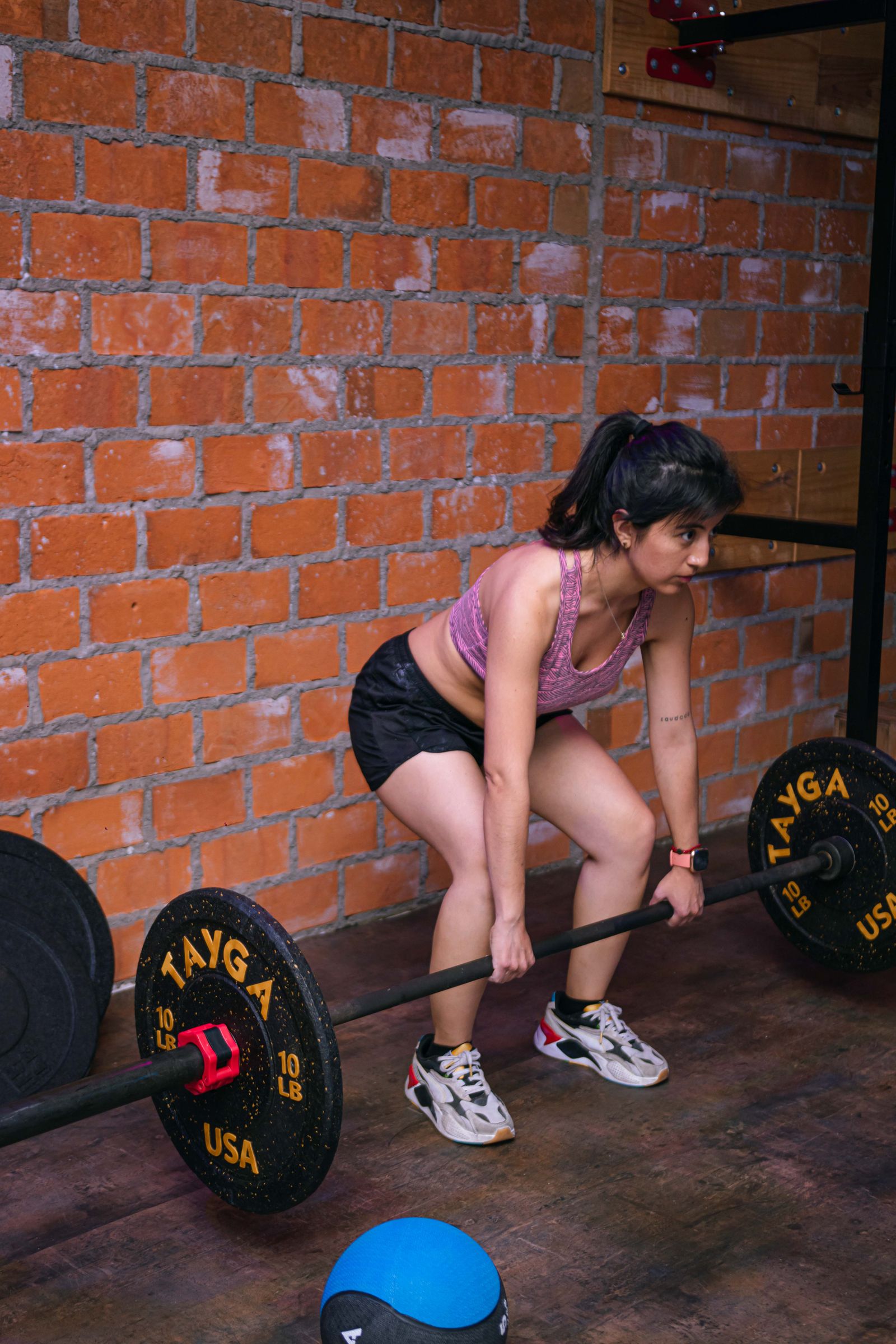
<div class="callout"><div class="n">Training first, powder second.</div><div class="d"><a href="https://www.health.harvard.edu/healthy-aging-and-longevity/a-guide-to-combatting-sarcopenia-and-preserving-muscle-mass-as-you-get-older" target="_blank" rel="noopener">Harvard Health</a> lays out the free half plainly: strength training using body weight, free weights, elastic bands or machines, ideally combined with power training. Its own starter list is a standing calf raise, a chair stand, a reverse fly and an overhead press, eight to 12 repetitions each. That costs nothing and it is where the evidence is strongest. Run it for a month before you decide a supplement is missing.</div></div>
<div class="ac-midcap">
<h4>Take the Muscle Plan with you</h4>
<p class="sub">Your free 2-page plan: the twice-a-week starter routine, the daily protein math, the creatine label checks, the safety list, and every claim traced to its source. Checked against Harvard Health Publishing, Cleveland Clinic and Mayo Clinic.</p>
<div class="mcform"><input type="email" placeholder="Your email address" aria-label="Email address"><button type="button">Send My Plan (Free)</button></div>
<div class="fine">One email. No spam. Unsubscribe anytime.</div>
</div>
<h3 class="sec">Why not just buy the cheapest tub?</h3>
<p>Often you can, and if it is plain creatine monohydrate with independent certification at a lower price, that is a fair choice we would not argue with. The problem on the bargain shelf is verification. <a href="https://www.mayoclinic.org/drugs-supplements-creatine/art-20347591" target="_blank" rel="noopener">Mayo Clinic</a> makes third-party testing an explicit part of choosing a creatine product, because supplements are not held to the standard food and medicine are. A cheap certified monohydrate is reasonable. A cheap uncertified one is a guess about what is in the scoop, and the savings do not cover that.</p>
<div class="objs">
<details><summary>Will creatine hurt my kidneys?</summary><div class="a"><a href="https://www.mayoclinic.org/drugs-supplements-creatine/art-20347591" target="_blank" rel="noopener">Mayo Clinic</a> addresses this directly: some older reports suggested creatine might worsen kidney function in people who already have kidney conditions, but studies in healthy people taking creatine at recommended doses have not found harm to kidney function. Research in people who already have kidney disease is limited, so anyone in that group should talk to their healthcare team first.</div></details>
<details><summary>Do I need a loading phase?</summary><div class="a">No. <a href="https://my.clevelandclinic.org/health/treatments/17674-creatine" target="_blank" rel="noopener">Cleveland Clinic</a> notes that dosing depends on the individual and recommends discussing it with a healthcare provider, and Momentous doses a single daily serving with no loading protocol. If you do get side effects such as stomach upset, Cleveland Clinic suggests splitting the daily amount into smaller doses across the day.</div></details>
<details><summary>Is creatine only for young athletes?</summary><div class="a">It is best evidenced in that group, which is the honest answer. <a href="https://my.clevelandclinic.org/health/treatments/17674-creatine" target="_blank" rel="noopener">Cleveland Clinic</a> also reports that studies suggest creatine may support brain function in people 60 and older, including short-term memory and reasoning, and <a href="https://www.mayoclinic.org/drugs-supplements-creatine/art-20347591" target="_blank" rel="noopener">Mayo Clinic</a> notes early research on memory and thinking skills in older adults with more research needed. Real, but not settled.</div></details>
<details><summary>What happens if I stop taking it?</summary><div class="a"><a href="https://my.clevelandclinic.org/health/treatments/17674-creatine" target="_blank" rel="noopener">Cleveland Clinic</a> says creatine levels drop gradually over the following weeks and you may notice fatigue, some loss of muscle mass or weight loss as you adjust. Strength you built through training is maintained by continuing to train, though you likely will not keep improving at the same rate.</div></details>
<details><summary>Is the weight gain real?</summary><div class="a">Yes, and it is water rather than fat. <a href="https://my.clevelandclinic.org/health/treatments/17674-creatine" target="_blank" rel="noopener">Cleveland Clinic</a> lists weight gain from water retention as a side effect and explains that creatine boosts water content inside muscle cells. <a href="https://www.mayoclinic.org/drugs-supplements-creatine/art-20347591" target="_blank" rel="noopener">Mayo Clinic</a> lists weight gain as the side effect to expect. It is not a sign anything is wrong.</div></details>
</div>
<div class="plan"><div class="pt">📋 Your Coach's Recommendations</div>
<div class="step"><div class="n">1</div><div><div class="sh">Book two resistance sessions this week.</div><div class="sd">This is the lever. Harvard's own starter set is calf raises, chair stands, reverse flies and overhead presses, eight to 12 reps, twice weekly. Everything below is secondary to this.</div></div></div>
<div class="step"><div class="n">2</div><div><div class="sh">Get protein to 1.0 to 1.2 grams per kilogram.</div><div class="sd">Harvard links that range to better muscle repair, and pairs it with heavy resistance exercise for the largest gains. Spread it across meals rather than loading dinner.</div></div></div>
<div class="step"><div class="n">3</div><div><div class="sh">Then add plain, certified creatine monohydrate.</div><div class="sd">One form, one stated dose, independent certification, daily. Talk to your provider first if you have kidney or liver disease, diabetes, or bipolar disorder. Judge it over 8 to 12 weeks on strength, not on the scale.</div></div></div>
<div class="midcta"><a class="buy" href="https://www.livemomentous.com/products/creatine-monohydrate?dc=AgelessCoach&mct=pwqwZOO1&utm_source=agelesscoach&utm_medium=intent-article&utm_content=tmpl-B" data-affiliate="momentous" data-template="B" data-code="AgelessCoach" rel="noopener sponsored">Check Current Price at Momentous →</a><span class="pending">Partner link · discount applied automatically at checkout</span></div>
</div>
<div class="capline">Not buying yet? Good, the training matters more. Get the free Muscle Plan, the twice-a-week starter routine and the protein math, sent to your inbox using the box below.</div>
<div class="ac-capture" data-state="trigger" data-article-slug="muscle-loss-what-actually-slows-it-down" data-pdf-url="https://cdn.prod.website-files.com/69be1026a027224999b7936b/6a5eb316dc549eab0ab92007_ageless-coach-muscle-plan.pdf" data-plan-title="The Muscle Plan" data-plan-desc="Your free 2-page plan: the twice-a-week starter routine, the daily protein math, the creatine label checks, the safety list, and every claim traced to its source. Checked against Harvard Health Publishing, Cleveland Clinic and Mayo Clinic.">
<div class="st-trigger cap-state"><h4>Take the Muscle Plan with you</h4>
<p class="sub">Your free 2-page plan: the twice-a-week starter routine, the daily protein math, the creatine label checks, the safety list, and every claim traced to its source. Checked against Harvard Health Publishing, Cleveland Clinic and Mayo Clinic.</p>
<button class="bigbtn" type="button" data-cap="form">📩 Send Me the Plan (Free)</button>
<div class="fine">One email. No spam. Unsubscribe anytime.</div></div>
<div class="st-form cap-state"><h4>Where should we send it?</h4>
<p class="sub">The Muscle Plan, straight to your inbox.</p>
<form class="capform"><input type="email" name="email" required placeholder="Your email address" aria-label="Email address"><button type="submit">Send My Plan</button></form>
<div class="fine">We send the plan plus one short evidence brief each week. Unsubscribe anytime.</div></div>
<div class="st-sent cap-state"><div class="sent-check">✓</div><h4>It's on the way</h4>
<p class="sub">Check your inbox in the next minute. Want it right now?</p>
<a class="dl" href="https://cdn.prod.website-files.com/69be1026a027224999b7936b/6a5eb316dc549eab0ab92007_ageless-coach-muscle-plan.pdf" download>⬇ Download your plan (PDF)</a>
<div class="fine">Your first Ageless Brief arrives this week: one study, translated, no hype.</div></div>
</div>
<h3 class="sec">Sources</h3>
<p style="font-size:16px;line-height:1.8">Every claim on this page was verified against these Tier-1 sources, fetched live at build:<br>
<a href="https://www.health.harvard.edu/healthy-aging-and-longevity/a-guide-to-combatting-sarcopenia-and-preserving-muscle-mass-as-you-get-older" target="_blank" rel="noopener">Harvard Health Publishing · A guide to combatting sarcopenia and preserving muscle mass as you get older</a><br>
<a href="https://www.health.harvard.edu/healthy-aging-and-longevity/muscle-loss-and-protein-needs-in-older-adults" target="_blank" rel="noopener">Harvard Health Publishing · Muscle loss and protein needs in older adults</a><br>
<a href="https://my.clevelandclinic.org/health/treatments/17674-creatine" target="_blank" rel="noopener">Cleveland Clinic · Creatine: What It Does, Benefits, Supplements and Safety</a><br>
<a href="https://www.mayoclinic.org/drugs-supplements-creatine/art-20347591" target="_blank" rel="noopener">Mayo Clinic · Creatine (Drugs and Supplements)</a><br>
Momentous product specification and Certificate of Analysis pages: <a href="https://www.livemomentous.com/products/creatine-monohydrate" target="_blank" rel="noopener">Creatine Monohydrate</a> and <a href="https://www.livemomentous.com/pages/coa-page" target="_blank" rel="noopener">Certificates of Analysis</a></p>
<p class="meta">By the Ageless Coach Editorial Team · July 20, 2026 · Sources: Harvard Health Publishing, Cleveland Clinic, Mayo Clinic, and Momentous manufacturer disclosures</p>
<p class="meta" style="margin-top:12px"><strong style="color:#6b7280">Affiliate disclosure:</strong> This article contains affiliate links. If you buy through one, Ageless Coach may earn a commission at no additional cost to you. Our pick was made independently and set before any partnership. <a href="/partners" style="color:#0C8C88;font-weight:700">How we choose partners</a>.</p>
</div>
<div class="disc">This content is educational and is not a substitute for professional medical advice, diagnosis, or treatment. These statements have not been evaluated by the Food and Drug Administration. This product is not intended to diagnose, treat, cure, or prevent any disease. Always consult your physician before making changes to your health routine.</div>
</div>