
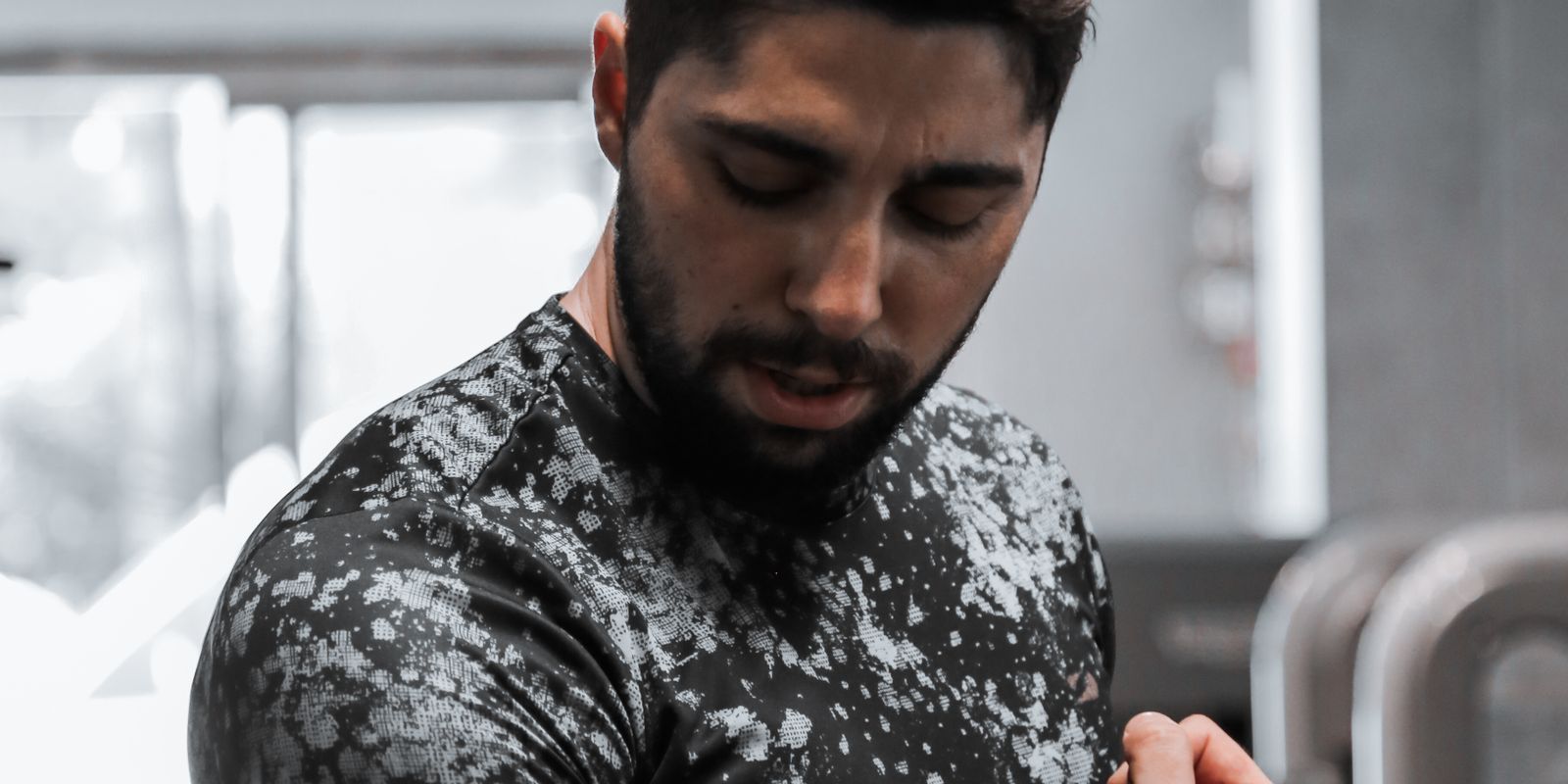
Delayed onset muscle soreness starts one to three days after a workout and rarely lasts more than five. Cleveland Clinic lists six ways to manage it. It also says, plainly, that rest is usually the best treatment.
Six things help with muscle soreness after a workout, and rest beats every one of them.
Delayed onset muscle soreness is what your body does while it repairs and regrows muscle fibers you used differently. Cleveland Clinic says it starts one to three days after the workout and rarely lasts more than five days.
Below are the six, the reason rest still wins, and the four warning signs that are not ordinary soreness at all.
Six things that manage soreness after a hard session
Cleveland Clinic is direct about this. There are no treatments specifically for delayed onset muscle soreness, but there are plenty of ways to manage the pain and stiffness at home.
Six of them are on its list, and none of them requires equipment you do not already own.
- Heat or cold therapy. Cold reduces pain and inflammation. Heat increases blood flow and relieves stiffness. Johns Hopkins Medicine adds one condition: heat should not be used for the first 48 hours after an injury.
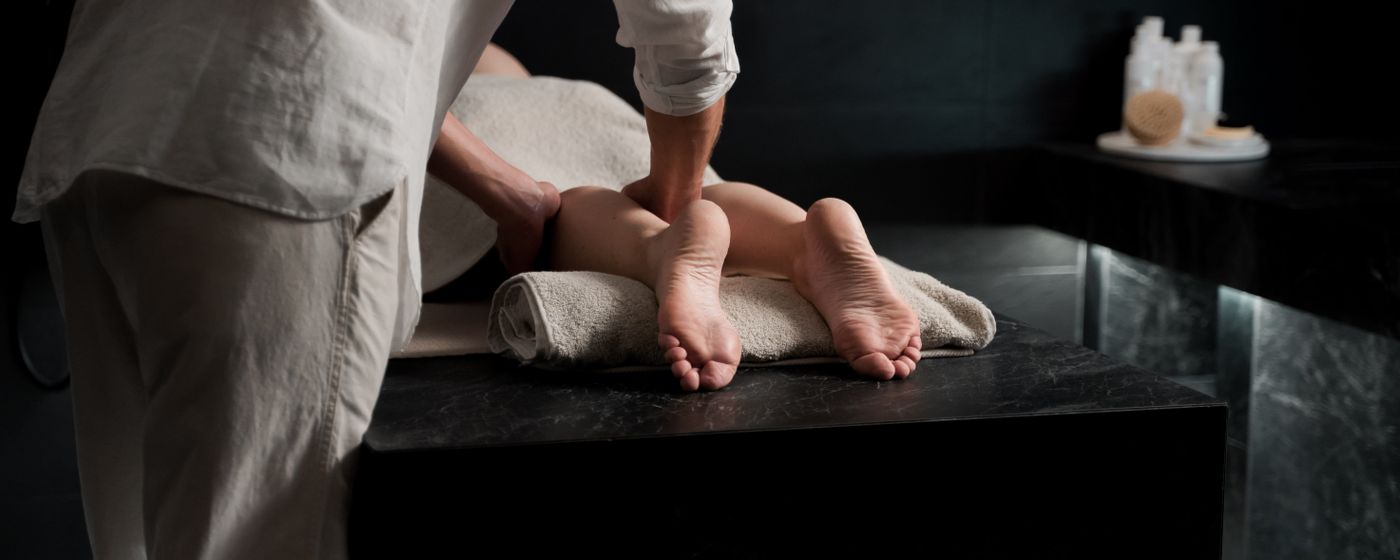
- Massage. Massaging sore muscles improves blood flow and manages stiffness. Cleveland Clinic says you do not need a professional every time, and that foam rolling is a good option at home.
- Light exercise. Moving sore muscles helps loosen them. Stretch the quads and take a short walk if your legs are sore. Just do not follow it with another heavy leg day.
- Pain relievers. Over the counter NSAIDs and acetaminophen reduce inflammation and relieve occasional pain. Cleveland Clinic says not to take these too often, and to see a provider if you feel you need them regularly.
- Magnesium supplements. Magnesium can help reduce inflammation and relax muscles. Cleveland Clinic attaches a condition to this one: talk to a provider or dietitian first, and let them set the dose.
- Staying hydrated. Drinking the right amount of water each day is good for general health, and Cleveland Clinic says it also helps muscles recover. It is the free item on the list.
Notice what the list is doing. Every item manages a symptom. None of them speeds up the repair itself.
That is the reason the ranking below runs the way it does.
Rest is the treatment, and the rest is management
Cleveland Clinic puts it in one sentence. Rest is usually the best treatment for delayed onset muscle soreness, because it gives your muscles the time they need to repair themselves.
Rest does not mean the couch. Moving and using sore muscles in your everyday routine is fine. What to avoid is intense exercise on those muscles while they are still sore.
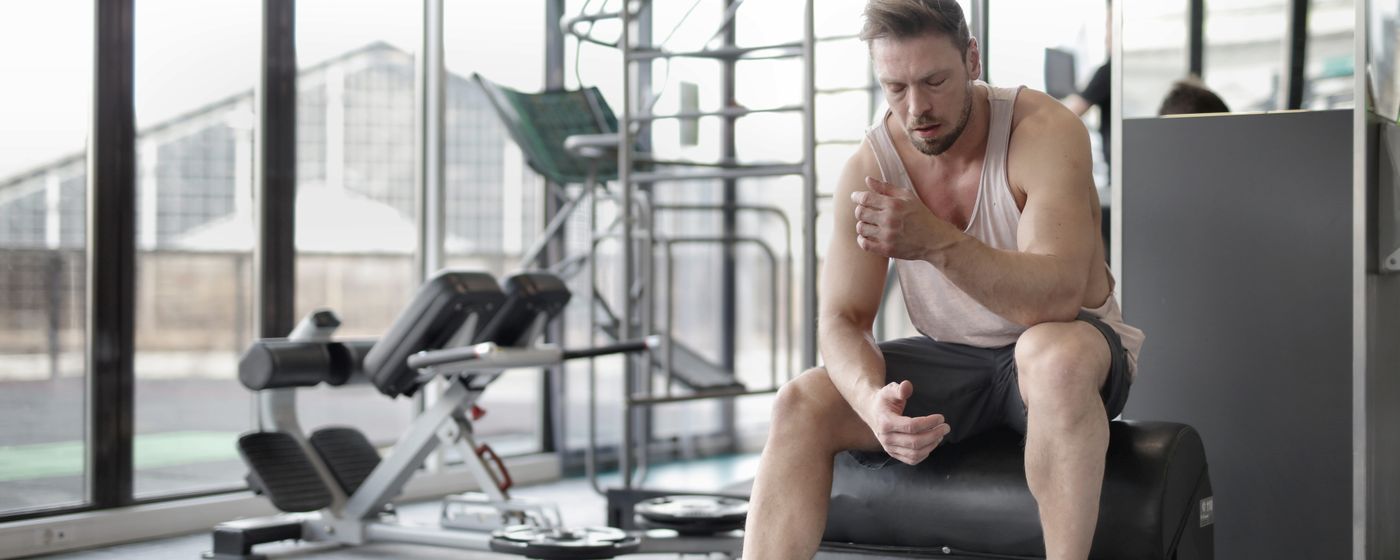
UCLA Health puts a number on it. Experts recommend taking at least one day off from your daily workout routine each week, and a rest day after a particularly long or intense session is especially useful.
UCLA lists what the day off buys you: better mental and physical health, fewer injuries, less muscle soreness, and stronger muscles, because the small tears heal during the break rather than during the work.
Rest is usually the best treatment for DOMS.
Take the six fixes with you
One printable sheet: the six ways to manage soreness, the rest rule underneath them, the warm up and cool down that prevent the next round, and the four signs that need a provider. Free, unlocked right here.
Enter your email to unlock your plan
Your 1-page muscle soreness plan, unlocked right here.
Your plan is ready
Download or print it below. Save it anywhere.
⬇ Download your plan (PDF)Four signs this is not ordinary soreness
Delayed onset muscle soreness has a shape. Cleveland Clinic says it starts one to three days after the workout, rarely lasts more than five days, and should fade a little each day.
Anything outside that shape belongs to a provider. Cleveland Clinic lists four specific reasons to be seen.
The four are pain that lasts more than a week, pain that feels sharp and constant, severe swelling around a muscle, and urine that is unusually dark or has blood in it.
That last one is the important one. Dark urine after very hard exercise is not something to stretch out at home.
Three things lifters believe that are not right
Three ideas keep people sore longer than they need to be, and each one has a published answer.
No pain, no gain. Cleveland Clinic says the common phrase is not necessarily true, and that a workout can still be productive if you do not feel soreness afterward. Soreness mostly tracks novelty and intensity, not results.
Push through it with another hard session. Cleveland Clinic says to avoid using sore muscles for intense exercise while they are sore, and to ease up on the intensity or target different muscles instead. Training daily is fine. Training the same sore muscles hard is not.
Soreness means you are getting stronger. The repair is what makes you stronger, and the repair happens during rest. UCLA Health says intense exercise creates small tears in muscle, and that resting is when those tears heal and the muscle rebuilds.
To your health,
Ageless Coach
Age Strong. Live Long.
This article is education, not medical advice. Cleveland Clinic says to see a healthcare provider if pain lasts more than a week, feels sharp and constant, comes with severe swelling around a muscle, or if your urine is unusually dark or has blood in it.