

Cleveland Clinic lists six common causes of neck pain and says most are not serious. It also lists nine signs that change that answer entirely.
Six things cause almost all neck pain, and Cleveland Clinic says most of them are not serious.
Your neck holds up a head that weighs about ten pounds. It is also less protected than the rest of your spine. Small injuries there cause pain and stiffness out of all proportion to the damage.
Below are the six causes, the timeline ordinary neck pain follows, and the nine signs that mean stop treating it at home.
Six things behind almost every sore neck
Cleveland Clinic groups the possible causes of neck pain into six. The list is short because most necks hurt for ordinary reasons.
Only one of the six is rare, and none needs a scan to recognise.
- Aging. Natural wear degenerates parts of the cervical spine. Osteoarthritis and spinal stenosis both cause neck pain. Years of stress and repeated movement can also weaken a disk into a herniated disk or a pinched nerve.
- Physical strain. Overusing the neck muscles causes stiffness and pain. Cleveland Clinic names one example outright. Straining your neck to view a computer screen for long periods is a common cause.
- Mental stress. Tightening the neck muscles because you are stressed causes pain and stiffness. Cleveland Clinic adds that many people do not notice they are doing it. The neck tells them first.
- Injury. Trauma damages muscles, ligaments, disks, vertebral joints and nerve roots. Whiplash in a car accident is the common one.
- Growths. Masses including tumors, cysts and bone spurs press on the nerves in your neck. This is the rare entry on the list.
- Other health conditions. Neck pain is a symptom of meningitis, rheumatoid arthritis and cancer. Mayo Clinic names the same three.
Notice what five of the six have in common. They are mechanical or emotional, not diseases.
That is why the first answer is almost never a scan.
Ordinary neck pain follows a timeline you can check
Cleveland Clinic sorts neck pain by how long it lasts. Acute lasts from days to six weeks. Chronic lasts longer than three months.
It also says pain from strains and stress usually improves within a week or two. It can take a few months to go entirely.

Mayo Clinic puts a number on the sitting. It cites a study finding that people who sit still for more than six hours a day are more likely to have neck pain. The risk is higher when that time is on a computer or a phone.
Mayo also says neck pain is more common after age 40, and gives the picture to aim for: your head resting on top of your neck like a golf ball on a tee.
Most causes of neck pain are not serious and improve with conservative treatments.
Take the six causes with you
One printable sheet: the six causes, the posture and sleep fixes that prevent the next round, the heat and cold order, and the nine signs that need a provider. Free, unlocked right here.
Enter your email to unlock your plan
Your 1-page neck pain plan, unlocked right here.
Your plan is ready
Download or print it below. Save it anywhere.
⬇ Download your plan (PDF)Nine signs that take this out of your hands
Cleveland Clinic says to contact a provider for neck pain that interferes with work or daily activities, and lists nine situations that call for urgent medical care.
Every one of the nine is a change in kind rather than a change in degree.
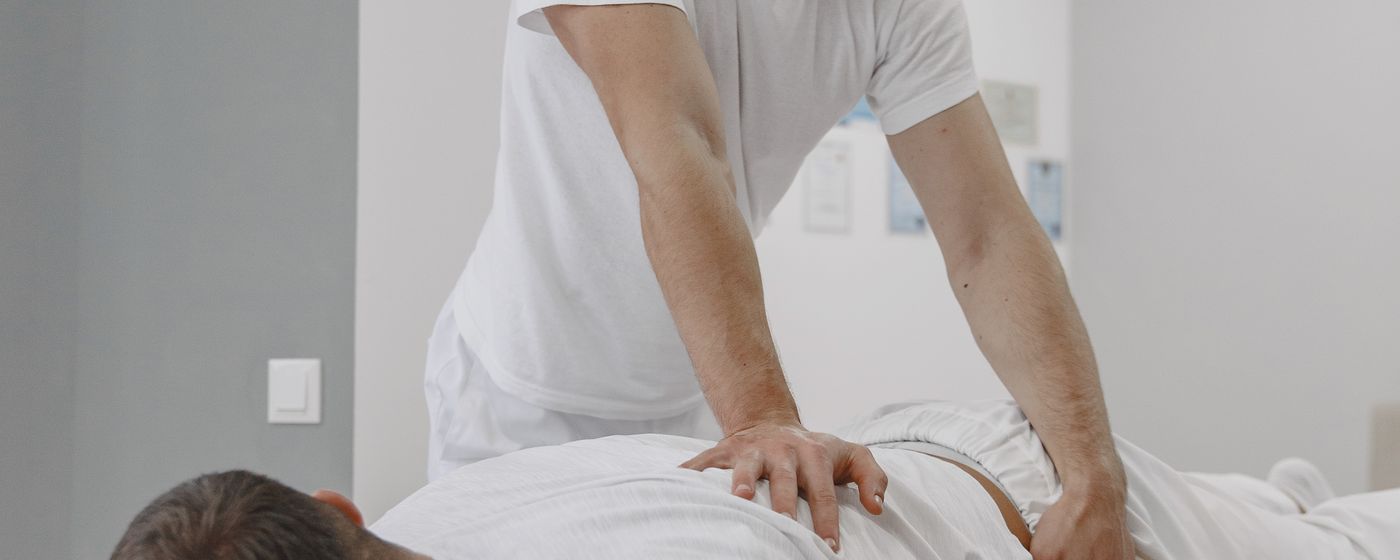
The nine are pain after an accident, loss of bowel or bladder control, pain that persists whether you move or stay still, pain with headache, dizziness, nausea or vomiting, pain with chills, fever or unexplained weight loss, numbness or tingling in the arms, shoulders or legs, weakness in the legs or loss of coordination, pain that over the counter medication does not touch, and pain that does not improve after one week.
Johns Hopkins Medicine adds the reason not to wait. Seeking medical advice soon after an injury minimises future damage and inflammation.
Three neck pain beliefs that do not hold up
Three ideas send people to the wrong fix, and each one has a published answer.
You need a scan to find the cause. Cleveland Clinic says imaging tests usually are not necessary. A medical history and physical exam are normally enough. Imaging comes in when a provider suspects a serious injury.
The right pillow is the fix. Sleep position matters. Cleveland Clinic files it under prevention, alongside posture and staying active. Support the head so it stays in line with the body, and do not sleep on your stomach with your head turned.
Rest is what heals a neck. Movement is part of the treatment. Cleveland Clinic lists physical therapy among the first line treatments and names three upper back exercises: scapular squeezes, standing push ups in a doorframe, and theraband rowing.
To your health,
Ageless Coach
Age Strong. Live Long.
This article is education, not medical advice. Cleveland Clinic says to seek urgent medical care if neck pain follows an accident, involves loss of bowel or bladder control, comes with chills, fever or unexplained weight loss, or brings numbness, tingling or weakness in your arms or legs.