
Published: May 13, 2026 · Last updated: May 13, 2026
- Plantar fasciitis affects roughly 1 in 10 adults at some point and is the most common cause of heel pain. Peak prevalence is age 40 to 60 (Cleveland Clinic, 2024)
- Rest, ice, and over-the-counter painkillers alone resolve fewer than half of cases. Targeted stretching plus high-load calf strengthening resolves roughly 80 percent within 12 weeks (Mayo Clinic, 2024)
- The single most-skipped step is eccentric calf and plantar fascia loading, which directly addresses the underlying tissue weakness rather than just calming the inflammation (NIH NIAMS, 2024)
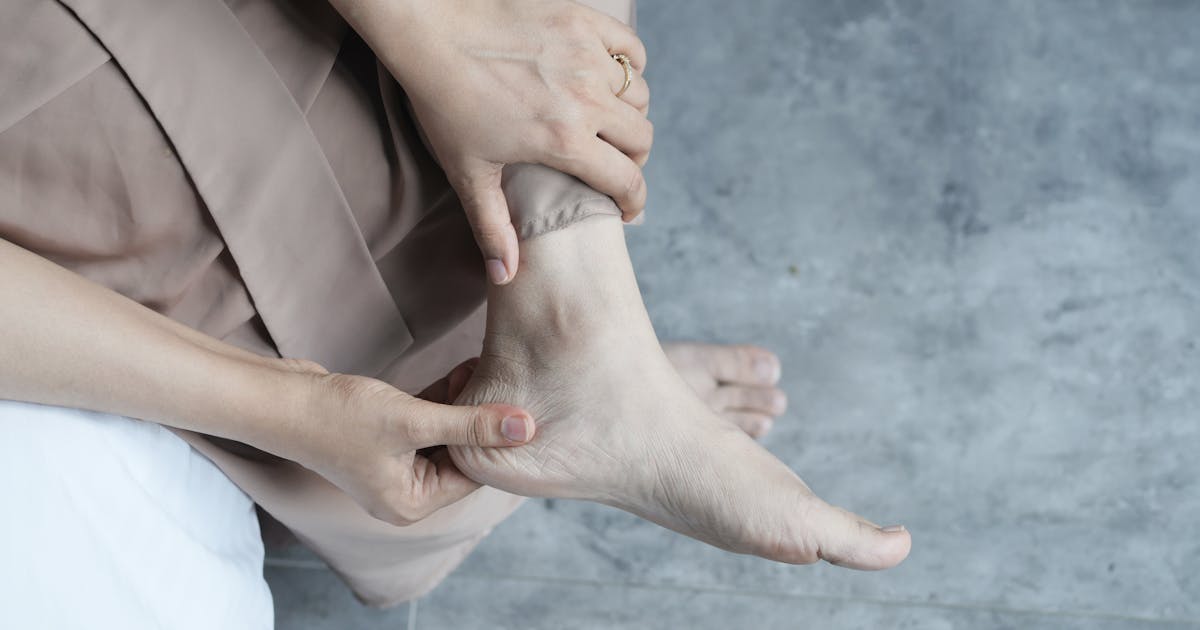
Plantar fasciitis is the foot pain that wakes you up with that first step out of bed. Sharp. Right at the heel. Eases as you walk a few minutes, then returns after sitting at your desk for an hour. Almost everyone treats it the same way: rest, ice, anti-inflammatories, maybe new shoes. And almost everyone still has it three months later.
The reason most plantar fasciitis does not heal is that those interventions calm the symptoms without addressing why the tissue failed in the first place. The plantar fascia and the calf complex above it have lost the capacity to handle daily loading. Stronger tissue is the cure. Three specific steps consistently restore that capacity, and most people skip the most important one.
Eccentric Calf and Fascia Loading
This is the step most people miss, and it is the one with the strongest evidence base. Eccentric loading means slowly lengthening a muscle while it is under tension. For plantar fasciitis, the gold-standard exercise is heel raises on a step with the painful foot, lowering the heel slowly below the step level over 3 seconds, then bringing it back up.
(Cleveland Clinic, 2024) recommends 3 sets of 12 repetitions, every other day, starting with body weight and progressing to a backpack with books or other added load as tolerated. Tuck a folded towel under the toes during the heel raise. This stretches the plantar fascia at the same time as loading the calf, which is the combination shown most effective in randomized trials.
Daily Plantar Fascia-Specific Stretching
Generic calf stretches are not enough. The plantar fascia needs its own dedicated stretch. (Mayo Clinic, 2024) recommends a specific technique: sit, cross the painful foot over the opposite knee, grasp the toes, and gently pull them back toward the shin until you feel a stretch through the arch. Hold for 30 seconds. Repeat 3 times. Do this 3 times a day, especially first thing in the morning before standing.
This morning stretch is the single most important moment for someone with plantar fasciitis. Overnight, the fascia tightens. The first morning step jams that tight tissue back into loaded use, which is what causes the classic morning pain spike. Stretching before standing softens the impact and accelerates healing.
Night Splints (For Persistent Cases)
If pain has persisted longer than 6 weeks despite the first two steps, add a night splint. According to (NIH NIAMS, 2024), night splints hold the foot in slight dorsiflexion through the night, preventing the fascia from contracting into the tight position that creates the morning pain spike. Most users report meaningful reduction in morning pain within 2 to 3 weeks of consistent use.
Splints feel awkward for the first few nights. Most people adjust. If you cannot tolerate a hard splint, a soft strap-style splint (Strassburg sock) gives most of the benefit with less discomfort. Pair with the eccentric loading and the morning stretch and most cases that have not responded to rest alone will start to improve.
What Does Not Help (Or Helps Less Than You Think)
Rolling a frozen water bottle under the foot feels good and provides short-term symptom relief but does not heal anything. Cortisone injections give faster pain relief but have been linked to fascia rupture and accelerated fat pad atrophy when used repeatedly. Save them for refractory cases under specialist guidance. New shoes help only if your current shoes are worn out or wildly inappropriate. Custom orthotics outperform over-the-counter inserts only modestly in trials.
The 80 percent improvement number requires consistency across all three steps for 8 to 12 weeks. For more on building lower-body strength that protects against pain in general, see our piece on walking pace and lower-body health.
To your health,

Ageless Coach
Age Strong. Live Long.
Trusted Sources Behind This Article
This content is for educational purposes only and is not a substitute for professional medical advice, diagnosis, or treatment. Reading this article does not create a provider-patient relationship. Always consult your physician or qualified healthcare provider before making changes to your diet, exercise, or health routine. Ageless Coach is not liable for any actions taken based on this information.
Frequently Asked Questions
Want one verified-science article like this every week?
Get Better Health, Weekly