
CDC lists four steps for finding out whether your home has a radon problem. The gas has no smell and causes no symptoms, so the test is the only signal you get.
Testing a home for radon takes four steps, and CDC lists all four.
Radon is a radioactive gas from the natural decay of uranium in rock and soil. It seeps up through the ground, collects indoors, and the particles it gives off damage the cells lining the lungs.
Below are the four steps, the number that means fix the house, and why the only test worth anything is the one you run yourself.
Four steps between you and an answer
CDC lists four steps for measuring and reducing radon. NCI says the tests are relatively easy to use and inexpensive.
There is no earlier shortcut. Radon has no smell, no color and no taste.
- Obtain a radon test kit. CDC says you can contact your state radon office or buy a kit at a hardware store or online. NCI says short term detectors measure radon for 2 to 90 days depending on the device.
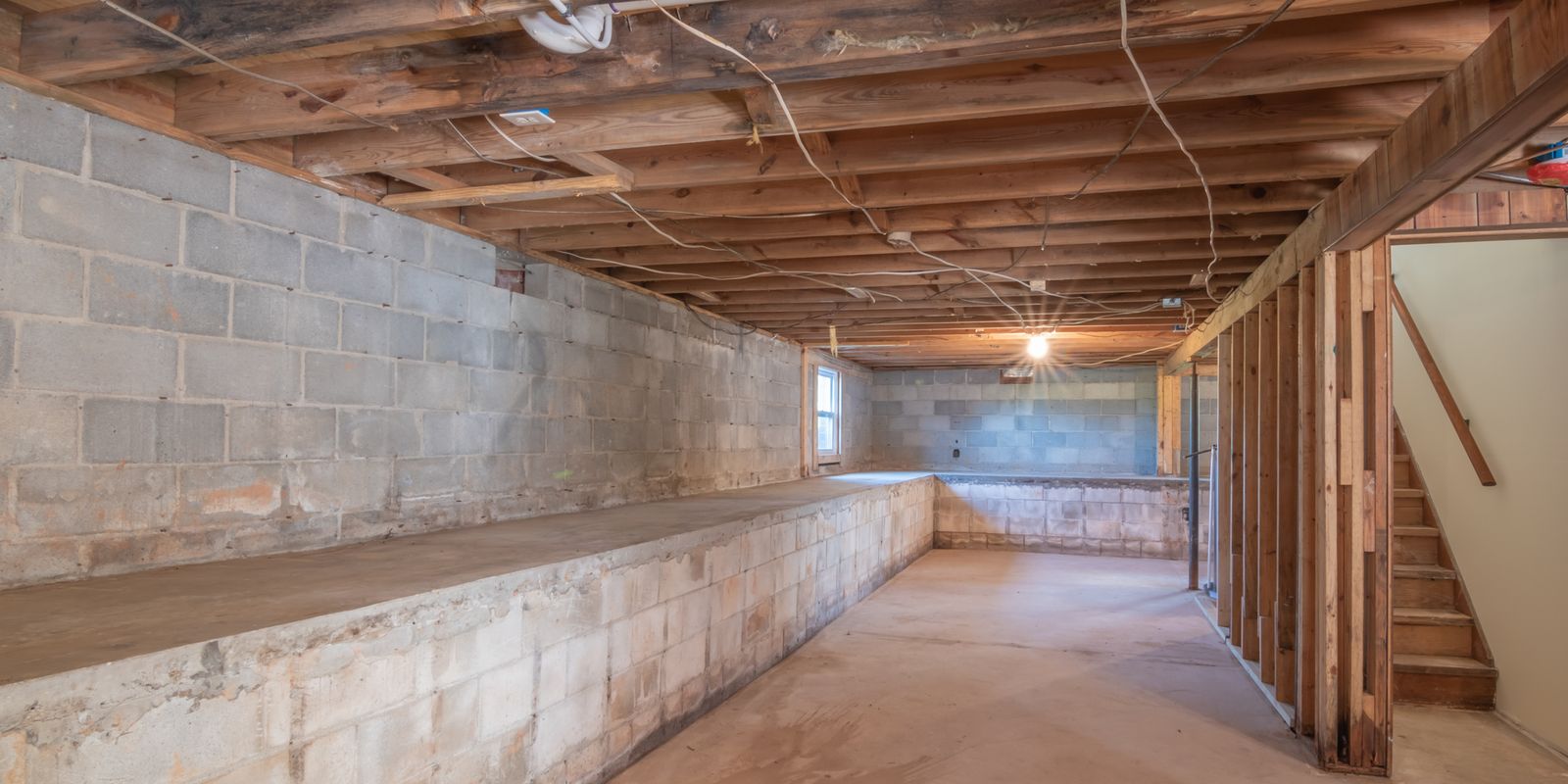
- Test your home or office. Levels are usually highest in basements and lower floors, so test where you actually spend time. WHO says considerable radon can also be found above the ground floor.
- Send the kit to an approved laboratory. The lab reads the detector and returns the level. NCI says both short and long term tests are relatively easy to use and inexpensive.
- Fix the home if the level is high. CDC says EPA recommends fixing your home at 4 pCi/L or higher, and that lowering high radon needs a qualified or state certified contractor.
The list does not end at the repair. CDC says to test radon levels again afterwards to be sure the work did what it was meant to do.
Reducing radon helps even below the action level, CDC says, because there is no level that counts as safe.
What radon actually does, in figures
The National Cancer Institute says radon is the second leading cause of lung cancer in the United States, behind cigarette smoking. NCI estimates 15,000 to 22,000 radon related lung cancer deaths each year.
CDC puts the estimate at more than 21,000 deaths a year, which sits inside that range.
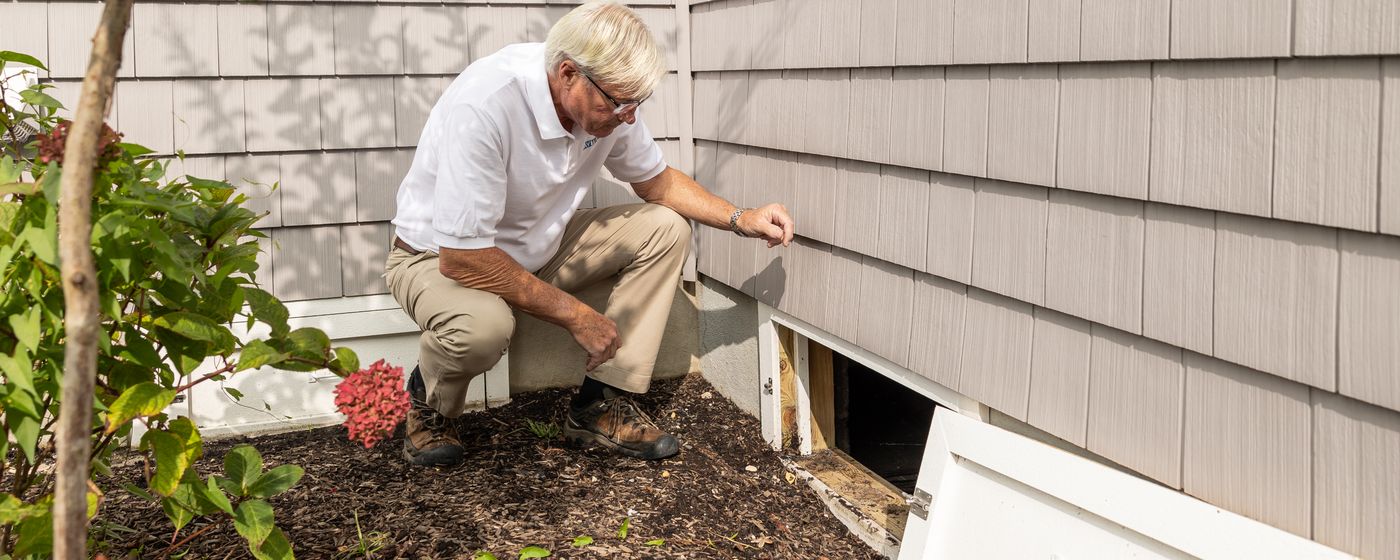
About 1 in 15 US homes is estimated to sit at or above the action level, according to NCI.
Smoking multiplies the risk rather than adding to it. WHO says smokers are estimated to be 25 times more at risk from radon than nonsmokers.
Nonsmokers are not spared. NCI says more than 10 percent of radon related cancer deaths occur among people who do not smoke.
Testing is the only way to know if a person's home has elevated radon levels.
Take the four steps with you
One printable sheet: the four testing steps, the action level, the short and long term test windows, and what not to do. Free, unlocked right here.
Enter your email to unlock your plan
Your 1-page radon plan, unlocked right here.
Your plan is ready
Download or print it below. Save it anywhere.
⬇ Download your plan (PDF)Why a neighbor's result predicts nothing
WHO says four things set the radon level inside a building. The local geology. The routes radon has into the building. The building materials. How fast the indoor air is exchanged with outdoor air.
Change any one of those four and the number changes.
NCI puts it plainly. Homes next door to each other can have different indoor radon levels. NCI says that makes a neighbor's test result a poor predictor of your risk.
Levels also move on their own. Rain, snow and barometric pressure shift them day to day and month to month. NCI calls a long term test the better indicator of the average.
WHO goes further. It prefers measurements over at least three months, and keeps short term tests for time sensitive situations such as a home sale.
Three radon beliefs that do not hold
Three ideas talk people out of a cheap test, and each one has a published answer.
New or well sealed homes are safe. CDC says radon can build up in any home or building. Basement or none. Sealed or drafty. New or old. NCI adds that levels can be higher in homes that are well insulated and tightly sealed.
No basement, no problem. Basements and first floors typically have the highest levels because they sit closest to the ground, NCI says. WHO adds that considerable radon concentration can also be found above the ground floor, so the absence of a basement proves nothing.
Opening the windows fixes it. CDC says open windows, fans and vents can lower levels. It also says natural ventilation in any type of house is only a temporary strategy. WHO describes sump systems and sealing as the durable fixes.
To your health,
Ageless Coach
Age Strong. Live Long.
This article is education, not medical advice. CDC says testing is the only way to know whether a home has unsafe radon levels, and that homes at or above 4 pCi/L should be fixed by a qualified or state certified contractor, with a repeat test afterwards. Ageless Coach is an affiliate partner and may earn a commission on purchases made through links on this page.