Reading Glasses After 40: 3 Signs It Is Presbyopia, and 4 That Mean See an Eye Doctor
Reading glasses after 40 are not a personal failing. Blurry close-up vision is usually presbyopia, a normal stiffening of the eye's lens that happens to everyone. Three signs say presbyopia, four mean see an eye doctor now.
Ageless Coach Editorial Team · August 23, 2026
In 30 Seconds
It is normal aging. The lens in your eye gets harder and less flexible, so close-up focus fades. Everyone gets presbyopia, usually after 45. NEI
Three signs say presbyopia: holding print at arm's length, blur at normal reading distance, and eyestrain or headaches after close work. Mayo Clinic
Four signs are different: sudden vision loss in one eye, sudden hazy vision, flashes or spots or halos, and double vision mean see a doctor immediately. Mayo Clinic
It sneaks up in your mid-40s. The menu drifts out to arm's length. The phone font creeps up a size, then another. One day your arms are simply not long enough, and you wonder what went wrong with your eyes.
Nothing went wrong. Your lens got stiffer, the way every human lens does.
That is presbyopia, and the fixes are cheap, effective and everywhere. Here are the three signs it is presbyopia, the four signs it is not, and every fix that works.
1
The Sign Check
Three Signs It Is Just Your Aging Lens
The National Eye Institute explains the mechanism simply: with age, the lens hardens and stops focusing light correctly on the retina, so nearby objects blur. The pattern looks like this.
The arm's-length hold. You push books, menus and your phone farther away to make the letters sharpen.
Blur at reading distance. Text that used to be crisp at a normal distance now looks soft, especially in dim light.
Tired eyes and headaches. Close work like reading, sewing or screen time starts costing you eyestrain or a headache.
1.8 billion
That is how many people worldwide had presbyopia in 2015, with the number still climbing. If your arms feel too short, you are in enormous company.
Source: Cleveland Clinic
It usually shows up in the early to mid 40s and keeps changing until about 65. Needing a stronger prescription along the way is the condition behaving normally, not your eyes getting worse than expected.
2
The Red Flags
Four Symptoms That Are Not Presbyopia
Presbyopia arrives gradually. Sudden changes are a different story. The Mayo Clinic says to seek immediate medical care for any of these four.
Sudden loss of vision in one eye. With or without eye pain, this is a same-day call, not a new-glasses errand.
Sudden hazy or blurred vision. Gradual blur over months is the presbyopia pattern. A sudden fog is not.
Flashes of light, black spots or halos. These can signal problems at the retina, and time matters.
Double vision. Seeing two of anything is never a normal part of lens aging.
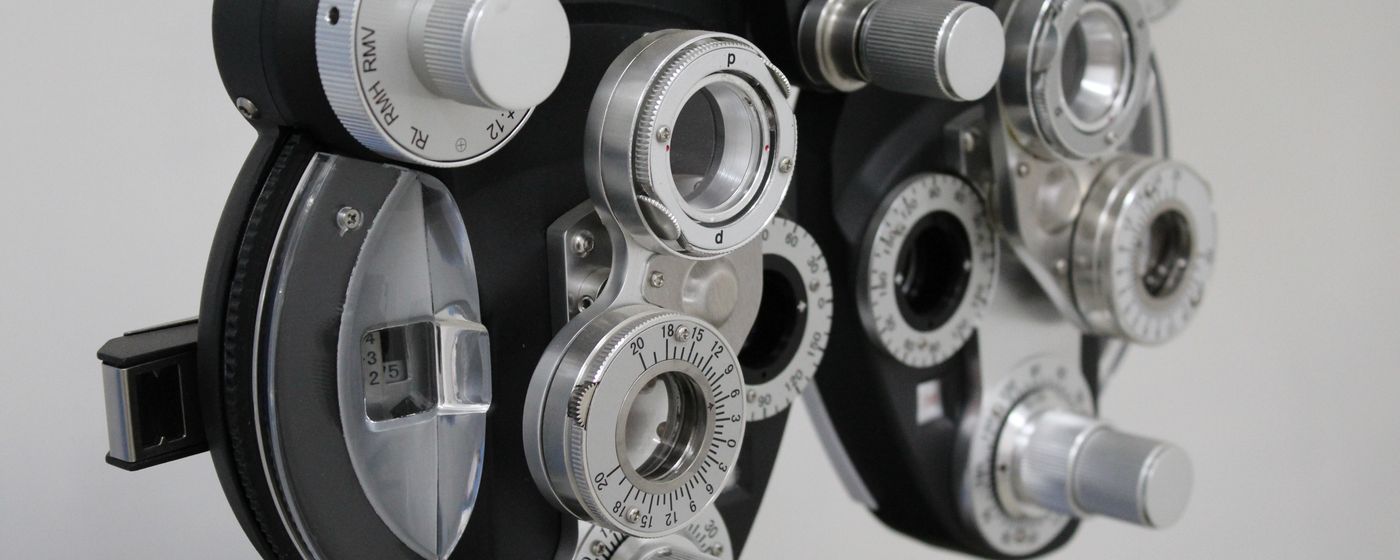
A comprehensive eye exam is simple and painless, and it settles the question in one visit.
Everyone gets presbyopia as they get older, usually after age 45.
National Eye Institute
The exam matters beyond the diagnosis. The same visit that confirms presbyopia is how eye doctors catch the serious conditions early, which is exactly when they are most treatable.
Take the answer sheet with you
The whole decoder on one printable sheet: the 3 signs, the 4 see-a-doctor-now signs, and the full fix menu. Free, unlocked right here.
Joins the free weekly Ageless Brief. Unsubscribe anytime.
READING GLASSES: PRESBYOPIA
AGELESS COACH · CHECKED AGAINST NEI · MAYO · CLEVELAND
✓ DO THIS
✗ DO NOT
Enter your email to unlock your plan
Your 1-page presbyopia plan, unlocked right here.
No spam. One short evidence brief each week. Unsubscribe anytime.
Your first Ageless Brief arrives this week: one study, translated, no hype.
3
The Fix Menu
From Drugstore Readers to Surgery, What Works
In the early stage, three free adjustments buy time: bigger fonts, a brighter reading light, and holding things a little farther away. NEI lists all three as legitimate first fixes.
When those stop being enough, the Cleveland Clinic walks the ladder: over-the-counter readers work well for people with no other vision problems, and prescription bifocals or progressives blend distance and near vision in one pair. There are office progressives tuned for desk work, contact lens options, and surgical routes for people done with glasses entirely.
For many people, drugstore readers are the entire treatment. Ask your eye doctor which strength.
Mid-60s
Presbyopia keeps progressing from your 40s until about 65, then usually levels off. Expect your reading prescription to change a few times along the way.
Source: Cleveland Clinic
There is no single right fix. There is only the one that matches your eyes, your work and your patience. The exam conversation is where that gets picked.
✗
The Debunk
Three Myths About Your Over-40 Eyes
Presbyopia attracts confident nonsense. Three corrections, straight from the eye institutes.
It is just farsightedness. No. They feel similar, but farsightedness comes from the shape of the eye and can appear at any age. Presbyopia is the aging lens itself, and it comes for everyone, including people who were never farsighted.
Only people with weak eyes get it. Perfect vision your whole life buys no exemption. Many people simply add presbyopia on top of whatever refractive error they already had.
New glasses mean your eyes are done changing. The lens keeps stiffening into the mid-60s, so prescriptions need periodic updates. Blurrier again after two years is the schedule, not a setback.
📋Your Coach's Recommendations
1
Try the three free fixes this week.
Bump your phone font, put a brighter light on your reading, and hold the page a touch farther away. In early presbyopia this is often all it takes.
2
Book a comprehensive eye exam.
One simple, painless visit confirms presbyopia, rules out the serious stuff, and tells you whether store readers or prescription lenses fit your eyes. Ask which reader strength matches your reading distance.
3
Know the four now-signs cold.
Sudden one-eye vision loss, sudden hazy vision, flashes or spots or halos, and double vision are not presbyopia. Any of them means see an eye doctor immediately, not at the next sale on readers.
This article is education, not medical advice. See an eye doctor about vision changes, and get immediate care for any of the four sudden symptoms above.
Frequently Asked Questions
Do I need an eye exam or can I just buy readers?
Store readers are fine for many people, but the exam is still worth it. It confirms presbyopia rather than something else, catches eye disease early, and tells you the right strength. Cheap readers work best on eyes a doctor has already cleared.
Why did my near vision get worse so fast in my 40s?
The lens stiffens gradually for decades, but the loss crosses your personal reading threshold in the 40s, so it feels sudden. It is the most common vision change of midlife and it is expected to keep shifting until about 65.
Is presbyopia the same as farsightedness?
No. Farsightedness is a refractive error caused by the shape of the eye and can affect any age. Presbyopia is the aging lens losing flexibility. They can feel similar, and one person can have both at once.
Can too much screen time cause presbyopia?
Screens do not cause the lens to age, though lots of close work can make the symptoms more noticeable, and some research links heavy near work with earlier onset. Either way, the fix list is the same, starting with font size and light.
Will my presbyopia keep getting worse?
It usually progresses from your 40s until about 65, then levels off. That is why prescriptions need updating every couple of years during that stretch. It does not mean your eyes are failing. It means the condition is on schedule.
Can surgery or drops fix presbyopia?
Beyond glasses and contacts, there are medical and surgical options, and an eye doctor can tell you which ones fit your eyes. The right answer depends on your full prescription, your work and your tolerance for trade-offs. It is a personalized decision.
<style>:root{--dark-base:#0D1B2A;--dark-mid:#1B3A4B;--teal:#0EA5A0;--teal-dark:#0C8C88;--teal-bright:#14D4CD;--fog:#D8E8E8;--deep-fog:#C8DCDC;--fog-border:#A8C4C4;--ink:#313743;--ink-soft:#49505f;--muted:#6b7280;--warm:#9A6841;--warm-light:#be7b4c;--serif:"Source Serif 4",Georgia,serif;--sans:Inter,-apple-system,BlinkMacSystemFont,"Segoe UI",sans-serif}.acv-root .acv-dek{font:500 19px/1.55 var(--sans);color:var(--ink-soft);margin:0 0 14px}.acv-root .acv-dek b{color:var(--teal-dark)}.acv-root .acv-meta{font:600 13px/1.6 var(--sans);color:var(--muted);margin:14px 0 0;text-align:center}.acv-root .acv-meta .acv-chk{color:var(--teal-dark)}.acv-root .acv-glance{background:linear-gradient(180deg,#F0F7F7,#fff);border:1.5px solid var(--fog-border);border-radius:14px;padding:22px 24px;margin:24px 0 0}.acv-root .acv-glance .acv-gt{font:800 12px/1 var(--sans);letter-spacing:2.5px;text-transform:uppercase;color:var(--teal-dark);margin-bottom:14px}.acv-root .acv-glance .acv-item{font:500 15.5px/1.55 var(--sans);color:var(--ink-soft);padding:0 0 10px 26px;position:relative}.acv-root .acv-glance .acv-item:before{content:"";position:absolute;left:2px;top:7px;width:8px;height:8px;border-radius:50%;background:var(--teal)}.acv-root .acv-glance .acv-item b{color:var(--ink)}.acv-root .acv-glance .acv-s{color:var(--muted);font-size:12.5px}.acv-root .acv-body{margin-top:30px}.acv-root .acv-body p{font-size:20.5px;line-height:1.75;margin:0 0 24px;color:var(--ink-soft)}.acv-root .acv-body p strong{color:var(--ink)}.acv-root .acv-body a{color:var(--teal-dark);font-weight:700;text-decoration:underline;text-decoration-color:rgba(14,165,160,.4);text-underline-offset:3px}.acv-root .acv-dropcap:first-letter{font-family:var(--serif);font-size:64px;font-weight:800;color:var(--dark-mid);float:left;line-height:.9;padding:6px 10px 0 0}.acv-root mark{background:linear-gradient(180deg,transparent 55%,rgba(20,212,205,.35) 55%);color:inherit;padding:0 2px}.acv-root .acv-band{margin:56px 0 24px;padding:26px 22px 12px;background:linear-gradient(180deg,#F0F7F7,#fff);border-radius:16px}.acv-root .acv-band.acv-hype{background:linear-gradient(180deg,#FAF3EB,#fff)}.acv-root .acv-band .acv-inner{display:flex;gap:18px;align-items:center}.acv-root .acv-band .acv-big{font:900 64px/1 var(--sans);color:var(--deep-fog);flex-shrink:0}.acv-root .acv-band.acv-hype .acv-big{color:#EAD9C6}.acv-root .acv-band .acv-q{font:700 13px/1.4 var(--sans);letter-spacing:2px;text-transform:uppercase;color:var(--teal-dark);margin-bottom:6px}.acv-root .acv-band.acv-hype .acv-q{color:var(--warm)}.acv-root .acv-band h3{font-family:var(--serif);font-size:31px;line-height:1.2;font-weight:800;color:var(--ink);margin:0}.acv-root .acv-billboard{background:var(--dark-mid);border-radius:18px;color:#fff;padding:30px 28px;margin:32px 0;text-align:center}.acv-root .acv-billboard .acv-n{font:900 34px/1.2 var(--sans);color:var(--teal-bright);margin-bottom:8px}.acv-root .acv-billboard .acv-d{font:500 16px/1.55 var(--sans);color:#D4E5E5;max-width:480px;margin:0 auto}.acv-root .acv-billboard .acv-c{font:600 12px/1 var(--sans);letter-spacing:1.5px;text-transform:uppercase;color:#8FB3B3;margin-top:12px}.acv-root figure{margin:32px 0}.acv-root figure img{width:100%;border-radius:16px;display:block}.acv-root figcaption{font:600 13.5px/1.5 var(--sans);color:var(--muted);margin:10px 0 0;text-align:center}.acv-root .acv-pullquote{margin:34px 0;text-align:center;padding:0 10px}.acv-root .acv-pullquote p{font-family:var(--serif);font-size:27px;line-height:1.4;color:var(--dark-mid);font-weight:700;margin:0 0 10px}.acv-root .acv-pullquote .acv-who{font:700 12px/1 var(--sans);letter-spacing:2px;text-transform:uppercase;color:var(--warm)}.acv-root .acv-plan{background:linear-gradient(135deg,#fffcf4 0%,#fff8ed 100%);border-left:5px solid var(--teal-dark);border-radius:14px;padding:30px 26px 24px;margin:40px 0 0;box-shadow:0 2px 12px rgba(0,0,0,.06)}.acv-root .acv-plan .acv-ptitle{display:flex;align-items:center;gap:12px;font-family:var(--serif);font-size:26px;font-weight:800;color:var(--ink);margin-bottom:24px}.acv-root .acv-plan .acv-ptitle .acv-ico{font-size:24px;color:var(--teal-dark)}.acv-root .acv-plan .step{display:flex;gap:16px;margin-bottom:20px;align-items:flex-start}.acv-root .acv-plan .acv-n{min-width:38px;width:38px;height:38px;background:var(--teal-dark);border-radius:50%;color:#fff;font:800 17px/38px var(--sans);text-align:center;flex-shrink:0}.acv-root .acv-plan .sh{font:800 16.5px/1.4 var(--sans);color:var(--ink);margin-bottom:3px}.acv-root .acv-plan .sd{font:400 15px/1.6 var(--sans);color:var(--muted)}.acv-root .acv-plan .acv-pdiv{height:1px;background:#E4DECE;margin:26px 0 22px}.acv-root .acv-calbar{display:flex;align-items:center;justify-content:center;gap:12px;width:100%;background:linear-gradient(90deg,var(--teal-dark),var(--teal));color:#fff;border:none;border-radius:12px;padding:17px 20px;font:700 16px/1.3 var(--sans);cursor:pointer;position:relative;box-shadow:0 4px 14px rgba(12,140,136,.25)}.acv-root .acv-calbar i{font-family:var(--serif);font-style:italic;font-weight:600}.acv-root .acv-calbar .acv-qm{position:absolute;right:14px;top:50%;transform:translateY(-50%);width:26px;height:26px;border-radius:50%;background:rgba(255,255,255,.22);font:700 14px/26px var(--sans);text-align:center}.acv-root .acv-opsrow{display:grid;grid-template-columns:repeat(4,1fr);gap:12px;margin-top:14px}@media(max-width:640px){.acv-root .acv-opsrow{grid-template-columns:1fr 1fr}}.acv-root .acv-opsrow button{display:flex;align-items:center;justify-content:center;gap:8px;background:#fff;border:1.5px solid var(--teal);color:var(--teal-dark);border-radius:50px;padding:13px 10px;font:700 14px/1 var(--sans);cursor:pointer;transition:background .15s}.acv-root .acv-opsrow button:hover{background:#F0FAFA}.acv-root .acv-capture{background:linear-gradient(135deg,var(--dark-base),var(--dark-mid));border-radius:18px;padding:32px 30px;margin:50px 0 56px;color:#fff;position:relative;overflow:hidden;box-shadow:0 16px 40px rgba(13,27,42,.25)}.acv-root .acv-cap-grid{display:grid;grid-template-columns:1fr 200px;gap:26px;align-items:center}@media(max-width:600px){.acv-root .acv-cap-grid{grid-template-columns:1fr}.acv-root .acv-chartcard{display:none}}.acv-root .acv-capture h4{font-family:var(--serif);font-size:26px;font-weight:800;margin:0 0 8px}.acv-root .acv-capture .acv-sub{font:500 15.5px/1.55 var(--sans);color:#C9DDDD;margin:0 0 18px}.acv-root .acv-chartcard{background:#fff;border-radius:8px;padding:14px 13px 12px;box-shadow:0 12px 32px rgba(0,0,0,.38);transform:rotate(2deg)}.acv-root .acv-chartcard .acv-ch-mast{font-family:var(--serif);font-weight:800;font-size:11px;color:var(--dark-base);letter-spacing:.4px;border-bottom:3px solid var(--dark-base);padding-bottom:5px}.acv-root .acv-chartcard .acv-ch-sub{font:800 5.5px/1.4 var(--sans);color:var(--muted);letter-spacing:.8px;margin:4px 0 8px}.acv-root .acv-chartcard .acv-ch-cols{display:grid;grid-template-columns:1fr 1fr;gap:8px}.acv-root .acv-chartcard .acv-ch-h{font:900 7.5px/1 var(--sans);letter-spacing:1px;border-radius:3px;padding:4px 5px;margin-bottom:5px;color:#fff}.acv-root .acv-chartcard .acv-ch-h.acv-ok{background:#2E7D5B}.acv-root .acv-chartcard .acv-ch-h.acv-no{background:#B4533A}.acv-root .acv-chartcard .acv-ch-row{height:9px;border-radius:2px;margin:4px 0}.acv-root .acv-chartcard .acv-ch-row.acv-ok{background:#E3F0E9}.acv-root .acv-chartcard .acv-ch-row.acv-no{background:#F6E7E1}.acv-root .acv-chartcard .acv-ch-row.acv-short{width:70%}.acv-root .acv-chartcard .acv-ch-band{height:16px;border-radius:3px;background:var(--fog);margin-top:9px}.acv-root .cap-state{display:none}.acv-root .acv-capture[data-state="trigger"] .st-trigger{display:block}.acv-root .acv-capture[data-state="form"] .st-form{display:block}.acv-root .acv-capture[data-state="sent"] .st-sent{display:block}.acv-root .acv-bigbtn{display:inline-flex;align-items:center;gap:10px;background:var(--teal-bright);color:var(--dark-base);border:none;border-radius:50px;padding:16px 28px;font:800 15.5px/1 var(--sans);cursor:pointer;box-shadow:0 6px 20px rgba(20,212,205,.35)}.acv-root .acv-fine{font:500 12px/1.5 var(--sans);color:#7FA3A3;margin-top:12px}.acv-root .capform{display:flex;gap:10px;max-width:440px}@media(max-width:520px){.acv-root .capform{flex-direction:column}}.acv-root .capform input{flex:1;border:none;border-radius:50px;padding:14px 20px;font:500 15px/1 var(--sans)}.acv-root .capform button{background:var(--teal-bright);color:var(--dark-base);border:none;border-radius:50px;padding:14px 24px;font:800 14px/1 var(--sans);cursor:pointer}.acv-root .acv-sent-check{width:52px;height:52px;border-radius:50%;background:var(--teal-bright);color:var(--dark-base);font:800 26px/52px var(--sans);margin-bottom:12px}.acv-root .dl{display:inline-block;margin-top:6px;color:var(--teal-bright);font:700 15px/1 var(--sans);text-decoration:underline;text-underline-offset:3px;cursor:pointer}.acv-root .acv-sig{margin-top:36px}.acv-root .acv-sig .acv-toyour{font-family:var(--serif);font-size:17px;font-style:italic;color:#777;margin:0 0 8px;padding-left:38px}.acv-root .acv-sig .acv-row{display:flex;align-items:center;gap:10px}.acv-root .acv-sig .acv-glyph{width:30px;height:30px;flex-shrink:0}.acv-root .acv-sig .acv-name{font-family:var(--serif);font-size:24px;font-weight:700;margin:0;color:var(--ink)}.acv-root .acv-sig .acv-tag{font:700 11px/1 var(--sans);color:var(--warm-light);letter-spacing:2.5px;text-transform:uppercase;margin:6px 0 0 40px}.acv-root .acv-trust{margin-top:30px;padding-top:22px;border-top:1px solid #e5e7eb;text-align:center}.acv-root .acv-trust .acv-t{font:700 13px/1 var(--sans);color:var(--muted);letter-spacing:2px;text-transform:uppercase;margin-bottom:16px}.acv-root .acv-trust a{display:inline-block;background:#fff;border:1.5px solid var(--warm);color:var(--warm);padding:8px 20px;border-radius:20px;font:600 14px/1 var(--sans);text-decoration:none;margin:0 4px 8px}.acv-root .acv-body p.acv-disclaimer{font-family:var(--serif);font-size:16px;font-style:italic;color:#999;margin:24px 0 0;line-height:1.5;text-align:center}.acv-root .acv-faq{margin-top:40px;border-top:1px solid #e5e7eb;padding-top:30px}.acv-root .acv-faq h2{font-family:var(--serif);font-size:23px;font-weight:800;margin:0 0 18px}.acv-root .acv-faq details{border:1px solid #e5e7eb;border-radius:10px;margin-bottom:10px;overflow:hidden}.acv-root .acv-faq summary{padding:15px 18px;font:700 16px/1.4 var(--sans);cursor:pointer;list-style:none;display:flex;justify-content:space-between;gap:12px;align-items:center}.acv-root .acv-faq summary:after{content:"\25BE";color:var(--warm)}.acv-root .acv-faq .acv-a{padding:0 18px 16px;font-size:17px;line-height:1.65;color:#555}.acv-root .acv-secondary{margin-top:26px;background:#fff;border:1.5px dashed var(--fog-border);border-radius:12px;padding:18px 20px;text-align:center;font:500 15px/1.6 var(--sans);color:var(--ink-soft)}.acv-root .acv-secondary a{color:var(--teal-dark);font-weight:700}.acv-root .acv-body ol.acv-signlist{list-style:none;margin:0 0 24px;padding:0;counter-reset:sgn}.acv-root .acv-body ol.acv-signlist li{position:relative;padding:0 0 15px 48px;font-size:19px;line-height:1.6;color:var(--ink-soft);counter-increment:sgn}.acv-root .acv-body ol.acv-signlist li:before{content:counter(sgn);position:absolute;left:0;top:1px;width:32px;height:32px;border-radius:50%;background:var(--teal-dark);color:#fff;font:800 15px/32px var(--sans);text-align:center}.acv-root .acv-body ol.acv-signlist li b{color:var(--ink)}.acv-root .acv-opsrow{grid-template-columns:repeat(3,1fr)}@media(max-width:640px){.acv-root .acv-opsrow{grid-template-columns:1fr 1fr}}</style><div class="acv-root"><p class="acv-dek">Reading glasses after 40 are not a personal failing. Blurry close-up vision is usually presbyopia, a normal stiffening of the eye's lens that <b>happens to everyone</b>. Three signs say presbyopia, four mean see an eye doctor now.</p><p class="acv-meta">Ageless Coach Editorial Team · August 23, 2026</p><div class="acv-glance"><div class="acv-gt">In 30 Seconds</div><div class="acv-item"><b>It is normal aging.</b> The lens in your eye gets harder and less flexible, so close-up focus fades. Everyone gets presbyopia, usually after 45. <span class="acv-s">NEI</span></div><div class="acv-item"><b>Three signs say presbyopia:</b> holding print at arm's length, blur at normal reading distance, and eyestrain or headaches after close work. <span class="acv-s">Mayo Clinic</span></div><div class="acv-item"><b>Four signs are different:</b> sudden vision loss in one eye, sudden hazy vision, flashes or spots or halos, and double vision mean see a doctor immediately. <span class="acv-s">Mayo Clinic</span></div></div><div class="acv-body"><p class="acv-dropcap">It sneaks up in your mid-40s. The menu drifts out to arm's length. The phone font creeps up a size, then another. One day your arms are simply not long enough, and you wonder what went wrong with your eyes.</p><p>Nothing went wrong. <mark>Your lens got stiffer, the way every human lens does.</mark></p><p>That is presbyopia, and the fixes are cheap, effective and everywhere. <strong>Here are the three signs it is presbyopia, the four signs it is not, and every fix that works.</strong></p><div class="acv-band"><div class="acv-inner"><div class="acv-big">1</div><div><div class="acv-q">The Sign Check</div><h3>Three Signs It Is Just Your Aging Lens</h3></div></div></div><p>The <a href="https://www.nei.nih.gov/eye-health-information/eye-conditions-and-diseases/presbyopia" target="_blank" rel="noopener">National Eye Institute</a> explains the mechanism simply: with age, the lens hardens and stops focusing light correctly on the retina, so nearby objects blur. The pattern looks like this.</p><ol class="acv-signlist"><li><b>The arm's-length hold.</b> You push books, menus and your phone farther away to make the letters sharpen.</li><li><b>Blur at reading distance.</b> Text that used to be crisp at a normal distance now looks soft, especially in dim light.</li><li><b>Tired eyes and headaches.</b> Close work like reading, sewing or screen time starts costing you eyestrain or a headache.</li></ol><div class="acv-billboard"><div class="acv-n">1.8 billion</div><div class="acv-d">That is how many people worldwide had presbyopia in 2015, with the number still climbing. If your arms feel too short, you are in enormous company.</div><div class="acv-c">Source: Cleveland Clinic</div></div><p>It usually shows up in the early to mid 40s and keeps changing until about 65. Needing a stronger prescription along the way is the condition behaving normally, not your eyes getting worse than expected.</p><div class="acv-band"><div class="acv-inner"><div class="acv-big">2</div><div><div class="acv-q">The Red Flags</div><h3>Four Symptoms That Are Not Presbyopia</h3></div></div></div><p>Presbyopia arrives gradually. Sudden changes are a different story. The <a href="https://www.mayoclinic.org/diseases-conditions/presbyopia/symptoms-causes/syc-20363328" target="_blank" rel="noopener">Mayo Clinic</a> says to seek immediate medical care for any of these four.</p><p><strong>Sudden loss of vision in one eye.</strong> With or without eye pain, this is a same-day call, not a new-glasses errand.</p><p><strong>Sudden hazy or blurred vision.</strong> Gradual blur over months is the presbyopia pattern. A sudden fog is not.</p><p><strong>Flashes of light, black spots or halos.</strong> These can signal problems at the retina, and time matters.</p><p><strong>Double vision.</strong> Seeing two of anything is never a normal part of lens aging.</p><figure><img src="https://images.pexels.com/photos/4186978/pexels-photo-4186978.jpeg?auto=compress&cs=tinysrgb&w=1400&h=560&fit=crop" alt="A close-up of a phoropter, the lens instrument used in eye exams"><figcaption>A comprehensive eye exam is simple and painless, and it settles the question in one visit.</figcaption></figure><div class="acv-pullquote"><p>Everyone gets presbyopia as they get older, usually after age 45.</p><div class="acv-who">National Eye Institute</div></div><p>The exam matters beyond the diagnosis. The same visit that confirms presbyopia is how eye doctors catch the serious conditions early, which is exactly when they are most treatable.</p><div class="acv-capture ac-capture" data-state="trigger" id="cap" data-article-slug="reading-glasses-after-40-3-signs-it-is-presbyopia-and-4-that-mean-see-an-eye-doctor" data-pdf-url="https://cdn.prod.website-files.com/69be1026a027224999b7936b/6a8aeec8acef99c64dba330c_ac-reading-glasses-presbyopia-answer-sheet.pdf" data-plan-title="The Reading Glasses Plan" data-plan-desc="The presbyopia answer sheet: the 3 signs it is normal aging, the 4 signs that are not, and every fix from drugstore readers to surgery."><div class="st-trigger cap-state"><div class="acv-cap-grid"><div><h4>Take the answer sheet with you</h4><p class="acv-sub">The whole decoder on one printable sheet: the 3 signs, the 4 see-a-doctor-now signs, and the full fix menu. Free, unlocked right here.</p><button class="acv-bigbtn" type="button" data-cap="form">📄 Print My Plan (Free PDF)</button><div class="acv-fine">Joins the free weekly Ageless Brief. Unsubscribe anytime.</div></div><div class="acv-chartcard" aria-hidden="true"><div class="acv-ch-mast">READING GLASSES: PRESBYOPIA</div><div class="acv-ch-sub">AGELESS COACH · CHECKED AGAINST NEI · MAYO · CLEVELAND</div><div class="acv-ch-cols"><div class="acv-ch-col"><div class="acv-ch-h acv-ok">✓ DO THIS</div><div class="acv-ch-row acv-ok"></div><div class="acv-ch-row acv-ok acv-short"></div><div class="acv-ch-row acv-ok"></div><div class="acv-ch-row acv-ok acv-short"></div></div><div class="acv-ch-col"><div class="acv-ch-h acv-no">✗ DO NOT</div><div class="acv-ch-row acv-no"></div><div class="acv-ch-row acv-no acv-short"></div><div class="acv-ch-row acv-no"></div><div class="acv-ch-row acv-no acv-short"></div></div></div><div class="acv-ch-band"></div></div></div></div><div class="st-form cap-state"><h4>Enter your email to unlock your plan</h4><p class="acv-sub">Your 1-page presbyopia plan, unlocked right here.</p><form class="capform"><input type="email" name="email" placeholder="Your email address" aria-label="Email address" required><button type="submit">Unlock My Plan (Free)</button></form><div class="acv-fine">No spam. One short evidence brief each week. Unsubscribe anytime.</div></div><div class="st-sent cap-state"><div class="acv-sent-check">✓</div><h4>Your plan is ready</h4><p class="acv-sub">Download or print it below. Save it anywhere.</p><a class="dl" href="https://cdn.prod.website-files.com/69be1026a027224999b7936b/6a8aeec8acef99c64dba330c_ac-reading-glasses-presbyopia-answer-sheet.pdf" download>⬇ Download your plan (PDF)</a><div class="acv-fine">Your first Ageless Brief arrives this week: one study, translated, no hype.</div></div></div><div class="acv-band"><div class="acv-inner"><div class="acv-big">3</div><div><div class="acv-q">The Fix Menu</div><h3>From Drugstore Readers to Surgery, What Works</h3></div></div></div><p>In the early stage, three free adjustments buy time: bigger fonts, a brighter reading light, and holding things a little farther away. NEI lists all three as legitimate first fixes.</p><p>When those stop being enough, the <a href="https://my.clevelandclinic.org/health/diseases/8577-presbyopia" target="_blank" rel="noopener">Cleveland Clinic</a> walks the ladder: over-the-counter readers work well for people with no other vision problems, and prescription bifocals or progressives blend distance and near vision in one pair. There are office progressives tuned for desk work, contact lens options, and surgical routes for people done with glasses entirely.</p><figure><img src="https://images.pexels.com/photos/2846814/pexels-photo-2846814.jpeg?auto=compress&cs=tinysrgb&w=1400&h=560&fit=crop" alt="Reading glasses resting on an open book beside a cup of coffee"><figcaption>For many people, drugstore readers are the entire treatment. Ask your eye doctor which strength.</figcaption></figure><div class="acv-billboard"><div class="acv-n">Mid-60s</div><div class="acv-d">Presbyopia keeps progressing from your 40s until about 65, then usually levels off. Expect your reading prescription to change a few times along the way.</div><div class="acv-c">Source: Cleveland Clinic</div></div><p>There is no single right fix. There is only the one that matches your eyes, your work and your patience. The exam conversation is where that gets picked.</p><div class="acv-band acv-hype"><div class="acv-inner"><div class="acv-big">✗</div><div><div class="acv-q">The Debunk</div><h3>Three Myths About Your Over-40 Eyes</h3></div></div></div><p>Presbyopia attracts confident nonsense. Three corrections, straight from the eye institutes.</p><p><strong>It is just farsightedness.</strong> No. They feel similar, but farsightedness comes from the shape of the eye and can appear at any age. Presbyopia is the aging lens itself, and it comes for everyone, including people who were never farsighted.</p><p><strong>Only people with weak eyes get it.</strong> Perfect vision your whole life buys no exemption. Many people simply add presbyopia on top of whatever refractive error they already had.</p><p><strong>New glasses mean your eyes are done changing.</strong> The lens keeps stiffening into the mid-60s, so prescriptions need periodic updates. Blurrier again after two years is the schedule, not a setback.</p><div class="acv-plan ac-plan" id="coach-recommendations"><div class="acv-ptitle"><span class="acv-ico">📋</span>Your Coach's Recommendations</div><div class="step"><div class="acv-n">1</div><div><div class="sh">Try the three free fixes this week.</div><div class="sd">Bump your phone font, put a brighter light on your reading, and hold the page a touch farther away. In early presbyopia this is often all it takes.</div></div></div><div class="step"><div class="acv-n">2</div><div><div class="sh">Book a comprehensive eye exam.</div><div class="sd">One simple, painless visit confirms presbyopia, rules out the serious stuff, and tells you whether store readers or prescription lenses fit your eyes. Ask which reader strength matches your reading distance.</div></div></div><div class="step"><div class="acv-n">3</div><div><div class="sh">Know the four now-signs cold.</div><div class="sd">Sudden one-eye vision loss, sudden hazy vision, flashes or spots or halos, and double vision are not presbyopia. Any of them means see an eye doctor immediately, not at the next sale on readers.</div></div></div><div class="acv-pdiv"></div><button class="acv-calbar" type="button" data-ac-cal>📅 Add <i>Your Coach's Recommendations</i> to Your Calendar <span class="acv-qm">?</span></button><div class="acv-opsrow"><button type="button" data-ac-share>⇮ Share</button><button type="button" data-ac-savepdf>📄 Save PDF</button><button type="button" data-ac-print>🖨 Print</button></div></div><div class="acv-sig"><p class="acv-toyour">To your health,</p><div class="acv-row"><svg class="acv-glyph" viewBox="0 0 40 40" aria-hidden="true"><circle cx="20" cy="20" r="18" fill="none" stroke="#0D1B2A" stroke-width="3"/><path d="M13 28 L20 11 L27 28 M16 22 H24" fill="none" stroke="#0D1B2A" stroke-width="3" stroke-linecap="round" stroke-linejoin="round"/></svg><p class="acv-name">Ageless Coach</p></div><p class="acv-tag">Age Strong. Live Long.</p></div><div class="acv-trust"><div class="acv-t">Trusted Sources Behind This Article</div><a href="https://www.nei.nih.gov/eye-health-information/eye-conditions-and-diseases/presbyopia" target="_blank" rel="noopener">National Eye Institute</a><a href="https://www.mayoclinic.org/diseases-conditions/presbyopia/symptoms-causes/syc-20363328" target="_blank" rel="noopener">Mayo Clinic</a><a href="https://my.clevelandclinic.org/health/diseases/8577-presbyopia" target="_blank" rel="noopener">Cleveland Clinic</a></div><p class="acv-disclaimer">This article is education, not medical advice. See an eye doctor about vision changes, and get immediate care for any of the four sudden symptoms above.</p><div class="acv-faq"><h2>Frequently Asked Questions</h2><details><summary>Do I need an eye exam or can I just buy readers?</summary><div class="acv-a">Store readers are fine for many people, but the exam is still worth it. It confirms presbyopia rather than something else, catches eye disease early, and tells you the right strength. Cheap readers work best on eyes a doctor has already cleared.</div></details><details><summary>Why did my near vision get worse so fast in my 40s?</summary><div class="acv-a">The lens stiffens gradually for decades, but the loss crosses your personal reading threshold in the 40s, so it feels sudden. It is the most common vision change of midlife and it is expected to keep shifting until about 65.</div></details><details><summary>Is presbyopia the same as farsightedness?</summary><div class="acv-a">No. Farsightedness is a refractive error caused by the shape of the eye and can affect any age. Presbyopia is the aging lens losing flexibility. They can feel similar, and one person can have both at once.</div></details><details><summary>Can too much screen time cause presbyopia?</summary><div class="acv-a">Screens do not cause the lens to age, though lots of close work can make the symptoms more noticeable, and some research links heavy near work with earlier onset. Either way, the fix list is the same, starting with font size and light.</div></details><details><summary>Will my presbyopia keep getting worse?</summary><div class="acv-a">It usually progresses from your 40s until about 65, then levels off. That is why prescriptions need updating every couple of years during that stretch. It does not mean your eyes are failing. It means the condition is on schedule.</div></details><details><summary>Can surgery or drops fix presbyopia?</summary><div class="acv-a">Beyond glasses and contacts, there are medical and surgical options, and an eye doctor can tell you which ones fit your eyes. The right answer depends on your full prescription, your work and your tolerance for trade-offs. It is a personalized decision.</div></details></div><div class="acv-secondary">Wondering where you stand overall? <a href="/#assessment">Take the free 5-minute Healthspan Snapshot</a> and see your strongest and weakest of six dimensions.</div></div>
Subscribe to the Free Newsletter
One article a week. Trusted research made simple. Start making smarter health decisions today.