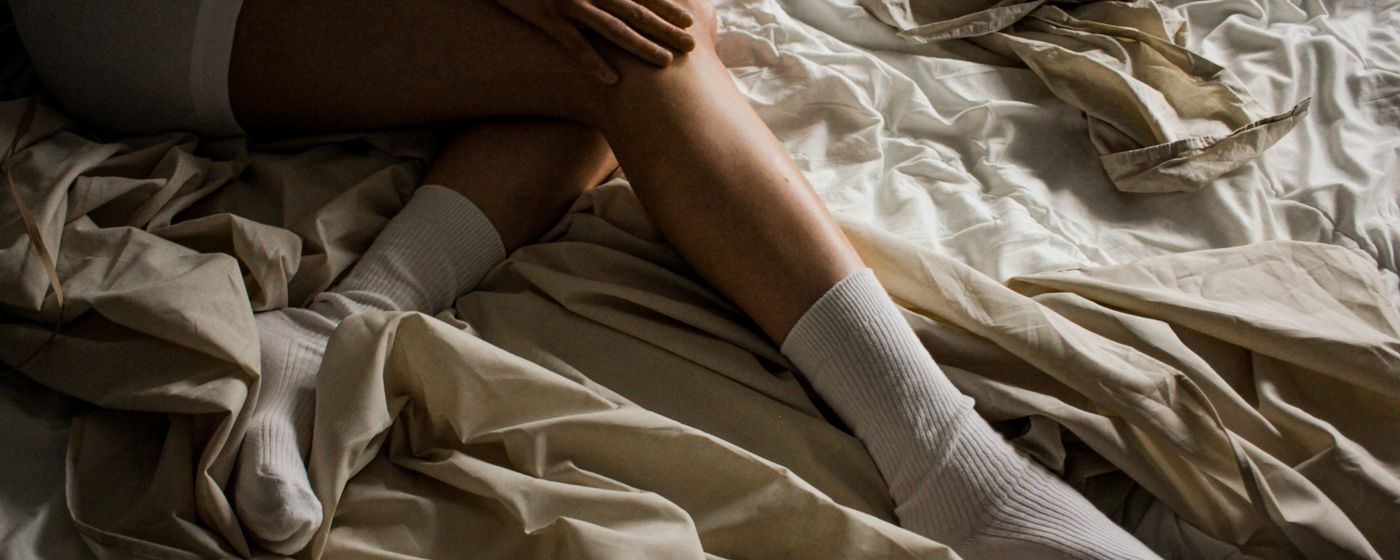
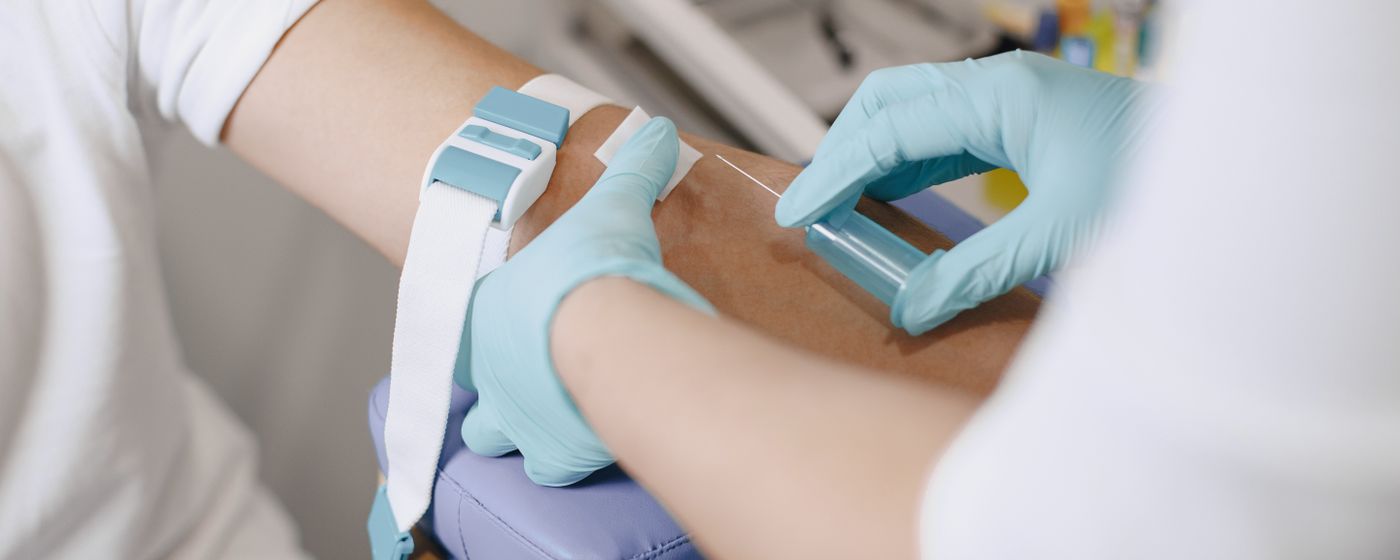
<style>:root{--dark-base:#0D1B2A;--dark-mid:#1B3A4B;--teal:#0EA5A0;--teal-dark:#0C8C88;--teal-bright:#14D4CD;--fog:#D8E8E8;--deep-fog:#C8DCDC;--fog-border:#A8C4C4;--ink:#313743;--ink-soft:#49505f;--muted:#6b7280;--warm:#9A6841;--warm-light:#be7b4c;--serif:"Source Serif 4",Georgia,serif;--sans:Inter,-apple-system,BlinkMacSystemFont,"Segoe UI",sans-serif}.acv-root .acv-dek{font:500 19px/1.55 var(--sans);color:var(--ink-soft);margin:0 0 14px}.acv-root .acv-dek b{color:var(--teal-dark)}.acv-root .acv-meta{font:600 13px/1.6 var(--sans);color:var(--muted);margin:14px 0 0;text-align:center}.acv-root .acv-meta .acv-chk{color:var(--teal-dark)}.acv-root .acv-glance{background:linear-gradient(180deg,#F0F7F7,#fff);border:1.5px solid var(--fog-border);border-radius:14px;padding:22px 24px;margin:24px 0 0}.acv-root .acv-glance .acv-gt{font:800 12px/1 var(--sans);letter-spacing:2.5px;text-transform:uppercase;color:var(--teal-dark);margin-bottom:14px}.acv-root .acv-glance .acv-item{font:500 15.5px/1.55 var(--sans);color:var(--ink-soft);padding:0 0 10px 26px;position:relative}.acv-root .acv-glance .acv-item:before{content:"";position:absolute;left:2px;top:7px;width:8px;height:8px;border-radius:50%;background:var(--teal)}.acv-root .acv-glance .acv-item b{color:var(--ink)}.acv-root .acv-glance .acv-s{color:var(--muted);font-size:12.5px}.acv-root .acv-body{margin-top:30px}.acv-root .acv-body p{font-size:20.5px;line-height:1.75;margin:0 0 24px;color:var(--ink-soft)}.acv-root .acv-body p strong{color:var(--ink)}.acv-root .acv-body a{color:var(--teal-dark);font-weight:700;text-decoration:underline;text-decoration-color:rgba(14,165,160,.4);text-underline-offset:3px}.acv-root .acv-dropcap:first-letter{font-family:var(--serif);font-size:64px;font-weight:800;color:var(--dark-mid);float:left;line-height:.9;padding:6px 10px 0 0}.acv-root mark{background:linear-gradient(180deg,transparent 55%,rgba(20,212,205,.35) 55%);color:inherit;padding:0 2px}.acv-root .acv-band{margin:56px 0 24px;padding:26px 22px 12px;background:linear-gradient(180deg,#F0F7F7,#fff);border-radius:16px}.acv-root .acv-band.acv-hype{background:linear-gradient(180deg,#FAF3EB,#fff)}.acv-root .acv-band .acv-inner{display:flex;gap:18px;align-items:center}.acv-root .acv-band .acv-big{font:900 64px/1 var(--sans);color:var(--deep-fog);flex-shrink:0}.acv-root .acv-band.acv-hype .acv-big{color:#EAD9C6}.acv-root .acv-band .acv-q{font:700 13px/1.4 var(--sans);letter-spacing:2px;text-transform:uppercase;color:var(--teal-dark);margin-bottom:6px}.acv-root .acv-band.acv-hype .acv-q{color:var(--warm)}.acv-root .acv-band h3{font-family:var(--serif);font-size:31px;line-height:1.2;font-weight:800;color:var(--ink);margin:0}.acv-root .acv-billboard{background:var(--dark-mid);border-radius:18px;color:#fff;padding:30px 28px;margin:32px 0;text-align:center}.acv-root .acv-billboard .acv-n{font:900 34px/1.2 var(--sans);color:var(--teal-bright);margin-bottom:8px}.acv-root .acv-billboard .acv-d{font:500 16px/1.55 var(--sans);color:#D4E5E5;max-width:480px;margin:0 auto}.acv-root .acv-billboard .acv-c{font:600 12px/1 var(--sans);letter-spacing:1.5px;text-transform:uppercase;color:#8FB3B3;margin-top:12px}.acv-root figure{margin:32px 0}.acv-root figure img{width:100%;border-radius:16px;display:block}.acv-root figcaption{font:600 13.5px/1.5 var(--sans);color:var(--muted);margin:10px 0 0;text-align:center}.acv-root .acv-pullquote{margin:34px 0;text-align:center;padding:0 10px}.acv-root .acv-pullquote p{font-family:var(--serif);font-size:27px;line-height:1.4;color:var(--dark-mid);font-weight:700;margin:0 0 10px}.acv-root .acv-pullquote .acv-who{font:700 12px/1 var(--sans);letter-spacing:2px;text-transform:uppercase;color:var(--warm)}.acv-root .acv-plan{background:linear-gradient(135deg,#fffcf4 0%,#fff8ed 100%);border-left:5px solid var(--teal-dark);border-radius:14px;padding:30px 26px 24px;margin:40px 0 0;box-shadow:0 2px 12px rgba(0,0,0,.06)}.acv-root .acv-plan .acv-ptitle{display:flex;align-items:center;gap:12px;font-family:var(--serif);font-size:26px;font-weight:800;color:var(--ink);margin-bottom:24px}.acv-root .acv-plan .acv-ptitle .acv-ico{font-size:24px;color:var(--teal-dark)}.acv-root .acv-plan .step{display:flex;gap:16px;margin-bottom:20px;align-items:flex-start}.acv-root .acv-plan .acv-n{min-width:38px;width:38px;height:38px;background:var(--teal-dark);border-radius:50%;color:#fff;font:800 17px/38px var(--sans);text-align:center;flex-shrink:0}.acv-root .acv-plan .sh{font:800 16.5px/1.4 var(--sans);color:var(--ink);margin-bottom:3px}.acv-root .acv-plan .sd{font:400 15px/1.6 var(--sans);color:var(--muted)}.acv-root .acv-plan .acv-pdiv{height:1px;background:#E4DECE;margin:26px 0 22px}.acv-root .acv-calbar{display:flex;align-items:center;justify-content:center;gap:12px;width:100%;background:linear-gradient(90deg,var(--teal-dark),var(--teal));color:#fff;border:none;border-radius:12px;padding:17px 20px;font:700 16px/1.3 var(--sans);cursor:pointer;position:relative;box-shadow:0 4px 14px rgba(12,140,136,.25)}.acv-root .acv-calbar i{font-family:var(--serif);font-style:italic;font-weight:600}.acv-root .acv-calbar .acv-qm{position:absolute;right:14px;top:50%;transform:translateY(-50%);width:26px;height:26px;border-radius:50%;background:rgba(255,255,255,.22);font:700 14px/26px var(--sans);text-align:center}.acv-root .acv-opsrow{display:grid;grid-template-columns:repeat(4,1fr);gap:12px;margin-top:14px}@media(max-width:640px){.acv-root .acv-opsrow{grid-template-columns:1fr 1fr}}.acv-root .acv-opsrow button{display:flex;align-items:center;justify-content:center;gap:8px;background:#fff;border:1.5px solid var(--teal);color:var(--teal-dark);border-radius:50px;padding:13px 10px;font:700 14px/1 var(--sans);cursor:pointer;transition:background .15s}.acv-root .acv-opsrow button:hover{background:#F0FAFA}.acv-root .acv-capture{background:linear-gradient(135deg,var(--dark-base),var(--dark-mid));border-radius:18px;padding:32px 30px;margin:50px 0 56px;color:#fff;position:relative;overflow:hidden;box-shadow:0 16px 40px rgba(13,27,42,.25)}.acv-root .acv-cap-grid{display:grid;grid-template-columns:1fr 200px;gap:26px;align-items:center}@media(max-width:600px){.acv-root .acv-cap-grid{grid-template-columns:1fr}.acv-root .acv-chartcard{display:none}}.acv-root .acv-capture h4{font-family:var(--serif);font-size:26px;font-weight:800;margin:0 0 8px}.acv-root .acv-capture .acv-sub{font:500 15.5px/1.55 var(--sans);color:#C9DDDD;margin:0 0 18px}.acv-root .acv-chartcard{background:#fff;border-radius:8px;padding:14px 13px 12px;box-shadow:0 12px 32px rgba(0,0,0,.38);transform:rotate(2deg)}.acv-root .acv-chartcard .acv-ch-mast{font-family:var(--serif);font-weight:800;font-size:11px;color:var(--dark-base);letter-spacing:.4px;border-bottom:3px solid var(--dark-base);padding-bottom:5px}.acv-root .acv-chartcard .acv-ch-sub{font:800 5.5px/1.4 var(--sans);color:var(--muted);letter-spacing:.8px;margin:4px 0 8px}.acv-root .acv-chartcard .acv-ch-cols{display:grid;grid-template-columns:1fr 1fr;gap:8px}.acv-root .acv-chartcard .acv-ch-h{font:900 7.5px/1 var(--sans);letter-spacing:1px;border-radius:3px;padding:4px 5px;margin-bottom:5px;color:#fff}.acv-root .acv-chartcard .acv-ch-h.acv-ok{background:#2E7D5B}.acv-root .acv-chartcard .acv-ch-h.acv-no{background:#B4533A}.acv-root .acv-chartcard .acv-ch-row{height:9px;border-radius:2px;margin:4px 0}.acv-root .acv-chartcard .acv-ch-row.acv-ok{background:#E3F0E9}.acv-root .acv-chartcard .acv-ch-row.acv-no{background:#F6E7E1}.acv-root .acv-chartcard .acv-ch-row.acv-short{width:70%}.acv-root .acv-chartcard .acv-ch-band{height:16px;border-radius:3px;background:var(--fog);margin-top:9px}.acv-root .cap-state{display:none}.acv-root .acv-capture[data-state="trigger"] .st-trigger{display:block}.acv-root .acv-capture[data-state="form"] .st-form{display:block}.acv-root .acv-capture[data-state="sent"] .st-sent{display:block}.acv-root .acv-bigbtn{display:inline-flex;align-items:center;gap:10px;background:var(--teal-bright);color:var(--dark-base);border:none;border-radius:50px;padding:16px 28px;font:800 15.5px/1 var(--sans);cursor:pointer;box-shadow:0 6px 20px rgba(20,212,205,.35)}.acv-root .acv-fine{font:500 12px/1.5 var(--sans);color:#7FA3A3;margin-top:12px}.acv-root .capform{display:flex;gap:10px;max-width:440px}@media(max-width:520px){.acv-root .capform{flex-direction:column}}.acv-root .capform input{flex:1;border:none;border-radius:50px;padding:14px 20px;font:500 15px/1 var(--sans)}.acv-root .capform button{background:var(--teal-bright);color:var(--dark-base);border:none;border-radius:50px;padding:14px 24px;font:800 14px/1 var(--sans);cursor:pointer}.acv-root .acv-sent-check{width:52px;height:52px;border-radius:50%;background:var(--teal-bright);color:var(--dark-base);font:800 26px/52px var(--sans);margin-bottom:12px}.acv-root .dl{display:inline-block;margin-top:6px;color:var(--teal-bright);font:700 15px/1 var(--sans);text-decoration:underline;text-underline-offset:3px;cursor:pointer}.acv-root .acv-sig{margin-top:36px}.acv-root .acv-sig .acv-toyour{font-family:var(--serif);font-size:17px;font-style:italic;color:#777;margin:0 0 8px;padding-left:38px}.acv-root .acv-sig .acv-row{display:flex;align-items:center;gap:10px}.acv-root .acv-sig .acv-glyph{width:30px;height:30px;flex-shrink:0}.acv-root .acv-sig .acv-name{font-family:var(--serif);font-size:24px;font-weight:700;margin:0;color:var(--ink)}.acv-root .acv-sig .acv-tag{font:700 11px/1 var(--sans);color:var(--warm-light);letter-spacing:2.5px;text-transform:uppercase;margin:6px 0 0 40px}.acv-root .acv-trust{margin-top:30px;padding-top:22px;border-top:1px solid #e5e7eb;text-align:center}.acv-root .acv-trust .acv-t{font:700 13px/1 var(--sans);color:var(--muted);letter-spacing:2px;text-transform:uppercase;margin-bottom:16px}.acv-root .acv-trust a{display:inline-block;background:#fff;border:1.5px solid var(--warm);color:var(--warm);padding:8px 20px;border-radius:20px;font:600 14px/1 var(--sans);text-decoration:none;margin:0 4px 8px}.acv-root .acv-body p.acv-disclaimer{font-family:var(--serif);font-size:16px;font-style:italic;color:#999;margin:24px 0 0;line-height:1.5;text-align:center}.acv-root .acv-faq{margin-top:40px;border-top:1px solid #e5e7eb;padding-top:30px}.acv-root .acv-faq h2{font-family:var(--serif);font-size:23px;font-weight:800;margin:0 0 18px}.acv-root .acv-faq details{border:1px solid #e5e7eb;border-radius:10px;margin-bottom:10px;overflow:hidden}.acv-root .acv-faq summary{padding:15px 18px;font:700 16px/1.4 var(--sans);cursor:pointer;list-style:none;display:flex;justify-content:space-between;gap:12px;align-items:center}.acv-root .acv-faq summary:after{content:"\25BE";color:var(--warm)}.acv-root .acv-faq .acv-a{padding:0 18px 16px;font-size:17px;line-height:1.65;color:#555}.acv-root .acv-secondary{margin-top:26px;background:#fff;border:1.5px dashed var(--fog-border);border-radius:12px;padding:18px 20px;text-align:center;font:500 15px/1.6 var(--sans);color:var(--ink-soft)}.acv-root .acv-secondary a{color:var(--teal-dark);font-weight:700}.acv-root .acv-body ol.acv-signlist{list-style:none;margin:0 0 24px;padding:0;counter-reset:sgn}.acv-root .acv-body ol.acv-signlist li{position:relative;padding:0 0 15px 48px;font-size:19px;line-height:1.6;color:var(--ink-soft);counter-increment:sgn}.acv-root .acv-body ol.acv-signlist li:before{content:counter(sgn);position:absolute;left:0;top:1px;width:32px;height:32px;border-radius:50%;background:var(--teal-dark);color:#fff;font:800 15px/32px var(--sans);text-align:center}.acv-root .acv-body ol.acv-signlist li b{color:var(--ink)}.acv-root .acv-opsrow{grid-template-columns:repeat(3,1fr)}@media(max-width:640px){.acv-root .acv-opsrow{grid-template-columns:1fr 1fr}}</style><div class="acv-root"><p class="acv-dek">That crawling urge to move your legs at night has a name. Restless legs syndrome is a real sleep-related movement disorder, and it is <b>more common after 50</b>. Five signs say RLS. Three steps calm it.</p><p class="acv-meta">Ageless Coach Editorial Team · August 24, 2026</p><div class="acv-glance"><div class="acv-gt">In 30 Seconds</div><div class="acv-item"><b>It is a movement disorder, not a habit.</b> RLS causes a strong, nearly irresistible urge to move your legs, and it is worst at rest in the evening. <span class="acv-s">Cleveland Clinic</span></div><div class="acv-item"><b>Five signs point to RLS:</b> a deep urge to move, symptoms that start at rest, relief the moment you move, evening timing, and leg twitching in your sleep. <span class="acv-s">Mayo Clinic</span></div><div class="acv-item"><b>Three steps calm it:</b> get checked for iron deficiency, drop the things that make it worse, and treat the condition underneath. <span class="acv-s">Johns Hopkins Medicine</span></div></div><div class="acv-body"><p class="acv-dropcap">You get into bed exhausted. Within minutes your legs start up. Not pain exactly, more a crawling, pulling need to move that will not let you lie still.</p><p><mark>You get up, walk the hallway, and it stops. You lie back down and it starts again.</mark></p><p>That loop has a name and a workup. <strong>Here are the five signs it is restless legs syndrome, and the three steps that calm it.</strong></p><div class="acv-band"><div class="acv-inner"><div class="acv-big">1</div><div><div class="acv-q">The Sign Check</div><h3>Five Signs It Is RLS and Not Just Nerves</h3></div></div></div><p>The <a href="https://my.clevelandclinic.org/health/diseases/9497-restless-legs-syndrome" target="_blank" rel="noopener">Cleveland Clinic</a> calls RLS a sleep-related movement disorder, and the pattern is specific enough to recognize at home.</p><ol class="acv-signlist"><li><b>A deep urge to move your legs.</b> It feels like it comes from inside the leg, not on the skin. People describe crawling, creeping, pulling, aching, itching or electric.</li><li><b>It starts when you are still.</b> Lying in bed, sitting in a car, on a plane, in a movie theater. Rest brings it on.</li><li><b>Moving makes it stop.</b> Stretching, jiggling your legs, pacing or walking eases it right away. The relief is real but short.</li><li><b>It is worse in the evening and at night.</b> The same stillness at ten in the morning usually causes nothing.</li><li><b>Your legs twitch while you sleep.</b> Mayo links RLS with periodic limb movement of sleep, where the legs kick through the night.</li></ol><div class="acv-billboard"><div class="acv-n">Over 50</div><div class="acv-d">RLS can start at any age, but it is more common in people over 50, and it tends to get worse with age rather than better.</div><div class="acv-c">Source: Cleveland Clinic</div></div><p>Usually both legs are involved. Hopkins notes the sensations sit mostly in the calf but can run anywhere from the thigh to the ankle, and some people feel them in the arms.</p><div class="acv-band"><div class="acv-inner"><div class="acv-big">2</div><div><div class="acv-q">The Cost</div><h3>Why Losing the First Hour Costs You the Whole Day</h3></div></div></div><p>The damage is not really in the legs. It is in the sleep you never get. <a href="https://www.hopkinsmedicine.org/health/conditions-and-diseases/restless-legs-syndrome-rls" target="_blank" rel="noopener">Johns Hopkins Medicine</a> is blunt that sleep problems are common with RLS and that severe daytime fatigue can be a big problem on its own.</p><p><strong>Sleep onset takes the hit.</strong> The symptoms peak at the exact moment you are trying to fall asleep.</p><p><strong>Then the night breaks up.</strong> Nighttime twitching wakes you again after you finally get down.</p><p><strong>Daytime pays the bill.</strong> Fatigue, short temper and poor focus follow a run of broken nights.</p><p><strong>Sitting still gets hard too.</strong> Long drives, flights and evening meetings stop being restful.</p><figure><img src="https://images.pexels.com/photos/11326529/pexels-photo-11326529.jpeg?auto=compress&cs=tinysrgb&w=1400&h=560&fit=crop" alt="A person's legs drawn up on a rumpled bed at night"><figcaption>RLS peaks at rest in the evening, which is exactly when you are trying to fall asleep.</figcaption></figure><div class="acv-pullquote"><p>Moving often briefly relieves the limb discomfort.</p><div class="acv-who">Johns Hopkins Medicine</div></div><p>Late onset RLS deserves extra attention. Cleveland Clinic notes that when symptoms start after 45 they progress faster and are more often tied to another condition.</p><div class="acv-capture ac-capture" data-state="trigger" id="cap" data-article-slug="restless-legs-at-night-5-signs-it-is-rls-and-3-steps-that-calm-it" data-pdf-url="https://cdn.prod.website-files.com/69be1026a027224999b7936b/6a8c3f8f1e8339c9e63ffd79_ac-restless-legs-signs-steps-sheet.pdf" data-plan-title="The Restless Legs Plan" data-plan-desc="The restless legs sheet: the 5 signs it is RLS, the 3 steps that calm it, and the tests to ask your doctor for."><div class="st-trigger cap-state"><div class="acv-cap-grid"><div><h4>Take the restless legs sheet with you</h4><p class="acv-sub">The whole decoder on one printable sheet: the 5 signs, the 3 steps, and the tests to ask for. Free, unlocked right here.</p><button class="acv-bigbtn" type="button" data-cap="form">📄 Print My Plan (Free PDF)</button><div class="acv-fine">Joins the free weekly Ageless Brief. Unsubscribe anytime.</div></div><div class="acv-chartcard" aria-hidden="true"><div class="acv-ch-mast">RESTLESS LEGS: SIGNS AND STEPS</div><div class="acv-ch-sub">AGELESS COACH · CHECKED AGAINST CLEVELAND · MAYO · HOPKINS</div><div class="acv-ch-cols"><div class="acv-ch-col"><div class="acv-ch-h acv-ok">✓ DO THIS</div><div class="acv-ch-row acv-ok"></div><div class="acv-ch-row acv-ok acv-short"></div><div class="acv-ch-row acv-ok"></div><div class="acv-ch-row acv-ok acv-short"></div></div><div class="acv-ch-col"><div class="acv-ch-h acv-no">✗ DO NOT</div><div class="acv-ch-row acv-no"></div><div class="acv-ch-row acv-no acv-short"></div><div class="acv-ch-row acv-no"></div><div class="acv-ch-row acv-no acv-short"></div></div></div><div class="acv-ch-band"></div></div></div></div><div class="st-form cap-state"><h4>Enter your email to unlock your plan</h4><p class="acv-sub">Your 1-page restless legs plan, unlocked right here.</p><form class="capform"><input type="email" name="email" placeholder="Your email address" aria-label="Email address" required><button type="submit">Unlock My Plan (Free)</button></form><div class="acv-fine">No spam. One short evidence brief each week. Unsubscribe anytime.</div></div><div class="st-sent cap-state"><div class="acv-sent-check">✓</div><h4>Your plan is ready</h4><p class="acv-sub">Download or print it below. Save it anywhere.</p><a class="dl" href="https://cdn.prod.website-files.com/69be1026a027224999b7936b/6a8c3f8f1e8339c9e63ffd79_ac-restless-legs-signs-steps-sheet.pdf" download>⬇ Download your plan (PDF)</a><div class="acv-fine">Your first Ageless Brief arrives this week: one study, translated, no hype.</div></div></div><div class="acv-band"><div class="acv-inner"><div class="acv-big">3</div><div><div class="acv-q">The Fix</div><h3>Three Steps That Calm Restless Legs at Night</h3></div></div></div><p>There is no single pill everyone takes. There is a sequence, and it starts with a blood test rather than a supplement.</p><p>Hopkins and the <a href="https://www.mayoclinic.org/diseases-conditions/restless-legs-syndrome/symptoms-causes/syc-20377168" target="_blank" rel="noopener">Mayo Clinic</a> point at the same order. Find and treat the cause, then remove what makes it worse, then consider medicine.</p><figure><img src="https://images.pexels.com/photos/6285344/pexels-photo-6285344.jpeg?auto=compress&cs=tinysrgb&w=1400&h=560&fit=crop" alt="A blood sample being drawn from a person's arm at a clinic"><figcaption>Iron deficiency is a treatable cause. Hopkins gives iron therapy only when a test shows iron is actually low.</figcaption></figure><div class="acv-billboard"><div class="acv-n">Iron first</div><div class="acv-d">Hopkins treats the underlying disorder first and names iron deficiency as the example, with iron therapy given only if iron deficiency is present.</div><div class="acv-c">Source: Johns Hopkins Medicine</div></div><p>The rest is unglamorous and it works. Good sleep habits, regular moderate exercise, and stopping the activities and substances that worsen symptoms.</p><div class="acv-band acv-hype"><div class="acv-inner"><div class="acv-big">✗</div><div><div class="acv-q">The Debunk</div><h3>Three Restless Legs Myths Worth Dropping</h3></div></div></div><p>RLS collects confident bad advice, and one common piece of it is genuinely risky.</p><p><strong>It is just a nervous habit.</strong> No. Cleveland Clinic classifies RLS as a sleep-related movement disorder with a defined symptom pattern.</p><p><strong>Take iron and see if it helps.</strong> Hopkins gives iron therapy only when iron deficiency is present. Taking iron you do not need is not harmless, so get the test first.</p><p><strong>A nightcap helps you settle.</strong> Hopkins lists alcohol, along with caffeine and tobacco, among the things to give up because they may make symptoms worse.</p><div class="acv-plan ac-plan" id="coach-recommendations"><div class="acv-ptitle"><span class="acv-ico">📋</span>Your Coach's Recommendations</div><div class="step"><div class="acv-n">1</div><div><div class="sh">Ask for a ferritin and iron panel.</div><div class="sd">Iron deficiency is the one common cause with a simple test and a real fix. Hopkins treats the underlying disorder first and names iron deficiency as the example. Ask for the numbers, not just normal or abnormal.</div></div></div><div class="step"><div class="acv-n">2</div><div><div class="sh">Cut caffeine, alcohol and tobacco for two weeks.</div><div class="sd">Hopkins lists all three as things to give up because they may worsen symptoms. Two weeks is long enough to see whether your nights change, and none of it needs a prescription.</div></div></div><div class="step"><div class="acv-n">3</div><div><div class="sh">Bring your medicine list to the appointment.</div><div class="sd">Certain medicines are linked with RLS, so the list matters as much as the symptoms. Mention diabetes, kidney problems and any nerve symptoms too, since those travel with it.</div></div></div><div class="acv-pdiv"></div><button class="acv-calbar" type="button" data-ac-cal>📅 Add <i>Your Coach's Recommendations</i> to Your Calendar <span class="acv-qm">?</span></button><div class="acv-opsrow"><button type="button" data-ac-share>⇮ Share</button><button type="button" data-ac-savepdf>📄 Save PDF</button><button type="button" data-ac-print>🖨 Print</button></div></div><div class="acv-sig"><p class="acv-toyour">To your health,</p><div class="acv-row"><svg class="acv-glyph" viewBox="0 0 40 40" aria-hidden="true"><circle cx="20" cy="20" r="18" fill="none" stroke="#0D1B2A" stroke-width="3"/><path d="M13 28 L20 11 L27 28 M16 22 H24" fill="none" stroke="#0D1B2A" stroke-width="3" stroke-linecap="round" stroke-linejoin="round"/></svg><p class="acv-name">Ageless Coach</p></div><p class="acv-tag">Age Strong. Live Long.</p></div><div class="acv-trust"><div class="acv-t">Trusted Sources Behind This Article</div><a href="https://my.clevelandclinic.org/health/diseases/9497-restless-legs-syndrome" target="_blank" rel="noopener">Cleveland Clinic</a><a href="https://www.mayoclinic.org/diseases-conditions/restless-legs-syndrome/symptoms-causes/syc-20377168" target="_blank" rel="noopener">Mayo Clinic</a><a href="https://www.hopkinsmedicine.org/health/conditions-and-diseases/restless-legs-syndrome-rls" target="_blank" rel="noopener">Johns Hopkins Medicine</a></div><p class="acv-disclaimer">This article is education, not medical advice. Talk to a doctor before starting iron or any supplement, and never stop a prescribed medicine on your own.</p><div class="acv-faq"><h2>Frequently Asked Questions</h2><details><summary>How do I know if it is restless legs or just leg cramps?</summary><div class="acv-a">A cramp is a sudden hard muscle knot that hurts and then eases. RLS is an urge to move with an uncomfortable feeling deep in the leg, it builds when you are still, and it goes quiet the moment you walk. Cramps do not care what time it is. RLS is worse in the evening.</div></details><details><summary>Can I just take an iron supplement and see if it helps?</summary><div class="acv-a">That is the one shortcut worth avoiding. Hopkins gives iron therapy only when iron deficiency is present. Get the blood test first, then follow what it says.</div></details><details><summary>Does exercise make restless legs better or worse?</summary><div class="acv-a">Regular, moderate exercise is on the Hopkins list of things that help. Very hard exercise late in the day is a different story for some people. Steady and moderate is the version that shows up in the guidance.</div></details><details><summary>Why is it always worse at night?</summary><div class="acv-a">The symptoms follow a daily rhythm. Mayo describes them as occurring mainly at night, and the combination of evening timing plus sitting still is what sets them off.</div></details><details><summary>Is restless legs syndrome dangerous?</summary><div class="acv-a">The syndrome itself is not, but the lost sleep is worth taking seriously, and Cleveland Clinic notes that late onset RLS is more often connected to another condition. That is the reason to get it looked at rather than to worry.</div></details><details><summary>Can it run in my family?</summary><div class="acv-a">Yes. Mayo notes that RLS sometimes runs in families, especially when symptoms start before age 40, and researchers have found chromosome sites linked with it.</div></details></div><div class="acv-secondary">Wondering where you stand overall? <a href="/#assessment">Take the free 5-minute Healthspan Snapshot</a> and see your strongest and weakest of six dimensions.</div></div></div>