
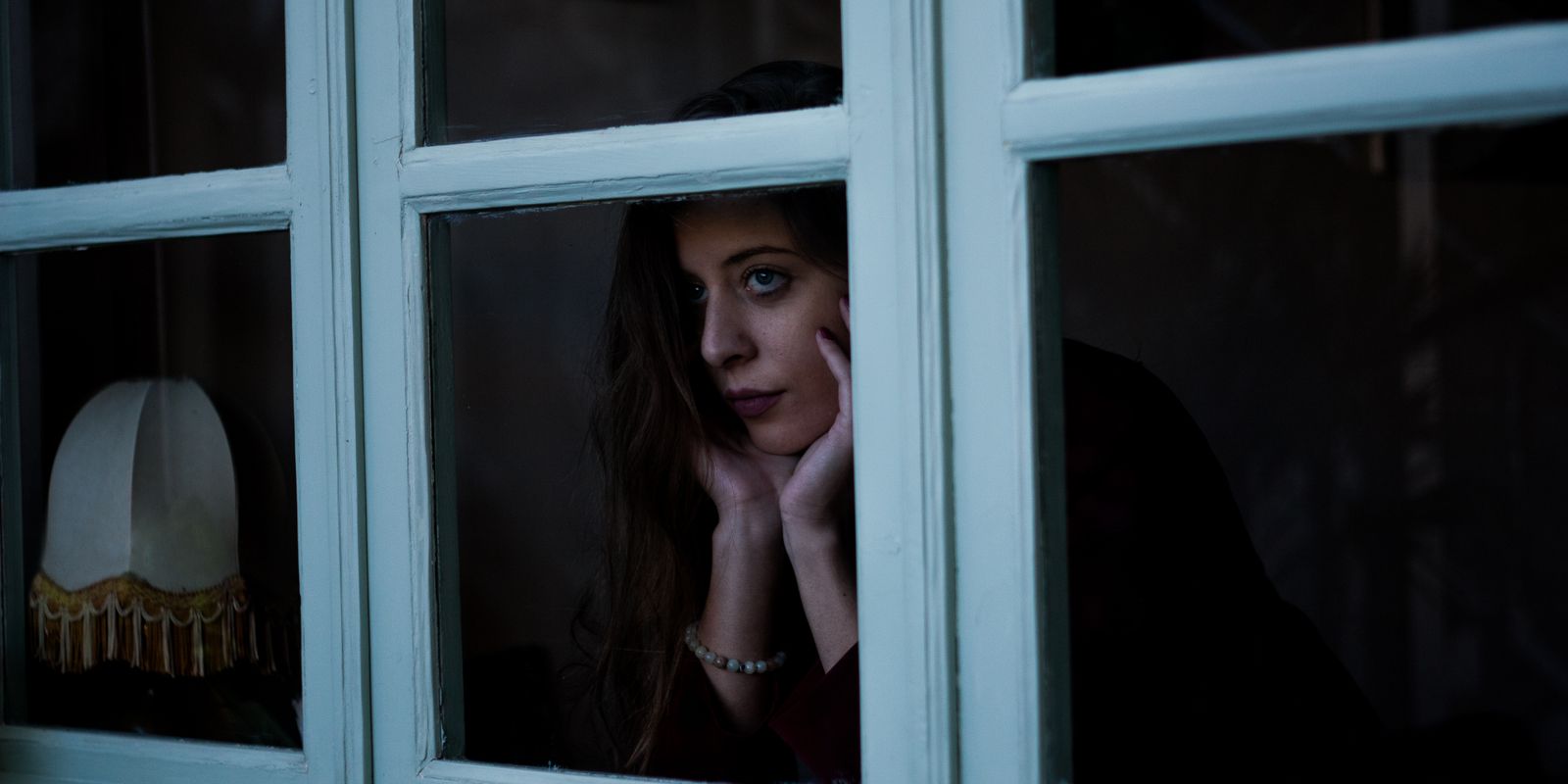
NIMH sorts every treatment for seasonal affective disorder into four categories. Knowing which one is which is most of the work.
Seasonal affective disorder has four proven treatment categories, and NIMH names all four.
Shorter days shift the internal clock that sets mood, sleep and hormones. In people prone to it, that shift tips into depression. It arrives and leaves with the calendar.
Below are the four treatments. Then the numbers that make light therapy work, and the line between a rough winter and a diagnosis.
Four treatments, and only two are for winter
NIMH says treatments for SAD fall into four main categories. They can be used alone or in combination.
The split matters. Two of the four aim at winter pattern SAD. The other two treat depression in general.
- Light therapy. A mainstay since the 1980s. The person sits in front of a very bright light box every morning through the dark months. NIMH says it is for winter pattern SAD.
- Psychotherapy. Talk therapy teaches new ways of thinking and behaving. Cognitive behavioral therapy has been adapted for SAD. It treats depression in general, both patterns.
- Antidepressant medication. Also used for depression in general. NIMH lists it as one of the four and says a provider weighs the benefits and risks with you.
- Vitamin D. The fourth category, and like light therapy it is aimed at winter pattern SAD. NIMH names it alongside the other three rather than above them.
Notice what is not on the list. There is no treatment specific to summer pattern SAD, and NIMH says so plainly.
Notice also that vitamin D sits beside the other three, not underneath them.
Light therapy only works at the right dose
A light box is not a lamp. NIMH describes a box rated at 10,000 lux. That is about 20 times brighter than ordinary indoor light.
The session runs about 30 to 45 minutes, usually first thing in the morning, from fall through spring.

The box filters out UV light, which is what makes it safe for most people.
Most, not all. NIMH says some people need supervision or a different treatment. That includes people with certain eye diseases and people on medicines that raise light sensitivity.
Treatments are available to help people with SAD. They fall into four main categories that can be used alone or in combination.
Take the four treatments with you
One printable sheet: the four treatment categories, the light box numbers, the winter blues line, and the symptoms that need a provider. Free, unlocked right here.
Enter your email to unlock your plan
Your 1-page seasonal affective disorder plan, unlocked right here.
Your plan is ready
Download or print it below. Save it anywhere.
⬇ Download your plan (PDF)Where the winter blues stop and SAD starts
Cleveland Clinic says about 5 percent of adults in the United States have SAD, and 10 to 20 percent may get a milder form of the winter blues.
The difference is not intensity of feeling. It is function.

Cleveland Clinic says full SAD goes beyond the winter blues. It affects daily life, including how you feel and think. The American Psychiatric Association classes it as major depressive disorder with seasonal patterns.
Mayo Clinic puts the trigger for a visit in plain words. See a provider if you feel down for days at a time. Same if you cannot get motivated to do things you normally enjoy.
Mayo says this matters most if your sleep and appetite have changed. It also matters if you turn to alcohol for comfort, or feel hopeless.
SAD symptoms run about four to five months of the year. Waiting it out is a long bet.
Three seasonal depression beliefs that do not hold
Three ideas send people to the wrong fix, and each one has a published answer.
It is the same thing as holiday stress. NIMH says the depression in SAD is related to changes in daylight hours, not the calendar. Stress from holidays, family visits or school schedules is not the same thing.
Only cold northern winters cause it. Mayo Clinic lists living far from the equator as a risk factor. It ties that to less winter sunlight, not to cold. Latitude is the variable, not the thermometer.
It only happens in winter. Cleveland Clinic and NIMH both describe a summer pattern. It is less common. Its symptoms run the other way: insomnia, poor appetite, weight loss, restlessness and agitation.
To your health,
Ageless Coach
Age Strong. Live Long.
This article is education, not medical advice. Mayo Clinic says to see a health care provider if you feel down for days at a time, cannot get motivated for activities you normally enjoy, notice changes in sleep or appetite, turn to alcohol for comfort, or feel hopeless. If you are having thoughts of suicide, call or text 988 in the United States. Ageless Coach is an affiliate partner and may earn a commission on purchases made through links on this page.