Free Weekly Health Brief
HomeAboutTopicsNewsletterCommunity
Free Weekly Health Brief
HomeAboutTopicsNewsletterCommunity
Free Weekly Health Brief
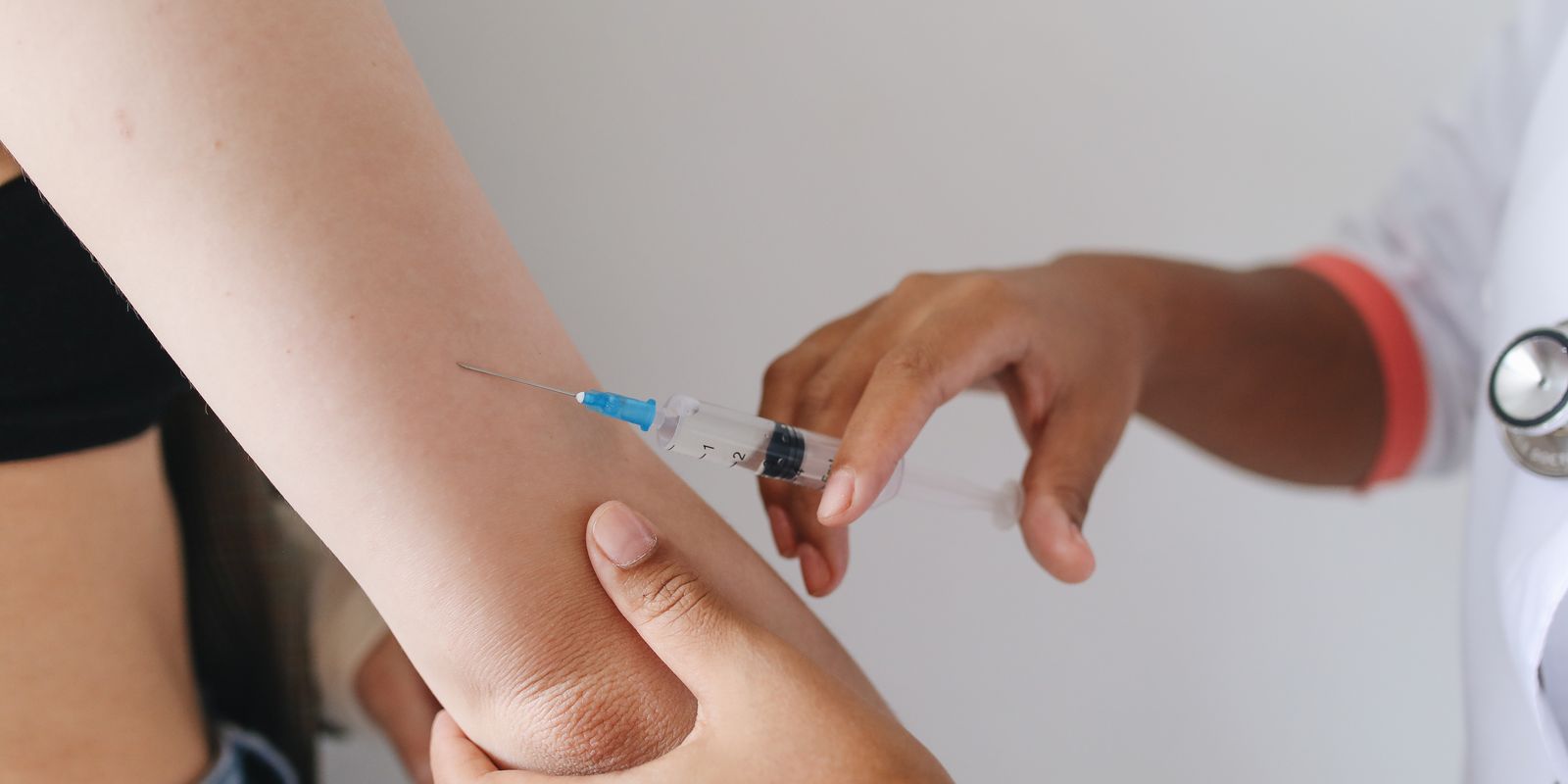
A clinician giving a vaccination injection into a patient's upper arm
Medical Literacy

Shingles Vaccine After 50: Over 90% Effective, and 4 Reasons Not to Wait

About 1 in 3 Americans will get shingles. The two-dose Shingrix series is over 90% effective after 50, and it prevents the nerve pain that can outlast the rash by months.

Ageless Coach Editorial Team · August 24, 2026

In 30 Seconds
Over 90% effective. CDC puts the recombinant shingles vaccine at over 90% effective at preventing shingles and its nerve-pain complication in healthy adults 50 and older. CDC
Two doses, 2 to 6 months apart. Shingrix is a two-dose series given as a shot in the upper arm, recommended for every adult 50 and older. CDC
The complication is the point. Postherpetic neuralgia is long-term nerve pain in the area where the rash was, and it can last months or years. CDC

Most people picture shingles as a bad rash you get through in a couple of weeks. For plenty of people, that is exactly what happens.

For others, the rash clears and the nerve pain stays for months.

That second group is who the vaccine is really for. Here is what the shot prevents, the four reasons not to put it off, and what to do if you think you already have shingles.

1
The Numbers

Four Reasons Not to Put the Shot Off

The CDC is unusually direct about this one. Vaccination is the only way to protect yourself against shingles, and the numbers behind that line are strong.

  1. About 1 in 3 people get it. CDC puts the lifetime risk at about 1 in 3 in the United States, and the risk climbs with age.
  2. It prevents the nerve pain, not just the rash. The same over 90% figure covers postherpetic neuralgia in healthy adults 50 and older.
  3. There is no other protection. CDC calls vaccination the only way to protect against shingles and its complications.
  4. Full protection takes months. It is a two-dose series spaced 2 to 6 months apart, so the clock starts when you book the first one.
1 in 3
That is the lifetime shingles risk in the United States, and it rises as you get older. The virus is already inside you if you ever had chickenpox.
Source: CDC

That last part surprises people. Mayo explains that after chickenpox the varicella-zoster virus stays in the body for the rest of your life, and years later it may reactivate as shingles.

2
The Complication

The Nerve Pain That Outlasts the Rash

The rash is only the visible part. The Mayo Clinic names postherpetic neuralgia as the most common complication, and it is the reason doctors push the vaccine.

It is pain where the rash was. The blisters heal. The nerve keeps sending pain signals from that same patch of skin.

It can last months or years. CDC describes long-term nerve pain that can be severe and debilitating.

Age raises the odds. Shingles risk climbs with age, which is why 50 is the starting line and not the deadline.

The vaccine covers it. The over 90% figure applies to preventing that nerve pain, not only the rash itself.

A gloved clinician preparing a patient's upper arm for a vaccination
Shingrix is given as a shot in the upper arm, in two doses spaced 2 to 6 months apart.

Shingles vaccination is the only way to protect yourself against this painful disease.

CDC

Shingles is not usually life threatening. Mayo says so plainly. It is simply capable of being very painful, and the pain is the part that can stay.

Take the shingles sheet with you

The whole decoder on one printable sheet: what the shot prevents, the dose schedule, and the 3-day rule. Free, unlocked right here.

Joins the free weekly Ageless Brief. Unsubscribe anytime.

Enter your email to unlock your plan

Your 1-page shingles plan, unlocked right here.

No spam. One short evidence brief each week. Unsubscribe anytime.
✓

Your plan is ready

Download or print it below. Save it anywhere.

⬇ Download your plan (PDF)
Your first Ageless Brief arrives this week: one study, translated, no hype.
3
The Early Window

Why the First Three Days Change the Outcome

If you think you already have shingles, timing matters more than anything else you will do that week.

The Cleveland Clinic says antivirals taken within three days of the start of symptoms might help you feel better sooner. Waiting to see what develops spends that window.

A pharmacist discussing a medicine box with an older woman at a pharmacy counter
Both doses are usually available at a pharmacy. Ask which one you are due for and when.
3 days
That is the window Cleveland Clinic gives for starting antiviral treatment after shingles symptoms begin. Some early symptoms, like nerve pain and skin discoloration, show up before any rash.
Source: Cleveland Clinic

Not everyone gets a rash at all. Cleveland Clinic advises seeing a provider if you have shingles symptoms even when no rash appears.

✗
The Debunk

Three Shingles Beliefs That Delay the Shot

Three beliefs keep people out of the pharmacy longer than they should be.

I already had shingles, so I am done. Having had shingles does not take you out of the CDC recommendation for adults 50 and older. Ask your provider about timing.

I never had chickenpox. Most adults did, sometimes without a clear memory of it. Mayo notes the virus stays in the body for life after chickenpox.

I will get it at 60. The recommendation starts at 50, and the series takes 2 to 6 months to finish. A later start means later protection.

📋Your Coach's Recommendations
1
Check whether you have had both doses.
Shingrix is a two-dose series, 2 to 6 months apart. One dose is not the finished job. Your pharmacy record usually has the dates, and your provider can confirm.
2
Book dose one at a pharmacy this month.
CDC recommends it for every adult 50 and older with a healthy immune system, and it can be given at the same visit as other vaccines. Put dose two on the calendar before you leave.
3
Know the three-day rule cold.
If burning, tingling or a band of rash shows up on one side of your body, call the same day. Cleveland Clinic puts the antiviral window at within three days of symptom onset.

To your health,

Ageless Coach

Age Strong. Live Long.

Trusted Sources Behind This Article
CDCMayo ClinicCleveland Clinic

This article is education, not medical advice. Vaccine timing and eligibility depend on your health history, so confirm both with your doctor or pharmacist.

Frequently Asked Questions

How do I know if I need the shingles vaccine?
If you are 50 or older with a healthy immune system, CDC recommends it. Adults 19 and older with weakened immune systems are recommended to get it too. Your pharmacist can check your record for prior doses.
Can I get both doses at a pharmacy?
Usually yes. CDC describes it as a shot in the upper arm given by a doctor or pharmacist, in two doses separated by 2 to 6 months.
What happens if I wait too long between doses?
Ask your provider rather than restarting on your own. The recommended spacing is 2 to 6 months for healthy adults 50 and older, and 1 to 2 months is allowed for people with weakened immune systems if needed.
Is shingles dangerous?
Mayo says shingles is not usually life threatening, but it can be very painful, and the most common complication is long-lasting nerve pain. That complication is what the vaccine is built to prevent.
What does shingles look like when it starts?
Often a band of blisters on one side of the torso or face. Cleveland Clinic notes that nerve pain, tingling and skin discoloration can appear before the rash, and some people never get a rash at all.
Can I still get shingles after the vaccine?
It is possible but much less likely. CDC puts the vaccine at over 90% effective in healthy adults 50 and older, and effectiveness is lower in people with weakened immune systems.
Wondering where you stand overall? Take the free 5-minute Healthspan Snapshot and see your strongest and weakest of six dimensions.