
Published: May 18, 2026 · Last updated: May 18, 2026
- Continuous glucose monitors were designed for people with diabetes who need to make insulin dosing decisions, not for general wellness tracking (Cleveland Clinic, 2024)
- Routine blood sugar monitoring is medically indicated mainly for people on insulin or sulfonylureas, or those with active glucose-management goals (Cleveland Clinic, 2024)
- Type 2 diabetes affects more than 1 in 10 American adults and develops slowly, often without symptoms, making targeted screening more useful than 24/7 tracking in healthy people (Cleveland Clinic, 2024)
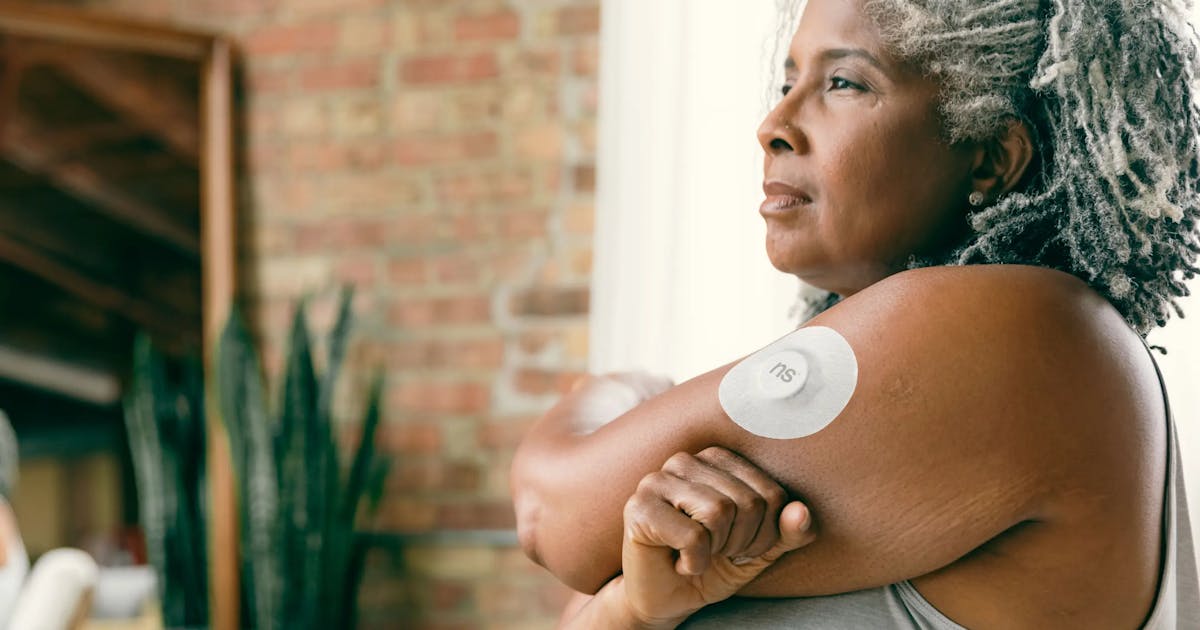
The pharmacy aisle now sells a continuous glucose monitor without a prescription for around $89 every two weeks. Influencers wear them to brunch and post the spikes. The implication is that everyone benefits from watching their blood sugar in real time.
For most healthy adults, the data you collect will not change a single decision your doctor would make. Glucose normally swings throughout the day. Without diabetes, those swings are not the same risk signal that a CGM was built to flag. Two narrow cases do justify the cost, and the rest of the trend is mostly noise.
What a CGM Actually Measures
The Real Signal: A continuous glucose monitor reads interstitial fluid sugar every few minutes through a sensor placed under the skin. The device was created for people with type 1 diabetes and insulin-dependent type 2 diabetes, who need granular data to time insulin doses safely. The full clinical value comes from pairing the readings with active medication adjustments (Cleveland Clinic, 2024).
In a healthy adult without diabetes, post-meal glucose can rise to 140 mg/dL and return to baseline within two hours. That is a normal physiological response, not a warning sign. Mistaking it for one is the most common pitfall of OTC wear.
The 2 Cases Where Wearing One Helps
Pre-Diabetes or Newly Diagnosed Type 2: If your last A1C was in the pre-diabetes range (5.7 to 6.4 percent) or you were recently diagnosed with type 2 diabetes, two to four weeks of CGM data can teach you exactly which foods, portions, and meal timings spike you the most. The behavior change that follows is the actual benefit. Routine blood sugar monitoring matters most when there is a target to manage (Cleveland Clinic, 2024).
The second case is unexplained fatigue, dizziness, or hunger crashes a few hours after eating. A short CGM window can confirm or rule out reactive hypoglycemia, which is hard to catch with a finger stick.
Why Most Wellness Wearers Are Wasting Money
Healthy Glucose Is Variable: The wellness positioning assumes flat is good and spikes are bad. Human metabolism does not work that way. A glucose curve in a non-diabetic that rises after a meal and returns to baseline is normal function. Chasing a perfectly flat trace can push people toward overly restrictive eating, anxiety, or skipped meals that backfire metabolically.
Type 2 diabetes affects more than 1 in 10 American adults, but it develops over years and is best screened with an A1C blood test every three years for adults over 35, or annually if you have risk factors (Cleveland Clinic, 2024). A one-time CGM trial does not replace that simpler, cheaper screening.
What to Do Instead of a 24/7 CGM
Cheaper, Better Screening: Ask your primary care provider for a fasting glucose, an A1C, and a fasting insulin at your next physical. The three readings together cost less than one CGM sensor and tell you whether your metabolism actually needs attention. If results come back borderline, then a short CGM trial becomes useful.
For most healthy adults, walking after meals, reducing ultra-processed carbohydrates, and protecting sleep do more for glucose control than any device on your arm.
If You Still Want to Try One
Make It a Two-Week Experiment: If curiosity wins, treat a single 14-day sensor as a learning tool, not a lifestyle. Keep a brief food log alongside it. Look for patterns across foods, not single spikes. Then take it off and apply what you learned. Wearing one indefinitely without a medical reason adds cost, anxiety, and disposable-plastic waste with little upside.
Discuss any worrisome patterns with your physician before changing your diet or starting any supplement marketed for blood sugar.
To your health,

Ageless Coach
Age Strong. Live Long.
Trusted Sources Behind This Article
This content is for educational purposes only and is not a substitute for professional medical advice, diagnosis, or treatment. Reading this article does not create a provider-patient relationship. Always consult your physician or qualified healthcare provider before making changes to your diet, exercise, or health routine. Ageless Coach is not liable for any actions taken based on this information.
Frequently Asked Questions
Want one verified-science article like this every week?
Get Better Health, Weekly